Category Archives: Military Analytics

Operation Epic Fury: Lessons and Advantages for China and Russia in Future Conflicts

Executive Summary

Operation Epic Fury, initiated on February 28, 2026, represents a watershed moment in the evolution of modern warfare and global geopolitical strategy. The joint military campaign conducted by the United States and Israel was explicitly designed to preemptively dismantle the nuclear infrastructure, conventional military capabilities, and political leadership of the Islamic Republic of Iran. By the third week of March 2026, the coalition had achieved significant conventional military milestones. These milestones include the destruction of over 120 Iranian naval vessels, the elimination of approximately 90 percent of Iran’s land-based ballistic missile launch capacity, and the targeted killings of senior leadership figures such as the de facto regime leader Ali Larijani and Basij Commander Gholamreza Soleimani.1

However, the rapid destruction of Iran’s conventional deterrence did not yield the strategic capitulation anticipated by Western planners. Instead, it triggered a massive, decentralized, and highly lethal asymmetric escalation. Iran and its extensive proxy network immediately transformed the battlespace. They have leveraged cheap, easily produced unmanned aerial systems, mobile production facilities, and strategic chokepoint denial tactics to wage a prolonged war of attrition against technologically superior forces.4 The conflict has morphed into a complex theater dominated by the electromagnetic spectrum, defined by drone swarms, satellite intelligence sharing, and the rapid, unsustainable depletion of expensive Western precision munitions.6

For the People’s Republic of China and the Russian Federation, Operation Epic Fury serves as an unprecedented live-fire laboratory. Neither Beijing nor Moscow has intervened directly in the kinetic fight, yet both are extracting immense strategic and operational value from the conflict. The Russian Federation is actively utilizing the crisis to secure massive economic windfalls through surging global energy prices while simultaneously testing its electronic warfare and intelligence-sharing capabilities against active United States air defense systems in the Middle East.8 Concurrently, the People’s Republic of China is meticulously studying the limits of United States logistics, the rapid exhaustion of American munitions stockpiles, and the boundaries of Western political will. Beijing is directly applying these observations to its military doctrine and contingency planning for a future conflict over the island of Taiwan.10

This exhaustive research report provides a highly detailed situation report on the ongoing conflict. It focuses specifically on the top ten strategic, operational, and tactical advantages that China and Russia are extracting from the United States’ military engagement in Iran. These ten elements represent the core doctrinal lessons that will define the next decade of great power competition and fundamentally shape the architecture of future global conflicts.

1. Operational Theater Overview and Weekly Situation Report

The operational realities of Operation Epic Fury, alongside the Israeli component designated Operation Roaring Lion, have shattered several long-held Western military paradigms regarding deterrence and state collapse. The United States Central Command utilized overwhelming force in the opening phases of the conflict. The Pentagon deployed massive strike packages from the USS Gerald R. Ford and USS Abraham Lincoln carrier strike groups to deliver devastating combat power across the Iranian landmass.2 The operational tempo has been staggering, with the United States declaring air superiority by March 5, 2026, following the systematic destruction of Iranian radar and surface-to-air missile installations.13

By the third week of the campaign, United States forces had struck over 7,800 targets across Iranian territory.13 These strikes focused heavily on command-and-control centers, air defense networks, and naval mine storage facilities. A notable operation occurred on Kharg Island, where United States precision strikes destroyed over 90 Iranian military targets, specifically targeting naval mine storage and missile bunkers while attempting to preserve the underlying civilian oil infrastructure.1 The Pentagon explicitly stated that the objective was to permanently eliminate the Iranian naval threat, ensure the destruction of the nation’s defense industrial base, and guarantee that Tehran never acquires a nuclear weapon.2 United States Secretary of War Pete Hegseth noted that Iranian ballistic missile and one-way drone attacks decreased by 90 percent since combat operations began, framing the campaign as a resounding conventional success.2

Metric CategoryCurrent Status as of March 2026Source Data
Total Targets Struck by US ForcesOver 7,800 targets across Iranian territory13
Iranian Naval Vessels DestroyedOver 120 vessels, including all 11 Iranian submarines2
Reduction in Ballistic Missile Attacks90 percent reduction compared to pre-war baselines2
Reduction in One-Way Drone Attacks95 percent reduction from Iranian domestic launch sites13
United States Military Casualties13 fatalities, over 200 wounded across 7 regional countries13

Despite these overwhelming tactical successes, the strategic environment remains highly volatile and unconsolidated. The removal of Iran’s conventional deterrent incentivized the regime to fight asymmetrically and below the threshold of traditional state-on-state confrontation.4 Iranian forces and their regional proxies, including the Islamic Resistance in Iraq and Hezbollah in Lebanon, have sustained continuous attacks on United States bases, energy infrastructure, and maritime shipping lanes.1 Proxy attacks in Iraq have heavily targeted the United States Embassy in Baghdad and facilities near Baghdad International Airport using rockets and advanced drones.13

The human cost for the United States includes 13 service members killed. This figure includes seven soldiers killed by Iranian attacks in the opening days of the war and six Air Force crew members lost in a KC-135 Stratotanker refueling aircraft crash over Iraq on March 12, 2026.2 Furthermore, over 200 service members have been wounded or injured across seven different countries.13 In response to the strikes on its territory, Iran launched retaliatory ballistic missiles at United States bases in Bahrain, Qatar, Kuwait, and the United Arab Emirates, reportedly striking the Navy’s Fifth Fleet headquarters and causing civilian casualties in Abu Dhabi.4

2. The Economic and Financial Dimensions of Attrition

The financial burden of the campaign has become a central strategic vulnerability for the United States, a factor heavily scrutinized by foreign intelligence services. Briefings provided to the United States Senate in a closed-door session on March 11, 2026, indicated that the first six days of Operation Epic Fury cost American taxpayers at least 11.3 billion dollars.7 This extreme burn rate was driven primarily by the high-volume expenditure of high-end precision munitions deployed during the opening phase of strikes. Independent analysts at the Center for Strategic and International Studies estimated that the conflict had cost up to 16.5 billion dollars by its twelfth day alone.7

This financial attrition has forced the Department of War to prepare a massive 200 billion dollar supplemental funding request to sustain operations and replenish rapidly depleting stockpiles.14 Secretary of War Hegseth confirmed the department is seeking funding north of 200 billion dollars, noting that replenishing ammunition stockpiles is the primary challenge.14 This multibillion-dollar request faces significant legislative hurdles in the United States Congress, where lawmakers are demanding spending offsets and expressing concern over the lack of formal congressional authorization for the conflict.14

Munition / Asset TypeEstimated Unit Cost (USD)Strategic Application in Operation Epic Fury
PAC-3 Interceptor Missile4.0 million dollarsHigh-volume deployment for base defense against drones
Tomahawk Cruise Missile3.5 million dollarsprecision strikes on hardened command and nuclear targets
JDAM Guided Bomb100,000 dollarsDeployed heavily after day four to reduce daily burn rates
Iranian Shahed Drone50,000 dollarsDeployed in massive swarms to saturate US radar systems

This economic reality is fundamentally reshaping the operational approach. By the fourth day of the conflict, the United States military was forced to transition away from expensive cruise missiles toward cheaper munitions such as Joint Direct Attack Munition guided bombs, bringing the daily burn rate down to an estimated 500 million dollars.7 However, pre-war wargames conducted by the Pentagon demonstrated that the United States would run out of critical munitions only eight days into a high-intensity conflict with China over Taiwan. Analysts note that this timeline has now shrunk considerably due to the plunge into the Middle East.15 It is within this environment of high financial attrition, logistical strain, and asymmetric complexity that China and Russia are deriving their most critical long-term lessons.

3. Macro-Geopolitical Shifts and Diplomatic Realignments

Before examining the specific military advantages being studied by Beijing and Moscow, it is critical to contextualize the immediate geopolitical and economic shifts triggered by the conflict. Both revisionist powers are aggressively utilizing the chaos in the Persian Gulf to advance their respective grand strategies without committing kinetic forces to the theater.

The Russian Federation has emerged as the most immediate economic beneficiary of the conflict. The war has caused global oil prices to skyrocket, with Brent crude reaching 103 dollars per barrel.8 This price surge has provided Moscow with a massive revenue windfall, directly alleviating the economic pressures of its ongoing war in Ukraine and funding its domestic war economy.8 The threat to the Gulf’s energy infrastructure has made Russian oil and gas temporarily indispensable to global markets. This dynamic forced the United States Treasury to issue a one-month waiver on sanctions for Russian crude currently on tankers to prevent a complete collapse of global energy supply.8 Experts warn this move severely reduces the stigma of buying Russian oil and risks permanently dismantling the sanctions regime built to pressure Moscow.8 Additionally, Russia is using the conflict to push China toward committing to the construction of overland pipelines from Russia, reducing Beijing’s reliance on vulnerable Middle Eastern sea lines of communication.8

The People’s Republic of China has adopted a stance of calculated diplomatic neutrality, positioning itself as an objective peacemaker while capitalizing on the geopolitical fallout. Beijing has publicly called for an immediate ceasefire and warned of the severe impacts on global trade, shipping, and energy.17 By maintaining this diplomatic posture, China is deepening its relationships with the Global South and the Organization of Islamic Cooperation. Chinese Vice President and Foreign Minister Wang Yi held high-level talks with the Secretary-General of the 57-nation OIC to discuss regional security, drawing a stark contrast between Beijing’s diplomatic approach and the kinetic actions of the United States.17 Economically, China is securing unexpected victories in currency internationalization. Due to the geopolitical instability and shifting minerals markets, nations such as India have been forced to settle trades with Russia using the Chinese Yuan, accelerating the de-dollarization of the global economy and handing Beijing a massive structural victory.17

4. Top 10 Strategic and Tactical Advantages for China and Russia

The following ten elements represent the most critical lessons and advantages that China and Russia are deriving from the United States’ conflict with Iran. Each point details the specific operational reality observed in the Iranian theater and explains precisely why it provides a decisive advantage to Beijing or Moscow in a future confrontation with Western forces.

4.1. Advantage 1: Exploitation of Adversary Munitions Depletion Rates

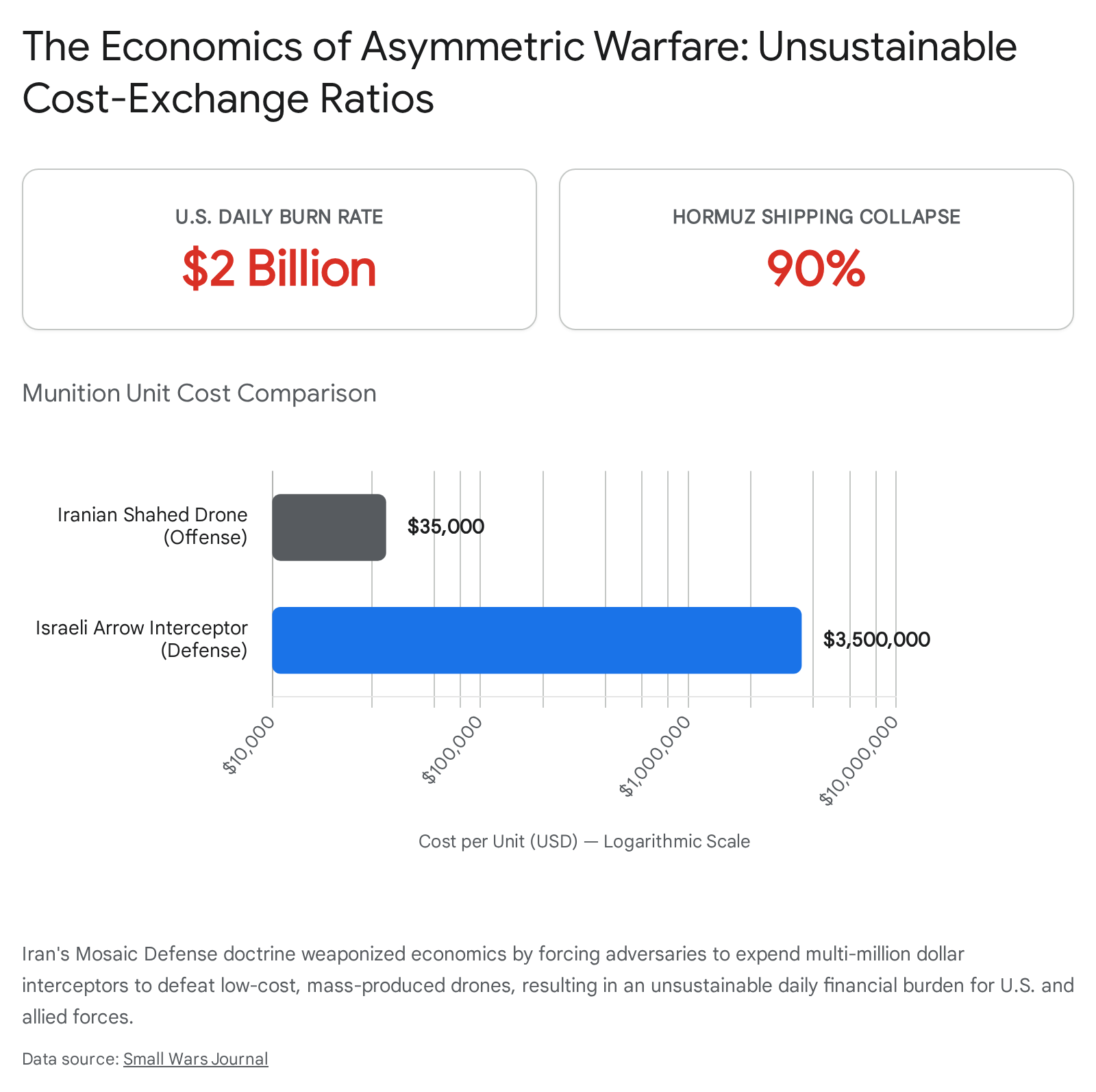
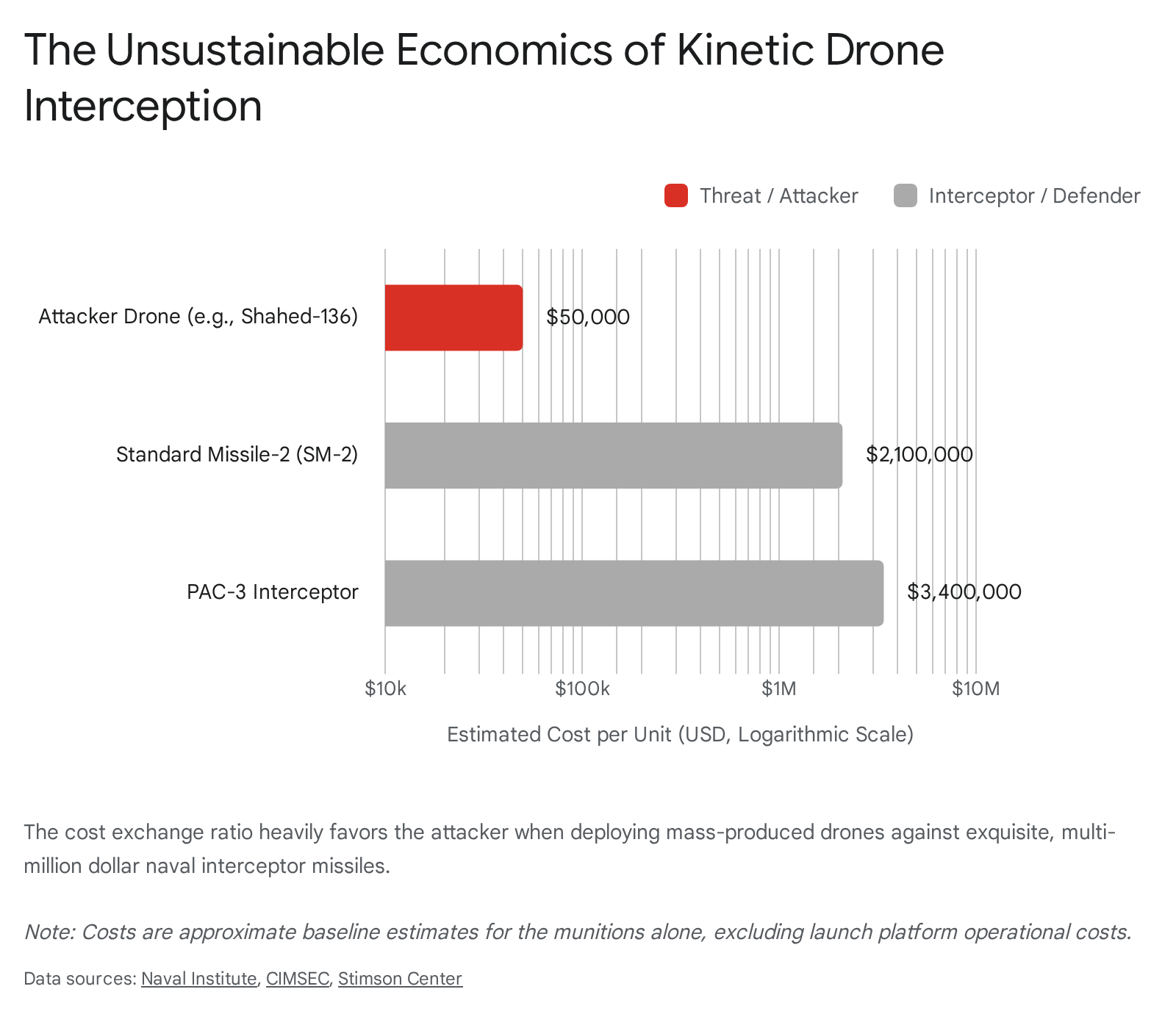
The Operational Reality: The United States military is demonstrating an unsustainable burn rate of precision-guided munitions and high-end interceptors. During the opening phase of Operation Epic Fury, the United States relied heavily on Tomahawk cruise missiles and Patriot Advanced Capability-3 interceptors.7 The cost asymmetry is severe. The United States is utilizing interceptors costing 4.0 million dollars each to neutralize Iranian one-way attack drones that cost tens of thousands of dollars to manufacture.7 This rapid depletion of high-end munitions has forced the Pentagon to request 200 billion dollars from Congress simply to refill stockpiles.14 Pentagon wargames had already established that the United States lacked the magazine depth for a sustained conflict, and the current operational tempo in Iran is drastically accelerating the depletion of the global United States weapons inventory.15

The Strategic Advantage for China and Russia: For the People’s Liberation Army, the depletion of American munitions is the single most critical data point for a Taiwan invasion scenario. The Chinese military command recognizes that if the United States exhausts its inventory of long-range anti-ship missiles and advanced air defense interceptors in the Middle East, its ability to project power into the Indo-Pacific will be critically compromised. The PLA is learning that forcing the United States into a prolonged, geographically distant war of attrition is a highly viable strategy to strip Washington of its high-tech magazine depth. For Russia, the advantage is immediate and tangible. Every PAC-3 interceptor fired at an Iranian drone over the Persian Gulf is an interceptor that cannot be deployed to support Ukraine or fortify Eastern European NATO allies. Moscow is observing that the United States defense industrial base lacks the elasticity to simultaneously supply multiple high-intensity theaters. This observation validates Russia’s overarching strategy of outlasting Western material support and weaponizing the limitations of capitalist defense production models.

Cost comparison: US defense (PAC-3), US offense (Tomahawk, JDAM), Iranian drone. "Economics of Interception Strongly Favor Asymmetric Attackers.

4.2. Advantage 2: The Economics of Air Defense Saturation and Swarm Tactics

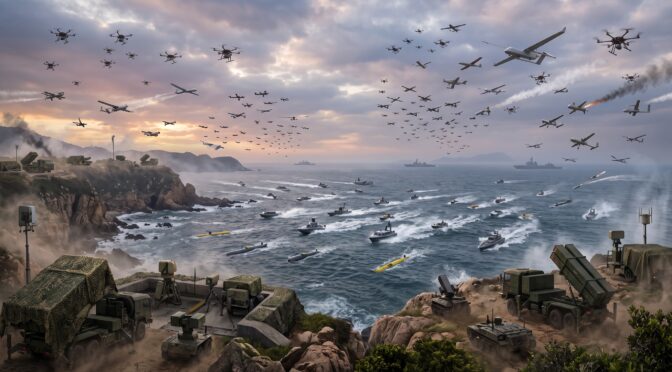
The Operational Reality: Iran has fundamentally shifted its strategy from calibrated, proportional retaliation to unbridled escalation, utilizing massive swarms of cheap, easily manufactured drones as the primary mechanism for attack.5 These drones act as the improvised explosive devices of the modern aerospace domain. They are capable of causing significant disruption to base operations and civilian infrastructure at an incredibly low cost. The Iranian strategy relies entirely on volume. By launching hundreds of drones simultaneously alongside cruise and ballistic missiles, Iran aims to saturate and overwhelm the radar tracking systems and interceptor capacities of United States Aegis combat systems and Patriot batteries.13 The Gulf states, which historically spend tens of billions of dollars annually on advanced Western air defense networks, are now seeking emergency assistance and cheap counter-drone technologies from Ukraine. They have realized that defending airspace using traditional methods is a path to systemic failure.18

The Strategic Advantage for China and Russia: This phenomenon comprehensively validates and refines the core military doctrines of both revisionist nations. For Russia, the conflict confirms the efficacy of the saturation tactics it has pioneered and employed in Ukraine. Furthermore, Russia is gaining invaluable real-time telemetry on how United States systems handle complex, multi-vector saturation attacks. This data allows Russian aerospace engineers to adjust the flight algorithms of their own munitions to better evade Western radar logic in the future.8 For China, the PLA Rocket Force is structurally built upon the premise of overwhelming enemy defenses through sheer volume. The Iranian operational template proves that even the most advanced Western air and missile defense shields can be cracked if the attacker possesses sufficient mass and willingness to accept high interception rates. China is observing the exact mathematical threshold at which American tracking systems become overloaded, providing vital calibration data for a potential missile barrage against Taiwan or United States military installations in Guam and Okinawa.

4.3. Advantage 3: Electromagnetic Spectrum and Space-Based Targeting Integration

The Operational Reality: The conflict in the Persian Gulf is not defined by traditional front lines or massive armor formations, but rather by absolute control over the electromagnetic spectrum. It is a war fought with radar beams, satellite feeds, and encrypted targeting coordinates.6 To aid Iranian forces, Russia has reportedly provided highly sensitive intelligence. This intelligence includes the precise satellite locations of United States warships and aircraft operating across the Middle East.6 This intelligence sharing allows Iranian coastal missile batteries and drone operators to target mobile United States maritime assets with significantly higher accuracy than their indigenous sensors would permit.

The Strategic Advantage for China and Russia: The integration of space-based assets into regional conflicts serves as a massive force multiplier. For Russia, providing satellite data to Iran serves two distinct purposes. First, it exacts a severe kinetic cost on the United States military, acting as retribution for Washington’s support of Ukraine. Second, it allows Russia to test the latency, security, and accuracy of its own space-to-ground intelligence sharing architecture in a live combat scenario against top-tier American naval assets.8 For China, the conflict is serving as an invaluable live-fire laboratory.6 Beijing is not politically or ideologically motivated to arm Tehran, but it recognizes the scientific value of the conflict. Every single time an Iranian coastal missile engages a United States carrier strike group, the engagement generates vast amounts of targeting, radar reflection, and intercept data.6 Chinese military planners will study this data exhaustively to refine their own radar architectures and doctrine. This data is critical for programming the targeting sensors of weapons like the CM-302 anti-ship cruise missile, which China intends to deploy in the South China Sea.6 By watching Iran fight, China learns precisely how to blind and strike the United States Navy without risking a single PLA vessel.

4.4. Advantage 4: Survivability through Decentralized Proxy Networks

The Operational Reality: Operation Epic Fury successfully destroyed much of Iran’s conventional military infrastructure within its borders, yet it completely failed to neutralize the state’s capacity to project power across the region. This strategic failure occurred because Iran’s true center of gravity is not its domestic military bases, but its decentralized, heavily armed network of proxy militias across the Middle East.4 Groups such as the Houthis in Yemen, Hezbollah in Lebanon, and the Islamic Resistance in Iraq possess independent command structures, dispersed weapons caches, and localized supply chains.4 When the United States executed decapitation strikes against the Iranian leadership, it produced a network with every incentive to fight asymmetrically and indefinitely. In a single 24-hour period, Iraqi militias claimed 27 separate attacks against United States personnel and offered financial rewards for targeting American logistics.1

The Strategic Advantage for China and Russia: The resilience of the Iranian proxy network provides a masterclass in asymmetric deterrence and sub-state warfare. Russia has already utilized similar concepts through private military companies and proxy separatist forces in Eastern Europe and the African continent. The Iranian model proves conclusively that a state sponsor can suffer catastrophic kinetic damage at home while its external networks continue to inflict severe strategic pain on the adversary. For China, this demonstrates the immense strategic value of cultivating asymmetric, non-state leverage points. If China were to face severe economic blockades or kinetic strikes in a future conflict, having a dispersed network of aligned, semi-autonomous actors capable of disrupting global shipping lanes or attacking adversary bases in secondary theaters would ensure that the cost of conflict remains unacceptably high for Western nations.

4.5. Advantage 5: Asymmetric Maritime Denial in Strategic Chokepoints

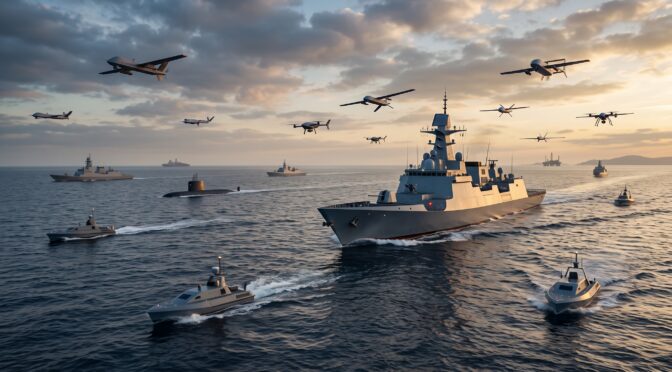
The Operational Reality: Despite the United States Navy destroying over 120 Iranian vessels, including all 11 of their submarines, Iran continues to dictate the security architecture of the Strait of Hormuz.2 The Islamic Revolutionary Guard Corps Navy relies heavily on unconventional tactics. They utilize massive swarms of fast attack boats, unmanned surface vessels, deployable sea mines, and hidden coastal missile batteries.10 IRGC Navy Commander Alireza Tangsiri has implicitly threatened to attack all unauthorized maritime transit through the strait, leading to dozens of maritime incidents.9 Eran Ortal, an Israeli military strategist, noted that this dynamic defines the nature of asymmetric warfare. Even if the conventional fleet is entirely sunk, the asymmetric capabilities remain entrenched along the coastline, functioning like highly lethal anti-tank snipers against commercial shipping.10 The United States strategy to counter this involves deploying Marine Expeditionary Units on amphibious ships, utilizing stealthy F-35 Lightnings and Cobra rotary-wing gunships to hunt small boats and protect vulnerable tankers.19

The Strategic Advantage for China and Russia: The geopolitical and tactical parallels between the Strait of Hormuz and the Taiwan Strait are direct and profound. Chinese military analysts from the PLA National Defense University are closely monitoring how a technologically inferior force can effectively close a vital maritime chokepoint against the world’s premier blue-water navy.11 China is taking extensive notes on the specific countermeasures deployed by the United States. By observing the tactics the United States Marine Corps and Navy employ to clear the Strait of Hormuz, the PLA can engineer specific counter-tactics. These may include the development of advanced sea-skimming autonomous drones, massive automated minefields, and hyper-dense coastal missile networks designed to ensure that the United States cannot utilize similar clearance methods in the Western Pacific or the Strait of Malacca during a Taiwan contingency.

A2/AD strategy comparison: Strait of Hormuz vs. Taiwan Strait. "Asymmetric Chokepoint Denial" is the title.

4.6. Advantage 6: Deeply Layered Command and Control Resilience

The Operational Reality: Operation Epic Fury featured a massive decapitation campaign aimed at collapsing the Iranian government and security apparatus. United States and Israeli strikes successfully targeted and killed Supreme Leader Ayatollah Ali Khamenei in the early stages of the war, shifting power to his son, Mojtaba Khamenei.3 Subsequent waves of targeted killings eliminated Ali Larijani, the Secretary of the Supreme National Security Council and the de facto leader of the regime, as well as Gholamreza Soleimani, the commander of the Basij forces.3 Despite the systematic elimination of the political and security apex, the Iranian state did not collapse into widespread chaos or civil war. United States intelligence assessed that the Islamic Revolutionary Guard Corps effectively absorbed the shock and assumed total command, calling the shots and maintaining operational continuity across the theater.21 The resilience of the state is underpinned by a deeply layered system of governance and a powerful, ideologically charged security apparatus that functions independently of individual leaders.22

The Strategic Advantage for China and Russia: The concept of regime survival under catastrophic decapitation strikes is of paramount interest to autocratic political systems. Russian intelligence analysts have explicitly noted that rapidly destabilizing an ideologically charged state system through decapitation strikes or economic pressure is exceedingly difficult.22 For President Vladimir Putin, the Iranian survival provides assurance that highly centralized security structures, such as the Federal Security Service and the Russian military command, can maintain national cohesion even if top leadership is neutralized by Western precision weapons. For the Chinese Communist Party, the survival of the IRGC validates the absolute necessity of embedding party control, political commissars, and ideological discipline deeply within the military structure. The PLA is learning that maintaining a redundant, deeply integrated command network ensures that the military can sustain operations and maintain internal security even in the event of devastating precision strikes against Beijing’s political elite.

4.7. Advantage 7: Energy Market Weaponization and Sanctions Evasion

The Operational Reality: The conflict has unequivocally demonstrated the extreme fragility of the global energy market and the effectiveness of weaponizing energy supply chains as a tool of war. Iranian officials explicitly threatened that if its energy facilities on Kharg Island were attacked, it would destroy the energy infrastructure of neighboring allied countries and close the Strait of Hormuz to hostile tankers.1 This threat alone sent massive shockwaves through global commodities markets. Russia immediately capitalized on this volatility. By offering itself as a stable, alternative energy provider amidst Middle Eastern chaos, Russia entrenched its role as an indispensable global energy supplier. This dynamic fundamentally weakened the political will of Western nations to enforce energy sanctions related to the Ukraine war, resulting in immediate financial relief for Moscow.8 Furthermore, the geopolitical risk prompted China to halt exports of refined oil products, signaling growing trepidation about maritime supply disruptions and prioritizing domestic reserves.23

The Strategic Advantage for China and Russia: This dynamic exposes a critical vulnerability in the Western strategic posture. For Russia, the advantage is the realization that global economic stability is highly sensitive to regional chokepoints. Moscow is learning that by subtly stoking instability in regions critical to the global supply chain, it can fracture Western political consensus on sanctions and generate immediate financial windfalls to fund its military industrial complex. For China, the lesson is distinctly defensive. The conflict underscores the severe strategic risk of relying on maritime imports traversing contested straits guarded by the United States Navy. This operational reality reinforces Beijing’s strategic imperative to rapidly expand overland energy pipelines connecting directly to Russia and Central Asian republics.8 By building infrastructure immune to United States naval blockades, China guarantees its energy security for a future confrontation over Taiwan.

4.8. Advantage 8: Proliferation and Employment of Fiber-Optic FPV Drones

The Operational Reality: A significant and highly dangerous tactical evolution observed in the conflict is the introduction of First-Person View drones by Iranian proxy groups. Open-source intelligence analysis and drone footage posted by the Iraqi militia group Saraya Awliya al Dam revealed the active use of fiber optic FPV drones against United States installations.9 These drones represent a nascent but highly lethal capability that challenges traditional base defense paradigms. Unlike traditional GPS-guided munitions, which can be disrupted by electronic warfare and radio frequency jamming, fiber optic FPV drones are entirely immune to standard jamming techniques because their control signal travels through a physical wire unspooled during flight. They allow proxy operators to conduct complex, real-time reconnaissance and highly coordinated precision strikes intended to overwhelm point defenses and target vulnerable personnel or sensitive equipment.13

The Strategic Advantage for China and Russia: The battlefield application of FPV drones is completely rewriting tactical infantry and armor operations globally. Russia is intimately familiar with FPV technology from its operations in Ukraine. However, observing Iranian proxies successfully utilize these systems against highly defended United States bases provides a new layer of tactical validation. It proves that non-state actors can achieve precision strike capabilities previously reserved for advanced militaries with complex targeting pods. For China, the rapid proliferation of FPV technology is a dual-edged sword. While it poses a threat to standard infantry, the PLA is undoubtedly analyzing how massive swarms of autonomous or semi-autonomous FPV drones could be deployed during an amphibious assault. The ability to field unjammable, highly maneuverable loitering munitions provides a significant tactical advantage in clearing complex urban terrain or striking fortified coastal defenses in Taiwan, negating the island’s electronic warfare countermeasures.

4.9. Advantage 9: Mobile and Decentralized Defense Industrial Production

The Operational Reality: A core objective of the United States campaign was the total destruction of Iran’s defense industrial base, particularly its ballistic missile and drone manufacturing capabilities.2 United States Secretary of War Pete Hegseth claimed that this objective was nearing complete destruction in mid-March.2 However, strategic analysts noted that while large, static production facilities may be destroyed by precision bombs, Iran’s actual production capabilities are remarkably resilient. Drones are relatively cheap, easy to manufacture, and can be assembled in mobile manufacturing facilities spread across the country or hidden deeply underground.5 This extreme decentralization makes it virtually impossible to completely neutralize the adversary’s ability to generate new combat power from the air, guaranteeing a prolonged conflict characterized by constant harassment strikes.5

The Strategic Advantage for China and Russia: The survival of a defense industrial base under constant, overwhelming aerial bombardment is a critical metric for long-term strategic planning. Russia has already adapted its industrial base by moving critical production facilities beyond the range of Ukrainian strike weapons and distributing manufacturing across multiple sectors. The Iranian example reinforces the necessity of this geographic and structural dispersion. For China, the lesson is profound. While China possesses the world’s largest industrial capacity, much of it is concentrated in dense coastal cities vulnerable to United States long-range precision fires. Observing the United States struggle to eradicate Iranian drone production validates the PLA’s strategy of Civil-Military Fusion. It highlights the necessity of maintaining deeply buried, highly distributed manufacturing hubs in the interior provinces to ensure the uninterrupted production of autonomous systems and guided munitions during a major war with the United States.

4.10. Advantage 10: Information Warfare and Diplomatic Alienation of the West

The Operational Reality: As Operation Epic Fury evolves into a high-cost war of attrition with mounting civilian and infrastructure damage, domestic and international skepticism regarding the United States’ decision-making has rapidly intensified. The conflict is increasingly viewed globally as a strategic disaster born of political miscalculation.24 China has masterfully exploited this sentiment in the global information space. Beijing has flooded social media and international news networks with narratives emphasizing the cruelty of the United States military coalition, utilizing sophisticated AI-generated content to amplify critiques of American hegemonic intervention.24 Concurrently, China’s official diplomatic corps presents the nation as a responsible, objective global power seeking non-interference and peace. Observers note that while an American kinetic triumph remains elusive, the severe erosion of Washington’s diplomatic credibility renders the United States the ultimate strategic victim of this conflict.24

The Strategic Advantage for China and Russia: The battle for global narrative dominance is a primary theater in contemporary great power competition. For Russia, portraying the United States as a reckless aggressor in the Middle East deflects international attention and moral condemnation away from its own actions in Eastern Europe. Russian Foreign Minister Sergey Lavrov actively frames the United States actions as a severe blow to global arms control and regional stability.8 For China, the advantage is systemic and structural. By painting the United States as a destabilizing force prone to military adventurism, Beijing strengthens its appeal to the Global South. It allows China to position its Belt and Road Initiative and its models of economic partnership as safe, stable alternatives to the volatile security umbrella offered by Washington. The conflict accelerates the fracturing of the United States-led international order, allowing China to reshape global governance structures and isolate Taiwan diplomatically without firing a single shot.

5. Strategic Forecast and Conclusion

The joint United States and Israeli campaign against the Islamic Republic of Iran, while achieving significant tactical destruction of conventional military assets, has inadvertently provided the world’s revisionist powers with a comprehensive blueprint for modern asymmetric warfare. Operation Epic Fury demonstrates conclusively that overwhelming kinetic dominance and control of the airspace are insufficient to secure rapid strategic victory when an adversary possesses resilient proxy networks, decentralized production capabilities, and a willingness to weaponize global economic chokepoints.

For the Russian Federation, the conflict offers immediate tactical intelligence on United States air defense systems, vital economic relief through surging global energy markets, and a crucial geopolitical distraction that depletes Western munitions stockpiles originally intended for the European theater. Moscow is learning that the United States defense industrial base is highly vulnerable to concurrent global crises, lacking the elasticity required for multi-theater hegemony.

For the People’s Republic of China, the Gulf conflict serves as a surrogate war game for a future Taiwan contingency. The PLA is exhaustively analyzing the rate at which the United States depletes its precision munitions, the economic breaking point of American air defense systems against low-cost drone swarms, and the specific tactical methods employed by the Marine Corps to secure contested maritime straits. Furthermore, Beijing is capitalizing on the geopolitical fallout to isolate the United States diplomatically, accelerating the transition toward a multipolar world order dominated by economic pragmatism rather than Western security guarantees.

Ultimately, China and Russia are extracting a singular, defining lesson from the ashes of Operation Epic Fury. The future of global warfare does not strictly belong to the nation fielding the most expensive naval platforms or stealth aircraft. Rather, victory will favor the actor who can most effectively leverage asymmetry, sustain industrial capacity under intense bombardment, and seamlessly integrate operations across the electromagnetic, physical, and informational domains.


Please share the link on Facebook, Forums, with colleagues, etc. Your support is much appreciated and if you have any feedback, please email us in**@*********ps.com. If you’d like to request a report or order a reprint, please click here for the corresponding page to open in new tab.


Sources Used

  1. Operation “Epic Fury:” SITREP (15 MAR 2026), accessed March 21, 2026, https://ict.org.il/operation-epic-fury-sitrep-15-mar-2026/
  2. This Week in DOW: U.S. Delivers ‘Devastating Combat Power’ to Iran, accessed March 21, 2026, https://www.war.gov/News/News-Stories/Article/Article/4440215/this-week-in-dow-us-delivers-devastating-combat-power-to-iran/
  3. Operation “Epic Fury:” SITREP (17 MAR 2026) – ICT, accessed March 21, 2026, https://ict.org.il/operation-epic-fury-sitrep-17-mar-2026-2/
  4. We Bombed the Wrong Target Iran’s Proxy Network Strategy – Irregular Warfare Initiative, accessed March 21, 2026, https://irregularwarfare.org/articles/iran-proxy-network-strategy/
  5. Iran’s War Strategy: Don’t Calibrate—Escalate – CSIS, accessed March 21, 2026, https://www.csis.org/analysis/irans-war-strategy-dont-calibrate-escalate
  6. The war of signals: How Russia and China help Iran see the battlefield – Al Jazeera, accessed March 21, 2026, https://www.aljazeera.com/opinions/2026/3/12/the-war-of-signals-how-russia-and-china-help-iran-see-the-battlefield
  7. Pentagon Requests More Than £158 Billion For Expanding Iran War Effort As White House Aides Doubt Congress Approval, accessed March 21, 2026, https://www.ibtimes.co.uk/pentagon-200-billion-request-operation-epic-fury-1786771
  8. Russia Analytical Report, March 9–16, 2026 | Russia Matters, accessed March 21, 2026, https://www.russiamatters.org/news/russia-analytical-report/russia-analytical-report-march-9-16-2026
  9. Iran Update Special Report, March 17, 2026 – Institute for the Study of War, accessed March 21, 2026, https://understandingwar.org/research/middle-east/iran-update-special-report-march-17-2026/
  10. Interview: Iran’s Use Of Chinese Doctrine And Tech Under The Spotlight, accessed March 21, 2026, https://www.rferl.org/a/iran-war-chinese-doctrine-tech-ortal-idf-israel/33707130.html
  11. Crossing the Strait: China’s Military Prepares for War with Taiwan – NDU Press, accessed March 21, 2026, https://ndupress.ndu.edu/Other-Publications/Books/Crossing-the-Strait/
  12. Colorado Congresswoman Lauren Boebert against funding for war in Iran: “We need America First policies right now”, accessed March 21, 2026, https://www.cbsnews.com/colorado/news/colorado-congresswoman-lauren-boebert-additional-funding-iran-war/
  13. Analysis: Operational gains against Iran continue, but threats to US …, accessed March 21, 2026, https://www.longwarjournal.org/archives/2026/03/analysis-operational-gains-against-iran-continue-but-threats-to-us-forces-persist.php
  14. Pentagon seeks at least $200B from Congress for Iran war, accessed March 21, 2026, https://www.wfmd.com/2026/03/19/pentagon-seeks-at-least-200b-from-congress-for-iran-war/
  15. Asymmetric War in Iran: How Trump and the U.S. Are Being Played, accessed March 21, 2026, https://washingtonmonthly.com/2026/03/19/asymmetric-drone-war-in-iran-how-trump-and-the-u-s-are-being-played/
  16. Russia and China: Gaining from the war with Iran? | State of Play – YouTube, accessed March 21, 2026, https://www.youtube.com/watch?v=_1vVF15YoM0
  17. China Warns Middle East War Threatens Global Trade, accessed March 21, 2026, https://chinaglobalsouth.com/2026/03/20/china-warns-middle-east-war-global-trade-impact/
  18. Countries turn to Ukraine for help as Iran shows up their outdated air defenses, accessed March 21, 2026, https://euromaidanpress.com/2026/03/13/countries-turn-to-ukraine-for-help-as-iran-shows-up-their-outdated-air-defenses/
  19. FPRI Experts React | Options in the Strait of Hormuz – Foreign Policy Research Institute, accessed March 21, 2026, https://www.fpri.org/article/2026/03/fpri-experts-react-options-in-the-strait-of-hormuz/
  20. National Defense University Press > Publications > Books > The PLA and Contingency Planning in China, accessed March 21, 2026, https://ndupress.ndu.edu/Publications/Books/The-PLA-and-Contingency-Planning-in-China/
  21. Iran Update Special Report, March 15, 2026 – Institute for the Study of War, accessed March 21, 2026, https://understandingwar.org/research/middle-east/iran-update-evening-special-report-march-15-2026/
  22. Russia Analytical Report, Feb. 17–23, 2026, accessed March 21, 2026, https://www.russiamatters.org/news/russia-analytical-report/russia-analytical-report-feb-17-23-2026
  23. China-Iran Fact Sheet: A Short Primer on the Relationship | U.S., accessed March 21, 2026, https://www.uscc.gov/research/china-iran-fact-sheet-short-primer-relationship
  24. The Message it sends to China – 想想Thinking Taiwan – 想想台灣,想想未來, accessed March 21, 2026, https://www.thinkingtaiwan.net/article/100209
  25. “Enemy within”: How Chinese analysts view the US-Iran war, accessed March 21, 2026, https://pacforum.org/publications/the-pilot-14-enemy-within-how-chinese-analysts-view-the-us-iran-war/

Operation Epic Fury Weekly SITREP – March 21, 2026

1.0 Executive Summary

The third week of the combined United States and Israeli military campaign against the Islamic Republic of Iran, designated Operation Epic Fury and Operation Roaring Lion respectively, has marked a fundamental transition in the strategic character of the conflict. During the week ending March 21, 2026, the battlespace expanded significantly beyond the initial suppression of enemy air defenses and command decapitation. The operational focus has evolved into a widespread campaign of economic warfare, heavy infrastructure degradation, and regionalized energy disruption. The United States and Israel have systematically transitioned from targeting the Islamic Revolutionary Guard Corps (IRGC) command nodes to dismantling Iran’s nuclear latency infrastructure, heavy industrial base, and internal security apparatus.1 Conversely, the Iranian strategic doctrine has shifted toward vertical and horizontal escalation, utilizing a calculated strategy of unpredictable, high-volume retaliatory strikes against civilian and energy infrastructure across the Gulf Cooperation Council states.4

The most critical escalation of the week occurred on the morning of March 21, 2026, when United States aerospace forces executed a direct, deep-penetration strike on the Natanz nuclear enrichment facility in central Iran. Utilizing B-2 stealth bomber platforms and GBU-57 Massive Ordnance Penetrator munitions, this strike signals a definitive shift toward permanently crippling Iran’s nuclear capabilities.6 In response to this and prior allied strikes on the South Pars natural gas field, Iran has actively targeted the global energy supply chain. Iranian forces have struck the Ras Laffan Industrial City in the State of Qatar, the SAMREF refinery in the Kingdom of Saudi Arabia, and multiple maritime port facilities in the United Arab Emirates, fundamentally threatening the stability of the global hydrocarbon market.5

Systemic shifts in the geopolitical and internal Iranian landscape are profound. The Iranian political and military leadership structure remains severely fractured following the assassination of Supreme Leader Ali Khamenei at the onset of hostilities, compounded by the subsequent incapacitation of his successor, Mojtaba Khamenei.1 The regime has compensated for this unprecedented leadership vacuum by heavily relying on a syndicate of legacy, hardline IRGC commanders who are currently operating from decentralized, improvised command posts to avoid Israeli decapitation strikes.1 Concurrently, the civilian population inside the Islamic Republic is enduring a near-total digital blackout, severe economic hyperinflation, and localized, violent crackdowns executed by the Law Enforcement Command and Basij paramilitary forces.12

To mitigate the global economic fallout of the conflict, the United States Department of the Treasury executed a highly irregular strategic policy shift by waiving sanctions on approximately 140 million barrels of Iranian crude oil currently stored on maritime vessels at sea.4 This maneuver aims to stabilize global energy markets and insulate domestic fuel prices ahead of political milestones, effectively weaponizing Iranian supply against Tehran.15 Meanwhile, the Gulf states find themselves trapped in a rapidly deteriorating security environment, forced to activate advanced interceptor networks to defend their sovereign airspace while desperately seeking diplomatic off-ramps to prevent the total devastation of their respective economic sectors.17

2.0 Chronological Timeline of Key Events (Last 7 days)

The following timeline details the precise chronological sequence of critical military engagements, diplomatic maneuvers, and strategic announcements that have defined the conflict landscape over the preceding seven days. All times are normalized to Coordinated Universal Time.

  • March 15, 2026, 15:00 UTC: Iranian IRGC Aerospace Force Commander Brigadier General Majid Mousavi publicly announces the first wartime operational deployment of the Sejjil solid-fueled medium-range ballistic missile, confirming successful launches targeting Israeli military infrastructure.20
  • March 15, 2026, 18:30 UTC: The United States Department of War releases operational footage confirming F/A-18F Super Hornet combat sorties originating from the USS Gerald R. Ford aircraft carrier, striking advanced surface-to-air missile facilities within the Iranian interior.21
  • March 16, 2026, 12:00 UTC: Global network monitoring organization NetBlocks formally confirms that the state-mandated Iranian internet blackout has surpassed 400 continuous hours. This event marks the most severe and prolonged communications restriction in the modern history of the Islamic Republic.22
  • March 16, 2026, 23:45 UTC: United States Central Command forces successfully target and destroy a suspected Iranian unmanned aerial vehicle manufacturing facility located in South Khorasan Province, demonstrating allied capability to operate deep within Iran’s easternmost airspace.11
  • March 17, 2026, 18:00 UTC: The Israel Defense Forces officially confirm the successful targeted assassination of Ali Larijani, the Secretary of the Supreme National Security Council, alongside Gholamreza Soleimani, the Commander of the Basij Organization, in precision strikes located in eastern Tehran.10
  • March 18, 2026, 02:00 UTC: Combined United States and Israeli aerospace forces strike the 4th Artesh Naval District Headquarters situated at Bandar Anzali Port on the Caspian Sea. The operation results in the destruction of the Moudge-class frigate IRIS Deylaman and effectively severs a suspected maritime supply corridor utilized for the transfer of Russian military hardware.1
  • March 18, 2026, 14:00 UTC: Foreign Ministers representing twelve Arab and Islamic states convene an emergency summit in Riyadh, Saudi Arabia. The delegation issues a joint diplomatic communique strongly condemning Iranian retaliatory strikes on civilian and energy infrastructure across the Gulf Cooperation Council states, citing violations of international law.26
  • March 19, 2026, 10:00 UTC: In a major horizontal escalation, Iranian ballistic missiles successfully strike the Ras Laffan Industrial City in the State of Qatar. The impact causes severe structural damage to two liquefied natural gas trains, instantly degrading the nation’s total export capacity by 17 percent and triggering a global market shock.1
  • March 19, 2026, 22:38 UTC: The Israel Defense Forces initiate a massive, coordinated wave of strikes heavily targeting internal security and government infrastructure within the Tehran metropolitan area. Local activists report unprecedented explosions prioritizing Law Enforcement Command outposts and Basij deployment centers.8
  • March 20, 2026, 16:00 UTC: The United States Treasury Department formally issues a 30-day general license waiving sanctions on 140 million barrels of Iranian crude oil currently stored on vessels at sea. The maneuver is explicitly designed to flood the market and ease surging global energy prices caused by the conflict.4
  • March 20, 2026, 19:15 UTC: A United States F-35 stealth fighter jet conducting a deep-penetration combat mission over Iranian territory declares an in-flight emergency following a suspected interception by Iranian anti-aircraft fire, successfully executing an emergency landing at a classified regional allied airbase.8
  • March 21, 2026, 05:30 UTC: United States heavy bomber platforms deploy specialized GBU-57 Massive Ordnance Penetrator bunker-buster munitions against the subterranean Natanz uranium enrichment facility in central Iran. Iranian state media authorities acknowledge the strike but report no immediate radiological leakage into the surrounding environment.6
  • March 21, 2026, 15:13 UTC: An unidentified loitering munition strikes the Iraqi intelligence services headquarters located in a residential neighborhood of Baghdad, resulting in the death of one senior intelligence officer, highlighting the regional spillover of proxy warfare mechanics.31

3.0 Situation by Primary Country

3.1 Iran

3.1.1 Military Actions & Posture

The armed forces of the Islamic Republic of Iran are currently operating under conditions of extreme operational duress, adapting dynamically to the systemic degradation of their conventional military capabilities. Allied intelligence assessments indicate that the combined United States and Israeli air campaign has successfully located and destroyed approximately 85 percent of Iran’s functional surface-to-air missile inventory, leaving vast swaths of Iranian airspace effectively uncontested.1 Furthermore, United States Central Command reports the near-total eradication of Iranian naval power projection, confirming the sinking or disabling of over 120 surface combatants and the entirety of the nation’s 11-vessel submarine fleet.2

In response to this overwhelming conventional asymmetry, the Islamic Revolutionary Guard Corps has rapidly decentralized its command and control architecture. Senior military commanders and internal security officials have abandoned established, fortified headquarters to avoid Israeli decapitation strikes. Instead, these elements have relocated to improvised, highly mobile facilities embedded within dense civilian infrastructure, including subterranean parking structures, temporary tent encampments, and beneath highway overpasses.1 This decentralization complicates allied targeting matrices but severely degrades the IRGC’s ability to coordinate complex, multi-theater offensive operations.

Faced with a heavily degraded launch infrastructure in the western border provinces, the IRGC Aerospace Force has strategically relocated the bulk of its ballistic missile operations deeper into the country’s interior, primarily utilizing mobile transporter erector launchers positioned within Esfahan Province.1 From these central locations, Iran has orchestrated a complex web of cross-gulf retaliatory strikes. Intelligence tracking indicates vectors originating from Esfahan and western Iran terminating at key allied infrastructure nodes, including Ras Laffan in Qatar, Yanbu in Saudi Arabia, Jebel Ali and Fujairah in the United Arab Emirates, and Mina al Ahmadi in Kuwait, effectively encircling the contested maritime corridor of the Strait of Hormuz. To maximize the probability of penetrating allied Integrated Air Defense Systems, Iranian forces have altered their munition payloads. Current technical assessments indicate that up to 70 percent of recent ballistic missile launches now utilize cluster munitions designed to saturate localized defense radars.1 Additionally, the IRGC has prioritized the deployment of the Sejjil solid-fueled medium-range ballistic missile.20 Unlike liquid-fueled variants, the Sejjil requires significantly less pre-launch preparation time, drastically reducing the operational window for allied preemptive strikes to destroy the launchers before they fire.

The Iranian military establishment has aggressively expanded its target matrix beyond purely military installations. The strategic doctrine currently employed by Tehran centers on “reciprocal deterrence” and horizontal escalation, commonly referred to by geopolitical analysts as a “madman strategy”.4 By executing precision strikes against the Haifa oil refinery in Israel, the Ras Laffan liquefied natural gas facility in Qatar, and the SAMREF refinery in Saudi Arabia, the IRGC intends to globalize the economic cost of the war, weaponizing the fragility of the hydrocarbon market to pressure the international community into forcing an allied ceasefire.4 Furthermore, Ukrainian and United States intelligence agencies have confirmed that Iran continues to heavily utilize Russian-manufactured Shahed loitering munitions, deploying them in coordinated mass swarms to overwhelm the defenses of United States logistical hubs situated in Kuwait and the United Arab Emirates.1

3.1.2 Policy & Diplomacy

The Iranian civilian and political governance apparatus is currently paralyzed by a severe, unprecedented leadership vacuum. Following the targeted assassination of Supreme Leader Ali Khamenei by allied forces at the onset of the war, his son and constitutionally designated successor, Mojtaba Khamenei, sustained severe, life-threatening injuries in subsequent allied airstrikes.1 Mojtaba has not appeared in public or in any unedited media broadcasts since March 8, 2026. Consequently, the regime has been forced to rely entirely on written statements and recycled archival media to project a facade of continuity and stability to both domestic and international audiences.1

In a written Nowruz message distributed by state media on March 20, the office of the Supreme Leader designated the new Persian year’s official theme as the “Resistance Economy in the Shadow of National Unity and National Security.” The statement focused heavily on domestic narrative control, directly blaming foreign adversaries and allied intelligence agencies for exploiting economic grievances to foment domestic unrest.1 The statement also falsely characterized recent insurgent attacks in neighboring Turkey and Oman as Israeli false-flag operations designed to isolate Tehran from its regional partners.1

In the physical absence of a functioning Supreme Leader, a highly consolidated cadre of veteran, hardline IRGC commanders has effectively seized operational control over the state apparatus.11 This inner circle, forged during the Iran-Iraq War, is driving a highly aggressive diplomatic and domestic policy agenda. Iranian Foreign Minister Abbas Araghchi has engaged in a robust international disinformation campaign, repeatedly suggesting to Arab media outlets that recent drone strikes on Gulf nations were actually allied false-flag operations designed to fracture regional diplomatic relations and justify the continuation of Operation Epic Fury.20

Concurrently, the Iranian Majlis is actively drafting legislation intended to impose punitive transit tolls, taxes, and mandatory inspections on all commercial shipping passing through the Strait of Hormuz.4 This legislative maneuvering signals a clear strategic intent to permanently alter the regulatory and security regime of the critical maritime waterway. Iranian Parliament Speaker Mohammad Bagher Ghalibaf explicitly stated that regardless of any potential future armistice, the security situation in the Strait of Hormuz will never return to its pre-war status, transforming the waterway into a permanent tool of Iranian strategic leverage.1

3.1.3 Civilian Impact

The civilian toll inside the borders of the Islamic Republic is catastrophic, severely exacerbated by the regime’s draconian internal security measures and the total collapse of basic municipal services. Internet connectivity across the nation has been effectively severed by state authorities to prevent the dissemination of information and the organization of domestic protests. Data aggregated from the global network monitoring organization NetBlocks confirms that the civilian population has endured over 500 consecutive hours of a near-total digital blackout.22 Throughout this period, national connectivity has hovered at roughly one percent of standard operational levels, isolating the domestic population from the global internet and the Iranian diaspora.34

The regime has recognized the threat posed by circumvention technologies and has specifically targeted individuals utilizing smuggled Starlink satellite terminals. Internal security forces have conducted violent residential raids to confiscate equipment, resulting in the detainment and disappearance of numerous citizens attempting to establish communication with the outside world.11 Despite the blackout, the Iranian diaspora has initiated a widespread social media campaign under the hashtag #ThisIsNotAWarPhoto, archiving historical instances of state violence, economic mismanagement, and regime brutality to counter narratives that the current civilian suffering is solely the result of allied military intervention.37

The disruption of commercial logistics, combined with the systematic destruction of the national industrial infrastructure, has triggered hyperinflation and severe, localized shortages of essential goods, medical supplies, and basic foodstuffs.38 Human rights organizations, including the Hengaw Organization for Human Rights and the United Nations Independent International Fact-Finding Mission, report that the regime is cynically using the wartime conditions as a pretext to execute mass arrests.12 The Law Enforcement Command and the paramilitary Basij are reportedly conducting sweeping operations targeting suspected political dissidents, ethnic minority groups including Kurds and Ahvazi Arabs, and suspected foreign informants.12

Verified casualty estimates remain exceedingly difficult to ascertain due to the comprehensive communications blackout and the regime’s control over domestic media. The Iranian Health Ministry officially acknowledges 1,444 fatalities and 19,324 wounded.10 However, independent monitoring groups and allied intelligence agencies estimate the death toll significantly exceeds 5,300. This higher figure comprises a chaotic mix of regular military personnel, internal security forces targeted by Israeli strikes, and substantial collateral civilian casualties resulting from both allied bombardments and the regime’s internal crackdowns.10

3.2 Israel

3.2.1 Military Actions & Posture

The Israel Defense Forces continue to execute Operation Roaring Lion with unprecedented intensity, functioning in deep tactical coordination with United States Central Command. While the United States has focused primarily on the degradation of heavy military infrastructure and nuclear latency, a primary objective of the Israeli strategy has been the systematic, methodical dismantling of Iran’s internal security and intelligence apparatus. Israeli aircraft have consistently and heavily targeted the Law Enforcement Command headquarters, Basij organizational compounds, and local police stations across major population centers including Tehran, Tabriz, and Hamedan.1 This vertical escalation strategy is specifically designed to fracture the regime’s ability to suppress domestic uprisings, thereby opening a secondary front of internal instability that the IRGC is ill-equipped to manage while simultaneously fighting a conventional war.2

Israel has also demonstrated significant, unexpected operational reach by conducting deep strikes against Iranian naval assets located far beyond the Persian Gulf. Most notably, the IDF struck the 4th Artesh Naval District Headquarters situated at Bandar Anzali Port on the Caspian Sea.1 This highly complex, long-range operation resulted in the destruction of dozens of vessels, including the prominent Moudge-class frigate IRIS Deylaman. Strategically, this strike severely degraded a critical maritime logistics route suspected of being utilized for the transfer of advanced drone technology and military hardware between the Russian Federation and the Islamic Republic.1 Concurrently in the Levant, the IDF has expanded its ground maneuver capabilities into southern Lebanon, conducting extensive precision strikes against Hezbollah weapons depots, subterranean infrastructure, and operational command centers in the Dahiyeh district of Beirut to secure Israel’s vulnerable northern flank from proxy incursions.24

3.2.2 Policy & Diplomacy

Israeli national policy remains firmly anchored in achieving total escalation dominance and fundamentally altering the balance of power in the Middle East. The Israeli war cabinet has explicitly authorized the targeted assassination of every accessible senior Iranian political, military, and intelligence official. This decapitation policy achieved significant tactical success during the reporting period with the confirmed elimination of Ali Larijani, the Secretary of the Supreme National Security Council, and Gholamreza Soleimani, the commander of the Basij Organization.10 Additional confirmed casualties include Defense Minister Aziz Nasirzadeh and the head of the military office of the Supreme Leader, Mohammad Shirazi.10

Diplomatic messaging originating from Jerusalem indicates absolutely zero willingness to engage in international ceasefire negotiations until Iran’s nuclear latency capabilities, ballistic missile production lines, and regional proxy networks are permanently and verifiably eradicated. Furthermore, localized intelligence leaks suggest that elements within the Israeli intelligence apparatus, including Mossad Director David Barnea, have signaled a belief that the sustained military and economic pressure of Operation Roaring Lion, combined with internal domestic unrest, could precipitate the total collapse of the current Iranian governance structure within the calendar year.6

3.2.3 Civilian Impact

The Israeli home front remains in a heightened, continuous state of emergency, severely disrupting daily life and the national economy. Iranian ballistic missile and drone barrages, launched primarily from central Iran and proxy positions in Lebanon and Iraq, continue to regularly penetrate Israeli airspace. These attacks trigger widespread, daily alerts across the Tel Aviv metropolitan area, the Jerusalem municipality, and the northern Galilee region, forcing millions of civilians into fortified shelters.6

While the integrated air defense network, primarily the Iron Dome and Arrow weapon systems, have intercepted the vast majority of incoming projectiles, fragments from destroyed missiles and occasional direct impacts have caused localized damage and civilian anxiety. Notable incidents this week include structural damage to residential homes in the city of Rehovot, shrapnel impacts within the Old City of Jerusalem near vital religious sites, and a missile fragment striking an evacuated kindergarten.6

A direct, targeted Iranian strike on the vital Haifa oil refinery caused temporary operational disruptions and regional power outages. However, the Ministry of Energy reported that safety protocols functioned correctly, preventing catastrophic structural failure or secondary explosions.4 Official casualty figures released by the Israeli government indicate 20 civilian fatalities, 2 military fatalities, and over 4,099 individuals treated for varying degrees of physical injuries or psychological trauma since the onset of hostilities on February 28.10 The national aviation and tourism sectors are entirely paralyzed. Ben Gurion International Airport has sustained minor damage from drone strikes targeting refueling infrastructure, and major international aviation carriers have extended commercial flight cancellations into Israeli airspace indefinitely, effectively isolating the nation from standard global travel routes.10

3.3 United States

3.3.1 Military Actions & Posture

United States Central Command is executing Operation Epic Fury with an unprecedented, generational concentration of aerospace and maritime combat power. As of March 21, the Department of War confirms that allied forces have engaged over 7,000 discrete targets across the entirety of the Iranian landmass.8 Having established near-total spectrum dominance and degraded Iranian early warning radars, the United States Air Force has transitioned from relying heavily on expensive, long-range standoff cruise missiles to stand-in engagements. These missions increasingly utilize cost-effective Joint Direct Attack Munitions dropped by F-15E Strike Eagles, F-16 Fighting Falcons, and F-35 Lightning II aircraft directly over Iranian sovereign airspace, significantly increasing the operational tempo and destruction rate.46

The most significant tactical and strategic development of the conflict occurred on the morning of March 21, when United States heavy bomber platforms deployed specialized GBU-57 Massive Ordnance Penetrator bunker-buster munitions against the subterranean Natanz nuclear enrichment facility.6 This highly specific strike fulfills the primary strategic objective mandated by the executive branch: permanently denying the Islamic Republic a nuclear weapons capability by physically collapsing the subterranean centrifuges required for uranium enrichment.48

Naval operations in the Persian Gulf and the Gulf of Oman have been equally devastating. CENTCOM officially reports the total obliteration of the Iranian Navy as a functional fighting force. Allied naval assets have confirmed the sinking or disabling of over 120 Iranian surface vessels and the complete destruction of Iran’s entire 11-vessel submarine fleet, securing absolute maritime supremacy.2 However, this dominance has come at a severe logistical cost. The intense operational tempo required to defend regional assets from Iranian retaliatory strikes has heavily depleted United States interceptor stockpiles. The continuous expenditure of Standard Missile-3 and Patriot Advanced Capability-3 munitions raises serious concerns regarding the long-term sustainability of theater air and missile defense if the conflict becomes a war of attrition.50 The Department of War has solemnly acknowledged the deaths of 13 United States service members, alongside 232 wounded personnel, since the commencement of Operation Epic Fury.10

MetricConfirmed Status (As of March 21, 2026)Source
Total Iranian Targets Engaged7,000+ facilities, bunkers, and command nodes8
Iranian Naval Assets Destroyed120+ surface combat vessels, 11 submarines2
Degradation of Enemy Air Defenses85% of Surface-to-Air Missile systems neutralized1
US Military Casualties13 Killed in Action (KIA), 232 Wounded in Action (WIA)10
Estimated Operational Cost (First 100 Hours)$3.7 Billion USD52

3.3.2 Policy & Diplomacy

The United States executive branch is currently navigating a highly complex, often contradictory matrix of military objectives, global economic realities, and domestic political pressures. Despite urgent requests from the Pentagon for an additional $200 billion in emergency supplemental funding to sustain the logistical supply chains of Operation Epic Fury 8, President Donald Trump has publicly floated the concept of “winding down” major military operations in the near future, citing the successful achievement of core decapitation and demilitarization objectives.42 This diplomatic rhetoric, however, conflicts directly with the physical realities on the ground, notably the simultaneous deployment of an additional 2,500 United States Marines and three amphibious assault ships to the operational theater to bolster regional security.42

The most consequential and unprecedented policy maneuver of the week was orchestrated by the Treasury Department. Recognizing the severe threat posed by spiking global energy prices, the Treasury issued a 30-day general license waiving international sanctions on approximately 140 million barrels of Iranian crude oil currently stranded on maritime vessels at sea.4 Treasury Secretary Scott Bessent explicitly articulated that this complex maneuver is designed to weaponize Iranian physical supply against Tehran’s strategic interests. By flooding the market with stranded oil, the United States aims to artificially drive down the surging global price of crude, thereby stabilizing allied economies and insulating American consumers, while simultaneously utilizing international banking mechanisms to deny the Iranian regime immediate access to the generated revenue.15

3.3.3 Civilian Impact

The domestic impact within the borders of the United States is predominantly economic and deeply intertwined with the domestic political cycle. The forced closure of the Strait of Hormuz by Iranian naval remnant forces, combined with the systematic targeting of Gulf energy infrastructure, caused global benchmark Brent crude to briefly spike above $115 per barrel.16 This international instability translated to immediate, severe price increases at domestic fuel pumps across the United States. The administration views the rapid stabilization of these energy costs as a critical domestic security imperative, particularly with the rapid approach of the November midterm elections, where economic stability remains a paramount voter concern.16

While independent polling data indicates robust, unwavering support for Operation Epic Fury among the administration’s core political base, broader public anxiety regarding the economic ripple effects and the potential for a protracted, open-ended conflict continues to permeate the national discourse.53 The aviation sector remains heavily disrupted due to the rerouting of commercial freight and passenger traffic away from the Middle East, increasing logistics costs and straining international supply chains that directly impact American retail and manufacturing sectors.55

4.0 Regional and Gulf State Impacts

The nations comprising the Gulf Cooperation Council are currently trapped in the geographic and economic crossfire of the conflict. While these states have historically relied on the United States security umbrella for survival, the sheer volume of incoming Iranian projectiles has forced them into an uncomfortable, highly defensive posture. They are simultaneously acting as the primary shield against Iranian horizontal escalation while suffering immense economic damage to their sovereign infrastructure.

  • Saudi Arabia: The Kingdom has absorbed significant, sustained strikes targeting its eastern provinces and critical energy infrastructure. On March 21 alone, Saudi integrated air defenses successfully intercepted over 22 incoming suicide drones.9 The SAMREF refinery in Yanbu, located on the Red Sea coast, was struck by an Iranian drone, highlighting Tehran’s dangerous ability to project power across the entirety of the Arabian Peninsula and threaten alternative shipping routes.5 Logistically, Riyadh has permitted United States forces to utilize the King Fahd Air Base in Taif for combat operations, recognizing its strategic depth and safer distance from primary Iranian launch sites compared to the highly exposed Prince Sultan Air Base.57 Diplomatically, Saudi Arabia hosted an emergency summit of twelve Arab and Islamic states, resulting in a joint communique that strongly condemned Iran’s attacks on civilian infrastructure as a violation of the UN Charter.26
  • United Arab Emirates: The UAE has faced the highest volume of incoming hostile fire of any Gulf state, successfully intercepting over 1,946 ballistic missiles and drones since the war commenced.58 Iranian military authorities explicitly ordered the civilian evacuation of Dubai’s Jebel Ali port and Abu Dhabi’s Khalifa port, threatening direct, devastating strikes on commercial maritime assets.59 While these specific ports remain operational, debris from intercepted munitions caused a severe secondary fire at the port of Fujairah, and operations at the critical Habshan gas facility were temporarily suspended due to proximity threats.8 In diplomatic retaliation, the Emirati government has ceased issuing visas to Iranian nationals and forcibly closed several Iranian-affiliated commercial and cultural institutions.4
  • Qatar: The State of Qatar suffered the most devastating single economic blow of the week when Iranian ballistic missiles penetrated local defenses and struck the Ras Laffan Industrial City. The precision strike severely damaged two highly specialized liquefied natural gas trains, instantly halting 17 percent of the nation’s total LNG export capacity.1 Qatari Energy Minister Saad bin Sherida Al Kaabi publicly warned that specialized repairs could take up to four months, potentially forcing the state to declare force majeure on long-term supply contracts with vital European and Asian markets.5 Al Kaabi grimly noted that the broader infrastructure damage could set back the entire Gulf region’s economic development by a decade or more.9
  • Kuwait: Iranian loitering munitions successfully bypassed localized air defenses to strike both the Mina al Ahmadi and Mina Abdullah petroleum refineries, causing localized fires within the operational distillation units.1 The Kuwaiti Armed Forces remain on maximum alert, reporting the interception of dozens of hostile drones daily and continually advising citizens to remain vigilant.1
  • Bahrain: Serving as the strategic headquarters for the United States Fifth Fleet, the island nation of Bahrain has been a primary, persistent target for Iranian aggression. The Bahrain Defense Force officially confirmed the interception and destruction of 143 ballistic missiles and 242 drones since the onset of hostilities. This volume of fire emphasizes the extreme, unsustainable strain placed on their national Integrated Air Defense Systems and the inherent danger of hosting major US naval assets during a regional conflict.9
  • Oman: Desperately attempting to maintain its historical role as a neutral regional mediator, Oman has publicly and repeatedly condemned the escalation from all parties. Omani Foreign Minister Badr al-Busaidi has actively criticized the initial United States and Israeli preemptive strikes as a “grave miscalculation” and a “catastrophe”.19 He continues to push aggressively for an immediate diplomatic ceasefire, warning international audiences in leading publications that the continuation of hostilities risks plunging the entire global economy into a deep, protracted recession.19
  • Jordan: Positioned geographically directly beneath the primary ballistic flight paths connecting Israel, Iran, and Iraq, the Hashemite Kingdom of Jordan has been forced to enact partial, rolling closures of its sovereign airspace to ensure the safety of commercial aviation.62 United States Terminal High Altitude Area Defense interceptor batteries deployed within Jordanian borders remain highly active, tracking and destroying transiting Iranian munitions before they cross into Israeli airspace, firmly embedding Jordan within the allied defensive architecture.64

5.0 Appendices

Appendix A: Methodology

The intelligence and data synthesized within this SITREP were aggressively aggregated through a comprehensive, real-time sweep of global open-source intelligence networks, official state military broadcasts, and regional independent monitors. To ensure absolute chronological accuracy across disparate geographic reporting zones, all event time-stamps were strictly normalized to Coordinated Universal Time. Casualty figures and battle damage assessments were meticulously cross-referenced between official state claims provided by United States Central Command, the IDF Spokesperson’s Unit, and the Iranian Health Ministry, against independent human rights monitoring bodies such as the Hengaw Organization for Human Rights, to maintain rigid analytical neutrality.10 Civilian infrastructure data, specifically regarding the Iranian network connectivity blackout, was exclusively sourced from the global internet monitor NetBlocks to ensure technical accuracy.22 In rare instances of conflicting narratives regarding military hardware, such as the exact nature of the munitions deployed during the Natanz strike, analytical preference was given to the established consensus among defense analysts and allied public broadcasting networks.6

Appendix B: Glossary of Acronyms

  • CENTCOM: United States Central Command. The unified combatant command of the United States Department of War responsible for all military operations and security cooperation within the Middle East, Central Asia, and parts of South Asia.65
  • GCC: Gulf Cooperation Council. A regional intergovernmental political and economic union consisting of all Arab states of the Persian Gulf except Iraq. Member states include Bahrain, Kuwait, Oman, Qatar, Saudi Arabia, and the United Arab Emirates.17
  • IADS: Integrated Air Defense System. A highly complex, multi-layered defensive network incorporating early warning radars, tracking sensors, and various surface-to-air missile systems (such as THAAD, Patriot, and Iron Dome) designed to collaboratively detect, track, and destroy incoming hostile aerial threats.66
  • IRGC: Islamic Revolutionary Guard Corps. The primary paramilitary, internal security, and asymmetric warfare force of the Iranian regime, functioning parallel to the conventional armed forces.68
  • IRGC-AF: Islamic Revolutionary Guard Corps Aerospace Force. The specific branch of the IRGC responsible for Iran’s strategic ballistic missile arsenal, drone operations, and military space programs.1
  • JDAM: Joint Direct Attack Munition. A GPS and inertial navigation guidance kit utilized by the United States Air Force that converts unguided “dumb” bombs into all-weather precision-guided munitions.46
  • LEC: Law Enforcement Command. The unified national civilian police and internal security force of the Islamic Republic of Iran, heavily utilized for domestic riot control.69
  • LNG: Liquefied Natural Gas. Natural gas that has been cooled to a liquid state for ease and safety of non-pressurized storage and transport. It is the fundamental backbone of the Qatari export economy.5
  • MOP: Massive Ordnance Penetrator (GBU-57). A highly specialized, precision-guided, 30,000-pound “bunker buster” bomb exclusively used by United States Air Force heavy bombers to destroy deeply buried and hardened subterranean targets.6
  • SPND: Organization of Defensive Innovation and Research. An Iranian state-run research agency historically linked to the development of advanced military technologies and the nation’s pre-2004 nuclear weapons program.71
  • THAAD: Terminal High Altitude Area Defense. An advanced American anti-ballistic missile defense system designed to intercept and destroy short, medium, and intermediate-range ballistic missiles during their terminal phase of flight.64

Appendix C: Glossary of Foreign Words

  • Artesh: The conventional military forces of the Islamic Republic of Iran. They operate alongside, but generally subordinate to, the IRGC, focusing primarily on traditional territorial defense.68
  • Basij: A massive volunteer paramilitary militia established by the regime in 1979. Operating under the direct command of the IRGC, the Basij is heavily utilized for internal state security, morals policing, and violent protest suppression.14
  • Dahiyeh: A predominantly Shia Muslim urban suburb located south of Beirut, Lebanon. It is internationally recognized as the primary political stronghold and operational headquarters for the Hezbollah militant organization.24
  • Hengaw: An independent, non-governmental human rights organization that meticulously monitors and reports on human rights violations, executions, and state violence within Iran, with a particular focus on the marginalized Kurdish regions.12
  • Khamenei: The surname referring to Ali Khamenei, the deceased Supreme Leader of Iran killed during the opening strikes of the conflict, and his son, Mojtaba Khamenei, the currently incapacitated successor.1
  • Majlis: The Islamic Consultative Assembly, which serves as the national legislative body and parliament of the Islamic Republic of Iran.1
  • Nowruz: The ancient Persian New Year, observed precisely on the vernal equinox. It marks a period of profound cultural significance and national holidays within Iran.1
  • Sejjil: A family of Iranian domestically produced, solid-fueled medium-range ballistic missiles. Their solid-fuel design allows for rapid deployment and launch, making them highly survivable against preemptive strikes.20
  • Shahed: A notorious series of Iranian-designed loitering munitions, commonly referred to as “kamikaze drones.” They are heavily utilized by the IRGC and have been widely exported to the Russian Federation.1
  • Shahrbani: The historical Iranian law enforcement agency that existed prior to 1991, which was subsequently merged with other forces to create the modern Law Enforcement Command.70

Please share the link on Facebook, Forums, with colleagues, etc. Your support is much appreciated and if you have any feedback, please email us in**@*********ps.com. If you’d like to request a report or order a reprint, please click here for the corresponding page to open in new tab.


Sources Used

  1. Iran Update Special Report, March 19, 2026 | ISW, accessed March 21, 2026, https://understandingwar.org/research/middle-east/iran-update-special-report-march-19-2026/
  2. Epic Fury Acts: Trump’s three phases of war on Iran with an unknown endgame, accessed March 21, 2026, https://m.economictimes.com/news/defence/epic-fury-acts-trumps-us-israel-three-phases-of-war-on-iran-in-west-asia-with-an-unknown-endgame/articleshow/129715834.cms
  3. Operation Epic Fury: Decisive American Power to Crush Iran’s Terror Regime, accessed March 21, 2026, https://china.usembassy-china.org.cn/operation-epic-fury-decisive-american-power-to-crush-irans-terror-regime/
  4. Iran War Sitrep #20: US waiver allows sale of Iranian oil, focus on …, accessed March 21, 2026, https://amwaj.media/en/media-monitor/iran-war-sitrep-20-us-waiver-allows-sale-of-iranian-oil-focus-on-hormuz-shipping
  5. Iran War Sitrep #19: Energy infrastructure in crosshairs, Israel hits Caspian fleet, accessed March 21, 2026, https://amwaj.media/en/media-monitor/iran-war-sitrep-19-energy-infrastructure-in-crosshairs-israel-hits-caspian-fleet
  6. Report: US carried out strike on Natanz enrichment facility using …, accessed March 21, 2026, https://www.timesofisrael.com/liveblog_entry/report-us-carried-out-strike-on-natanz-enrichment-facility-using-bunker-buster-bombs/
  7. Iran’s Natanz nuclear facility hit by US-Israel strikes: Why the site is key, accessed March 21, 2026, https://www.hindustantimes.com/world-news/natanz-nuclear-facility-iran-attacked-in-fresh-us-israel-strikes-no-radioactive-leaks-so-far-101774084733106.html
  8. Iran war escalates, energy prices spike after Israeli strike on South …, accessed March 21, 2026, https://www.cbsnews.com/live-updates/iran-war-israel-strike-south-pars-gas-field-trump-threat-oil-gas-prices/
  9. US-Israel Conflict: Trump Considers Scaling Back Middle East …, accessed March 21, 2026, https://gulfnews.com/uae/usisrael-war-on-iran-day-22-trump-mulls-winding-down-middle-east-operation-us-lifts-sanctions-on-some-iranian-oil-1.500481599
  10. 2026 Iran war – Wikipedia, accessed March 21, 2026, https://en.wikipedia.org/wiki/2026_Iran_war
  11. Iran Update Special Report, March 16, 2026, accessed March 21, 2026, https://understandingwar.org/research/middle-east/iran-update-evening-special-report-march-16-2026/
  12. Global community must act against internet blackout in iran to prevent crimes in darkness, accessed March 21, 2026, https://hengaw.net/en/news/2026/03/article-49
  13. Iran: Internet Shutdown Violates Rights, Escalates Risks to Civilians, accessed March 21, 2026, https://www.hrw.org/news/2026/03/06/iran-internet-shutdown-violates-rights-escalates-risks-to-civilians
  14. Indicators of Iranian Regime Instability | ISW, accessed March 21, 2026, https://understandingwar.org/research/middle-east/indicators-of-iranian-regime-instability/
  15. US temporarily waives sanctions on Iran oil stranded at sea to ease prices | Daily Sabah, accessed March 21, 2026, https://www.dailysabah.com/business/energy/us-temporarily-waives-sanctions-on-iran-oil-stranded-at-sea-to-ease-prices
  16. US lifts sanctions on Iranian oil at sea in bid to ease supply pressures, accessed March 21, 2026, https://www.theguardian.com/us-news/2026/mar/20/us-sanctions-iranian-oil
  17. Caught in the Crossfire: Gulf Security and Strategy in the US–Israel War on Iran, accessed March 21, 2026, https://arabcenterdc.org/resource/caught-in-the-crossfire-gulf-security-and-strategy-in-the-us-israel-war-on-iran/
  18. ‘Not our war’: Gulf states weigh up options as existential threat from Iran conflict grows, accessed March 21, 2026, https://www.theguardian.com/world/2026/mar/20/gulf-states-weigh-up-options-iran-us-israel-conflict-middle-east-crisis-war
  19. Oman claims Israel pushed US into Iran war when deal was possible – The Guardian, accessed March 21, 2026, https://www.theguardian.com/world/2026/mar/19/us-lost-control-of-its-own-foreign-policy-oman-foreign-minister
  20. Iran Update Special Report, March 15, 2026, accessed March 21, 2026, https://understandingwar.org/research/middle-east/iran-update-evening-special-report-march-15-2026/
  21. This Week in DOW: U.S. Delivers ‘Devastating Combat Power’ to Iran, accessed March 21, 2026, https://www.war.gov/News/News-Stories/Article/Article/4440215/this-week-in-dow-us-delivers-devastating-combat-power-to-iran/
  22. NetBlocks: Home, accessed March 21, 2026, https://netblocks.org/
  23. Iran’s internet shutdown enters 18th day: NetBlocks, accessed March 21, 2026, https://www.dawn.com/news/1982986/irans-internet-shutdown-enters-18th-day-netblocks
  24. Operation “Epic Fury:” SITREP (17 MAR 2026), accessed March 21, 2026, https://ict.org.il/operation-epic-fury-sitrep-17-mar-2026-2/
  25. Türkiye slams Israeli strike in Syria as ‘dangerous escalation’ – Yeni Safak English, accessed March 21, 2026, https://en.yenisafak.com/turkiye/turkiye-slams-israeli-strike-in-syria-as-dangerous-escalation-3716093
  26. Foreign ministers of 12 Arab and Islamic states call on Iran to stop strikes, accessed March 21, 2026, https://tert.am/en/news/2026/03/19/Arab%20and%20Islamic%20states/4264156
  27. Joint Statement Issued by the Consultative Ministerial Meeting of Foreign Ministers of the Group of Arab and Islamic Countries on Iranian Aggressions, 19 March 2026 / Republic of Türkiye Ministry of Foreign Affairs, accessed March 21, 2026, https://www.mfa.gov.tr/joint-statement-issued-by-the-consultative-ministerial-meeting-of-foreign-ministers-of-the-group-of-arab-and-islamic-countries-on-iranian-aggressions-19-march-2026.en.mfa
  28. Live – Overnight strikes hit Tehran and cities across Iran, accessed March 21, 2026, https://www.iranintl.com/en/liveblog/202603192844
  29. ‘Bring almost 140 mn barrels to global markets’: After Russian, US eases sanctions on Iranian oil, accessed March 21, 2026, https://timesofindia.indiatimes.com/business/international-business/bring-almost-140-mn-barrels-to-global-markets-after-russian-us-waives-sanctions-on-iranian-oil/articleshow/129711926.cms
  30. Natanz Enrichment Complex Targeted in Overnight Strike, Officials Report No Environmental Threat – Kurdistan24, accessed March 21, 2026, https://www.kurdistan24.net/en/story/902154/natanz-enrichment-complex-targeted-in-overnight-strike-officials-report-no-environmental-threat
  31. Iran-Israel war LIVE: U.S.-Israel launch attacks on Natanz enrichment facility, says Iran, accessed March 21, 2026, https://www.thehindu.com/news/international/iran-israel-us-war-west-asia-conflict-live-updates-hezbollah-oil-supply-march-21-2026/article70768245.ece
  32. Iran Update Special Report, March 20, 2026, accessed March 21, 2026, https://understandingwar.org/research/middle-east/iran-update-special-report-march-20-2026/
  33. Iran-Israel war updates on March 19, 2026: Premium petrol prices hiked by 2-3/litre, says Oil Ministry, accessed March 21, 2026, https://www.thehindu.com/news/international/iran-israel-usa-war-live-updates-march-19-2026/article70760463.ece
  34. How Iranians are communicating through internet blackout, accessed March 21, 2026, https://www.japantimes.co.jp/news/2026/03/16/world/how-iran-internet-blackout/
  35. 2026 Internet blackout in Iran – Wikipedia, accessed March 21, 2026, https://en.wikipedia.org/wiki/2026_Internet_blackout_in_Iran
  36. Widespread Internet Blackout Continues Across Iran, accessed March 21, 2026, https://caspianpost.com/iran/widespread-internet-blackout-continues-across-iran
  37. Iran’s internet chokes under wartime clampdown, accessed March 21, 2026, https://www.iranintl.com/en/202603172150
  38. The silence that speaks for Iranian voices, accessed March 21, 2026, https://www.bushcenter.org/publications/the-silence-that-speaks-for-iranian-voices
  39. UN Fact-Finding Mission Warns Iran’s Human Rights Crisis Could Worsen Amid Regional Conflict, accessed March 21, 2026, https://iranhumanrights.org/2026/03/un-fact-finding-mission-warns-irans-human-rights-crisis-could-worsen-amid-regional-conflict/
  40. Operation “Epic Fury:” SITREP (11 MAR 2026), accessed March 21, 2026, https://ict.org.il/operation-epic-fury-sitrep-11-mar-2026/
  41. Iran-Israel war updates on March 20, 2026: Trump rules out ceasefire in Iran – The Hindu, accessed March 21, 2026, https://www.thehindu.com/news/international/iran-israel-war-usa-west-asia-trump-netanyahu-live-updates-march-20-2026/article70764069.ece
  42. Iran says a strike hit a key nuclear facility as Mideast war enters week 4 and US sends more troops, accessed March 21, 2026, https://apnews.com/article/iran-us-israel-trump-lebanon-march-21-2026-260bac76e5554ff31aaf5a3a30c92a2e
  43. Israel denies ‘dragging’ US into war – as it happened | US-Israel war on Iran | The Guardian, accessed March 21, 2026, https://www.theguardian.com/world/live/2026/mar/19/iran-war-live-updates-oil-prices-gas-field-strikes-pentagon-more-funds-trump-news?filterKeyEvents=false&page=with%3Ablock-69bc74618f0821ab0df2f7ff
  44. Airlines cancel more flights as Middle East conflict escalates, accessed March 21, 2026, https://www.al-monitor.com/originals/2026/03/airlines-cancel-more-flights-middle-east-conflict-escalates
  45. operation epic fury – fact sheet – march 16, 2026, accessed March 21, 2026, https://media.defense.gov/2026/Mar/16/2003899496/-1/-1/1/OPERATION-EPIC-FURY-FACT-SHEET.PDF
  46. Operation Epic Fury Situation Report | Battlefield Effects and Early Strategic Signals, accessed March 21, 2026, https://www.hudson.org/missile-defense/operation-epic-fury-situation-report-battlefield-effects-strategic-outcomes-can-kasapoglu
  47. OPERATION EPIC FURY: US Launches Massive Strikes Against Iran (March 2026), accessed March 21, 2026, https://www.youtube.com/watch?v=ME_rZggWY8M
  48. Operation Epic Fury: Decisive American Power to Crush Iran’s Terror Regime, accessed March 21, 2026, https://www.whitehouse.gov/articles/2026/03/operation-epic-fury-decisive-american-power-to-crush-irans-terror-regime/
  49. Operation Epic Fury | U.S. Department of War, accessed March 21, 2026, https://www.war.gov/Spotlights/Operation-Epic-Fury/
  50. COMMENTARY: Some Early Air, Missile Defense Observations from Operation Epic Fury, accessed March 21, 2026, https://www.nationaldefensemagazine.org/articles/2026/3/18/commentary-some-early-air-missile-defense-observations-from-operation-epic-fury
  51. The Latest: US deploys more troops to Mideast as Trump considers ‘winding down’ military operations, accessed March 21, 2026, https://www.news4jax.com/news/world/2026/03/21/the-latest-us-deploys-more-troops-to-mideast-as-trump-considers-winding-down-military-operations/
  52. $3.7 Billion: Estimated Cost of Epic Fury’s First 100 Hours – CSIS, accessed March 21, 2026, https://www.csis.org/analysis/37-billion-estimated-cost-epic-furys-first-100-hours
  53. What Are the Implications of the Iran Conflict for Japan?, accessed March 21, 2026, https://www.csis.org/analysis/what-are-implications-iran-conflict-japan
  54. Americans Agree that Operation Epic Fury Is an Overwhelming Success, accessed March 21, 2026, https://www.whitehouse.gov/articles/2026/03/americans-agree-that-operation-epic-fury-is-an-overwhelming-success/
  55. Middle East Aviation Crisis: 52,000 Flights Cancelled as War Shuts Key Airspace, accessed March 21, 2026, https://www.traveltourister.com/news/middle-east-aviation-crisis-2026-complete-guide-21-days-52000-flights-cancelled-hole-in-sky-uae-airspace-304-missiles-1627-drones-emirates-110-destinations-qatar-march-28-easa-march-27-no-ceasefire-ev/
  56. DGCA Issues Urgent Advisory Ordering Indian Airlines To Avoid 11 Conflict-Zone Airspaces In West Asia, accessed March 21, 2026, https://www.visahq.com/news/2026-03-20/in/dgca-issues-urgent-advisory-ordering-indian-airlines-to-avoid-11-conflict-zone-airspaces-in-west-asia/
  57. ‘Punish Iran’: Saudi Arabia and UAE inch closer to supporting US-Israeli war, accessed March 21, 2026, https://www.middleeasteye.net/news/saudi-arabia-and-uae-inch-closer-to-us-israeli-war-on-iran
  58. The Gulf states’ offensive options against Iran, accessed March 21, 2026, https://www.iiss.org/online-analysis/online-analysis/2026/03/the-gulf-states-offensive-options-against-iran/
  59. Tehran claims the US attacked it from the UAE as Iran war enters its third week, accessed March 21, 2026, https://apnews.com/article/iran-iraq-us-trump-march-14-2026-oil-prices-a2399398b4c590995b814d7640362a11
  60. Oman renews push for diplomacy, says ‘off-ramps available’ in Iran war | News – Al Jazeera, accessed March 21, 2026, https://www.aljazeera.com/news/2026/3/3/oman-calls-for-immediate-ceasefire-says-off-ramps
  61. Not America’s war”: Oman warns US to stay out of Iran conflict – AzerNews, accessed March 21, 2026, https://www.azernews.az/region/255961.html
  62. Risk Summary 18 Mar 2026 – Safe Airspace, accessed March 21, 2026, https://safeairspace.net/summary/
  63. Jordan announces partial closure of airspace, accessed March 21, 2026, https://english.wafa.ps/Pages/Details/167943
  64. Blinding US Eyes in the Middle East | Al Jazeera Centre for Studies, accessed March 21, 2026, https://studies.aljazeera.net/en/analyses/blinding-us-eyes-middle-east
  65. U.S. Forces Launch Operation Epic Fury – centcom, accessed March 21, 2026, https://www.centcom.mil/MEDIA/PRESS-RELEASES/Press-Release-View/Article/4418396/us-forces-launch-operation-epic-fury/
  66. What, Exactly, is an Integrated Air Defense System? – Mitchell Institute for Aerospace Studies, accessed March 21, 2026, https://www.mitchellaerospacepower.org/systems-of-systems-what-exactly-is-an-integrated-air-defense-system/
  67. How Integrated Air Defense System ( IADS ) Work – YouTube, accessed March 21, 2026, https://www.youtube.com/watch?v=OC27Qpl6mvU
  68. Explainer: the Iranian Armed Forces – Institute for the Study of War, accessed March 21, 2026, https://understandingwar.org/research/middle-east/explainer-the-iranian-armed-forces/
  69. Iranian Intelligence Community: An Overview – Grey Dynamics, accessed March 21, 2026, https://greydynamics.com/iranian-intelligence-community-an-overview/
  70. Police Command of the Islamic Republic of Iran – Wikipedia, accessed March 21, 2026, https://en.wikipedia.org/wiki/Police_Command_of_the_Islamic_Republic_of_Iran
  71. Supporting Snapback of UN Sanctions on Iran with Additional Sanctions – State Department, accessed March 21, 2026, https://www.state.gov/releases/office-of-the-spokesperson/2025/10/supporting-snapback-of-un-sanctions-on-iran-with-additional-sanctions
  72. Organization of Defensive Innovation and Research (SPND) – Iran Watch, accessed March 21, 2026, https://www.iranwatch.org/iranian-entities/organization-defensive-innovation-and-research
  73. Organization of Defensive Innovation and Research – Wikipedia, accessed March 21, 2026, https://en.wikipedia.org/wiki/Organization_of_Defensive_Innovation_and_Research

Russia’s Space Warfare Strategy Explained

1.0 Executive Summary

The rapid militarization of the space domain has fundamentally altered the calculus of global strategic stability. Throughout the period spanning 2024 to 2026, the Russian Federation has aggressively expanded its counterspace capabilities, transitioning from experimental testing phases to the operational deployment of offensive systems across multiple orbital regimes. This report provides an exhaustive analysis of Russia’s space warfare strategy, detailing the integration of kinetic interceptors, non-kinetic jamming platforms, sophisticated cyber operations, and directed-energy weapons into a cohesive doctrine of asymmetric warfare.

Driven by the imperative to counter Western aerospace superiority, Moscow views the space domain as a critical theater of armed struggle.1 The Russian strategy relies heavily on cost-imposition tactics, leveraging the asymmetric vulnerability of the United States and its European allies, who depend heavily on complex space architectures for civilian infrastructure and military operations.1 Russian military planners calculate that threatening these critical orbital nodes will deter Western intervention in regional conflicts and provide a decisive tactical advantage in multi-domain operations.3

Key developments documented in recent intelligence assessments include the maturation of the Nivelir co-orbital anti-satellite program. This program has successfully demonstrated rendezvous and proximity operations in Low Earth Orbit and is currently executing an unprecedented expansion into Geostationary Earth Orbit.5 Simultaneously, the deployment of advanced signals intelligence platforms, such as the Luch satellite series, has exposed severe vulnerabilities in the unencrypted command links of European commercial and military satellites.7 On the terrestrial front, Russian military intelligence has intensified cyber operations against satellite ground stations and critical infrastructure, demonstrating a holistic approach to degrading space capabilities from the ground up.8

Furthermore, the defense and intelligence communities remain highly concerned about the potential deployment of a nuclear anti-satellite weapon. The anomalous behavior of Cosmos 2553, a Russian satellite parked in a high-radiation orbit, suggests ongoing research into high-altitude nuclear detonations capable of indiscriminately destroying low earth constellations.1 While Moscow persistently denies these allegations, the strategic logic aligns with Russia’s high risk tolerance and its willingness to accept self-inflicted damage to achieve strategic disruption.1 This report systematically unpacks these programs, analyzing their technical parameters, doctrinal foundations, and broader geopolitical implications for the 2026 threat landscape.

2.0 Strategic Doctrine and the Asymmetric Imperative

2.1 Asymmetric Response to Western Aerospace Superiority

Russian military doctrine has long recognized the conventional overmatch of the United States and its NATO allies, particularly concerning aerospace projection and precision-strike capabilities. To neutralize this structural advantage, the Russian Ministry of Defense has institutionalized an “asymmetric response” strategy.2 This doctrine, articulated by Russian leadership as early as the mid-2000s, posits that rather than matching Western military investments dollar-for-dollar or platform-for-platform, Russia can achieve strategic parity by targeting the critical enablers of Western military power.3 Foremost among these enablers is the orbital architecture that provides global navigation, secure communications, early warning detection, and intelligence, surveillance, and reconnaissance capabilities.2

The contemporary battlefield is almost entirely dependent on space-based assets.2 Russian analysts assess that the military framework of the United States, which relies heavily on network-centric warfare, is structurally fragile precisely because it relies on a continuous and uninterrupted flow of data originating from space.3 By developing systems capable of blinding, jamming, or physically destroying these satellites, Russia aims to paralyze Western command and control networks at their highest node. This asymmetric approach allows Moscow to punch above its economic weight, utilizing relatively inexpensive electronic warfare systems and co-orbital interceptors to hold multi-billion-dollar space architectures at severe risk.3 The overarching objective is not necessarily to control space, but to deny its use to adversaries who rely on it for operational success.

2.2 Escalation Thresholds, Risk Tolerance, and the Culture of Sacrifice

The space domain is characterized by a severe lack of established legal frameworks, operational norms, and clearly defined thresholds for military escalation.1 Unlike the terrestrial domains of land, sea, and air, where centuries of customary international law and state practice dictate behavior, the operational rules of space remain highly ambiguous. Russian strategic culture actively exploits this ambiguity. Operating on the assumption of inherent Western hostility, Moscow maintains a preference for preemptive action in high-stakes scenarios.1 In a confrontation with the United States, actions that Western operational perspectives consider routine or benign could easily be perceived by Russia as aggressive, escalatory, or preparatory for a first strike, thereby triggering a disproportionate response.1

A core tenet of Russian deterrence is the concept of calibrated escalation, often characterized by Western analysts as an “escalate to de-escalate” posture. This involves the deliberate infliction of unacceptable damage to coerce an adversary into capitulation.1 In the context of space warfare, this doctrine suggests that Russia might initiate attacks on commercial or military satellites early in a regional conflict to demonstrate absolute resolve and impose immediate, highly visible costs. The calculus is that the West will back down rather than risk the total degradation of the orbital environment.1

Furthermore, Russian leaders exhibit a distinct “culture of suffering” that differentiates their strategic calculus from that of Western policymakers.1 Moscow demonstrates a remarkably high tolerance for risk and a willingness to accept significant collateral damage to its own assets if it achieves a broader strategic objective.1 Because Russia’s domestic economy and military operations are comparatively less dependent on advanced, proliferated space networks than those of the United States, Russian planners calculate they can endure the degradation of the space domain more effectively than their adversaries.1 This asymmetric vulnerability significantly emboldens Russia to pursue highly destabilizing counterspace capabilities.

2.3 Integration of Space into Multi-Domain Armed Struggle

Russia does not view space warfare in isolation. Instead, counterspace operations are tightly integrated into a broader multi-domain concept of armed struggle.1 This integration involves synchronizing kinetic and non-kinetic effects across the space, cyber, electromagnetic, and terrestrial domains to achieve synergistic tactical outcomes.13 For example, a modern Russian offensive operation might involve the simultaneous jamming of Global Positioning System signals on the battlefield, cyber operations directed against satellite ground control stations in allied territory, and the physical maneuvering of inspector satellites to blind the optical sensors of overhead reconnaissance platforms.8

This holistic, multi-vector approach severely complicates adversary attribution and defense. By utilizing dual-use technologies, such as satellites designated for civil space situational awareness that can covertly function as kinetic interceptors, Russia maintains a persistent veil of plausible deniability.5 The strategic objective is to create a complex threat environment that overwhelms adversary decision-making cycles, degrades the operational effectiveness of terrestrial forces, and blurs the lines between peacetime competition and active armed conflict.2

3.0 Organizational Architecture: The Russian Space Forces and Command Structure

3.1 Bureaucratic Evolution of the Russian Space Forces

The execution of Russia’s space warfare strategy is entirely dependent on its organizational military architecture. The Russian Space Forces possess a complex bureaucratic history, having been formed, dissolved, and reformed multiple times since the collapse of the Soviet Union.18 Originally established as an independent branch in 1992 alongside the creation of the modern Russian Armed Forces, the Space Forces were later absorbed into the Strategic Missile Forces in 1997.18 They were reconstituted as an independent entity in 2001, only to be dissolved again in 2011 to form the Aerospace Defence Forces.18

A pivotal organizational shift occurred on August 1, 2015, with the creation of the Russian Aerospace Forces, commonly known by the Russian acronym VKS.18 This new super-branch permanently merged the Russian Air Force with the Aerospace Defence Forces, re-establishing the Space Forces as one of its three primary sub-branches.18 Currently operating under the supreme command of Colonel General Viktor Afzalov, with the specific Space Forces portfolio managed by Commander Aleksandr Golovko, this consolidation reflects a deep doctrinal recognition that air and space constitute a single, contiguous operational environment.18 By unifying command and control under the VKS umbrella, the Russian military aims to streamline the coordination of air defense, missile defense, and offensive counterspace operations, ensuring that actions in orbit directly support objectives in the atmosphere and on the ground.4

3.2 Budgetary Prioritization Amidst Wartime Economic Constraints

The ongoing war of attrition in Ukraine has imposed severe strain on the Russian economy and its broader military-industrial base.20 Facing massive equipment losses, personnel casualties, and the burden of sustaining a protracted conflict, the Russian government has been forced to carefully reallocate national resources.20 In early 2026, sources close to the Russian Finance Ministry revealed preparations for a ten percent reduction across all non-sensitive government spending in order to build budget reserves against fluctuating global energy revenues and the compounding effects of Western sanctions.21

However, intelligence analysis indicates that politically sensitive military spending, particularly funding allocated for advanced strategic programs and space operations, remains entirely shielded from these austerity measures.21 The Kremlin continues to prioritize the modernization of its nuclear triad and its counterspace arsenals above domestic economic concerns.20 While the civilian Russian space agency, Roscosmos, struggles with a depleted workforce, an inability to access advanced Western microelectronics, and severe domestic inflation, the military space program is sustained at all costs.23 To circumvent sanctions and supply chain disruptions, the Russian military-industrial complex has increasingly shifted toward integrating consumer-grade electronics into short-lived, rapidly deployable military satellites.23 This strategy prioritizes the sheer quantity and immediate tactical utility of orbital platforms over long-term platform longevity, ensuring that the armed forces maintain continuous communication and intelligence capabilities despite international embargoes.23

3.3 Doctrinal Shifts and the Integration of Unmanned Systems Forces

The adaptation of the Russian military structure extends beyond the traditional confines of the Space Forces. Observing the profound operational impact of drone warfare and deep electronic integration in the Ukraine theater, the Russian Ministry of Defense announced the creation of the Unmanned Systems Forces.24 Initiated by Defense Minister Andrei Belousov, this new branch is expected to reach full operational capacity by the end of 2026.24 The military command plans to create the 50th Unmanned Systems Brigade, absorbing experienced drone operators from existing Aerospace Forces units.26

This new branch is designed to synchronize operations across aerial, ground, and maritime unmanned platforms, shifting away from isolated tactical deployments toward coordinated, multi-domain robotic warfare.24 The establishment of the Unmanned Systems Forces directly complements the mission of the Aerospace Forces. Modern unmanned aerial vehicles require robust, unjammable satellite navigation and high-bandwidth communication links to function effectively.2 As Russia integrates advanced artificial intelligence into frontline systems like the Svod target detection network, the reliance on secure space-based data relays will only increase.26 Consequently, the defense of Russian orbital assets and the active degradation of adversary space networks becomes even more critical to the success of terrestrial unmanned operations, further elevating the strategic importance of the Space Forces within the Russian military hierarchy.

4.0 Co-Orbital and Kinetic Anti-Satellite Capabilities

4.1 The Nivelir Program and Low Earth Orbit Proximity Operations

Russia’s most actively demonstrated and rapidly evolving offensive space capability is the Nivelir program.5 Publicly characterized by the Russian Ministry of Defense as an experimental space domain awareness and satellite inspection initiative, rigorous analysis of orbital telemetry confirms that Nivelir is a highly sophisticated co-orbital anti-satellite weapons program.5 The system relies on a deceptive “nesting doll” architecture, where a larger primary satellite covertly releases smaller sub-satellites or high-velocity projectiles capable of kinetic interception and destruction.5

The program began in deep secrecy between 2013 and 2014 with the launches of Cosmos 2491 and Cosmos 2499, which were initially disguised as routine communications payloads before initiating sudden, highly precise rendezvous and proximity operations.5 The explicitly offensive nature of the program was unequivocally demonstrated during events in 2017 and 2020. In October 2017, the Cosmos 2521 satellite released a sub-satellite, designated Cosmos 2523, at a relative velocity of 27 meters per second, indicating a projectile test.5 Far more alarmingly, in July 2020, the Cosmos 2543 satellite observed the highly classified United States intelligence satellite USA 245 before discharging a projectile into space at a velocity ranging between 140 and 186 meters per second.5 This action was highly indicative of a live orbital weapons test simulating a kinetic kill.5

Since these early tests, Russia has increasingly utilized Nivelir assets to actively stalk foreign military satellites in Low Earth Orbit. In August 2022, Cosmos 2558 was injected directly into the exact orbital plane of the classified United States imagery satellite USA 326, eventually maneuvering to a distance of within 58 kilometers of the American asset.5 Similarly, in September 2025, Cosmos 2588 adjusted its orbit to remain coplanar with the United States satellite USA 338, maintaining a threatening proximity of less than 100 kilometers every four days.5 These operations serve a dual operational purpose. They gather vital intelligence on the technical specifications and operational patterns of adversary satellites while simultaneously demonstrating the capability to execute a kinetic kill at a moment’s notice.27

4.2 Cosmos 2589 and the Geostationary Threat Vector

The most critical escalation in the Nivelir program occurred in late 2025 and early 2026, marking Russia’s aggressive expansion of kinetic co-orbital capabilities into Geostationary Earth Orbit.5 The geostationary belt, located approximately 36,000 kilometers above the Earth’s equator, is home to the world’s most vital early warning, secure military communications, and commercial broadcasting satellites. Historically, this orbital regime was considered a strategic sanctuary due to the immense technical difficulty and fuel requirements necessary to reach and maneuver within it.29

In June 2025, Russia launched Cosmos 2589 and its associated sub-satellite Cosmos 2590 into a highly elliptical orbit.5 Initial telemetry showed the two objects conducting complex proximity operations, passing within one kilometer of each other to test rendezvous parameters.5 However, on November 19, 2025, Cosmos 2589 initiated a sustained and highly deliberate sequence of maneuvers to circularize its orbit.6 By constantly lowering its apogee and raising its perigee, the satellite dramatically reduced its orbital eccentricity from 0.364 down to 0.231 by early 2026.6

Tracking data from March 2026 confirms that Cosmos 2589 is steadily inching toward the geostationary belt, conducting precise in-track maneuvers every twelve hours.6 Orbital projections indicate that the satellite will fully circularize and integrate into the geostationary belt by April 21, 2026.5 Once positioned in this vital operational area, Cosmos 2589 will possess the capability to patrol the geostationary ring, conduct close-range inspections of highly classified NATO communication nodes, and potentially execute kinetic intercept missions.5 This development functionally eliminates the concept of sanctuary in deep space, requiring a complete recalculation of Western defensive postures.

Woman at shooting range adjusting Uzi top cover, bolt blocking latch issue

To clearly understand the scope of this threat, the following table summarizes the key assets associated with the Nivelir program and their respective operational histories based on available tracking data.

Satellite DesignationLaunch YearTarget OrbitNotable Activity and Threat Profile
Cosmos 25432019LEOReleased sub-projectile at 140 to 186 m/s after observing USA 245; clear kinetic interceptor capability.5
Cosmos 25582022LEOMatched the exact orbital plane of USA 326, closing to 58 kilometers to conduct sustained inspector operations.5
Cosmos 25882025LEOMaintained coplanar orbit with USA 338 at a distance of under 100 kilometers.5
Cosmos 25892025GEOCircularizing orbit, eccentricity dropped to 0.231. Expected GEO arrival April 2026, enabling deep space ASAT operations.5
Cosmos 25902025HEOSub-satellite of 2589, conducted proximity operations prior to 2589’s orbital circularization.5

4.3 Burevestnik and Direct-Ascent Systems

Complementing the Nivelir program is the Burevestnik project, an additional co-orbital anti-satellite program heavily supported by the Nivelir surveillance network.1 While the specific technical parameters regarding Burevestnik remain highly classified and largely obscured from open-source reporting, intelligence assessments suggest it involves a class of interceptors designed to physically crash into target satellites or utilize directed energy to permanently disable their core functions.32

Furthermore, Russia retains a formidable and fully operational direct-ascent anti-satellite capability. In November 2021, the Russian military utilized the A-325 Nudol ground-to-space missile system to completely obliterate a defunct Soviet satellite situated in low earth orbit.1 The resulting kinetic explosion created a massive, highly dangerous cloud of over 1,500 pieces of trackable orbital debris, forcing astronauts aboard the International Space Station to take emergency shelter to avoid catastrophic collision.29 This test served as a stark geopolitical warning to the United States and NATO prior to the invasion of Ukraine, graphically demonstrating Russia’s willingness to pollute the orbital environment to deny its use to adversaries.5 While DA-ASAT testing has temporarily paused to avoid further debris generation that threatens Russia’s own operational assets, the Nudol system remains fully operational and highly lethal.1

5.0 Non-Kinetic Arsenal: Electronic Warfare and Directed Energy

5.1 GPS Spoofing, Downlink Degradation, and the Syrian Proving Ground

Russia operates what is widely considered the most aggressive and pervasive electronic warfare apparatus currently fielded by any global military.34 Non-kinetic effects, particularly the systematic jamming and spoofing of satellite navigation signals, form the absolute backbone of Russian operational-level space warfare.35 By overwhelming the inherently weak downlink signals emitted from Global Navigation Satellite Systems, Russian electronic warfare units can render precision-guided munitions entirely ineffective, disrupt communication logistics, and paralyze adversary command structures.34

This capability was extensively tested and refined during Russian operations in Syria. General Raymond A. Thomas III, the former commander of United States Special Operations Command, characterized the electronic environment in Syria as the most aggressive on the planet, noting that Russian units were actively disabling allied aircraft systems and communication links daily.34 In the Syrian theater, Russian forces routinely jammed the encrypted M-Code signals of the United States GPS constellation, significantly degrading the targeting accuracy of sophisticated Western weaponry such as Joint Direct Attack Munitions and High Mobility Artillery Rocket Systems.34

In the context of the ongoing Ukraine conflict, the use of electronic warfare has reached unprecedented levels of intensity and geographic scope. Russian mobile systems are deployed to systematically jam the GPS signals required by Ukrainian unmanned aerial vehicles, forcing them off course, disrupting their targeting data, or causing them to crash entirely.36 Furthermore, this intense electromagnetic interference consistently spills over into civilian airspace. Widespread GPS anomalies and complete signal losses are routinely reported by commercial aviation across Central Europe and the Baltic region, highlighting the indiscriminate and far-reaching nature of Russian electronic attacks.16

5.2 Directed Energy Facilities: The Peresvet and Kalina Complexes

To neutralize foreign optical reconnaissance satellites without generating the politically sensitive orbital debris associated with kinetic missiles, the Russian Ministry of Defense has invested heavily in the development of ground-based directed energy weapons.37 The most prominent operational system is the Peresvet mobile laser dazzler, which the Russian military began deploying to five strategic missile divisions in 2018.16 Peresvet is specifically designed to temporarily blind the sensitive optical sensors of overhead intelligence satellites, effectively masking the ground movement of Russian mobile intercontinental ballistic missiles during times of heightened tension.16

However, intelligence and satellite imagery indicate that Russia is currently constructing a far more devastating and permanent directed energy facility known as Kalina.38 Located at the Krona space surveillance complex near Zelenchukskaya in the northern Caucasus region, Kalina is explicitly designed for high-intensity electro-optical warfare.38 Unlike the Peresvet system, which temporarily dazzles sensors with lower power emissions, financial and procurement documents reveal that the Kalina complex generates laser pulses intense enough to inflict permanent structural damage, irrevocably blinding the optical payloads of adversary satellites.38

The Krona complex provides the perfect geographical and technical foundation for the Kalina system. The facility houses the advanced 40Zh6 radar system and the 30Zh6 lidar installation, situated atop Mount Chapal at an altitude of two kilometers.38 The radar system tracks the precise trajectory of incoming satellites in low earth orbit, handing the exact coordinates over to a 1.3-meter narrow-angle telescope equipped with highly advanced adaptive optics.38 These adaptive optics are crucial, as they actively mitigate atmospheric distortion, allowing the Kalina laser to maintain a tightly focused, high-energy beam over hundreds of kilometers through the atmosphere, ensuring maximum destructive energy delivery to the target.37 Satellite imagery from late 2025 and early 2026 confirms that construction of the Kalina facility is rapidly accelerating, indicating a high operational priority within the Russian defense establishment.38

The following table details the operational directed energy and space tracking facilities deployed by the Russian Federation to blind or monitor foreign orbital assets.

Facility / SystemLocation and PlatformSystem ModalityTarget Effect and Capability
PeresvetMobile Platforms at Strategic Missile BasesLaser DazzlerTemporary blinding of optical sensors to mask the deployment of ground forces and ICBMs.16
KalinaZelenchukskaya (Krona Complex)High-Power LaserPermanent destruction and blinding of optical satellite components via intense laser pulses.38
Krona Radar (40Zh6)Zelenchukskaya BaseUHF/SHF RadarPrecision tracking and trajectory calculation required for laser targeting and early warning.38
Krona Lidar (30Zh6)Mount Chapal (2,000 meters)Lidar and Adaptive OpticsHigh-resolution imaging and atmospheric distortion mitigation for precise laser guidance.38

6.0 Terrestrial Cyber Operations Against Space Ground Segments

6.1 The Viasat Attack and Ukrainian Cyber Resilience

A satellite is only as secure and effective as the ground station controlling it. Recognizing this fundamental architecture, the Russian Main Intelligence Directorate has aggressively targeted the terrestrial segments of Western space infrastructure through sustained cyber warfare.8 The initial assault of the 2022 full-scale invasion of Ukraine was not a kinetic artillery strike, but a massive cyberattack attributed to Russian state actors directed against the commercial Viasat satellite network.36 By exploiting a known vulnerability in the ground-based virtual private network, Russian hackers deployed wiper malware to tens of thousands of satellite modems, effectively blinding the Ukrainian military’s command and control apparatus in the crucial opening hours of the conflict.36

This aggressive posture has necessitated rapid adaptation by the Ukrainian military. Confronted with escalating cyber and space threats, Kyiv is actively establishing centralized structures to defend against multi-domain attacks. In October 2025, the Ukrainian parliament approved legislation to establish an independent Cyber Force, tasked with uniting offensive and defensive cyber capabilities.41 This is coupled with ongoing efforts to create a dedicated Space Force by the end of 2025, formalizing the defense of the digital and orbital domains as critical warfighting priorities.41

6.2 GRU Unit 74455 and the Targeting of Western Infrastructure

The cyber campaign targeting space infrastructure and critical utilities has only escalated in sophistication globally. The notorious GRU Unit 74455, commonly tracked by cybersecurity firms as Sandworm, APT44, or Seashell Blizzard, has conducted a relentless, multi-year campaign targeting Western critical infrastructure.8 Threat intelligence published by major technology providers indicates that from 2021 through 2026, Sandworm systematically exploited misconfigured customer network edge devices, enterprise routers, and VPN concentrators to gain initial access to energy providers and communication hubs across Europe and North America.42 This tactic relies heavily on exploiting vulnerabilities in WatchGuard, Atlassian, and Veeam software architectures.42

In late December 2025, Sandworm executed a highly disruptive attack against the Polish power grid, demonstrating the very real threat to terrestrial infrastructure.9 By infiltrating the digital systems of Poland’s national electricity operator and a major combined heat and power plant, the hackers synchronized the sudden disconnection of numerous solar stations, deploying a novel data-wiping malware known as DynoWiper.9 While Polish authorities managed to stabilize the grid before a total, catastrophic blackout occurred, the attack clearly demonstrated Sandworm’s capability to bridge the gap between digital infiltration and physical infrastructure disruption.9 These exact cyber capabilities are actively directed against the server infrastructure that manages commercial satellite constellations, presenting a profound and continuous threat to global space operations.8

7.0 Orbital Espionage and Sabotage: The Luch SIGINT Campaign

7.1 Proximity Operations Against European Geostationary Assets

Alongside the kinetic threat posed by the Nivelir program, Russia conducts extensive orbital espionage utilizing highly secretive signals intelligence platforms located deep in space.7 The Luch spacecraft series, comprising the Luch-1 satellite launched in 2014 and the more advanced Luch-2 launched in 2023, represents the vanguard of Russian intelligence gathering in Geostationary Earth Orbit.7 Since its deployment, the Luch-2 satellite alone has engaged in aggressive proximity operations against at least seventeen critical European commercial and military satellites.7

Tracking data provided by commercial space situational awareness firms, such as the French company Aldoria, demonstrates that Luch-2 routinely maneuvers to within twenty to two hundred kilometers of sensitive Western assets, lingering in these specific positions for weeks or months at a time.7 Targeted platforms include major European telecommunications hubs such as Intelsat 39, Eutelsat 3C, Eutelsat 9B, SES-5, and Astra 4A.45 These massive geostationary satellites provide vital bandwidth for civilian television broadcasting, secure government communications, and military data relays across Europe, Africa, and the Middle East.45

By precisely maneuvering the Luch spacecraft, Russian military operators position the satellite directly within the narrow data transmission cones bridging the target satellite and its terrestrial ground station.7 This exact spatial positioning allows the Russian platform to act as a silent man-in-the-middle, intercepting the data streams intended for the European satellites without triggering standard interference alarms.30

7.2 Vulnerabilities of Legacy Unencrypted Command Links

The physical proximity of the Luch satellites exposes a catastrophic vulnerability within the Western space architecture. Many of the legacy satellites currently operating in the geostationary belt were designed and launched decades ago, prior to the normalization of great power competition and active hostilities in space.7 Consequently, these older platforms often rely on unencrypted, rudimentary command links for basic station-keeping and telemetry operations.7

European intelligence officials assess with high confidence that the Luch satellites are actively recording and analyzing these unencrypted command sequences.7 If Russian intelligence successfully reverse-engineers the command protocols, they possess the capability to execute a “functional kill” without firing a single kinetic weapon or laser.7 By mimicking a legitimate European ground station, Russian operators could transmit forged commands directly to the targeted satellites.7

The consequences of such a hijack are severe and highly destabilizing. Malicious commands could instruct a satellite to continuously fire its onboard thrusters, rapidly depleting its finite fuel reserves and effectively terminating its operational lifespan.7 Alternatively, the satellite could be commanded to drastically alter its trajectory, drifting out of its designated orbital slot to sever communications across entire continents, or in the most extreme scenario, directed to burn its engines to deorbit entirely, resulting in its destruction.7 This capability aligns perfectly with the Russian doctrine of hybrid warfare and sabotage, allowing Moscow to hold critical European infrastructure hostage under the threshold of overt armed conflict.47 To mitigate this existential threat, European satellite operators and military agencies are racing to integrate secure optical laser communications and modernized encryption, but billions of dollars of legacy systems remain dangerously exposed.45

8.0 The Nuclear Anti-Satellite Threat and Strategic Instability

8.1 Cosmos 2553 and High-Altitude Nuclear Detonation Risks

The most destabilizing development in global space security is the highly assessed Russian effort to field a space-based nuclear anti-satellite weapon.1 Throughout 2024 and 2025, United States intelligence agencies and congressional leaders raised urgent, unprecedented alarms regarding a highly classified Russian program explicitly designed to station a nuclear device in orbit.49 If detonated, an orbital nuclear weapon would not only physically destroy satellites caught in the immediate thermal and radiation blast radius but would also generate a massive electromagnetic pulse capable of frying unprotected circuitry.29

Furthermore, a high-altitude nuclear detonation would pump immense volumes of high-energy electrons directly into the Earth’s magnetic field, artificially amplifying the Van Allen radiation belts.29 This severe radiation environment would persist for months or even years, indiscriminately degrading the microelectronics of any satellite traversing the affected orbital regimes.29 The primary target of such a weapon would undoubtedly be proliferated low earth orbit constellations, such as the massive SpaceX Starlink network, which has proven absolutely vital to Ukrainian military communications, drone warfare, and artillery targeting.6 A single, well-placed nuclear detonation could theoretically cripple the entire architecture of global satellite internet, rendering low earth orbit entirely uninhabitable for commercial and military operations.50

Open-source intelligence has heavily scrutinized the Cosmos 2553 satellite as a primary component or experimental precursor to this nuclear program.10 Launched in February 2022, merely weeks prior to the full-scale invasion of Ukraine, Cosmos 2553 was placed into a highly unusual orbit at an altitude of approximately two thousand kilometers.10 This specific region is widely considered a “graveyard” orbit, intentionally avoided by commercial operators due to naturally high levels of cosmic radiation that degrade solar panels and onboard computers.10

The Russian government asserts that the satellite is designed purely for scientific research to test electronic components in harsh radiation environments.10 However, Western aerospace analysts calculate that the radiation levels at this specific altitude are insufficient to effectively conduct the type of accelerated electronics testing claimed by Moscow, rendering the official justification highly implausible.50 In late 2024 and early 2025, doppler radar tracking by commercial firms detected anomalous behavioral patterns, indicating that Cosmos 2553 was spinning uncontrollably.10 This suggests the platform is potentially suffering a critical malfunction, or serving as a dead-weight mock-up to test orbital injection parameters for heavier payloads.10 Despite its current operational status, the platform’s existence confirms Moscow’s deep, ongoing interest in utilizing the high-altitude radiation belts for strategic military purposes.1

8.2 Arms Control Evasion and Diplomatic Obfuscation

The deployment of a live nuclear weapon in orbit constitutes a flagrant, undeniable violation of the 1967 Outer Space Treaty, the foundational legal framework of global space governance, which explicitly prohibits the stationing of weapons of mass destruction in outer space.50 In direct response to the intelligence disclosures regarding the Russian program, the United States and Japan drafted a United Nations Security Council resolution in April 2024 seeking to unequivocally reaffirm the Outer Space Treaty’s ban on orbital nuclear weapons.14

The Russian Federation, utilizing its status as a permanent member, summarily vetoed the resolution.14 Moscow utilized the diplomatic forum to deflect the accusations, insisting that it strictly adheres to international law while simultaneously promoting its own alternative treaty, jointly drafted with China, which ostensibly bans all weapons in space.11 Western diplomats and military planners consistently reject the Sino-Russian proposal because it deliberately lacks verifiable enforcement mechanisms and conveniently ignores terrestrial-based counterspace systems, such as direct-ascent missiles and ground-based directed-energy weapons, in which Russia and China currently hold distinct operational advantages.14

Russian President Vladimir Putin and Defense Minister Sergei Shoigu have publicly denied the existence of the nuclear anti-satellite program, claiming Russia only possesses capabilities already fielded by the United States.11 Russian officials frequently label the accusations as a fabricated psychological operation designed by Washington to force Congress to approve massive military aid packages for Ukraine.11 However, this diplomatic obfuscation aligns perfectly with the Kremlin’s established pattern of plausible deniability, directly mirroring previous strategic denials of state-sponsored cyber operations, foreign election interference, and the deployment of chemical weapons against political dissidents.13 By refusing to engage in meaningful, verifiable arms control dialogue, Russia ensures the space domain remains unstable, utilizing the looming threat of an orbital nuclear detonation as the ultimate lever of strategic blackmail against the West.50

9.0 Geopolitical Implications and Multi-Theater Escalation

9.1 Space Support for Proxy Warfare in the Middle East

Russia’s space warfare strategy is not confined merely to deterring the United States or blinding European infrastructure; it actively facilitates geopolitical instability and proxy warfare across the globe.54 The integration of space-based intelligence into regional conflicts is highly evident in the ongoing tensions in the Middle East. Intelligence reports from early 2026 indicate that the Russian government is actively providing high-resolution satellite imagery and highly sensitive targeting intelligence to the Islamic Republic of Iran.54

This intelligence sharing directly supports Iranian ballistic missile and drone strikes against United States military bases, command and control infrastructure, and naval assets operating in the region.54 Iran historically lacks access to continuous, high-fidelity satellite imagery, relying heavily on commercially available data that is often delayed, degraded, or censored over active conflict zones.54 Recognizing this intelligence pipeline, commercial providers like Planet Labs enacted policies in March 2026 subjecting all new imagery collected over the Gulf States to a mandatory 96-hour delay.54 By supplying real-time orbital intelligence that circumvents these commercial delays, Russia significantly enhances the lethality of its regional proxies, imposing direct costs on the United States military without triggering a direct, overt military confrontation. This highly transactional relationship underscores how space superiority is leveraged to achieve asymmetric geopolitical outcomes far beyond the immediate battlefield of Eastern Europe.54

9.2 The Culture of Suffering and Mutual Vulnerability

Ultimately, the effectiveness of Russia’s counterspace strategy hinges on the psychological dimension of deterrence and mutual vulnerability. The fundamental asymmetry in space is not purely technological; it is deeply economic and structural.1 The modern Western economy cannot function without satellite navigation for logistics, timing data for global financial transactions, and high-bandwidth global communications.14 Conversely, the heavily sanctioned Russian economy, which is increasingly geared entirely toward domestic wartime production, is significantly less reliant on commercial space architectures for its daily function.1

If a conventional conflict escalated to the point of widespread orbital destruction, whether through the physical collision of Nivelir kinetic interceptors, the detonation of a nuclear device, or the intentional creation of massive, cascading debris fields via direct-ascent missiles, the economic damage inflicted upon the United States and Europe would be catastrophic.29 While Russia would undoubtedly lose its own satellite networks in such a scenario, the Kremlin calculates that it can endure this loss more readily than the West due to its higher threshold for societal and economic pain.1 This perceived immunity grants Russian military planners a dangerous freedom of action, driving the development and deployment of inherently destabilizing systems. As long as Moscow genuinely believes that threatening the orbital commons yields a net strategic benefit, the aggressive proliferation of Russian counterspace capabilities will continue unchecked.1

10.0 Conclusions

The extensive evidence compiled from technical telemetry, shifts in military doctrine, and operational deployments presents a stark and unequivocal reality: the Russian Federation considers the space domain an active theater of combat and is rapidly preparing the capabilities necessary to dominate or completely deny it to adversaries. The assessment indicates the following core conclusions regarding the future trajectory of Russian space warfare strategy:

First, the historical concept of orbital sanctuary is entirely obsolete. The Nivelir program’s successful circularization of the Cosmos 2589 satellite into the geostationary belt demonstrates that Russia can now project kinetic force against the highest-value, most heavily protected communication and early warning satellites operated by the United States and NATO.5 Western defensive postures must adapt to a new reality where supposedly benign inspector satellites possess the capability to transition into offensive weapons instantaneously, regardless of their altitude.

Second, non-kinetic and cyber operations represent the most immediate, persistent threat to daily operations. The seamless integration of Sandworm’s terrestrial cyber attacks with the orbital espionage conducted by the Luch satellite series highlights a highly sophisticated, multi-domain approach to sabotage.7 Legacy satellites relying on unencrypted command links are highly vulnerable to hijacking and functional kills. This necessitates rapid, massive investment in optical laser communications and resilient encryption protocols across all commercial and military platforms to secure the data supply chain.7

Third, the threat of an orbital nuclear detonation remains a highly viable, terrifying component of Russian strategic deterrence. While the exact operational status of the program remains highly classified, and current test beds like Cosmos 2553 appear non-functional, the strategic logic underpinning the capability is entirely consistent with Moscow’s high risk tolerance and overarching doctrine of asymmetric cost-imposition.1

Finally, diplomatic efforts to establish new norms of behavior or revive the Outer Space Treaty are highly unlikely to succeed in the near term. Russia views the ambiguity of space law as a tactical advantage, utilizing diplomatic forums to obfuscate its actions while actively developing weapon systems that violate the spirit and letter of international agreements.50 Countering the Russian space threat will require the West to rapidly proliferate redundant satellite constellations, drastically harden terrestrial control nodes against cyber intrusion, and develop credible, resilient deterrent architectures capable of convincing Moscow that escalation in space will yield no strategic victory.


Please share the link on Facebook, Forums, with colleagues, etc. Your support is much appreciated and if you have any feedback, please email us in**@*********ps.com. If you’d like to request a report or order a reprint, please click here for the corresponding page to open in new tab.


Sources Used

  1. Countering Russian escalation in space | Atlantic Council, accessed March 15, 2026, https://www.atlanticcouncil.org/wp-content/uploads/2026/01/countering-russian-escalation-in-space.pdf
  2. Russia’s Approach to Anti-satellite Weapons and Systems – EU Non-Proliferation and Disarmament Consortium, accessed March 15, 2026, https://www.nonproliferation.eu/wp-content/uploads/2020/01/Bulletin-PISM-no-159-1405-14-November-2019-Sub.-Russian-ASAT-Themati….pdf
  3. Russian Military Thought: Concepts and Elements – Army University Press, accessed March 15, 2026, https://www.armyupress.army.mil/Portals/7/Hot-Spots/docs/Russia/Mitre-Thomas.pdf
  4. The Russian Rhetoric: Missile Defense for Me, but Not for Thee – Center for Global Security Research, accessed March 15, 2026, https://cgsr.llnl.gov/sites/cgsr/files/2025-06/Russian-Rhetoric-Missile-Defense-Me-Not-Thee.pdf
  5. The successful development of Russia’s … – The Space Review, accessed March 15, 2026, https://www.thespacereview.com/article/5138/1
  6. Issue 137 – ISR University, accessed March 15, 2026, https://isruniversity.com/2026/01/19/issue-137/
  7. Russia ‘intercepts Europe’s key satellites’ placing NATO satellite at risk – SatNews, accessed March 15, 2026, https://satnews.com/2026/02/04/russia-intercepts-europes-key-satellites-placing-nato-satellite-at-risk/
  8. Amazon Threat Intelligence identifies Russian cyber threat group targeting Western critical infrastructure | AWS Security Blog, accessed March 15, 2026, https://aws.amazon.com/blogs/security/amazon-threat-intelligence-identifies-russian-cyber-threat-group-targeting-western-critical-infrastructure/
  9. Russian Sandworm Hackers Blamed for Cyberattack on Polish Power Grid – SecurityWeek, accessed March 15, 2026, https://www.securityweek.com/russian-sandworm-hackers-blamed-for-cyberattack-on-polish-power-grid/
  10. Russian satellite at centre of nuclear weapons allegations is spinning out of control, analysts say | Russia | The Guardian, accessed March 15, 2026, https://www.theguardian.com/world/2025/apr/26/russia-satellite-space-nuclear-weapons-allegations-spinning
  11. Putin denies U.S. claims that Russia intends to deploy nuclear weapons in space – PBS, accessed March 15, 2026, https://www.pbs.org/newshour/world/putin-denies-u-s-claims-that-russia-intends-to-deploy-nuclear-weapons-in-space
  12. The Void Above – Marine Corps University, accessed March 15, 2026, https://www.usmcu.edu/Outreach/Marine-Corps-University-Press/MCU-Journal/JAMS-vol-15-no-1/The-Void-Above/
  13. Annual Threat Assessment of the U.S. Intelligence Community – DNI.gov, accessed March 15, 2026, https://www.dni.gov/files/ODNI/documents/assessments/ATA-2025-Unclassified-Report.pdf
  14. Is There a Path to Counter Russia’s Space Weapons? – CSIS, accessed March 15, 2026, https://www.csis.org/analysis/there-path-counter-russias-space-weapons
  15. Preparing for Russia’s New Generation Warfare in Europe – Recorded Future, accessed March 15, 2026, https://www.recordedfuture.com/research/preparing-for-russias-new-generation-warfare-in-europe
  16. Space Threat Fact Sheet, accessed March 15, 2026, https://www.spaceforce.mil/About-Us/Fact-Sheets/Fact-Sheet-Display/Article/4297159/space-threat-fact-sheet/
  17. Learning the lessons from Ukraine’s fight against Russian cyber warfare – Atlantic Council, accessed March 15, 2026, https://www.atlanticcouncil.org/blogs/ukrainealert/learning-the-lessons-from-ukraines-fight-against-russian-cyber-warfare/
  18. Russian Space Forces – Wikipedia, accessed March 15, 2026, https://en.wikipedia.org/wiki/Russian_Space_Forces
  19. Russian Air Force – Wikipedia, accessed March 15, 2026, https://en.wikipedia.org/wiki/Russian_Air_Force
  20. Russia – The Heritage Foundation, accessed March 15, 2026, https://www.heritage.org/sites/default/files/2026-03/2026_IndexOfUSMilitaryStrength_ASSESSMENT_THREATS_RUSSIA.pdf
  21. Russia prepares 10% cut to ‘non-sensitive’ spending in 2026, sources say, accessed March 15, 2026, https://m.economictimes.com/news/international/world-news/russia-prepares-10-cut-to-non-sensitive-spending-in-2026-sources-say/articleshow/129472331.cms
  22. For Putin, Increasing Russia’s Nuclear Threat Matters More Than the Triad’s Modernization, accessed March 15, 2026, https://carnegieendowment.org/russia-eurasia/politika/2026/02/russia-nuclear-modernization-priorities
  23. Russia’s Space Program After 2024 – Foreign Policy Research Institute, accessed March 15, 2026, https://www.fpri.org/article/2024/07/russias-space-program-after-2024/
  24. Russian General: Drones Won’t Replace Aerospace Forces, accessed March 15, 2026, https://voennoedelo.com/en/posts/id13423-russian-general-drones-won-t-replace-aerospace-forces
  25. Russian military launches recruitment drive for drone units – FDD’s Long War Journal, accessed March 15, 2026, https://www.longwarjournal.org/archives/2026/01/russian-military-launches-recruitment-drive-for-drone-units.php
  26. Russian Offensive Campaign Assessment, January 22, 2026 | ISW, accessed March 15, 2026, https://understandingwar.org/research/russia-ukraine/russian-offensive-campaign-assessment-january-22-2026/
  27. Russian Satellites Suspected of Intercepting European Communications Over Three Years, accessed March 15, 2026, https://www.chosun.com/english/world-en/2026/02/04/CU7YEQGVPRHJJBJYPJNGKVPHNI/
  28. 2025 Global Counterspace Capabilities Report – Secure World Foundation, accessed March 15, 2026, https://www.swfound.org/publications-and-reports/2025-global-counterspace-capabilities-report
  29. U.S. Warns of New Russian ASAT Program | Arms Control Association, accessed March 15, 2026, https://www.armscontrol.org/act/2024-03/news/us-warns-new-russian-asat-program
  30. Russian Luch satellites target European vital connectivity – Telecoms Tech News, accessed March 15, 2026, https://www.telecomstechnews.com/news/russian-luch-satellites-target-european-vital-connectivity/
  31. COSMOS 2589 Satellite details 2025-131A NORAD 64467 – N2YO.com, accessed March 15, 2026, https://www.n2yo.com/satellite/?s=64467
  32. The Russians are Coming! – Open Canada, accessed March 15, 2026, https://opencanada.org/the-russians-are-coming/
  33. A Crowded Orbit and the Rising Threat of Anti-Satellite Weapons to Global Stability, accessed March 15, 2026, https://moderndiplomacy.eu/2025/12/02/a-crowded-orbit-and-the-rising-threat-of-anti-satellite-weapons-to-global-stability/
  34. Russian Electronic Warfare: From History to Modern Battlefield, accessed March 15, 2026, https://irregularwarfare.org/articles/russian-electronic-warfare-from-history-to-modern-battlefield/
  35. Space Threat Assessment 2025 – CSIS, accessed March 15, 2026, https://www.csis.org/analysis/space-threat-assessment-2025
  36. Extending the Battlespace to Space – CSIS, accessed March 15, 2026, https://www.csis.org/analysis/chapter-8-extending-battlespace-space
  37. Satellites spot construction of Russian anti-satellite laser facility: report – Space, accessed March 15, 2026, https://www.space.com/russia-anti-satellite-laser-facility-satellite-photos
  38. Kalina: a Russian ground-based laser to dazzle imaging satellites – The Space Review, accessed March 15, 2026, https://www.thespacereview.com/article/4416/1
  39. Satellites spot construction of Russian anti-satellite laser facility: report, accessed March 15, 2026, https://www.missiledefenseadvocacy.org/threat-news/satellites-spot-construction-of-russian-anti-satellite-laser-facility-report/
  40. Krona space object recognition station – Wikipedia, accessed March 15, 2026, https://en.wikipedia.org/wiki/Krona_space_object_recognition_station
  41. Unpacking Ukraine’s Future Cyber and Space Forces – CSIS, accessed March 15, 2026, https://www.csis.org/analysis/unpacking-ukraines-future-cyber-and-space-forces
  42. Amazon Exposes Years-Long GRU Cyber Campaign Targeting Energy and Cloud Infrastructure – The Hacker News, accessed March 15, 2026, https://thehackernews.com/2025/12/amazon-exposes-years-long-gru-cyber.html
  43. Russia forged new cyber weapons to attack Ukraine. Now they’re going international, accessed March 15, 2026, https://kyivindependent.com/russia-forged-new-cyber-weapons-to-attack-ukraine-now-theyre-going-international/
  44. How Russia Is Intercepting Communications from European Satellites – RAND, accessed March 15, 2026, https://www.rand.org/pubs/commentary/2026/03/how-russia-is-intercepting-communications-from-european.html
  45. Russian Satellite Activity Exposes Gaps in Satellite Communications Security – Military.com, accessed March 15, 2026, https://www.military.com/feature/2026/02/09/russian-satellite-activity-exposes-gaps-satellite-communications-security.html
  46. Russian spy satellites tap into Europe’s orbiting assets – The New Voice of Ukraine, accessed March 15, 2026, https://english.nv.ua/nation/european-satellites-compromised-by-russian-espionage-in-orbit-50580884.html
  47. Media: Russia may have intercepted communications from 10 key European satellites, accessed March 15, 2026, https://www.eurointegration.com.ua/eng/news/2026/02/4/7230451/
  48. When Sabotage Goes Orbital: Rethinking the Russian Space Threat, accessed March 15, 2026, https://kcsi.uk/kcsi-insights/when-sabotage-goes-orbital-rethinking-the-russian-space-threat
  49. Experts react: What to know about Russia’s apparent plans for a space-based nuclear weapon – Atlantic Council, accessed March 15, 2026, https://www.atlanticcouncil.org/blogs/new-atlanticist/experts-react-what-to-know-about-russias-apparent-plans-for-a-space-based-nuclear-weapon/
  50. Russian Nuclear Weapons in Space? – Stiftung Wissenschaft und Politik, accessed March 15, 2026, https://www.swp-berlin.org/10.18449/2025C21/
  51. FAQ: What We Know About Russia’s Alleged Nuclear Anti-Satellite Weapon, accessed March 15, 2026, https://www.swfound.org/publications-and-reports/faq-what-we-know-about-russias-alleged-nuclear-anti-satellite-weapon
  52. Nuclear Notebook: Russian nuclear forces, 2024 – Federation of American Scientists, accessed March 15, 2026, https://fas.org/publication/russia-nuclear-notebook-2024/
  53. Russia’s Alleged Nuclear Anti-Satellite Weapon: International Law and Political Rhetoric, accessed March 15, 2026, https://lieber.westpoint.edu/russias-nuclear-anti-satellite-weapon-international-law/
  54. Russian Offensive Campaign Assessment, March 6, 2026 | ISW, accessed March 15, 2026, https://understandingwar.org/research/russia-ukraine/russian-offensive-campaign-assessment-march-6-2026/

Understanding the U.S. Space Force and Command

Introduction: The Collapse of the Orbital Sanctuary

For over half a century, the space domain provided the United States with a vital, uncontested strategic advantage that underpinned nearly every facet of its national power.1 From the earliest days of the Cold War through the unipolar moment of the late 20th century, space-based architecture functioned as the invisible, invincible backbone of the modern global economy and the digital nervous system of the joint military force.2 Satellite networks enable precision-guided munitions, facilitate secure over-the-horizon communications, synchronize global financial transactions, and optimize global logistics.2 However, the fundamental paradigm that governed the cosmos—the assumption of space as a peaceful, benign sanctuary—has permanently collapsed. The orbital environment is now recognized by military strategists and national security apparatuses worldwide as a highly contested, congested, and fiercely competitive warfighting domain.6

In response to rapid, asymmetric advancements by strategic competitors—namely the People’s Republic of China (PRC) and the Russian Federation—the United States executed a historic, structural reorganization of its national security and defense enterprise. This massive realignment resulted in the re-establishment of the United States Space Command (USSPACECOM) as the 11th unified combatant command and the creation of the United States Space Force (USSF) as the sixth independent branch of the armed forces.4

Despite these monumental shifts in strategic posture, domestic public perception has frequently lagged far behind the geopolitical reality. Plagued initially by intense political polarization, partisan media narratives, and pop-culture caricatures, the military space apparatus has battled a persistent, corrosive narrative that it is a bureaucratic “joke”.9 Yet, behind the veil of public misunderstanding and satirical television shows lies a highly sophisticated, rapidly maturing warfighting enterprise tasked with securing the most critical high ground of the 21st century. This comprehensive assessment evaluates the structural dichotomy of the U.S. space apparatus, the existential threats that necessitated its creation, its daily operational posture, the ongoing cultural overhaul designed to secure its legitimacy, and the future doctrines—including the multi-billion-dollar “Golden Dome” initiative—that will define U.S. space superiority through the end of the decade.

Architectural Distinction: Decoupling Force Presentation from Operational Command

A persistent point of confusion among both the American public and the broader policymaking community is the precise operational and administrative distinction between the U.S. Space Force and U.S. Space Command.1 Understanding this separation is absolutely critical to grasping how the United States projects power into the cosmos. The division strictly adheres to the established Goldwater-Nichols framework, which deliberately separates the administrative responsibility of preparing military forces from the operational responsibility of employing them in combat scenarios.14

The Foundational Role of the U.S. Space Force (USSF)

The U.S. Space Force, established in December 2019 and nested administratively within the Department of the Air Force (analogous to the Marine Corps’ placement within the Department of the Navy), is a distinct military service branch.4 Its primary, Title 10 statutory responsibility is strictly administrative and preparatory: it is mandated to organize, train, and equip space professionals—officially designated as Guardians—and to acquire, develop, and maintain space-based hardware, software, and launch infrastructure.1

The USSF acts exclusively as a force provider. It does not independently launch wars, direct kinetic strikes, or conduct active combat operations.1 Instead, it builds the institutional foundation, develops overarching service doctrine, manages the multi-billion-dollar procurement of advanced satellite constellations, and cultivates the highly specialized human capital required for orbital warfare.1 Once these forces are fully trained, technologically equipped, and deemed combat-ready, they are officially “presented” to combatant commanders across the globe for operational use.1

Uzi bolt blocking latch assembly: bolt carrier, pin, and firing pin

The Warfighting Mandate of U.S. Space Command (USSPACECOM)

Conversely, U.S. Space Command, formally re-established in August 2019 and headquartered in Colorado Springs, Colorado, serves as the nation’s 11th unified combatant command.1 It is the operational, warfighting entity responsible for conducting and directing military operations within the space domain. Its vast astrographic area of responsibility begins at the Kármán Line—the internationally recognized boundary of space approximately 62 miles (100 km) above mean sea level—and extends outward to the moon and beyond into cislunar space.1

USSPACECOM actively employs the joint forces presented to it to deter external aggression, defend vital national interests, and deliver devastating space combat power to terrestrial commanders worldwide.1 Crucially, while the Space Force provides the bulk of space-centric personnel, USSPACECOM is a joint command that integrates specialized warfighting units from across the entire Department of Defense. The commander of USSPACECOM answers directly to the Secretary of Defense, bypassing the administrative structures of the individual service branches entirely.1

Feature / ResponsibilityU.S. Space Force (USSF)U.S. Space Command (USSPACECOM)
Organizational TypeMilitary Service Branch (Title 10)Unified Combatant Command
Primary MandateOrganize, Train, Equip, and Present ForcesEmploy Forces, Plan and Execute Operations
Departmental ChainDepartment of the Air ForceDirect to Secretary of Defense / President
Personnel DesignationGuardians (Military), Civilian StaffJoint Force (Army, Navy, Marines, Air Force, USSF)
Core FunctionsCapability Acquisition, Talent Management, Doctrine DevelopmentWarfighting, Space Control, Missile Defense Integration

To execute its complex, multi-domain mission, USSPACECOM integrates several specific warfighting component commands from sister branches. U.S. Space Forces – Space (S4S) exercises operational control over USSF assets to protect and defend orbital networks.1 The Army Space and Missile Defense Command (SMDC) provides vital ground-based global space, missile defense, and high-altitude capabilities to the joint force.1 The Navy Space Command (NavSpace) manages naval information network operations, signals intelligence, and cyberspace operations that intersect with the space domain.1 Meanwhile, Marine Corps Forces Space Command (MARFORSPACE) delivers highly tactical space operational support directly to the Fleet Marine Force, focusing on increasing the lethality of expeditionary warfighters.1 Finally, Air Forces Space provides legacy airpower expertise and advocacy to support operations traversing the atmospheric and space boundaries.1 Furthermore, USSPACECOM exercises authority over the Joint Functional Component Command for Missile Defense (JFCC IMD), synchronizing global missile defense planning against rapidly evolving ballistic and hypersonic threats.1

The Strategic Imperative: Why the Independent Space Apparatus Exists

The creation of an independent space service and the resurrection of a dedicated combatant command was not an exercise in frivolous bureaucratic expansion, nor was it a mere political vanity project as some domestic critics have alleged. It was an urgent, existential strategic imperative driven by the rapidly evolving counterspace capabilities of near-peer adversaries.16 For decades following the Cold War, the U.S. military operated under the complacent assumption that space was a secure sanctuary. Consequently, space operations were largely managed by the Air Force.16 However, the Air Force was naturally, and understandably, focused on its primary, institutional domain: atmospheric air dominance.9 This terrestrial and atmospheric focus inadvertently marginalized space procurement, leading to a scenario where adversaries recognized the U.S. over-reliance on space and actively developed the means to sever that dependency.9

The Pacing Threat: The People’s Republic of China (PRC)

Within the corridors of the Pentagon, China is explicitly identified as the “pacing challenge” for the United States in the space domain.18 The Chinese Communist Party (CCP) and the People’s Liberation Army (PLA) view space superiority not merely as an advantage, but as an absolute prerequisite for winning modern, “informatized” wars against a technologically superior foe like the United States.18

The scale, speed, and sophistication of China’s orbital expansion over the last decade are unprecedented in human history. By late 2025, China had placed over 1,301 satellites into orbit—a staggering growth of approximately 667% since the end of 2015.18 This is not merely a quantitative increase; it represents a profound qualitative leap in military capability. More than 510 of these satellites belong to the PLA’s Intelligence, Surveillance, and Reconnaissance (ISR) network. These platforms are equipped with advanced optical, multispectral, radar, and radiofrequency sensors specifically designed to track, target, and hold at risk U.S. aircraft carriers, expeditionary air wings, and forward operating bases across the Indo-Pacific.18

Furthermore, China has systematically developed and deployed a robust suite of counterspace weapons designed specifically to negate U.S. advantages:

  • Kinetic Anti-Satellite (ASAT) Missiles: The PRC possesses fully operational ground-based ASAT missiles capable of destroying satellites in Low Earth Orbit (LEO) and is actively developing interceptors capable of reaching Geosynchronous Earth Orbit (GEO) at an altitude of 36,000 kilometers.18
  • On-Orbit Grappling and Manipulation: China has deployed “inspection and repair” systems, most notably the Shijian-21 (SJ-21) satellite, which demonstrated the ability to approach, grapple, and physically move a derelict satellite into a graveyard orbit in 2022.18 While Beijing claims this is for debris mitigation, this dual-use technology functions as a highly effective, non-kinetic co-orbital weapon capable of disabling critical U.S. national security assets without generating a debris field.18
  • Directed Energy and Cyber Warfare: The PLA regularly exercises ground-based laser weapons intended to blind, dazzle, or permanently damage U.S. optical sensors. Additionally, China has integrated sophisticated electronic warfare systems into its military exercises, routinely practicing the jamming of GPS signals, early warning radars, and heavily protected U.S. military extremely-high-frequency (EHF) satellite communications.18
  • Advanced Computational Networks: In May 2025, China launched the first elements of its “Three-Body Computing Constellation,” an artificial intelligence supercomputer array designed to process massive amounts of targeting data directly in orbit, vastly reducing the kill-chain timeline against U.S. terrestrial forces.18

The Acute Threat: The Russian Federation

While the Russian Federation faces systemic technological, economic, and demographic declines—exacerbated by international isolation and protracted terrestrial conflicts—it remains a highly capable and dangerous actor that views space denial as a primary asymmetric counter to U.S. aerospace superiority.18 Russian military doctrine posits that future wars will be decided almost entirely by advanced aerospace weapons enabled by satellite navigation and targeting.19 Fearing that U.S. precision-guided munitions could effectively decapitate their nuclear and conventional forces, Russian strategists prioritize counterspace systems as a means to restore perceived strategic stability.19

Russia’s willingness to create lasting environmental hazards to achieve its military objectives was vividly demonstrated on November 15, 2021.18 Russia conducted a direct-ascent hit-to-kill ASAT test against its own defunct Cosmos-1408 satellite using a Nudol missile.18 This reckless and globally condemned test generated over 1,500 pieces of trackable orbital debris, directly threatening the safety of astronauts aboard the International Space Station and endangering commercial constellations vital to the global economy.18 U.S. Space Command categorically condemned the act, noting that Russia’s actions fundamentally undermine strategic stability.19

Beyond kinetic strikes, Russia persistently employs a spectrum of gray-zone counterspace tactics:

  • Directed Energy Systems: Since 2018, Russia has deployed Peresvet ground-based laser weapons to mask the movement of its mobile ICBM launchers by blinding U.S. overhead surveillance satellites.18
  • Electronic Warfare: Russia routinely utilizes widespread electronic jamming against GPS and SATCOM signals across Europe.18 During the initial phases of the 2022 invasion of Ukraine, Russian cyber and electronic warfare severely hampered Ukrainian command and control until commercial space assets intervened.22
  • Proximity Operations: Russian satellites have repeatedly conducted highly provocative maneuvers. In February 2025, Russian spacecraft executed close approaches of under one kilometer to Western assets, a tactic clearly designed to demonstrate the ability to threaten U.S. satellites at will.18
  • The Nuclear ASAT Threat: Most alarmingly, intelligence revealed in 2024 and 2025 indicates Russia is developing an orbital ASAT capability designed to carry a nuclear weapon.18 If detonated in space, the resulting electromagnetic pulse (EMP) would indiscriminately destroy vast swaths of LEO satellites, effectively shutting down the global economy and erasing the U.S. technological edge in a single, catastrophic stroke.18

The Nightmare Scenario: A “Day Without Space”

The fundamental justification for the existence of USSPACECOM and the Space Force—and the driving force behind their rapid budgetary expansion—is the absolute necessity to prevent a “Day Without Space”.2 Modern American society, commerce, and military operations are intrinsically tied to, and entirely dependent upon, orbital assets.5

Economically, the impact of losing space capabilities would be immediate and devastating. The loss of the Global Positioning System (GPS)—which provides the precisely timed signals crucial for global telecommunications routing, power grid synchronization, and international financial transactions—would trigger immediate economic chaos.2 The U.S. commercial sector, which heavily relies on space-based remote sensing for agriculture, maritime logistics, and disaster response, would be virtually paralyzed.5 Even daily conveniences, from ATM withdrawals to cellular navigation and live sports broadcasting, rely entirely on the invisible infrastructure maintained by the Space Force.4

Militarily, a Day Without Space would strip the joint force of its most critical operational advantages. Two decades of counter-insurgency operations in the Middle East made the U.S. military dangerously reliant on “big-pipe,” high-bandwidth space-based systems.7 Without satellite links, forward-deployed expeditionary units instantly lose long-haul command and control connectivity, isolating them in the battlespace.2 Without GPS, precision-guided munitions degrade into inaccurate unguided iron bombs, drone operations cease, and complex logistics networks collapse.2 As adversaries clearly recognize this critical U.S. dependency, they actively develop tactics to sever this “digital nervous system,” making an independent military branch dedicated solely to defending these assets a matter of national survival.3 Military doctrine now explicitly requires terrestrial forces to train for degraded environments using line-of-sight radios and high-frequency terrestrial networks, anticipating the very real possibility that adversaries will succeed in temporarily blinding U.S. space assets.7

Operational Execution: What U.S. Space Command Actually Does

While the specter of catastrophic orbital warfare drives long-term strategic planning, the daily, relentless operations of U.S. Space Command are deeply grounded in deterrence, domain awareness, commercial integration, and complex multinational coordination.27

Space Domain Awareness (SDA) and Command & Control

The bedrock of all space operations is Space Domain Awareness (SDA)—the ability to continuously track, characterize, and attribute the actions of tens of thousands of active satellites and pieces of lethal debris orbiting the Earth at hypersonic speeds.18 Utilizing a global network of ground-based phased-array radars, optical telescopes, and space-based infrared sensors, USSPACECOM maintains the definitive catalog of space objects.28 This is not merely a military function; USSPACECOM provides vital collision avoidance warnings and orbital data to all spacefaring nations, including strategic competitors like China and Russia, serving as the de facto traffic controller for the increasingly congested global commons.29

The Commercial Integration Strategy (CIS)

A defining characteristic of the modern space era is the explosive growth and innovation of the commercial space sector. Companies such as SpaceX, United Launch Alliance, and Blue Origin have drastically reduced the cost of mass-to-orbit, giving the United States a massive, asymmetric launch advantage over its state-run rivals.30 Vandenberg Space Force Base in California exemplifies this synergy, serving as a dual-use hub for highly classified national security payloads and rapid-cadence commercial launches.30

Recognizing that the military cannot outpace private sector innovation, USSPACECOM released its finalized Commercial Integration Strategy in March 2025.25 This strategy formalizes a deep public-private partnership through three primary avenues:

  1. Identify & Advocate: USSPACECOM actively uses Integrated Priority Lists to request that the military services accelerate the fielding of specific commercial capabilities. There is a particular focus on leveraging commercial Artificial Intelligence and Machine Learning (AI/ML) to automate routine space tasks and rapid decision-making.25
  2. Incorporate & Operationalize: The command utilizes the Commercial Integration Cell (CIC) and the Joint Commercial Operations (JCO) Cell to ingest unclassified, commercial vendor data directly into military space domain awareness networks, thickening the U.S. defensive architecture.25
  3. Inform & Protect: The strategy establishes vital two-way information-sharing protocols to alert commercial entities of hostile cyber or kinetic threats. Crucially, it directs USSPACECOM to actively utilize military assets to protect “critical commercial space operational capabilities” during times of conflict.25

This deep integration proved absolutely instrumental during the ongoing Russia-Ukraine conflict, where commercial satellite constellations maintained vital communication channels and provided high-resolution, unclassified battlefield intelligence to the Ukrainian military, despite relentless Russian cyber and electronic warfare attacks.22

Multinational Integration: Operation Olympic Defender

Because the space domain is vastly too large and complex for any single nation to control unilaterally, USSPACECOM heavily prioritizes coalition warfare and interoperability. The premier, strategic framework for this effort is Multinational Force Operation Olympic Defender (MNF OOD).31

Originally established in 2013 as a U.S.-only effort under Strategic Command, OOD has rapidly expanded into a robust multinational coalition dedicated to optimizing space operations, enhancing the resilience of space-based systems, and synchronizing efforts to deter hostile actors.32 By late 2025, the coalition had grown to include seven core nations: the United States, the United Kingdom, Australia, Canada, France, Germany, and New Zealand.31

NationYear Joined Operation Olympic DefenderStrategic Contribution Focus
United States2013 (Founder)Command & Control, Launch, Global SDA, Interceptors
United Kingdom2020SDA, Secure Communications, Cyber Integration
Australia2020Southern Hemisphere Radar Tracking, SDA
Canada2020Space-Based Monitoring, Arctic Early Warning
France2024Dynamic Orbital Maneuvering, Proximity Operations
Germany2024Space Situational Awareness, NATO Integration
New Zealand2025Regional Pacific Monitoring, Policy Alignment

The multinational force achieved Initial Operating Capability (IOC) in April 2025, successfully establishing collective concepts of operations for space domain awareness and highly synchronized communication networks.31 The operational reality of this coalition is already evident. Recent bilateral exercises, such as the joint rendezvous and proximity operations (RPOs) conducted by U.S. and French military satellites in orbit, vividly demonstrate the coalition’s growing capacity to maneuver dynamically, inspect orbital anomalies, and respond to adversary threats in real-time.34

Wargaming and Interagency Defense

USSPACECOM also partners intimately with the U.S. Intelligence Community to ensure the survivability of highly classified assets. Through rigorous initiatives like the Schriever Wargame, USSPACECOM works alongside the National Reconnaissance Office (NRO) to test and refine joint defensive “playbooks”.36 A landmark doctrinal agreement established that when an imminent threat is detected in orbit, the NRO will execute defensive maneuvers and countermeasures based on direct guidance from U.S. Space Command, ensuring that critical national intelligence collection satellites survive deep into a high-end conflict.36

The Public Perception Dilemma: Confronting the “Joke” Narrative

Despite its highly technical, critical national security mission, the U.S. Space Force has struggled since its inception with a severe, pervasive public perception problem. When asked, a significant portion of the American public—and even elements within the broader defense community—have viewed the newest military branch as a political farce, a bureaucratic punchline, or an unnecessary vanity project.9

The Anatomy of the Narrative

This detrimental public perception is not an accident; it stems from a confluence of specific political, cultural, and aesthetic factors:

  1. Extreme Political Polarization: Championed and formally established during the administration of President Donald Trump, the Space Force immediately became entangled in America’s intense partisan politics. Critics viewed the creation of the branch as an unnecessary disruption driven by presidential ego rather than military necessity. Consequently, early domestic resistance was driven largely by political affiliation rather than an objective analysis of strategic merit.9
  2. Pop Culture Parody and Satire: The launch of the service unfortunately coincided with the release of the high-profile Netflix comedy series Space Force, starring Steve Carell. The show depicted the branch’s leadership as deeply incompetent, embroiled in petty interagency squabbles with the Air Force, obsessed with Twitter, and mistakenly sending astronauts into physical combat on the moon.10 While intended as a biting satire of the military-industrial complex, it successfully cemented a farcical, bumbling image of the branch in the mainstream public consciousness.10
  3. Aesthetic Missteps and Sci-Fi Comparisons: Early branding and aesthetic decisions severely exacerbated the issue. The adoption of the “Delta” logo and the official service title “Guardians” drew immediate, viral accusations of plagiarizing the pop-culture franchises Star Trek and Guardians of the Galaxy.9 This narrative persisted despite the historical fact that the U.S. Air Force utilized the delta as a space symbol in 1962—four full years before Star Trek ever aired on television.37 Furthermore, the initial unveiling of a “futuristic-looking” service dress uniform prototype drew widespread mockery online, with commentators comparing it to costumes from Battlestar Galactica.37 The decision to use terrestrial camouflage for space operators also became a recurring internet joke, despite the reality that Guardians frequently deploy to terrestrial combat zones alongside the rest of the joint force.10

Strategic Impacts of Poor Perception

In the realm of national security, public perception is not merely a matter of public relations; it is a matter of hard power. A military branch cannot survive, secure funding, or execute its mission if it is not taken seriously by the public it serves and the Congress that funds it. Poor public perception directly impacts recruitment, retention, and congressional appropriations.38

The Space Force operates in an intensely competitive, highly technical domain, requiring personnel with advanced degrees in astrodynamics, cybersecurity, quantum physics, and systems engineering.3 If top-tier American talent views the branch as a joke, they will invariably choose highly lucrative, prestigious careers at commercial entities like SpaceX, Palantir, or Lockheed Martin rather than committing to military service.38 Furthermore, poor public perception fundamentally erodes internal morale. In the early years of the branch, some Guardians admitted to feeling actively embarrassed to wear the uniform in public or identify their service branch to civilians.11

Reversing the Narrative: The 2025-2026 Cultural Overhaul

Recognizing that a strong, distinct organizational culture is the bedrock of military effectiveness, USSF leadership initiated a sweeping, highly calculated cultural and aesthetic overhaul across 2025 and 2026. This effort was designed explicitly to legitimize the force, erase the sci-fi stigma, and forge a distinct “warrior ethos”.40

Aesthetic Identity and Heritage: To finally shed the pop-culture stigma, the Space Force finalized a bespoke, historically grounded service dress uniform that clearly visually distinguishes them from the Air Force. Featuring a dark blue jacket, a diagonal line of silver buttons, and matching trousers or skirts, the uniform represents a maturation of the force.42 The new uniform officially debuted at a Basic Military Training graduation at Joint Base San Antonio-Lackland on December 18, 2025, marking the first time newly minted Guardians stood visually distinct from their Air Force peers.42 A mandatory wear date will be enforced force-wide by early 2026.42 Furthermore, the service aggressively leaned into the ancient military traditions of medieval heraldry, designing unique, highly symbolic uniform patches to build unit cohesion, eschewing futuristic designs for deeply traditional military aesthetics.47

Operational Identity and Naming Conventions: To elevate the identity of its hardware and connect it to the operators, Chief of Space Operations Gen. Chance Saltzman initiated a force-wide program in late 2025 to officially name Space Force weapon systems. By crowdsourcing input directly from enlisted Guardians, the service unveiled powerful, mythologically grounded names like Ursa Major and Bifrost.48 This deliberate use of language cements the operational identity of the highly technical systems, moving them away from sterile acronyms toward a recognized combat nomenclature.48

Talent Management and Physical Readiness: To attract and retain the highly specific talent required for orbital operations, the Space Force completely revolutionized its personnel management system. Utilizing an advanced algorithm-based assignment system and an order-of-merit promotion board, the service now actively matches officers’ specific technical skills to highly specialized assignments, vastly reducing subjective bias and maximizing operational readiness.40

Crucially, the USSF broke away from legacy physical fitness paradigms by implementing the Holistic Health Approach, culminating in the release of the comprehensive Human Performance and Readiness Manual in early 2026.50 Transitioning away from standard Air Force fitness tests, Guardians now complete a specialized, rigorous Human Performance Assessment (HPA). This assessment evaluates cardiorespiratory fitness, muscular strength, and endurance through metrics like the 20-meter High Aerobic Multi-Shuttle Run, tempo push-ups, and timed forearm planks.50 This shift proves the service is serious about building a physically and mentally resilient force prepared for the intense, grueling cognitive demands of orbital warfare.51

The results of this aggressive cultural pivot are highly tangible. Combined with a growing, sobering public awareness of Chinese and Russian space threats, military recruitment in this sector has surged. By mid-2025, the Department of the Air Force and the Space Force had successfully achieved 100% of their annual recruitment goals months ahead of schedule, proving definitively that the negative narrative is rapidly dissolving and that young Americans are eager to serve in the newly legitimized branch.52

Strategic Critique: Should the Independent Branch Exist?

Despite the successful rebranding and the undeniable reality of orbital threats, foundational, highly academic debates regarding the absolute necessity of a separate, independent space service branch persist in defense circles and think tanks.

The Case Against Independence (The Bureaucratic Critique)

Critics of the Space Force’s establishment, most notably defense analysts from institutions like the Cato Institute, argue that the creation of the Space Force was “dreadfully premature”.54 They ground their critique in historical precedent. When the U.S. Air Force achieved independence from the Army in 1947, it boasted hundreds of thousands of personnel, years of brutal, transformative battle experience from World War II, and a highly coherent, mature body of strategic doctrine.54

In stark contrast, the Space Force was born with a micro-sized personnel footprint, no established foundation of strategic orbital theory, and a massive reliance on the Department of the Air Force for basic logistical, legal, and administrative support.54 Critics argue that extracting space professionals from the Air Force, Army, and Navy creates unnecessary, costly bureaucratic overhead, disrupts established joint-force relationships, and risks isolating vital space capabilities from the terrestrial warfighters who actually rely on them to fight and win ground wars.14 Many of these analysts suggest that resurrecting the unified combatant command (USSPACECOM) was sufficient to handle the operational threat, and that creating a separate service branch only distorts defense procurement pathways and fuels interservice rivalries.6

The Case For Independence (The Strategic Imperative)

Conversely, proponents of the Space Force argue that maintaining the space enterprise entirely under the purview of the Air Force would be strategically fatal for the United States. The Air Force, inherently and structurally focused on its core mission of atmospheric air dominance, historically treated space as a secondary, supporting function.9 Space procurement funding was routinely cannibalized to pay for legacy terrestrial platforms like fighter jets and bombers, leading to a dangerous stagnation of U.S. space capabilities while China rapidly advanced its asymmetric counterspace arsenal.9

Advocates frequently draw parallels to the interwar period of aviation (1920s-1930s). Just as airpower fundamentally altered the geometry of terrestrial warfare in the 20th century, spacepower will absolutely dictate the outcomes of 21st-century conflicts.17 Developing unique, effective space warfare doctrine requires an organization whose sole, undivided focus is the orbital domain.15 As one strategic analysis starkly noted, waiting for the force to organically mature before granting it organizational independence risks facing a devastating “Pearl Harbor” in space—a surprise attack that cripples the U.S. before it can mobilize.17 The consensus among current defense leadership is clear and unwavering: rolling the Space Force back into the Air Force would be a catastrophic, generational mistake; competition in space is far too critical to be relegated to a secondary mission spread across multiple distracted military services.6

Doctrinal Maturation and Financial Realities

As the Space Force matures past its foundational, bureaucratic years, it is aggressively and publicly pivoting its posture from providing passive, back-end support to conducting active, lethal combat operations.

SFDD-1: The Warfighting Pivot

This profound ideological and operational shift was formally codified in April 2025 with the highly anticipated release of the revised Space Force Doctrine Document 1 (SFDD-1).28 The new doctrine explicitly abandons the legacy mindset of the force acting merely as a utility provider of GPS and communications. Instead, SFDD-1 formally designates “space control” as a core, primary function of the military branch. It defines the ultimate objective of the Space Force as “space superiority”—the absolute capability to operate freely in space at a time and place of the military’s choosing, while simultaneously denying that same freedom of maneuver to adversaries.28

The doctrine boldly dictates that the Space Force must be prepared to protect friendly infrastructure through aggressive defensive counterspace operations, and compel adversaries to cease aggression by actively disrupting, degrading, or completely destroying the space capabilities they rely upon to achieve their military objectives.60 Chief of Space Operations Gen. Chance Saltzman stated plainly that the Space Force “will do whatever it takes to achieve Space Superiority,” marking the official maturation of the branch into a lethal, combat-oriented service ready to execute offensive operations.28

Budgetary Trajectories and the Reconciliation Complexities

Realizing this highly aggressive doctrine requires immense, sustained financial resources, creating significant friction on Capitol Hill regarding defense appropriations. On paper, the base budget request for the Space Force in Fiscal Year 2026 stands at $26.3 billion.61 This figure seemingly represents a concerning 13% decrease from the Biden administration’s 2025 request of $29.4 billion, and a drop from the actually appropriated 2024 total of $29 billion.61 Space Force leadership warned Congress that this reduced baseline budget is wholly insufficient to build out the newly codified “space superiority” missions or deter China effectively.61

However, analyzing the baseline budget alone is deeply misleading. The administration intends to offset this baseline cut through the passage of a massive, comprehensive reconciliation act.61 This “One Big Beautiful Bill” injects an additional $13.8 billion specifically designated as mandatory FY2026 spending for the Space Force.62 When combined with the discretionary request, the total effective budget skyrockets, resulting in a nearly 40% functional increase for the Space Force over the FY2025 enacted budget.62 The vast majority of this unprecedented supplementary funding is explicitly earmarked for a highly controversial, administration-defining homeland defense project: The Golden Dome.63

The “Golden Dome” Initiative and the Orbital Arms Race

Announced with grand fanfare by President Trump in May 2025, the “Golden Dome for America” is a highly ambitious, $175 billion, multi-layer missile defense initiative designed to create an impenetrable shield over the U.S. homeland against ballistic, hypersonic, and advanced cruise missiles.65 Spearheaded by U.S. Space Force Gen. Michael Guetlein, the project aims to rapidly mobilize the American defense industrial base—partnering legacy giants like Lockheed Martin with agile tech firms like Palantir, Anduril, and SpaceX—to integrate existing terrestrial interceptors with a revolutionary, highly controversial space-based architecture.66

The architecture of the Golden Dome represents a massive paradigm shift in strategic defense, relying on several interconnected components:

  • Space-Based Sensors: Massive deployment of the Hypersonic and Ballistic Tracking Space Sensor (HBTSS) layer. These LEO and MEO satellites are designed to detect the heat signatures of incoming missiles immediately upon launch, providing vital early warning.66
  • C2BMC: The Command, Control, Battle Management, and Communications system acts as the digital brain of the Dome, synchronizing targeting data globally in fractions of a second to guide interceptors across multiple domains.67
  • Space-Based Interceptors (SBI): The most radical, legally complex aspect of the plan calls for proliferated space-based effectors. These orbital weapons are designed to destroy enemy missiles during their highly vulnerable boost phase—while they are still slow, full of volatile fuel, and before they can exit the atmosphere to deploy multiple independent reentry vehicles (MIRVs) or decoys.66
  • Terrestrial Interceptors: Deep integration of combat-proven ground and sea-based systems, including the Next Generation Interceptor (NGI), PAC-3 MSE, and THAAD, to handle midcourse and terminal phase defense should the space-layer fail.67

Geopolitical Fallout and the Acceleration of the Arms Race

The explicit proposal to deploy active, kinetic weapons permanently in orbit has triggered severe, immediate international backlash and threatens to unravel the last vestiges of global arms control.69 Both China and Russia issued highly aggressive joint statements condemning the Golden Dome project as “deeply destabilizing in nature.” They argue that the deployment of space-based interceptors represents a complete rejection of the principles of strategic stability and constitutes an explicit, unacceptable weaponization of outer space.70

From a purely strategic, game-theory perspective, the deployment of highly effective space-based interceptors fundamentally alters the calculus of nuclear deterrence. The doctrine of Mutually Assured Destruction relies on both sides possessing an unstoppable second-strike capability. By threatening to effectively neutralize Russia and China’s retaliatory missile forces in their boost phase, the U.S. inadvertently corners its adversaries, incentivizing them to pursue massive, asymmetric countermeasures.71

Russian analysts and officials have publicly expressed deep skepticism regarding the Golden Dome’s technical feasibility while simultaneously boasting that novel, unconventional delivery systems will simply bypass the architecture.71 Specifically, they cite the Burevestnik nuclear-powered cruise missile (which can fly indefinitely at low altitudes to avoid radar) and the Poseidon nuclear-armed autonomous torpedo (which travels entirely underwater) as evidence that U.S. defenses are ultimately futile.71 Furthermore, North Korea vehemently condemned the project as an arrogant attempt at “uni-polar domination” and signaled its intent to continue expanding its ICBM arsenal to overwhelm any potential shield.70 Consequently, many defense analysts warn that rather than establishing absolute security, the Golden Dome is highly likely to accelerate a dangerous, expensive horizontal escalation in unconventional delivery systems and offensive counterspace weapons.71

Future Trajectories: Expanding the Mission Space and the Force

To successfully execute the highly ambitious, aggressive mandates outlined in SFDD-1 and manage the sprawling architecture of the Golden Dome, the Space Force must look far beyond its current operational paradigms. Strategic analysts at institutions like the Center for Strategic and International Studies (CSIS) emphasize that the future of U.S. military space power lies not just in acquiring better sensors, but in conceptualizing and executing entirely new military missions.73

Unimagined Missions of the 2030s

These emerging, highly futuristic missions, which the Space Force is actively exploring, include:

  • Space Mobility and Logistics: Moving beyond simply launching assets into orbit, the military is exploring active movement and logistics within the domain. This includes utilizing commercial reusable rockets (such as SpaceX’s Starship) for “Rocket Cargo”—delivering critical military supplies or even combat personnel point-to-point anywhere on Earth in under 90 minutes.73 It also involves caching vast supplies in orbital warehouses for rapid deployment during crises.73
  • Orbital Global Strike: Perhaps the most controversial emerging mission is the exploration of space-to-Earth fires. Often referred to conceptually as “rods from God,” this involves deploying satellite constellations capable of launching dense kinetic projectiles or air-breathing missiles directly from space to terrestrial targets.73 Such strikes could reach anywhere on the globe in mere minutes, rendering current terrestrial air defenses completely obsolete and providing the U.S. with prompt global lethality.73
  • Guardians in Orbit: Planners are actively laying the theoretical and logistical groundwork for deploying active-duty Guardians directly to space. With China aiming to establish a lunar research station by 2035 utilizing PLA personnel, U.S. military leaders argue that the Space Force cannot cede human presence in Low Earth Orbit and the cislunar domain entirely to a strategic competitor.74

The Human Capital Deficit

However, acquiring advanced hardware and conceptualizing new missions is vastly insufficient; systems do not win wars, highly trained people do.3 The Space Force Association (SFA) has issued an urgent, blunt warning to Congress that the service is currently operating under a severe, unsustainable structural personnel deficit.3

Tasked with managing increasingly complex AI-driven constellations, defending against relentless and sophisticated cyber-attacks, and preparing to operate the new space-based interceptors of the Golden Dome, the current personnel footprint of roughly 10,400 military authorizations is deemed wildly inadequate.3 The SFA argues that the Space Force is currently forced to defend the modern battlespace using “yesterday’s force structure”.3 To effectively counter China’s massive orbital expansion and sustain the grueling, “always-on” tempo of modern orbital warfare, advocacy groups and senior military leaders argue that doubling the size of the Space Force—particularly the enlisted cadre who serve as the primary operators for space control and cyber missions—is no longer an option, but an immediate, non-negotiable national security necessity.3

Conclusion

The United States Space Command and the United States Space Force are neither redundant bureaucratic exercises nor the punchlines of political jokes. They represent a mandatory, critical evolutionary step in U.S. military architecture, born from the undeniable reality that the space domain is now highly contested, lethally competitive, and absolutely vital to the survival of the nation.

While the apparatus faced severe initial domestic headwinds regarding public perception, rigorous, calculated efforts to completely overhaul its organizational culture, enforce rigorous physical standards, define its unique heraldry, and deploy distinct uniforms have successfully legitimized the branch in the eyes of the public and new recruits. Operationally, the shift from providing passive, back-end support to conducting active, lethal warfighting—doctrinally codified in SFDD-1 and physically manifested in the staggering scope of the Golden Dome initiative—signals to the world that the United States is fully prepared to aggressively defend its orbital hegemony.

Moving forward into a highly volatile decade, the ultimate success of the U.S. space enterprise will depend entirely on its ability to secure the massive budgetary outlays required for space-based interceptors, navigate the resulting, highly dangerous geopolitical arms race with Beijing and Moscow, and rapidly expand its specialized human capital to meet the mission. The space domain is undeniably the new ultimate high ground of human conflict; failure to secure it guarantees the rapid collapse of the terrestrial advantages upon which the modern American military—and the global economy—rely.


Please share the link on Facebook, Forums, with colleagues, etc. Your support is much appreciated and if you have any feedback, please email us in**@*********ps.com. If you’d like to request a report or order a reprint, please click here for the corresponding page to open in new tab.


Sources Used

  1. Frequently Asked Questions – Spacecom, accessed March 14, 2026, https://www.spacecom.mil/About/Frequently-asked-questions/
  2. A Day Without Space: Ensuring It Doesn’t Happen – DTIC, accessed March 14, 2026, https://apps.dtic.mil/sti/tr/pdf/ADA525866.pdf
  3. The Space Force Must Grow. America’s Future Depends on It …, accessed March 14, 2026, https://ussfa.org/the-space-force-must-grow-americas-future-depends-on-it/
  4. Space Command chief explains need for vigilance to protect assets in orbit, accessed March 14, 2026, https://eng.auburn.edu/news/2021/07/space-command-chief-explains-need-for-vigilance-in-space.html
  5. SECURITY IN SPACE – Defense Intelligence Agency, accessed March 14, 2026, https://www.dia.mil/Portals/110/Documents/News/Military_Power_Publications/Challenges_Security_Space_2022.pdf
  6. The Debate Papers: Is the US Space Force a good idea? | United States Studies Centre, accessed March 14, 2026, https://www.ussc.edu.au/is-the-us-space-force-a-good-idea
  7. U.S. Forces Prepare for a ‘Day Without Space’ – National Defense Magazine, accessed March 14, 2026, https://www.nationaldefensemagazine.org/articles/2014/2/1/2014february-us-forces-prepare-for-a-day-without-space
  8. Space Force or Space Command: What’s the difference? – KRDO, accessed March 14, 2026, https://krdo.com/news/2020/08/31/space-force-or-space-command-whats-the-difference/
  9. I got the impression that the Space Force is a joke. Is that still true? : r/Military – Reddit, accessed March 14, 2026, https://www.reddit.com/r/Military/comments/1d7j1xc/i_got_the_impression_that_the_space_force_is_a/
  10. The Space Force sounds like a joke thanks to pop culture. That could be a problem for an important military branch., accessed March 14, 2026, https://www.space.com/space-force-sounds-like-a-joke-military-problem
  11. How have you personally seen the general public react to us? : r/SpaceForce – Reddit, accessed March 14, 2026, https://www.reddit.com/r/SpaceForce/comments/qgwbkx/how_have_you_personally_seen_the_general_public/
  12. [Review] “Space Force” Forces Politics on Viewers and Disappoints from Launch to Landing, accessed March 14, 2026, https://theculturednerd.org/2020/06/space-force-forces-politics-on-viewers-and-disappoints-from-launch-to-landing/
  13. The Reviews Be Damned: ‘Space Force’ Is Awesome | Lawfare, accessed March 14, 2026, https://www.lawfaremedia.org/article/reviews-be-damned-space-force-awesome
  14. Space Force is More Important than Space Command – War on the Rocks, accessed March 14, 2026, https://warontherocks.com/2019/07/space-force-is-more-important-than-space-command/
  15. Bad Idea: Disestablishing the Space Force – Defense360, accessed March 14, 2026, https://defense360.csis.org/bad-idea-disestablishing-the-space-force/
  16. The Space Force’s Critical Role in National Security – United States Department of State, accessed March 14, 2026, https://2021-2025.state.gov/briefings-foreign-press-centers/the-space-forces-critical-role-in-national-security/
  17. Why We Need a Space Force – CSIS Aerospace Security, accessed March 14, 2026, https://aerospace.csis.org/why-we-need-a-space-force/
  18. Space Threat Fact Sheet > United States Space Force > Fact Sheet …, accessed March 14, 2026, https://www.spaceforce.mil/About-Us/Fact-Sheets/Fact-Sheet-Display/Article/4297159/space-threat-fact-sheet/
  19. Russia’s Anti-Satellite Weapons: An Asymmetric Response to U.S. Aerospace Superiority, accessed March 14, 2026, https://www.armscontrol.org/act/2022-03/features/russias-anti-satellite-weapons-asymmetric-response-us-aerospace-superiority
  20. Russia Conducts Destructive Anti-Satellite Missile Test – United States Department of State, accessed March 14, 2026, https://2021-2025.state.gov/russia-conducts-destructive-anti-satellite-missile-test/
  21. Russian direct-ascent anti-satellite missile test creates significant, long-lasting space debris, accessed March 14, 2026, https://www.spacecom.mil/Newsroom/News/Article-Display/Article/2842957/russian-direct-ascent-anti-satellite-missile-test-creates-significant-long-last/
  22. SPACE COMMAND AND CONTROL IN A CONTESTED ENVIRONMENT: IS USSPACECOM GETTING IT RIGHT?, accessed March 14, 2026, https://www.spacecom.mil/Portals/57/Lombardo%20GCPME%202024%20Space%20C2%20in%20a%20Contested%20Environment.pdf
  23. White House Order Underlines Space Force’s Counterspace Mission, accessed March 14, 2026, https://www.airandspaceforces.com/white-house-order-space-force-counterspace-mission/
  24. NEVER A DAY WITHOUT SPACE: SPACECOM – War Room – U.S. Army War College, accessed March 14, 2026, https://warroom.armywarcollege.edu/podcasts/spacecom/
  25. Commercial Integration Strategy – U.S. Space Command, accessed March 14, 2026, https://www.spacecom.mil/Portals/57/Commercial%20Integration%20Strategy%20Final%2025%20Mar%202025.pdf
  26. A Day Without Space and a Call for Greater Positioning, Navigation, and Timing Resiliency in the United States | wireless, accessed March 14, 2026, https://wireless.vt.edu/news/a-day-without-space-simpson.html
  27. One year later, US Space Command is protecting, defending the space domain, accessed March 14, 2026, https://www.spacecom.mil/Newsroom/News/Article-Display/Article/2330633/one-year-later-us-space-command-is-protecting-defending-the-space-domain/
  28. Space Force Updates Policy Doctrine Prioritizing Superiority – MeriTalk, accessed March 14, 2026, https://www.meritalk.com/articles/space-force-updates-policy-doctrine-prioritizing-superiority/
  29. U.S. Response to Russian Anti-Satellite Test – Office of Space Commerce, accessed March 14, 2026, https://space.commerce.gov/u-s-response-to-russian-anti-satellite-test/
  30. US space operations in the ‘gray zone’ – Daily Journal, accessed March 14, 2026, https://www.dailyjournal.com/mcle/1722-us-space-operations-in-the-gray-zone
  31. Multinational Force Operation Olympic Defender – U.S. Space Command, accessed March 14, 2026, https://www.spacecom.mil/About/Multinational-Force-Operation-Olympic-Defender/
  32. Whiting declares Multinational Force – Operation OLYMPIC DEFENDER Initial Operational Capability, signs campaign plan – Spacecom, accessed March 14, 2026, https://www.spacecom.mil/Newsroom/News/Article-Display/Article/4153319/whiting-declares-multinational-force-operation-olympic-defender-initial-operati/
  33. France joins Space Multinational Force-Operation Olympic Defender, accessed March 14, 2026, https://www.spaceforce.mil/News/Article-Display/Article/3935846/france-joins-space-multinational-force-operation-olympic-defender/
  34. France, US practice satellite moves under joint space war plan – Breaking Defense, accessed March 14, 2026, https://breakingdefense.com/2025/12/france-us-military-space-satellites-operation-olympic-defender/
  35. United in Defense, accessed March 14, 2026, https://ipdefenseforum.com/2025/07/united-in-defense/
  36. NRO, USSPACECOM exercise the protection and defense of space assets, accessed March 14, 2026, https://www.spacecom.mil/Newsroom/News/Article-Display/Article/1960663/nro-usspacecom-exercise-the-protection-and-defense-of-space-assets/
  37. United States Space Force – Wikipedia, accessed March 14, 2026, https://en.wikipedia.org/wiki/United_States_Space_Force
  38. Developing U.S. Space Force Organizational Culture with Future-Facing Intention – Defense Management Institute, accessed March 14, 2026, https://www.dmi-ida.org/download-pdf/pdf/AD1216582_Developing%20U.S.%20Space%20Force%20Organizational%20Culture%20with%20Future-Facing%20.pdf
  39. Military Recruiting Shortfalls—A Recurring Challenge – Hoover Institution, accessed March 14, 2026, https://www.hoover.org/research/military-recruiting-shortfalls-recurring-challenge
  40. Optimizing Officer Retention in the US Space Force … – Air University, accessed March 14, 2026, https://www.airuniversity.af.edu/Portals/10/AEtherJournal/Journals/Volume-4_Number-1/Eans.pdf
  41. Space Force releases Vector 2025 – AFLCMC, accessed March 14, 2026, https://www.aflcmc.af.mil/NEWS/Article/4332228/space-force-releases-vector-2025/
  42. US Space Force defines new service dress uniform, sets transition policies, accessed March 14, 2026, https://www.spaceforce.mil/News/Article-Display/Article/4377540/us-space-force-defines-new-service-dress-uniform-sets-transition-policies/
  43. Latest class of guardians first to don new dress uniform at graduation – Military Times, accessed March 14, 2026, https://www.militarytimes.com/news/your-military/2025/12/26/latest-class-of-guardians-first-to-don-new-dress-uniform-at-graduation/
  44. Guardians wear new Space Force dress uniforms for first-time at basic training graduation ceremony – DLA, accessed March 14, 2026, https://www.dla.mil/About-DLA/News/News-Article-View/Article/4367140/guardians-wear-new-space-force-dress-uniforms-for-first-time-at-basic-training/
  45. US Space Force unveils service dress uniform implementation plan, accessed March 14, 2026, https://www.spaceforce.mil/news/article-display/article/4299727/us-space-force-unveils-service-dress-uniform-implementation-plan/
  46. Space Force Guardians show off shiny new duds photo of the day for Dec. 26, 2025, accessed March 14, 2026, https://www.space.com/space-exploration/space-force-guardians-show-off-shiny-new-duds-space-photo-of-the-day-for-dec-26-2025
  47. The design of culture: US Space Force emblems, accessed March 14, 2026, https://www.spaceforce.com/news-events/the-design-of-culture-us-space-force-emblems
  48. Space Force unveils new themes for weapon systems to boost identity – Military Times, accessed March 14, 2026, https://www.militarytimes.com/news/your-military/2025/12/12/space-force-unveils-new-themes-for-weapon-systems-to-boost-identity/
  49. Saltzman lauds Guardians, Space Force progress at Spacepower 2025, accessed March 14, 2026, https://www.spaceforce.mil/News/Article-Display/Article/4357645/saltzman-lauds-guardians-space-force-progress-at-spacepower-2025/
  50. Space Force publishes further guidance on physical fitness, accessed March 14, 2026, https://www.spaceforce.mil/News/Article-Display/Article/4371955/space-force-publishes-further-guidance-on-physical-fitness/
  51. US Space Force releases new Human Performance and Readiness manual, accessed March 14, 2026, https://www.spaceforce.mil/News/Article-Display/Article/4316219/us-space-force-releases-new-human-performance-and-readiness-manual/
  52. Air Force and Space Force exceed annual recruiting goals, demonstrating Americans’ desire, accessed March 14, 2026, https://www.spaceforce.mil/News/Article-Display/Article/4230425/air-force-and-space-force-exceed-annual-recruiting-goals-demonstrating-american/
  53. Air Force and Space Force exceed annual recruiting goals, demonstrating Americans’ desire, accessed March 14, 2026, https://www.af.mil/News/Article-Display/Article/4230414/air-force-and-space-force-exceed-annual-recruiting-goals-demonstrating-american/
  54. Space Force: Ahead of Its Time, or Dreadfully Premature? – Cato Institute, accessed March 14, 2026, https://www.cato.org/policy-analysis/space-force-ahead-its-time-or-dreadfully-premature
  55. Space Force or Space Corps? – CSIS, accessed March 14, 2026, https://www.csis.org/analysis/space-force-or-space-corps
  56. The Creation of a U.S. Space Force: It’s Only the End of the Beginning – War on the Rocks, accessed March 14, 2026, https://warontherocks.com/2020/01/the-creation-of-a-u-s-space-force-its-only-the-end-of-the-beginning/
  57. The Future of Military Power Is Space Power – Aerospace Security – CSIS, accessed March 14, 2026, https://aerospace.csis.org/the-future-of-military-power-is-space-power/
  58. U.S. Space Force releases new capstone doctrine, accessed March 14, 2026, https://www.starcom.spaceforce.mil/news/article-display/article/4134288/us-space-force-releases-new-capstone-doctrine/
  59. USSF defines path to space superiority in first Warfighting framework, accessed March 14, 2026, https://www.spaceforce.mil/news/article-display/article/4156245/ussf-defines-path-to-space-superiority-in-first-warfighting-framework/
  60. From support to ‘warfighting’: Space Force releases first ‘capstone’ operations doctrine, accessed March 14, 2026, https://breakingdefense.com/2025/04/from-support-to-warfighting-space-force-releases-first-capstone-operations-doctrine/
  61. Despite Golden Dome, Space Force budget would shrink again under 2026 spending plan, accessed March 14, 2026, https://www.defenseone.com/policy/2025/06/despite-golden-dome-space-force-budget-would-shrink-again-under-2026-spending-plan/405764/
  62. FY 2026 DEFENSE SPACE BUDGET: EMERGENCE OF GOLDEN DOME – Aerospace CSPS, accessed March 14, 2026, https://csps.aerospace.org/sites/default/files/2025-08/FY26BudgetBrief_20250805.pdf
  63. Space Force’s funding boost detailed in new budget analysis | The Aerospace Corporation, accessed March 14, 2026, https://aerospace.org/kickstage/space-forces-funding-boost-detailed-new-budget-analysis
  64. Budget – Air Force Financial Management, accessed March 14, 2026, https://www.saffm.hq.af.mil/FM-Resources/Budget/
  65. accessed March 14, 2026, https://en.wikipedia.org/wiki/Golden_Dome_(missile_defense_system)#:~:text=The%20Golden%20Dome%20is%20a,launch%20or%20during%20their%20flight.
  66. Golden Dome (missile defense system) – Wikipedia, accessed March 14, 2026, https://en.wikipedia.org/wiki/Golden_Dome_(missile_defense_system)
  67. Golden Dome for America | Lockheed Martin, accessed March 14, 2026, https://www.lockheedmartin.com/en-us/capabilities/missile-defense/golden-dome-missile-defense.html
  68. Space Force wraps up preliminary design review for Epoch 2 MEO missile-warning sats, accessed March 14, 2026, https://defensescoop.com/2026/03/11/space-force-bae-systems-epoch-2-meo-preliminary-design-review/
  69. New START might be dead, but legally binding arms control isn’t – Atlantic Council, accessed March 14, 2026, https://www.atlanticcouncil.org/in-depth-research-reports/issue-brief/new-start-might-be-dead-but-legally-binding-arms-control-isnt/
  70. China, North Korea, and Russia’s Response to Trump’s ‘Golden Dome’ Proposal – TIME, accessed March 14, 2026, https://time.com/7288728/golden-dome-trump-north-korea-russia-china-response-space-militarization/
  71. Golden Dome for America: Assessing Chinese and Russian Reactions – CSIS, accessed March 14, 2026, https://www.csis.org/analysis/golden-dome-america-assessing-chinese-and-russian-reactions
  72. What is the “Golden Dome”? Here’s what to know about Trump’s missile defense plans, accessed March 14, 2026, https://www.cbsnews.com/news/golden-dome-for-america-trump-missile-defense-plan/
  73. The Future of Military Power Is Space Power – CSIS, accessed March 14, 2026, https://www.csis.org/analysis/future-military-power-space-power
  74. USSF Eyes Ways to Boost Space Superiority, Prep for Guardians in Orbit, accessed March 14, 2026, https://www.airandspaceforces.com/space-force-groundwork-guardians-in-orbit/

Understanding the Kremlin’s Cognitive Warfare Tactics

Introduction: The Redefinition of the Modern Battlespace

In the contemporary strategic environment, the fundamental nature of conflict has transcended physical geography, repositioning the human mind as both the primary weapon and the ultimate strategic objective. This paradigm shift is encapsulated in the concept of “Cognitive Warfare,” a domain where military and non-military activities are synchronized to gain, maintain, and protect a cognitive advantage over adversaries.1 Unlike traditional psychological operations (PSYOPs), which are often tactical, localized, and constrained by discrete campaign objectives, cognitive warfare represents an overarching, persistent effort to fracture societal cohesion, weaponize identity, and engineer epistemic chaos on a population scale.2 The strategic goal is not merely to deceive, but to fundamentally attack and degrade rationality, leading to the systemic weakening of adversarial institutions and the exploitation of inherent vulnerabilities.1

The convergence of artificial intelligence (AI), neurotechnology, and digital communications has created an ecosystem where influence can be scaled with unprecedented precision.2 Cognitive warfare operates continuously below the threshold of armed conflict, blending strategic competition with hybrid pressure to shape the conditions under which human beings form beliefs, allocate attention, and generate strategic intent.2 In this battlespace, the measure of effectiveness has shifted from short-term message penetration to durable, long-term changes in cognitive patterns, behavioral dispositions, and the willingness of a society to support military or political action.2

The Russian Federation, viewing cognitive warfare as a central pillar of statecraft, governance, and military strategy, has heavily invested in operations designed to alter the decision-making processes of Western civilian populations and political leaders.3 By exploiting the very architecture of human cognition, the Kremlin seeks to secure strategic objectives without the requisite military effort that traditional kinetic warfare demands.4 This exhaustive report investigates the theoretical foundations and operational mechanics of the Kremlin’s narrative engineering—specifically its “firehose of falsehood” and “ecosystem-speed” tactics. Furthermore, it systematically analyzes how Western intelligence, military initiatives, and open-source intelligence (OSINT) networks are deploying advanced AI and sentiment analysis to counter these multi-domain threats, while exploring the critical necessity of “strategic empathy” in deciphering adversary intent to prevent inadvertent geopolitical escalation.

1. The Theoretical and Strategic Foundations of Cognitive Warfare

To fully grasp the threat vector posed by adversarial information operations, it is necessary to establish the formal parameters of cognitive warfare. As articulated by the North Atlantic Treaty Organization (NATO) Allied Command Transformation (ACT), cognitive warfare is not merely the means by which modern actors fight; it is the fight itself.1 Western theorists and military scientists have increasingly recognized that the decisive terrain of the 21st century is behavior-centric.2

1.1 Expanding the Definition Beyond Psychological Operations

Historically, PSYOPs relied on the broadcast of tailored messages to target audiences to influence their emotions, motives, and objective reasoning. However, as noted in the NATO Chief Scientist’s 2025 Report on Cognitive Warfare, the contemporary discipline is substantially more expansive.2 A revised and highly precise definition characterizes cognitive warfare as the application of information and cognitive sciences to enhance or degrade the decision-making processes of political leaders, military commanders, and civilian societies, ultimately securing a positional advantage in the information environment.3

This definition highlights a critical continuum: the offense/defense and enhancement/degradation dichotomy. Unlike discrete cyber attacks or kinetic strikes, cognitive warfare relies on persistence, repetition, and cumulative effects that shape human beliefs gradually over extended temporal horizons.7 This temporal dimension complicates detection and assessment, rendering traditional intelligence metrics inadequate.7 Consequently, cognitive warfare must be evaluated through decision-centric outcomes, measuring whether exposure translates into measurable changes in decision quality, speed, public trust, and civic behavior under contested conditions.2

1.2 The Convergence of Neuro-Science, Technology, and AI (NeuroS/T)

The threat landscape is exponentially magnified by the integration of emerging technologies. The convergence of neuro-science and technology (NeuroS/T) with AI enables precision influence at scale through the biological, psychological, and socially mediated modulation of human emotion and behavior.2 Adversaries view the human brain as an operational domain, envisioning an integrated system where humans are cognitively influenced by information technology systems.8

The battlespace is thus continuous, operating non-kinetically and blending strategic competition with wartime maneuvering.2 The target set has expanded dramatically from discrete military platforms to encompass entire human cognitive and social systems, attacking trust networks, identity narratives, and the foundational legitimacy of democratic institutions.2 In this environment, the objective is to create “epistemic chaos”—a state where the target population is no longer capable of distinguishing truth from falsehood, thereby inducing societal paralysis and neutralizing the target nation’s ability to project power or resist coercion.2

2. The Architecture of Exploitation: Mapping and Weaponizing Cognitive Blind Spots

To effectively manipulate a target population, an adversary must first understand and map the structural vulnerabilities inherent in human cognition. The human brain is optimized for rapid decision-making in survival situations and relies heavily on heuristics—mental shortcuts that produce systematic cognitive biases. In the context of cognitive warfare, these biases are operationalized as exploitable terrain.9

2.1 The Psychometric Profiling of Vulnerability and Social Physics

The weaponization of cognitive blind spots begins with the population-scale mapping of psychological vulnerabilities. The fragmented state of social bias research has historically created systematic blind spots within public discourse, leaving populations aware of individual biases but entirely oblivious to the groupthink, polarization dynamics, and information cascades that shape collective behavior.10 Adversaries leverage this asymmetry. By deploying predictive AI algorithms and analyzing vast troves of digital exhaust—social media interactions, geolocated movements, and consumption patterns—hostile actors conduct psychometric profiling at an unprecedented scale.10

This capability allows adversaries to construct rich mental models of target populations, echoing the academic discipline of “Social Physics” pioneered at institutions like MIT.12 Social physics posits that social learning and peer behavior are the dominant mechanisms of human behavior change, utilizing big data and real-time audio-visual monitoring to track the spread of ideas through human networks.12 Rather than treating populations as monolithic entities, cognitive warfare campaigns segment audiences based on their susceptibility to specific cognitive triggers. Advanced AI systems process these models to infer mental states, predict future actions, and offer context-aware informational stimuli designed to provoke desired emotional responses.14

The implications for military personnel are severe. In a theoretical but highly plausible operational scenario outlined by military researchers, AI-driven cognitive threat systems can analyze the social media history of a specific warfighter, identify deep-seated psychological vulnerabilities (such as impulsivity or marital insecurity), and deliver highly targeted, fabricated media—such as deepfakes denoting infidelity—to neutralize that individual through induced emotional trauma or irrational, violent action.8 This demonstrates how cognitive warfare achieves spectacular tactical successes at negligible costs by weaponizing highly personalized cognitive data.8

2.2 Operationalizing Specific Cognitive Biases

The tactical implementation of cognitive warfare relies on the systematic exploitation of specific, well-documented biases. Autonomous systems and digital algorithms operating in high-dimensional environments frequently rely on prioritization heuristics to allocate attention, which inadvertently introduces cognitive biases such as salience, spatial framing, and temporal distortion.15 Adversaries actively exploit these:

  • Anchoring: This principle dictates that human decision-making is heavily influenced by the first piece of information encountered.16 In information warfare, an adversary will rapidly inject a fabricated narrative into the information environment immediately following a crisis.16 Even when subsequent, meticulously fact-checked information is released, the target audience’s perception remains “anchored” to the initial falsehood, forcing defenders into a perpetually reactive posture.
  • Confirmation Bias: Individuals inherently favor information that confirms their pre-existing beliefs while disregarding contradictory evidence.9 State-sponsored disinformation networks construct echo chambers that feed highly personalized, polarizing content to specific demographics, effectively weaponizing identity and exacerbating societal fault lines to fracture national cohesion.2
  • Availability Heuristic and Salience: Humans judge the probability of events by how easily examples come to mind. By flooding the information zone with highly emotive, salient imagery—such as exaggerated threats of economic collapse, manufactured civil unrest, or cultural decay—adversaries artificially inflate the perceived likelihood of these events, driving populations toward reactionary, fear-based political decisions.15

The military and national security apparatus has increasingly recognized these vulnerabilities. Current research initiatives, such as those funded by defense agencies, are focused on mapping the specific biases of military leadership to identify “blocking biases” and “problem biases” that could paralyze command and control under the extreme stress of cognitive warfare.17 Overcoming these vulnerabilities requires whole-of-force resiliency efforts, immersive environmental training using psychophysiological monitoring, and the reinforcement of metacognition—the ability of an individual to actively monitor and regulate their own cognitive processes under multiform constraints.17

Cognitive exploitation architecture: data exhaust, profiling, biases, tailored narratives, degraded rationality, strategic advantage.

3. The Mechanics of Kremlin Narrative Engineering

The Russian Federation’s approach to information operations is heavily rooted in historical Soviet doctrines of Maskirovka (military deception) and reflexive control, fundamentally modernized for the digital age.19 The objective is not necessarily to persuade the adversary of a specific Russian truth, but rather to corrupt the concept of truth entirely, eroding national legitimacy, and sowing pervasive doubt regarding the integrity of democratic systems.18

3.1 The “Firehose of Falsehood”

The contemporary Kremlin propaganda model is most accurately described by intelligence analysts as a “firehose of falsehood.” This strategy is characterized by two defining features: the deployment of a massive number of channels and messages, and a shameless, inherent willingness to disseminate partial truths, contradictions, or outright fictions.21 Russian news networks such as RT and Sputnik, alongside state-sponsored online portals and vast ecosystems of alt-media, purposefully blend infotainment with disinformation, packaging deception in formats that mimic the appearance of proper journalistic news programs.22

The psychological efficacy of the firehose model relies entirely on volume and repetition. The human brain naturally equates repetition with credibility. As individuals are repeatedly exposed to a specific narrative—even if they initially recognize and reject it as false—the sheer volume of the messaging slowly degrades their cognitive resistance.7 Over time, people forget the source of the information or the fact that they previously rejected it, leading to a gradual, unconscious acceptance of the falsehood.21 Furthermore, the strategy intentionally floods the information space with contradictory claims; for instance, framing a global crisis as a manufactured hoax while simultaneously attributing it to a hostile biological weapon.25 This flood of contradictions promotes confusion, hysteria, and epistemic chaos, ensuring that audiences become overwhelmed, cynical, and ultimately disengage from civic participation altogether.2 Support for these false narratives across European societies has historically reached alarming levels, with empirical surveys indicating acceptance by up to one-third of certain populations.23

3.2 Ecosystem-Speed Narrative Warfare and Core Templates

To maintain the necessary volume and velocity of the firehose, the Kremlin employs “ecosystem-speed” narrative warfare.25 This involves an extensive, well-resourced, and highly coordinated digital infrastructure comprising state actors, oligarch-owned media holdings, and decentralized non-state proxies.24 When a global event occurs, this ecosystem does not wait to conduct factual analysis. Instead, it utilizes automation and established informational pathways to rapidly shape and disseminate a message that resonates with target audiences.25 European investigative projects have exposed vast networks of these proxy sites, such as Lithuanian disinformation hubs owned by openly pro-Kremlin actors, which operate in tandem to amplify state-sponsored narratives under the guise of independent, local journalism.24

The speed of this ecosystem is enabled by the use of “predictable templates” and ancient cultural tropes, allowing disinformation producers to filter any new event through a familiar, pre-packaged narrative without the requisite time for research.25 Research analyzing over 13,000 cases of Kremlin disinformation identified five core narrative templates used consistently across Europe:

Narrative TemplateCore Mechanism & Psychological AppealTypical Application in Cognitive Warfare
The Elites vs. The PeopleFrames covert, hidden decision-makers (e.g., global forums, specific financial families) as adversaries of the common citizen. Appeals to a universal sense of disenfranchisement.Blaming economic downturns or public health mandates on shadowy globalist agendas, allowing the audience to project their own prejudices onto the “elite”.25
Threatened ValuesDepicts Western societies as suffering from severe moral decay, framing Russia as the bulwark of traditional, spiritual, and genuine European virtues.Labeling liberal democratic policies as extremist ideologies, often equating progressive movements with societal collapse, fascism, or moral abomination.25
Threatened SovereigntyClaims that targeted nations are virtually entirely controlled by foreign masters (e.g., the US, NATO, the EU), stripping them of true independence.Used heavily in Eastern Europe and the Baltics to suggest that national governments are mere puppets of Western intelligence agencies, undermining domestic institutional trust.25
The Imminent CollapseSuggests that the Western world is perpetually on the verge of civil war, economic ruin, or societal breakdown.Amplifying domestic protests (e.g., the Yellow Vests in France) to project an image of a failing state, thereby discouraging democratic emulation and projecting an aura of Western weakness.25
HahagandaA portmanteau of “haha” and “propaganda.” Uses ridicule, sarcasm, memes, and dark humor to discredit foreign leaders and evade serious discussion regarding state actions.Deflecting blame during international crises (e.g., the Skripal poisoning or human rights abuses) by treating the accusations as absurd, comical, or unworthy of serious geopolitical debate.25

By deploying these templates, the Kremlin bypasses factual scrutiny entirely. Audiences are targeted based on sentiment, fears, and wishes; they accept the narrative not because it is factually accurate, but because it neatly aligns with the plot of “Overcoming the Monster,” positioning Russia as the hero against destructive, elite forces.25

3.3 The Doctrine of Reflexive Control

Beneath the superficial layer of disinformation lies the sophisticated strategic doctrine of Reflexive Control. Developed during the Soviet era and heavily modernized by the Russian military for the information age, reflexive control is defined as a means of conveying specially prepared information to an opponent to incline them to voluntarily make a predetermined decision that is advantageous to the initiator.27 It involves the profound manipulation of an adversary’s perception of the world, subtly altering their goals and methods of operation without their conscious realization.27

In the context of cognitive warfare against the West, the Kremlin uses reflexive control to shape the decision-making calculus of NATO leaders and European populations.4 By projecting a carefully curated image of Russian unpredictability, overwhelming military modernization, or the imminent threat of nuclear escalation, Russia attempts to trigger a specific reflex: Western paralysis, hesitation, or self-deterrence.4 If Western analysts fail to recognize the nuances of modern Russian reflexive control, viewing it merely as a relic of Soviet active measures, they risk remaining blind to the highly innovative, tech-enabled ways Russia currently shapes the strategic environment.20 Neutralizing reflexive control requires recognizing the attempt to shape reasoning—identifying the false premises being implanted by the adversary—and systematically rejecting them through physical action and transparent communication.4

4. Western Intelligence and the Technological Counter-Offensive

As the cognitive domain has emerged as decisive terrain, Western military institutions, intelligence agencies, and government bureaus have rapidly evolved their countermeasures. Acknowledging that simply refuting untruths is largely ineffective due to cognitive dissonance and anchoring bias, the West is shifting toward predictive modeling, algorithmic sentiment analysis, and proactive narrative strategies.18

4.1 The Mad Scientist Initiative and DARPA’s Predictive Defense

The U.S. Army’s Mad Scientist Initiative represents a vanguard effort to understand and adapt to the changing character of warfare, specifically regarding weaponized information and the integration of AI.18 Recognizing that human cognition is outpaced by the deluge of algorithmic disinformation, military strategists are integrating AI directly into the Boyd cycle—the Observe, Orient, Decide, and Act (OODA) loop.18

AI systems are deployed to triage vast quantities of data at scale, parsing complex social media environments to detect visual media manipulation, such as deepfakes, before they achieve viral velocity.18 These high-autonomous systems establish context by placing raw observations within historical and cultural frameworks, prioritizing data to prevent human commanders from suffering cognitive overload.18 Furthermore, the initiative emphasizes hardening the resilience of the force and their families, acknowledging that adversarial micro-targeting poses a direct threat to unit cohesion, financial stability, and operational security.18

Simultaneously, the Defense Advanced Research Projects Agency (DARPA) has spearheaded initiatives to simulate and predict online social behavior. The Computational Simulation of Online Social Behavior (SocialSim) program seeks to develop high-fidelity computational simulations to understand how information spreads and evolves, allowing the government to analyze strategic disinformation campaigns without compromising personal privacy.32 Complementary programs, such as Social Media in Strategic Communication (SMISC) and Artificial Social Intelligence for Successful Teams (ASIST), focus on tracking linguistic cues, patterns of information flow, and developing machine “Theory of Mind” (ToM) to infer the goals and situational knowledge of human actors operating within complex digital networks.14 These foundational AI theories are critical for building systems that can detect and neutralize bot-generated content and crowd-sourced deception campaigns.34

4.2 AI-Driven Sentiment Analysis and Operational Workflows

To continuously contest the information environment, entities such as the NATO Strategic Communications Centre of Excellence (StratCom COE) and the U.S. State Department’s Global Engagement Center (GEC) utilize sophisticated AI models and data processing pipelines.35

The operational workflow for countering Kremlin disinformation relies heavily on transitioning from basic keyword tracking to advanced network and sentiment analysis. AI is utilized to map the digital battlefield, analyzing connections and information diffusion to identify coordinated inauthentic behavior.38 Tools like the Louvain method and k-core decomposition algorithms are deployed to identify specific communities and influential proxy nodes within retweet networks surrounding geopolitical conflicts.38

Crucially, Western intelligence has moved beyond simple “polar sentiment” (positive vs. negative) to analyze “directional sentiment.” This capability allows analysts to understand not just the emotional tone of a conversation, but toward whom or what the sentiment is maliciously directed, exposing the precise targeting parameters of an adversarial campaign.38

The workflow typically follows a structured, intelligence-driven methodology:

  1. Pre-Campaign Analysis (Observe/Orient): Large Language Models (LLMs) and topic modeling algorithms scan millions of multilingual data points to extract dominant adversarial narratives.38 Target Audience Analysis (TAA) is conducted using sentiment analysis to gauge audience vulnerabilities and psychological profiles, filtering out irrelevant content to generate contextual text embeddings.38
  2. Intervention (Decide/Act): Leveraging generative AI, communicators craft tailored, culturally resonant counter-messaging that avoids directly repeating the adversary’s claims.18 Platforms like the GEC’s “Disinfo Cloud” serve as centralized hubs, providing access to vetted technologies—ranging from manipulated information assessment tools to dark web monitoring—enabling the rapid deployment of countermeasures by identifying and sharing tools that track propaganda.18
  3. Measurement of Effectiveness (MOE): Post-intervention, AI sentiment analysis continuously tracks shifts in public perception and behavior, adapting the strategy in real-time based on quantitative engagement metrics and cross-platform behavior analysis.38
AI-driven disinformation countermeasures workflow: pre-campaign detection, intervention, and post-campaign measurement.

4.3 Commercial Platforms in the Cognitive Defense Ecosystem

To support these workflows, intelligence organizations heavily rely on commercial threat intelligence platforms, forming a public-private partnership model essential for cognitive security.42

PlatformCore Capabilities & Intelligence Applications
CyabraAn AI-powered platform commissioned by NATO StratCom to uncover AI-driven social media manipulation.43 It excels in mapping conflicting locations—identifying geographic clusters of suspicious activity to understand where campaigns truly originate, circumventing adversary VPN usage.45 Its advanced language filter scans interactions across global demographics, measuring positive and negative sentiment regardless of the native tongue, allowing analysts to decode highly localized influence operations.46
Logically Intelligence (LI)A flagship threat detection tool combining advanced AI and human expertise to map cross-platform data, including closed networks like Telegram.47 LI detects coordinated behavior by tracking timing, pattern alignment, and shared narrative cues.48 It specializes in early pattern shift detection and regional geopolitical signal modeling to capture indicators tied to cross-border tension, allowing stakeholders to move from passive monitoring to active threat prevention before online narratives escalate into offline attacks.49

By identifying “lower-volume, distributed activity” that attempts to evade traditional detection parameters—such as the strategic insertion of crafted comments under posts by public figures rather than operating in isolated spam loops—these systems provide a formidable defense against ecosystem-speed narrative warfare.43

5. The OSINT Vanguard and Geolocated Reporting

Perhaps the most disruptive countermeasure to state-sponsored cognitive warfare has been the democratization of intelligence through Open-Source Intelligence (OSINT). Historically, the collection and analysis of intelligence was a highly classified monopoly held by nation-states.51 Today, global networks of civilian practitioners, non-governmental organizations, and specialized investigative outfits utilize publicly available data to penetrate the fog of war, fundamentally altering the global information environment.51

5.1 Debunking Through Transparent Geolocation

Organizations such as Bellingcat have pioneered the use of rigorous geolocation techniques, satellite imagery analysis, and digital forensics to debunk Kremlin narratives in real-time.53 By analyzing public CCTV footage, social media posts, and commercial satellite data (such as Sentinel 2 L1C and PLANET Skysat), OSINT researchers can establish the factual reality of incidents on the ground, bringing unprecedented transparency to conflict zones.53 During severe crises, such as the bombing of the Mariupol theater or the execution of prisoners of war, OSINT networks have published irrefutable evidence linking state actors to the events.55 This capability acts as a powerful deterrent and directly challenges the “factual ambiguity” that adversaries rely upon for plausible deniability, exposing the brazen contradictions in Russian official narratives.53

5.2 Collaborative Dashboards and Information Resilience

The integration of OSINT into broader counter-disinformation strategies is operationalized through collaborative, global dashboards. The “Eyes on Russia” map, managed by the Centre for Information Resilience (CIR), aggregates verified, geolocated data points regarding military movements and conflict incidents.58 This interactive platform allows investigators to visualize data by category, sector, and date, establishing wider contexts and patterns of behavior that are invisible when analyzing isolated incidents.55

Similarly, the #UkraineFacts database, launched by the International Fact-Checking Network, tracks and debunks false reports and disinformation globally.60 Operating across dozens of countries, these platforms provide a vital resource for journalists and policymakers facing the firehose of falsehood.60 By rapidly circulating verifiable, on-the-ground evidence and maintaining detailed archives of human rights violations, the OSINT community erodes the influence of aggressive disinformation campaigns, proving that transparent, crowdsourced truth can effectively neutralize ecosystem-speed cognitive attacks and reshape international sentiment.51

6. Strategic Empathy: Understanding Intent to Prevent Inadvertent Escalation

While advanced AI and OSINT provide the tactical tools to detect and counter cognitive warfare, strategic success requires a profound understanding of the adversary’s underlying motivations. Without this understanding, defensive actions can easily trigger the very conflicts they are designed to prevent. This necessitates the rigorous application of “Strategic Empathy.”

6.1 Conceptualizing Strategic Empathy and Reflexivity

In the realm of intelligence and foreign policy, strategic empathy is defined as the sincere effort to identify and assess the genuine patterns of an adversary’s actions—specifically regarding the acquisition, threat, and use of strategic weapons or cognitive warfare tools—and the underlying drivers and constraints that shape those actions.62 Drawing heavily from the work of historian Zachary Shore, strategic empathy functions as a critical analytical lens and a mindset.62

Crucially, strategic empathy is policy agnostic; it is emphatically not synonymous with sympathy, apologism, or agreement with the adversary’s worldview, nor does it seek to justify hostile actions.62 Instead, it is an objective tool used to gain a nuanced understanding of an adversary’s beliefs, will, and intentions, allowing policymakers to transcend both the demonization of the enemy and the assumption of their inherent irrationality.63 By peeling away the layers of official rhetoric and cognitive bias, analysts can accurately interpret how competing narratives create limits on an adversary’s actions or compel them to advance their grand strategy.64

A core methodological approach to building strategic empathy is the examination of “pattern breaks”—surprising, shocking, or high-impact occurrences that deviate from an adversary’s established historical behavior.62 By analyzing why an adversary suddenly shifted tactics or escalated rhetoric (e.g., the invocation of nuclear threat scenarios synchronized with key geopolitical events), intelligence professionals can identify the true drivers of their strategic calculus, testing and refining conventional wisdom.62

A critical component of this process is the practice of “reflexivity,” which requires analysts to view their own nation’s policies and actions from the perspective of the adversary.62 Western strategy has historically been hampered by cognitive bias, analogistic thinking, and a universalist belief that adversaries must naturally view U.S. or NATO actions as inherently defensive and non-threatening.29 Reflexivity forces the acknowledgment that defensive posturing by one state can be genuinely perceived as an existential offensive threat by another. By practicing reflexivity and “red-teaming” scenarios, strategists can identify how their own countermeasures might inadvertently influence an adversary’s constraints or unintentionally provoke fear, leading to an escalatory spiral.62

6.2 Averting the Symmetrical Trap in Geopolitical Conflict

The absence of strategic empathy is frequently cited as a primary catalyst for deterrence failure and the exacerbation of proxy conflicts.29 Misinterpretations of Russian behavior—attributing actions solely to permanent imperial ambition, ideological hostility, or intrinsic irrationality, rather than recognizing the role of perceived geopolitical encirclement or threat escalation technologies—can blind Western policymakers to viable diplomatic off-ramps.29 Historical precedents, such as the U.S. intervention in Afghanistan, underscore how a lack of cognitive empathy and an overreliance on purely rationalist models of power can lead to profound strategic miscalculations regarding an adversary’s resilience and intransigence.69

In the specific context of cognitive warfare, the application of strategic empathy is vital for determining the appropriate mixture of coercive and cooperative policies.62 Understanding the Kremlin’s reliance on the doctrine of reflexive control illuminates a critical insight: symmetrical responses are a strategic trap. If Western democracies attempt to counter the Russian “firehose of falsehood” by deploying their own aggressive disinformation campaigns or mirroring Russian cognitive manipulation, they risk fundamentally degrading the democratic values, institutional trust, and open information environments that they are ostensibly fighting to protect.4 Russia’s overreliance on cognitive warfare has historically caused long-term structural damage to its own society and physical capabilities; mimicking this approach would be disastrous for the West.4

Instead, strategic empathy dictates a posture of “managed enmity”.62 It suggests that the most effective defense against narrative engineering is not counter-manipulation, but radical transparency, societal resilience, and the consistent exposure of adversarial deceits through verifiable truth.18 By understanding the adversary’s intent to provoke a specific, self-destructive reaction, defenders can consciously choose to reject the adversary’s premises, maintain their strategic composure, and neutralize the cognitive threat through decisive, reality-based action.4

Destructive conflict spiral vs. managed enmity. Reflexivity lens, strategic empathy, pattern break analysis.

Conclusion

The evolution of cognitive warfare has irrevocably altered the landscape of global security. The human mind is no longer merely a participant in conflict; it is the decisive terrain. The Russian Federation’s sophisticated deployment of ecosystem-speed narrative warfare and the relentless “firehose of falsehood” demonstrates a profound commitment to exploiting the structural vulnerabilities of human cognition. By operationalizing cognitive biases and employing the doctrine of reflexive control, adversaries seek to paralyze decision-making, erode societal trust, and secure strategic victories without the deployment of conventional military force.

However, the asymmetry of this battlespace is rapidly narrowing. The integration of artificial intelligence into the intelligence cycle—facilitating predictive target audience analysis, directional sentiment mapping, and the modeling of social physics—empowers Western institutions to detect and dissect hostile narratives before they achieve critical mass. Programs spearheaded by military initiatives and defense agencies ensure that cognitive defense is integrated directly into operational planning. Concurrently, the rise of the civilian OSINT vanguard has effectively shattered the state monopoly on intelligence, utilizing geolocated truth and collaborative verification dashboards as a powerful, transparent deterrent against state-sponsored deception.

Ultimately, technological superiority alone is insufficient to secure the cognitive domain. The successful defense against information warfare requires the disciplined application of strategic empathy. By systematically analyzing pattern breaks and practicing institutional reflexivity, policymakers can accurately interpret adversary intent, sidestep the traps of symmetrical retaliation, and prevent inadvertent military escalation. In the cognitive battlespace, victory is not achieved by manipulating the truth faster than the adversary, but by fortifying the psychological resilience of open societies and transforming destructive informational conflict into managed, predictable competition based on objective reality.


Please share the link on Facebook, Forums, with colleagues, etc. Your support is much appreciated and if you have any feedback, please email us in**@*********ps.com. If you’d like to request a report or order a reprint, please click here for the corresponding page to open in new tab.


Sources Used

  1. Cognitive Warfare – NATO’s ACT, accessed March 14, 2026, https://www.act.nato.int/activities/cognitive-warfare/
  2. Cognitive Warfare 2026: NATO’s Chief Scientist Report as Sentinel …, accessed March 14, 2026, https://inss.ndu.edu/Research-and-Commentary/View-Publications/Article/4371195/cognitive-warfare-2026-natos-chief-scientist-report-as-sentinel-call-for-operat/
  3. Assessing “Cognitive Warfare”, accessed March 14, 2026, https://irregularwarfare.org/articles/assessing-cognitive-warfare/
  4. A Primer on Russian Cognitive Warfare | ISW, accessed March 14, 2026, https://understandingwar.org/research/cognitive-warfare/a-primer-on-russian-cognitive-warfare/
  5. Cognitive warfare: a conceptual analysis of the NATO ACT cognitive warfare exploratory concept – PMC, accessed March 14, 2026, https://pmc.ncbi.nlm.nih.gov/articles/PMC11565700/
  6. Cognitive Warfare 2026: NATO’s Chief Scientist Report as Sentinel Call for Operational Readiness > Institute for National Strategic Studies > News – INSS, accessed March 14, 2026, https://inss.ndu.edu/Media/News/Article/4371195/cognitive-warfare-2026-natos-chief-scientist-report-as-sentinel-call-for-operat/
  7. Cognitive Warfare: Definition, Framework, and Case Study – arXiv, accessed March 14, 2026, https://arxiv.org/html/2603.05222v1
  8. The Challenge of AI-Enhanced Cognitive Warfare: A Call to Arms for a Cognitive Defense, accessed March 14, 2026, https://smallwarsjournal.com/2025/01/22/the-challenge-of-ai-enhanced-cognitive-warfare-a-call-to-arms-for-a-cognitive-defense/
  9. Chapter 3. Cognitive Biases – Read “Measuring Human Capabilities: An Agenda for Basic Research on the Assessment of Individual and Group Performance Potential for Military Accession” at NAP.edu, accessed March 14, 2026, https://www.nationalacademies.org/read/19017/chapter/7
  10. research on completing the cognitive bias map – Hosted By One.com | Webhosting made simple, accessed March 14, 2026, https://usercontent.one/wp/www.stimulus.se/wp-content/uploads/2025/11/Research-on-completing-the-Cognitive-Bias-map-v.1.00.pdf?media=1742414512
  11. Neural Defense — Pentagon’s Brainwave Authentication Project | by, accessed March 14, 2026, https://medium.com/@therealistjug/neural-defense-pentagons-brainwave-authentication-project-aeb239281e9b
  12. Social Physics: How Social Networks Can Make Us Smarter – Stanford University, accessed March 14, 2026, https://web.stanford.edu/class/cs379c/resources/inverted/content/Books_and_Journal_Articles_on_Consciousness/Social_Physics_How_Social_Networks_Smarter_Pentland/Social_Physics_How_Social_Networks_Smarter_Pentland.epub
  13. Psychological profiling of world leaders | ORMS Today – PubsOnLine, accessed March 14, 2026, https://pubsonline.informs.org/do/10.1287/orms.2014.06.10/full/
  14. ASIST: Artificial Social Intelligence for Successful Teams – DARPA, accessed March 14, 2026, https://www.darpa.mil/research/programs/artificial-social-intelligence-for-successful-teams
  15. Weaponizing cognitive bias in autonomous systems: a framework for black-box inference attacks – PMC, accessed March 14, 2026, https://pmc.ncbi.nlm.nih.gov/articles/PMC12405252/
  16. Eksplorium Cognitive Warfare: The Mind as a Battlefield, accessed March 14, 2026, https://cris.unibo.it/retrieve/handle/11585/1018240/a3aaa70d-8c53-4be7-88a8-28ef12a26d1c/
  17. Identifying cognitive biases to harden in a context of cognitive warfare – ANTIGONE – ANR, accessed March 14, 2026, https://anr.fr/Project-ANR-22-ASGC-0006
  18. 277. Insights from the Mad Scientist Weaponized Information Series of Virtual Events, accessed March 14, 2026, https://madsciblog.tradoc.army.mil/277-insights-from-the-mad-scientist-weaponized-information-series-of-virtual-events/
  19. Surveying New Battlegrounds: Ukraine and the Future of Cognitive Warfare, accessed March 14, 2026, https://digitalcommons.usf.edu/jss/vol18/iss4/12/
  20. Cognitive Biases and Reflexive Control – eGrove, accessed March 14, 2026, https://egrove.olemiss.edu/cgi/viewcontent.cgi?article=1729&context=hon_thesis
  21. The Russian “Firehose of Falsehood” Propaganda Model – RAND, accessed March 14, 2026, https://www.rand.org/pubs/perspectives/PE198.html
  22. Kremlin Disinformation Discourse: Media Coverage of the Plane Hijack by Belarus on 23 May 2021 – MDPI, accessed March 14, 2026, https://www.mdpi.com/2673-5172/3/3/34
  23. Cause for concern: The continuing success and impact of Kremlin disinformation campaigns – Hybrid CoE, accessed March 14, 2026, https://www.hybridcoe.fi/wp-content/uploads/2024/03/20240306-Hybrid-CoE-Working-Paper-29-The-impact-of-Kremlin-disinformation-WEB.pdf
  24. Firehose of Falsehood – VSquare.org, accessed March 14, 2026, https://vsquare.org/firehose-of-falsehood-russia-disinformation-propaganda-europe/
  25. Narrating Disinformation: The Templates for Kremlin Lies, accessed March 14, 2026, https://www.ui.se/globalassets/ui.se-eng/publications/sceeus/narrating-disinformation-the-templates-for-kremlin-lies-framsida.pdf
  26. Vol-25-No-1371 – December 17, 2022 – Flipbook by ሪፖርተር ማህደር | FlipHTML5, accessed March 14, 2026, https://fliphtml5.com/qhkn/xahc/Vol-25-No-1371_-_December_17%2C_2022/
  27. Russian Military Thought: Concepts and Elements – Army University Press, accessed March 14, 2026, https://www.armyupress.army.mil/Portals/7/Hot-Spots/docs/Russia/Mitre-Thomas.pdf
  28. The Soviet theory of reflexive control in historical and psychocultural perspective: preliminary study – Calhoun, accessed March 14, 2026, https://calhoun.nps.edu/server/api/core/bitstreams/f770a2ad-2f1b-48c8-9d8b-a34a5be2df1d/content
  29. U.S.-Russia Proxy War in Ukraine Is a Case of Deterrence Failure – Country Indicators for Foreign Policy (CIFP) – Carleton University, accessed March 14, 2026, https://carleton.ca/cifp/2024/u-s-russia-proxy-war-in-ukraine-is-a-case-of-deterrence-failure/
  30. The Convergence – The Army’s Mad Scientist Podcast, accessed March 14, 2026, https://podcasts.apple.com/us/podcast/the-convergence-the-armys-mad-scientist-podcast/id1495100075
  31. Mad Scientist Laboratory – … Exploring the Operational Environment, accessed March 14, 2026, https://madsciblog.tradoc.army.mil/
  32. SocialSim: Social Simulation for Evaluating Online Messaging Campaigns – DARPA, accessed March 14, 2026, https://www.darpa.mil/research/programs/computational-simulation-of-online-social-behavior
  33. DARPA Targets Social Media to Root-Out Enemy Disinformation and Propaganda – DSIAC, accessed March 14, 2026, https://dsiac.dtic.mil/articles/darpa-targets-social-media-to-root-out-enemy-disinformation-and-propaganda/
  34. SMISC: Social Media in Strategic Communication – DARPA, accessed March 14, 2026, https://www.darpa.mil/research/programs/social-media-in-strategic-communication
  35. Cognitive Warfare | NATO Science and Technology Organization, accessed March 14, 2026, https://www.sto.nato.int/document/cognitive-warfare/
  36. AI in Precision Persuasion. Unveiling Tactics and Risks on Social Media, accessed March 14, 2026, https://stratcomcoe.org/publications/ai-in-precision-persuasion-unveiling-tactics-and-risks-on-social-media/309
  37. About Us – Technology Engagement Team – State Department, accessed March 14, 2026, https://2017-2021.state.gov/about-us-technology-engagement-team/
  38. AI in Support of StratCom Capabilities – NATO Strategic …, accessed March 14, 2026, https://stratcomcoe.org/publications/download/Revised-AI-in-Support-of-StratCom-Capabilities-DIGITAL—Copy.pdf
  39. Interim Report and Third Quarter Recommendations – DTIC, accessed March 14, 2026, https://apps.dtic.mil/sti/pdfs/AD1112059.pdf
  40. Technology Solutions – Technology Engagement Division – United States Department of State, accessed March 14, 2026, https://2021-2025.state.gov/technology-engagement-division/technology-solutions/
  41. A National Cloud for Conducting Disinformation Research at Scale Saiph Savage Cristina Martínez Pinto June 2021 – FAS.org, accessed March 14, 2026, https://fas.org/wp-content/uploads/2021/06/disinfo-cloud.pdf
  42. Disinformation Countermeasures and Artificial Intelligence | Frontiers Research Topic, accessed March 14, 2026, https://www.frontiersin.org/research-topics/58930/disinformation-countermeasures-and-artificial-intelligence/magazine
  43. NATO StratCom COE Commissions Cyabra to Uncover AI-Driven Social Media Manipulation in Major 2026 Report – GlobeNewswire, accessed March 14, 2026, https://www.globenewswire.com/news-release/2026/02/11/3236334/0/en/NATO-StratCom-COE-Commissions-Cyabra-to-Uncover-AI-Driven-Social-Media-Manipulation-in-Major-2026-Report.html
  44. Compare Cyabra vs. iReview in 2026, accessed March 14, 2026, https://slashdot.org/software/comparison/Cyabra-vs-iReview/
  45. Introducing: Cyabra’s New Conflicting Locations Feature Exposes Deception, accessed March 14, 2026, https://cyabra.com/blog/introducing-cyabras-new-conflicting-locations-feature-exposes-deception/
  46. Amplified Intelligence: Cyabra’s Platform Updates, accessed March 14, 2026, https://cyabra.com/blog/amplified-intelligence-cyabras-platform-updates/
  47. Code of Practice on Disinformation – Report of Logically for the period June – December 2022 – Transparency Centre, accessed March 14, 2026, https://disinfocode.eu/reports/download/32
  48. Reputation and Crisis Management – Logically.ai, accessed March 14, 2026, https://logically.ai/outcomes/reputation-crisis-management
  49. Threat Prevention – Logically.ai, accessed March 14, 2026, https://logically.ai/outcomes/threat-prevention
  50. From Online Narratives to Offline Attacks: How Logically Helps Detect the Threat, accessed March 14, 2026, https://logically.ai/case-studies/from-online-narratives-to-offline-attacks
  51. OSINT in an Age of Disinformation Warfare | Royal United Services Institute – RUSI, accessed March 14, 2026, https://www.rusi.org/explore-our-research/publications/commentary/osint-age-disinformation-warfare
  52. Bellingcat’s Eliot Higgins Explains Why Ukraine Is Winning the Information War – TIME, accessed March 14, 2026, https://time.com/6155869/bellingcat-eliot-higgins-ukraine-open-source-intelligence/
  53. OSINT’s influence on the Russian air campaign in Ukraine and the implications for future Western deployments – Atlantic Council, accessed March 14, 2026, https://www.atlanticcouncil.org/content-series/airpower-after-ukraine/osints-influence-on-the-russian-air-campaign-in-ukraine-and-the-implications-for-future-western-deployments/
  54. Bellingcat – Wikipedia, accessed March 14, 2026, https://en.wikipedia.org/wiki/Bellingcat
  55. How OSINT shaped reporting on the war in Ukraine – Centre for Information Resilience, accessed March 14, 2026, https://www.info-res.org/eyes-on-russia/articles/how-osint-shaped-reporting-on-the-war-in-ukraine/
  56. Full article: The War on Open-Source Intelligence – Taylor & Francis, accessed March 14, 2026, https://www.tandfonline.com/doi/full/10.1080/0163660X.2025.2554477
  57. Disinformation and war : How the Violent War in Ukraine Illustrates the Power of Disinformation 1 – Democratic Erosion Consortium, accessed March 14, 2026, https://democratic-erosion.org/2025/04/27/disinformation-ukraine-war/
  58. Reflections on the Russia-Ukraine War – OAPEN Library, accessed March 14, 2026, https://library.oapen.org/bitstream/handle/20.500.12657/87676/9789400604742.pdf?sequence=8&isAllowed=y
  59. Eyes on Russia: Documenting Russia’s war on Ukraine – Centre for Information Resilience, accessed March 14, 2026, https://www.info-res.org/eyes-on-russia/articles/eyes-on-russia-documenting-russias-war-on-ukraine/
  60. Investigating Russia Around the World: A GIJN Toolkit, accessed March 14, 2026, https://gijn.org/resource/investigating-russia-around-the-world-a-gijn-toolkit/
  61. UKRAINE – Migration and Home Affairs, accessed March 14, 2026, https://home-affairs.ec.europa.eu/document/download/c55cf40d-8d3c-4465-817d-29cfb61ac7e4_en?filename=ran_spotlight_on_ukraine_062022_en.pdf
  62. Strategic Empathy: Examining Pattern Breaks to Better Understand …, accessed March 14, 2026, https://nonproliferation.org/strategic-empathy/
  63. Research Report 2023: Strategic Empathy – Middlebury, accessed March 14, 2026, https://www.middlebury.edu/media/35551
  64. Building Strategic Empathy for Great Power Competition – Global Taiwan Institute, accessed March 14, 2026, https://globaltaiwan.org/2024/05/building-strategic-empathy-for-great-power-competition/
  65. “Understanding the Adversary: Strategic Empathy and Perspective Taking in National Security” > US Army War College, accessed March 14, 2026, https://ssi.armywarcollege.edu/SSI-Media/Recent-Publications/Article/3947825/understanding-the-adversary-strategic-empathy-and-perspective-taking-in-nationa/
  66. Decoding manipulative narratives in cognitive warfare: a case study of the Russia-Ukraine conflict – PMC, accessed March 14, 2026, https://pmc.ncbi.nlm.nih.gov/articles/PMC12460417/
  67. U.S.-Russia Proxy War in Ukraine: A Case of Deterrence Failure, accessed March 14, 2026, https://peacediplomacy.org/2025/01/23/u-s-russia-proxy-war-in-ukraine-a-case-of-deterrence-failure/
  68. Strategic empathy & the roots of the Ukraine War | Center for International Studies – CIS, accessed March 14, 2026, https://cis.mit.edu/news/strategic-empathy-roots-ukraine-war
  69. Strategic Empathy – NewAmerica.org, accessed March 14, 2026, https://static.newamerica.org/attachments/4350-strategic-empathy-2/Waldman%20Strategic%20Empathy_2.3caa1c3d706143f1a8cae6a7d2ce70c7.pdf

The Future of Air Defense: Embracing Directed Energy Weapons

Introduction to the Shifting Defense Paradigm

As of the first quarter of 2026, the global integrated air and missile defense architecture is undergoing a foundational restructuring. The catalyst for this transformation is the aggressive proliferation of low-cost, mass-produced unmanned aerial systems, loitering munitions, and autonomous swarm technologies by state and non-state actors. Historically, the United States and its allied partners have relied upon an umbrella of exquisite, highly sophisticated kinetic interceptors to neutralize aerial threats. While these systems remain unparalleled in defeating ballistic and high-speed cruise missiles, their application against commoditized drone swarms has exposed a critical and unsustainable economic vulnerability. The modern battlespace is now defined by the weaponization of cost, wherein adversaries deliberately deploy saturation tactics to exhaust the financial and industrial capacity of defenders long before degrading their physical military infrastructure.1

In response to this severe cost-exchange asymmetry, the United States Department of Defense, supported by an array of defense innovation initiatives, has accelerated the transition of Directed Energy Weapons from experimental prototypes into critical operational imperatives. High-Energy Lasers and High-Power Microwaves are no longer relegated to laboratory environments; they represent the core of the next-generation layered defense strategy.3 The global directed energy market, which was valued at $6.2 billion in 2025, is currently projected to exceed $8 billion by 2027, driven by rapid procurement cycles and the integration of these systems into land, maritime, and airborne platforms.3

However, the operational fielding of mobile directed energy platforms is not without profound engineering challenges. The physical realities of prime power generation, extreme thermal management, and atmospheric attenuation continue to rate-limit the deployment of 50-kilowatt to 300-kilowatt class systems on maneuverable tactical vehicles.5 Simultaneously, the geopolitical landscape has grown increasingly complex. Near-peer competitors, specifically the People’s Republic of China and the Russian Federation, are aggressively advancing their own directed energy architectures. These nations are deploying tactical high-energy lasers for point defense while concurrently developing strategic, space-based radiofrequency weapons to blind allied intelligence and communication networks.7 This comprehensive research report provides an exhaustive technical, economic, and geopolitical analysis of the Directed Energy Weapon landscape as of early 2026, detailing the specific hurdles, fielding timelines, and strategic implications of this technological leap.

The Economic Imperative: A Comparative Cost-Exchange Analysis

The fundamental driver accelerating the acquisition and operational deployment of Directed Energy Weapons is the severe economic asymmetry that currently defines air and missile defense. The contemporary threat environment necessitates a reevaluation of the cost-per-kill metric, as traditional kinetic interceptors are financially disproportionate when tasked with neutralizing low-tier, high-volume threats.

The Threat Baseline: Shahed-136 Economics and Swarm Proliferation

The archetype of the modern asymmetric aerial threat is the Iranian-designed Shahed-136, alongside its localized Russian variant, the Geran-2. The design philosophy of the Shahed-136 prioritizes mass production and cost-efficiency over survivability or complex terminal maneuvering. The airframe features a simplistic delta-wing design spanning 2.5 meters, constructed primarily from fiberglass, and terminating in dual fixed vertical stabilizers.9 Propulsion is achieved via a commercially derived, air-cooled, four-piston motor made of cast aluminum. Producing approximately 50 horsepower to drive a pusher propeller, the engine is technologically akin to that of a small civilian motorcycle.9 Despite its low operational speed of roughly 185 kilometers per hour (120 miles per hour), the munition is capable of carrying a 40-kilogram to 50-kilogram explosive warhead over an operational range extending from 1,300 to 2,500 kilometers.2

The strategic danger of the Shahed-136 lies entirely in its cost profile. Western intelligence assessments and supply chain analyses conducted throughout 2025 and early 2026 indicate that the core manufacturing cost of a single Shahed-136 unit ranges between $20,000 and $50,000, with a calculated manufacturing average of $35,000 per drone.2 While some analysts argue this figure is a lower-bound estimate—noting that highly stripped-down Ukrainian FP-1 interceptor drones cost $55,000 to produce—the economies of scale achieved by adversarial states have driven prices down significantly.12 For context, in 2022, early export kits of the Shahed-136 provided to the Russian Federation were priced between $193,000 and $370,000, depending on the volume of the order.11 However, following aggressive localization and simplified manufacturing processes at facilities such as the Alabuga Special Economic Zone in the Republic of Tatarstan, the domestic Russian production cost dropped to approximately $70,000 per unit by late 2025.12 This hyper-commoditization of long-range precision strike capabilities allows adversarial networks to launch saturated waves of 50 to 150 drones nightly, imposing a relentless defensive tax on targeted nations.2

The Defender’s Deficit: Traditional Interceptor Financial Attrition

To protect critical civilian infrastructure, military installations, and maritime assets against these high-volume strikes, the United States and its allied partners have been forced to rely heavily on legacy Integrated Air and Missile Defense systems. The backbone of the Western ground-based air defense architecture is the Patriot system, utilizing the Patriot Advanced Capability-3 (PAC-3) Missile Segment Enhancement (MSE) and the PAC-2 Guidance Enhanced Missile-Tactical (GEM-T) interceptors.

As detailed in the Fiscal Year 2025 and 2026 United States Army budget documentation, the bare unit procurement cost of a Patriot PAC-3 MSE interceptor is $4.2 million.2 The older PAC-2 GEM-T interceptor, often utilized against aircraft and cruise missiles, costs approximately $4 million each.14 However, these baseline procurement figures do not reflect the true operational cost. When factoring in export support packages, storage canisters (which package four missiles for the standard PAC-3 and six for the MSE variant), warranty provisions, and associated global logistics, the deployed cost frequently reaches $6.25 million to $7 million per shot.14

When a $6.25 million interceptor is launched to destroy a $35,000 loitering munition, the resulting cost-exchange ratio is approximately 1:178. This financial attrition is structurally unsustainable. The broader Western interceptor inventory suffers from similar imbalances. The Standard Missile 3 (SM-3) Block IIA costs $27.9 million per unit, the SM-6 costs $9.5 million, the Standard Missile 2 (SM-2) Block IV costs $2.1 million, and the National Advanced Surface-to-Air Missile System (NASAMS) utilizing the AMRAAM 120 interceptor costs nearly $1 million per shot.16 Even lower-tier kinetic solutions, such as the Stinger Man-Portable Air-Defense System (MANPADS), cost $480,000 per missile.16

Defensive Interceptor SystemEstimated Cost Per UnitTarget Exchange Ratio vs Shahed-136 ($35k)System Role and Deployment
Standard Missile 3 (SM-3) Block IIA$27,915,6251 : 797Exoatmospheric ballistic missile defense 16
Patriot PAC-3 MSE$4,200,000 – $7,000,0001 : 120 to 1 : 200Terminal high-value asset point defense 14
Standard Missile 2 (SM-2) Block IV$2,100,0001 : 60Naval fleet air defense 16
Aster 30 (SAMP-T)$2,000,0001 : 57European theater air defense 16
NASAM AMRAAM 120$996,7361 : 28Medium-range air defense 16
Stinger Missile / MANPADS$480,0001 : 13Short-range, man-portable defense 16
Tamir (Iron Dome)$20,000 – $100,0001 : 1 to 3 : 1Counter-rocket, artillery, and mortar 16
First-Person View (FPV) Interceptor$800 – $3,00043 : 1 (Favorable)Layered, short-range drone ramming 2

This economic vulnerability was starkly demonstrated during “Operation Epic Fury,” a multi-national theater engagement that escalated in March 2026. Over the course of the conflict’s first 100 hours, adversaries launched an estimated 2,000 loitering munitions and 500 ballistic and cruise missiles against coalition targets.1 While regional partners—including Qatar, Bahrain, Kuwait, and the United Arab Emirates—successfully intercepted 1,300 drones and 500 missiles, the financial toll was staggering.1 To neutralize these threats, United States and coalition forces expended an estimated $1.7 billion in air defense interceptors in just four days.1 Due to dwindling stockpiles and the high uncertainty regarding the exact mix of missiles expended, conservative estimates project the total munition replacement cost for the Department of Defense will reach $3.1 billion, the vast majority of which remains unbudgeted and requires emergency supplemental appropriations.1 The industrial base simply cannot sustain this rate of consumption, leading to a rapid depletion of ready-to-fire magazines and exposing high-value assets to subsequent saturation waves.

Furthermore, the Gulf region presents unique geographical constraints that exacerbate the defender’s deficit. Unlike the defense of Ukraine, which utilizes national depth to disperse mobile fire groups, Gulf infrastructure—including critical energy nodes like Port Shuaiba and major airfields—is heavily concentrated in narrow littoral strips.2 This concentration leaves almost no reaction window for layered defenses, forcing an over-reliance on automated, high-cost kinetic interceptors. The chaos of high-saturation environments in these confined airspaces has also led to command fusion breakdowns, tragically resulting in friendly fire incidents, such as the accidental downing of U.S. F-15s by Kuwaiti air defenses during a dense drone wave in March 2026.2

The Directed Energy Solution: Deep Magazines and Micro-Cent Engagements

Directed Energy Weapons invert this unsustainable paradigm entirely. Because these systems utilize generated electrical power rather than manufactured kinetic propellants or explosive warheads, their operational “magazine” is virtually infinite. A high-energy laser is constrained only by the availability of diesel fuel for its prime power generator and the operational limits of its thermal management system.17

The integration of High-Energy Lasers and High-Power Microwaves reduces the cost per engagement to the aggregate cost of the diesel fuel consumed during the firing sequence. Current Department of Defense and defense industry benchmarks consistently place the cost of a single tactical High-Energy Laser shot at approximately $3.50.4 This represents an engagement cost inversion so profound that it effectively neutralizes the economic strategy of adversarial drone swarms.

The economic viability of directed energy extends even further when analyzing High-Power Microwave systems. Systems such as the Epirus Leonidas offer a revolutionary “one-to-many” engagement capability.20 Rather than tracking, targeting, and dwelling upon targets sequentially—as a laser or a kinetic missile must do—an HPM system projects a massive Electromagnetic Interference Field across a wide volume of airspace. This allows a single sustained microwave pulse to simultaneously neutralize dozens of incoming drones, driving the cost per defeated drone down to mere fractions of a cent.20 The introduction of these non-kinetic effectors is no longer a matter of technological novelty; it is a fundamental requirement for the fiscal survival of Western integrated air and missile defense networks.

Cost comparison of intercepting drone swarm by defense system: Patriot PAC-3 MSE, NASAM, FPV Drones, Directed Energy.

Technological and Physical Hurdles for Mobile Platforms

Despite the overwhelming economic incentives driving the transition to photon and radiofrequency-based effectors, the fielding of Directed Energy Weapons at a strategic scale has historically been delayed by fundamental physics and unforgiving engineering bottlenecks. While stationary, facility-sized systems and naval platforms with vast power reservoirs have successfully demonstrated proof of concept, integrating 50-kilowatt to 300-kilowatt class lasers onto highly mobile tactical platforms imposes severe constraints.21 The United States Army’s initiative to mount these systems on standard Joint Light Tactical Vehicles or 8×8 Stryker armored vehicles forces engineers to navigate strict Size, Weight, and Power (SWaP) parameters. The primary hurdles currently preventing immediate, ubiquitous deployment are the physics of prime power generation, the thermodynamics of extreme heat dissipation, and the chaotic dynamics of atmospheric propagation.6

Prime Power Generation and SWaP-C Constraints

The foundational challenge of Directed Energy Weapons is their inherent electrical inefficiency. Modern solid-state fiber lasers—which use a medium such as a fiber-optic cable to carry the generated electromagnetic energy—typically operate at a “wall-plug efficiency” of roughly 30% to 35%.25 This metric indicates that to generate a 50-kilowatt continuous wave laser beam capable of achieving a “hard kill” (rendering the aircraft unable to maintain flight) against a Group 3 UAS, the system must draw upwards of 150 kilowatts of raw electrical power from the host vehicle.5

Generating this volume of prime power on a highly mobile platform requires heavy, high-density alternators, power conditioning modules, and substantial battery capacitor banks. These components rapidly consume the vehicle’s maximum allowable payload weight and interior volumetric capacity, limiting the platform’s operational flexibility and maneuverability. The integration of the Army’s Enduring High Energy Laser (E-HEL) onto a standard JLTV demands extreme miniaturization of these power generation modules.17 To mitigate the SWaP burden, the Army is utilizing a Modular Open Systems Approach, designing the E-HEL to operate in both integrated vehicle formats and “palletized” configurations. This allows the system to be handled using standard load-handling equipment, such as forklifts, to enable ease of movement, rapid emplacement, and air transportability aboard C-17 cargo aircraft.22 Nevertheless, for continuous maneuver operations, prime power generation remains a strict physical limitation.

Advanced Thermal Management and Two-Phase Microfluidic Cooling

The direct corollary to the poor wall-plug efficiency of solid-state lasers is the generation of immense waste heat. If a 150-kilowatt class laser operates at 33% efficiency, it is simultaneously generating 100 kilowatts of localized thermal energy during the engagement sequence.5 If this heat is not aggressively and instantaneously dissipated, the internal laser diodes suffer catastrophic thermal runaway, optical components warp, and the beam loses critical coherence, rendering the weapon useless.

By 2026, the thermal management paradigm across both high-performance computing data centers and tactical directed energy platforms has shifted dramatically out of necessity. Traditional single-phase direct-to-chip liquid cooling—which relies on pumping water-glycol mixtures through cold plates to absorb heat via simple convection—has reached its practical physical ceiling. Industry consensus indicates that single-phase cooling begins to encounter severe limitations at approximately 1,500 watts of thermal design power, reaching an absolute practical ceiling near 2,000 watts per cooling block.26 Attempting to push single-phase cooling beyond this limit requires unsustainable flow rates, resulting in extreme mechanical stress, potential coolant leakage, and rapid erosion corrosion within the microchannels.26

To manage the extreme, concentrated heat fluxes of mobile DEWs, defense contractors and thermal engineering firms have fully transitioned to two-phase liquid cooling and advanced microfluidic technologies.27 These closed-loop systems leverage specialized engineered refrigerants that boil upon contact with the heat source. This phase change (from liquid to vapor) absorbs significantly more thermal energy as the latent heat of vaporization compared to the sensible heat capacity utilized by single-phase fluids. This allows for massive heat removal at a nearly constant temperature.26

The architecture of these thermal systems has evolved into integrated “thermal pods”—sealed, pre-integrated units containing pumps, two-phase heat exchangers, and control logic embedded with thermal intelligence sensors.27 These sensors feed real-time data regarding flow rates, pressure differentials, and coolant chemistry into AI-driven infrastructure management platforms to predict pump wear and prevent micro-leaks.27 However, integrating these highly sensitive two-phase thermal pods onto military vehicles introduces significant complexities regarding ruggedization. The systems must maintain absolute hermetic seals and precise pressure environments while enduring the extreme mechanical shock, vibration, and austere conditions of the battlefield. The packaging of these chillers within the strict volumetric limits of a Stryker or JLTV remains a central rate-limiting factor in scaling production.22

Atmospheric Attenuation, Thermal Blooming, and Adaptive Optics

Assuming prime power generation and extreme thermal management constraints are successfully met onboard the platform, the directed energy weapon faces its final and most unpredictable hurdle: delivering photon energy effectively through the Earth’s atmosphere. Unlike kinetic projectiles operating in a vacuum or high-altitude environments, the propagation of a continuous wave laser through the lower troposphere is severely degraded by atmospheric absorption, refraction, and scattering.6 Common environmental materials, including sea spray, fog, rain, dust, and carbon particulates, intercept the beam, scattering photons and drastically reducing the effective range and lethality of the weapon.17

A unique and highly detrimental physical hurdle specific to high-energy lasers is the phenomenon known as thermal blooming. As a high-power laser beam propagates toward its target, it inevitably heats the microscopic aerosols and surrounding air molecules along its specific path. This localized heating causes the air to rapidly expand, reducing its density and subsequently altering its refractive index.6 The heated column of air effectively acts as a negative thermal lens, causing the once-focused laser beam to defocus, spread out, and bend.30 This drastically reduces the power density, measured in watts per square centimeter (), delivered to the target’s surface.31 Thermal blooming is particularly severe during head-on engagements with stationary or slow-moving targets, as the beam dwells continuously in the exact same column of heated, distorted air. Engaging crossing or rapidly moving targets somewhat mitigates this effect, as the beam is constantly moving into “fresh,” unheated air.30

To counter atmospheric distortion and thermal blooming, the defense sector in 2025 and 2026 has witnessed rapid breakthroughs in the field of Adaptive Optics. Traditional adaptive optics, primarily used in astronomical imaging, rely on direct wavefront measurements to calculate distortions. However, this approach is highly unreliable in the strong scintillation conditions, intense turbulence, and optical clutter typical of low-altitude combat environments.32

Consequently, the current generation of tactical DEWs employs non-conventional adaptive optics driven by advanced algorithms, specifically utilizing the Stochastic Parallel Gradient Descent algorithm.32 The SPGD algorithm entirely bypasses the need for direct wavefront measurement. Instead, it operates based on the direct, real-time optimization of a specific performance quality metric, such as the intensity of the communication signal or the focused heat spot on the target profile.32 The algorithm commands high-resolution wavefront correction units—typically featuring Micro-Electro-Mechanical Systems (MEMS) piston-type deformable mirrors equipped with 132 or more microscopic actuators.32 Operating at extreme kilohertz frequencies, the system continuously deforms the mirror’s surface, perfectly and dynamically pre-distorting the outgoing laser beam. By the time this intentionally distorted beam travels through the turbulent atmosphere, the environmental refraction effectively “corrects” the beam, allowing it to converge into a perfectly tight, intense focal spot upon target arrival.32

Despite these highly advanced software and hardware solutions, real-world deployment data indicates that atmospheric compensation algorithms still require extensive field data to mature fully. Reports detailing the performance of four 50-kilowatt lasers deployed to defend U.S. bases in the Middle East in 2024 noted that the systems occasionally proved cumbersome and ineffective due to extreme, persistent dust and humidity, underscoring that while the physics of adaptive optics are sound, environmental realities continue to challenge operational reliability.19

Mitigation of atmospheric thermal blooming using adaptive optics in directed energy weapons.

U.S. DoD Fielding Strategy and the 36-Month Accelerated Timeline (2026–2029)

Recognizing the existential threat posed by massed autonomous systems and the unsustainable financial drain on kinetic interceptor stockpiles, the United States Department of Defense has fundamentally overhauled its acquisition framework. The objective is to transition directed energy from localized prototype testing to ubiquitous, scaled deployment across the joint force. Central to this strategic shift is the Department’s aggressive 36-month timeline to field these systems at scale, a mandate heavily facilitated by the Defense Innovation Unit.4

DIU Involvement and the Replicator 2 Initiative

Launched in August 2023 by former Deputy Secretary of Defense Kathleen Hicks, the original Replicator initiative (Replicator 1) successfully navigated the sluggish traditional defense acquisition process to rapidly field thousands of attritable, offensive autonomous systems.34 Having proven the efficacy of this accelerated acquisition model, Secretary of Defense Lloyd Austin publicly announced the second iteration, Replicator 2, in September 2024.36

Replicator 2 pivots the program’s focus entirely toward defense, specifically targeting the acquisition and fielding of Counter-small Unmanned Aerial Systems to protect critical DoD installations and force concentrations.36 Guided by the Defense Innovation Unit and the newly established Joint Interagency Task Force 401, Replicator 2 is tasked with identifying mature, commercially derived components—such as advanced software for command and control, solid-state power amplifiers, and AI-driven tracking algorithms—and integrating them into operational military hardware.38

A critical component of this effort occurred in late 2024, when the DIU awarded key prototype contracts to software developers to advance resilient command and control and collaborative autonomy. Under the Opportunistic, Resilient & Innovative Expeditionary Network Topology (ORIENT) program, firms like Viasat and Aalyria were contracted to improve C2 resilience.40 Concurrently, the Autonomous Collaborative Teaming (ACT) program awarded contracts to Swarm Aero, Anduril Industries, and L3Harris to automate the coordination of defensive swarms and networked sensors.40 By tapping into these non-traditional defense bases and integrating them with directed energy hardware vendors, the DoD aims to deploy robust, layered DEW defenses at critical installations—particularly within the Indo-Pacific Command and the Middle East—by early 2028.39 The Fiscal Year 2026 Defense Budget Request heavily prioritizes funding for the Replicator 2 initiative to deliver meaningfully improved C-sUAS protection utilizing both optical and microwave energy.38

Programmatic Execution: The E-HEL and Leonidas High-Power Microwave

The 36-month accelerated timeline encompasses specific, aggressive milestones for both laser and microwave platforms, ensuring that the joint force possesses both surgical point-defense capabilities and wide-area swarm neutralization tools.

The Enduring High Energy Laser (E-HEL) Program: Following the deployment of initial Directed Energy Maneuver-Short Range Air Defense 50-kilowatt Stryker prototypes to the United States Central Command area of operations, the Army has initiated the transition to a permanent program of record known as the Enduring High Energy Laser.17 On October 30, 2025, the Army issued a formal Request for Information to industry partners to inform the E-HEL production effort.17

The Army’s Rapid Capabilities and Critical Technologies Office has mandated that the E-HEL architecture adhere strictly to a Modular Open System Approach. This ensures that the system can operate in a semi-fixed, palletized configuration or be seamlessly integrated onto a standard Army Joint Light Tactical Vehicle.22 The system is designed to achieve hard kills against Group 1 and 2 UAS, as well as Group 3 one-way attack drones, relying on external Forward Area Air Defense radar cues for initial target acquisition in cluttered airspace.17 The Army intends to conduct a competitive source selection as early as the second quarter of fiscal 2026, aiming to procure an initial batch of up to 20 platforms to anchor the short-range air defense network.17

The Leonidas High-Power Microwave Architecture: While High-Energy Lasers provide surgical, deep-magazine point defense, they are fundamentally limited to engaging one target at a time. To defeat highly networked, synchronized drone swarms, High-Power Microwaves are indispensable. The Department of Defense has recognized the operational limitations of early-generation HPM systems, such as the Air Force’s Tactical High-power Operational Responder and its successor, Mjölnir.21 Systems like THOR utilize vacuum tube technology to emit an incredibly powerful but exceedingly brief 10-nanosecond pulse, acting as a “death ray” that violently overloads target capacitors.21 However, this requires relatively precise targeting.

To achieve true area denial, the military is heavily investing in the Leonidas system, manufactured by Epirus. Leonidas departs from vacuum tubes, utilizing solid-state, software-defined Gallium Nitride amplifiers to project a massive, cone-shaped Electromagnetic Interference Field.21 Rather than aiming at specific drones, Leonidas bathes an entire volume of airspace in intense radiofrequency energy. Its continuous 1-millisecond pulse—roughly a thousand computer clock cycles—effectively confuses, disrupts, and shuts down enemy electronics, rendering autonomous navigation and fiber-optic guidance systems useless.21

The system boasts a 99% mission availability rate utilizing field-replaceable modules, with an estimated unit purchase price between $10 million and $20 million, and a per-engagement cost of approximately five cents.21 The Army recently awarded Epirus a $43.5 million contract for two GEN II Leonidas systems for rigorous testing, while the Air Force has indicated plans to begin leasing the system for critical airbase defense in 2026.21 Concurrently, the United States Marine Corps is evaluating the trailer-mounted derivative, the Expeditionary Directed Energy Counter-Swarm (ExDECS), under the PEGASUS program for both low-altitude air defense and shipboard deployment aboard amphibious assault ships.21

Timeline DateStrategic MilestoneImplication for Scaled Fielding
Sept 2024Replicator 2 Announced (C-sUAS focus)Shifted rapid acquisition focus explicitly to defensive Counter-UAS capabilities.
Oct 2025Army issues E-HEL Production RFIFormalized the requirement for a modular, JLTV-integrated 50kW+ laser system.
Nov 2025DIU awards C2 software contracts for ADA2Secured commercial software infrastructure (ORIENT, ACT) to manage defensive networks.
Q2 FY2026E-HEL Competitive Source SelectionInitiates the procurement of the first 20 operational E-HEL platforms.
Mid-2026USAF begins leasing Leonidas HPM systemsProvides immediate, wide-area drone swarm disruption at critical airbases.
202836-Month Scale Deployment Target ReachedCulmination of Replicator 2; ubiquitous DEW deployment across INDOPACOM and CENTCOM.

Historical data demonstrates a consistent upward trend in acquisition velocity, as the Department of Defense leverages commercial solutions to meet the 36-month deployment mandate.

The “Golden Dome” Homeland Defense Paradigm

In addition to tactical battlefield deployment, directed energy has been elevated to the level of strategic national defense. In January 2025, the United States executive branch issued Executive Order 14186, titled “The Iron Dome for America” and subsequently rebranded as the “Golden Dome” by the Missile Defense Agency.45 This directive mandates a radical expansion of U.S. homeland missile and air defense. Whereas previous architectures were designed solely to counter limited ballistic missile threats from “rogue states” like North Korea and Iran, the Golden Dome seeks to provide a comprehensive, countervalue defense against near-peer adversaries, including the interception of ballistic, hypersonic, and cruise missiles.45

This highly ambitious, $252 billion multi-layered architecture heavily incorporates directed energy capabilities as a foundational pillar.48 The lowest-cost architectural proposals for the Golden Dome rely extensively on integrating large arrays of Directed Energy Weapons and aerostats to protect major population centers, key military installations, and maritime ports from saturated aerial attacks, leaving highly expensive kinetic interceptors strictly for exoatmospheric threats.48 Prime defense contractors, such as Lockheed Martin, have rapidly established command and control prototyping hubs to integrate DEWs seamlessly into the Combined Joint All-Domain Command and Control architecture.49 This signifies a profound doctrinal shift: directed energy is no longer viewed merely as an experimental tactical tool, but as an indispensable, permanent fixture of strategic homeland defense.

Geopolitical Threat Landscape: Near-Peer Advancements

The transition to directed energy warfare is not a unilateral pursuit by the United States. Both the People’s Republic of China and the Russian Federation recognized the strategic utility of DEWs decades ago and have actively integrated these systems into their military doctrines. These near-peer competitors view directed energy as a critical asymmetric effector capable of disrupting Western command and control, blinding space-based intelligence, and defending against the very attritable swarm tactics the U.S. plans to utilize under Replicator 1. The announcement of the U.S. “Golden Dome” initiative has further catalyzed these efforts, triggering asymmetric responses characterized by numerical buildups and the advancement of non-kinetic countermeasures.47

The People’s Republic of China: Tactical Proliferation and Space Denial

The People’s Republic of China views the mastery of advanced technology as the absolute cornerstone of its military modernization. The People’s Liberation Army has heavily prioritized the development of directed energy systems specifically to counter UAS threats and to degrade adversary anti-access/area-denial capabilities in contested regions like the South China Sea.51

Tactical Proliferation: China’s defense industrial base, spearheaded by the state-owned China Aerospace Science and Industry Corporation, has aggressively fielded an integrated counter-UAS “system of systems” that features high-mobility laser weapons.52 A prominent example is the LW-30, a 30-kilowatt laser defense system mounted on a 6×6 tactical truck. The LW-30 is designed to engage precision-guided weapons, artillery, and aerial platforms, complete with its own command and communication support vehicles.52

More recently, the PLA introduced the highly specialized “Light Arrow” series, comprising multiple distinct configurations tailored for specific tactical environments:

  • Light Arrow-11E: A multi-mode composite terminal interference system that offers enhanced spectral range for tracking and engagement.
  • Light Arrow-21: A highly mobile, vehicle-mounted tactical laser defense system.
  • Light Arrow-24: An unmanned, intelligent laser platform capable of autonomous deployment.
  • Sky Shield-A: A portable, modular system designed specifically for dismounted units facing low, slow, and small drone threats.52

Furthermore, China is actively developing miniaturized laser modules tailored for aircraft outboard containers. These pods are intended to protect PLA Air Force fighter aircraft from incoming enemy air-to-air missiles, reflecting an ambition to establish a universal laser module standard applicable across naval, land, and aerospace domains.51

Space and Electromagnetic Domains: Beyond terrestrial point defense, China has invested nearly three decades into the research and development of High-Power Microwave sources specifically designed for deployment in space (RF DEWs).7 These strategic assets are designed for counterspace operations. They possess the capability to permanently dazzle or physically fry the sensitive optics and electronics of U.S. and allied reconnaissance and communication satellites.7 Crucially, RF DEWs achieve this mission kill without creating the hazardous debris fields associated with traditional kinetic anti-satellite weapons, allowing China to blind adversaries while preserving the orbital environment for its own assets.55

The Russian Federation: Strategic Dazzlers and Tactical Limitations

Russia has integrated Directed Energy Weapons directly into its strategic deterrence posture, while simultaneously deploying them into active combat operations in Eastern Europe. The Russian approach is distinctly bifurcated into strategic space denial and tactical battlefield point defense.

Strategic Space Dazzlers (Peresvet): Claimed by Moscow to be fully operational as of 2024, the Peresvet is a high-energy laser system explicitly designed for strategic space denial.8 It is tasked with blinding reconnaissance satellites in low Earth orbit to shield highly sensitive, strategically critical military facilities—such as mobile Intercontinental Ballistic Missile launchers—from overhead optical surveillance.8 Russian defense officials, including deputy defense minister Alexei Krivoruchko, assert that Peresvet can blanket an area with a diameter ranging from 130 kilometers to 1,500 kilometers.8 If accurate, this capability poses a severe and continuous threat to the optical sensors of NATO intelligence satellites monitoring Russian troop movements and strategic deployments.

Tactical Limitations (Zadira): On the tactical front, Russia has deployed a laser system designated “Zadira” into combat environments. While Russian officials claim Zadira is capable of engaging and destroying moving targets up to five kilometers away with an engagement dwell time of approximately five seconds per target, Russian internal assessments and recent combat experiences have highlighted severe operational constraints.13 Due to thermal management bottlenecks and tracking software limitations, Zadira must engage high-energy targets strictly sequentially. This design flaw makes the system vastly ineffective against the saturated, AI-powered drone swarms currently dominating the battlespace.13 Furthermore, Russian analysts have noted that Zadira’s efficacy drops precipitously in rain, snow, or cloud cover, illustrating the real-world atmospheric attenuation challenges that continue to plague laser systems globally.13

Sino-Russian Electronic Warfare Collaboration: Recognizing these tactical deficiencies in their domestic DEW programs, Russian defense conglomerates, notably Rostec, have aggressively partnered with Chinese technology firms to bridge the capability gap. Declassified documents and internal communications—dating from late 2023 through 2026 and leaked by the Black Mirror hacker group—reveal direct and extensive cooperation to import, test, and deploy Chinese-made electronic warfare systems.57 Chinese researchers and manufacturing enterprises are actively developing automated command and control systems and specific radiofrequency payloads for Russia.57 These systems are explicitly designed to detect and destroy UAVs controlled via 4G cellular frequencies and to counter the Starlink satellite communication network heavily utilized by opposing forces.57 This collaborative pipeline ensures Russia receives advanced systems characterized by low cost, short production timelines, and high volume, further integrating the defense industrial bases of the two peer competitors and deeply complicating the electromagnetic battlespace.57

Strategic Conclusions

The strategic landscape of early 2026 clearly dictates that traditional kinetic air defense systems are economically and operationally incompatible with the ubiquitous threat posed by massed, low-cost autonomous munitions. The severe exchange ratio deficit experienced by legacy systems like the Patriot PAC-3 MSE threatens to fundamentally bankrupt defensive arsenals, unequivocally underscoring the necessity of transitioning to Directed Energy Weapons.

The United States Department of Defense’s accelerated 36-month timeline, propelled by the Defense Innovation Unit and the Replicator 2 initiative, represents a critical and necessary programmatic pivot. By actively decoupling complex subsystems through Modular Open Systems Approaches and embracing commercially derived, solid-state High-Power Microwave architectures like the Epirus Leonidas, the military is moving aggressively to shield its critical infrastructure. However, the successful integration of 50-kilowatt to 300-kilowatt high-energy lasers onto mobile tactical platforms remains contingent upon overcoming unforgiving physics. Solving the severe Size, Weight, and Power deficit requires the absolute perfection of two-phase microfluidic liquid cooling modules, while defeating atmospheric thermal blooming demands the robust and reliable scaling of SPGD-driven adaptive optics in austere environments.

Simultaneously, the geopolitical reality is that the directed energy arms race is thoroughly contested. China’s broad tactical proliferation across all domains and Russia’s strategic space-denial capabilities indicate that the electromagnetic spectrum is now a primary, rather than secondary, domain of fire. To maintain operational dominance and secure the homeland, Western defense investments must continue to prioritize not just the raw generation of directed energy, but the intelligent, ruggedized management of the thermodynamic and atmospheric constraints that ultimately govern its lethality on the modern battlefield.


Please share the link on Facebook, Forums, with colleagues, etc. Your support is much appreciated and if you have any feedback, please email us in**@*********ps.com. If you’d like to request a report or order a reprint, please click here for the corresponding page to open in new tab.


Sources Used

  1. $3.7 Billion: Estimated Cost of Epic Fury’s First 100 Hours – CSIS, accessed March 13, 2026, https://www.csis.org/analysis/37-billion-estimated-cost-epic-furys-first-100-hours
  2. Ukrainian Layered Counter-UAS Lessons Applicable to Gulf …, accessed March 13, 2026, https://debuglies.com/2026/03/12/ukrainian-layered-counter-uas-lessons-applicable-to-gulf-airspace-defense/
  3. Directed Energy Weapon Systems Market, 2025–2027, accessed March 13, 2026, https://go.frost.com/go/ad/pfvn_dew?campaign_source=1025-adsb3&utm_source=newsletters&utm_medium=email&utm_campaign=adoct25&utm_term=gon_oct25_cim&utm_content=adsb3&hsLang=en
  4. Pentagon Wants to Field Directed Energy Systems at Scale in Next …, accessed March 13, 2026, https://www.nationaldefensemagazine.org/articles/2026/3/10/pentagon-wants-to-field-directed-energy-systems-at-scale-in-next-36-months
  5. Directed Energy Weapons Market Size, Share, Growth & Industry Report, 2031, accessed March 13, 2026, https://www.mordorintelligence.com/industry-reports/directed-energy-weapons-market
  6. Directed Energy Weapons – Are We There Yet?, accessed March 13, 2026, https://www.files.ethz.ch/isn/134557/DTP%2062_Directed%20Energy%20Weapons.pdf
  7. Russian and Chinese development of radiofrequency directed energy weapons (RF DEW) for counterspace – The Space Review, accessed March 13, 2026, https://www.thespacereview.com/article/4986/1
  8. Europe must be prepared, as Russia says its Peresvet system can cover up to 1,500 km and target reconnaissance satellites – Euromaidan Press, accessed March 13, 2026, https://euromaidanpress.com/2025/10/29/europe-must-be-prepared-as-russia-says-its-peresvet-system-can-cover-up-to-1500-km-and-target-reconnaissance-satellites/
  9. Drones Like Bicycles | Esfandyar Batmanghelidj, accessed March 13, 2026, https://www.phenomenalworld.org/analysis/cost-of-a-shahed/
  10. AK-47 of the Skies: How Iran’s ‘Cheap’ Drones Are a Headache for Washington, accessed March 13, 2026, https://openthemagazine.com/world/ak-47-of-the-skies-how-irans-cheap-drones-are-a-headache-for-washington
  11. Shahed drones – Wikipedia, accessed March 13, 2026, https://en.wikipedia.org/wiki/Shahed_drones
  12. Shahed-136 Really Cost $20-50K? iran Sold Them to russia for $200-300K in 2022, Actual Price Far Higher, accessed March 13, 2026, https://en.defence-ua.com/analysis/shahed_136_really_cost_20_50k_iran_sold_them_to_russia_for_200_300k_in_2022_actual_price_far_higher-17764.html
  13. Russian Force Generation and Technological Adaptations Update July 25, 2025, accessed March 13, 2026, https://understandingwar.org/research/russia-ukraine/russian-force-generation-and-technological-adaptations-update-july-25-2025/
  14. Patriot Missile Defense System: Cost Analysis and Performance …, accessed March 13, 2026, https://norskluftvern.com/2026/03/09/patriot-missile-defense-system-cost-analysis-and-performance-comparison/
  15. [Request] How much did it cost in US dollars to fire these munitions? – Reddit, accessed March 13, 2026, https://www.reddit.com/r/theydidthemath/comments/1rholi6/request_how_much_did_it_cost_in_us_dollars_to/
  16. Missile Interceptors by Cost, accessed March 13, 2026, https://www.missiledefenseadvocacy.org/missile-defense-systems/missile-interceptors-by-cost/
  17. Army takes another step on path toward producing new drone-killing …, accessed March 13, 2026, https://defensescoop.com/2025/11/03/army-enduring-high-energy-laser-ehel-rfi-counter-uas/
  18. HEL MD – U.S. Army Space and Missile Defense Command, accessed March 13, 2026, https://www.smdc.army.mil/Portals/38/Documents/Publications/Fact_Sheets/Archived_Fact_Sheets/HELMD.pdf
  19. Laser defence race heats up: Can light beams stop drone swarms? – Gulf News, accessed March 13, 2026, https://gulfnews.com/world/mena/laser-defence-race-heats-up-can-light-beams-stop-drone-swarms-1.500473226
  20. High-power microwave system downs 49 drones in one shot …, accessed March 13, 2026, https://www.tomshardware.com/tech-industry/high-power-microwave-system-downs-49-drones-in-one-shot-weaponized-electromagnetic-interference-erases-drone-swarms-en-masse
  21. Army Puts $43M Bet On Next Gen Leonidas High Power Microwave …, accessed March 13, 2026, https://www.twz.com/land/army-puts-50m-bet-on-next-gen-leonidas-high-power-microwave-counter-drone-tech
  22. Enduring-High Energy Laser (E-HEL) Request for Information – SAM.gov, accessed March 13, 2026, https://sam.gov/workspace/contract/opp/89e98c0e5d4b453f823132bc2ced416c/view
  23. Army’s high-energy laser competition to kick off early next year – Defense News, accessed March 13, 2026, https://www.defensenews.com/digital-show-dailies/smd/2024/08/12/armys-high-energy-laser-competition-to-kick-off-early-next-year/
  24. Directed-Energy Weapons Programs – Every CRS Report, accessed March 13, 2026, https://www.everycrsreport.com/files/2026-01-07_IF11882_97aff318dfa7ee420f43e2fc93c0e2a642284ee8.html
  25. DIRECTED ENERGY WEAPONS DOD Should Focus on Transition Planning – GAO, accessed March 13, 2026, https://www.gao.gov/assets/820/819139.pdf
  26. Future of data centres moves to two-phase liquid cooling | Electronic Specifier, accessed March 13, 2026, https://www.electronicspecifier.com/industries/industrial/future-of-data-centres-moves-to-two-phase-liquid-cooling/
  27. Liquid Cooling in 2026: Beyond Efficiency — The Emergence of Integrated Thermal Intelligence – ByteBridge, accessed March 13, 2026, https://www.bytebt.com/liquid-cooling-2026/
  28. Thermal Management For Data Centers 2026-2036: Technologies, Markets, and Opportunities – IDTechEx, accessed March 13, 2026, https://www.idtechex.com/en/research-report/thermal-management-for-data-centers/1128
  29. 6 Thermal Design Areas to Watch in 2026 (and what they mean for engineering teams), accessed March 13, 2026, https://www.diabatix.com/blog/6-thermal-design-areas-to-watch-in-2026-and-what-they-mean-for-engineering-teams
  30. Laser Directed Energy Weapons: The Illusion of Defense Against Hypersonic Missiles – https://debuglies.com, accessed March 13, 2026, https://debuglies.com/2024/04/08/laser-directed-energy-weapons-the-illusion-of-defense-against-hypersonic-missiles/
  31. Directed Energy Technologies, Conference Details – SPIE, accessed March 13, 2026, https://spie.org/DS26/conferencedetails/directed-energy-technologies
  32. Free-space laser communications with adaptive optics: Atmospheric …, accessed March 13, 2026, https://www.researchgate.net/publication/227109296_Free-space_laser_communications_with_adaptive_optics_Atmospheric_compensation_experiments
  33. Propagation Through and Characterization of Atmospheric and Oceanic Phenomena (pcAOP) – Optica, accessed March 13, 2026, https://www.optica.org/events/meeting_archives/2025/propagation_through_and_characterization_of_atmospheric_and_oceanic_phenomena/
  34. Accelerating Replicator and Fielding Technologies for Today’s Fight – YouTube, accessed March 13, 2026, https://www.youtube.com/watch?v=B4-MzqKUq0Q
  35. Deep Dive: Pentagon’s Replicator Initiative Raises Questions | Inkstick, accessed March 13, 2026, https://inkstickmedia.com/deep-dive-pentagons-replicator-initiative-raises-questions/
  36. The Autonomous Arsenal in Defense of Taiwan: Technology, Law, and Policy of the Replicator Initiative | The Belfer Center for Science and International Affairs, accessed March 13, 2026, https://www.belfercenter.org/replicator-autonomous-weapons-taiwan
  37. Department of Defense Counter Unmanned Aircraft Systems: Background and Issues for Congress – EveryCRSReport.com, accessed March 13, 2026, https://www.everycrsreport.com/reports/R48477.html
  38. UNDER SECRETARY OF DEFENSE, accessed March 13, 2026, https://comptroller.war.gov/Portals/45/Documents/defbudget/FY2026/FY2026_Budget_Request_Overview_Book.pdf
  39. Implementing DoD Replicator Initiative at Speed and Scale – Defense Innovation Unit, accessed March 13, 2026, https://www.diu.mil/latest/implementing-the-department-of-defense-replicator-initiative-to-accelerate
  40. Defense Innovation Unit Announces Software Vendors to Support Replicator, accessed March 13, 2026, https://www.diu.mil/latest/defense-innovation-unit-announces-software-vendors-to-support-replicator
  41. Fiscal Year 2026 Top DoD Management and Performance Challenges, accessed March 13, 2026, https://www.dmi-ida.org/download-pdf/pdf/MANAGEMENT%20CHALLENGES%20FY2026.pdf
  42. Department of Defense Releases New Strategy for Countering Unmanned Systems, accessed March 13, 2026, https://www.pillsburylaw.com/en/news-and-insights/dod-strategy-uas.html
  43. High-Power Microwave Systems – Getting (Much, Much) Closer to Operational Status, accessed March 13, 2026, https://www.jedonline.com/2023/01/24/high-power-microwave-systems-getting-much-much-closer-to-operational-status/
  44. Epirus Leonidas High-Power Microwave: Directed Energy for cUAS, cUAS Swarms, Counter Electronics, accessed March 13, 2026, https://www.epirusinc.com/electronic-warfare
  45. Trump’s Misguided “Golden Dome” Gambit – Arms Control Association, accessed March 13, 2026, https://www.armscontrol.org/2025-03/golden-dome-gambit
  46. The Golden Dome for America – Maynard Nexsen, accessed March 13, 2026, https://www.maynardnexsen.com/publication-the-golden-dome-for-america
  47. Golden Dome for America: Assessing Chinese and Russian Reactions – CSIS, accessed March 13, 2026, https://www.csis.org/analysis/golden-dome-america-assessing-chinese-and-russian-reactions
  48. Golden Dome is a Trillion Dollar Gambit – War on the Rocks, accessed March 13, 2026, https://warontherocks.com/2025/09/golden-dome-is-a-trillion-dollar-gambit/
  49. DoD’s Shifting Homeland Defense Mission Could Undermine the Military’s Lethality – CSIS, accessed March 13, 2026, https://www.csis.org/analysis/dods-shifting-homeland-defense-mission-could-undermine-militarys-lethality
  50. Golden Dome for America – Lockheed Martin, accessed March 13, 2026, https://www.lockheedmartin.com/en-us/capabilities/missile-defense/golden-dome-missile-defense.html
  51. Laser Weapons on the March in China – ResearchGate, accessed March 13, 2026, https://www.researchgate.net/publication/391446237_Laser_Weapons_on_the_March_in_China
  52. China Unveils New Counter Drone Laser Weapon – Warrior Maven, accessed March 13, 2026, https://warriormaven.com/news/china/china-unveils-new-counter-drone-laser-weapon
  53. Laser Weapons on the March in China – International Journal of Physics Research and Applications, accessed March 13, 2026, https://www.physicsresjournal.com/ijpra/article/download/ijpra-aid1118/pdf/2551
  54. LW-30 Chinese Mobile Laser Defense Weapon System – ODIN, accessed March 13, 2026, https://odin.tradoc.army.mil/WEG/Asset/014c1433e8484c4e930ef974aa122c8d
  55. U.S. Department of Defense/War Annual Reports to Congress on China’s Military Power—2000 to 2025—Download Complete Set + Read Highlights Here – Andrew Erickson, accessed March 13, 2026, https://www.andrewerickson.com/2025/12/u-s-department-of-defense-war-annual-reports-to-congress-on-chinas-military-power-2000-to-2025-download-complete-set-read-highlights-here/
  56. Ukraine claims to have fielded a drone-killing laser weapon – Defense News, accessed March 13, 2026, https://www.defensenews.com/global/europe/2025/03/19/ukraine-claims-to-have-fielded-a-drone-killing-laser-weapon/
  57. China Seeks Solution for Russia to Counter Drones Controlled via 4G and Starlink, accessed March 13, 2026, https://militarnyi.com/en/news/china-seeks-solution-for-russia-to-counter-drones-controlled-via-4g-and-starlink/
  58. Russian Force Generation and Technological Adaptations Update, August 25, 2025, accessed March 13, 2026, https://understandingwar.org/research/russia-ukraine/russian-force-generation-and-technological-adaptations-update-august-25-2025/
  59. Annual Report to Congress: Military and Security Developments Involving the People’s Republic of China 2025 – War.gov, accessed March 13, 2026, https://media.defense.gov/2025/Dec/23/2003849070/-1/-1/1/ANNUAL-REPORT-TO-CONGRESS-MILITARY-AND-SECURITY-DEVELOPMENTS-INVOLVING-THE-PEOPLES-REPUBLIC-OF-CHINA-2025.PDF

Space-Comm Expo 2026: A New Era of Defense Strategies

1.0 Executive Summary

The Space-Comm Expo Europe 2026, convened on March 4th and 5th, represented a watershed moment in the intersection of commercial aerospace innovation and national security imperatives.1 Organized by Hub Exhibitions in strategic partnership with Farnborough International and the ADS Group, the event brought together over 5,400 delegates, 250 exhibitors, and 200 speakers at the ExCeL London exhibition center.3 While Farnborough International played a pivotal organizing role, underscoring the event’s deep ties to the historic center of British aviation, the physical gathering in London served as the premier global forum for addressing the rapid militarization of the space domain.1

This year’s exposition unfolded against an unprecedented geopolitical backdrop: the active, high-intensity conflict known as Operation Epic Fury, a joint United States and Israeli military campaign directed against the Iranian regime that commenced on February 28, 2026.5 The realities of this ongoing war permeated every keynote address, panel discussion, and technological demonstration at the Expo. Operation Epic Fury has provided a live-fire validation of advanced space and cyber doctrines, demonstrating irrefutably that the space domain is no longer merely an enabling layer for terrestrial forces; it is the primary arena where the “first mover” advantages of modern warfare are secured and where the initial, decisive non-kinetic engagements are fought.7

In direct response to these evolving global threats, the United Kingdom utilized the Expo to announce a fundamental realignment of its national space strategy. Acknowledging the necessity for concentrated capital in a contested era, Space Minister Liz Lloyd outlined a departure from the previous policy of broadly funding seven disparate space subsectors.9 Instead, the UK will hyper-focus its resources on four critical pillars: Satellite Communications, Space Domain Awareness (SDA), In-Orbit Servicing, Assembly and Manufacturing (ISAM), and Assured Access to Space.9 This strategic pivot is underwritten by a newly announced £500 million public funding package dedicated to national space programs, designed to scale domestic capabilities and harden the UK’s sovereign space architecture.10

Simultaneously, the Ministry of Defence (MoD) articulated a demand for a radical cultural metamorphosis in defense procurement.12 Recognizing that traditional acquisition cycles are fatally sluggish compared to the velocity of commercial space innovation, defense leadership called for the eradication of bureaucratic romanticism surrounding legacy platforms, advocating for agile, rapid-fielding methodologies.12 This demand for speed was matched by commercial defense primes and specialized startups exhibiting on the floor. Announcements regarding advanced capabilities—most notably BAE Systems’ Azalea multi-sensor intelligence cluster, the operationalization of the National Space Operations Centre (NSpOC), and the deployment of ground-based optical tracking algorithms—demonstrated a clear industrial pivot toward resilient, tactical, and sovereign space architectures.13

For national security analysts, defense planners, and industry stakeholders unable to attend, this comprehensive report synthesizes the intelligence, strategic shifts, and critical lessons extracted from Space-Comm Expo 2026. The findings indicate a definitive transition: space technology is now universally recognized not merely as a theater of scientific exploration, but as the foundational layer of Critical National Infrastructure (CNI) upon which all modern economic stability and military lethality depend.16

2.0 The Crucible of Conflict: Operation Epic Fury and the Validation of Cyber-Space Doctrine

It is analytically impossible to contextualize the prevailing mood, the technological priorities, and the procurement urgency evident at Space-Comm Expo 2026 without thoroughly examining the shadow cast by Operation Epic Fury. The conflict has effectively functioned as an inescapable, real-world laboratory for multi-domain operations and “cyber-first” warfare doctrines that have been theoretically debated in defense circles for decades.8 The lessons extracted from the opening phases of this campaign dominated bilateral discussions and panel analyses throughout the event.

2.1 The Ascendancy of Cyber-Space as the “First Mover” Domain

Historically, military doctrine viewed cyber and space operations predominantly as supporting mechanisms—tools utilized for pre-strike intelligence gathering, secure communications, or post-strike battle damage assessment. Operation Epic Fury inverted this traditional paradigm entirely. According to statements delivered by General Dan Caine, Chairman of the Joint Chiefs of Staff, United States Cyber Command (USCYBERCOM) and United States Space Command (USSPACECOM) were the definitive “first movers” in the conflict against Iran.7 Before a single conventional aircraft penetrated Iranian airspace or a single kinetic munition was released, coordinated space and cyber operations were executed to layer paralyzing non-kinetic effects across the adversary’s battlespace.7

Uzi owner adjusts top cover while troubleshooting firing issue.

The operational mechanics involved in this cyber-first approach were sweeping in their scope. Military planners orchestrated attacks that directly targeted Iranian digital infrastructure, industrial control systems, and digital command platforms.8 Analysts tracking the conflict reported that initial cyber operations effectively disrupted routing systems, including the Border Gateway Protocol (BGP), and crippled domain name systems.8 This targeted interference reduced national internet functionality to minimal levels for critical hours, completely fracturing the communication links between central Iranian command nodes and their dispersed field units.8 This digital isolation severely degraded the regime’s Integrated Air Defense System (IADS), rendering radar systems and sensor networks incapable of coordinating a cohesive defensive response to incoming threats.7

Simultaneously in orbit, United States Space operators executed sophisticated, highly classified electronic warfare (EW) campaigns. While senior military officials cited operational security and declined to specify the exact nature of these contributions, defense experts and intelligence analysts confirmed that the U.S. military actively engaged in widespread jamming and spoofing of Iranian satellite communications.18 This capability is explicitly designed to degrade an adversary’s coordination without resorting to physical destruction.

2.2 The Invisible Geography of Electronic Warfare

A critical strategic lesson discussed extensively in closed-door sessions and high-level panels at the Expo is the covert and highly complex nature of these orbital EW effects. Unlike physical anti-satellite (ASAT) weapons—such as direct-ascent missiles that generate massive, easily trackable debris fields—electronic warfare effects are effectively invisible to standard orbital tracking data methodologies.19

The satellites that enable these jamming effects, as well as the adversary satellites being targeted, remain entirely trackable via standard Two-Line Element (TLE) feeds.19 However, the actual transmission of the jamming or spoofing signals does not manifest in any physical or orbital disturbance that can be charted by traditional Space Domain Awareness architectures.19 This phenomenon creates a highly advantageous “gray zone” in space warfare. Superiority can be achieved, and adversary command networks can be silenced, without leaving obvious, physical, or easily provable signatures. This affords the attacking force a significant degree of plausible deniability regarding the exact source and extent of the electromagnetic interference, complicating the adversary’s ability to justify a proportional response or rally international diplomatic condemnation.18 The realization that space dominance will increasingly be determined by invisible electromagnetic superiority rather than kinetic collisions represents a profound shift in how allied militaries must procure and deploy space assets.

2.3 Precision Munition Depletion and the Vulnerability of the Space Layer

The second major operational takeaway from Epic Fury that heavily influenced the discourse at Space-Comm Expo 2026 concerns the immense strain placed on logistical supply chains and the space-based architectures that enable modern precision strikes. During the initial phases of the conflict, the U.S. military rapidly transitioned from utilizing highly expensive, long-range standoff weapons—such as Tomahawk Land Attack Missiles (TLAMs) and advanced stealth cruise missiles—to high-volume “stand-in” precision-strike methods.5 Over the first ten days of the campaign alone, U.S. forces reportedly engaged an astonishing 5,000 targets.5

To maintain this unprecedented operational tempo, American and allied aircraft heavily relied on Joint Direct Attack Munitions (JDAMs).5 These systems convert unguided, conventional gravity bombs into highly accurate precision weapons by utilizing integrated inertial navigation systems (INS) and, crucially, Global Positioning System (GPS) guidance kits.5 While this transition allows for a vastly higher volume of strikes at a significantly lower financial cost per target, it introduces an absolute, structural dependency on uninterrupted space-based Position, Navigation, and Timing (PNT) support.19

Operational PhaseMunition StrategyPrimary DependencyImplication for Space Assets
Initial Salvo (Days 1-3)Standoff Cruise Missiles, Long-Range AssetsInternal Terrain Contour Matching, Pre-programmed GPSModerate dependency on active space links; high cost limits volume.
Sustained Campaign (Days 4-10)Stand-in Strikes, JDAMs, High-Volume SortiesContinuous GPS/M-Code, Real-time Tactical ISRAbsolute dependency on PNT resilience; space architecture becomes the critical failure point.
Prolonged Attrition (Day 10+)Interception of cheap adversary drones (Shahed)Constant Early Warning Space Infrared trackingExposes cost-exchange vulnerabilities; necessitates space-based AI target discrimination.

This dependency was a central theme among defense analysts at the Expo. The defense of the highly encrypted military M-code GPS signals against persistent adversary jamming attempts has become a paramount concern.21 As Lieutenant General Dennis Bythewood highlighted during a recent symposium, adversaries inherently seek to jam GPS signals to deny allied forces the ability to execute precision strikes.21 A degraded PNT environment would instantly neutralize the efficacy of the entire U.S. air campaign, reverting modern stealth bombers to the inaccurate saturation bombing tactics of the mid-twentieth century.

Furthermore, the implementation of the “45-second kill chain”—the rapid detection, processing, targeting, and striking of dynamic battlefield threats—relies exclusively on the continuous, uninterrupted flow of Intelligence, Surveillance, and Reconnaissance (ISR) data streaming down from orbital assets.22 Space forces are required to provide constant missile alerts to deliver timely warnings to theater troops operating in hostile environments.21

The exponential burn rate of these precision munitions in Iran has reached a staggering scale that defense analysts and logisticians believe fundamentally threatens long-term Western deterrence capacity.19 This depletion rate is forcing defense planners to push for supplemental budget requests for immediate production, treating it as a near-term necessity rather than a theoretical planning consideration.19 More critically for the attendees at Space-Comm, this high-tempo expenditure puts immense pressure on the underlying command architecture—specifically the space layer—that makes these weapons effective.19 If the space architecture degrades due to kinetic attack or electronic warfare, the terrestrial kill chain completely collapses, rendering stockpiles of smart munitions effectively useless.

3.0 The United Kingdom’s Strategic Realignment: The £500 Million Capital Injection

Recognizing the stark realities of modern contested environments vividly illustrated by Operation Epic Fury, the United Kingdom Government utilized the platform of Space-Comm Expo 2026 to announce a fundamental and necessary restructuring of its space industrial policy. The previous strategic model, which attempted to distribute funding broadly and equally across seven different subsectors of the space economy, was openly criticized by Space Minister Liz Lloyd during her keynote address as being “no longer sustainable”.9 To deliver true combat credibility and foster meaningful economic growth in an era of great power competition, capital must be aggressively concentrated.

3.1 Narrowing the Strategic Focus

In a decisive move to streamline its defense and commercial posture, the UK officially narrowed its primary strategic focus and public funding prioritization from seven broad categories down to four specific, highly critical pillars.9 This realignment ensures that public funds are focused sharply on areas that drive direct economic growth and immediate national security outcomes.10

  1. Satellite Communications: Ensuring secure, resilient, and unjammable data links for both commercial telecommunications and encrypted military command and control structures.9
  2. Space Domain Awareness (SDA): Developing sovereign, high-fidelity capabilities to constantly track spacecraft, monitor orbital debris, forecast space weather, and detect hostile orbital maneuvers or proximity operations.9
  3. In-Orbit Servicing, Assembly and Manufacturing (ISAM): Pioneering technologies for refueling, maintaining, and repairing satellites in orbit, as well as developing advanced manufacturing capabilities (such as the production of pharmaceuticals or semiconductors in microgravity). Crucially, from a defense perspective, ISAM is vital for orbital logistics and the reconstitution of degraded satellite networks.9
  4. Assured Access to Space (Launch): Maintaining and expanding sovereign or highly reliable allied launch capabilities to guarantee the ability to quickly replace destroyed or degraded assets in a conflict scenario, ensuring uninterrupted access to the domain.9

3.2 Analyzing the £500 Million Funding Allocation

To physically support this bolder, more aggressive strategy, the UK government announced a comprehensive package of over £500 million allocated specifically to national space programs.10 This domestic funding represents a targeted injection into the UK’s sovereign industrial base and serves as a vital supplement to the £1.7 billion that the UK previously committed to European Space Agency (ESA) programs.11

Uzi bolt blocking latch and bolt in receiver, detail of firing mechanism.

The granular breakdown of this funding portfolio reveals profound strategic intent and highlights how the UK is positioning itself as a leader in next-generation orbital infrastructure 11:

  • £105 million dedicated to ISAM: This represents the largest single tranche of the newly announced funding. It is an explicit acknowledgment that the era of treating highly expensive, multi-ton satellites as disposable assets is over. As the burn rate of the Iranian conflict demonstrates regarding terrestrial munitions, replacing complex systems from the ground up is financially exorbitant and strategically slow. Developing the ability to refuel, maneuver, and repair satellites in orbit transforms static targets into dynamic, sustainable participants in orbital warfare, establishing a strong competitive edge for the UK in an emerging global market.10
  • £85 million for the National Space Operations Centre (NSpOC): This critical joint civil-military hub combines the specialized capabilities of the UK Space Agency (UKSA), the Ministry of Defence (MoD), and the Met Office.23 Crucially, £40 million of this allocation is explicitly earmarked for the physical construction of a new, sovereign ground-based sensing network to support the 24/7 requirement to protect satellites in an increasingly congested space environment.9
  • £80 million allocated to the Connectivity in Low Earth Orbit (C-LEO) program: This funding is aimed directly at developing smarter satellites, advanced hardware, and AI-enabled data delivery systems to ensure resilient, high-bandwidth communications.11
  • £65 million for the National Space Innovation Programme: Focused on accelerating breakthrough technologies and bridging the “valley of death” between academic research and commercialization.11
  • £40 million for the Unlocking Space Programme: Designed specifically to drive institutional market demand for space technology, develop overarching national security capabilities, and attract vital private investment to support the scale-up of British space firms.11
  • £37 million for Space Clusters and £20 million for Spaceport Infrastructure: Aimed at geographically distributing the economic benefits of the space sector across the entirety of the UK and securing vital sovereign launch capabilities, particularly accelerating infrastructure development in Scotland.11

These calculated investments signal a mature, holistic understanding within the UK government that economic prosperity and national security in the space domain are inextricably linked. Rebecca Evernden, the recently appointed Director of the UK Space Agency, explicitly emphasized this dual mandate during her engagements at the Expo. She highlighted how carefully balancing prioritization between fostering commercial economic growth and hardening security applications will fundamentally shape which UK programs attract international and transatlantic partnerships over the coming decade.19

4.0 Cultural Metamorphosis in Defense Procurement

The impressive technological announcements at Space-Comm Expo 2026 were paralleled by urgent, forceful calls for systemic reform within the traditional military procurement structures. The legacy timelines for acquiring, testing, and fielding defense hardware are fundamentally incompatible with both the exponential speed of innovation within the commercial space sector and the immediate, unforgiving demands of modern warfare as witnessed in the Middle East.

Luke Pollard, the UK Minister for Defence Readiness and Industry, delivered a remarkably stark and uncompromising message regarding the absolute necessity for deep cultural change within the Ministry of Defence.12 Addressing defense officials, prime contractors, and agile startups, Pollard noted that delivering a modern “hybrid Navy” and maintaining a genuine warfighting-ready force across all domains requires drastically compressing procurement cycles.12 He explicitly stated that bureaucratic processes that currently consume two years must be aggressively reduced to one, and contract negotiations that traditionally drag on for a year must be executed in a matter of mere months.12

4.1 Eradicating the “Romanticism” of Legacy Platforms

A profound and controversial insight from Pollard’s address was his direct critique of what he termed the “romanticism” inherent in British defense culture.12 He described this as the institutional tendency to continuously polish, upgrade, and preserve aging, legacy platforms simply because they possess historical pedigree or have been part of the force structure for a long time.12 Pollard argued forcefully that assets must be retained and funded strictly based on the actual, measurable combat effect and deterrent value they deliver in a modern, multi-domain environment.12

In the specific context of space architecture and advanced missile defense, holding onto outdated, centralized, and slow-moving acquisition programs is not merely inefficient; it is strategically fatal. Adversaries are not bound by decades-old procurement regulations. As Lieutenant General Bythewood noted regarding Chinese advancements, competitors are developing space capabilities at a “staggering, breathtaking pace,” seamlessly integrating dual-use commercial technologies.21 An adversary might easily repurpose a commercial debris-removal platform as a highly effective, covert counter-space weapon.21 The UK and its NATO allies cannot afford a sluggish, risk-averse bureaucratic response to these rapidly evolving threats.

Procurement ParadigmLegacy Defense AcquisitionModern Space Acquisition ImperativeRisk Factor Addressed
Development Cycle10–15 Years (Requirements to Fielding)12–24 Months (Iterative, Spiral Development)Technological obsolescence before deployment.
System ArchitectureExquisite, Monolithic, Multi-Billion Dollar AssetsProliferated, Disaggregated, Commercial-Off-The-Shelf (COTS)Single point of failure via kinetic or EW attack.
Cultural PreferenceRisk Aversion, Heavy Certification, “Romanticism” for familiar platformsRisk Tolerance, Rapid Prototyping, Lethality-focusedInstitutional paralysis against agile adversaries.

To actively bridge the cavernous gap between commercial innovation speed and military application, the government used the Expo to announce the operationalization of a joint Space Ministerial Forum, co-chaired by the Department for Science, Innovation and Technology (DSIT) and the MoD.9 This “One Government” approach is deliberately designed to target common priorities, pool resources, and streamline government support.9 By breaking down the historical silos between civil space research and defense procurement, the UK aims to allow agile startups and established prime contractors to navigate the acquisition labyrinth with vastly greater speed and efficiency.9

5.0 Space Domain Awareness (SDA) as the Center of Gravity

If establishing space superiority is the absolute prerequisite for terrestrial military success, then Space Domain Awareness (SDA) is the absolute prerequisite for space superiority. A military force cannot protect an asset it cannot accurately see, nor can it deter an aggressive maneuver it cannot definitively attribute. The heavy, persistent emphasis on SDA technologies at Space-Comm Expo 2026 reflects a sober global realization that Low Earth Orbit (LEO) is becoming exponentially congested with commercial constellations and fiercely contested by rival state actors.

5.1 The NSpOC and the Integration of Civil-Military Telemetry

The formal launch, public endorsement, and massive funding infusion for the UK National Space Operations Centre (NSpOC), developed under the aegis of Project AETHER, represents a critical leap in sovereign capability.13 Co-located at RAF High Wycombe, NSpOC represents a paradigm shift in operations by physically integrating civil space analysts from the UK Space Agency with military analysts from UK Space Command, operating joint capabilities that feed directly into national defense and civil hazard prevention.13

The £85 million investment directed toward NSpOC over the current five-year funding period is largely focused on aggressively modernizing its core tracking systems.13 More importantly, it provides the capital necessary to establish a £40 million, wholly sovereign network of ground-based optical and radar sensors.9 This mitigates the historical reliance on United States-provided tracking data, granting the UK independent validation of orbital events.

5.2 The LOCI Network and the BOREALIS Algorithmic C2 System

At the Expo, the practical application of this massive SDA funding was highly visible through major, concrete contract announcements. Raytheon NORSS, a UK-based space domain awareness specialist operating under the RTX umbrella, was awarded a significant contract by the UK Space Agency.27 This contract mandates the provision of continuous Space Surveillance and Tracking (SST) services data focusing on Resident Space Objects (RSOs) in Low-Earth Orbit.27

To fulfill this mandate, Raytheon NORSS will utilize its proprietary Low-Earth Orbit Camera Installation (LOCI) sensors.27 LOCI comprises a globally distributed network of ground-based optical sensors—with installations across the United Kingdom, the United States, and Australia—that routinely and autonomously collect high-fidelity observation data on objects ranging from minute pieces of space debris to active commercial satellites and classified defense assets.27 This international expansion of the LOCI network is intended to provide the UK Space Agency and the MoD with the high-quality, timely, and assured data necessary to protect multi-million-pound orbital assets from collision or targeted fragmentation events.27

However, as SDA experts noted during technical workshops at the Expo, generating massive volumes of raw optical data is only half the battle; the true challenge lies in the complex processing, filtering, and optimization of that data. The high demand for observation in an increasingly crowded orbital regime creates a massive, continuous computational bottleneck.

To specifically address this processing challenge, the UK Space Agency awarded a highly specialized proof-of-concept contract to the Cambridge-based technology firm 4colors Research.14 Operating under the BOREALIS Algorithm Development program, funded via Innovate UK’s Contracts for Innovation scheme, 4colors is tasked with developing sophisticated, next-generation sensor scheduling and resource optimization algorithms.14

As Dr. Marcin Kaminski, CEO of 4colors Research, explained, NSpOC must continuously allocate its severely limited ground-sensor time across thousands of competing priorities.14 The system must autonomously decide whether to task a sensor with tracking a known piece of debris threatening a commercial satellite, or to pivot that same sensor to investigate a sudden, unannounced orbital maneuver by a foreign military satellite. Balancing these competing priorities, coordinating multiple dispersed sensor networks, and responding rapidly to emerging orbital events in real-time is a computationally demanding problem requiring algorithms capable of navigating vast solution spaces instantly.14

The seamless integration of Raytheon’s physical LOCI hardware with 4colors’ advanced optimization algorithms feeding into the centralized NSpOC BOREALIS Command and Control system represents a textbook example of fusing sovereign hardware and software to achieve decision superiority in the space domain.14

6.0 Sovereign Capabilities and Next-Generation Tactical ISR

A definitive thematic shift observed on the exhibition floor at Space-Comm 2026 was the transition away from strategic, multi-year, bespoke satellite builds toward tactical, responsive, and commercially derived constellations. The commercial sector is rapidly maturing to provide “Space as a Service,” allowing governments to leverage cutting-edge sovereign capabilities without bearing the entirety of the crushing Research & Development and launch costs.15

6.1 The Azalea Paradigm: Fusing RF and SAR in Low Earth Orbit

Arguably the most strategically significant product showcase at Space-Comm Expo 2026 was BAE Systems’ “Azalea” mission, prominently featured and detailed at Stand A69.15 Azalea is not a traditional monolithic satellite; rather, it is a multi-sensor satellite cluster operating in Low Earth Orbit, designed from the ground up to function as a single, highly intelligent, interconnected system.15

The architectural composition of the Azalea cluster is highly sophisticated and specifically designed to address critical, persistent gaps in current Intelligence, Surveillance, and Reconnaissance (ISR) gathering methodologies:

  • The Cluster Formation: The system comprises four individual spacecraft flying in a tightly coordinated formation hundreds of kilometers above the Earth.15
  • Radio Frequency (RF) Sensing: Three of the satellites within the cluster are equipped with highly advanced Radio Frequency sensing technology, powered by BAE Systems’ proprietary Azalea Enhanced Software Defined Radio.15 These sensors are designed to passively detect, precisely geolocate, and analyze complex electronic emissions emanating from the Earth’s surface—such as the active radar signatures of adversary air defense systems, or the encrypted transmissions of covert communication nodes.
  • Synthetic Aperture Radar (SAR): The fourth satellite in the formation carries a powerful Synthetic Aperture Radar payload.15 Unlike traditional optical imaging satellites, which are rendered useless by cloud cover, atmospheric haze, or nighttime conditions, SAR technology can generate high-resolution imagery of the Earth’s surface regardless of weather conditions or the time of day.15 To rapidly field this capability, BAE Systems partnered with ICEYE, a global leader in SAR technology, to incorporate their satellite buses into the Azalea constellation.31

The true, revolutionary innovation of the Azalea mission lies in the automated synthesis of these disparate capabilities. Individually, RF mapping and SAR imaging are powerful tools. Together, linked by inter-satellite communications, they provide a multi-layered “power of perspective” that effectively defeats traditional adversary camouflage, concealment, and deception (CC&D) tactics.15

Uzi owner adjusts top cover while troubleshooting firing issue.

Consider a tactical combat scenario heavily reliant on the lessons of Operation Epic Fury: An adversary attempts to hide a highly valuable, mobile ballistic missile launcher under dense jungle canopy, heavy cloud cover, or advanced physical netting. Traditional optical satellites passing overhead would register nothing but vegetation or weather systems. However, as the Azalea cluster passes over the theater, the three RF sensors passively detect the faint electronic emissions of the missile launcher’s communication gear or active radar elements. Through triangulation, the RF satellites instantly generate a highly precise geolocation coordinate. Without requiring human intervention from a ground station, the cluster instantly “tips and cues” the accompanying ICEYE SAR satellite, instructing it to immediately image that exact coordinate. The SAR pulses penetrate the cloud cover and the physical netting, mapping the distinct physical geometry of the launcher underneath. This fused intelligence is then processed rapidly at the edge and securely delivered to terrestrial decision-makers in near real-time, drastically compressing the sensor-to-shooter loop and allowing for immediate targeting by allied strike aircraft.15

6.2 Proliferated Architectures and the Militarization of Orbit

While the UK focuses its industrial efforts on highly capable, sovereign ISR clusters like Azalea, parallel developments in the United States discussed heavily at the Expo underscore a broader Western push toward proliferated, deeply resilient architectures. At Space-Comm, the overarching defense dialogue continually referenced the United States Space Development Agency’s (SDA) aggressive execution of the Proliferated Warfighter Space Architecture (PWSA).32

The PWSA fundamentally shifts the U.S. military away from a legacy reliance on a handful of exquisite, multi-billion-dollar satellites—which serve as highly lucrative single points of failure for adversary ASAT weapons—toward a mesh network of hundreds of smaller, cheaper, interconnected nodes deployed across Low Earth Orbit. Recent acquisition announcements surrounding the SDA highlight the aggressive, commercial-like pace of this rollout. The agency recently issued requests for information for space-to-air optical communication terminals, aiming to link terrestrial combat aircraft directly into the resilient PWSA network via unjammable laser links.32 Furthermore, the SDA awarded a $30 million prototype agreement to AST SpaceMobile under the HALO Europa Track 2 solicitation to demonstrate commercial tactical satellite communications (TACSATCOM) capabilities, further blurring the lines between commercial providers and military operators.32

Simultaneously, the U.S. Space Force’s highly classified “Golden Dome” initiative is actively funding prototype contracts for space-based kinetic interceptors.33 These space-based weapons are explicitly designed to disable enemy ballistic and hypersonic missiles in their highly vulnerable boost phase, mere minutes after launch.33

These parallel initiatives represent the ultimate, perhaps inevitable, militarization of the space domain. Orbit is no longer just a serene vantage point providing data to execute terrestrial kill chains; space assets themselves are increasingly being designed to become the kinetic tip of the spear in high-intensity conflicts.

7.0 The Vulnerability of the Space Architecture: Logistics and Resiliency

The convergence of commercial innovation and urgent military necessity thoroughly documented at Space-Comm Expo ultimately funnels into a single, overriding, existential concern for defense planners: structural resilience. As the operational tempo and massive munitions consumption of conflicts like Operation Epic Fury demonstrably prove, high-intensity warfare consumes mass at an alarming, often unsustainable rate.19

7.1 Reconstitution and Orbital Reinforcement

During the Expo, highly attended defense panels focused intently on the operational concept of “Reconstitution and Reinforcement”.34 In any future conflict against a peer or near-peer adversary operating in a highly contested space domain, the baseline planning assumption must be that allied satellites will be degraded, jammed by EW, or kinetically destroyed. Consequently, the warfighter’s ability to rapidly reconstitute combat power and sensor coverage in orbit after taking losses is now recognized as a fundamental warfighting imperative.34

This grim operational reality directly explains the UK government’s massive £105 million financial commitment to In-Orbit Servicing, Assembly, and Manufacturing (ISAM).11 The technological ability to autonomously maneuver, refuel, and physically repair assets in orbit fundamentally transitions satellites from being static, helpless targets into dynamic, sustainable participants in orbital warfare. By extending the lifespan and maneuverability of existing assets, ISAM provides a critical logistical buffer. Furthermore, the parallel capacity to rapidly launch replacement satellites—enshrined in the UK’s focus on Assured Access to Space and spaceport infrastructure—ensures that an adversary cannot achieve a decisive victory by permanently blinding allied forces through an initial, overwhelming ASAT strike.10

7.2 Defending Critical National Infrastructure

The fundamental lesson articulated by industry leaders throughout the event is that space technology has transcended its origins as an abstract scientific endeavor; it is now the very backbone of Critical National Infrastructure (CNI).16 The global economy, global logistics networks, and global military operations are entirely, inextricably dependent upon it.

If the precise PNT signals and high-bandwidth satellite communication capabilities that the UK and its NATO allies rely upon were to suffer catastrophic failure or targeted disruption, the resulting economic losses would be staggering, easily measuring in the millions of pounds per day.16 More terrifyingly, terrestrial military forces—from carrier strike groups to infantry squads—would be rendered effectively deaf, dumb, and blind, entirely stripped of the informational overmatch that has defined Western military doctrine since the end of the Cold War.

Emergent Space Defense PriorityCore Sub-Domain FocusKey Technologies & Solutions Discussed at Space-Comm 2026Primary Sovereign & Allied Actors Involved
Space Domain Awareness (SDA)LEO Surveillance, Debris Mitigation, Anomaly DetectionLOCI Optical Sensors, BOREALIS Algorithmic C2, NSpOC Ground StationsUKSA, MoD Space Command, Raytheon NORSS, 4colors Research
Tactical ISR & TargetingReal-time Geolocation, CC&D Defeat, Rapid Sensor-to-Shooter LinksRF Sensing, SAR Imaging, Fused Intelligence Clusters (Azalea)MoD, BAE Systems, ICEYE
Orbital Logistics & ResiliencyForce Reconstitution, Asset Reinforcement, ManeuverabilityISAM, Orbital Refueling, Dynamic Space OperationsUK Government (DSIT/MoD), Commercial Space Sector
Data Transmission SecurityAnti-Jamming, Cyber Defense, Uninterceptable LinksPWSA Optical Comms, LEO Constellations, M-Code ProtectionUS Space Development Agency, US CYBERCOM, UK C-LEO Program

The deliberate integration of commercial capabilities into national security strategy—a major theme of the Expo—is therefore not merely a bureaucratic cost-saving measure; it is a vital survival strategy. The sheer, overwhelming volume of commercial satellites currently operating in orbit (a number that has remarkably quadrupled since 2021) provides an inherent, structural layer of resilience through massive redundancy.9 Planners recognize that while an adversary can shoot down ten exquisite military satellites, it is logistically impossible to shoot down five thousand commercial nodes simultaneously.

8.0 Strategic Outlook and Conclusion

The Space-Comm Expo Europe 2026 served as a definitive, unignorable inflection point for the global aerospace and defense industries. The lingering romanticism of peaceful space exploration has been permanently overshadowed by the stark pragmatism of space security and orbital warfare.

The analytical consensus derived from the sweeping government announcements, the deeply technical panel discussions, the unveiling of multi-sensor commercial hardware, and the overarching, omnipresent specter of Operation Epic Fury yields several critical, actionable conclusions for national security planners:

First, the Cyber-Space Nexus is definitively the new frontline of modern combat. Future conflicts will invariably be won or lost in “Phase Zero,” utilizing non-kinetic cyber incursions and advanced electronic warfare effects in space to completely dismantle adversary command and control nodes before traditional kinetic operations even commence. The inherent invisibility of these orbital EW effects to traditional tracking mechanisms presents severe, ongoing challenges for escalation management and incident attribution.

Second, maintaining true national sovereignty requires aggressive, highly targeted financial investment. The United Kingdom’s £500 million pivot away from broad, diluted funding toward hyper-focused investments in Space Domain Awareness, ISAM, and resilient Satellite Communications demonstrates a maturing, highly pragmatic industrial policy. Nations cannot afford to rely entirely on the architectures of larger allies; sovereign sensing capabilities (like the LOCI network) and sovereign tactical ISR platforms (like the Azalea cluster) are absolutely critical for independent action and deterrence.

Third, the speed of military acquisition is now, in itself, a lethal capability. The cultural transformation forcefully demanded by defense ministries—shifting rigid procurement cycles from decades and years down to months—is the only viable method to counter the rapid integration of dual-use commercial technologies by adversarial states. Bureaucratic sluggishness will be punished severely in the next conflict.

Finally, orbital logistics will determine longevity in combat. The incredible, sustained burn rate of precision munitions observed in Epic Fury, and the absolute reliance on the 45-second kill chain, underscore the fragility of the space architecture that enables modern war. In-Orbit Servicing, Assembly, and Manufacturing (ISAM) and rapid, assured launch capabilities are no longer science fiction; they are the essential logistical lifelines that will sustain prolonged engagements in contested environments.

Ultimately, the Farnborough-backed 2026 Expo at ExCeL London proved unequivocally that the space industry has completely transitioned from being a secondary, supporting infrastructure provider into the primary, indispensable architect of national security. As the orbital domain becomes increasingly congested with commercial traffic and fiercely contested by geopolitical rivals, the seamless integration of advanced commercial hardware, sophisticated algorithmic software, and decisive, aggressive military doctrine will dictate the balance of global power for the remainder of the century.


Please share the link on Facebook, Forums, with colleagues, etc. Your support is much appreciated and if you have any feedback, please email us in**@*********ps.com. If you’d like to request a report or order a reprint, please click here for the corresponding page to open in new tab.


Sources Used

  1. Space-Comm Expo Europe 2026 – GMV, accessed March 15, 2026, https://www.gmv.com/en-es/communication/events/space-comm-expo-europe-2026
  2. Space-Comm Expo, accessed March 15, 2026, https://space-comm.com/
  3. Space-Comm confirms plans for Europe’s most influential space industry event – UKspace, accessed March 15, 2026, https://www.ukspace.org/space-comm-confirms-plans-for-europes-most-influential-space-industry-event/
  4. Space-Comm Expo set to drive UK space sector growth – ADS Group, accessed March 15, 2026, https://www.adsgroup.org.uk/knowledge/space-comm-expo-set-to-drive-uk-space-sector-growth/
  5. Operation Epic Fury Situation Report | Battlefield Effects and Early Strategic Signals, accessed March 15, 2026, https://www.hudson.org/missile-defense/operation-epic-fury-situation-report-battlefield-effects-strategic-outcomes-can-kasapoglu
  6. U.S. Forces Launch Operation Epic Fury – centcom, accessed March 15, 2026, https://www.centcom.mil/MEDIA/PRESS-RELEASES/Press-Release-View/Article/4418396/us-forces-launch-operation-epic-fury/
  7. How Cyber Command contributed to Operation Epic Fury against Iran, accessed March 15, 2026, https://www.nextgov.com/cybersecurity/2026/03/how-cyber-command-contributed-operation-epic-fury-against-iran/411818/
  8. Cyber-First Warfare Redefined: Epic Fury’s Template for Future Conflicts – nycfpa, accessed March 15, 2026, https://nycfpa.org/03/12/cyber-first-warfare-redefined-epic-furys-template-for-future-conflicts/
  9. Minister Lloyd speech at Space-Comm Expo 2026 – GOV.UK, accessed March 15, 2026, https://www.gov.uk/government/speeches/minister-lloyd-speech-at-space-comm-expo-2026
  10. Space firms to scale-up and thrive in Britain with government backing for bolder strategy, accessed March 15, 2026, https://www.gov.uk/government/news/space-firms-to-scale-up-and-thrive-in-britain-with-government-backing-for-bolder-strategy
  11. Recent Posts – NASA Spaceflight Forum, accessed March 15, 2026, https://forum.nasaspaceflight.com/index.php?thememode=mobile;redirect=https%3A%2F%2Fforum.nasaspaceflight.com%2Findex.php%3FPHPSESSID%3Dq6d0u7jgm9fu6sl0kdk2l2a65q%3BPHPSESSID%3D3t7vc60p386jfajg19ec6ao6eo%3BPHPSESSID%3Dp2qp7kesrfk70bn4t6t6q28uio%3Baction%3Drecent
  12. Luke Pollard MP, Minister for Defence Readiness and Industry, Speech for Long War Conference – GOV.UK, accessed March 15, 2026, https://www.gov.uk/government/speeches/rt-hon-luke-pollard-mp-minister-for-defence-readiness-and-industry-speech-for-long-war-conference
  13. Government response to the House of Lords UK Engagement with Space Committee report, accessed March 15, 2026, https://assets.publishing.service.gov.uk/media/697b3053b28b2cc262572eeb/Government_response_to_the_UK_Engagement_with_Space_Committee_report__The_Space_Economy_Act_Now_or_Lose_Out___web-optimised_.pdf
  14. UK Space Agency Contract for Space Domain Awareness Optimisation – 4colors Research, accessed March 15, 2026, https://4colors-research.com/blog/uk-space-agency-press-release.html
  15. The view from space has never been more important – BAE Systems, accessed March 15, 2026, https://www.baesystems.com/en/insight/the-view-from-space-has-never-been-more-important
  16. Let’s talk about space sovereignty – BAE Systems, accessed March 15, 2026, https://www.baesystems.com/en/insight/lets-talk-about-space-sovereignty
  17. Twenty questions (and expert answers) about the Iran war – Atlantic Council, accessed March 15, 2026, https://www.atlanticcouncil.org/dispatches/twenty-questions-and-expert-answers-about-the-iran-war/
  18. How US military space operators are likely aiding the fight in Iran, accessed March 15, 2026, https://breakingdefense.com/2026/03/how-us-military-space-operators-are-likely-aiding-the-fight-in-iran/
  19. US Military Likely Jamming Iran Satellite Comms | KeepTrack Space Brief, accessed March 15, 2026, https://keeptrack.space/space-brief/space-brief-2026-03-14
  20. Operation Epic Fury | U.S. Department of War, accessed March 15, 2026, https://www.war.gov/Spotlights/Operation-Epic-Fury/
  21. JUST IN: Space Capabilities Underpinning Operation Epic Fury, Senior Leader Says, accessed March 15, 2026, https://www.nationaldefensemagazine.org/articles/2026/3/13/space-capabilities-underpin-operation-epic-fury
  22. Lessons from the 45-Second Kill Chain | RealClearDefense, accessed March 15, 2026, https://www.realcleardefense.com/2026/03/12/lessons_from_the_45-second_kill_chain_1170036.html
  23. UK underpins its ‘Plan for Space’ with £500m investment pledge – TelecomTV, accessed March 15, 2026, https://www.telecomtv.com/content/access-evolution/uk-underpins-its-plan-for-space-with-500m-investment-pledge-55059/
  24. Space-Comm Scotland: New Home Page, accessed March 15, 2026, https://space-comm-scotland.co.uk/
  25. Luke Pollard MP speech to Sea Power Conference – GOV.UK, accessed March 15, 2026, https://www.gov.uk/government/speeches/luke-pollard-mp-speech-to-sea-power-conference
  26. We’d like to use additional cookies to understand how you use the site and improve our services. – UK Parliament Committees, accessed March 15, 2026, https://committees.parliament.uk/writtenevidence/140526/html
  27. RTX to track UK space assets with Low Earth Orbit observation system – Aerospace Global News, accessed March 15, 2026, https://aerospaceglobalnews.com/news/rtx-to-track-uk-space-assets-with-low-earth-orbit-observation-system/?modal=yes
  28. RTX to track UK space assets with Low Earth Orbit observation …, accessed March 15, 2026, https://aerospaceglobalnews.com/news/rtx-to-track-uk-space-assets-with-low-earth-orbit-observation-system/
  29. National Space Operations Centre (NSpOC): Optical Sovereign Sensor Software (OSSS) – Find a Tender – GOV.UK, accessed March 15, 2026, https://www.find-tender.service.gov.uk/Notice/009326-2026
  30. National Space Operations Centre (NSpOC): Optical Sovereign Sensor Software (OSSS) – View notice – Sell2Wales, accessed March 15, 2026, https://www.sell2wales.gov.wales/search/show/search_view.aspx?ID=FEB584706
  31. ICEYE launches five new satellites, supporting additional customer missions – AeroMorning, accessed March 15, 2026, https://aeromorning.com/en/iceye-launches-five-new-satellites-supporting-additional-customer-missions/
  32. NEWS – Space Development Agency, accessed March 15, 2026, https://www.sda.mil/home/news/
  33. Space Force Awards First Contracts for Golden Dome Interceptors, accessed March 15, 2026, https://www.airandspaceforces.com/space-force-first-contracts-golden-dome-space-based-interceptors/
  34. Commercial Space Week 2026 – SpaceCom, accessed March 15, 2026, https://www.spacecomexpo.com/2026-schedule

Arctic Geopolitics: New Cold War Dynamics

Executive Overview

The Arctic region has fundamentally transitioned from a peripheral frontier of scientific exploration and environmental monitoring to the absolute epicenter of great power competition. Driven by the compounding variables of accelerated climate change, rapid technological advancement, and shifting geopolitical alliances, the High North is no longer defined by the post-Cold War diplomatic paradigm of “high north, low tension.” Instead, the region is rapidly militarizing, serving as a critical operational theater for nuclear deterrence, resource extraction, and the strategic control of emergent global supply chains.1

This assessment evaluates the strategic imperatives driving state behavior in the Arctic. It analyzes the aggressive military posturing of the Russian Federation through its Bastion defense strategy and gray-zone hybrid warfare, alongside the People’s Republic of China’s (PRC) calculated polar expansion under the guise of the “Polar Silk Road” and its military-civil fusion doctrine.3 Furthermore, the analysis scrutinizes the physical and economic friction of operating in extreme polar environments, answering the critical strategic question of whether the pursuit of Arctic dominance justifies the massive logistical, engineering, and financial expenditures required.7 Finally, it outlines the coordinated responses of the United States and the North Atlantic Treaty Organization (NATO), highlighting the recent operationalization of the “Arctic Sentry” initiative, the massive recapitalization of the U.S. Coast Guard’s icebreaker fleet, and the systemic realignment of regional governance following the breakdown of the Arctic Council.9

The Geostrategic Imperative: Why the Arctic is Critical

The strategic value of the Arctic is rooted in immutable geography, nascent economic potential, and unique military utility. For national security planners, the Arctic Ocean represents the shortest aerospace trajectory between the Eurasian landmass and the North American continent. This geographic reality makes the region the primary vector for aerospace early warning, ballistic missile defense, and strategic nuclear power projection.12 To control the Arctic is to command the northern approaches to the world’s most powerful nations.

The Topography of Naval Hegemony: The GIUK Gap

At the center of maritime strategic planning in the European High North is the Greenland-Iceland-United Kingdom (GIUK) Gap. During the Cold War, this expanse of the naturally inhospitable North Atlantic served as the definitive maritime choke point; any Soviet submarine attempting to access the open ocean to threaten transatlantic sea lines of communication or position itself for a nuclear strike on the United States had to transit this heavily monitored acoustic corridor.13

Following decades of post-Cold War strategic neglect, the GIUK Gap has re-emerged as a critical vulnerability and a primary focal point for NATO deterrence operations.13 The Russian Northern Fleet relies absolutely on unhindered access through the Norwegian Sea and the GIUK Gap to project power globally and maintain the credibility of its second-strike nuclear deterrent.14 Consequently, controlling or monitoring this corridor is essential for the defense of the North American homeland and European allies.15

The strategic gravity of Greenland, anchored directly within this gap, has triggered renewed geopolitical friction. Greenland’s location makes it a critical node for U.S.-run early warning systems, space-tracking infrastructure, and potential anti-submarine warfare (ASW) operations.14 This strategic utility is punctuated by recurring, disruptive rhetoric from the United States executive branch regarding the acquisition or annexation of Greenlandic territory—rhetoric that peaked again in early 2026.15 While European and Canadian leaders have drawn clear diplomatic red lines emphasizing that territorial annexation within NATO is an unacceptable violation of sovereignty, the friction exposes a deep underlying anxiety over securing the shortest aerospace corridor between Eurasia and North America.15 This tension simultaneously tests NATO alliance cohesion while forcing European states, particularly Denmark, to rapidly expand their Arctic defense spending and intelligence capabilities.15

Strategic operational mapping of the European Arctic reveals a stark geographic reality: the Russian Bastion strategy relies on layered anti-access/area denial (A2/AD) capabilities radiating outward from the Kola Peninsula to protect its Northern Fleet, covering the Barents Sea and rendering Svalbard a highly contested zone. In direct opposition, NATO defense architectures rely heavily on monitoring the precise boundaries of the GIUK Gap to prevent uninhibited Russian submarine transit into the broader North Atlantic. This geographic bottleneck is the defining feature of maritime security in the region.

Emergent Maritime Arteries and Global Supply Chain Anxiety

The accelerated reduction of multi-year Arctic sea ice—thinning by 70 percent since satellite observation began in 1979—is structurally altering global maritime trade dynamics.18 The Northern Sea Route (NSR), hugging the Russian coastline, and the Northwest Passage (NWP), navigating through the Canadian Arctic archipelago, present dramatically shorter alternatives to traditional southern shipping lanes.19 The NSR, in particular, can reduce transit distances between Northeast Asia and Europe by up to 40 percent, cutting voyages by more than 10 days compared to the standard Suez Canal route.18

This geographic advantage has been sharply contextualized by the geopolitical volatility of traditional global choke points. By early 2026, the Red Sea crisis and sustained militant attacks on commercial shipping drastically reduced traffic through the Suez Canal and the Bab el-Mandeb Strait—by up to 60 percent compared to pre-crisis volumes.21 With vessels forced to divert around the Cape of Good Hope, adding 6,000 to 11,000 nautical miles and upwards of $1 million in fuel costs per voyage, the economic allure of a viable alternative transit corridor has intensified.21 Simultaneously, the Panama Canal has faced severe capacity reductions due to climate-driven droughts, prompting renewed multi-billion-dollar proposals for alternative mega-projects like the Nicaragua Canal.22 In this environment of persistent global supply chain fragility, the NSR is no longer viewed merely as a speculative future route, but as a strategic redundancy vital to the economic security of Eurasia.4

Adversarial Posturing: The Russian Federation

Russia maintains the largest and most entrenched military footprint of any Arctic nation. For Moscow, the Arctic is simultaneously its greatest strategic asset and its most profound vulnerability.24 The region is central to the survival of the Russian state, accounting for a massive percentage of its gross domestic product through hydrocarbon and mineral extraction, while also housing the core of its strategic nuclear forces.24

The Kola Peninsula and the Bastion Strategy

Russia’s military posture in the Arctic is heavily concentrated on the Kola Peninsula. Bases such as Gadzhiyevo and Severomorsk host the Russian Northern Fleet, including the Project 955/955A Borei-class ballistic missile submarines (SSBNs).4 The deep, frigid waters of the Barents Sea provide an ideal acoustic environment for these submarines to operate undetected before transitioning toward the North Atlantic. Severomorsk also serves as the home port for Russia’s largest surface combatants, including the nuclear-powered guided-missile cruisers and the aircraft carrier Admiral Kuznetsov.4

To protect this critical second-strike capability, Russia employs a sophisticated “Bastion Strategy.” This involves layering advanced anti-access/area-denial (A2/AD) networks across the High North, incorporating coastal defense cruise missiles, S-400 air defense systems, and highly advanced platforms equipped with the Poliment-Redut and Tsirkon hypersonic missile systems.4 The strategic objective is to create an impenetrable defensive envelope over the Barents and Kara Seas, denying NATO forces the ability to target Russian strategic assets during a conflict.4 Furthermore, with the expiration of the New START Treaty in February 2026—removing the last legally binding caps and inspection regimes on deployed strategic warheads between the U.S. and Russia—the threat matrix emanating from the Kola Peninsula has expanded exponentially. Without these constraints, analysts forecast an unconstrained nuclear arms competition in the High North, with Russia likely accelerating the deployment of strategic warheads to its polar submarine fleet.17

Militarization of the Northern Sea Route

As sea ice recedes, Russia is systematically transforming the NSR from a seasonal navigational challenge into a permanently militarized national transport corridor.4 Moscow views the NSR as an internal, sovereign waterway subject to absolute Kremlin control, a legal interpretation directly opposed by the United States and allied nations, who view the route as an international strait subject to customary freedom of navigation laws as reflected in UNCLOS.26

To enforce its sovereignty claims, Russia has engaged in a massive, decade-long infrastructure build-up. It has reopened and modernized over 50 Soviet-era military installations and airbases along its Arctic coastline, including reinforced runways at remote outposts like Nagurskoye (on Franz Josef Land) and Temp.4 This network forms a continuous A2/AD exclusion zone stretching from the Barents Sea to the Bering Strait, ensuring that no foreign military or commercial vessel can transit the Eurasian Arctic without explicit Russian oversight and the mandatory, highly lucrative use of Russian state-operated nuclear icebreaker escorts.4

Gray-Zone Tactics and Hybrid Warfare

Direct kinetic confrontation with NATO in the Arctic would likely result in an unwinnable escalation for Moscow. Consequently, Russia leverages sophisticated hybrid warfare and “gray-zone” tactics—operations that occur in the ambiguous space between peace and armed conflict—to probe defenses, intimidate regional actors, and unilaterally reshape the geopolitical status quo without triggering Article 5 mutual defense obligations.29

This gray-zone strategy is highly visible around the Svalbard archipelago. Governed by the 1920 Svalbard Treaty, the territory nominally belongs to Norway, but signatory nations—including Russia and China—maintain rights to economic exploitation and scientific research.31 Russia utilizes its century-old coal mining settlements at Barentsburg and Pyramiden not for economic profit, but as strategic geopolitical anchors.31 Tactics include staging militarized Victory Day parades featuring paramilitary symbols, flying aggressive helicopter sorties that deliberately breach Norwegian aviation regulations, and instructing its state-backed fishing fleets to actively ignore Norwegian jurisdictional mandates.25 Furthermore, the Kremlin systematically accuses Norway of militarizing the archipelago, despite Norway’s routine presence being limited to Coast Guard vessels and a single frigate, using these accusations to justify its own potential air defense deployments on Novaya Zemlya.25

More alarmingly, the Arctic seabed has become a front line for infrastructure sabotage. The region is heavily dependent on subsea fiber-optic cables for civilian telecommunications and critical military intelligence, such as the data flowing from SvalSat, the world’s largest commercial ground station located in Svalbard.33 Between 2021 and early 2026, an unprecedented number of subsea cables connecting Svalbard and mainland Norway, as well as critical infrastructure across the Baltic Sea, were severed or damaged.25

Open-source intelligence and maritime tracking data frequently place Russian fishing trawlers and dual-use “research” vessels loitering directly over these cables prior to the outages.25 In a stark escalation in late December 2024 and early January 2026, Finnish forces seized and detained vessels, including a Russia-linked spy ship and the oil tanker Eagle S, suspected of intentionally dragging anchors across subsea internet cables.33 By utilizing nominally civilian assets or covertly contracting foreign-flagged vessels—such as the Chinese-registered container ship Newnew Polar Bear, which deliberately sabotaged a Baltic Sea gas pipeline and telecommunications cables in October 2023—Moscow maintains a veneer of plausible deniability while systemically testing European infrastructure resilience.30

The People’s Republic of China: Dual-Use Hegemony

While lacking sovereign Arctic territory, the People’s Republic of China (PRC) has aggressively positioned itself as a primary stakeholder in the High North. In its 2018 Arctic Policy white paper, Beijing controversially declared itself a “Near-Arctic State,” formally integrating the polar region into its global Belt and Road Initiative under the strategic moniker of the “Polar Silk Road”.3

Military-Civil Fusion and Scientific Encroachment

China’s Arctic ambitions are inextricably linked to its national doctrine of Military-Civil Fusion (MCF). Under MCF, all Chinese civilian, commercial, and scientific endeavors are legally obligated to support the strategic objectives of the People’s Liberation Army (PLA) and the broader state security apparatus.5 Therefore, China’s extensive investments in Arctic scientific research, satellite ground stations, and polar logistics must be viewed through a dual-use intelligence lens.36

Scientific research serves as China’s primary vehicle for securing physical access to the polar region without triggering immediate military escalation. The PRC operates a growing and increasingly capable fleet of polar research vessels, including the heavy icebreakers Xue Long, Xue Long 2, and the Zhong Shan Da Xue Ji Di.38 Ostensibly deployed for climate and oceanographic research, these vessels routinely conduct comprehensive bathymetric mapping of the Arctic seabed, deploy sonar-equipped unmanned underwater vehicles (UUVs), and install complex acoustic buoy networks.6 In 2025, China achieved a significant milestone by conducting its first manned deep-sea dive under the Arctic ice.6

These scientific activities generate the critical intelligence baseline required for future military operations. Detailed knowledge of the ocean floor topography, deep-water salinity gradients, and under-ice acoustic propagation is essential for the future deployment of PLA Navy nuclear submarines into the Arctic theater.30 The dual-use nature of this research was explicitly demonstrated in 2023 when the Canadian Armed Forces intercepted and disabled Chinese monitoring buoys in the Canadian Arctic; military analysts assessed that these devices were deployed not solely for oceanographic data, but to track the acoustic signatures of United States submarines navigating beneath the polar ice cap.30

The scale of this encroachment is accelerating. In the summer of 2025, the U.S. Department of Homeland Security issued warnings regarding an “unprecedented” surge in Chinese military and research vessels in Arctic waters.40 This included a high-profile intercept by a U.S. Coast Guard C-130J Hercules of the Xue Long 2 operating deep within the U.S. Extended Continental Shelf, merely 290 nautical miles north of Utqiagvik, Alaska.40 Furthermore, Chinese universities intricately linked to the defense industry, including the “Seven Sons of National Defence” network overseen by the Ministry of Industry and Information Technology, are conducting Arctic research explicitly aligned with military capability development, including radar and missile tracking research at facilities in the Norwegian Arctic.6

The Sino-Russian Nexus in the High North

The severe geopolitical isolation of Russia following its 2022 invasion of Ukraine has forged an unprecedented, albeit highly transactional, strategic alignment between Moscow and Beijing in the Arctic.41 Historically, Russia was deeply suspicious of Chinese encroachment into its sovereign polar backyard, viewing Beijing as a demographic and economic threat to its far east and northern territories. However, facing crippling Western sanctions and desperate for the capital and technological components required to sustain its wartime economy and vast Arctic infrastructure, Moscow has increasingly opened the door to Chinese investment and operational presence.25

This partnership is manifesting forcefully in both economic and military domains. In 2024 and 2025, Russia and China accelerated joint development of high ice-class container ships, agreed to train Chinese specialists in polar navigation, and restarted joint maritime research missions in the Arctic Ocean after a five-year hiatus.29

Militarily, the alignment is rapidly evolving from rhetorical support to integrated, multi-domain operations. Between 2022 and 2024, Russian and Chinese naval vessels conducted massive joint patrols in the Bering Sea near Alaska, probing U.S. territorial boundaries.35 In July 2024, the two nations executed unprecedented joint bomber flights within the Alaskan Air Defense Identification Zone.35 This growing military interoperability fundamentally complicates the threat landscape for North American Aerospace Defense Command (NORAD) and NATO planners, as they must now allocate resources to deter a coordinated, two-front adversary operating synchronously in the polar approaches.43

The Calculus of Control: Is Arctic Dominance Worth It?

The drive for Arctic hegemony is propelled by the promise of untapped wealth and immense geostrategic leverage. The region contains an estimated 22 percent of the world’s undiscovered, technically recoverable oil and natural gas—amounting to over 412 billion barrels of oil equivalent, with the vast majority located offshore.44 Furthermore, as the global energy transition accelerates, the Arctic shield (spanning parts of Scandinavia, Greenland, and the North American archipelago) is recognized as a massive repository of the rare earth elements (REEs) and critical minerals indispensable for electric vehicle batteries, wind turbines, and advanced military electronics.46

However, the question of whether asserting absolute control over the Arctic is strategically and economically “worth it” requires a sober calculation of the profound environmental friction, logistical impossibilities, and economic volatility inherent to the region. The Arctic remains a domain that actively resists human technological intervention.8

Resource Extraction: The Financial and Engineering Reality

Extracting resources in the Arctic incurs astronomical capital costs and severe engineering hurdles. The physical infrastructure required to withstand the crushing force of moving pack ice and iceberg impacts is staggering. For example, the Hibernia oil rig off the coast of Newfoundland—located well south of the Arctic Circle—required the construction of a concrete ice belt 15 meters thick, surrounded by a 1.5-meter external ice wall fitted with structural “teeth” to absorb impacts.49 Projects located further north in deeper waters, where the majority of prospective Arctic oil and gas reserves lie, will require exponentially more elaborate and costly engineering solutions, including pipelines that must be buried deep beneath the seafloor to avoid destruction by deep ice structures gouging the ocean bottom.49

This massive overhead, coupled with extreme environmental reputational risks, has severely dampened commercial enthusiasm outside of state-subsidized enterprises. This reality was laid bare in March 2026, when the first offshore oil and gas lease sale in Alaska’s Cook Inlet under the new U.S. administration received zero bids from the energy industry, mirroring similar high-profile failures in the Arctic National Wildlife Refuge in previous years.50

Similarly, the pursuit of critical minerals in the Arctic faces intense competition from alternative frontiers, most notably deep-sea mining (DSM). As global demand for cobalt, nickel, and rare earth elements surges, 54 countries convened at the 2026 Critical Minerals Ministerial in Washington D.C. to secure supply chains.51 While Arctic mining involves navigating high wages, short daylight hours, and extreme cold, deep-sea mining proposes sweeping the ocean floor for polymetallic nodules.47 Both options carry severe, potentially irreversible environmental consequences for fragile marine ecosystems.53 However, the economic viability of both Arctic terrestrial mining and DSM remains highly contested, as technological advancements in battery chemistry are already beginning to substitute expensive metals like cobalt and nickel with cheaper alternatives like iron and sodium, potentially altering the long-term profitability calculus before these massive polar projects ever break ground.54

The Permafrost Debt: Russia’s Collapsing Foundation

For Russia, the fundamental cost of asserting control in the Arctic is literal, structural collapse. The infrastructure supporting Russia’s Arctic oil, gas, and military installations is built almost entirely upon permafrost. As climate change accelerates warming in the Arctic at four times the global average, this permafrost is rapidly thawing and degrading.20

The Russian Ministry of Natural Resources estimates that the economic losses resulting from infrastructure failure due to permafrost thaw will reach an astronomical $62.7 billion by 2050.56 Maintaining critical road networks in regions like Yakutia and Chukotka, stabilizing sinking military airfields, and repairing ruptured pipelines requires the continuous diversion of billions of dollars annually.56 Therefore, Russia’s Arctic strategy is engaged in a desperate race against geology; it must secure, extract, and monetize the region’s resources before the ground beneath its military and economic infrastructure completely liquefies.24

The Friction of Polar Operations: Logistical Realities

Operating military forces and commercial fleets in the High North is an exceptionally perilous endeavor. The environment is arguably a more lethal and persistent adversary than opposing kinetic forces.

The Limits of Cold-Weather Warfare

At temperatures plunging to -65 degrees Fahrenheit, the basic laws of physics and material science begin to fail, neutralizing the technological superiority of advanced militaries.8 During recent multi-national NATO exercises in northern Scandinavia and the Canadian Arctic, the severe limitations of standard military hardware were vividly exposed. U.S. all-terrain vehicles specifically designed for polar environments suffered catastrophic engine failures within 30 minutes of deployment because hydraulic fluids solidified.8 High-end electro-optical systems, including $20,000 Swedish night-vision goggles, were rendered useless when their aluminum casings spontaneously cracked at -40°F.8 Standard military-grade PVC wiring fractures like glass under minor stress, and the mere presence of trace moisture creates ice crystals that shred vital fuel pumps.8

Fuel logistics present a unique, mission-critical vulnerability. Aviation and diesel fuels approach their gelling points in extreme cold, requiring specialized additives and heated storage systems.58 Furthermore, refueling operations put logistics personnel at high risk of casualty; because fuel can exist as a super-cooled liquid at deeply negative temperatures, any contact with human skin causes instantaneous, severe frostbite.58 Establishing basic bulk fuel operations, such as the Joint Petroleum Off-the-Shore 600-gallon-per-minute pumps set up by U.S. Marines during Exercise Cold Response 26 in Narvik, Norway, requires exhaustive planning and specialized, insulated protective equipment.60 The massive power requirements needed simply to keep troops alive—heating tents, warming engine blocks, and charging batteries that deplete exponentially faster in the cold—create an immense, heavy logistical tail that severely bogs down rapid maneuver warfare.8

The Illusion of Cheap Arctic Shipping

While the Northern Sea Route offers significant physical distance reductions, its economic viability as a wholesale, profitable replacement for the Suez Canal remains highly speculative. Global shipping relies on “economy-of-scale,” rigid predictability, and “just-in-time” supply chains.18 The NSR currently lacks all three.

Transiting the NSR functions less like standard commercial shipping and more like a highly managed, hazardous expedition.28 Vessels frequently require the escort of costly Russian nuclear icebreakers to maintain schedules, destroying narrow profit margins.28 The transit windows are highly unpredictable, subject to sudden, unseasonal ice flows that can trap unprepared vessels. This danger was highlighted in January 2026 when the commercial cruise ship Scenic Eclipse II became beset in dense pack ice near Antarctica and required a rescue operation by the U.S. Coast Guard Cutter Polar Star—a scenario equally applicable to the High North.61

Furthermore, international regulatory frameworks are actively degrading the route’s cost-competitiveness. The International Maritime Organization (IMO) recently instituted a prohibition on the use of Heavy Fuel Oil (HFO) in Arctic waters. This regulation is designed to prevent catastrophic toxic pollution and reduce black carbon emissions, which settle on the ice and dramatically accelerate surface melting.63

Comprehensive economic modeling demonstrates that because of this mandate, shipping companies must transition to expensive clean fuels (such as LNG or advanced distillates) to legally transit the Arctic. When compared to ships utilizing cheaper, traditional HFO through the Suez Canal, the NSR actually operates at a severe cost disadvantage, effectively neutralizing the financial benefits of the shorter geographic distance.

Uzi bolt blocking latch assembly: bolt carrier, pin, and firing pin

In unilateral carbon tax scenarios, or global energy evolution models consistent with RCP2.6 (stringent emission reductions), the NSR consistently remains less economically viable than southern routes.23 Only under worst-case climate models (RCP8.5), where catastrophic sea ice thickness decline completely eliminates the need for any icebreaker escorts, does the NSR approach true long-term cost-competitiveness.23

The Strategic Response: The United States and NATO

Recognizing the closing window of absolute Western military superiority and the aggressive incursions by revisionist states, the United States and its NATO allies have initiated a comprehensive, multi-domain strategic realignment in the High North.

The United States: Deterrence, Domain Awareness, and Fleet Recapitalization

The United States Department of Defense (DoD) released its updated Arctic Strategy in July 2024, superseding outdated frameworks. The core of this strategy formally abandons the idealistic notions of a demilitarized polar sanctuary. It directly identifies Russia as an “acute threat” leveraging avenues of approach to the U.S. homeland, and designates China as a pacing challenge aggressively seeking to alter the regional balance of power through its expanding fleet and MCF doctrine.12

The 2024 DoD Strategy adopts a highly calibrated “monitor-and-respond” operational posture.27 This approach relies fundamentally on achieving total, persistent domain awareness. The U.S. military is heavily investing in modernized intelligence, surveillance, and reconnaissance (ISR) capabilities, as well as resilient high-latitude communications, ensuring that any Russian submarine deployment from the Kola Peninsula or any dual-use Chinese scientific expedition is tracked continuously across the polar basin.27 Furthermore, the strategy mandates the execution of routine, high-visibility maritime and aerospace exercises to physically assert the right of freedom of navigation in international polar waterways, directly challenging excessive Russian and Chinese maritime sovereignty claims.26

A critical vulnerability in U.S. Arctic power projection has long been its decimated icebreaker fleet. For years, the United States relied almost entirely on a single heavy icebreaker, the USCGC Polar Star, commissioned in 1976. This aging vessel was kept functional only through exhaustive, highly expensive annual drydock refurbishments on the West Coast, severely limiting America’s sovereign presence in the ice.62

To rectify this glaring capability gap, the U.S. government executed a massive, accelerated recapitalization effort. In February 2026, fulfilling aggressive executive directives, the U.S. Coast Guard completed the award of contracts totaling $6.1 billion for the construction of a comprehensive 11-vessel Polar Security Cutter fleet.9 This procurement represents a historic pivot in national security funding, providing the United States with the heavy maritime assets required to ensure year-round, sovereign presence, project military force, and enforce economic exclusivity in heavily contested polar waters.

NATO Expansion and the “Arctic Sentry” Initiative

The geopolitical architecture of the European Arctic was permanently altered by the accession of Finland and Sweden into the NATO alliance. With their entry, NATO now encompasses seven of the eight traditional Arctic states. This expansion functionally encircles Russia’s Northern Fleet, transforming the Baltic Sea and the European High North into a highly integrated, contiguous allied operational space.66

This expanded territorial footprint has enabled deep multinational military integration. In February 2026, recognizing the absolute necessity of an organized, unified command structure for polar operations, NATO officially launched the Arctic Sentry initiative.10 Directed by Joint Force Command (JFC) Norfolk, and intricately coordinated with the U.S.-Canada North American Aerospace Defense Command (NORAD), U.S. Northern Command, and U.S. European Command, Arctic Sentry is designed as a premier multi-domain mission. Its primary objective is to synchronize allied operations, standardize intelligence sharing, and consolidate national capabilities into one coherent operational approach across the polar region.10

ComponentStrategic Capability & ImpactKey Operational Nodes
Command & ControlUnified strategic direction for the High North, seamlessly integrating European and North American defense architectures.JFC Norfolk; New NATO Operations Center in Mikkeli, Finland; Combined Air Operations Centre in Bodø, Norway.10
Military MobilityLeveraging newly integrated Finnish and Swedish road/rail networks to rapidly project heavy armor and logistics across Scandinavia.“Cold Response 26” moving 25,000 troops through Lapland and the E10 corridor.70
Infrastructure DefenseProtecting vital undersea fiber-optic cables and pipeline networks from gray-zone sabotage and espionage.Operations aligned with “Baltic Sentry” and the EU Cable Security Action Plan.71
Technological InnovationRapid prototyping of uncrewed sensors, autonomous effectors, and advanced materials for Arctic littoral combat.HEIMDALL testing in Norwegian fjords; Cold Weather Operations Centre of Excellence.73

Table 1: Key pillars of NATO’s integrated defense posture in the High North following the launch of the Arctic Sentry initiative in 2026.

Rather than constructing massive, permanent new military bases in the fragile and logistically hostile Arctic tundra—which would draw resources away from the Eastern Flank—Arctic Sentry utilizes a networked, dynamic force deployment approach.71 It leverages existing, highly capable allied forces, such as the UK Royal Marines operating from Camp Viking near Tromsø, Norway, and orchestrates massive logistical stress-tests like Exercise Cold Response 26.69

During Cold Response 26, initiated in March 2026, over 25,000 NATO personnel (including 7,500 transiting through Finland) tested the absolute limits of European military mobility.70 The exercise focused on moving heavy armor and critical supply convoys across the newly integrated road and rail networks of Finland and Sweden, utilizing routes like the E10 corridor to avoid civilian congestion.70 This demonstrated the alliance’s capacity to rapidly reinforce the Arctic flank from deep within continental Europe in response to a sudden Russian mobilization. The sheer scale of the operation required the Finnish Defence Forces to enact temporary airspace caps and rolling roadblocks, underscoring the vast logistical footprint of polar warfare.70 To support this long-term mobility, the European Union is heavily subsidizing rail and road infrastructure projects across Scandinavia under the Connecting Europe Facility (CEF) military mobility fund.74

Simultaneously, NATO is aggressively pursuing technological adaptation to overcome the physics of the extreme cold. Entities like the Cold Weather Operations Centre of Excellence in Norway are driving live experimentation. Initiatives like HEIMDALL (Harnessing Emerging technologies and Innovations for Multi-Domain capability Development in the Artic Littoral Landscape) are pioneering the use of autonomous sensors and uncrewed maritime systems designed specifically to operate within the severe magnetic interference, deep snow, and extreme cold of the Arctic fjords, with pilot trials commencing in February 2026.73 Furthermore, multi-national capability projects signed in February 2026 are focusing on deploying drone-based deep precision strike capabilities to meet the unique operational requirements of the High North.76

The Collapse of Institutional Governance: The Arctic Council

The strategic friction dominating the physical landscape of the Arctic has decisively fractured the region’s diplomatic and institutional architecture. Since its inception via the Ottawa Declaration in 1996, the Arctic Council served as the premier intergovernmental forum for the region. For over two decades, it was uniquely successful in isolating scientific research, environmental protection, and the rights of the roughly 500,000 indigenous inhabitants from the broader, volatile currents of global geopolitics.77 Operating by consensus among the eight Arctic states and six Permanent Participant indigenous organizations, the Council deliberately excluded military security issues from its mandate, fostering an environment of unparalleled regional cooperation.78

That era of “Arctic Exceptionalism” ended abruptly following Russia’s full-scale invasion of Ukraine in February 2022. Because Russia held the rotating Chairship of the Council at the time, the other seven member states—the United States, Canada, Norway, Sweden, Finland, Iceland, and the Kingdom of Denmark—unilaterally paused their participation, refusing to legitimize the geopolitical actions of the Russian Federation.11

The resulting paradigm shift has led to the de facto emergence of the “Arctic 7”.11 While the Western Arctic nations have explicitly stated they are not permanently expelling Russia from the Council—an act that would formally destroy the institution—they have slowly resumed the majority of their working group projects, scientific collaborations, and governance planning exclusively amongst themselves.77 During the Norwegian chairship (2023-2025), approximately 70 out of 140 projects were resumed without Russian participation.80 In May 2025, Norway transferred the Chairship of the Council to the Kingdom of Denmark in a highly symbolic transition that codified the new reality: Arctic governance will proceed, but it will do so by structurally isolating the nation that controls over half of the Arctic Ocean coastline.78

This fractured governance structure forces the region into a precarious diplomatic void. Without a functional, comprehensive diplomatic backchannel that includes Russia, the mechanisms for military de-escalation, maritime search and rescue coordination, and environmental disaster response in the High North are severely compromised. Furthermore, Russia’s isolation from the Arctic Council has directly accelerated its diplomatic and economic pivot toward China, further entrenching the adversarial, bi-polar divide in the region and increasing the likelihood of uncoordinated, unilateral actions.80

Strategic Outlook and Conclusion

The Arctic is no longer a peripheral theater of secondary importance; it is a primary axis of global strategic competition and a central front in the defense of the rules-based international order. The current trajectory indicates that the militarization and geopolitical partitioning of the High North is irreversible in the near-to-medium term.

The Russian Federation, heavily constrained by the catastrophic bleeding of conventional military resources in Ukraine and the literal sinking of its economic infrastructure into thawing permafrost, will increasingly rely on its nuclear Bastion strategy and highly disruptive gray-zone tactics.4 Sabotage of subsea cables, GPS jamming, and the exploitation of treaties in locations like Svalbard will serve as Moscow’s primary tools to project power, test NATO resolve, and defend its expansive sovereignty claims without triggering open war.32

Concurrently, the People’s Republic of China, executing a patient, well-resourced strategy of military-civil fusion, will continue to embed its scientific, economic, and intelligence architecture into the polar region. By aligning tactically with a weakened Russia, Beijing aims to systematically erode the traditional barriers to entry for non-Arctic states, positioning itself to control future global maritime trade routes and access critical mineral reserves.5

For the United States and its NATO allies, the core strategic challenge lies in sustaining robust deterrence without inciting an unwinnable escalation in an environment that heavily penalizes military operations. The operationalization of the Arctic Sentry initiative, the historic expansion of NATO into Scandinavia, and the injection of massive capital into the U.S. Coast Guard’s icebreaker fleet signal a decisive and necessary end to Western strategic neglect of the region.9

Ultimately, asserting control in the Arctic requires a continuous, exhausting expenditure of capital, advanced technology, and unwavering political will. The polar environment remains fiercely unforgiving, instantly punishing logistical hubris or under-investment with catastrophic equipment failure. As the geopolitical ice continues to fracture alongside the physical environment, success in the Arctic theater will not be determined solely by sheer kinetic firepower. Instead, dominance will belong to the alliances that can maintain persistent domain awareness, secure critical subsea infrastructure against covert sabotage, out-innovate the severe cold, and sustain complex operational endurance in the most hostile climate on Earth.


Please share the link on Facebook, Forums, with colleagues, etc. Your support is much appreciated and if you have any feedback, please email us in**@*********ps.com. If you’d like to request a report or order a reprint, please click here for the corresponding page to open in new tab.


Sources Used

  1. Arctic Security: Power Shifts and Transformational Change, accessed March 14, 2026, https://www.belfercenter.org/research-analysis/arctic-security-power-shifts-and-transformational-change
  2. The militarization of Russian polar politics | 02 The European Arctic, the Kola Bastion and the High North – Chatham House, accessed March 14, 2026, https://www.chathamhouse.org/2022/06/militarization-russian-polar-politics/02-european-arctic-kola-bastion-and-high-north
  3. Polar Silk Road – China Media Project, accessed March 14, 2026, https://chinamediaproject.org/the_ccp_dictionary/polar-silk-road/
  4. The Arctic in Russia’s Defence Strategy – Indian Council of World Affairs, accessed March 14, 2026, https://www.icwa.in/show_content.php?lang=1&level=1&ls_id=14249&lid=8670
  5. Frozen Frontiers: China’s Great Power Ambitions in the Polar Regions – CSIS, accessed March 14, 2026, https://features.csis.org/hiddenreach/china-polar-research-facility/
  6. Russia and China build Arctic hybrid threat toolkit through shipping and “civilian” science – Euromaidan Press, accessed March 14, 2026, https://euromaidanpress.com/2026/01/22/russia-china-arctic-hybrid-threats-military-civil-fusion/
  7. The Arctic: Opportunities, Concerns and Challenges – Plateforme Océan & Climat, accessed March 14, 2026, https://ocean-climate.org/wp-content/uploads/2020/01/10.-The-Arctic-scientific-fact-sheets-2019.pdf
  8. The Arctic’s extreme cold is breaking even the world’s most advanced military tech, accessed March 14, 2026, https://www.techspot.com/news/110742-arctic-extreme-cold-breaking-even-world-most-advanced.html
  9. United States Coast Guard News > News Home > All News, accessed March 14, 2026, https://www.news.uscg.mil/News-Home/All-News/
  10. Arctic security | NATO Topic, accessed March 14, 2026, https://www.nato.int/en/what-we-do/deterrence-and-defence/arctic-security
  11. Revitalizing the Arctic Council | The Belfer Center for Science and International Affairs, accessed March 14, 2026, https://www.belfercenter.org/research-analysis/revitalizing-arctic-council
  12. An IN, TO, THOUGH Analysis of the US 2024 Department of Defense Arctic Strategy | NAADSN, accessed March 14, 2026, https://www.naadsn.ca/wp-content/uploads/2025/01/Strategic-Perspectives-DoDStrat2024INTOTHROUGH.pdf
  13. The GIUK Gap’s strategic significance, accessed March 14, 2026, https://www.iiss.org/publications/strategic-comments/2019/the-giuk-gaps-strategic-significance/
  14. Moscow sees opportunity in Greenland crisis, but fears expanded US Arctic presence, accessed March 14, 2026, https://www.defensenews.com/global/europe/2026/02/09/moscow-sees-opportunity-in-greenland-crisis-but-fears-expanded-us-arctic-presence/
  15. Greenland Geopolitics: Arctic Security, NATO Cohesion, Sovereignty, accessed March 14, 2026, https://behorizon.org/greenland-geopolitics-and-european-strategic-postures/
  16. Greenland, the United States and Arctic security: Towards a credible and principled Transatlantic response | European Leadership Network, accessed March 14, 2026, https://europeanleadershipnetwork.org/commentary/greenland-the-united-states-and-arctic-security-towards-a-credible-and-principled-transatlantic-response/
  17. The Arctic This Week Take Five: Week of 2 February, 2026, accessed March 14, 2026, https://www.thearcticinstitute.org/arctic-week-take-five-week-2-february-2026/
  18. The Future of Arctic Shipping, accessed March 14, 2026, https://www.thearcticinstitute.org/future-arctic-shipping/
  19. The Three Arctic Routes: Heated Debate Over Commercial Viability at the Arctic Circle Assembly – The Asia Business Daily, accessed March 14, 2026, https://www.asiae.co.kr/en/article/2025102110273146843
  20. Comparing the Northwest Passage with the Northern Sea Route – NAADSN, accessed March 14, 2026, https://www.naadsn.ca/wp-content/uploads/2025/05/25apr-Comaparing-the-NWP-with-the-NSR_RD-NAADSN-Policy-Brief.pdf
  21. Analysis of maritime geopolitics on early 2026: The Red Sea Factor, accessed March 14, 2026, https://isdo.ch/analysis-of-maritime-geopolitics-on-early-2026-the-red-sea-factor/
  22. Beyond Panama and Suez: The new trade routes in a bid to reshape global shipping, accessed March 14, 2026, https://www.lowyinstitute.org/the-interpreter/beyond-panama-suez-new-trade-routes-bid-reshape-global-shipping
  23. A case study of offshore oil exports – OSTI, accessed March 14, 2026, https://www.osti.gov/pages/servlets/purl/3014083
  24. The northern frosts: The EU should contain and unpower Russia in the Arctic, accessed March 14, 2026, https://www.iss.europa.eu/publications/analysis/northern-frosts-eu-should-contain-and-unpower-russia-arctic
  25. Russia’s growing interest in Svalbard – GIS Reports, accessed March 14, 2026, https://www.gisreportsonline.com/r/russias-svalbard/
  26. 2024 Department of Defense Arctic Strategy – War.gov, accessed March 14, 2026, https://media.defense.gov/2024/Jul/22/2003507411/-1/-1/0/DOD-ARCTIC-STRATEGY-2024.PDF
  27. New DOD Strategy Calls for Enhancements, Engagements, Exercises in Arctic, accessed March 14, 2026, https://www.war.gov/News/News-Stories/Article/article/3846323/new-dod-strategy-calls-for-enhancements-engagements-exercises-in-arctic/
  28. Polar Silk Road: China’s plan B for global trade – ThinkChina.sg, accessed March 14, 2026, https://www.thinkchina.sg/economy/polar-silk-road-chinas-plan-b-global-trade
  29. China and Russia in the Arctic: From a bumpy ride to deeper engagement – LSE Blogs, accessed March 14, 2026, https://blogs.lse.ac.uk/cff/2026/02/04/china-russia-arctic-deeper-engagement/
  30. The Arctic This Week Take Five: Week of 18 August, 2025 | The Arctic Institute, accessed March 14, 2026, https://www.thearcticinstitute.org/arctic-week-take-five-week-18-august-2025/
  31. Svalbard: The Other Arctic Island Flashpoint | RealClearDefense, accessed March 14, 2026, https://www.realcleardefense.com/articles/2026/02/19/svalbard_the_other_arctic_island_flashpoint_1165741.html
  32. NATO’s Polar Pressure Point: The Svalbard Archipelago and the Russian Challenge, accessed March 14, 2026, https://www.thearcticinstitute.org/natos-polar-pressure-point-svalbard-archipelago-russian-challenge/
  33. Russia’s Arctic shadow war: How Moscow’s most-probed front fuels its Ukraine invasion, accessed March 14, 2026, https://kyivindependent.com/russias-arctic-shadow-war-how-moscows-most-probed-front-fuels-its-ukraine-invasion/
  34. Subsea sabotage should spark review of critical infrastructure security – Binding Hook, accessed March 14, 2026, https://bindinghook.com/subsea-sabotage-should-spark-review-of-critical-infrastructure-security/
  35. Is the Polar Silk Road a Highway or Is It at an Impasse? China’s …, accessed March 14, 2026, https://www.rand.org/pubs/commentary/2025/02/is-the-polar-silk-road-a-highway-or-is-it-at-an-impasse.html
  36. Undercover Infrastructure Dual-Use Arctic Satellite Ground Stations – Centre for International Governance Innovation (CIGI), accessed March 14, 2026, https://www.cigionline.org/documents/2583/no.291_HM8ToWL.pdf
  37. Arctic Forecast 2026: China – Grey Dynamics, accessed March 14, 2026, https://greydynamics.com/beijing-activity-in-the-arctic/
  38. The Arctic Institute’s 2025 China Series, accessed March 14, 2026, https://www.thearcticinstitute.org/the-arctic-institute-china-series-2025/
  39. China’s Economic, Scientific, and Information Activities in the Arctic – RAND, accessed March 14, 2026, https://www.rand.org/content/dam/rand/pubs/research_reports/RRA2800/RRA2823-1/RAND_RRA2823-1.pdf
  40. DHS Warns of ‘Unprecedented’ Chinese Presence in Arctic During Summer 2025, accessed March 14, 2026, https://www.ndtahq.com/dhs-warns-of-unprecedented-chinese-presence-in-arctic-during-summer-2025/
  41. Arctic Geopolitics: The Svalbard Archipelago – CSIS, accessed March 14, 2026, https://www.csis.org/analysis/arctic-geopolitics-svalbard-archipelago
  42. The Arctic, outer space and influence-building: China and Russia join forces to expand in new strategic frontiers | Merics, accessed March 14, 2026, https://merics.org/en/report/arctic-outer-space-and-influence-building-china-and-russia-join-forces-expand-new-strategic
  43. Closing the Arctic Gaps: NATO Allies and Partners Can Protect Their Homelands by Updating Their Defense Force Postures | Hudson Institute, accessed March 14, 2026, https://www.hudson.org/national-security-defense/closing-arctic-gaps-nato-allies-partners-can-protect-their-homelands-liselotte-odgaard
  44. Regional Report: Focus on Arctic oil and gas sharpened during 2025 – World Oil, accessed March 14, 2026, https://worldoil.com/magazine/2026/january/features/regional-report-focus-on-arctic-oil-and-gas-sharpened-during-2025/
  45. The Arctic is Warming: Green Transition, Critical Minerals and Energy Sources, New Maritime Routes and Geopolitical Competition – DergiPark, accessed March 14, 2026, https://dergipark.org.tr/en/download/article-file/4603144
  46. Overview of outlook for key minerals – Global Critical Minerals Outlook 2025 – Analysis – IEA, accessed March 14, 2026, https://www.iea.org/reports/global-critical-minerals-outlook-2025/overview-of-outlook-for-key-minerals
  47. Mining in the Arctic: a rare earth ‘cold rush’? – Mine | Issue 149 | February 2025, accessed March 14, 2026, https://mine.nridigital.com/mine_feb25/arctic-mining-rare-earths
  48. Arctic Mining Report 2024, accessed March 14, 2026, https://arcticeconomiccouncil.com/wp-content/uploads/2024/10/aec-arctic-mining-report-2024-sample.pdf
  49. Arctic Energy Resources and Global Energy Security1 – Oceans at MIT, accessed March 14, 2026, https://oceans.mit.edu/wp-content/uploads/arctic_energy_security.pdf
  50. Rising Tensions and Shifting Strategies: The Evolving Dynamics of …, accessed March 14, 2026, https://www.thearcticinstitute.org/rising-tensions-shifting-strategies-evolving-dynamics-us-grand-strategy-arctic/
  51. Current Geopolitics Shift Deep-Sea Mining Debates | New Security Beat, accessed March 14, 2026, https://www.newsecuritybeat.org/2026/02/current-geopolitics-shift-deep-sea-mining-debates/
  52. What We Know About Deep-Sea Mining and What We Don’t | World Resources Institute, accessed March 14, 2026, https://www.wri.org/insights/deep-sea-mining-explained
  53. Arctic Deep Seabed Mining: a Comparative Analysis of Norway’s Approach and Global Sustainability and Accountability Concerns in – Brill, accessed March 14, 2026, https://brill.com/view/journals/yplo/17/1/article-p145_8.xml
  54. Thinking of the Arctic Future(s): When some Scientists precariously Promote Deep-Sea Mining, accessed March 14, 2026, https://www.thearcticinstitute.org/thinking-arctic-futures-some-scientists-precariously-promote-deep-sea-mining/
  55. Deep-sea mining: What you need to know – The World Economic Forum, accessed March 14, 2026, https://www.weforum.org/stories/2025/09/deep-sea-mining-critical-minerals/
  56. Russia’s Arctic infrastructure is becoming increasingly vulnerable | Polar Journal, accessed March 14, 2026, https://polarjournal.net/russias-arctic-infrastructure-is-under-threat/
  57. (PDF) Ch10. Cost of permafrost degradation and land use impacts of infrastructure development. The Economy of the North – ECONOR 2025 – ResearchGate, accessed March 14, 2026, https://www.researchgate.net/publication/393122959_Ch10_Cost_of_permafrost_degradation_and_land_use_impacts_of_infrastructure_development_The_Economy_of_the_North_-_ECONOR_2025
  58. Logistics Support in the Arctic – Army.mil, accessed March 14, 2026, https://www.benning.army.mil/infantry/magazine/issues/2023/Spring/pdf/Bershinsky_3.pdf
  59. DLA Energy Team Overcomes Arctic Challenge with Fuel System Innovation, accessed March 14, 2026, https://www.dla.mil/About-DLA/News/News-Article-View/Article/4376138/dla-energy-team-overcomes-arctic-challenge-with-fuel-system-innovation/
  60. U.S. Marines Prove Critical Arctic Fuel Capability During Exercise Cold Response [Image 6 of 18] – DVIDS, accessed March 14, 2026, https://www.dvidshub.net/image/9551539/core26-us-marines-prove-critical-arctic-fuel-capability-during-exercise-cold-response
  61. U.S. Coast Guard Cutter Polar Star marks 50 years of service, begins Operation Deep Freeze 2026, accessed March 14, 2026, https://www.news.uscg.mil/Press-Releases/Article/4385905/us-coast-guard-cutter-polar-star-marks-50-years-of-service-begins-operation-dee/
  62. Coast Guard Icebreaker USCGC Polar Star Completes Antarctic Mission, accessed March 14, 2026, https://maritime-executive.com/article/coast-guard-icebreaker-uscgc-polar-star-completes-antarctic-mission
  63. Economic viability of arctic shipping under IMO environmental regulations: a well-to-wake assessment of different carbon tax scenarios – Frontiers, accessed March 14, 2026, https://www.frontiersin.org/journals/marine-science/articles/10.3389/fmars.2025.1575551/full
  64. DoD Announces Publication of 2024 Arctic Strategy – War.gov, accessed March 14, 2026, https://www.war.gov/News/Releases/Release/Article/3846206/dod-announces-publication-of-2024-arctic-strategy/
  65. Polar Security Cutter – Deputy Commandant for Mission Support – Coast Guard, accessed March 14, 2026, https://www.dcms.uscg.mil/Our-Organization/Assistant-Commandant-for-Acquisitions-CG-9/Programs/Surface-Programs/Polar-Icebreaker/
  66. Russia and China are expanding in the Arctic: Europe needs a new …, accessed March 14, 2026, https://www.chathamhouse.org/2025/10/when-it-comes-arctic-security-europe-must-not-forget-about-economics
  67. UK defence: Renewed interest in the Arctic – House of Commons …, accessed March 14, 2026, https://commonslibrary.parliament.uk/research-briefings/cbp-10262/
  68. What’s behind NATO’s new Arctic mission? – ArcticToday, accessed March 14, 2026, https://www.arctictoday.com/whats-behind-natos-new-arctic-mission/
  69. NATO Secretary General outlines new activity – Arctic Sentry – ahead of Defence Ministers meeting, accessed March 14, 2026, https://www.nato.int/en/news-and-events/articles/news/2026/02/11/nato-secretary-general-outlines-new-activity-arctic-sentry-ahead-of-defence-ministers-meeting
  70. 25,000 NATO Troops Transit Finland as ‘Cold Response 26’ Starts, Bringing Temporary Road & Airspace Constraints – VisaHQ, accessed March 14, 2026, https://www.visahq.com/news/2026-03-09/fi/25000-nato-troops-transit-finland-as-cold-response-26-starts-bringing-temporary-road-airspace-constraints/
  71. Arctic Sentry: NATO strengthens its polar flank – OSW, accessed March 14, 2026, https://www.osw.waw.pl/en/publikacje/analyses/2026-02-13/arctic-sentry-nato-strengthens-its-polar-flank
  72. The Union, the Star and the Eagle: EU-NATO cooperation under Trump 2.0, accessed March 14, 2026, https://www.iss.europa.eu/publications/briefs/union-star-and-eagle-eu-nato-cooperation-under-trump-20
  73. Advancing NATO Readiness in the Arctic: The Role of HEIMDALL and the Cold Weather Operations Centre of Excellence, accessed March 14, 2026, https://www.act.nato.int/article/cold-weather-coe-2025/
  74. EU Defence Series: Military Mobility A Critical Enabler – European Policy Centre, accessed March 14, 2026, https://www.epc.eu/publication/eu-defence-series-military-mobility-a-critical-enabler/
  75. Special report 04/2025: EU military mobility | European Court of Auditors, accessed March 14, 2026, https://www.eca.europa.eu/en/publications/sr-2025-04
  76. NATO Allies launch new multinational capability cooperation initiatives, expand existing projects, accessed March 14, 2026, https://www.nato.int/en/news-and-events/articles/news/2026/02/12/nato-allies-launch-new-multinational-capability-cooperation-initiatives-expand-existing-projects
  77. Is It Possible to Continue Cooperating with Russia in the Arctic Council?, accessed March 14, 2026, https://gjia.georgetown.edu/2022/06/29/is-it-possible-to-continue-cooperating-with-russia-in-the-arctic-council/
  78. After Norway, What’s Next? The Kingdom of Denmark and the Arctic Council’s Future, accessed March 14, 2026, https://www.thearcticinstitute.org/after-norway-whats-next-kingdom-of-denmark-arctic-councils-future/
  79. The Arctic Council | Arctic Council, accessed March 14, 2026, https://arctic-council.org/
  80. The Arctic Council in the Shadow of Geopolitics, accessed March 14, 2026, https://www.thearcticinstitute.org/arctic-council-shadow-geopolitics/