Category Archives: Russian & Soviet Analytics

Analytic reports focusing on philosophy or doctrine related topics that influenced the design, evolution and use of small arms.

Arctic Geopolitics: New Cold War Dynamics

Executive Overview

The Arctic region has fundamentally transitioned from a peripheral frontier of scientific exploration and environmental monitoring to the absolute epicenter of great power competition. Driven by the compounding variables of accelerated climate change, rapid technological advancement, and shifting geopolitical alliances, the High North is no longer defined by the post-Cold War diplomatic paradigm of “high north, low tension.” Instead, the region is rapidly militarizing, serving as a critical operational theater for nuclear deterrence, resource extraction, and the strategic control of emergent global supply chains.1

This assessment evaluates the strategic imperatives driving state behavior in the Arctic. It analyzes the aggressive military posturing of the Russian Federation through its Bastion defense strategy and gray-zone hybrid warfare, alongside the People’s Republic of China’s (PRC) calculated polar expansion under the guise of the “Polar Silk Road” and its military-civil fusion doctrine.3 Furthermore, the analysis scrutinizes the physical and economic friction of operating in extreme polar environments, answering the critical strategic question of whether the pursuit of Arctic dominance justifies the massive logistical, engineering, and financial expenditures required.7 Finally, it outlines the coordinated responses of the United States and the North Atlantic Treaty Organization (NATO), highlighting the recent operationalization of the “Arctic Sentry” initiative, the massive recapitalization of the U.S. Coast Guard’s icebreaker fleet, and the systemic realignment of regional governance following the breakdown of the Arctic Council.9

The Geostrategic Imperative: Why the Arctic is Critical

The strategic value of the Arctic is rooted in immutable geography, nascent economic potential, and unique military utility. For national security planners, the Arctic Ocean represents the shortest aerospace trajectory between the Eurasian landmass and the North American continent. This geographic reality makes the region the primary vector for aerospace early warning, ballistic missile defense, and strategic nuclear power projection.12 To control the Arctic is to command the northern approaches to the world’s most powerful nations.

The Topography of Naval Hegemony: The GIUK Gap

At the center of maritime strategic planning in the European High North is the Greenland-Iceland-United Kingdom (GIUK) Gap. During the Cold War, this expanse of the naturally inhospitable North Atlantic served as the definitive maritime choke point; any Soviet submarine attempting to access the open ocean to threaten transatlantic sea lines of communication or position itself for a nuclear strike on the United States had to transit this heavily monitored acoustic corridor.13

Following decades of post-Cold War strategic neglect, the GIUK Gap has re-emerged as a critical vulnerability and a primary focal point for NATO deterrence operations.13 The Russian Northern Fleet relies absolutely on unhindered access through the Norwegian Sea and the GIUK Gap to project power globally and maintain the credibility of its second-strike nuclear deterrent.14 Consequently, controlling or monitoring this corridor is essential for the defense of the North American homeland and European allies.15

The strategic gravity of Greenland, anchored directly within this gap, has triggered renewed geopolitical friction. Greenland’s location makes it a critical node for U.S.-run early warning systems, space-tracking infrastructure, and potential anti-submarine warfare (ASW) operations.14 This strategic utility is punctuated by recurring, disruptive rhetoric from the United States executive branch regarding the acquisition or annexation of Greenlandic territory—rhetoric that peaked again in early 2026.15 While European and Canadian leaders have drawn clear diplomatic red lines emphasizing that territorial annexation within NATO is an unacceptable violation of sovereignty, the friction exposes a deep underlying anxiety over securing the shortest aerospace corridor between Eurasia and North America.15 This tension simultaneously tests NATO alliance cohesion while forcing European states, particularly Denmark, to rapidly expand their Arctic defense spending and intelligence capabilities.15

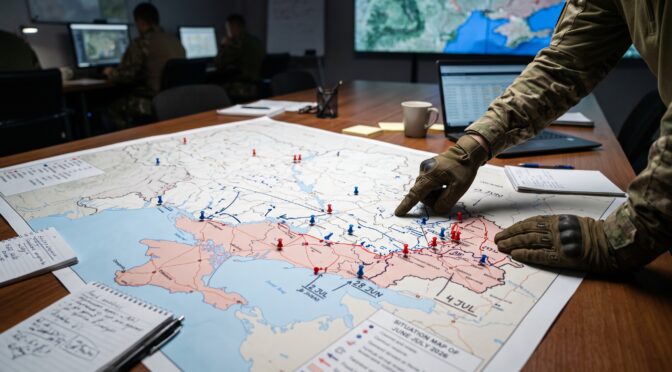
Strategic operational mapping of the European Arctic reveals a stark geographic reality: the Russian Bastion strategy relies on layered anti-access/area denial (A2/AD) capabilities radiating outward from the Kola Peninsula to protect its Northern Fleet, covering the Barents Sea and rendering Svalbard a highly contested zone. In direct opposition, NATO defense architectures rely heavily on monitoring the precise boundaries of the GIUK Gap to prevent uninhibited Russian submarine transit into the broader North Atlantic. This geographic bottleneck is the defining feature of maritime security in the region.

Emergent Maritime Arteries and Global Supply Chain Anxiety

The accelerated reduction of multi-year Arctic sea ice—thinning by 70 percent since satellite observation began in 1979—is structurally altering global maritime trade dynamics.18 The Northern Sea Route (NSR), hugging the Russian coastline, and the Northwest Passage (NWP), navigating through the Canadian Arctic archipelago, present dramatically shorter alternatives to traditional southern shipping lanes.19 The NSR, in particular, can reduce transit distances between Northeast Asia and Europe by up to 40 percent, cutting voyages by more than 10 days compared to the standard Suez Canal route.18

This geographic advantage has been sharply contextualized by the geopolitical volatility of traditional global choke points. By early 2026, the Red Sea crisis and sustained militant attacks on commercial shipping drastically reduced traffic through the Suez Canal and the Bab el-Mandeb Strait—by up to 60 percent compared to pre-crisis volumes.21 With vessels forced to divert around the Cape of Good Hope, adding 6,000 to 11,000 nautical miles and upwards of $1 million in fuel costs per voyage, the economic allure of a viable alternative transit corridor has intensified.21 Simultaneously, the Panama Canal has faced severe capacity reductions due to climate-driven droughts, prompting renewed multi-billion-dollar proposals for alternative mega-projects like the Nicaragua Canal.22 In this environment of persistent global supply chain fragility, the NSR is no longer viewed merely as a speculative future route, but as a strategic redundancy vital to the economic security of Eurasia.4

Adversarial Posturing: The Russian Federation

Russia maintains the largest and most entrenched military footprint of any Arctic nation. For Moscow, the Arctic is simultaneously its greatest strategic asset and its most profound vulnerability.24 The region is central to the survival of the Russian state, accounting for a massive percentage of its gross domestic product through hydrocarbon and mineral extraction, while also housing the core of its strategic nuclear forces.24

The Kola Peninsula and the Bastion Strategy

Russia’s military posture in the Arctic is heavily concentrated on the Kola Peninsula. Bases such as Gadzhiyevo and Severomorsk host the Russian Northern Fleet, including the Project 955/955A Borei-class ballistic missile submarines (SSBNs).4 The deep, frigid waters of the Barents Sea provide an ideal acoustic environment for these submarines to operate undetected before transitioning toward the North Atlantic. Severomorsk also serves as the home port for Russia’s largest surface combatants, including the nuclear-powered guided-missile cruisers and the aircraft carrier Admiral Kuznetsov.4

To protect this critical second-strike capability, Russia employs a sophisticated “Bastion Strategy.” This involves layering advanced anti-access/area-denial (A2/AD) networks across the High North, incorporating coastal defense cruise missiles, S-400 air defense systems, and highly advanced platforms equipped with the Poliment-Redut and Tsirkon hypersonic missile systems.4 The strategic objective is to create an impenetrable defensive envelope over the Barents and Kara Seas, denying NATO forces the ability to target Russian strategic assets during a conflict.4 Furthermore, with the expiration of the New START Treaty in February 2026—removing the last legally binding caps and inspection regimes on deployed strategic warheads between the U.S. and Russia—the threat matrix emanating from the Kola Peninsula has expanded exponentially. Without these constraints, analysts forecast an unconstrained nuclear arms competition in the High North, with Russia likely accelerating the deployment of strategic warheads to its polar submarine fleet.17

Militarization of the Northern Sea Route

As sea ice recedes, Russia is systematically transforming the NSR from a seasonal navigational challenge into a permanently militarized national transport corridor.4 Moscow views the NSR as an internal, sovereign waterway subject to absolute Kremlin control, a legal interpretation directly opposed by the United States and allied nations, who view the route as an international strait subject to customary freedom of navigation laws as reflected in UNCLOS.26

To enforce its sovereignty claims, Russia has engaged in a massive, decade-long infrastructure build-up. It has reopened and modernized over 50 Soviet-era military installations and airbases along its Arctic coastline, including reinforced runways at remote outposts like Nagurskoye (on Franz Josef Land) and Temp.4 This network forms a continuous A2/AD exclusion zone stretching from the Barents Sea to the Bering Strait, ensuring that no foreign military or commercial vessel can transit the Eurasian Arctic without explicit Russian oversight and the mandatory, highly lucrative use of Russian state-operated nuclear icebreaker escorts.4

Gray-Zone Tactics and Hybrid Warfare

Direct kinetic confrontation with NATO in the Arctic would likely result in an unwinnable escalation for Moscow. Consequently, Russia leverages sophisticated hybrid warfare and “gray-zone” tactics—operations that occur in the ambiguous space between peace and armed conflict—to probe defenses, intimidate regional actors, and unilaterally reshape the geopolitical status quo without triggering Article 5 mutual defense obligations.29

This gray-zone strategy is highly visible around the Svalbard archipelago. Governed by the 1920 Svalbard Treaty, the territory nominally belongs to Norway, but signatory nations—including Russia and China—maintain rights to economic exploitation and scientific research.31 Russia utilizes its century-old coal mining settlements at Barentsburg and Pyramiden not for economic profit, but as strategic geopolitical anchors.31 Tactics include staging militarized Victory Day parades featuring paramilitary symbols, flying aggressive helicopter sorties that deliberately breach Norwegian aviation regulations, and instructing its state-backed fishing fleets to actively ignore Norwegian jurisdictional mandates.25 Furthermore, the Kremlin systematically accuses Norway of militarizing the archipelago, despite Norway’s routine presence being limited to Coast Guard vessels and a single frigate, using these accusations to justify its own potential air defense deployments on Novaya Zemlya.25

More alarmingly, the Arctic seabed has become a front line for infrastructure sabotage. The region is heavily dependent on subsea fiber-optic cables for civilian telecommunications and critical military intelligence, such as the data flowing from SvalSat, the world’s largest commercial ground station located in Svalbard.33 Between 2021 and early 2026, an unprecedented number of subsea cables connecting Svalbard and mainland Norway, as well as critical infrastructure across the Baltic Sea, were severed or damaged.25

Open-source intelligence and maritime tracking data frequently place Russian fishing trawlers and dual-use “research” vessels loitering directly over these cables prior to the outages.25 In a stark escalation in late December 2024 and early January 2026, Finnish forces seized and detained vessels, including a Russia-linked spy ship and the oil tanker Eagle S, suspected of intentionally dragging anchors across subsea internet cables.33 By utilizing nominally civilian assets or covertly contracting foreign-flagged vessels—such as the Chinese-registered container ship Newnew Polar Bear, which deliberately sabotaged a Baltic Sea gas pipeline and telecommunications cables in October 2023—Moscow maintains a veneer of plausible deniability while systemically testing European infrastructure resilience.30

The People’s Republic of China: Dual-Use Hegemony

While lacking sovereign Arctic territory, the People’s Republic of China (PRC) has aggressively positioned itself as a primary stakeholder in the High North. In its 2018 Arctic Policy white paper, Beijing controversially declared itself a “Near-Arctic State,” formally integrating the polar region into its global Belt and Road Initiative under the strategic moniker of the “Polar Silk Road”.3

Military-Civil Fusion and Scientific Encroachment

China’s Arctic ambitions are inextricably linked to its national doctrine of Military-Civil Fusion (MCF). Under MCF, all Chinese civilian, commercial, and scientific endeavors are legally obligated to support the strategic objectives of the People’s Liberation Army (PLA) and the broader state security apparatus.5 Therefore, China’s extensive investments in Arctic scientific research, satellite ground stations, and polar logistics must be viewed through a dual-use intelligence lens.36

Scientific research serves as China’s primary vehicle for securing physical access to the polar region without triggering immediate military escalation. The PRC operates a growing and increasingly capable fleet of polar research vessels, including the heavy icebreakers Xue Long, Xue Long 2, and the Zhong Shan Da Xue Ji Di.38 Ostensibly deployed for climate and oceanographic research, these vessels routinely conduct comprehensive bathymetric mapping of the Arctic seabed, deploy sonar-equipped unmanned underwater vehicles (UUVs), and install complex acoustic buoy networks.6 In 2025, China achieved a significant milestone by conducting its first manned deep-sea dive under the Arctic ice.6

These scientific activities generate the critical intelligence baseline required for future military operations. Detailed knowledge of the ocean floor topography, deep-water salinity gradients, and under-ice acoustic propagation is essential for the future deployment of PLA Navy nuclear submarines into the Arctic theater.30 The dual-use nature of this research was explicitly demonstrated in 2023 when the Canadian Armed Forces intercepted and disabled Chinese monitoring buoys in the Canadian Arctic; military analysts assessed that these devices were deployed not solely for oceanographic data, but to track the acoustic signatures of United States submarines navigating beneath the polar ice cap.30

The scale of this encroachment is accelerating. In the summer of 2025, the U.S. Department of Homeland Security issued warnings regarding an “unprecedented” surge in Chinese military and research vessels in Arctic waters.40 This included a high-profile intercept by a U.S. Coast Guard C-130J Hercules of the Xue Long 2 operating deep within the U.S. Extended Continental Shelf, merely 290 nautical miles north of Utqiagvik, Alaska.40 Furthermore, Chinese universities intricately linked to the defense industry, including the “Seven Sons of National Defence” network overseen by the Ministry of Industry and Information Technology, are conducting Arctic research explicitly aligned with military capability development, including radar and missile tracking research at facilities in the Norwegian Arctic.6

The Sino-Russian Nexus in the High North

The severe geopolitical isolation of Russia following its 2022 invasion of Ukraine has forged an unprecedented, albeit highly transactional, strategic alignment between Moscow and Beijing in the Arctic.41 Historically, Russia was deeply suspicious of Chinese encroachment into its sovereign polar backyard, viewing Beijing as a demographic and economic threat to its far east and northern territories. However, facing crippling Western sanctions and desperate for the capital and technological components required to sustain its wartime economy and vast Arctic infrastructure, Moscow has increasingly opened the door to Chinese investment and operational presence.25

This partnership is manifesting forcefully in both economic and military domains. In 2024 and 2025, Russia and China accelerated joint development of high ice-class container ships, agreed to train Chinese specialists in polar navigation, and restarted joint maritime research missions in the Arctic Ocean after a five-year hiatus.29

Militarily, the alignment is rapidly evolving from rhetorical support to integrated, multi-domain operations. Between 2022 and 2024, Russian and Chinese naval vessels conducted massive joint patrols in the Bering Sea near Alaska, probing U.S. territorial boundaries.35 In July 2024, the two nations executed unprecedented joint bomber flights within the Alaskan Air Defense Identification Zone.35 This growing military interoperability fundamentally complicates the threat landscape for North American Aerospace Defense Command (NORAD) and NATO planners, as they must now allocate resources to deter a coordinated, two-front adversary operating synchronously in the polar approaches.43

The Calculus of Control: Is Arctic Dominance Worth It?

The drive for Arctic hegemony is propelled by the promise of untapped wealth and immense geostrategic leverage. The region contains an estimated 22 percent of the world’s undiscovered, technically recoverable oil and natural gas—amounting to over 412 billion barrels of oil equivalent, with the vast majority located offshore.44 Furthermore, as the global energy transition accelerates, the Arctic shield (spanning parts of Scandinavia, Greenland, and the North American archipelago) is recognized as a massive repository of the rare earth elements (REEs) and critical minerals indispensable for electric vehicle batteries, wind turbines, and advanced military electronics.46

However, the question of whether asserting absolute control over the Arctic is strategically and economically “worth it” requires a sober calculation of the profound environmental friction, logistical impossibilities, and economic volatility inherent to the region. The Arctic remains a domain that actively resists human technological intervention.8

Resource Extraction: The Financial and Engineering Reality

Extracting resources in the Arctic incurs astronomical capital costs and severe engineering hurdles. The physical infrastructure required to withstand the crushing force of moving pack ice and iceberg impacts is staggering. For example, the Hibernia oil rig off the coast of Newfoundland—located well south of the Arctic Circle—required the construction of a concrete ice belt 15 meters thick, surrounded by a 1.5-meter external ice wall fitted with structural “teeth” to absorb impacts.49 Projects located further north in deeper waters, where the majority of prospective Arctic oil and gas reserves lie, will require exponentially more elaborate and costly engineering solutions, including pipelines that must be buried deep beneath the seafloor to avoid destruction by deep ice structures gouging the ocean bottom.49

This massive overhead, coupled with extreme environmental reputational risks, has severely dampened commercial enthusiasm outside of state-subsidized enterprises. This reality was laid bare in March 2026, when the first offshore oil and gas lease sale in Alaska’s Cook Inlet under the new U.S. administration received zero bids from the energy industry, mirroring similar high-profile failures in the Arctic National Wildlife Refuge in previous years.50

Similarly, the pursuit of critical minerals in the Arctic faces intense competition from alternative frontiers, most notably deep-sea mining (DSM). As global demand for cobalt, nickel, and rare earth elements surges, 54 countries convened at the 2026 Critical Minerals Ministerial in Washington D.C. to secure supply chains.51 While Arctic mining involves navigating high wages, short daylight hours, and extreme cold, deep-sea mining proposes sweeping the ocean floor for polymetallic nodules.47 Both options carry severe, potentially irreversible environmental consequences for fragile marine ecosystems.53 However, the economic viability of both Arctic terrestrial mining and DSM remains highly contested, as technological advancements in battery chemistry are already beginning to substitute expensive metals like cobalt and nickel with cheaper alternatives like iron and sodium, potentially altering the long-term profitability calculus before these massive polar projects ever break ground.54

The Permafrost Debt: Russia’s Collapsing Foundation

For Russia, the fundamental cost of asserting control in the Arctic is literal, structural collapse. The infrastructure supporting Russia’s Arctic oil, gas, and military installations is built almost entirely upon permafrost. As climate change accelerates warming in the Arctic at four times the global average, this permafrost is rapidly thawing and degrading.20

The Russian Ministry of Natural Resources estimates that the economic losses resulting from infrastructure failure due to permafrost thaw will reach an astronomical $62.7 billion by 2050.56 Maintaining critical road networks in regions like Yakutia and Chukotka, stabilizing sinking military airfields, and repairing ruptured pipelines requires the continuous diversion of billions of dollars annually.56 Therefore, Russia’s Arctic strategy is engaged in a desperate race against geology; it must secure, extract, and monetize the region’s resources before the ground beneath its military and economic infrastructure completely liquefies.24

The Friction of Polar Operations: Logistical Realities

Operating military forces and commercial fleets in the High North is an exceptionally perilous endeavor. The environment is arguably a more lethal and persistent adversary than opposing kinetic forces.

The Limits of Cold-Weather Warfare

At temperatures plunging to -65 degrees Fahrenheit, the basic laws of physics and material science begin to fail, neutralizing the technological superiority of advanced militaries.8 During recent multi-national NATO exercises in northern Scandinavia and the Canadian Arctic, the severe limitations of standard military hardware were vividly exposed. U.S. all-terrain vehicles specifically designed for polar environments suffered catastrophic engine failures within 30 minutes of deployment because hydraulic fluids solidified.8 High-end electro-optical systems, including $20,000 Swedish night-vision goggles, were rendered useless when their aluminum casings spontaneously cracked at -40°F.8 Standard military-grade PVC wiring fractures like glass under minor stress, and the mere presence of trace moisture creates ice crystals that shred vital fuel pumps.8

Fuel logistics present a unique, mission-critical vulnerability. Aviation and diesel fuels approach their gelling points in extreme cold, requiring specialized additives and heated storage systems.58 Furthermore, refueling operations put logistics personnel at high risk of casualty; because fuel can exist as a super-cooled liquid at deeply negative temperatures, any contact with human skin causes instantaneous, severe frostbite.58 Establishing basic bulk fuel operations, such as the Joint Petroleum Off-the-Shore 600-gallon-per-minute pumps set up by U.S. Marines during Exercise Cold Response 26 in Narvik, Norway, requires exhaustive planning and specialized, insulated protective equipment.60 The massive power requirements needed simply to keep troops alive—heating tents, warming engine blocks, and charging batteries that deplete exponentially faster in the cold—create an immense, heavy logistical tail that severely bogs down rapid maneuver warfare.8

The Illusion of Cheap Arctic Shipping

While the Northern Sea Route offers significant physical distance reductions, its economic viability as a wholesale, profitable replacement for the Suez Canal remains highly speculative. Global shipping relies on “economy-of-scale,” rigid predictability, and “just-in-time” supply chains.18 The NSR currently lacks all three.

Transiting the NSR functions less like standard commercial shipping and more like a highly managed, hazardous expedition.28 Vessels frequently require the escort of costly Russian nuclear icebreakers to maintain schedules, destroying narrow profit margins.28 The transit windows are highly unpredictable, subject to sudden, unseasonal ice flows that can trap unprepared vessels. This danger was highlighted in January 2026 when the commercial cruise ship Scenic Eclipse II became beset in dense pack ice near Antarctica and required a rescue operation by the U.S. Coast Guard Cutter Polar Star—a scenario equally applicable to the High North.61

Furthermore, international regulatory frameworks are actively degrading the route’s cost-competitiveness. The International Maritime Organization (IMO) recently instituted a prohibition on the use of Heavy Fuel Oil (HFO) in Arctic waters. This regulation is designed to prevent catastrophic toxic pollution and reduce black carbon emissions, which settle on the ice and dramatically accelerate surface melting.63

Comprehensive economic modeling demonstrates that because of this mandate, shipping companies must transition to expensive clean fuels (such as LNG or advanced distillates) to legally transit the Arctic. When compared to ships utilizing cheaper, traditional HFO through the Suez Canal, the NSR actually operates at a severe cost disadvantage, effectively neutralizing the financial benefits of the shorter geographic distance.

Uzi bolt blocking latch assembly: bolt carrier, pin, and firing pin

In unilateral carbon tax scenarios, or global energy evolution models consistent with RCP2.6 (stringent emission reductions), the NSR consistently remains less economically viable than southern routes.23 Only under worst-case climate models (RCP8.5), where catastrophic sea ice thickness decline completely eliminates the need for any icebreaker escorts, does the NSR approach true long-term cost-competitiveness.23

The Strategic Response: The United States and NATO

Recognizing the closing window of absolute Western military superiority and the aggressive incursions by revisionist states, the United States and its NATO allies have initiated a comprehensive, multi-domain strategic realignment in the High North.

The United States: Deterrence, Domain Awareness, and Fleet Recapitalization

The United States Department of Defense (DoD) released its updated Arctic Strategy in July 2024, superseding outdated frameworks. The core of this strategy formally abandons the idealistic notions of a demilitarized polar sanctuary. It directly identifies Russia as an “acute threat” leveraging avenues of approach to the U.S. homeland, and designates China as a pacing challenge aggressively seeking to alter the regional balance of power through its expanding fleet and MCF doctrine.12

The 2024 DoD Strategy adopts a highly calibrated “monitor-and-respond” operational posture.27 This approach relies fundamentally on achieving total, persistent domain awareness. The U.S. military is heavily investing in modernized intelligence, surveillance, and reconnaissance (ISR) capabilities, as well as resilient high-latitude communications, ensuring that any Russian submarine deployment from the Kola Peninsula or any dual-use Chinese scientific expedition is tracked continuously across the polar basin.27 Furthermore, the strategy mandates the execution of routine, high-visibility maritime and aerospace exercises to physically assert the right of freedom of navigation in international polar waterways, directly challenging excessive Russian and Chinese maritime sovereignty claims.26

A critical vulnerability in U.S. Arctic power projection has long been its decimated icebreaker fleet. For years, the United States relied almost entirely on a single heavy icebreaker, the USCGC Polar Star, commissioned in 1976. This aging vessel was kept functional only through exhaustive, highly expensive annual drydock refurbishments on the West Coast, severely limiting America’s sovereign presence in the ice.62

To rectify this glaring capability gap, the U.S. government executed a massive, accelerated recapitalization effort. In February 2026, fulfilling aggressive executive directives, the U.S. Coast Guard completed the award of contracts totaling $6.1 billion for the construction of a comprehensive 11-vessel Polar Security Cutter fleet.9 This procurement represents a historic pivot in national security funding, providing the United States with the heavy maritime assets required to ensure year-round, sovereign presence, project military force, and enforce economic exclusivity in heavily contested polar waters.

NATO Expansion and the “Arctic Sentry” Initiative

The geopolitical architecture of the European Arctic was permanently altered by the accession of Finland and Sweden into the NATO alliance. With their entry, NATO now encompasses seven of the eight traditional Arctic states. This expansion functionally encircles Russia’s Northern Fleet, transforming the Baltic Sea and the European High North into a highly integrated, contiguous allied operational space.66

This expanded territorial footprint has enabled deep multinational military integration. In February 2026, recognizing the absolute necessity of an organized, unified command structure for polar operations, NATO officially launched the Arctic Sentry initiative.10 Directed by Joint Force Command (JFC) Norfolk, and intricately coordinated with the U.S.-Canada North American Aerospace Defense Command (NORAD), U.S. Northern Command, and U.S. European Command, Arctic Sentry is designed as a premier multi-domain mission. Its primary objective is to synchronize allied operations, standardize intelligence sharing, and consolidate national capabilities into one coherent operational approach across the polar region.10

ComponentStrategic Capability & ImpactKey Operational Nodes
Command & ControlUnified strategic direction for the High North, seamlessly integrating European and North American defense architectures.JFC Norfolk; New NATO Operations Center in Mikkeli, Finland; Combined Air Operations Centre in Bodø, Norway.10
Military MobilityLeveraging newly integrated Finnish and Swedish road/rail networks to rapidly project heavy armor and logistics across Scandinavia.“Cold Response 26” moving 25,000 troops through Lapland and the E10 corridor.70
Infrastructure DefenseProtecting vital undersea fiber-optic cables and pipeline networks from gray-zone sabotage and espionage.Operations aligned with “Baltic Sentry” and the EU Cable Security Action Plan.71
Technological InnovationRapid prototyping of uncrewed sensors, autonomous effectors, and advanced materials for Arctic littoral combat.HEIMDALL testing in Norwegian fjords; Cold Weather Operations Centre of Excellence.73

Table 1: Key pillars of NATO’s integrated defense posture in the High North following the launch of the Arctic Sentry initiative in 2026.

Rather than constructing massive, permanent new military bases in the fragile and logistically hostile Arctic tundra—which would draw resources away from the Eastern Flank—Arctic Sentry utilizes a networked, dynamic force deployment approach.71 It leverages existing, highly capable allied forces, such as the UK Royal Marines operating from Camp Viking near Tromsø, Norway, and orchestrates massive logistical stress-tests like Exercise Cold Response 26.69

During Cold Response 26, initiated in March 2026, over 25,000 NATO personnel (including 7,500 transiting through Finland) tested the absolute limits of European military mobility.70 The exercise focused on moving heavy armor and critical supply convoys across the newly integrated road and rail networks of Finland and Sweden, utilizing routes like the E10 corridor to avoid civilian congestion.70 This demonstrated the alliance’s capacity to rapidly reinforce the Arctic flank from deep within continental Europe in response to a sudden Russian mobilization. The sheer scale of the operation required the Finnish Defence Forces to enact temporary airspace caps and rolling roadblocks, underscoring the vast logistical footprint of polar warfare.70 To support this long-term mobility, the European Union is heavily subsidizing rail and road infrastructure projects across Scandinavia under the Connecting Europe Facility (CEF) military mobility fund.74

Simultaneously, NATO is aggressively pursuing technological adaptation to overcome the physics of the extreme cold. Entities like the Cold Weather Operations Centre of Excellence in Norway are driving live experimentation. Initiatives like HEIMDALL (Harnessing Emerging technologies and Innovations for Multi-Domain capability Development in the Artic Littoral Landscape) are pioneering the use of autonomous sensors and uncrewed maritime systems designed specifically to operate within the severe magnetic interference, deep snow, and extreme cold of the Arctic fjords, with pilot trials commencing in February 2026.73 Furthermore, multi-national capability projects signed in February 2026 are focusing on deploying drone-based deep precision strike capabilities to meet the unique operational requirements of the High North.76

The Collapse of Institutional Governance: The Arctic Council

The strategic friction dominating the physical landscape of the Arctic has decisively fractured the region’s diplomatic and institutional architecture. Since its inception via the Ottawa Declaration in 1996, the Arctic Council served as the premier intergovernmental forum for the region. For over two decades, it was uniquely successful in isolating scientific research, environmental protection, and the rights of the roughly 500,000 indigenous inhabitants from the broader, volatile currents of global geopolitics.77 Operating by consensus among the eight Arctic states and six Permanent Participant indigenous organizations, the Council deliberately excluded military security issues from its mandate, fostering an environment of unparalleled regional cooperation.78

That era of “Arctic Exceptionalism” ended abruptly following Russia’s full-scale invasion of Ukraine in February 2022. Because Russia held the rotating Chairship of the Council at the time, the other seven member states—the United States, Canada, Norway, Sweden, Finland, Iceland, and the Kingdom of Denmark—unilaterally paused their participation, refusing to legitimize the geopolitical actions of the Russian Federation.11

The resulting paradigm shift has led to the de facto emergence of the “Arctic 7”.11 While the Western Arctic nations have explicitly stated they are not permanently expelling Russia from the Council—an act that would formally destroy the institution—they have slowly resumed the majority of their working group projects, scientific collaborations, and governance planning exclusively amongst themselves.77 During the Norwegian chairship (2023-2025), approximately 70 out of 140 projects were resumed without Russian participation.80 In May 2025, Norway transferred the Chairship of the Council to the Kingdom of Denmark in a highly symbolic transition that codified the new reality: Arctic governance will proceed, but it will do so by structurally isolating the nation that controls over half of the Arctic Ocean coastline.78

This fractured governance structure forces the region into a precarious diplomatic void. Without a functional, comprehensive diplomatic backchannel that includes Russia, the mechanisms for military de-escalation, maritime search and rescue coordination, and environmental disaster response in the High North are severely compromised. Furthermore, Russia’s isolation from the Arctic Council has directly accelerated its diplomatic and economic pivot toward China, further entrenching the adversarial, bi-polar divide in the region and increasing the likelihood of uncoordinated, unilateral actions.80

Strategic Outlook and Conclusion

The Arctic is no longer a peripheral theater of secondary importance; it is a primary axis of global strategic competition and a central front in the defense of the rules-based international order. The current trajectory indicates that the militarization and geopolitical partitioning of the High North is irreversible in the near-to-medium term.

The Russian Federation, heavily constrained by the catastrophic bleeding of conventional military resources in Ukraine and the literal sinking of its economic infrastructure into thawing permafrost, will increasingly rely on its nuclear Bastion strategy and highly disruptive gray-zone tactics.4 Sabotage of subsea cables, GPS jamming, and the exploitation of treaties in locations like Svalbard will serve as Moscow’s primary tools to project power, test NATO resolve, and defend its expansive sovereignty claims without triggering open war.32

Concurrently, the People’s Republic of China, executing a patient, well-resourced strategy of military-civil fusion, will continue to embed its scientific, economic, and intelligence architecture into the polar region. By aligning tactically with a weakened Russia, Beijing aims to systematically erode the traditional barriers to entry for non-Arctic states, positioning itself to control future global maritime trade routes and access critical mineral reserves.5

For the United States and its NATO allies, the core strategic challenge lies in sustaining robust deterrence without inciting an unwinnable escalation in an environment that heavily penalizes military operations. The operationalization of the Arctic Sentry initiative, the historic expansion of NATO into Scandinavia, and the injection of massive capital into the U.S. Coast Guard’s icebreaker fleet signal a decisive and necessary end to Western strategic neglect of the region.9

Ultimately, asserting control in the Arctic requires a continuous, exhausting expenditure of capital, advanced technology, and unwavering political will. The polar environment remains fiercely unforgiving, instantly punishing logistical hubris or under-investment with catastrophic equipment failure. As the geopolitical ice continues to fracture alongside the physical environment, success in the Arctic theater will not be determined solely by sheer kinetic firepower. Instead, dominance will belong to the alliances that can maintain persistent domain awareness, secure critical subsea infrastructure against covert sabotage, out-innovate the severe cold, and sustain complex operational endurance in the most hostile climate on Earth.


Please share the link on Facebook, Forums, with colleagues, etc. Your support is much appreciated and if you have any feedback, please email us in**@*********ps.com. If you’d like to request a report or order a reprint, please click here for the corresponding page to open in new tab.


Sources Used

  1. Arctic Security: Power Shifts and Transformational Change, accessed March 14, 2026, https://www.belfercenter.org/research-analysis/arctic-security-power-shifts-and-transformational-change
  2. The militarization of Russian polar politics | 02 The European Arctic, the Kola Bastion and the High North – Chatham House, accessed March 14, 2026, https://www.chathamhouse.org/2022/06/militarization-russian-polar-politics/02-european-arctic-kola-bastion-and-high-north
  3. Polar Silk Road – China Media Project, accessed March 14, 2026, https://chinamediaproject.org/the_ccp_dictionary/polar-silk-road/
  4. The Arctic in Russia’s Defence Strategy – Indian Council of World Affairs, accessed March 14, 2026, https://www.icwa.in/show_content.php?lang=1&level=1&ls_id=14249&lid=8670
  5. Frozen Frontiers: China’s Great Power Ambitions in the Polar Regions – CSIS, accessed March 14, 2026, https://features.csis.org/hiddenreach/china-polar-research-facility/
  6. Russia and China build Arctic hybrid threat toolkit through shipping and “civilian” science – Euromaidan Press, accessed March 14, 2026, https://euromaidanpress.com/2026/01/22/russia-china-arctic-hybrid-threats-military-civil-fusion/
  7. The Arctic: Opportunities, Concerns and Challenges – Plateforme Océan & Climat, accessed March 14, 2026, https://ocean-climate.org/wp-content/uploads/2020/01/10.-The-Arctic-scientific-fact-sheets-2019.pdf
  8. The Arctic’s extreme cold is breaking even the world’s most advanced military tech, accessed March 14, 2026, https://www.techspot.com/news/110742-arctic-extreme-cold-breaking-even-world-most-advanced.html
  9. United States Coast Guard News > News Home > All News, accessed March 14, 2026, https://www.news.uscg.mil/News-Home/All-News/
  10. Arctic security | NATO Topic, accessed March 14, 2026, https://www.nato.int/en/what-we-do/deterrence-and-defence/arctic-security
  11. Revitalizing the Arctic Council | The Belfer Center for Science and International Affairs, accessed March 14, 2026, https://www.belfercenter.org/research-analysis/revitalizing-arctic-council
  12. An IN, TO, THOUGH Analysis of the US 2024 Department of Defense Arctic Strategy | NAADSN, accessed March 14, 2026, https://www.naadsn.ca/wp-content/uploads/2025/01/Strategic-Perspectives-DoDStrat2024INTOTHROUGH.pdf
  13. The GIUK Gap’s strategic significance, accessed March 14, 2026, https://www.iiss.org/publications/strategic-comments/2019/the-giuk-gaps-strategic-significance/
  14. Moscow sees opportunity in Greenland crisis, but fears expanded US Arctic presence, accessed March 14, 2026, https://www.defensenews.com/global/europe/2026/02/09/moscow-sees-opportunity-in-greenland-crisis-but-fears-expanded-us-arctic-presence/
  15. Greenland Geopolitics: Arctic Security, NATO Cohesion, Sovereignty, accessed March 14, 2026, https://behorizon.org/greenland-geopolitics-and-european-strategic-postures/
  16. Greenland, the United States and Arctic security: Towards a credible and principled Transatlantic response | European Leadership Network, accessed March 14, 2026, https://europeanleadershipnetwork.org/commentary/greenland-the-united-states-and-arctic-security-towards-a-credible-and-principled-transatlantic-response/
  17. The Arctic This Week Take Five: Week of 2 February, 2026, accessed March 14, 2026, https://www.thearcticinstitute.org/arctic-week-take-five-week-2-february-2026/
  18. The Future of Arctic Shipping, accessed March 14, 2026, https://www.thearcticinstitute.org/future-arctic-shipping/
  19. The Three Arctic Routes: Heated Debate Over Commercial Viability at the Arctic Circle Assembly – The Asia Business Daily, accessed March 14, 2026, https://www.asiae.co.kr/en/article/2025102110273146843
  20. Comparing the Northwest Passage with the Northern Sea Route – NAADSN, accessed March 14, 2026, https://www.naadsn.ca/wp-content/uploads/2025/05/25apr-Comaparing-the-NWP-with-the-NSR_RD-NAADSN-Policy-Brief.pdf
  21. Analysis of maritime geopolitics on early 2026: The Red Sea Factor, accessed March 14, 2026, https://isdo.ch/analysis-of-maritime-geopolitics-on-early-2026-the-red-sea-factor/
  22. Beyond Panama and Suez: The new trade routes in a bid to reshape global shipping, accessed March 14, 2026, https://www.lowyinstitute.org/the-interpreter/beyond-panama-suez-new-trade-routes-bid-reshape-global-shipping
  23. A case study of offshore oil exports – OSTI, accessed March 14, 2026, https://www.osti.gov/pages/servlets/purl/3014083
  24. The northern frosts: The EU should contain and unpower Russia in the Arctic, accessed March 14, 2026, https://www.iss.europa.eu/publications/analysis/northern-frosts-eu-should-contain-and-unpower-russia-arctic
  25. Russia’s growing interest in Svalbard – GIS Reports, accessed March 14, 2026, https://www.gisreportsonline.com/r/russias-svalbard/
  26. 2024 Department of Defense Arctic Strategy – War.gov, accessed March 14, 2026, https://media.defense.gov/2024/Jul/22/2003507411/-1/-1/0/DOD-ARCTIC-STRATEGY-2024.PDF
  27. New DOD Strategy Calls for Enhancements, Engagements, Exercises in Arctic, accessed March 14, 2026, https://www.war.gov/News/News-Stories/Article/article/3846323/new-dod-strategy-calls-for-enhancements-engagements-exercises-in-arctic/
  28. Polar Silk Road: China’s plan B for global trade – ThinkChina.sg, accessed March 14, 2026, https://www.thinkchina.sg/economy/polar-silk-road-chinas-plan-b-global-trade
  29. China and Russia in the Arctic: From a bumpy ride to deeper engagement – LSE Blogs, accessed March 14, 2026, https://blogs.lse.ac.uk/cff/2026/02/04/china-russia-arctic-deeper-engagement/
  30. The Arctic This Week Take Five: Week of 18 August, 2025 | The Arctic Institute, accessed March 14, 2026, https://www.thearcticinstitute.org/arctic-week-take-five-week-18-august-2025/
  31. Svalbard: The Other Arctic Island Flashpoint | RealClearDefense, accessed March 14, 2026, https://www.realcleardefense.com/articles/2026/02/19/svalbard_the_other_arctic_island_flashpoint_1165741.html
  32. NATO’s Polar Pressure Point: The Svalbard Archipelago and the Russian Challenge, accessed March 14, 2026, https://www.thearcticinstitute.org/natos-polar-pressure-point-svalbard-archipelago-russian-challenge/
  33. Russia’s Arctic shadow war: How Moscow’s most-probed front fuels its Ukraine invasion, accessed March 14, 2026, https://kyivindependent.com/russias-arctic-shadow-war-how-moscows-most-probed-front-fuels-its-ukraine-invasion/
  34. Subsea sabotage should spark review of critical infrastructure security – Binding Hook, accessed March 14, 2026, https://bindinghook.com/subsea-sabotage-should-spark-review-of-critical-infrastructure-security/
  35. Is the Polar Silk Road a Highway or Is It at an Impasse? China’s …, accessed March 14, 2026, https://www.rand.org/pubs/commentary/2025/02/is-the-polar-silk-road-a-highway-or-is-it-at-an-impasse.html
  36. Undercover Infrastructure Dual-Use Arctic Satellite Ground Stations – Centre for International Governance Innovation (CIGI), accessed March 14, 2026, https://www.cigionline.org/documents/2583/no.291_HM8ToWL.pdf
  37. Arctic Forecast 2026: China – Grey Dynamics, accessed March 14, 2026, https://greydynamics.com/beijing-activity-in-the-arctic/
  38. The Arctic Institute’s 2025 China Series, accessed March 14, 2026, https://www.thearcticinstitute.org/the-arctic-institute-china-series-2025/
  39. China’s Economic, Scientific, and Information Activities in the Arctic – RAND, accessed March 14, 2026, https://www.rand.org/content/dam/rand/pubs/research_reports/RRA2800/RRA2823-1/RAND_RRA2823-1.pdf
  40. DHS Warns of ‘Unprecedented’ Chinese Presence in Arctic During Summer 2025, accessed March 14, 2026, https://www.ndtahq.com/dhs-warns-of-unprecedented-chinese-presence-in-arctic-during-summer-2025/
  41. Arctic Geopolitics: The Svalbard Archipelago – CSIS, accessed March 14, 2026, https://www.csis.org/analysis/arctic-geopolitics-svalbard-archipelago
  42. The Arctic, outer space and influence-building: China and Russia join forces to expand in new strategic frontiers | Merics, accessed March 14, 2026, https://merics.org/en/report/arctic-outer-space-and-influence-building-china-and-russia-join-forces-expand-new-strategic
  43. Closing the Arctic Gaps: NATO Allies and Partners Can Protect Their Homelands by Updating Their Defense Force Postures | Hudson Institute, accessed March 14, 2026, https://www.hudson.org/national-security-defense/closing-arctic-gaps-nato-allies-partners-can-protect-their-homelands-liselotte-odgaard
  44. Regional Report: Focus on Arctic oil and gas sharpened during 2025 – World Oil, accessed March 14, 2026, https://worldoil.com/magazine/2026/january/features/regional-report-focus-on-arctic-oil-and-gas-sharpened-during-2025/
  45. The Arctic is Warming: Green Transition, Critical Minerals and Energy Sources, New Maritime Routes and Geopolitical Competition – DergiPark, accessed March 14, 2026, https://dergipark.org.tr/en/download/article-file/4603144
  46. Overview of outlook for key minerals – Global Critical Minerals Outlook 2025 – Analysis – IEA, accessed March 14, 2026, https://www.iea.org/reports/global-critical-minerals-outlook-2025/overview-of-outlook-for-key-minerals
  47. Mining in the Arctic: a rare earth ‘cold rush’? – Mine | Issue 149 | February 2025, accessed March 14, 2026, https://mine.nridigital.com/mine_feb25/arctic-mining-rare-earths
  48. Arctic Mining Report 2024, accessed March 14, 2026, https://arcticeconomiccouncil.com/wp-content/uploads/2024/10/aec-arctic-mining-report-2024-sample.pdf
  49. Arctic Energy Resources and Global Energy Security1 – Oceans at MIT, accessed March 14, 2026, https://oceans.mit.edu/wp-content/uploads/arctic_energy_security.pdf
  50. Rising Tensions and Shifting Strategies: The Evolving Dynamics of …, accessed March 14, 2026, https://www.thearcticinstitute.org/rising-tensions-shifting-strategies-evolving-dynamics-us-grand-strategy-arctic/
  51. Current Geopolitics Shift Deep-Sea Mining Debates | New Security Beat, accessed March 14, 2026, https://www.newsecuritybeat.org/2026/02/current-geopolitics-shift-deep-sea-mining-debates/
  52. What We Know About Deep-Sea Mining and What We Don’t | World Resources Institute, accessed March 14, 2026, https://www.wri.org/insights/deep-sea-mining-explained
  53. Arctic Deep Seabed Mining: a Comparative Analysis of Norway’s Approach and Global Sustainability and Accountability Concerns in – Brill, accessed March 14, 2026, https://brill.com/view/journals/yplo/17/1/article-p145_8.xml
  54. Thinking of the Arctic Future(s): When some Scientists precariously Promote Deep-Sea Mining, accessed March 14, 2026, https://www.thearcticinstitute.org/thinking-arctic-futures-some-scientists-precariously-promote-deep-sea-mining/
  55. Deep-sea mining: What you need to know – The World Economic Forum, accessed March 14, 2026, https://www.weforum.org/stories/2025/09/deep-sea-mining-critical-minerals/
  56. Russia’s Arctic infrastructure is becoming increasingly vulnerable | Polar Journal, accessed March 14, 2026, https://polarjournal.net/russias-arctic-infrastructure-is-under-threat/
  57. (PDF) Ch10. Cost of permafrost degradation and land use impacts of infrastructure development. The Economy of the North – ECONOR 2025 – ResearchGate, accessed March 14, 2026, https://www.researchgate.net/publication/393122959_Ch10_Cost_of_permafrost_degradation_and_land_use_impacts_of_infrastructure_development_The_Economy_of_the_North_-_ECONOR_2025
  58. Logistics Support in the Arctic – Army.mil, accessed March 14, 2026, https://www.benning.army.mil/infantry/magazine/issues/2023/Spring/pdf/Bershinsky_3.pdf
  59. DLA Energy Team Overcomes Arctic Challenge with Fuel System Innovation, accessed March 14, 2026, https://www.dla.mil/About-DLA/News/News-Article-View/Article/4376138/dla-energy-team-overcomes-arctic-challenge-with-fuel-system-innovation/
  60. U.S. Marines Prove Critical Arctic Fuel Capability During Exercise Cold Response [Image 6 of 18] – DVIDS, accessed March 14, 2026, https://www.dvidshub.net/image/9551539/core26-us-marines-prove-critical-arctic-fuel-capability-during-exercise-cold-response
  61. U.S. Coast Guard Cutter Polar Star marks 50 years of service, begins Operation Deep Freeze 2026, accessed March 14, 2026, https://www.news.uscg.mil/Press-Releases/Article/4385905/us-coast-guard-cutter-polar-star-marks-50-years-of-service-begins-operation-dee/
  62. Coast Guard Icebreaker USCGC Polar Star Completes Antarctic Mission, accessed March 14, 2026, https://maritime-executive.com/article/coast-guard-icebreaker-uscgc-polar-star-completes-antarctic-mission
  63. Economic viability of arctic shipping under IMO environmental regulations: a well-to-wake assessment of different carbon tax scenarios – Frontiers, accessed March 14, 2026, https://www.frontiersin.org/journals/marine-science/articles/10.3389/fmars.2025.1575551/full
  64. DoD Announces Publication of 2024 Arctic Strategy – War.gov, accessed March 14, 2026, https://www.war.gov/News/Releases/Release/Article/3846206/dod-announces-publication-of-2024-arctic-strategy/
  65. Polar Security Cutter – Deputy Commandant for Mission Support – Coast Guard, accessed March 14, 2026, https://www.dcms.uscg.mil/Our-Organization/Assistant-Commandant-for-Acquisitions-CG-9/Programs/Surface-Programs/Polar-Icebreaker/
  66. Russia and China are expanding in the Arctic: Europe needs a new …, accessed March 14, 2026, https://www.chathamhouse.org/2025/10/when-it-comes-arctic-security-europe-must-not-forget-about-economics
  67. UK defence: Renewed interest in the Arctic – House of Commons …, accessed March 14, 2026, https://commonslibrary.parliament.uk/research-briefings/cbp-10262/
  68. What’s behind NATO’s new Arctic mission? – ArcticToday, accessed March 14, 2026, https://www.arctictoday.com/whats-behind-natos-new-arctic-mission/
  69. NATO Secretary General outlines new activity – Arctic Sentry – ahead of Defence Ministers meeting, accessed March 14, 2026, https://www.nato.int/en/news-and-events/articles/news/2026/02/11/nato-secretary-general-outlines-new-activity-arctic-sentry-ahead-of-defence-ministers-meeting
  70. 25,000 NATO Troops Transit Finland as ‘Cold Response 26’ Starts, Bringing Temporary Road & Airspace Constraints – VisaHQ, accessed March 14, 2026, https://www.visahq.com/news/2026-03-09/fi/25000-nato-troops-transit-finland-as-cold-response-26-starts-bringing-temporary-road-airspace-constraints/
  71. Arctic Sentry: NATO strengthens its polar flank – OSW, accessed March 14, 2026, https://www.osw.waw.pl/en/publikacje/analyses/2026-02-13/arctic-sentry-nato-strengthens-its-polar-flank
  72. The Union, the Star and the Eagle: EU-NATO cooperation under Trump 2.0, accessed March 14, 2026, https://www.iss.europa.eu/publications/briefs/union-star-and-eagle-eu-nato-cooperation-under-trump-20
  73. Advancing NATO Readiness in the Arctic: The Role of HEIMDALL and the Cold Weather Operations Centre of Excellence, accessed March 14, 2026, https://www.act.nato.int/article/cold-weather-coe-2025/
  74. EU Defence Series: Military Mobility A Critical Enabler – European Policy Centre, accessed March 14, 2026, https://www.epc.eu/publication/eu-defence-series-military-mobility-a-critical-enabler/
  75. Special report 04/2025: EU military mobility | European Court of Auditors, accessed March 14, 2026, https://www.eca.europa.eu/en/publications/sr-2025-04
  76. NATO Allies launch new multinational capability cooperation initiatives, expand existing projects, accessed March 14, 2026, https://www.nato.int/en/news-and-events/articles/news/2026/02/12/nato-allies-launch-new-multinational-capability-cooperation-initiatives-expand-existing-projects
  77. Is It Possible to Continue Cooperating with Russia in the Arctic Council?, accessed March 14, 2026, https://gjia.georgetown.edu/2022/06/29/is-it-possible-to-continue-cooperating-with-russia-in-the-arctic-council/
  78. After Norway, What’s Next? The Kingdom of Denmark and the Arctic Council’s Future, accessed March 14, 2026, https://www.thearcticinstitute.org/after-norway-whats-next-kingdom-of-denmark-arctic-councils-future/
  79. The Arctic Council | Arctic Council, accessed March 14, 2026, https://arctic-council.org/
  80. The Arctic Council in the Shadow of Geopolitics, accessed March 14, 2026, https://www.thearcticinstitute.org/arctic-council-shadow-geopolitics/

SITREP Russia – Week Ending March 14, 2026

Executive Summary

The week ending March 14, 2026, represents a critical inflection point in the geopolitical, economic, and military trajectory of the Russian Federation. The operating environment has been fundamentally disrupted by external macroeconomic shocks stemming from the Middle East, which have inadvertently resuscitated the Russian defense budget and fractured the transatlantic consensus on sanctions enforcement. Concurrently, the Kremlin is navigating a stark dichotomy: projecting an aura of inevitable diplomatic and military victory abroad while implementing draconian, unprecedented internal security measures at home to preempt anticipated domestic instability.

Economically, the escalating military conflict involving the United States, Israel, and Iran has resulted in the de facto closure of the Strait of Hormuz, driving global crude oil prices to nearly $120 per barrel. In a controversial maneuver designed to stabilize domestic energy markets, the United States Treasury Department issued a temporary waiver allowing the sale of Russian oil currently stranded at sea. This decision has generated a massive financial windfall for Moscow, with projections indicating billions in additional revenue by the end of March 2026. This sudden influx of capital effectively nullifies near-term western economic containment strategies and provides the Kremlin with the necessary liquidity to sustain its hyper-militarized economy and defense industrial base indefinitely.

Diplomatically, Russian leadership is exploiting this perceived weakening of Western resolve. High-level backchannel negotiations were detected in Miami, Florida, involving representatives of the United States administration and the sanctioned Russian Direct Investment Fund (RDIF). Simultaneously, the Kremlin’s public diplomatic posture has hardened significantly, with officials declaring previous peace frameworks obsolete and demanding total Ukrainian capitulation based on “changed realities.” However, these rhetorical assertions of battlefield supremacy are directly contradicted by empirical frontline data. Russian forces have experienced a net loss of occupied territory over the past month, suffering staggering casualty rates that are estimated to have reached one million killed and wounded since the conflict’s inception.

In response to static lines and unsustainable attrition, the Russian Ministry of Defense is undertaking an industrial-scale pivot toward unmanned systems, producing an estimated 19,000 first-person view (FPV) drones daily. Despite this, the Russian defense industrial base remains highly vulnerable to an evolved Ukrainian deep-strike campaign, which has successfully integrated real-time drone reconnaissance with cruise missile strikes to decimate critical microelectronics and chemical manufacturing nodes deep within the Russian interior.

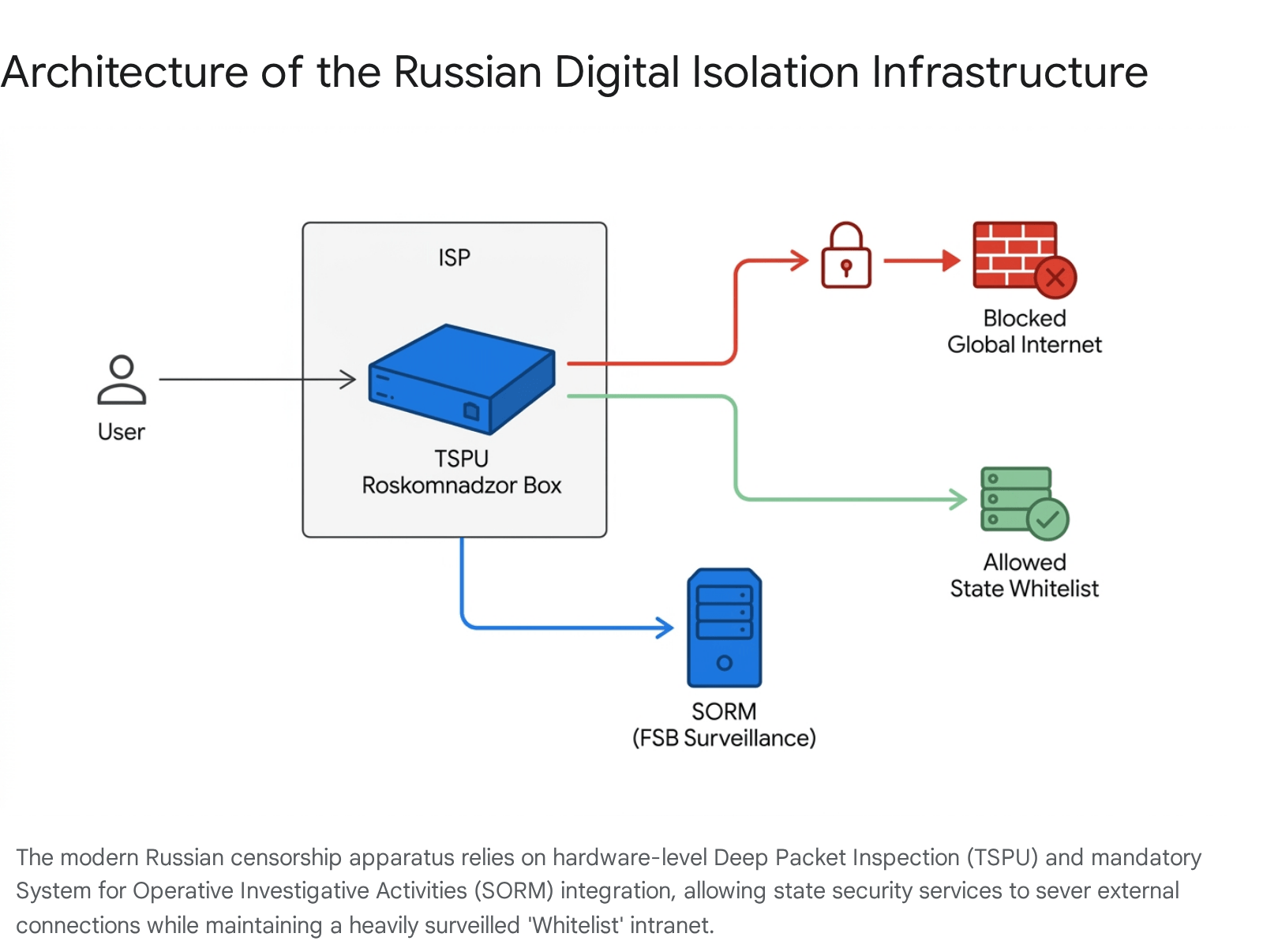
Domestically, the Russian state is exhibiting profound paranoia. The reporting period witnessed severe, state-directed internet blackouts across major metropolitan centers, including the State Duma, as authorities test a “whitelist” censorship architecture designed to permanently sever the Russian populace from the global internet. Coupled with high-level purges within the Ministry of Internal Affairs (MVD) and an accelerated campaign to fully absorb occupied Ukrainian territories through demographic engineering and financial coercion, the Kremlin is aggressively insulating its regime. As the conflict grinds onward, the Russian Federation is functioning as a fully mobilized authoritarian state, utilizing total information control to force its population to bear the indefinite costs of its strategic ambitions.

1. Strategic and Diplomatic Maneuvers in a Multipolar Context

1.1 The Miami Backchannel and the “Changed Realities” Doctrine

During the week ending March 14, 2026, the diplomatic architecture surrounding the Ukraine conflict experienced significant turbulence, driven by clandestine negotiations and a hardening of Russia’s public negotiating posture. Intelligence indicates that a high-level backchannel meeting occurred in Miami, Florida, on March 11, 2026.1 The United States delegation, comprising Special Envoy Steve Witkoff, former Senior Advisor Jared Kushner, and advisor Josh Gruenbaum, engaged directly with Kirill Dmitriev, the lead Russian negotiator and CEO of the Russian Direct Investment Fund (RDIF).1

The presence of Dmitriev is highly significant. The RDIF functions as a primary node in Russia’s sovereign wealth management and has been heavily sanctioned by Western entities since 2022. Dmitriev’s role as the chief interlocutor suggests that the Kremlin’s primary objective in these preliminary discussions centers heavily on unfreezing financial assets and dismantling the sanctions architecture, intertwined with potential security guarantees. While official readouts from the Miami meeting remain classified, the composition of the delegations implies an attempt to bypass traditional diplomatic channels to establish a transactional framework for future conflict resolution.1

However, this covert engagement stands in stark contrast to the maximalist rhetoric emanating from Moscow. Capitalizing on perceived divisions within the NATO alliance and the distraction of the Middle East crisis, the Kremlin has explicitly escalated its diplomatic demands, setting informational conditions to expand its territorial and political objectives. On March 11, Kremlin Spokesperson Dmitry Peskov declared that the “whole reality has changed” since the aborted 2022 Istanbul proposals.1 Russian state media immediately amplified this statement, interpreting it as a formal abandonment of previous, more moderate settlement frameworks. Grigory Karasin, Chairperson of the Federation Council International Affairs Committee, reinforced this hardened stance by declaring the 2022 proposals “irrelevant” and demanding that Ukraine “end this adventure”—a thinly veiled euphemism for total capitulation.1

This dual-track diplomatic strategy is a classic execution of Russian cognitive warfare. By projecting an aura of overwhelming battlefield supremacy through statements from President Vladimir Putin—who claimed in recent calls with the U.S. President that Russian forces are advancing “rather successfully”—Moscow aims to convince Western policymakers that further military assistance to Ukraine is an exercise in futility.2 The strategic calculus dictates that projecting inevitable victory, despite empirical evidence to the contrary, will accelerate a diplomatic settlement on maximalist Russian terms by demoralizing Ukraine’s international backers.

1.2 Soft Power Projection: The CIS and the Linguistic Sphere

While engaging with the West through adversarial diplomacy, the Russian Federation continues to aggressively consolidate its influence within its immediate periphery, utilizing soft power mechanisms to bind post-Soviet states closer to Moscow. On March 11, 2026, Foreign Minister Sergey Lavrov participated in the first Ministerial Conference of the International Organisation for the Russian Language.3 This new geopolitical structure, initially proposed by Kazakhstan’s President Kassym-Jomart Tokayev and formally established via an October 2023 agreement in Bishkek, is supported by Belarus, Kyrgyzstan, Tajikistan, and Uzbekistan.3

The organization’s inaugural conference, which resulted in the election of a General Secretary and the approval of foundational financial frameworks, serves a critical dual purpose for the Kremlin.3 Overtly, it is designed to maintain and promote the Russian language globally, fostering a common cultural and humanitarian space alongside existing Commonwealth of Independent States (CIS) mechanisms.4 Covertly, however, it functions as a potent institutional tether. As Russia’s economic leverage over Central Asia has been strained by wartime expenditures and sanctions, Moscow is increasingly relying on cultural, linguistic, and historical integration to prevent these republics from drifting toward Chinese economic hegemony or Western diplomatic alignment.

1.3 Framing the Narrative: Digital Threats as a Geopolitical Weapon

The Kremlin is also actively working to align the international diplomatic community with its domestic security paradigms. On March 5, 2026, the MGIMO Diplomatic Academy of the Foreign Ministry hosted its 11th ambassadorial roundtable, attended by over 100 foreign ambassadors and representatives of international organizations accredited in Russia.3 The event, centered on the theme “Ukraine Crisis. Digital Threats and International Information Security,” provided Lavrov a platform to frame Russia’s actions as a defensive response to Western hybrid warfare.3

By explicitly linking the “Ukraine crisis” with “digital threats,” the Russian Foreign Ministry is attempting to legitimize its draconian domestic internet censorship policies on the world stage. The narrative exported to sympathetic nations in the Global South posits that Western dominance of the global internet infrastructure constitutes a direct threat to national sovereignty. This diplomatic messaging is carefully synchronized with domestic actions, providing a unified ideological justification for the severing of cross-border information flows and the construction of a sovereign, isolated Russian internet architecture.

2. The Geoeconomic Pivot: Sanctions Relief and the Petro-Windfall

2.1 The Strait of Hormuz Closure and Global Energy Shocks

The most consequential strategic development for the Russian state during the week ending March 14, 2026, occurred entirely outside of its borders, originating in the volatile security environment of the Middle East. The escalating military conflict involving the United States, Israel, and Iran has resulted in the de facto closure of the Strait of Hormuz, a critical maritime chokepoint that facilitates the transit of roughly 20% of the global oil supply.5 The resulting panic in global energy markets has been profound, pushing Brent crude prices to nearly $120 a barrel—the highest level recorded since the onset of the full-scale Russian invasion of Ukraine in 2022.5

This massive supply disruption has created cascading effects throughout the global economy. The International Energy Agency (IEA) cut its global oil demand forecasts by one million barrels a day due to lower refining capacity and reduced air travel in the Middle East, yet warned that the fall in supply would far exceed this dent in demand.8 European manufacturing sectors are reporting severe input cost pressures, creating intense policy friction between the imperative of sanctions enforcement against Russia and the necessity of domestic economic stability.9

2.2 Transatlantic Fracture: European Backlash to U.S. Sanctions Waivers

In a desperate bid to soothe jittery markets and stabilize surging domestic gasoline prices—which had risen by 22% in a single month—the United States administration made a highly controversial policy pivot.7 On March 12, the U.S. Treasury Department’s Office of Foreign Assets Control (OFAC) issued a temporary license allowing the sale and delivery of Russian crude oil and petroleum products currently stranded at sea.1 U.S. Treasury Secretary Scott Bessent characterized the move as a “narrowly tailored, short-term measure” effective until April 11, 2026, arguing it would increase global supply without providing significant financial benefit to the Russian government.1

This assessment, however, proved disastrously inaccurate and triggered a severe diplomatic rupture within the Western alliance. The U.S. decision to unilaterally ease economic pressure on Moscow was met with immediate, public condemnation from European partners, who view the maneuver as a dangerous capitulation that undermines years of collective sacrifice. German Chancellor Friedrich Merz publicly rebuked the U.S. decision, stating categorically that it was “wrong to ease the sanctions” and insisting that pressure on Moscow must be increased, not relieved.10 French President Emmanuel Macron echoed this sentiment, asserting that the Middle East crisis “in no way” justifies altering the G7’s unified stance on Russian economic isolation.5 The United Kingdom’s Foreign Secretary, Yvette Cooper, accused Russia and Iran of attempting to “hijack the global economy,” demonstrating the depth of European frustration.11

2.3 The Resuscitation of the Russian Defense Budget

The combination of record-high oil prices and the temporary lifting of U.S. sanctions has provided an unexpected and massive financial lifeline to the highly vulnerable Russian war economy. Financial models and intelligence assessments indicate that the U.S. waivers have effectively rescued the Russian defense budget from impending austerity.

Russia is currently earning up to $150 million per day in extra budget revenues directly attributable to the oil price surge and the newly permitted maritime sales.1 Analysis from the Financial Times indicates that Russia has already netted between $1.3 billion and $1.9 billion in additional taxes on oil exports since the Middle East crisis escalated.1 If Russian Urals crude continues to trade at a conservative $70 to $80 per barrel—a significant premium over the previous two months’ average of roughly $52—total additional revenues are projected to reach between $3.3 billion and $4.9 billion by the end of March 2026.1

Projected Russian oil revenue due to sanctions relief: Low-end $3.3B, High-end $4.9B.

The domestic fiscal impact is staggering. Production taxes on crude oil alone could generate 590 billion rubles ($7.43 billion) if current price levels persist, nearly doubling the figures from early 2026.1 Furthermore, the Center for Research on Energy and Clean Air (CREA) found that in just two weeks of fighting between the U.S. and Iran, Russian oil revenues soared, providing Moscow with an estimated additional 6 billion euros ($6.9 billion).6

This sudden influx of petrodollars fundamentally alters the strategic timeline of the conflict. Prior to this event, Western intelligence assessments predicted that compounding macroeconomic pressures, persistent inflation, and dwindling sovereign reserve funds would force the Kremlin to make highly unpopular domestic decisions—such as massive tax hikes or severe cuts to social spending—by late 2026 or 2027.1 The U.S. sanctions relief has inadvertently financed the Russian Defense Industrial Base for the foreseeable future, nullifying years of cumulative economic pressure and allowing Moscow to sustain its military operations without risking immediate domestic economic collapse.

2.4 Internal Macroeconomic Indicators and Military Keynesianism

Internally, the Russian economy is beginning to show the expected signs of cooling after a prolonged period of military-Keynesian overheating. A March 12 report from the Central Bank of Russia’s Research and Forecasting Department noted a slight slowdown in economic activity in early 2026 compared to the peaks of late 2025.12 The acceleration of core sector output observed in the fourth quarter of 2025, which rose 3.5% on a seasonally adjusted basis, appears to have been temporary.12 The dynamics of output from traditionally less volatile consumer sectors indicate a gradual slowdown, a trend corroborated by financial flow data from the Bank of Russia’s payment systems.12

However, the Central Bank notes that the labor market is gradually normalizing, and the gap between wage growth and labor productivity is narrowing steadily.12 While GDP dynamics in the first quarter of 2026 are expected to be “much more subdued,” the massive new revenue streams from the global oil shock provide the state with the necessary capital to intervene aggressively in the domestic market.12 This liquidity allows the Kremlin to mask structural slowdowns, continue heavily subsidizing the defense sector, and maintain the civilian appeasement programs essential for regime stability.

3. Battlefield Dynamics: Attrition, Deep Strikes, and the Drone Revolution

3.1 The Reality of Territorial Stagnation vs. Rhetorical Triumphalism

Despite the Kremlin’s triumphant diplomatic rhetoric and assertions of sweeping battlefield momentum, a rigorous analysis of the frontline reveals a reality defined by grueling attrition, operational exhaustion, and marginal territorial losses for Russian forces. Between February 10 and March 10, 2026, Russian forces suffered a net loss of 57 square miles of Ukrainian territory.2 This represents a stark and highly significant reversal from the preceding four-week period (January 13 to February 10, 2026), during which Russia gained 182 square miles.2

The contraction of Russian lines continued into the most recent tracking week (March 3 to March 10, 2026), with Russian forces losing an additional 30 square miles.2 This loss directly contradicts President Putin’s claims of successful advances made during his diplomatic engagements. Furthermore, independent intelligence assessments indicate that Ukraine currently retains control over approximately 19% of the contested Donetsk Oblast, refuting Putin’s assertion that Kyiv’s hold had shrunk to between 15% and 17%.2

Graph: Russian territorial momentum reverses in early 2026, showing net change in square miles.

The cumulative scale of the conflict remains a testament to the static nature of modern defensive warfare. Since the onset of the full-scale invasion on February 24, 2022, Russia has seized approximately 29,153 square miles—roughly 13% of Ukraine’s total landmass.2 This brings its total occupation footprint, including territory held prior to 2022, to 45,778 square miles, or 20% of the country.2 Over the past 12 months (March 2025 to March 2026), Russia captured just 1,993 square miles, yielding an average monthly gain of a mere 170 square miles.2 Meanwhile, Ukrainian forces maintain a stubborn and strategically embarrassing 4-square-mile foothold within the Russian sovereign regions of Kursk and Belgorod, an operational reality that continues to humiliate the Russian general staff and force the diversion of critical border defense assets.2

3.2 The Staggering Arithmetic of Attritional Warfare

The glacial pace of advancement has come at a horrific human and material cost, forcing a fundamental degradation of Russian tactical proficiency. According to highly-informed Western intelligence estimates shared in late February 2026, total Russian military casualties (killed and wounded) have reached the unprecedented threshold of 1,000,000 personnel.2 Corresponding Ukrainian military casualties are estimated between 250,000 and 300,000.2

The equipment attrition is equally severe. Verified Russian losses stand at an astounding 24,197 total units, encompassing over 13,913 tanks and armored vehicles, 361 aircraft, and 29 naval vessels.2 By comparison, Ukrainian forces have lost 11,554 units, including 5,650 tanks and armored vehicles.2

Casualty and Loss Metric (As of March 2026)Russian FederationUkraine
Estimated Military Casualties (Killed & Wounded)~1,000,000 2250,000 – 300,000 2
Civilian Fatalities8,000 215,954 (UN Verified) 2
Total Military Equipment Units Lost24,197 211,554 2
Tanks and Armored Vehicles Lost13,913 25,650 2
Aircraft Lost361 2194 2

This unsustainable rate of loss has forced the Russian military to largely abandon complex, combined-arms mechanized maneuver warfare. Instead, operations are characterized by mass, dismounted infantry assaults supported by overwhelming but increasingly inaccurate artillery fire. These tactics trade massive quantities of easily mobilized manpower for negligible territorial gains, placing immense strain on Russia’s force generation pipeline and domestic social cohesion.

3.3 The Ukrainian Asymmetric Deep Strike Campaign

A defining operational characteristic of the reporting period has been the highly sophisticated evolution of Ukrainian deep-strike capabilities targeting the Russian Defense Industrial Base (DIB). On March 10, 2026, Ukrainian Unmanned Systems Forces (USF) executed a strategic, paradigm-shifting strike using Storm Shadow cruise missiles against the Kremniy El microchip factory in Bryansk City.1 This facility is Russia’s second-largest producer of military microelectronics and is deeply integrated into the critical supply chains of Almaz-Antey (which produces advanced air defense systems) and the Tactical Missiles Corporation (which manufactures the Kh-59, Kh-69, Kh-101, and Kh-555 cruise missiles routinely used to bombard Ukrainian cities).1

The operational methodology of this strike represents a major technological milestone. It was the first documented instance where Ukrainian forces utilized a drone operating deep within Russian airspace to provide real-time fire correction for incoming cruise missiles.1 This synchronized capability allowed a minimal number of missiles to achieve devastating precision, critically damaging Building No. 4 and likely forcing the decommissioning of its highly specialized manufacturing workshops.1 The strike triggered severe backlash among Russian ultranationalist milbloggers, who condemned the Ministry of Defense for failing to protect a facility that produces essential high-frequency transistors for Yars, Bulava, and Topol-M Intercontinental Ballistic Missile (ICBM) systems, exposing critical vulnerabilities in Russia’s strategic air defense and electronic warfare (EW) networks.1

This attack was part of a broader, highly synchronized campaign against Russian logistics and chemical infrastructure. Overnight on March 10 to 11, Ukrainian drones struck the KuybyshevAzot chemical plant in Tolyatti (Samara Oblast), which produces nitrogen fertilizers and caprolactam, and the Metafrax chemical plant in Perm Krai.1 Concurrently, Ukrainian Security Service (SBU) drones targeted the Tikhoretsk oil pumping station in Krasnodar Krai—a vital logistics hub for southern Russia—causing multiple storage tank fires.1 In the border regions, the Atesh partisan group successfully disabled critical railway infrastructure near Stary Oskol, Belgorod Oblast, severing ammunition delivery lines to Russian units operating in the Kupyansk direction.1 This logistical sabotage forced front-line units to conduct assaults without adequate artillery support, predictably resulting in massive casualties and stalling offensive momentum.1

3.4 Force Generation and the Industrialization of Unmanned Systems

In response to the stagnation of mechanized warfare and the increasing effectiveness of Ukrainian asymmetrical strikes, the Russian military apparatus is undergoing a massive structural and industrial pivot toward drone warfare. The Russian Armed Forces are aggressively expanding their dedicated Unmanned Systems Forces (USF), aiming to reach a personnel strength of 101,000 by April 1, 2026.1

The industrial scale of this effort is profound and reflects a complete mobilization of the defense sector. Intelligence indicates that Russian defense manufacturing is currently capable of producing over 19,000 first-person view (FPV) drones every single day.1 This translates to nearly 7 million units annually, an astronomical production rate that fundamentally alters the tactical geometry and lethality of the battlefield. The influx of these systems—alongside cheap, fixed-wing cardboard and aluminum “Molniya” drones capable of carrying surprisingly large payloads over long distances—is forcing Ukrainian forces to rapidly adapt their defensive postures.1 In Dnipropetrovsk Oblast alone, Ukraine has been forced to install 42 kilometers of anti-drone netting to protect vital logistics routes from this relentless aerial saturation.1

However, the rapid scaling of drone operations has exposed critical, systemic vulnerabilities in Russian command and control architecture. In the Lyman/Slovyansk direction, localized Starlink outages have forced Russian operators to control unmanned ground vehicles (UGVs) via short-range infantry remotes rather than networked, over-the-horizon systems, severely degrading their operational efficiency and exposing operators to counter-battery fire.1 Furthermore, a critical lack of sufficient interceptor missiles in occupied Crimea has forced Russian commands to rely on ad-hoc mobile fire groups for air defense against sophisticated Ukrainian swarms, highlighting the strain on traditional anti-aircraft assets.

4. The Mechanics of Occupation and Demographic Engineering

4.1 Bureaucratic Annexation and Forced Passportization

Behind the static frontline, the Russian state is accelerating the complete administrative, economic, and demographic absorption of the occupied territories in eastern and southern Ukraine. On March 9, 2026, President Putin signed a decree making the simplified Russian passportization procedure permanent for residents of the occupied Donetsk, Luhansk, Kherson, and Zaporizhia oblasts.1

Retroactive to January 1, 2026, this decree systematically strips away the bureaucratic hurdles previously associated with naturalization.1 It eliminates the requirement for the translation of Ukrainian documents, streamlines the naturalization of children under the age of 14, and removes the traditional five-year residency requirement.1 This forced passportization is a coercive mechanism designed to eradicate Ukrainian civic identity, force compliance with occupation authorities, and legitimize the illegal annexation by creating a superficial demographic of “Russian citizens” requiring Moscow’s protection.

4.2 Financial Coercion via State-Owned Banking Monopolies

Financial coercion constitutes the second pillar of this occupation strategy. State-owned entities, primarily Sberbank and VTB, are monopolizing the financial sector in the occupied zones to enforce total dependency on the Russian ruble and the centralized financial system, effectively detaching these regions’ economies from Kyiv.

The metrics of this financial integration are staggering. Sberbank’s lending volume in the occupied regions surged by 830% in 2025 compared to late 2024, primarily driven by the issuance of 1,076 state-subsidized, low-interest (2%) mortgage agreements valued at 5.8 billion rubles ($73 million).1 Concurrently, VTB Bank expanded its client base by an explosive 660% since the start of 2025, increasing its branch network from six to 27 and its ATM network from 41 to 127.1 This monopolization allows the Russian state to profit directly from the occupation while locking residents into long-term financial contracts governed by Russian law.

4.3 Settler Initiatives and the Deportation of Ukrainian Minors

This bureaucratic and financial annexation is coupled with aggressive demographic engineering. The Russian government is actively pursuing the “Zemsky Veteran” and “Russian Village” initiatives.1 These programs offer Russian military veterans substantial incentives—including 15 acres of land, preferential mortgages, and targeted employment assistance in civil specialties—to permanently resettle in the occupied regions of the Donetsk People’s Republic (DNR) and Kherson Oblast.1 This represents a strategic, long-term effort to alter the ethnic and political demographics of the occupied territories by importing a fiercely loyal, heavily militarized settler class.

Simultaneously, the forced deportation of Ukrainian citizens continues unabated, a systemic practice definitively classified by the United Nations Independent International Commission of Inquiry (IICOI) as a crime against humanity.1 Recent documented incidents include the deportation of 19 civilians from Sopych to Bryansk Oblast in early March 2026, who were subsequently sequestered in temporary accommodation centers and forced to initiate Russian citizenship paperwork to complicate any potential repatriation efforts.1 The UN investigation confirmed the deportation or forced transfer of at least 1,205 children since 2022, 80% of whom remain unreturned to Ukraine.1 The Commission explicitly emphasized that these children are subjected to forced adoptions in at least 21 Russian regions, occurring within a highly coercive environment designed to inflict deep distress and permanently sever familial ties, fulfilling the criteria for genocidal intent through demographic erasure.1

5. Internal Security, the “Digital Iron Curtain,” and Cyber Posture

5.1 The Moscow Blackouts and the Architecture of the Whitelist Internet

Perhaps the most alarming domestic development within the Russian Federation during the week ending March 14, 2026, has been the aggressive escalation of state-directed internet censorship, effectively dropping a “digital iron curtain” over the nation’s major population centers. Since March 5, residents in central Moscow and St. Petersburg have experienced severe, persistent, and unprecedented disruptions to mobile internet services.13

The blackouts have been so comprehensive that citizens and businesses have been rendered incapable of basic digital functions—loading websites, ordering transport, or processing digital payments—forcing a reversion to outdated communication technologies, such as walkie-talkies and pagers, to conduct daily operations.14 In a highly unusual occurrence that underscores the severity of the measures, internet and mobile data were severed within the State Duma building itself for two consecutive days.13 While Duma Speaker Vyacheslav Volodin initially attributed the issue to routine technical maintenance, Kremlin Spokesperson Dmitry Peskov later confirmed the deliberate, state-mandated nature of the blackouts.13 Peskov chillingly stated that the restrictions were implemented to “ensure citizens’ safety” and would last “as long as necessary,” explicitly dismissing the massive economic disruption to businesses as a secondary concern that would be dealt with later by relevant agencies.14

Human rights organizations and technical observers assess that these widespread outages are not accidents, but rather live, operational tests of a national “whitelist” system.14 Unlike traditional internet censorship, which blocks specific prohibited sites (a blacklist methodology), a whitelist architecture fundamentally alters the nature of connectivity by blocking all internet traffic by default. Access is granted only to a strictly limited, centrally managed registry of government-approved domestic platforms, state-run marketplaces, and essential services.14 The successful implementation of a whitelist system would dramatically censor the population, effectively creating a closed, sovereign intranet entirely isolated from the global information space.

5.2 Preempting Domestic Unrest: Telegram Throttling and MVD Reshuffles

Simultaneously, the Federal Service for Supervision of Communications, Information Technology, and Mass Media (Roskomnadzor) has escalated its campaign against the encrypted messaging platform Telegram, one of the last remaining avenues for relatively unfiltered communication in Russia.16 Citing alleged failures to comply with anti-terrorism legislation, authorities initiated “gradual restrictions” on the app in February 2026, with state media reporting plans for a total, systemic blockade by April.16 This action follows the August 2025 throttling of WhatsApp calls and is intrinsically linked to the ongoing legal and political pressures against Telegram founder Pavel Durov.16

The strategic rationale behind this draconian, multi-front digital crackdown is rooted in deep regime insecurity. Intelligence analysts assess that the Kremlin is accelerating its internet censorship capabilities to preempt organized domestic backlash.17 The regime is actively insulating the information space in preparation for highly unpopular policy decisions—such as a potential new wave of forced military mobilization or severe economic rationing measures—ahead of the critical September 2026 State Duma elections.17 The Kremlin’s willingness to disrupt connectivity within its own legislative headquarters underscores a profound paranoia regarding potential elite fracturing and the unauthorized flow of information among the political class.

Reflecting this intense internal security pivot, President Putin executed a significant personnel shift within the Ministry of Internal Affairs (MVD) during the reporting period. Putin dismissed MVD First Deputy Minister Alexander Gorovoy, replacing him with Lieutenant General Andrei Kurnosenko.1 Gorovoy had served in this critical domestic security role for 15 years, making his abrupt removal a highly visible disruption of the established bureaucratic hierarchy.1 This reshuffle is interpreted as a concerted effort by Putin to purge potential complacency, refreshing the loyalist credentials of the police and internal security apparatus to ensure the MVD is entirely aligned and prepared to forcefully suppress any domestic instability arising from war fatigue or economic strain.

5.3 Cyber Operations: Offensive Maneuvers and the U.S. Policy Pause

The digital battlespace remains highly active, functioning as a critical, continuous extension of the physical conflict. The Russian state persistently leverages sophisticated cyber operations as a core component of its informatsionnoye protivoborstvo (information confrontation) doctrine.18 During the reporting period, intelligence highlighted that the Russian state-sponsored hacking collective APT28 successfully weaponized a recently patched Microsoft Office vulnerability (CVE-2026-21509) within days of its disclosure.19 Exploiting this zero-day bypass, APT28 deployed malicious payloads to steal emails and compromise networks across Central and Eastern Europe, demonstrating the persistent agility and threat level of Russian cyber-espionage units despite intense international scrutiny.19 Additionally, the pro-Russian hacktivist group NoName057 claimed responsibility for distributed denial-of-service (DDoS) attacks against Italian infrastructure, explicitly framing the action as retaliation for Rome’s continued support of Kyiv.20

However, Russia’s offensive cyber posture is increasingly being met with devastating asymmetric counter-attacks. On March 11, the General Staff of the Ukrainian Armed Forces announced that its highly coordinated offensive cyber operations throughout the previous year inflicted roughly $220 million in direct financial damages on Russia, with indirect logistical and operational losses exceeding $1.5 billion.21 These operations frequently target military communications, databases, and supply chain logistics, feeding directly into the kinetic targeting cycle that enabled strikes like the devastation of the Bryansk microchip factory.21

In a parallel development with profound global strategic implications, U.S. Defense Secretary Pete Hegseth reportedly ordered a complete pause on all United States cyber operations against Russia, explicitly including offensive actions.22 This directive, currently framed publicly as an overall reevaluation of U.S. operational posture against Moscow, aligns chronologically with the diplomatic backchanneling in Miami and the easing of global oil sanctions.1 The cessation of U.S. cyber pressure likely affords Russian security services critical breathing room to fortify their domestic digital architecture against internal threats and refocus their offensive capabilities entirely against Ukrainian and European targets, marking a significant shift in the unwritten rules of engagement in the cyberspace domain.

6. Strategic Outlook and Intelligence Assessment

The events comprising the week ending March 14, 2026, demonstrate a Russian state that is operating under a paradox of profound internal fragility and sudden, externally generated strength. The unexpected financial windfall resulting from the Middle East energy crisis has effectively bailed out the Russian war economy, rendering Western economic attrition strategies temporarily moot. Combined with the U.S. decision to ease sanctions and pause offensive cyber operations, the Kremlin has secured the operational, financial, and digital runway necessary to sustain its massive expansion of drone production and absorb the staggering, historic casualty rates required to maintain its hold on Ukrainian territory.

However, the intense, paranoid escalation of domestic internet censorship, the testing of a national whitelist, and the abrupt MVD leadership purges indicate that the Kremlin views its own population as an acute, imminent threat. The regime’s actions reveal a leadership preparing for extreme domestic stress, likely anticipating the social fracture that will accompany further mobilizations or localized economic failures. As Russia enters the spring of 2026, it operates as a fully mobilized, hyper-militarized authoritarian state, utilizing financial coercion, demographic engineering, and total information control to force both its occupied subjects and its domestic populace to bear the indefinite, escalating costs of its geopolitical ambitions. The coming months will test whether the influx of petrodollars can sufficiently mask the structural degradation of the Russian military and the fracturing of its social contract.


Please share the link on Facebook, Forums, with colleagues, etc. Your support is much appreciated and if you have any feedback, please email us in**@*********ps.com. If you’d like to request a report or order a reprint, please click here for the corresponding page to open in new tab.


Sources Used

  1. Russian Offensive Campaign Assessment, March 13, 2026 | ISW, accessed March 14, 2026, https://understandingwar.org/research/russia-ukraine/russian-offensive-campaign-assessment-march-13-2026/
  2. The Russia-Ukraine War Report Card, March 11, 2026 | Russia …, accessed March 14, 2026, https://www.russiamatters.org/news/russia-ukraine-war-report-card/russia-ukraine-war-report-card-march-11-2026
  3. Briefing by Foreign Ministry Spokeswoman Maria Zakharova, Moscow, March 4, 2026, accessed March 14, 2026, https://mid.ru/en/press_service/spokesman/briefings/2084103/
  4. Briefing by Foreign Ministry Spokeswoman Maria Zakharova …, accessed March 14, 2026, https://mid.ru/en/foreign_policy/news/2084103/
  5. Moscow Piles Pressure on U.S. Over Oil Sanctions, accessed March 14, 2026, https://www.themoscowtimes.com/2026/03/13/moscow-piles-pressure-on-us-over-oil-sanctions-a92215
  6. US temporarily eases Russian oil sanctions as Iran war drives price surge, accessed March 14, 2026, https://kyivindependent.com/us-grants-license-for-countries-to-buy-limited-russia-oil-for-30-days/
  7. How the Trump Administration Could Lower Energy Prices and What It Is Doing Instead, accessed March 14, 2026, https://www.americanprogress.org/article/how-the-trump-administration-could-lower-energy-prices-and-what-it-is-doing-instead/
  8. Middle East war creating ‘largest supply disruption in the history of oil markets’, accessed March 14, 2026, https://www.theguardian.com/business/2026/mar/12/middle-east-war-creating-largest-supply-disruption-in-the-history-of-oil-markets
  9. US-Russia Oil Negotiations: Market Impact & Strategy – Discovery Alert, accessed March 14, 2026, https://discoveryalert.com.au/energy-supply-chain-2026-markets-impacts/
  10. Trump Faces European Rebuke Over Easing Russian Oil Sanctions, accessed March 14, 2026, https://time.com/article/2026/03/13/trump-europe-russia-oil-sanctions-iran-war/
  11. Europe rebukes US for temporarily lifting sanctions on Russian oil, accessed March 14, 2026, https://www.theguardian.com/world/2026/mar/13/iran-war-oil-prices-russian-sanctions-lifted
  12. Economic activity in Russia slowed as expected at start of year – Central Bank analysts, accessed March 14, 2026, https://interfax.com/newsroom/top-stories/116581/
  13. Russian Offensive Campaign Assessment, March 12, 2026, accessed March 14, 2026, https://understandingwar.org/research/russia-ukraine/russian-offensive-campaign-assessment-march-12-2026/
  14. Unexplained Moscow internet blackouts spark fears of web censorship plan – The Guardian, accessed March 14, 2026, https://www.theguardian.com/world/2026/mar/12/russia-internet-blackouts-walkie-talkies-moscow
  15. Kremlin says internet restrictions in Russia will last ‘as long as necessary’ to ensure public ‘safety’ – Anadolu Ajansı, accessed March 14, 2026, https://www.aa.com.tr/en/world/kremlin-says-internet-restrictions-in-russia-will-last-as-long-as-necessary-to-ensure-public-safety/3859646
  16. Russia: Digital Iron Curtain Falls on Internet Freedom Protection Day | Human Rights Watch, accessed March 14, 2026, https://www.hrw.org/news/2026/03/12/russia-digital-iron-curtain-falls-on-internet-freedom-protection-day
  17. Putin’s Internet Crackdown Is Rooted in Weakness and a Need to Demand Greater War Sacrifices, accessed March 14, 2026, https://understandingwar.org/research/cognitive-warfare/putins-internet-crackdown-is-rooted-in-weakness-and-a-need-to-demand-greater-war-sacrifices/
  18. Cyberwarfare by Russia – Wikipedia, accessed March 14, 2026, https://en.wikipedia.org/wiki/Cyberwarfare_by_Russia
  19. Russian Hackers Weaponize Microsoft Office Bug in Just 3 Days – Dark Reading, accessed March 14, 2026, https://www.darkreading.com/cyberattacks-data-breaches/russian-hackers-weaponize-office-bug-within-days
  20. Inside Russian Cyber Attacks at the 2026 Winter Olympics, accessed March 14, 2026, https://cybermagazine.com/news/inside-russian-cyber-attacks-at-the-2026-winter-olympics
  21. Cyber Attacks Inflicted $220 mln Losses on Russia, Says Kyiv – Kyiv Post, accessed March 14, 2026, https://www.kyivpost.com/post/71711
  22. ‘Unusual’: Trump reverses ‘quite revolutionary’ cyber operations against Russia – YouTube, accessed March 14, 2026, https://www.youtube.com/watch?v=YngB_s17bPc

SITREP Russia-Ukraine – Week Ending February 28, 2026

Executive Summary

As the armed conflict between the Russian Federation and Ukraine officially crosses the threshold into its fifth year of high-intensity, conventional warfare, the strategic and operational landscape during the week ending February 28, 2026, is characterized by a violent, grinding war of attrition, escalating deep-strike asymmetric campaigns, and highly volatile, structurally fragile diplomatic maneuvering. The battlefield remains strategically static but tactically hyper-active. Russian military forces have formally initiated artillery and unmanned aerial vehicle (UAV) preparations for a projected Spring-Summer 2026 offensive, with operational vectors converging on the deeply entrenched Ukrainian “Fortress Belt” in the Donetsk Oblast. Simultaneously, the Russian aerospace forces have executed some of the most massive, coordinated strike packages of the war, deliberately targeting Ukraine’s civilian energy, water, and railway infrastructure to maximize societal friction during an unusually harsh winter. Conversely, the Ukrainian Armed Forces have demonstrated significant resilience, executing localized counter-offensive operations in the Kupyansk and southern directions that have successfully stabilized critical sectors and recaptured lost territory, refuting Kremlin narratives of inevitable Russian victory. Furthermore, Ukraine has exponentially expanded its deep-strike footprint, utilizing advanced Western munitions and domestically produced loitering munitions to strike critical logistical nodes and project power directly into the Moscow metropolitan area, forcing the disruption of Russian civil aviation.

The human, demographic, and material toll of this protracted conflict has reached levels without modern precedent since the conclusion of the Second World War. Combined military casualties are currently projected to be approaching 1.8 million personnel, with the Russian military sustaining roughly 1.2 million casualties compared to Ukraine’s estimated 600,000. The extraordinary rate of mechanized and vehicular attrition has forced both belligerent nations into a state of deep reliance on international military, industrial, and economic lifelines. The Russian economy, while historically demonstrating artificial resilience due to a rapid, state-directed transition to a military-industrial footing, is currently exhibiting severe, potentially cascading structural strain. Indicators of this strain include stagnating domestic gross domestic product (GDP) growth, a punitive 20 percent central bank interest rate, and a critical, unfillable shortage of 4.8 million skilled workers across the manufacturing sector, threatening the long-term sustainability of Moscow’s entire war effort. Meanwhile, the macroeconomic survival of the Ukrainian state apparatus has been anchored by a newly approved $8.1 billion International Monetary Fund (IMF) Extended Fund Facility, which serves as the foundational component of a broader $136.5 billion international support package designed to offset catastrophic infrastructure damage and a massive, structural budget deficit.

Diplomatically, the geopolitical architecture surrounding the conflict is undergoing significant tectonic shifts. United States-mediated peace negotiations recently held in Geneva have yielded preliminary, yet highly controversial, draft frameworks. However, these bilateral and trilateral discussions are increasingly complicated by public friction between the current US administration’s aggressive push for a rapid negotiated settlement and the broader international community’s insistence on preserving Ukrainian sovereignty and territorial integrity—a divergence starkly highlighted during a recent, contested vote at the United Nations General Assembly. Within both nations, the pressure cooker of domestic politics is compounding external strategic challenges. The Kremlin has severely escalated its crackdown on the domestic information space, most notably through the deliberate throttling of the Telegram messaging network—a draconian internal security maneuver that paradoxically risks degrading Russian military command and control capabilities on the front lines. In Kyiv, the ongoing debate over the legal and logistical feasibility of holding presidential elections under the constraints of martial law continues to expose underlying political fault lines, particularly highlighting growing tension between the current wartime administration and former senior military leadership.

1. Strategic Battlefield Architecture and Tactical Evolution

1.1 Russian Offensive Operations and Shaping the Donetsk “Fortress Belt”

Strategic intelligence analysis indicates that the Russian military command has officially transitioned from winter positional holding patterns to the preliminary shaping phases of its highly anticipated Spring-Summer 2026 offensive. The operational center of gravity for the Russian Federation remains absolutely fixed on the Donetsk Oblast, specifically targeting the Ukrainian “Fortress Belt.” This belt is a deeply entrenched, heavily fortified series of interconnected cities and urban agglomerations that has served as the impenetrable backbone of Ukrainian defensive operations in the eastern theater since the initial hostilities of 2014.1 Intelligence gathered on February 26 and 27 confirms that Russian forces have initiated sustained, high-volume tube artillery bombardment of the settlement of Bilenke.1 Situated approximately 14 kilometers from the current line of contact, Bilenke serves as the immediate northeastern suburb of Kramatorsk, the northern anchor of the Fortress Belt.1 This specific artillery activity marks a significant and dangerous operational escalation; it is the first documented instance in the conflict where Russian forces have successfully advanced their tube artillery systems into firing positions capable of reliably striking Kramatorsk and its immediate suburbs.1

This intense artillery preparation in the northern sector is being systematically accompanied by a protracted Battlefield Air Interdiction (BAI) campaign targeting the southern flank of the Fortress Belt.1 Operating deep within the operational rear—roughly 20 to 100 kilometers behind the established line of contact—Russian forces are heavily and increasingly utilizing loitering munitions and first-person view (FPV) drones to interdict Ukrainian ground lines of communication (GLOCs).1 Geolocated video intelligence published on February 26 confirms precise Russian drone strikes occurring along the critical H-20 Kostyantynivka-Slovyansk highway.1 This highway functions as the primary logistical artery facilitating the movement of troops, ammunition, and medical evacuations between the fortified cities of the belt.1 Further strikes were documented against Ukrainian forces stationed in Oleksiievo-Druzhkivka, positioned at the extreme southern tip of the defensive line.1 Spatial analysis of the operational theater reveals a deliberate dual-pronged pressure system directed at the Ukrainian Fortress Belt. In the northern sector, Russian tube artillery units have established firing positions capable of striking Bilenke, effectively threatening the Kramatorsk suburban anchor. Simultaneously, the southern operational vector is characterized by persistent Battlefield Air Interdiction drone strikes concentrated along the H-20 highway, connecting Slovyansk and Kostyantynivka. This geographic distribution of kinetic activity indicates a concerted effort to isolate, interdict, and degrade the defensive line from both its northern and southern extremities prior to the commitment of massed Russian mechanized ground assault formations.

Despite these intense and resource-heavy shaping operations, the net rate of Russian territorial acquisition has markedly decelerated, indicating an operational culmination or, at minimum, severe logistical friction. Comprehensive analysis of territorial control mapping reveals that between January 27 and February 24, 2026, Russian forces managed to capture approximately 50 square miles of Ukrainian territory—an area only slightly larger than two Manhattan Islands.2 This represents a significant drop, being less than half of the 106 square miles seized during the preceding four-week period ending January 27.2 Furthermore, conflicting open-source intelligence highlights the highly fluid, contested nature of the current front lines. While specific Western analytical models suggest a net territorial loss of 33 square miles for Russia in the final week of February, granular frontline mapping from the Ukrainian DeepState open-source intelligence group indicates a marginal, contested Russian gain of 5 square miles between February 17 and 24.2 DeepState data confirms that while Russian forces advanced near more than a dozen micro-settlements, Ukrainian forces successfully executed localized counter-pushes, driving Russian units back near the settlements of Vyshneve, Verbove, Ternove, and Kalynivske.2 This overarching deceleration suggests that while Russian forces secured high-profile operational victories earlier in the year—most notably the confirmed total seizure of the heavily defended town of Pokrovsk by late January 2026—their broader offensive momentum is currently tightly constrained by overextended logistics, profound equipment losses, and stiffening, adaptive Ukrainian resistance.4

Adding a deeply concerning geopolitical dimension to the tactical battlefield is the confirmed, active integration of foreign military personnel. Intelligence reports indicate that North Korean military fighters have been officially embedded within Russian combat formations operating on the front lines.5 This unprecedented development marks a significant structural adjustment to Pyongyang’s historical force employment trends and highlights the severe, unmitigated manpower constraints currently plaguing the Russian military apparatus.5 The integration of North Korean personnel into Russian mechanized and infantry units introduces substantial, compounding challenges regarding tactical interoperability, linguistic barriers, and unified command-and-control, which may paradoxically impede the tempo and cohesion of future Russian ground assaults while signaling Moscow’s desperate reliance on rogue-state alliances.

1.2 Ukrainian Counter-Offensive Operations and Sector Stabilization

Directly refuting persistent Kremlin strategic narratives asserting that a decisive Russian battlefield victory is mathematically inevitable and that Ukraine must capitulate to maximalist demands, the Ukrainian Armed Forces have recently demonstrated localized operational superiority, achieving their most significant and sustained territorial recaptures since the overarching 2023 counteroffensive and the audacious August 2024 incursion into Russia’s Kursk Oblast.6 As the fifth year of the war commences, Ukrainian forces have proven highly capable of generating local combat power to exploit Russian overextensions.

A series of highly coordinated Ukrainian counterattacks in the Kupyansk direction, initially launched in mid-December 2025, successfully stabilized the critical defense of the town and systematically liberated at least 183 square kilometers of surrounding territory.6 Ukrainian operational commanders have successfully held and consolidated these gains throughout the entirety of February 2026, decisively defeating consecutive, massed Russian attempts to reverse the frontline alterations.6 Current battlefield dynamics and force posture assessments do not suggest that the Russian military will possess the localized combat power required to quickly regain this specific terrain in the near term.6

Simultaneously, the Ukrainian military command initiated limited, precise counterattacks in early February within the Oleksandrivka and Hulyaipole directions, spanning the highly contested Dnipropetrovsk and Zaporizhia oblasts.6 Throughout the month, these targeted operations yielded the verified liberation of approximately 200 square kilometers of territory across the Novopavlivka, Oleksandrivka, and Hulyaipole axes.6 When factoring in localized tactical losses of roughly 35 square kilometers in adjacent sectors during the same timeframe, Ukrainian forces achieved a verified net gain of 165 square kilometers across the southern theater in February.6 While military analysts assess that these localized counterattacks are unlikely to spontaneously transition into a theater-wide, strategic-level offensive capable of collapsing the Russian front, they serve a vital operational purpose. They effectively pin down Russian forces, disrupt staging areas, and force the Russian military command to urgently divert strategic reserves and logistical support away from their primary shaping efforts in the Donetsk Oblast, thereby diluting the combat power available for the anticipated Spring-Summer offensive.6

1.3 Asymmetric Deep-Strike Campaigns and Aerospace Warfare

In tandem with ground operations, the Ukrainian military has exponentially expanded and refined its deep-strike asymmetric warfare campaign, deliberately targeting Russian command, strike, and sustainment nodes located deep within the operational rear and inside the Russian Federation itself.5 On February 22, the Ukrainian Unmanned Systems Forces (USF) executed a highly sophisticated, long-range drone infiltration operation deep into sovereign Russian airspace, directing dozens of advanced loitering munitions toward the heavily defended Moscow metropolitan area.5 Russian civil and military authorities acknowledged that their integrated air defense systems were continuously engaged for several hours, publicly confirming the interception of more than 20 drones on the direct approaches to the capital.5 The psychological and immediate economic impacts of this strike were profound, forcing the emergency temporary cessation of all civil aviation operations at Moscow’s four major international transport hubs: Domodedovo, Sheremetyevo, Vnukovo, and Zhukovsky airports.5 This operation clearly demonstrates Ukraine’s growing capacity to bypass frontline gridlock and impose direct, asymmetric costs on the Russian political and economic center of gravity.

Furthermore, Ukraine’s strategic deployment of advanced Western munitions continues to systematically degrade high-value Russian operational capabilities. Throughout the final week of February, the Ukrainian General Staff reported a series of highly successful mid-range precision strikes utilizing the Army Tactical Missile System (ATACMS) against critical targets in occupied territories.6 Documented strikes definitively neutralized a Russian Uragan Multiple Launch Rocket System (MLRS) positioned near occupied Lyubymivka (roughly 26 kilometers from the frontline), a massed Russian manpower concentration near Novomykolaivka (44 kilometers from the frontline), an ammunition staging depot near Oleksandrivka (53 kilometers from the frontline), and an advanced technological equipment depot operated by the Rubikon Center for Advanced Unmanned Technologies near Vasylivka.6 Ukrainian Unmanned Systems Forces Commander Robert Brovdi further reported that Ukrainian forces successfully targeted and destroyed two highly advanced Russian Tor anti-aircraft missile systems located 45 and 95 kilometers behind the frontline in occupied Donetsk Oblast.7 This systematic counter-logistics, counter-command, and counter-air campaign represents a deliberate, methodical effort to dismantle the specific architectural nodes required to support and sustain the upcoming Russian offensive operations.

Conversely, the Russian aerospace domain strategy remains fundamentally characterized by intense, massed, asymmetric bombardment of the Ukrainian state. The Russian Federation has increasingly relied on enormous drone and missile salvos to circumvent tactical battlefield stagnation and inflict strategic, existential damage on Ukraine’s societal capacity to function.5 The night of February 25 to 26 witnessed one of the largest and most complex combined strike packages of the year, primarily targeting energy infrastructure. The Ukrainian Air Force reported the launch of a staggering 420 drones and 39 missiles in a single overnight barrage.8 This horrific event marked the fourth documented instance in the month of February 2026 alone where Russian forces launched an excess of 400 projectiles in a single night.8

The specific composition of the February 25-26 strike package indicates a deliberate, highly resourced strategy designed to overwhelm and exhaust Ukrainian integrated air defense systems through multi-vector, multi-altitude saturation.8 The volley included 11 Iskander-M ballistic and S-300 surface-to-air missiles operating in a ground-attack role, 24 Kh-101 strategic cruise missiles, two advanced Kh-69 cruise missiles, and two highly sophisticated Zirkon or Onyx anti-ship missiles repurposed for land targets.8 This was accompanied by roughly 280 Shahed-type loitering munitions, alongside Gerbera and Italmas variants.8 While Ukrainian air defense operators performed exceptionally, successfully downing 374 drones and 32 missiles, the sheer volume of the attack guaranteed penetrations.8 Five missiles and 46 drones successfully struck 32 targeted locations across the Poltava, Kyiv, Dnipropetrovsk, Chernihiv, Zaporizhia, Kharkiv, and Odesa oblasts, inflicting catastrophic damage on critical infrastructure.8

A notable, deeply concerning shift in Russian strategic targeting methodology has emerged; while energy infrastructure remains the primary objective, intelligence indicates a deliberate expansion of the target set to include vital water purification facilities and railway infrastructure.7 This expansion is likely designed to maximize civilian hardship, trigger public health crises, and sever the internal logistical movement of Ukrainian military reserves and vital international aid packages.7 Furthermore, Russian asymmetrical tactics have continued to evolve at the absolute tactical edge, highlighted by the confirmed deployment of a Russian fiber-optic first-person view (FPV) drone that reached the immediate outskirts of Kharkiv City for the first time on February 25.8 Fiber-optic drones are entirely immune to standard electronic warfare (EW) jamming, signaling an alarming extension of precision, unjammable tactical drone capabilities directly into major civilian population centers. Concurrently, Ukrainian internal security officials have formally accused Russian intelligence services of escalating a covert sabotage campaign within Ukraine’s borders, designed to degrade societal trust and destabilize the home front.7 On February 22, an improvised explosive device (IED) attack on a civilian shopping center in Lviv City resulted in one fatality and at least 25 injuries, an event the Ukrainian government directly attributes to coordinated Russian intelligence and proxy operations.7

2. The Calculus of Attrition: Casualties and Materiel Depletion

The strategic stalemate that currently defines the conflict is underpinned by an extraordinary, grinding rate of industrial and human attrition that entirely lacks modern precedent. Over the past four years, the war has devolved into a resource-intensive conflict of mutual annihilation, heavily dependent on the sheer mass of artillery, armor, and human capital.

2.1 The Human Cost of the Conflict

According to comprehensive intelligence estimates compiled by leading think tanks and Western defense officials as of late February 2026, the human cost has been catastrophic. The Russian Federation has suffered approximately 1.2 million total military casualties, a sweeping figure encompassing personnel killed in action, wounded, and missing.2 Within this massive total, expert estimates of confirmed Russian military fatalities range broadly from 230,000 to as high as 325,000.2 The scale of this loss is staggering; Western intelligence officials estimate that the Russian military absorbed 430,000 casualties in 2024 alone, followed by an additional 415,000 in 2025.2 Open-source intelligence initiatives, analyzing data verified strictly through public obituaries, cemetery expansions, and probate records, have independently confirmed the identities of over 200,000 deceased Russian soldiers, providing an absolute baseline for the death toll.2

Ukrainian military casualties, while significantly lower than their Russian counterparts, remain absolutely catastrophic for the nation’s demographic future and combat sustainability. Intelligence assessments estimate Ukrainian casualties to be between 500,000 and 600,000 personnel, including between 100,000 and 140,000 estimated fatalities.2 In a rare disclosure in February 2026, President Volodymyr Zelenskyy publicly acknowledged the death of 55,000 Ukrainian service personnel.2 While this official state figure is highly guarded and widely considered a conservative baseline, it is broadly indicative of the severe human cost borne by the defending nation.2 Consequently, the overarching casualty ratio heavily favors Ukraine, with Russian forces sustaining roughly 2 to 2.5 casualties for every single Ukrainian soldier lost in combat.9 Combined, the military casualties of both nations may currently be as high as 1.8 million and are statistically projected to reach 2 million total casualties by the spring of 2026.9 No major global power has suffered anywhere near these numbers of casualties or fatalities in any conflict since World War II.9

EntityTotal Estimated Military Casualties (Killed, Wounded, Missing)Estimated Fatalities
Russian Federation~1,200,000230,000 – 325,000
Ukraine500,000 – 600,000100,000 – 140,000
Combined Total~1,700,000 – 1,800,000330,000 – 465,000
Data synthesized from Center for Strategic and International Studies (CSIS), Wall Street Journal, The Economist, and Western intelligence estimates as of February 2026.2

2.2 Materiel Annihilation and Equipment Depletion

The decimation of conventional mechanized units, aviation assets, and naval power is equally profound, highlighting the industrial scale of the war. Documented photographic and videographic evidence, meticulously compiled by open-source intelligence groups like Oryx, confirms the absolute loss of 24,136 distinct pieces of Russian military equipment since the invasion began.2 This staggering total includes the destruction, abandonment, or capture of 13,894 tanks and armored fighting vehicles, the loss of 361 fixed-wing and rotary aircraft, and the sinking or severe damaging of 29 naval vessels, effectively neutralizing the Russian Black Sea Fleet as an offensive force.2

To sustain this unimaginable rate of attrition and continue prosecuting a war of this scale, Russia has heavily leveraged and expanded its domestic defense industrial base, shifting the economy onto a war footing.9 However, domestic production alone has proven insufficient. The Russian military is now critically reliant on munitions, ballistic missiles, and advanced drone technologies procured from the People’s Republic of China, the Islamic Republic of Iran, and North Korea.8

Ukraine, relying almost predominantly on vast tranches of Western military assistance and domestic innovation, has also suffered massive materiel degradation. Documented open-source data confirms the loss of 11,443 pieces of Ukrainian military equipment, including 5,610 tanks and armored vehicles, 194 aircraft, and 42 minor naval vessels.2 The sustainability of both militaries is now entirely decoupled from their pre-war stockpiles and is strictly governed by their respective industrial capacities and foreign supply chains.

Yugo M85/M92 dust cover quick takedown pin installed

To illustrate the depth of Russian armored depletion, a granular analysis of documented tank losses reveals that the Russian military has been forced to dig deep into Soviet-era strategic reserves. Out of 4,341 specifically documented tank losses, 377 are relatively modern T-72B3s, while 365 are older T-72Bs.2 More indicative of the strain, Russia has lost 154 severely outdated T-62Ms, 63 rapidly modernized T-62M Obr. 2022s, and at least 10 highly antiquated T-55A variants.2 This technological regression on the battlefield underscores the industrial impossibility of replacing modern armor at the rate it is being destroyed.

Russian Tank VariantDocumented Losses (Destroyed, Damaged, Abandoned, Captured)
T-90 Series (Modern)Data aggregated in broader AFV statistics, highly attrited
T-72B3 (Modernized)377
T-72B (Legacy)365
T-62M (Obsolete/Upgraded)154
T-55 Series (Antiquated)15+
Select sampling of documented Russian main battle tank losses highlighting the reliance on deeply antiquated strategic reserves. Source: Oryx.2

3. Geopolitical Realignments and Diplomatic Impasse

3.1 The Geneva Framework and Bilateral Friction

The diplomatic landscape during the final week of February 2026 has been characterized by intense, high-stakes, yet fundamentally friction-laden peace negotiations. On February 26 and 27, United States-mediated talks were held in Geneva, featuring senior military figures and high-ranking diplomats from both Russia and Ukraine.2 The American delegation, prominently featuring US special envoy Steve Witkoff, engaged in parallel, rigorous discussions with the Russian delegation, which was reportedly led by Kirill Dmitriev, a top negotiator and special envoy for Russian President Vladimir Putin.14 Simultaneously, Ukrainian officials, including top negotiator Rustem Umerov, engaged in intensive bilateral meetings focusing heavily on postwar reconstruction funding, long-term security architecture, and economic integration frameworks.14

Intelligence indicates that these exhaustive talks have successfully narrowed the overarching, multifaceted conflict down to two core, highly intractable issues: ironclad international guarantees of Ukraine’s postwar security architecture (preventing a future Russian re-invasion), and the administrative and sovereign control of heavily fortified, Ukrainian-held territories within the Donetsk region, which currently house approximately 190,000 civilians.2 Despite this intellectual distillation of the core issues, independent observers and intelligence analysts note that meaningful breakthroughs remain entirely elusive.4 Insider reports consistently suggest that the Kremlin remains fundamentally uninterested in genuine, equitable concessions.4 Instead, Moscow is utilizing the negotiation framework as a sophisticated “reflexive control” campaign—a psychological and diplomatic strategy designed to shape Western decision-making, stall military momentum, and freeze the conflict while Russia attempts to alter facts on the ground and rebuild its forces.4

A leaked draft of the proposed peace agreement generated during these talks has sparked significant international controversy. Analysis of the text by geopolitical experts reveals severe technical deficiencies, vague wording, and glaring inconsistencies that strongly indicate a lack of prior consultation with Ukrainian, European, and NATO military leadership.16 Furthermore, the linguistic structure and specific phrasing of the draft strongly suggest Russian origin or, at minimum, substantial Russian input prior to its presentation to the broader group.16 The draft audaciously presumes significant, binding commitments from NATO and the World Bank—entities that have not formally agreed to the roles or financial burdens outlined in the document.16 In an attempt to manage furious domestic and allied expectations, US President Donald Trump publicly clarified that the document is a “living, breathing document” rather than a final, take-it-or-leave-it offer, a sentiment echoed by US officials who emphasized its status merely as a starting point for deeper dialogue.16

Despite the fraught nature of the Geneva talks, diplomatic momentum is artificially accelerating toward direct head-of-state engagement. Following discussions between President Zelenskyy and President Trump, plans are rapidly advancing for high-level trilateral talks to take place in Abu Dhabi in early March.14 These upcoming negotiations are explicitly designed to finalize the parameters and security protocols for a potential in-person summit between President Zelenskyy and President Putin, an event that US special envoy Witkoff suggested could miraculously materialize within “the next three weeks”.2

3.2 Fractures in the International Consensus at the United Nations

The deep diplomatic tension between Washington’s aggressive pursuit of a rapid, negotiated settlement and the broader international community’s staunch stance on international law was starkly exposed on the floor of the United Nations. Marking the somber fourth anniversary of the full-scale invasion, the UN General Assembly adopted a sweeping resolution demanding an immediate, full, and unconditional ceasefire.17 The resolution, co-sponsored by Ukraine and 47 predominantly European allied nations, calls for the immediate release of all unlawfully detained persons and the safe return of all civilians forcibly deported to Russian territory, including thousands of Ukrainian children currently held in Russian “sanatoriums”.17 The measure passed decisively, with 107 nations voting in favor, 12 against, and 51 abstaining.17

However, the true geopolitical significance of the vote lay not in its passage, but in a highly unusual, last-minute intervention by the United States.19 Barely 15 minutes prior to the commencement of the vote, the US delegation initiated a controversial “motion for division,” proposing the surgical deletion of two critical paragraphs from the draft text.19 Crucially, these paragraphs explicitly affirmed Ukraine’s inviolable “sovereignty” and “territorial integrity”.19 US Deputy Permanent Representative Tammy Bruce argued before the assembly that such rigid legal language could “distract from ongoing negotiations” and limit the diplomatic avenues available to forge a durable peace.19

This parliamentary maneuver represents a profound, seismic shift in US diplomatic posture, suggesting a willingness to prioritize the facilitation of bilateral negotiations over the absolute, uncompromising guarantee of Ukrainian territorial restoration. The Ukrainian delegation vigorously opposed the US motion, warning the assembly that diluting the language would send a dangerous, appeasing signal regarding the validity of international legal norms and borders.19 The US motion ultimately failed overwhelmingly, garnering only 11 votes in favor—notably aligning the US voting bloc with Russia, Belarus, Hungary, and several Sahelian military juntas—while 69 nations voted against the deletion, and 62 abstained.19 This incident unambiguously underscores growing, public friction between the US administration and the traditional European-led coalition regarding the acceptable end-state of the conflict and the potential sacrifice of Ukrainian land for peace.

3.3 Intra-European Blackmail Operations and Sanctions Vetoes

Intra-alliance friction is further exacerbated by the opportunistic and highly disruptive maneuvering of Hungarian Prime Minister Viktor Orban within the European Union. On February 26, Orban initiated a high-stakes political pressure campaign aimed simultaneously at Brussels and Kyiv, leveraging Hungary’s status as a veto-wielding EU member state to extract sweeping concessions.20 Orban formally and publicly accused the Ukrainian government of deliberately halting the vital transit of Russian oil through the Druzhba (Friendship) pipeline.20 While Ukraine maintained that the transit disruption was a direct, unavoidable result of massive Russian missile strikes damaging critical energy infrastructure in late January, Orban utilized the incident to execute a sophisticated political blackmail operation.20

In retaliation for the pipeline disruption, Hungary—supported by the similarly aligned government of Slovakia—blocked the formal adoption of the European Union’s 20th sanctions package against the Russian Federation.20 More critically and dangerously, Orban explicitly threatened to indefinitely veto the disbursement of the highly anticipated 90 billion euro ($106 billion) Ukraine Support Loan, a vital, existential macro-financial assistance package that had been previously agreed upon by all member states.20 Four years into the all-out conflict, Hungary and Slovakia remain the only two EU nations still heavily and deliberately reliant on Russian energy imports.20 Neither nation has made serious efforts to diversify their energy portfolios, despite the existence of viable alternatives, such as the Adria oil pipeline connecting Hungary to the Adriatic Sea via Croatia.20 European intelligence analysts assess that Orban’s disruptive actions are primarily driven by domestic electoral strategies—stoking anti-Kyiv, nationalist sentiment to mobilize his political base ahead of upcoming domestic elections—while simultaneously maintaining Hungary’s highly privileged, lucrative economic relationship with Moscow.20

4. Macroeconomic Warfare, Sanctions, and Structural Resilience

4.1 Ukraine’s Financial Lifeline and Macroeconomic Projections

The survival of the Ukrainian state apparatus, the funding of its military, and the maintenance of basic civilian services remain entirely dependent on external, international financial life support. Recognizing the severe fiscal strain induced by entering the fifth year of total war, the Executive Board of the International Monetary Fund (IMF) formally approved a new 48-month Extended Fund Facility (EFF) totaling $8.1 billion for Ukraine on February 26, 2026.21 This facility authorizes the immediate disbursement of $1.5 billion directly to Kyiv and serves as the institutional and macroeconomic anchor for a monumental $136.5 billion total international support package.22 This unprecedented financial framework is engineered specifically to cover a projected, catastrophic $136.5 billion budget deficit over the next four years.14 Crucially, the deal also includes comprehensive debt relief mechanisms, extending the current moratorium on official sovereign debt servicing, providing Ukraine with vital fiscal breathing room.14

Despite the vital stabilization provided by the IMF and the broader international community, Ukraine’s economic outlook remains extraordinarily fragile, governed by what the IMF terms “cautious optimism”.24 The destruction of the industrial base and the displacement of millions of workers have hollowed out the economy. Real GDP growth for 2026 is projected to stagnate between a mere 1.8 and 2.5 percent, heavily constrained by the systemic, daily destruction of the national energy grid and localized, acute labor shortages.24 The National Bank of Ukraine previously downgraded its own 2026 GDP forecast to 1.8 percent, specifically citing the accelerating deterioration of the energy sector as the primary growth constraint.25

Macroeconomic Indicator2022 (Actual – Outbreak of War)2025 (Estimated)2026 (Projected IMF)
Real GDP Growth-28.8%1.8% – 2.2%1.8% – 2.5%
Inflation (Consumer Prices)20.2%12.7%6.1% (Avg) / 7.5% (YoY)
Unemployment Rate24.5%11.6%10.2%
Budget Deficit (% of GDP)-10.14%23.6%19.3%
Public Debt (% of GDP)77.7%108.7%122.6%
International Reserves$28.5 Billion$57.3 Billion$65.5 Billion
Data derived from official IMF Executive Board EFF projections for Ukraine, released February 26, 2026.22

While inflation is expected to cool significantly to an average of 6.1 percent and unemployment may decline to 10.2 percent (largely due to mobilization rather than job creation), nominal wage growth is forecast to slow dramatically from 22.6 percent to 12 percent, severely diminishing the real purchasing power of the civilian populace.24 Furthermore, the financial sustainability of the state is being heavily mortgaged against its postwar future; public debt is projected to surge to an astonishing 122.6 percent of GDP by the end of 2026, an unsustainable trajectory absent massive, permanent post-war restructuring and reparations.24

4.2 Russia’s Economic Stagnation and Critical Labor Crisis

Conversely, the Russian economy is currently navigating a highly dangerous critical inflection point, transitioning rapidly from an artificially stimulated period of military-Keynesian overheating into pronounced, structural stagnation.27 Since the initial sanctions shocks of 2022, Moscow’s pivot to a state-directed war economy drove record production in heavy industries such as steel, machinery, and chemicals, yielding an illusion of profound macroeconomic resilience.27 However, as the conflict enters its fifth year, the deep structural pressures of this military-driven growth model are becoming acute and potentially unmanageable. State development bank VEB now projects that Russian GDP growth will plummet below 1 percent in 2026, with an anticipated contraction of 0.8 percent, marking a stark and dangerous reversal from previous years of growth.27

This looming stagnation is primarily driven by an unprecedented, structural labor crisis that cannot be solved by state decree. The Russian unemployment rate has plummeted to a record low of 2.4 percent; however, intelligence economists emphasize that this metric reflects severe demographic hollowing and workforce depletion rather than genuine economic health.27 The relentless demands of military conscription, mass battlefield casualties, and the panicked emigration of hundreds of thousands of highly educated professionals have completely stripped the domestic labor market.27 The Russian Industry and Trade Ministry projects a catastrophic, systemic shortfall of 4.8 million skilled workers across high-tech, engineering, and manufacturing sectors by early 2026.27

This extreme labor scarcity has triggered a severe, destabilizing wage-price spiral across the Russian economy, as civilian factories and massive defense conglomerates fiercely compete for a shrinking pool of available personnel. Real wages have severely outpaced actual industrial productivity, forcing the Russian Central Bank to maintain a crippling key interest rate of approximately 20 percent in a desperate bid to suppress an inflation rate projected to reach 6.2 percent by year’s end.27 The prolonged high interest rate environment is completely suffocating corporate credit and expansion, leading to a projected 0.9 percent decline in domestic investment in 2026.27 Furthermore, cooling retail demand indicates that domestic consumption is finally faltering under the weight of sustained economic pressure.27 The federal budget structure reveals the immense, unbalanced toll of the conflict, with defense spending projected to consume a staggering 38 percent of total state expenditures in 2026, crowding out all other forms of civil investment.27

Having lost the vast majority of its lucrative European energy market—with the EU’s share of Russian energy exports dropping precipitously from roughly 50 percent to 4 percent—Russia has been forced to aggressively pivot to China and India.27 While this shift has maintained volume, relying on the expansion of the Power of Siberia gas pipeline and Arctic LNG projects, it has exposed Moscow to steeper price discounts dictated by Beijing and New Delhi, alongside vastly higher logistical costs, severely cutting into the state’s profit margins.27

4.3 Expansion of the International Sanctions Regime

Simultaneously, the international sanctions architecture continues to tighten, attempting to close loopholes and strangle the Russian war machine. The European Union formally extended its comprehensive sanctions regime against Russia until February 24, 2027, reinforcing its legal response to Moscow’s violations of international law.28 In a targeted move against internal repression, the EU added eight high-ranking officials from the Russian Federal Penitentiary Service and the judiciary to the sanctions list, a direct response to the inhuman and degrading treatment of political prisoners and anti-war activists within Russian penal colonies.28

The United Kingdom aggressively followed suit, announcing its largest single sanctions package to date. The UK introduced nearly 300 new measures specifically targeting critical Russian energy revenues, including oil exports, and aiming to dismantle global supply chains providing military components to the Russian armed forces.29 The UK government noted that Russian oil revenues are currently at their lowest point since 2020 due to these continued pressures.29 Concurrently, Switzerland fully implemented the remainder of the EU’s 19th sanctions package, executing sweeping prohibitions on the provision of all crypto services to Russian citizens and banning transactions involving certain ruble-backed cryptocurrencies (such as stablecoin A7A5) in an effort to close emerging avenues of digital financial evasion.30

Ukraine has also escalated its direct economic warfare, with President Zelenskyy signing decrees imposing targeted sanctions on ten private Russian transport and logistics companies.27 These entities were specifically targeted for operating within occupied territories and exploiting the hijacked infrastructure of Ukraine’s national postal service (Ukrposhta).27 The sanctioned firms were deeply involved in delivering essential goods to the Russian military, facilitating the parallel imports of dual-use electronics and drones, and operating illegal administrative centers that issued Russian passports and military draft notices to Ukrainian citizens living under occupation.27

5. Humanitarian Attrition and Infrastructure Collapse

The macroeconomic stagnation of Ukraine is intrinsically linked to the catastrophic, systematic degradation of its civilian infrastructure. The Russian Federation’s high-precision campaign against the energy grid has reached a critical culmination point, profoundly affecting the physical survivability of the civilian population during the unusually harsh winter of 2025-2026.32 Throughout January and February, near-daily Russian drone and missile barrages deliberately damaged or destroyed key components of the energy generation and transmission system across 17 distinct regions of the country.32

The cumulative degradation has left Ukraine’s entire energy system capable of meeting only 60 percent of national electricity demand.9 Consequently, millions of civilians have been reduced to relying on electricity for just a few hours per day.32 The cascading effects of these rolling power outages have paralyzed vital municipal heating and water services across the country. In the capital city of Kyiv, sequential Russian missile strikes completely disabled central heating for nearly 6,000 multi-story residential buildings during periods when temperatures routinely dropped to a lethal minus 20 degrees Celsius (minus four degrees Fahrenheit).32 Amnesty International and United Nations human rights monitoring missions unequivocally report that the sheer scale and persistence of infrastructure destruction represents a deliberate Russian strategy to subject the civilian population to extreme cruelty, freeze the population into submission, and break societal morale.33 This strategy dramatically increases the severe risk of mass hypothermia-related fatalities and sparks highly credible fears of new waves of mass displacement into Western Europe, which could further strain allied social systems and political unity.33

This engineered humanitarian crisis is further compounded by a decimated and overwhelmed healthcare system. The World Health Organization (WHO) documented a horrific 20 percent increase in direct attacks on Ukrainian healthcare facilities, ambulances, and medical workers in 2025 compared to the previous year.36 Since the beginning of the full-scale war, the WHO has verified an astonishing 2,881 distinct attacks on Ukrainian healthcare infrastructure.36 The lethal combination of direct infrastructure destruction and the collapse of the power grid has created severe gaps in medical care. Recent WHO assessments reveal that a staggering 59 percent of civilians living in frontline areas now report their health as poor or very poor.36 The stress of continuous bombardment has caused cardiovascular disease to surge dramatically, with one in four Ukrainians now experiencing dangerously high blood pressure.36 Furthermore, the mental health toll is staggering; 72 percent of surveyed individuals exhibit signs of severe depression or anxiety, yet only one in five possesses the means or ability to seek professional help in a country mobilized for total war.36

6. Domestic Political Fragility and Internal Security

6.1 The Kremlin’s Digital Crackdown and Information Control

As the domestic costs of the protracted war mount and economic pressures increase, the Kremlin has drastically escalated its suppression of internal dissent and consolidated absolute control over the domestic information space. Recognizing the existential threat posed by uncontrolled, independent information flows, the Russian government initiated a highly disruptive, nationwide throttling of the Telegram messaging application in February 2026.37 Telegram serves as the primary communication nexus for over 100 million Russians, acting as a critical, final alternative to state-controlled traditional media and propaganda networks.37

However, the throttling of Telegram represents a profound strategic risk for the Russian state, executed blindly in the pursuit of absolute regime security. Because the Kremlin has historically failed to provide secure, modern, encrypted communication equipment to its frontline forces, Telegram has evolved into the de facto command and control (C2) backbone for Russian military units operating in Ukraine.37 The artificial degradation of the network severely disrupted tactical communications on the battlefield, sparking immediate, furious backlash from the highly influential pro-war “milblogger” community.38 While Kremlin officials initially attempted to deny that frontline forces relied on the commercial app, the overwhelming evidence of operational disruption forced a rapid, embarrassing retraction of those statements.38

This incident starkly exposes a critical vulnerability within the Russian system: the Kremlin’s paranoid obsession with domestic information sovereignty is actively cannibalizing its military effectiveness in the field. The government is concurrently attempting to mandate the use of a state-controlled alternative platform, MAX, aiming to funnel citizens and military personnel into a digital environment subject to total surveillance and censorship.37

This digital crackdown is accompanied by a severe escalation in physical state repression. Human Rights Watch and United Nations Special Rapporteurs have documented an institutionalized campaign of terror targeting journalists, human rights lawyers, and anti-war activists.39 Utilizing vaguely defined counter-terrorism laws and draconian legislation prohibiting the spread of “fake news” regarding the military, the state has systematically dismantled civil society.40 For example, novelist Boris Akunin was recently sentenced to 14 years in absentia simply for voicing anti-war sentiments.40 Worryingly, UN investigations reveal the widespread and institutionalized use of torture against detainees, including disturbing evidence of punitive psychiatry, medical complicity, and state-sanctioned violence directed at marginalized groups.40 The internal political climate in Russia has devolved into a state of totalitarian mobilization, where any deviation from the state narrative is treated as an act of treason.

6.2 Ukraine’s Martial Law and the Electoral Dilemma

The domestic political environment in Ukraine is also experiencing heightened tension, driven by the prolonged, exhausting stresses of a war of survival and the complexities of constitutional governance under martial law. On February 26, the Ukrainian parliament, the Verkhovna Rada, voted to extend the implementation of martial law for the 18th consecutive time, ensuring its continuation in 90-day intervals until at least May 4, 2026.41

The extension of martial law sits at the absolute center of a growing, highly contentious domestic and international debate regarding the legitimacy and timing of national elections. President Zelenskyy’s original mandate, alongside the tenure of the current parliament elected in 2019, theoretically expired in 2024.42 However, Article 19 of Ukraine’s law “On the Legal Regime of Martial Law” explicitly forbids the holding of presidential, parliamentary, and local elections while the state remains under martial law, a constitutional provision designed to ensure the continuity of the state and military command during an existential invasion.41 Furthermore, lifting martial law to hold elections is functionally impossible; not only does the law prohibit its termination while a threat to territorial integrity exists, but the legal framework of martial law is the binding contractual mechanism that keeps roughly half of Ukraine’s armed forces in active frontline service.44

Despite these insurmountable legal, constitutional, and practical obstacles (including millions of displaced voters and soldiers in trenches), political competition is cautiously and dangerously re-emerging in Kyiv.45 The debate surrounding the feasibility of elections has transitioned from theoretical speculation to technical preparation, with a special parliamentary working group tasked with drafting legislation on holding elections under wartime conditions presenting its preliminary findings in late February.41

This political unfreezing has exposed underlying, latent fault lines within the Ukrainian leadership. Former Commander-in-Chief Valery Zaluzhny, currently serving as the Ambassador to the United Kingdom, recently issued high-profile public criticisms regarding the execution of the 2023 counteroffensive.45 This represents the first direct, public political challenge to President Zelenskyy by the highly popular former general, reigniting intense speculation about a potential future political rivalry.45 While public polling indicates that 59 percent of Ukrainians firmly believe elections should only be held after the conflict has concluded (with only 10 percent wanting them before the war ends), the relentless pressure from certain Western leaders—coupled with internal political maneuvering—threatens to unnecessarily politicize the wartime administration at a moment of supreme national peril.41

7. Strategic Forecasting and Intelligence Projections

As the conflict progresses into the spring of 2026, intelligence assessments indicate a high probability of intensified, highly lethal kinetic operations, running parallel to increasingly desperate and fraught diplomatic negotiations. The Russian military command is highly likely to conclude its artillery and drone shaping operations and launch massed, mechanized ground assaults against the Kramatorsk and Slovyansk anchors of the Donetsk Fortress Belt within the next 45 to 60 days. However, the severe structural degradation of Russian forces—evidenced by the reliance on antiquated T-55 and T-62 tanks, the integration of North Korean personnel, and the crippling shortage of domestic industrial labor—suggests that Russia lacks the capability to achieve rapid, operational-level breakthroughs. The conflict will almost certainly remain a grinding war of positional attrition, heavily dependent on artillery volumes and drone supremacy.

Ukraine’s strategic imperative over the next quarter will center entirely on surviving the engineered energy crisis while maximizing the efficacy of its deep-strike campaign. The targeted destruction of Russian logistical hubs and air defense architecture via ATACMS and long-range USF UAVs is a critical prerequisite for blunting the upcoming Russian offensive. Furthermore, Ukraine’s success in stabilizing the Kupyansk and southern fronts demonstrates that localized counter-offensives remain viable, provided Western munitions continue to flow uninterrupted and international financial support materializes.

The overall trajectory of the conflict will be heavily dictated by the shifting geopolitical stance of the United States and the resilience of the European alliance. The unprecedented attempt by the US delegation to remove language guaranteeing Ukrainian territorial integrity from the UN resolution is a clear, alarming indicator that Washington is prioritizing an expedited cessation of hostilities, potentially at the cost of Ukrainian land and long-term security. The upcoming trilateral talks in Abu Dhabi will serve as a critical stress test for the Western alliance. If the US attempts to force a settlement framework based on the deeply flawed Geneva drafts, it risks fracturing the European coalition, empowering disruptive actors like Hungary’s Viktor Orban, and perversely incentivizing the Kremlin to prolong the conflict in anticipation of further Western concessions and fatigue.

Economically, the war has become a race against systemic collapse for both belligerents. Ukraine remains wholly reliant on the steady execution of the $136.5 billion international support package to prevent sovereign default and mitigate the catastrophic civilian toll of the energy infrastructure destruction. Conversely, Russia’s military-Keynesian economic model is rapidly approaching its absolute ceiling. The convergence of a 20 percent interest rate, negative investment growth, and a 4.8 million worker deficit indicates that the Kremlin cannot sustain current rates of military production indefinitely without enacting highly destabilizing internal policies. Consequently, the severe throttling of the domestic information space and the escalation of state terror are likely preemptive measures designed to manage the inevitable domestic fallout as the true economic and human costs of the fifth year of war become impossible to conceal.


Please share the link on Facebook, Forums, with colleagues, etc. Your support is much appreciated and if you have any feedback, please email us in**@*********ps.com. If you’d like to request a report or order a reprint, please click here for the corresponding page to open in new tab.


Sources Used

  1. Russian Offensive Campaign Assessment, Feb. 27, 2026 | ISW, accessed February 28, 2026, https://understandingwar.org/research/russia-ukraine/russian-offensive-campaign-assessment-february-27-2026/
  2. The Russia-Ukraine War Report Card, Feb. 25, 2026 | Russia Matters, accessed February 28, 2026, https://www.russiamatters.org/news/russia-ukraine-war-report-card/russia-ukraine-war-report-card-feb-25-2026
  3. The Russia-Ukraine War Report Card, Jan. 28, 2026, accessed February 28, 2026, https://www.russiamatters.org/news/russia-ukraine-war-report-card/russia-ukraine-war-report-card-jan-28-2026
  4. Russian Offensive Campaign Assessment, February 25, 2026 – Institute for the Study of War, accessed February 28, 2026, https://understandingwar.org/research/russia-ukraine/russian-offensive-campaign-assessment-february-25-2026/
  5. Ukraine Military Situation Report | February 25 – Hudson Institute, accessed February 28, 2026, https://www.hudson.org/national-security-defense/ukraine-military-situation-report-february-25-can-kasapoglu
  6. Russian Offensive Campaign Assessment, February 24, 2026 | ISW, accessed February 28, 2026, https://understandingwar.org/research/russia-ukraine/russian-offensive-campaign-assessment-february-24-2026/
  7. Russian Offensive Campaign Assessment, February 22, 2026 – Institute for the Study of War, accessed February 28, 2026, https://understandingwar.org/research/russia-ukraine/russian-offensive-campaign-assessment-february-22-2026/
  8. Russian Offensive Campaign Assessment, February 26, 2026 – Institute for the Study of War, accessed February 28, 2026, https://understandingwar.org/research/russia-ukraine/russian-offensive-campaign-assessment-february-26-2026/
  9. Russia’s Grinding War in Ukraine – CSIS, accessed February 28, 2026, https://www.csis.org/analysis/russias-grinding-war-ukraine
  10. Four years later: The Russia-Ukraine war by the numbers – Northeastern Global News, accessed February 28, 2026, https://news.northeastern.edu/2026/02/23/russia-ukraine-war-four-year-anniversary/
  11. Four years ago, the world expected Ukraine to be crushed, but it has stood firm. So what now for Putin?, accessed February 28, 2026, https://www.theguardian.com/commentisfree/2026/feb/25/world-ukraine-vladimir-putin-geopolitical-conflict-donald-trump
  12. Tuesday briefing: The long and winding road of war in Ukraine, as the human cost mounts, accessed February 28, 2026, https://www.theguardian.com/world/2026/feb/24/tuesday-briefing-long-and-winding-road-of-war-in-ukraine
  13. Russia-Ukraine talks: All the mediation efforts, and where they stand – Al Jazeera, accessed February 28, 2026, https://www.aljazeera.com/news/2026/2/18/russia-ukraine-talks-all-the-mediation-efforts-and-where-they-stand
  14. Ukraine war briefing: IMF approves $8.1bn loan for Kyiv …, accessed February 28, 2026, https://www.theguardian.com/world/2026/feb/27/ukraine-war-briefing-imf-approves-81bn-loan-for-kyiv
  15. 2026 United States–Ukraine–Russia meetings in Geneva – Wikipedia, accessed February 28, 2026, https://en.wikipedia.org/wiki/2026_United_States%E2%80%93Ukraine%E2%80%93Russia_meetings_in_Geneva
  16. The Unfinished Plan for Peace in Ukraine: Provision by Provision – CSIS, accessed February 28, 2026, https://www.csis.org/analysis/unfinished-plan-peace-ukraine-provision-provision
  17. General Assembly Marks ‘Grim’ Fourth Anniversary of War in Ukraine, Adopts Text Calling for Ceasefire, as Eleventh Emergency Special Session Resumes | UN Meetings Coverage and Press Releases, accessed February 28, 2026, https://press.un.org/en/2026/ga12752.doc.htm
  18. Russian Occupation Update, February 26, 2026, accessed February 28, 2026, https://understandingwar.org/research/russia-ukraine/russian-occupation-update-february-26-2026/
  19. UN Resolution on Ukraine Approved Despite US Push to Water It Down – PassBlue, accessed February 28, 2026, https://passblue.com/2026/02/24/un-resolution-on-ukraine-approved-despite-us-push-to-water-it-down/
  20. Orban’s election campaign strategy — blackmail EU, Ukraine over Russian oil and hope for a fight, accessed February 28, 2026, https://kyivindependent.com/orbans-election-campaign-strategy-blackmail-eu-ukraine-over-russian-oil-pipeline-and-hope-for-a-fight/
  21. IMF approves new $8.1 billion four-year program for Ukraine, accessed February 28, 2026, https://english.nv.ua/business/new-8-1b-imf-deal-to-anchor-financial-aid-to-ukraine-50587460.html
  22. IMF Executive Board Approves US$8.1 Billion under an Extended Fund Facility (EFF) Arrangement for Ukraine, accessed February 28, 2026, https://www.imf.org/en/news/articles/2026/02/26/pr-26066-ukraine-imf-executive-board-approves-usd-8point1-billion-under-an-eff-arrangement
  23. IMF Approves $8.1B 4-Year Program for Ukraine, Releases $1.5B Immediately – Kyiv Post, accessed February 28, 2026, https://www.kyivpost.com/post/70892
  24. IMF sees slower but stable growth for Ukraine in 2026, accessed February 28, 2026, https://english.nv.ua/nation/imf-s-forecast-for-ukraine-s-economy-in-2026-gdp-growth-falling-inflation-and-unemployment-50587641.html
  25. IMF projects Ukraine’s real GDP growth at 1.8%-2.5% in 2026, accessed February 28, 2026, https://interfax.com/newsroom/top-stories/116352/
  26. Ukraine – IMF DataMapper, accessed February 28, 2026, https://www.imf.org/external/datamapper/profile/UKR
  27. Russia’s war economy slows as sanctions enter 5th year, accessed February 28, 2026, https://www.aa.com.tr/en/asia-pacific/russia-s-war-economy-slows-as-sanctions-enter-5th-year/3841981
  28. EU Extends Russia Sanctions Until 2027, Adds Eight Officials to List, accessed February 28, 2026, https://caspiannews.com/news-detail/eu-extends-russia-sanctions-until-2027-adds-eight-officials-to-list-2026-2-24-6/
  29. UK announces biggest sanctions package against Russia four years on from full-scale invasion of Ukraine – GOV.UK, accessed February 28, 2026, https://www.gov.uk/government/news/uk-announces-biggest-sanctions-package-against-russia-four-yearson-from-full-scale-invasionof-ukraine
  30. Switzerland Implements Remainder of EU’s 19th Sanctions Package Against Russia, accessed February 28, 2026, https://sanctionsnews.bakermckenzie.com/switzerland-implements-remainder-of-eus-19th-sanctions-package-against-russia/
  31. Ukraine: Federal Council implements 19th package of sanctions, accessed February 28, 2026, https://www.bafu.admin.ch/en/newnsb/O5M0QLVwbVE7A1uwQIJj-
  32. Energy attacks amid an unusually harsh winter are exposing Ukraine’s civilians to extreme hardship UN human rights monitors say, accessed February 28, 2026, https://ukraine.ohchr.org/en/Energy-attacks-amid-an-unusually-harsh-winter-are-exposing-Ukraine-s-civilians-to-extreme-hardship-UN-human-rights-monitors-say
  33. Russia’s attacks on Ukraine’s energy system – Chatham House, accessed February 28, 2026, https://www.chathamhouse.org/events/all/standard-event-research-event/russias-attacks-ukraines-energy-system
  34. Ukraine: New testimonies document brutal conditions for civilians amid Russian attacks on energy infrastructure – Amnesty International, accessed February 28, 2026, https://www.amnesty.org/en/latest/news/2026/02/ukraine-testimonies-brutal-conditions-civilians-russian-attacks-energy-infrastructure/
  35. Country Conditions: Ukraine February 2026 – USCRI, accessed February 28, 2026, https://refugees.org/country-conditions-ukraine-february-2026/
  36. Attacks on Ukraine’s health care increased by 20% in 2025, accessed February 28, 2026, https://ukraine.un.org/en/310610-attacks-ukraine%E2%80%99s-health-care-increased-20-2025
  37. What Russia’s War on Telegram Means for the West – FDD, accessed February 28, 2026, https://www.fdd.org/analysis/2026/02/23/what-russias-war-on-telegram-means-for-the-west/
  38. Putin’s Internet Crackdown Is Rooted in Weakness and a Need to Demand Greater War Sacrifices, accessed February 28, 2026, https://understandingwar.org/research/cognitive-warfare/putins-internet-crackdown-is-rooted-in-weakness-and-a-need-to-demand-greater-war-sacrifices/
  39. Russia: Crackdown on Dissent Escalates – Human Rights Watch, accessed February 28, 2026, https://www.hrw.org/news/2026/02/04/russia-crackdown-on-dissent-escalates
  40. Russia’s Repression Deepens – Human Rights & Public Liberties – Al Jazeera, accessed February 28, 2026, https://liberties.aljazeera.com/en/russias-repression-deepens-dissent-torture-and-legal-abuse/
  41. Next Ukrainian presidential election – Wikipedia, accessed February 28, 2026, https://en.wikipedia.org/wiki/Next_Ukrainian_presidential_election
  42. Can Ukraine Hold Elections This Year? | German Marshall Fund of the United States, accessed February 28, 2026, https://www.gmfus.org/news/can-ukraine-hold-elections-year
  43. Ukraine’s Presidential Elections Amid War: Political, Legal, and Security Challenges, accessed February 28, 2026, https://www.wilsoncenter.org/blog-post/ukraines-presidential-elections-amid-war-political-legal-and-security-challenges
  44. The West Shouldn’t Play Russia’s Game with Ukrainian Elections, accessed February 28, 2026, https://understandingwar.org/research/russia-ukraine/the-west-shouldnt-play-russias-game-with-ukrainian-elections/
  45. Notes From Kyiv: Is Ukraine Preparing for Elections?, accessed February 28, 2026, https://carnegieendowment.org/russia-eurasia/politika/2026/02/ukraine-elections-preparation

SITREP Russia – Week Ending February 21, 2026

Executive Summary

For the week ending February 21, 2026, the strategic posture of the Russian Federation demonstrates a complex, high-risk synthesis of aggressive frontline military operations, high-stakes coercive diplomacy, and mounting macroeconomic vulnerability. The operational environment is defined by an accelerating, desperate push by Moscow to secure a favorable negotiated settlement in Ukraine before the compounding effects of domestic economic stagnation, demographic attrition, and tightening Western sanctions enforcement fundamentally degrade the Kremlin’s long-term war-making capacity. The culmination of the United States-brokered trilateral talks in Geneva on February 17 and 18 yielded no definitive breakthrough on territorial concessions or security guarantees, highlighting a deep strategic impasse between the negotiating parties. Moscow continues to demand uncompromising territorial maximalism—specifically the formal cession of roughly 2,000 square miles of the Donetsk region and the establishment of a vast demilitarized zone—while simultaneously attempting to fracture the United States-Ukraine alliance through a highly publicized, transactional $14 trillion economic proposal pitched directly to the U.S. administration.

Militarily, the Russian Armed Forces maintain the overarching strategic initiative across the line of contact, but they are experiencing rapidly diminishing marginal returns on their combat investments. The offensive campaign across the Eastern and Northern axes is characterized by grinding, attritional warfare that relies heavily on massed infantry assaults and guided aerial bombardments. This methodology has driven cumulative Russian casualties to an estimated 1.2 million personnel since the commencement of the full-scale invasion in 2022. Despite advancing at a historically sluggish pace of between 15 and 70 meters per day in key sectors, the Kremlin continues to project a rigorous cognitive warfare narrative of inevitable victory. This localized tactical pressure was augmented by a massive, complex combined-arms aerospace strike on February 17, which deployed over 425 drones and missiles against Ukrainian energy and transport infrastructure in a calculated attempt to maximize coercive leverage during the Geneva negotiations.

Economically, the Russian state has fully transitioned from a liquidity-fueled wartime boom into a perilous phase of managed macroeconomic stagnation. The artificial stimulation of the defense-industrial base has masked profound, systemic structural deficiencies. Gross Domestic Product (GDP) growth has plummeted to 1 percent, a sharp decline from the 4.1 percent expansion seen in previous years. This contraction is heavily constrained by severe labor shortages, a central bank interest rate holding at a punitive 16 percent to combat rampant inflation, and an impending federal budget deficit that has necessitated drastic increases in corporate and value-added taxes. Furthermore, Russia’s critical hydrocarbon export revenues face immediate, existential threats. The newly minted United States-India trade pact actively disincentivizes New Delhi’s procurement of Russian crude, threatening to collapse Russia’s pivot to Asian markets. Concurrently, Western physical enforcement actions against Russia’s clandestine “shadow fleet” of oil tankers have prompted severe, escalatory threats of naval retaliation from senior Kremlin security officials.

Domestically, the regime is actively hardening the state against internal dissent and preparing the societal substrate for a protracted, generational conflict. New legislative frameworks targeting the “evasion of the duty to defend the Fatherland” signal concrete preparations for a covert, phased, and limited mobilization of strategic reserves in 2026. Simultaneously, the Kremlin is accelerating the militarization of the Russian public sphere and the illegally occupied Ukrainian territories through the “Time of Heroes” program, which structurally embeds combat veterans into civil administration and educational institutions to engineer a new, ultra-loyalist elite. Concurrently, Russian hybrid warfare operations persist globally, evidenced by targeted cyberattacks against the 2026 Winter Olympics in Milan, designed to exact symbolic retribution for Russia’s continued diplomatic and athletic exclusion from the international community.

1. Diplomatic Engagements and Strategic Negotiations

1.1 The Geneva Trilateral Talks and Competing Architectures

The diplomatic landscape for the reporting period was entirely dominated by the high-stakes United States-brokered trilateral negotiations held at the InterContinental Hotel in Geneva, Switzerland, on February 17 and 18, 2026.1 Building upon previous, largely inconclusive bilateral and trilateral meetings in Abu Dhabi, this third round of talks featured senior, multi-agency delegations from the United States, the Russian Federation, and Ukraine.1 The United States delegation was led by special envoys Steve Witkoff and Jared Kushner, signaling intense, top-level prioritization by the White House to force a negotiated settlement, supported by military and intelligence advisors including Daniel P. Driscoll and Alexus Grynkewich.1 The Russian contingent was headed by seasoned negotiators Vladimir Medinsky and Kirill Dmitriev, alongside Mikhail Galuzin and Igor Kostyukov, while the Ukrainian delegation was led by Defense Minister Rustem Umerov, military intelligence chief Kyrylo Budanov, and officials including Andrii Hnatov, David Arakhamia, Serhiy Kyslytsia, and Vadym Skibitsky.3

The negotiations remain deeply gridlocked over fundamentally irreconcilable territorial, political, and sovereignty demands. Intelligence analysis of the proceedings indicates that Moscow’s negotiating posture relies heavily on a psychological strategy of deep anchoring.4 By presenting highly unrealistic, maximalist proposals at the absolute beginning of the talks, Russian negotiators attempt to force the opposing parties to respond and anchor subsequent discussions around Russian views, thereby artificially shifting the potential zone of agreement closer to the Kremlin’s baseline.4

A central point of friction revolves around the architectural parameters of a potential ceasefire line and the establishment of a demilitarized zone (DMZ).5 Throughout the two-day summit, the delegations fiercely debated competing visions for the post-conflict security environment.

Negotiation DimensionRussian Federation PositionUnited States ProposalUkrainian Red Lines
Territorial SovereigntyDemands the formal cession of roughly 2,000 square miles of the currently contested Donetsk region.1Proposes Ukrainian forces withdraw from highly fortified parts of the Donbas to create a “free economic zone”.1Rejects unilateral withdrawal. Demands any pullout must be symmetrically matched by Russian pullbacks.1
Security ArchitectureDemands Ukraine formally renounce future NATO membership.1Explored the creation of a vast Demilitarized Zone (DMZ) approximately 50 miles long and 40 miles wide.5Requires the U.S. to first provide legally binding, 20-year security guarantees before any territorial adjustments.5
Domestic Political & Military PostureDemands radical, permanent cuts to the Armed Forces of Ukraine and constitutional bans on “Ukrainian nationalism”.1Pushing aggressively for a rapid deal on its own timeline, squeezing Kyiv for painful concessions.1Insists that any final peace deal must be strictly approved by a national referendum, fearing public backlash.5

Despite the deadlock on major political and territorial issues, the working-level military negotiators from the respective teams reported making incremental but significant technical progress regarding the operational parameters of a potential ceasefire.5 According to diplomatic readouts, the military officials successfully agreed on key operational terms and formally defined the specific kinetic actions that would constitute future violations of a cessation of hostilities.5 The leader of the Ukrainian delegation, Rustem Umerov, publicly described the talks as “intensive and substantive,” while his Russian counterpart, Vladimir Medinsky, characterized the atmosphere as “tough but businesslike”.3

1.2 Internal Divisions and United States Coercive Diplomacy

Intelligence assessments indicate that the United States administration is aggressively pushing for an expedited resolution to the conflict, with multiple reports suggesting the White House is disproportionately squeezing Kyiv—rather than Moscow—to make painful, asymmetric concessions.1 The U.S. diplomatic timeline reportedly aimed for Ukrainian President Volodymyr Zelenskyy to announce tangible, definitive progress by February 24, aligning with the highly symbolic fourth anniversary of the full-scale Russian invasion.1 However, Zelenskyy has openly and forcefully pushed back against repeated public calls from the U.S. administration for Ukraine to compromise, warning that it is fundamentally “not fair” to pressure the smaller, defending nation into a deal that would inherently “give victory” to Vladimir Putin.1

This intense, sustained U.S. pressure has begun to expose and exacerbate emerging fault lines within the Ukrainian political and military establishment.1 A specific faction within the Ukrainian delegation, reportedly centered around the influential military intelligence chief Kyrylo Budanov, is assessed to believe that a swift, pragmatic accommodation—even one requiring painful concessions—might best serve Ukraine’s immediate survival interests and preserve its remaining demographic and industrial base.1 This pragmatic wing contrasts sharply with the broader political consensus maintained by Zelenskyy, who acutely understands that his domestic public would “never” forgive a unilateral pullout or the permanent surrender of sovereign territory without symmetric Russian concessions and ironclad Western security guarantees.1

The shifting dynamics were visually evident on the second day of the Geneva summit, February 18. In a clear signal that the high-level political talks had potentially stalled or reached a temporary impasse over these irreconcilable differences, the two lead U.S. negotiators, Steve Witkoff and Jared Kushner, abruptly departed and did not take part in the second day’s meetings, leaving less senior American diplomats to navigate the technical military discussions.3 Switzerland is slated to host the next iterative round of these trilateral talks in approximately ten days.5

1.3 The $14 Trillion Economic Wedge Strategy

In a blatant, highly calculated attempt to exploit the perceived transactional inclinations of the new U.S. administration, the Kremlin publicly floated a massive economic inducement intrinsically tied to the total dismantling of Western sanctions.6 On February 18, Kirill Dmitriev—a top Kremlin economic negotiator, head of the Russian Direct Investment Fund, and a close confidant of Vladimir Putin—publicly pitched a sprawling portfolio of potential U.S.-Russia joint projects purportedly valued at over $14 trillion.6 Dubbed the “Dmitriev package” by wary officials in Kyiv, who first revealed its existence earlier in the month, this proposal represents a multifaceted instrument of economic statecraft designed specifically to drive a strategic wedge between Washington and its European and Ukrainian allies.6

The core tenets of the Dmitriev package are exceptionally broad and tailored to appeal to domestic U.S. corporate interests. The proposals reportedly include offering individuals closely aligned with the U.S. administration lucrative ownership stakes in major, state-backed Russian energy extraction projects.6 Furthermore, the deal suggests a complete strategic reversal of Russia’s heavily promoted “de-dollarization” policy, offering to reintegrate the Russian economy back into the global dollar financial system in exchange for relief from restrictions on cross-border payments.6 Dmitriev explicitly framed the pitch around the unverified assertion that the current sanctions regime has cost U.S. businesses in excess of $300 billion, thereby attempting to reframe sanctions relief not as a geopolitical concession to an aggressor state, but as a domestic economic victory and a massive stimulus for the United States.6

This overture has triggered profound alarm in Kyiv and among hawkish elements in Washington, who view it as a transparent, high-level attempt to bribe the U.S. executive branch into abandoning its security commitments to Ukraine.6 European intelligence chiefs have corroborated this assessment, noting that Russia has spent the past year actively utilizing bilateral business talks to intentionally distract the United States from the primary security and territorial objectives of the Ukraine negotiations.7 Senator Sheldon Whitehouse publicly highlighted the growing concern in the U.S. legislature, noting “a lot of chatter” regarding private business deals being floated to U.S. officials, including envoy Steve Witkoff, stating that such arrangements would constitute “horrifying misconduct”.6 By attempting to bifurcate the diplomatic track—separating the geopolitical reality of the kinetic war from the allure of bilateral economic opportunities—Russia is engaging in advanced cognitive warfare, seeking to fundamentally alter the decision-making calculus in Washington.

2. Military Operations, Frontline Dynamics, and Aerospace Campaigns

2.1 The Attritional Calculus and Systemic Casualty Metrics

The operational reality on the ground in Ukraine stands in stark, empirical contradiction to the Kremlin’s heavily curated domestic narrative of rapid, inevitable victory.8 The Russian Armed Forces continue to maintain the strategic initiative across nearly the entire line of contact, dictating the tempo of engagements, but their tactical execution relies almost entirely on mass infantry assaults that yield only marginal territorial gains at an extraordinary, historically unprecedented human cost.8 Analysis of longitudinal combat data reveals that, after seizing the initiative in 2024, Russian forces are currently advancing at an agonizingly slow average rate of between 15 and 70 meters per day in their most active, highly prioritized offensive sectors.9 Military historians and analysts note that this represents one of the slowest major offensive campaigns documented in any major conflict over the last century.9

The toll of this grinding, highly attritional methodology has been catastrophic for Russian force generation and demographic stability. Aggregated estimates derived from Western intelligence agencies, independent strategic analysis, and open-source verification suggest that cumulative Russian casualties—encompassing personnel killed in action, severely wounded, and missing—have reached approximately 1.2 million since the commencement of the “special military operation” in February 2022.9

Source of Intelligence EstimateDate of EstimateCasualty MetricEstimated Figure
U.K. Ministry of DefenseDecember 2025Killed and Wounded~1,168,000 10
Center for Strategic and International Studies (CSIS)January 2026Killed, Wounded, Missing~1,200,000 11
Ex-CIA Director William Burns (FT)January 2026Casualties~1,100,000 10
Estonian Foreign Intelligence ServiceFebruary 2026Killed or Wounded~1,000,000 10
Western Officials (via Bloomberg)February 2026Casualties (Inc. 430k in ’24, 415k in ’25)~1,200,000 10

The operational inefficiency of the Russian advance is glaring. In early 2026, Russian forces suffered an estimated 83 casualties for every single square kilometer of territory gained.8 The Kremlin, fully aware of the domestic political vulnerabilities associated with these losses, attempts to obscure this reality through rigorous cognitive warfare and state-mandated censorship, prosecuting a false narrative that Russian forces are securing widespread, sweeping battlefield victories.8 For instance, Russian Chief of the General Staff’s Main Operations Directorate, Colonel General Sergei Rudskoy, publicly claimed that Russian forces seized approximately 900 square kilometers and 42 settlements in early 2026.8 However, independent geospatial intelligence collection verifies the capture of only 572 square kilometers and 19 settlements during that precise period, highlighting the systemic exaggeration embedded within Russian military reporting.8

2.2 Sectoral Analysis of the Line of Contact

The primary axes of Russian offensive operations remain heavily concentrated in the Eastern and Northern theaters, characterized by relentless small-unit infiltrations, the heavy employment of “mothership” drones, and the devastating use of guided aerial bombs against Ukrainian defensive fortifications.8

The Northern Axis (Sumy and Kharkiv Oblasts): The Russian command has intentionally escalated cross-border incursions into previously dormant sectors of northern Sumy Oblast.8 The strategic objective of these localized attacks is not to achieve a deep operational breakthrough, but rather to execute a shaping operation designed to fix Ukrainian reserves in place, stretch logistics, and create the psychological perception of a collapsing, overextended frontline.8 While Colonel General Rudskoy claimed elements of the Northern Grouping of Forces seized 26 settlements in Sumy and 15 in northern Kharkiv to establish a “security zone,” verified data confirms the seizure of only nine settlements in Sumy and seven in Kharkiv.8

In the critical logistics hub of Kupyansk, the situation remains highly fluid despite premature Russian declarations of victory. The commander of the Russian Western Grouping of Forces, Colonel General Sergei Kuzovlev, previously claimed that his forces would completely encircle Ukrainian defenders in Kupyansk by February 2026.12 However, Ukrainian forces have launched aggressive clearing operations, successfully halting the encirclement.8 As of mid-February, Ukrainian Joint Forces Task Force spokespersons report that the Russian presence in Kupyansk has been isolated to a remnant force of approximately 30 to 40 personnel trapped within a localized block of high-rise buildings and the municipal hospital.7 These isolated troops lack the combat power to conduct effective offensive operations, leading Russian milbloggers to fiercely criticize Chief of the General Staff Army General Valery Gerasimov for lying about advances in the Kupyansk direction.7

The Eastern Axis (Donetsk and Luhansk Oblasts): The locus of Russia’s main operational effort remains concentrated in the Central Sector, specifically the Pokrovsk and Toretsk directions.8 The Russian Central Grouping of Forces claimed to have seized 86 settlements in 2025, including the major urban centers of Pokrovsk, Toretsk, and Myrnohrad.8 However, verified evidence supports the capture of only a fraction of these claims.8 Russian forces have achieved incremental advances near Kurakhove, Vozdvyzhenka, and Chasiv Yar, occupying settlements south of Pokrovsk and west of Kurakhove.13 Their claims of controlling major urban centers are frequently exaggerated; the Russian Ministry of Defense claimed control of “more than half” of Kostyantynivka, yet verified evidence indicates their footprint is strictly limited to peripheral infiltration operations covering less than seven percent of the city.8 During the reporting period, Ukrainian forces successfully cleared eastern Hryshyne following infiltrations by Russian small groups, demonstrating the fluid, back-and-forth nature of the urban combat.8

The Southern Axis (Zaporizhia, Dnipropetrovsk, and Kherson Oblasts): The front in the south has seen localized, opportunistic engagements, largely defined by static defense and artillery duels. Following the Russian seizure of Hulyaipole in early 2026, Ukrainian forces launched aggressive, localized counterattacks that have successfully degraded the combat effectiveness of the Russian 36th Combined Arms Army.8 This Ukrainian pressure has largely constrained further Russian momentum toward Zaporizhzhia City; despite Russian claims of advancing within 12 kilometers of the city outskirts, geospatial evidence places them no closer than 20 kilometers from the southern administrative boundary, having seized only two settlements in western Zaporizhia since November 2025.8

2.3 The February 17 Aerospace Strike Package

In direct tactical coordination with the commencement of the Geneva diplomatic talks, the Russian Aerospace Forces and naval assets executed a massive, highly complex combined strike package overnight on February 16-17, targeting Ukrainian critical energy and transport infrastructure.7 This operation was explicitly designed to weaponize the harsh winter weather and generate maximum societal and political pressure on the Ukrainian delegation by demonstrating Russia’s enduring capacity to induce systemic collapse.

The strike package consisted of an unprecedented 425 munitions, demonstrating significant coordination across multiple launch platforms.8 The primary wave comprised 396 strike drones—predominantly Iranian-designed Shahed variants, augmented by cheaper Gerbera and Italmas types used to oversaturate air defenses.8 These swarms were launched from multiple, geographically dispersed vectors, including Kursk, Oryol, and Bryansk in the north; Millerovo in Rostov Oblast; Primorsko-Akhtarsk in Krasnodar Krai; Shatalovo in Smolensk; and occupied Hvardiiske in Crimea.8

This drone screen was layered with 29 high-value precision missiles, including four Iskander-M ballistic missiles, 20 Kh-101 cruise missiles launched from strategic bombers over the Caspian Sea, four Iskander-K cruise missiles, and one Kh-59/69 variant.8 Ukrainian air defenses, heavily reinforced by integrated Western systems including newly deployed F-16 and Mirage fighter aircraft, successfully intercepted 367 drones and 25 missiles, achieving a near-perfect interception rate against the cruise missile variants.8

Munition CategorySpecific Types DeployedQuantity LaunchedQuantity Intercepted
Unmanned Aerial VehiclesShahed, Gerbera, Italmas396367
Cruise MissilesKh-101, Iskander-K, Kh-59/692525
Ballistic MissilesIskander-M40

Despite the high interception rate, the ballistic components largely penetrated the defense net, striking 13 specific critical infrastructure locations across the Sumy, Chernihiv, Dnipropetrovsk, Ivano-Frankivsk, Kharkiv, and Odesa regions.8 These strikes inflicted devastating localized damage on the energy grid. Ukrainian President Zelenskyy reported to the Munich Security Conference that every single major power plant in Ukraine has now sustained damage.5 The February 17 strikes caused massive power outages, affecting 28,000 consumers in Kharkiv Oblast and up to 90,000 people in Odesa City.8 A specific strike on a thermal power plant in Mykolaiv left 100,000 civilians entirely without centralized heating amidst sub-zero temperatures.13 The human toll of these infrastructure attacks is mounting; UN statistics indicate that in 2025, Russia killed more than 2,500 Ukrainian civilians, a 20 percent increase from 2024, highlighting the increasingly indiscriminate nature of the deep-strike campaign.5

2.4 The Ukrainian Deep-Strike Counter-Campaign

In response to Russian aggression, Ukrainian forces maintain a robust, highly targeted long-range strike campaign against Russian military and logistical assets, both within the occupied territories and deep inside the Russian Federation.7 On the night of February 18-19, units of the Ukrainian Security Service (SBU) executed a successful drone strike against the Velikolukskaya oil depot in Pskov Oblast, hundreds of kilometers from the frontline, triggering massive fires and degrading Russian fuel logistics.7

Within the occupied territories, Ukrainian Special Operations Forces (SSO) and regular units conducted a series of precision strikes utilizing FPV drones and Western-supplied munitions.7 Notable targets neutralized during the reporting period include a temporary deployment point of the Russian Federal Security Service (FSB) in occupied Yurivka (roughly 100km from the front line), an Iskander operational-tactical missile complex storage site near Pasichne in Crimea, and a Russian Ka-27 naval helicopter targeted near occupied Kamyshly.7 Furthermore, Ukrainian forces successfully struck a drone control point near Rodynske and an advanced S-300VM anti-aircraft missile system launcher near occupied Mariupol, systematically degrading the Russian localized air defense umbrella.8

3. Economic Warfare, Sanctions Evasion, and Macroeconomic Indicators

3.1 The Transition to Managed Macroeconomic Stagnation

The widespread illusion of absolute Russian economic resilience, which characterized much of the commentary in 2023 and 2024, has fundamentally evaporated. As of February 2026, the Russian economy has firmly transitioned from a liquidity-fueled, state-subsidized boom into a perilous phase defined by analysts as “managed stagnation”.14 The overarching vulnerability of the Russian state stems from the hyper-militarization of its industrial base. The economy is now classified as a true “war economy,” where defense and security expenditures consume an unsustainable 40 percent of the total federal budget, starving all other sectors of necessary capital.14

The primary macroeconomic indicators reflect this profound systemic strain. Gross Domestic Product (GDP) growth, which previously shocked Western analysts by expanding at 4.1 percent annually in both 2023 and 2024, plummeted steadily throughout 2025.14 President Vladimir Putin was forced to publicly confirm in February 2026 that the total GDP growth for the full year of 2025 was a mere 1 percent, while the International Monetary Fund (IMF) projects an even more dismal 0.6 percent growth rate moving forward.9

The domestic consumer sector, which was previously buoyed by artificially high wartime wages and state transfer payments, is now being systematically crushed by severe, restrictive monetary policy.14 The Central Bank of Russia has been forced to maintain interest rates at a punitive 16 percent (down slightly from a peak of 21% in 2024, but still structurally devastating) to combat rampant, structural inflation.14 This exorbitant cost of borrowing has effectively frozen private-sector investment and made commercial credit prohibitively expensive for non-defense industries.14

Yugo M85/M92 dust cover quick takedown pin set with ring

To finance the insatiable demands of the war machine and manage a projected federal budget deficit ranging between 1.7 and 2.6 percent of GDP for 2025, the Kremlin has resorted to aggressive wealth extraction from the civilian economy.14 Corporate taxes were drastically hiked from 20 percent to 25 percent at the start of 2025, and the value-added tax (VAT) was raised to 22 percent in January 2026, further dampening consumer spending.14 Compounding these fiscal pressures is a catastrophic depletion of human capital. The economy faces a weakening human capital base driven by the flight of hundreds of thousands of skilled professionals seeking to evade conscription, an inherently aging population, and severe labor shortages driven by the mobilization of prime-age males for the war effort.7

3.2 Hydrocarbon Revenue Collapse and the US-India Trade Pact

The absolute foundation of Russia’s ability to sustain its war economy is its hydrocarbon export revenue. However, these vital receipts have fallen to a five-year low and are facing acute, compounding external threats.7 Russian oil producers drilled 3.4 percent fewer production wells in 2025 compared to 2024 as Western sanctions, a lack of access to high-tech drilling equipment, and a strong ruble reduced overall revenue.7 Finance Minister Anton Siluanov has openly acknowledged that Russian authorities expect the share of federal revenues derived from oil and gas sales to plummet by roughly 30 percent in 2026.7 The broader current-account surplus has already narrowed drastically to approximately $30 billion, down from $49 billion in the previous year.14

The most significant geopolitical development on the economic front this week was the crystallization of the United States-India interim trade pact, a strategic maneuver that directly targets and threatens Moscow’s energy revenue pipeline.15 Following the complete loss of the European energy market, Russia was forced to pivot its oil exports almost entirely to Asia, with India emerging as a critical, high-volume lifeline, albeit demanding steep discounts.14 In response to this lifeline, the previous U.S. administration had imposed punitive 50 percent tariffs on a wide range of Indian exports to coerce New Delhi away from purchasing Russian crude.16

The new, highly negotiated trade deal, which takes full effect in late February 2026, establishes a massive reduction in U.S. tariffs on Indian goods. The agreement drops the base tariff rate on Indian goods from 50 percent down to 18 percent, and institutes a temporary 10 percent uniform tariff replacing the previous penalty structure, providing massive relief to Indian sectors like textiles, gems, and pharmaceuticals.15 Crucially, this lucrative tariff relief is explicitly tied to an unwritten but heavily enforced Indian commitment to phase out the purchase of Russian oil and commit to buying $500 billion worth of U.S. products over five years.17 While major Indian refiners, such as Reliance Industries, are actively attempting to exploit sanctions loopholes by purchasing crude from technically non-sanctioned Russian front entities at widening discounts, the structural reality is clear: the U.S. has successfully weaponized its massive consumer market to force a decoupling between India and the Russian energy sector.20 This represents a catastrophic strategic failure for Russia’s pivot to Asia, as it removes the primary buyer of its discounted crude, threatening to drive export revenues below the absolute threshold of profitability required to fund the state budget.21

3.3 The Shadow Fleet and Escalation toward Naval Confrontation

Compounding the imminent loss of the Indian market, the Western coalition has fundamentally shifted its sanctions enforcement methodology from reliance on bureaucratic financial restrictions to kinetic, physical interdiction on the high seas. Over recent months, the United States and its European allies have actively hunted, intercepted, and seized vessels belonging to Russia’s “shadow fleet”—a vast, clandestine network of aging, poorly maintained, and inadequately insured tankers utilized to smuggle illicit oil, effectively bypassing the G7 price cap.14

Recent maritime operations underscore this newly aggressive, uncompromising posture. Following a months-long journey marked by suspicious automatic identification system (AIS) behavior and identity changes spanning 32 Exclusive Economic Zones, the United States successfully seized the Marinera (formerly Bella-1).21 The Marinera is a very large crude carrier (VLCC) with a deadweight tonnage range between 200,000 and 320,000, deeply involved in the complex, overlapping illicit trade networks transporting sanctioned Russian, Iranian, and Venezuelan oil.21 Similarly, in a robust enforcement action, the French Navy intercepted and seized the Grinch, an Indian-captained shadow fleet tanker operating in the Mediterranean without a legally recognized flag.25 The vessel was moored under armed guard in Marseille and was only released after the Russian owners were forced to pay a massive, multimillion-euro penalty to the French state.25

This physical interdiction campaign represents an existential threat to Moscow’s already fragile revenue logistics, prompting severe, highly escalatory rhetoric from the highest echelons of the Russian security apparatus. Nikolai Patrushev, the former director of the Federal Security Service (FSB), current chairman of Russia’s Maritime Board, and one of Putin’s closest ideological allies, explicitly threatened to deploy the Russian Navy to physically escort merchant tankers and forcefully break what he termed “western piracy”.22 Patrushev warned unambiguously that if the seizures continue, the Russian Navy will “move to eliminate” any perceived blockade, directly raising the specter of armed, state-on-state confrontation between Russian warships and European or U.S. Coast Guard and Naval assets.22

This rhetoric forcefully moves the economic conflict into the highly volatile realm of gunboat diplomacy. For the commercial shipping industry and military planners alike, the immediate risk to the global maritime domain is no longer merely regulatory compliance, but the distinct, terrifying probability of tactical miscalculation. Ambiguous maneuvers, close approaches, or disputed radio exchanges between a heavily armed Russian naval escort and a NATO boarding party could rapidly, inadvertently escalate into a localized kinetic exchange on the high seas, fundamentally altering the scope of the war.22

4. Internal Security, Force Generation, and Societal Militarization

Recognizing the fundamentally unsustainable nature of current battlefield attrition rates, the Kremlin is systematically altering its domestic legal and administrative architecture to facilitate future troop generation while mitigating the severe domestic political blowback that accompanied the chaotic, highly unpopular 2022 mass mobilization.8 Intelligence reports indicate that the Russian state’s voluntary recruitment model, despite offering exorbitant signing bonuses, is nearing total exhaustion, failing to meet the replacement rate required to sustain the 15 to 70-meter-per-day attrition strategy.8 Reports suggest that in early 2026, Russia sustained approximately 9,000 more battlefield casualties per month than it was able to replace through voluntary channels.8

To bridge this critical manpower deficit, the Russian State Duma advanced a critical, sweeping piece of legislation in its first reading on February 18, introducing severe preventive measures against the “evasion of the duty to defend the Fatherland” and the “distortion of historical truth”.8 This bill proposes amending Article Six of the law “On the Basics of the Crime Prevention System,” effectively criminalizing any domestic criticism of military call-ups and empowering law enforcement to place objectors, or those convicted of “insulting veterans,” under strict “preventive supervision”.29 Authorities will be granted the power to conduct “preventive conversations,” deliver formal warnings, and place individuals on special watchlists.29 Lawmakers also advanced amendments to extend mandatory military genomic registration—previously limited to contract personnel—to civil servants, police officers, Rosgvardia personnel, and conscripts, regardless of their combat deployment status, vastly expanding the state’s biometric surveillance over its population.29

This legal mechanism is not an isolated event; it is the culmination of a deliberate, months-long administrative preparation. Following presidential decrees signed in late 2025 that allowed the year-round conscription of reservists and permitted their deployment abroad in expeditionary missions without officially declaring martial law, intelligence analysts assess that Vladimir Putin has established the statutory grounds for a covert, phased, and rolling draft of strategic reserves slated for later in 2026.8 By masking the draft beneath layers of bureaucratic routine and preemptively criminalizing any form of dissent, the regime seeks to maintain its precarious “guns and butter” equilibrium, supplying the frontlines without triggering the mass civilian exodus witnessed in 2022.28

Concurrently, the regime has intensely escalated its control over the domestic information space to isolate the populace from the uncurated, grim realities of the war. Russian authorities have instituted sweeping, nationwide blocks on WhatsApp and other Western social media platforms, while deliberately throttling the messaging app Telegram.8 Minister of Digital Development Maksut Shadayev publicly justified the Telegram throttling by claiming that foreign intelligence services were systematically exploiting the platform to intercept sensitive Russian military correspondence.8 However, the primary, unstated objective remains the suppression of critical, ultra-nationalist milbloggers who frequently expose military incompetence, allowing the state to consolidate a hermetically sealed domestic cognitive domain.8

4.2 The “Time of Heroes” Program and Elite Renewal

A profound, generational sociological transformation is currently underway within the Russian state apparatus and the illegally occupied territories of Ukraine. The Kremlin has launched and heavily funded the “Time of Heroes” (Vremya Geroev) program, a massive, state-sponsored initiative designed to retrain and embed veterans of the Ukraine war directly into municipal, regional, and federal government positions.8 Far from a simple post-combat veterans’ welfare or transition program, this is a systematic, ideologically driven effort to engineer a new, ultra-loyalist political and administrative elite.32

By elevating traumatized, ideologically hardened combatants to positions of significant administrative power, Putin is actively purging the remnants of the pragmatist, technocratic bureaucracy and replacing them with a cadre whose primary qualification is militant, unquestioning allegiance to the regime’s imperial project.32 The Russian Foreign Ministry has confirmed its involvement in the program, signaling that these veterans will eventually be integrated into the diplomatic corps to project this hardened stance internationally.34 Notable recent appointments underscore this trend: Vladimir Manokhin, a veteran and participant in the program, was appointed as the Deputy Minister of Sports for occupied Crimea in February, directly militarizing civilian governance.8 Furthermore, Russian occupation officials are aggressively staffing educational institutions with combat veterans; in the occupied Donetsk region alone, 622 veterans are currently working as full-time teachers, and approximately 8,000 veterans have been integrated into extracurricular activities to normalize the occupation and militarize the curriculum for Ukrainian children.8

4.3 Militarization and Indoctrination in Occupied Territories

This systematic militarization extends aggressively into the industrial and technological sectors of the occupied territories, constituting a clear, documented violation of international law regarding the treatment of civilian populations in conflict zones.35 Russian authorities are directly utilizing student brigade programs to actively recruit, coerce, and train Ukrainian youth to serve the Russian defense-industrial base (DIB).8 For example, Ukrainian students from occupied Luhansk have been transported deep into Russia to Naberezhnye Chelny, Tatarstan, for specialized training. They are subsequently embedded into the KamAz manufacturing ecosystem—a critical industrial node that has shifted 50 percent of its total manufacturing capacity to produce trucks, engines, and armored vehicles for the Russian military.8

Furthermore, the occupation apparatus is heavily investing in the psychological gamification of warfare to indoctrinate children and build a future pipeline of combat operators. In occupied Crimea, authorities hosted the “Unmanned Technologies Cup,” a national drone racing competition specifically designed to groom 48 teenagers from Simferopol as future combat drone operators, developers, and producers.8 Occupation head Sergey Aksyonov proudly claimed that Crimea possesses a “full cycle” of drone operator talent, capturing youth before they enter the wider military ecosystem.8 A larger “Battle of the Drones” festival is scheduled for Spring 2026 at the Artek Children’s Camp for teenagers aged 14 to 17.8

This indoctrination extends to strategic infrastructure. Hundreds of Ukrainian high school students in occupied Zaporizhia are being forced into career guidance programs funded by Rosenergoatom, such as the “The Path of a Nuclear Worker” forum held at Sevastopol State University (SevGU), aimed at integrating them into Russia’s nuclear energy operation ecosystem to cement long-term, generational control over the Zaporizhzhia Nuclear Power Plant (ZNPP).8 To enforce strict compliance with these programs, Russian authorities continue to utilize “temporary accommodation centers” (TACs) as covert filtration points, aggressively interrogating civilians regarding their loyalties, forcing them into accepting Russian passports, and facilitating forced deportations deep into the Russian Federation under the cynical guise of humanitarian evacuation.8

5. Cyber Operations, Internal Intelligence, and Hybrid Confrontation

5.1 Pro-Russian Hacktivism and the 2026 Winter Olympics

As conventional, kinetic conflict grinds on in Eastern Europe, the Russian Federation continues to project asymmetric power globally through aggressive hybrid and cyber warfare methodologies. During the reporting period, the primary focal point of these operations was the 2026 Winter Olympic Games held in Milan and Cortina d’Ampezzo, Italy.37 Following Russia’s formal exclusion from participating in the Games—stemming directly from the ongoing invasion of Ukraine—international intelligence agencies accurately anticipated significant digital pushback, echoing the state-sponsored sabotage executed during the 2018 PyeongChang Olympics.37

Days prior to the opening ceremonies on February 6, and continuing steadily through the week ending February 21, Italian cybersecurity infrastructure experienced a massive surge of malicious, coordinated activity.37 A prominent, highly active pro-Russian hacktivist syndicate, operating under the designation NoName057(16), launched a sustained wave of Distributed Denial-of-Service (DDoS) attacks.37 The targeting matrix for these attacks was exceptionally broad, encompassing the official Milano-Cortina 2026 websites, the digital booking infrastructure of several prominent hotels in the resort town of Cortina d’Ampezzo, and critical national infrastructure, most notably the Milan Malpensa Airport.37 Furthermore, the group publicly claimed responsibility for targeted digital strikes against the National Olympic Committees of nations that have been highly supportive of Ukraine, specifically Lithuania, Poland, and Spain.38

Italian authorities, led by Foreign Minister Antonio Tajani, confirmed that approximately 120 sites were targeted, but stated that robust pre-event digital hardening successfully mitigated the attacks, preventing large-scale data exfiltration or systemic disruption to the Games’ operations.40 Intelligence analysts assess that, unlike previous Olympic cyber-sabotage events directed explicitly by the GRU (Russian military intelligence), this current campaign is driven by semi-autonomous, relatively unsophisticated hacktivist proxy groups rather than top-tier state actors.38 The primary objective of NoName057(16) is not catastrophic infrastructure failure, but rather symbolic disruption and cognitive warfare—generating propaganda victories for domestic consumption to project defiance against Western diplomatic isolation, while the premier Russian advanced persistent threat (APT) groups remain focused on higher-priority strategic targets directly related to the Ukrainian theater.38

5.2 Domestic Counter-Terrorism Operations

Despite the hyper-focus on the external war effort, the Russian internal security apparatus continues to face significant domestic vulnerabilities. In late January and early February 2026, the Federal Security Service (FSB) executed critical counter-terrorism operations in the volatile Dagestan region.43 The FSB successfully eliminated two active supporters of the Islamic State who were in the advanced stages of organizing a coordinated terrorist attack.43 The operatives, communicating via Telegram with an international Islamic State handler, had manufactured an improvised explosive device (IED) and filmed a video pledging allegiance to IS leader Abu Hafs al-Hashimi al-Qurayshi.43 Their intended targets included a local synagogue and critical railway tracks near the Ullubiyevo railway station in the Karabudakhkent district, highlighting the persistent threat of radical domestic insurgencies operating within Russia’s borders while the bulk of its military and security resources are deployed to Ukraine.43

6. Nuclear Posturing and Escalation Management

Underpinning all conventional, economic, and hybrid operations is Russia’s continuous, highly calculated reliance on nuclear coercion to paralyze Western decision-making and limit support for Ukraine.44 Following the formal lowering of the threshold for nuclear use in Russia’s revised strategic doctrine—which now alarmingly encompasses conventional conflicts against non-nuclear states if they are supported by nuclear powers—senior Russian officials have engaged in deliberate, sustained rhetorical escalation.27

During the sensitive diplomatic window of the Geneva talks, Nikolai Patrushev utilized prominent public forums to emphasize Russia’s readiness to deliver a “firm rebuff” to the West. He explicitly coupled naval threats regarding the defense of the shadow fleet with pointed, baseless criticisms of NATO naval expansion in the Baltic Sea region, specifically criticizing Finland for acquiring modern corvettes.8 This orchestrated brinkmanship is designed to artificially inflate the perceived risk of a localized incident—such as a shadow fleet tanker seizure—spiraling rapidly into a strategic nuclear exchange, thereby coercing Western powers into restraining their material support for Ukraine and pressuring Kyiv to accept the unfavorable Geneva settlement terms.45 Former Deputy Secretary General of NATO Rose Gottemoeller recently highlighted the growing concern over an impending arms race, noting that with the lapse of the New START treaty (which limits the U.S. and Russia to 1,550 strategic warheads) approaching in 2026, Russia has the technical capacity to rapidly sprint away from historic limits, adding a profound layer of global strategic instability to the immediate regional crisis.1

7. Strategic Outlook and Intelligence Assessment

The cumulative events of the week ending February 21, 2026, illuminate a Russian Federation that is exceptionally dangerous, deeply entrenched, yet structurally fragile. The fundamental intelligence assessment indicates that the Kremlin is racing against a rapidly closing temporal window. The convergence of a collapsing GDP growth rate, hyper-inflationary pressures forcing a 16 percent interest rate, the imminent exhaustion of the voluntary military recruitment pool, and the catastrophic collapse of the Asian oil revenue pipeline due to the U.S.-India trade pact creates a hard, unforgiving limit on Russia’s ability to sustain high-intensity operations indefinitely.

Consequently, Vladimir Putin’s overarching strategy is currently defined by maximum exertion across all conceivable domains to force a diplomatic capitulation before these systemic internal failures become critical and irreversible. The $14 trillion Dmitriev economic package is not a genuine offer of geopolitical partnership, but a desperate, asymmetric gambit designed to bribe Washington into breaking the sanctions regime that is slowly strangling the Russian state apparatus. The grinding, high-casualty infantry advances in the Donbas, coupled with the terror bombardment of the Ukrainian energy grid via 400-plus drone swarms, are precisely engineered to break the political will of Kyiv and convince U.S. negotiators that Ukraine’s defensive position is ultimately untenable.

However, Ukraine’s remarkable resilience at critical junctions like Kupyansk, its successful deep-strike counter-operations against Russian energy and military logistics, and its steadfast refusal to yield to unilateral territorial concessions at the Geneva summit demonstrate that Russian kinetic coercion is fundamentally failing to yield decisive, strategic outcomes.1 In the near term, analysts expect a highly dangerous escalation in the maritime domain as Russia attempts to safeguard its illicit shadow fleet against increasingly aggressive Western interdiction, coupled with covert, highly repressive domestic mobilization efforts within the Russian homeland. The international community must remain braced for a proliferation of hybrid provocations, as Moscow attempts to compensate for its diminishing conventional and economic leverage through acts of outsized, asymmetric disruption globally.


Please share the link on Facebook, Forums, with colleagues, etc. Your support is much appreciated and if you have any feedback, please email us in**@*********ps.com. If you’d like to request a report or order a reprint, please click here for the corresponding page to open in new tab.


Sources Used

  1. Russia Analytical Report, Feb. 9–17, 2026, accessed February 21, 2026, https://www.russiamatters.org/news/russia-analytical-report/russia-analytical-report-feb-9-17-2026
  2. Russia-Ukraine talks: All the mediation efforts, and where they stand – Al Jazeera, accessed February 21, 2026, https://www.aljazeera.com/news/2026/2/18/russia-ukraine-talks-all-the-mediation-efforts-and-where-they-stand
  3. 2026 United States–Ukraine–Russia meetings in Geneva – Wikipedia, accessed February 21, 2026, https://en.wikipedia.org/wiki/2026_United_States%E2%80%93Ukraine%E2%80%93Russia_meetings_in_Geneva
  4. Negotiating with Putin’s Russia, accessed February 21, 2026, https://www.atlanticcouncil.org/content-series/russia-tomorrow/negotiating-with-putins-russia/
  5. Russia in Review, Feb. 13–20, 2026 | Russia Matters, accessed February 21, 2026, https://www.russiamatters.org/news/russia-review/russia-review-feb-13-20-2026
  6. Russia publicly pitches $14 trillion economic deal to Trump tied to …, accessed February 21, 2026, https://kyivindependent.com/russia-publicly-pitches-14-trillion-economic-deal-to-trump-tied-to-lifting-sanctions/
  7. Russian Offensive Campaign Assessment, February 19, 2026 – Institute for the Study of War, accessed February 21, 2026, https://understandingwar.org/research/russia-ukraine/russian-offensive-campaign-assessment-february-19-2026/
  8. Russian Offensive Campaign Assessment, FEB 20, 2026 | ISW, accessed February 21, 2026, https://understandingwar.org/research/russia-ukraine/russian-offensive-campaign-assessment-february-20-2026/
  9. Russia’s Grinding War in Ukraine – CSIS, accessed February 21, 2026, https://www.csis.org/analysis/russias-grinding-war-ukraine
  10. The Russia-Ukraine War Report Card, Feb. 18, 2026, accessed February 21, 2026, https://www.russiamatters.org/news/russia-ukraine-war-report-card/russia-ukraine-war-report-card-feb-18-2026
  11. The Russia-Ukraine War Report Card, Feb. 11, 2026, accessed February 21, 2026, https://www.russiamatters.org/news/russia-ukraine-war-report-card/russia-ukraine-war-report-card-feb-11-2026
  12. Russian Offensive Campaign Assessment, January 15, 2026 | ISW, accessed February 21, 2026, https://understandingwar.org/research/russia-ukraine/russian-offensive-campaign-assessment-january-15-2026/
  13. Ukraine War Situation Update: 15 – 21 February 2025 – ReliefWeb, accessed February 21, 2026, https://reliefweb.int/report/ukraine/ukraine-war-situation-update-15-21-february-2025
  14. Russia’s economy faces years of low growth – GIS Reports, accessed February 21, 2026, https://www.gisreportsonline.com/r/russia-economy-low-growth/
  15. Explainer: India-US tariffs after Supreme Court verdict – The Federal, accessed February 21, 2026, https://thefederal.com/category/business/explainer-india-us-tariffs-after-supreme-court-verdict-230927
  16. India must reassess US trade deal as Trump tariffs lose bite after Supreme Court ruling, accessed February 21, 2026, https://m.economictimes.com/news/economy/foreign-trade/india-us-trade-deal-trump-tariffs-supreme-court-ruling-modi-exports-impact-global-trade-uncertainty/articleshow/128636293.cms
  17. Moody’s cites Russian crude uncertainty in US trade pact, accessed February 21, 2026, https://m.economictimes.com/news/economy/foreign-trade/moodys-cites-russian-crude-uncertainty-in-us-trade-pact/articleshow/128394080.cms
  18. Despite reset in India–US relations, New Delhi retains commitment to strategic hedging, accessed February 21, 2026, https://www.chathamhouse.org/2026/02/despite-reset-india-us-relations-new-delhi-retains-commitment-strategic-hedging
  19. January 2026 — Monthly analysis of Russian fossil fuel exports and sanctions, accessed February 21, 2026, https://energyandcleanair.org/january-2026-monthly-analysis-of-russian-fossil-fuel-exports-and-sanctions/
  20. India crude imports set to remain elevated in January | Vortexa, accessed February 21, 2026, https://www.vortexa.com/insights/india-crude-imports-stay-elevated
  21. What the Bella-1 Teaches Us About Targeting Shadow Fleets – CSIS, accessed February 21, 2026, https://www.csis.org/analysis/what-bella-1-teaches-us-about-targeting-shadow-fleets
  22. Russia Signals Naval Shield for Shadow Fleet as Sanctions Enforcement Turns Physical, accessed February 21, 2026, https://gcaptain.com/russia-signals-naval-shield-for-shadow-fleet-as-sanctions-enforcement-turns-physical/
  23. When economic warfare meets gunboat diplomacy: What to know about the US seizures of shadow fleet tankers – Atlantic Council, accessed February 21, 2026, https://www.atlanticcouncil.org/dispatches/when-economic-warfare-meets-gunboat-diplomacy-what-to-know-about-the-us-seizures-of-shadow-fleet-tankers/
  24. How Can the West Sink the Shadow Fleet? We Asked Four Experts., accessed February 21, 2026, https://www.kharon.com/brief/shadow-fleet-iran-news-russia-venezuela-oil-sanctions
  25. France Releases Grinch ‘Shadow Fleet’ Tanker After Multimillion-Euro Fine, accessed February 21, 2026, https://www.kyivpost.com/post/70246
  26. Russia threatens to deploy navy to protect vessels from ‘western piracy’ – The Guardian, accessed February 21, 2026, https://www.theguardian.com/world/2026/feb/17/russia-threatens-to-deploy-navy-vessels-shadow-fleet-europe
  27. Europe-Russia: Balance of Power Review – Ifri, accessed February 21, 2026, https://www.ifri.org/sites/default/files/2025-11/ifri_gomart_ed_europe_russia_2025_1.pdf
  28. Putin preparing a hidden 2026 draft to compensate for heavy losses – UA.NEWS, accessed February 21, 2026, https://ua.news/en/war-vs-rf/putin-gotuie-prikhovanii-prizov-u-2026-mu-cherez-veliki-vtrati
  29. Mobilization in Russia for Feb. 17-19, 2026 CIT Volunteer Summary, accessed February 21, 2026, https://notes.citeam.org/mobi-feb-17-19-2026
  30. Russian Offensive Campaign Assessment, February 12, 2026 – Institute for the Study of War, accessed February 21, 2026, https://understandingwar.org/research/russia-ukraine/russian-offensive-campaign-assessment-february-12-2026/
  31. Russian Occupation Update February 19, 2026, accessed February 21, 2026, https://understandingwar.org/research/russia-ukraine/russian-occupation-update-february-19-2026/
  32. From battlefield to ballot box: Why Russia is drafting war veterans into politics, accessed February 21, 2026, https://ecfr.eu/article/from-battlefield-to-ballot-box-why-russia-is-drafting-war-veterans-into-politics/
  33. Kiriyenko, Sergei – Events ∙ President of Russia, accessed February 21, 2026, http://en.kremlin.ru/catalog/persons/175/events/by-date/11.02.2026
  34. Briefing by Foreign Ministry Spokeswoman Maria Zakharova, Moscow, October 15, 2025, accessed February 21, 2026, https://mid.ru/en/press_service/spokesman/briefings/2053653/
  35. Russian Occupation Update, February 12, 2026 | ISW, accessed February 21, 2026, https://understandingwar.org/research/russia-ukraine/russian-occupation-update-february-12-2026/
  36. A new season of the patriotic project “Keepers of History”has started in Moscow, accessed February 21, 2026, https://xn--90acagbhgpca7c8c7f.xn--p1ai/news/v-moskve-startoval-novyy-sezon-patrioticheskogo-proekta-khraniteli-istorii/
  37. Inside Russian Cyber Attacks at the 2026 Winter Olympics, accessed February 21, 2026, https://cybermagazine.com/news/inside-russian-cyber-attacks-at-the-2026-winter-olympics
  38. Weekly Intelligence Report – 20 February 2026, accessed February 21, 2026, https://www.cyfirma.com/news/weekly-intelligence-report-20-february-2026/
  39. The Milan-Cortina 2026 Olympic Games are a prime cyber target. Here’s why – and how defenders are responding, accessed February 21, 2026, https://www.weforum.org/stories/2026/02/2026-milan-cortina-olympic-games-cyber-target-how-defenders-responding/
  40. Milan-Cortina 2026: How Winter Olympics embraced AI to fend off cyber attacks, accessed February 21, 2026, https://www.sportspro.com/analysis/technology/milan-cortina-2026-winter-olympics-cybersecurity-ai-tech-february-2026/
  41. Italy Says It Thwarted Russian Cyberattacks Targeting Winter Olympics – The Moscow Times, accessed February 21, 2026, https://www.themoscowtimes.com/2026/02/05/italy-says-it-thwarted-russian-cyberattacks-targeting-winter-olympics-a91866
  42. Russia’s Shadow War Against the West – CSIS, accessed February 21, 2026, https://www.csis.org/analysis/russias-shadow-war-against-west
  43. Russia FSB Eliminated Islamic State Supporters in Dagestan – SpecialEurasia, accessed February 21, 2026, https://www.specialeurasia.com/2026/01/30/islamic-state-dagestan-russia/
  44. Nuclear rhetoric and escalation management in Russia’s war against Ukraine: A Chronology – Stiftung Wissenschaft und Politik, accessed February 21, 2026, https://www.swp-berlin.org/publications/products/arbeitspapiere/Arndt-Horovitz_Working-Paper_Nuclear_rhetoric_and_escalation_management_in_Russia_s_war_against_Ukraine.pdf
  45. Full article: Russia’s Failed Nuclear Coercion Against Ukraine – Taylor & Francis, accessed February 21, 2026, https://www.tandfonline.com/doi/full/10.1080/0163660X.2023.2259665
  46. Russia’s hope for trans-atlantic rift at MSC disappointed, accessed February 21, 2026, https://www.prio.org/comments/1862
  47. RUSSIA: ARMS CONTROL, DISARMAMENT AND INTERNATIONAL SECURITY – SIPRI, accessed February 21, 2026, https://www.sipri.org/sites/default/files/FFIN%20Supplement%20with%20coverRussia%20Arms%20Control%202022%20%20pdf-a.pdf

SITREP Russia-Ukraine – Week Ending February 21, 2026

Executive Summary

For the week ending February 21, 2026, the Russia-Ukraine conflict experienced several profound strategic, operational, and technological inflections that collectively signal a highly volatile and transformative phase of the war. The multilateral security architecture governing the theater continues to face severe degradation, heavily influenced by geoeconomic friction, the weaponization of critical supply chains, and the terminal impotence of legacy conflict-resolution frameworks. At the geopolitical level, the U.S.-brokered negotiations in Geneva concluded without a territorial breakthrough, though marginal progress was recorded regarding the mechanics of a theoretical ceasefire and the parameters of a demilitarized zone in the Donbas. However, the diplomatic landscape was severely complicated by an acute intra-European crisis, as Hungary formally vetoed a critical €90 billion European Union macro-financial loan package designed to sustain Ukraine through 2026 and 2027. This veto, supported rhetorically by Slovakia, was explicitly retaliatory, functioning as leverage to force Kyiv to reopen the Druzhba pipeline, which has been inoperable since a Russian strike in late January.

In the operational domain, the Ukrainian Armed Forces capitalized on a severe degradation of Russian command and control (C2) networks to execute a successful counteroffensive in the southern theater, liberating approximately 300 square kilometers of territory. This localized collapse in Russian defensive cohesion was directly precipitated by a joint effort between the Ukrainian government and SpaceX to enforce a strict geographic and cryptographic whitelist on Starlink satellite terminals. By actively disabling thousands of smuggled Starlink units utilized by Russian frontline forces, Ukraine effectively blinded Russian unmanned aerial vehicle (UAV) operators and severed real-time artillery kill chains. Concurrently, Russian offensive operations in the northern and eastern axes—particularly around Sumy and the Vovchansk sector in Kharkiv Oblast—have largely culminated into attritional positional warfare, yielding negligible territorial gains despite maximalist claims propagated by the Russian General Staff. The human toll of this grinding attrition has reached unprecedented levels, with allied intelligence and independent estimates converging on approximately 1.2 million total Russian casualties and upwards of 500,000 to 600,000 Ukrainian casualties since the inception of the full-scale invasion.

The most strategically disruptive development of the reporting period was the dramatic escalation of Ukraine’s indigenous deep-strike campaign. Armed with the newly unveiled FP-5 “Flamingo” subsonic cruise missile, Ukrainian forces executed a precision strike against the Votkinsk Machine Building Plant in Russia’s Udmurt Republic, located over 1,300 kilometers from the Ukrainian border. Because the Votkinsk facility is the primary manufacturing hub for Russia’s intercontinental ballistic missiles (ICBMs) and the Iskander-M ballistic missile systems, this strike crosses a historic threshold: a non-nuclear state successfully executing a conventional precision strike against the core industrial base of a nuclear superpower’s strategic deterrent. This action, coupled with systemic strikes against Russian navigation electronics facilities and ammunition depots, demonstrates that Ukraine has successfully bypassed Western restrictions on the use of imported long-range munitions by establishing a highly capable, sovereign defense industrial base. Meanwhile, the Kremlin has accelerated its domestic security consolidation, with President Vladimir Putin authorizing sweeping new legislation that grants the Federal Security Service (FSB) the power to unilaterally sever mobile and internet communications for individual citizens, a move running parallel to the state’s ongoing throttling of the Telegram messaging network.

1.0 Multilateral Security Architecture and Geopolitical Alignments

1.1 The Geneva Negotiations and Ceasefire Mechanics

The U.S.-brokered diplomatic negotiations held in Geneva on February 17 and 18, 2026, underscored the persistent strategic deadlock between Kyiv and Moscow, even as both sides demonstrated a willingness to discuss the highly technical parameters of conflict suspension. The talks produced no public breakthrough concerning the fundamental issues of territorial sovereignty or political control.1 Western and European intelligence assessments remain highly confident that Russian President Vladimir Putin’s strategic objectives are unchanged; the Kremlin seeks the total restructuring of the European security architecture, the imposition of permanent Ukrainian neutrality, the severe limitation of the Ukrainian Armed Forces, and the eventual installation of a pro-Russian government in Kyiv.2 Consequently, European intelligence chiefs assess that even significant territorial concessions by Ukraine, such as the total cession of the remainder of Donetsk Oblast, would not satisfy the Kremlin’s maximalist aims and would merely serve as a tactical pause for military reconstitution before the issuance of further demands.2

Despite this overarching misalignment, the Geneva summit facilitated granular discussions on the mechanical implementation of a theoretical ceasefire. Negotiators explored the viability of establishing a demilitarized zone (DMZ) in the highly fortified Donbas region, proposing a sector roughly 50 miles in length and 40 miles in width.1 A parallel proposal regarding a joint Russian-Ukrainian civilian administration to govern this proposed zone was swiftly rejected by Ukrainian officials as functionally unrealistic and politically unacceptable, resulting in a diplomatic stalemate.4 Ukrainian President Volodymyr Zelenskyy articulated a posture of conditional openness to a tactical withdrawal from specific fortified frontline positions currently under Kyiv’s control, but strictly predicated this theoretical withdrawal on the prior establishment of the DMZ and the provision of binding, minimum 20-year security guarantees from the United States and its allies.1 Furthermore, Zelenskyy reinforced domestic political boundaries, stating that any final settlement would require ratification via a national referendum, emphasizing that the Ukrainian populace would “never” tolerate a unilateral pullout or the permanent surrender of additional land.1 Negotiating teams made incremental progress in defining the specific military metrics that would constitute a ceasefire violation, and discussions included the future monitoring of the Russian-occupied Zaporizhzhia Nuclear Power Plant.1 A subsequent round of negotiations is scheduled to convene in Switzerland in late February or early March.1

1.2 The Munich Security Conference and the Sino-Russian Axis

The diplomatic friction over the potential shape of a peace settlement occurred against the backdrop of the Munich Security Conference (February 13-15, 2026), where Western officials sought to project strategic unity and address the evolving systemic threats to the global security architecture. NATO Secretary General Mark Rutte utilized the forum to reaffirm the alliance’s commitment to Ukraine, warning that President Putin is engaged in a psychological and attritional campaign designed to break the resolve of the Ukrainian populace through the systematic destruction of critical infrastructure.5 Rutte highlighted the continued necessity of allied support, citing the newly launched NATO PURL initiative, which aims to supply Ukraine with hundreds of millions of euros worth of essential military equipment.5

A central theme of the intelligence briefings at Munich was the rapid expansion of the Sino-Russian strategic partnership, which has effectively shielded the Russian economy from total isolation. According to Western intelligence assessments provided to Bloomberg, the People’s Republic of China (PRC) significantly escalated its material support for the Russian war economy throughout 2025 and early 2026.1 Beijing is now assessed as the primary external facilitator of Moscow’s military-industrial complex, providing massive quantities of dual-use microelectronics, machine tools, and critical minerals essential for the domestic production of UAVs, cruise missiles, and precision-guided munitions.1 Furthermore, China has provided a critical economic lifeline by absorbing immense volumes of Russian crude oil exports displaced by Western sanctions.1 U.S. Ambassador to NATO Matthew Whitaker publicly articulated this assessment in Munich, explicitly stating that the Russian war effort is being “completely enabled by China,” and argued that Beijing possesses the unique geopolitical leverage to terminate the conflict immediately by severing its economic and technological supply lines to Moscow.1

1.3 Institutional Impotence of Legacy Frameworks

The reliance on ad-hoc coalitions and bilateral security guarantees underscores the terminal degradation of legacy conflict-resolution frameworks. Intelligence syntheses evaluating the broader theater note the systemic failure of the United Nations (UN) and the Organization for Security and Co-operation in Europe (OSCE) to provide a viable security guarantee in the face of sustained, high-intensity kinetic warfare and sophisticated hybrid operations.8 The central paradox resides in the fact that a permanent, veto-wielding member of the UN Security Council is the primary aggressor, rendering traditional peacekeeping, mediation, and arms control mechanisms functionally obsolete.8 The Kremlin continues to utilize its position within the UN to conduct sophisticated “Lawfare,” employing the legalistic protections of the UN Charter to shield its tactical maneuvers from collective international intervention.8 Consequently, the defense of Central and Eastern Europe has entirely pivoted to a “Forward Defense” posture spearheaded by the U.S. Department of Defense and NATO, bypassing paralyzed multilateral institutions.8

2.0 Geoeconomic Friction: The EU Financial Blockade

2.1 The Hungarian Veto of the Macro-Financial Loan

The cohesion of the European Union’s financial support apparatus was severely fractured on February 20, 2026, when Hungary executed a formal veto against a critical €90 billion macro-financial loan package intended for Ukraine.9 The financial vehicle, originally championed by the European Parliament, was designed to cover Ukraine’s sovereign budgetary and military expenditure requirements for the 2026-2027 fiscal period.11 The architecture of the loan is structured upon EU borrowing on international capital markets, backed by the bloc’s budget reserves.12

To grant the €90 billion loan, three specific EU regulations must be adopted: one on implementing enhanced cooperation to establish the support loan, one amending the Ukraine Facility, and one amending the 2021-2027 Multiannual Financial Framework.10 While the first two regulations can be adopted by a qualified majority of EU member states, the amendment to the EU’s long-term budget requires the unanimous approval of all 27 member states, granting Budapest absolute leverage.10 By refusing to vote in favor of the Multiannual Financial Framework amendment, Hungary unilaterally halted the entire disbursement process.10

Yugo M85/M92 dust cover quick takedown pin set with ring

2.2 The Druzhba Pipeline Dispute

Hungarian Prime Minister Viktor Orbán and Foreign Minister Peter Szijjarto explicitly linked the veto to Ukraine’s failure to resume the transit of Russian crude oil through the southern branch of the Soviet-era Druzhba pipeline.9 The pipeline, which traverses Ukrainian territory to supply landlocked Hungary and Slovakia (both of which hold exemptions from the EU embargo on seaborne Russian oil), has been inoperable since a Russian drone and missile strike damaged key pumping infrastructure on January 27, 2026.15

Szijjarto accused Kyiv of intentionally delaying repairs and utilizing the energy bottleneck to blackmail Budapest, claiming the disruption violated the EU-Ukraine Association Agreement and was an attempt to influence the upcoming Hungarian general elections scheduled for April 12.14 Slovakian Prime Minister Robert Fico echoed these sentiments, declaring a state of emergency over domestic fuel supplies and threatening retaliatory economic measures against Kyiv if the transit of Russian crude is not rapidly restored.9

The blockade presents a severe systemic risk to Ukraine’s macroeconomic stability. Without the immediate disbursement of the EU funds, Ukraine faces the risk of a comprehensive financial collapse by the second quarter of 2026, and the delay simultaneously endangers an active $8 billion program managed by the International Monetary Fund (IMF).1 In an attempt to circumvent the crisis, Croatia offered the use of its Adriatic JANAF pipeline to supply seaborne non-Russian (and potentially Russian) crude to Hungarian and Slovakian refineries.18 However, Budapest and Bratislava have historically shunned the JANAF route, citing highly prohibitive transit tariffs and a strategic preference for the discounted pricing structure of Russian pipeline crude.18 Furthermore, Kyiv proposed that the EU utilize alternative elements of Ukraine’s oil transport network, specifically the Odesa-Brody pipeline, to deliver crude to Hungary and Slovakia while the Druzhba network remains offline.12 Ukraine’s energy ministry continues to assert that repair operations on the Druzhba network are proceeding under the constant threat of subsequent Russian aerial bombardment, rejecting the accusations of political manipulation.13

3.0 Operational Theater Developments: The Ground War

3.1 The Southern Vector: Ukrainian Counteroffensive Exploitation

In a highly significant operational development, the Ukrainian Armed Forces successfully executed localized counteroffensive operations in the southern theater, resulting in the liberation of approximately 300 square kilometers of territory.19 President Zelenskyy confirmed the territorial reclamation on February 21 during an interview with Agence France-Presse, noting the advances occurred primarily along the Zaporizhzhia and Dnipropetrovsk Oblast borders.20 Tactical reporting indicates that Ukrainian maneuver elements successfully assaulted and cleared multiple Russian defensive positions along the Yanchur and Haichur river lines, pushing toward the Oleksandrivka and Hulyaipole directions.21

This rapid territorial gain—which represents the fastest pace of Ukrainian advance since late 2023—was not merely a product of overwhelming kinetic force, but rather the exploitation of a catastrophic, technology-induced collapse in Russian tactical command and control.20 The Ukrainian penetration was highly correlated with the sudden, theater-wide blackout of illicitly acquired Starlink satellite terminals utilized by Russian forces (detailed further in Section 5.2).22 By blinding the Russian ISR (Intelligence, Surveillance, and Reconnaissance) architecture and severing the data links between frontline trenches and rear-echelon command posts, Ukrainian mechanized units were able to achieve local tactical surprise and maneuver through highly contested gray zones before Russian artillery could calculate and execute defensive fire missions.22

3.2 The Northern and Eastern Axes: Russian Attritional Offensives

Conversely, Russian offensive operations across the northern and eastern axes have largely devolved into localized, high-attrition positional engagements with minimal operational-level success. In the northern sector, elements of the Russian Northern Grouping of Forces—including the 1443rd Motorized Rifle Regiment and the 83rd Airborne (VDV) Brigade—attempted to breach Ukrainian defensive fortifications in the Sumy Oblast, specifically targeting the Pysarivka and Marine directions.2 Despite the deployment of significant manpower and persistent mechanized assaults, Ukrainian military observers assess that the Russian forces failed to achieve a tactical breakthrough, as well-prepared Ukrainian trench networks and dense minefields effectively absorbed the shock of the advance.2 Drone operators from the 106th VDV Division continue to operate in the area, but their effectiveness has been blunted.2

In northern Kharkiv Oblast, Russian forces continued their protracted campaign to establish a sanitary “buffer zone” to push Ukrainian tube artillery out of range of Belgorod City.2 Russian maneuver elements attempted a push along the T-2104 highway toward Velykyi Burluk but became heavily bogged down in intense urban and suburban combat on the southern outskirts of Vovchansk.2 The pervasive presence of Ukrainian First-Person View (FPV) strike drones, operating effectively up to 20 kilometers into the Russian deep rear, has prohibited Russian commanders from safely accumulating the necessary mass of armored vehicles and infantry reserves required to exploit localized tactical successes.2

Despite these operational realities, the Russian Ministry of Defense engaged in a systemic cognitive warfare campaign designed to project an aura of inevitable victory. Colonel General Sergei Rudskoy, Chief of the General Staff’s Main Operations Directorate, publicly claimed on February 20 that Russian forces had seized approximately 900 square kilometers of territory and 42 settlements since the beginning of 2026, and over 6,700 square kilometers throughout 2025.24 However, independent geospatial analysis by the Institute for the Study of War (ISW) routinely refutes these maximalist figures. The analysis indicates that the Russian General Staff frequently aggrandizes the seizure of tactically insignificant tree lines and depopulated microscopic hamlets to influence the domestic informational space and exert psychological pressure on Western capitals during diplomatic negotiations.3

Reporting SourceTimeframe AssessedClaimed Territorial Gains by RussiaContext / Verification Status
Russian General Staff (Gen. Rudskoy)Jan 1, 2026 – Feb 20, 2026~900 square kilometersUnverified maximalist claim aimed at cognitive warfare.3
Russian General Staff (Gen. Gerasimov)Feb 1, 2026 – Feb 15, 2026200 square kilometersHighly aggrandized; includes microscopic, depopulated hamlets.3
Institute for the Study of War (ISW)Jan 13, 2026 – Feb 10, 2026182 square miles (~471 sq km)Verified via geolocated footage and satellite telemetry.26
Ukrainian Armed Forces (Southern Counteroffensive)Feb 2026-300 square kilometers (Liberated by Ukraine)Verified by multiple sources; nullifies substantial portions of Russian winter gains.19

3.3 Force Generation, Attrition, and Casualty Assessments

The strategic choice to pursue a war of attrition has resulted in catastrophic personnel losses for both combatant nations. The defining characteristic of the Russian tactical approach relies on evolving infiltration ground tactics combined with the use of long-range fires and glide bombs, essentially trading massive expenditures of materiel and human life for marginal territorial gains.27 By mid-February 2026, Western intelligence agencies, the UK Ministry of Defense, and the Estonian Foreign Intelligence Service converged on estimates indicating that Russian military casualties have reached unprecedented levels.21

To sustain this extraordinary rate of attrition without declaring a politically perilous general mobilization, the Kremlin has intensified its efforts to optimize the domestic recruitment pipeline. President Putin seeks to normalize limited, rolling call-ups to sustain the size of the Russian force grouping, utilizing legislative pressure to shape the Russian public consciousness into viewing the evasion of military service as “socially unacceptable”.28

The following table synthesizes the most current consensus estimates regarding military casualties since the onset of the full-scale invasion on February 24, 2022:

Source of AssessmentDate of EstimateEstimated Russian Casualties (Killed, Wounded, Missing)Estimated Ukrainian Casualties (Killed, Wounded, Missing)
Ukrainian General StaffFeb 21, 20261,258,890 (Including 1,010 in the prior 24 hours) 19Classified / Not Disclosed
Western Officials (via Bloomberg)Feb 20261,200,000 (Includes 430K in 2024 and 415K in 2025) 21Not specified
Estonian Foreign Intelligence ServiceFeb 20261,000,000 21Not specified
Ex-CIA Director William BurnsJan 20261,100,000 21Not specified
Center for Strategic and International Studies (CSIS)Jan 20261,200,000 (Including as many as 325,000 killed) 26500,000 – 600,000 (Including 100,000 – 140,000 killed) 26

4.0 The Deep Strike Campaign and Defense Industrial Degradation

4.1 The Votkinsk ICBM Facility Strike

In a paradigm-shifting demonstration of indigenous kinetic capability, Ukrainian forces executed a complex, long-range drone and cruise missile strike against the Votkinsk Machine Building Plant in Russia’s Udmurt Republic on the night of February 20-21, 2026.4 Located deep within the Russian interior, over 1,300 kilometers (800 miles) from the Ukrainian border, the Votkinsk facility is a highly classified, state-owned defense enterprise that serves as the absolute core of Russia’s strategic missile production infrastructure.4 The plant is the primary manufacturing hub for the Iskander-M short-range ballistic missile systems, which are routinely utilized to bombard Ukrainian energy infrastructure and urban centers.4 Crucially, Votkinsk is also the sole producer of Russia’s road-mobile and silo-based intercontinental ballistic missiles (ICBMs), including the RS-24 Yars and the Topol family of missiles, as well as the RSM-56 Bulava submarine-launched ballistic missile.4

Yugo M85/M92 dust cover quick takedown pin set with ring

Open-source intelligence (OSINT), including data from the “CyberBoroshno” project, and subsequent satellite telemetry confirmed that the attack heavily damaged production workshops No. 22 and No. 36.29 The strike caused massive secondary detonations, large-scale fires visible from nearby residential areas, and structural collapse, resulting in at least 11 reported casualties.19 The strike was executed using a combination of long-range loitering munitions and the new FP-5 “Flamingo” cruise missile.29

This operation represents a severe psychological and strategic blow to the Kremlin. It definitively proves that a non-nuclear state, utilizing indigenously produced conventional weaponry, can successfully penetrate deep into Russian airspace and inflict critical damage upon the very facilities that manufacture Russia’s nuclear deterrent. The operation simultaneously degrades the immediate supply chain for the Iskander-M missiles used against Ukrainian cities while exposing the systemic vulnerabilities in Russia’s deep-rear strategic air defense networks.30 Western intelligence analysis, specifically referencing forensic assessments of the strike, suggests that while the physical devastation may not entirely halt ICBM production, the demonstration of capability places Russia’s most guarded assets—including hypersonic reentry technology and MIRV architectures—at perpetual risk.30

4.2 Target Network Analysis: VNIIR-Progress, Kotluban, and Oil Depots

The attack on Votkinsk was not an isolated incident, but rather the apex of a highly coordinated, systemic campaign designed to dismantle specific bottlenecks within the Russian defense-industrial supply chain. On February 18, Ukrainian long-range strike drones penetrated the Chuvash Republic, roughly 1,000 kilometers from the border, to strike the VNIIR-Progress defense plant in the city of Cheboksary.31 The VNIIR-Progress facility is a critical node in the Russian aerospace industry, responsible for the manufacturing of the “Kometa” satellite navigation antennas and Global Navigation Satellite System (GNSS) modules.31 These highly specialized electronic components function as the central nervous system for the Shahed-type suicide drones, Kalibr cruise missiles, and the ubiquitous glide-bomb guidance kits (UMPK) that form the backbone of Russian tactical aviation strikes.31 By targeting the production of the Kometa modules, Ukraine aims to induce a systemic shortage of precision guidance capabilities across the entire spectrum of Russian strike assets.

Furthermore, Ukraine maintained its pressure on Russian logistical nodes closer to the front. On February 12, Ukrainian forces utilized Flamingo missiles to strike a massive ammunition depot operated by the Russian Main Missile and Artillery Directorate (GRAU) near Kotluban in the Volgograd Oblast, approximately 320 kilometers from the border.22 The strike ignited a series of powerful secondary explosions, forcing the emergency evacuation of the local civilian population and destroying vast quantities of stockpiled artillery shells and tactical missiles destined for the southern and eastern fronts.22

Concurrently, the economic foundations of the Russian war machine were targeted. The Security Service of Ukraine’s (SBU) specialized “Alpha” UAV unit successfully navigated anti-drone defenses to strike a major oil depot in the town of Velikiye Luki, located in the northwestern Pskov Oblast.33 Additionally, satellite imagery confirmed severe damage to primary crude oil processing units at an oil refinery in Ukhta following earlier drone strikes, continuing a sustained campaign to constrain Russian fuel production capabilities.34

5.0 Technological, Cyber, and Electromagnetic Warfare Domains

5.1 The FP-5 Flamingo Cruise Missile: Strategic Democratization

The geometric expansion of the Ukrainian deep-strike envelope has been enabled by the rapid operational deployment of the FP-5 “Flamingo,” a heavy, subsonic, ground-launched cruise missile developed indigenously by the Ukrainian defense startup Fire Point.32 Unveiled publicly and rapidly integrated into combat operations, the Flamingo represents a masterclass in the democratization of strategic strike capabilities through asymmetric engineering.36

The technical specifications of the FP-5 are highly ambitious. Designed as a low-cost solution, the massive airframe carries a devastating 1,150-kilogram (1.15 metric ton) conventional fragmentation/high-explosive warhead, dwarfing the payload capacity of the U.S.-manufactured Tomahawk cruise missile.32 The following table outlines the verified technical specifications of the FP-5 Flamingo:

SpecificationDetails
Mass6,000 kg (6.0 metric tons) 32
DimensionsLength: 12-14 meters; Wingspan: 6 meters 32
Warhead Weight1,150 kg (1.15 metric tons) 32
Engine ConfigurationSolid fuel for booster, liquid fuel for the AI-25TL turbofan 32
Operational Range3,000 km (1,900 miles) 32
Flight DynamicsFlight ceiling: 5,000 m; Maximum speed: 950 km/h; Cruising speed: 850-900 km/h 32
Guidance SystemGPS/GNSS with INS backup (No TERCOM/DSMAC verified) 32
Stated Accuracy14 meters (Circular Error Probable) 32

The defining characteristic of the Flamingo is its absolute prioritization of simplicity, affordability, and rapid manufacturability over exquisite, highly expensive technologies.36 Traditional long-range cruise missiles rely on highly controlled, miniaturized turbojet or turbofan engines that require vast, complex supply chains. To bypass this bottleneck, Fire Point engineers integrated the Ivchenko AI-25TL turbofan engine—a full-sized powerplant originally designed in the Soviet era for crewed training aircraft like the Aero L-39 Albatros.36 To further compress production timelines and reduce unit costs, Fire Point explicitly sources AI-25TL engines that are nearing the end of their operational lifespans. Because the Flamingo is a one-way attack platform with a maximum flight duration of approximately 3.5 hours, the manufacturer can safely utilize refurbished jet engines that possess as little as ten hours of remaining operational life.37 During the refurbishment process, Fire Point replaces expensive original titanium components with cheaper, simplified materials, as long-term durability is entirely irrelevant for a kamikaze platform.37

Similarly, the Flamingo eschews highly complex, costly terminal guidance systems such as Terrain Contour Matching (TERCOM) or Digital Scene-Matching Area Correlation (DSMAC) optical systems.36 Instead, it relies on a robust combination of commercially available GPS/GNSS satellite navigation backed by an Inertial Navigation System (INS).32 While potentially vulnerable to intense electronic warfare (EW) jamming, the sheer size of the 1,150-kilogram payload ensures that even a near-miss will inflict catastrophic damage upon soft targets like fuel refineries, ammunition depots, and exposed factory production floors.

In early February 2026, the intersection of commercial space technology and the electromagnetic spectrum drastically altered the tactical equilibrium on the frontline. Responding to the systemic proliferation of smuggled Starlink satellite internet terminals among Russian forces, the Ukrainian Ministry of Defense, in direct collaboration with SpaceX, implemented a stringent geographic and cryptographic “whitelist” protocol.1 Under this new architecture, only verified, cryptographically registered Starlink terminals explicitly authorized by the Ukrainian military are permitted to interface with the Low Earth Orbit (LEO) satellite constellation.38 Any terminal lacking the correct digital authorization, regardless of its physical location within Ukrainian borders, was immediately and permanently disconnected from the network.38

The operational impact on the Russian Armed Forces was immediate and severe. Driven by Western sanctions, the Russian military had grown highly dependent on illicitly acquired Starlink hardware—often smuggled through third-party jurisdictions like Dubai using falsified documents—to bypass the highly contested, EW-saturated environments of eastern Ukraine.39 Starlink provided Russian commanders with a secure, high-bandwidth communication layer that was virtually immune to traditional Ukrainian jamming equipment. Specifically, Russian specialized drone units, such as the Rubikon center, had integrated Starlink dishes directly onto long-range “Molniya” and highly modified “Geran-2” (Shahed) attack drones.1 This integration allowed Russian operators in the deep rear to receive real-time, high-definition video feeds from the drones, actively retargeting the munitions mid-flight to strike dynamic targets, such as fast-moving logistical trains and mobile air defense systems.39

The implementation of the whitelist completely severed this capability. Following the disconnection on February 1, ISW intelligence assessments noted that the Rubikon unit abruptly ceased publishing precision geolocation strike videos, indicating a profound degradation in their real-time targeting telemetry.1 The blindfolding of Russian ISR assets directly correlated with a verified 15% reduction in the efficacy of Russian drone strikes in key frontline sectors.1

The tactical blackout was heavily compounded by the Kremlin’s concurrent decision to throttle the Telegram messaging application.1 Because the official Russian encrypted communications platforms (such as the “Azart” radio systems) are notoriously unreliable and easily intercepted, Russian infantry commanders had grown heavily reliant on Telegram for localized C2 and fire coordination. The simultaneous loss of high-bandwidth Starlink connectivity and low-bandwidth Telegram functionality threw Russian tactical command posts into chaos.22 It was precisely this window of localized paralysis and communication degradation that the Ukrainian Armed Forces exploited to launch their successful 300-square-kilometer penetration in the southern theater.20 Ukrainian unmanned systems commanders assess that the Russian military industrial complex will require a minimum of six months to develop, mass-produce, and deploy a secure, high-bandwidth alternative to Starlink capable of restoring the lost C2 and deep-strike telemetry capabilities.1

6.0 Domestic Security Consolidation and Occupation Dynamics

6.1 The Russian Information Space and the “Kill Switch” Law

As the conflict grinds into a protracted war of attrition, the Kremlin has moved aggressively to consolidate absolute control over the domestic information space and suppress any potential anti-war mobilization. On February 20, 2026, President Putin signed sweeping legislation granting the Federal Security Service (FSB) the legal authority to unilaterally order internet service providers and telecommunications operators to disconnect specific individuals from mobile and home internet networks, citing broad national security prerogatives.19 This targeted digital exile capability essentially provides the state with an individualized “kill switch,” allowing security services to silence dissidents, independent journalists, and military bloggers who contradict the Ministry of Defense’s narrative without the need for prolonged judicial proceedings.

This legislative maneuver operates in tandem with the Russian government’s ongoing, state-level throttling of the Telegram messaging platform, a highly popular network that has served as the primary nexus for both pro-war military bloggers and grassroots opposition.1 FSB Director Alexander Bortnikov justified the Telegram degradation by citing the platform’s alleged facilitation of terrorism and acts of sabotage.1 Bortnikov publicly confirmed that discussions with Telegram founder Pavel Durov had broken down, rejecting criticisms regarding freedom of speech and insisting that the measures were necessary to protect the public interest.1 Intelligence analysts assess that the move is primarily designed to monopolize the domestic information space, prevent the coordination of localized anti-war movements (particularly around sensitive dates such as the anniversary of Alexei Navalny’s death 40), and force the Russian public into reliance on state-controlled media channels. Despite the throttling, the Kremlin ironically announced it would maintain its own official Telegram channel.1

6.2 Occupation Infrastructure and Demographic Engineering

In the occupied territories of eastern and southern Ukraine, the Russian state apparatus continues a systemic, multi-tiered campaign of demographic engineering, economic extraction, and forced assimilation. The occupation administrations rely heavily on a network of “temporary accommodation centers” (TACs) to facilitate the forcible transfer of Ukrainian civilians deeper into occupied territory or directly into the Russian Federation.41 This process is frequently executed under the guise of humanitarian evacuation from frontline combat zones. Furthermore, Russian state-sponsored entities, such as the “Russian Children’s Fund,” have been heavily implicated in the systemic deportation of Ukrainian minors, moving them into the Russian interior for medical examinations and subsequent placement in state facilities or foster homes.41

The occupation authorities are also rapidly accelerating the administrative integration of the conquered territories. The Donetsk Oblast occupation administration has initiated the mandatory issuance of “Donetsk People’s Republic (DNR) Resident Cards” to all remaining civilians, a coercive measure designed to formalize Russian administrative control and force compliance with occupation mandates, including taxation and potential military conscription.41 Veterans of the war are increasingly being installed in public-facing bureaucratic positions within occupied Ukraine to enforce loyalty and manage the civilian populace.41

Simultaneously, the Russian state is deeply engaged in the economic exploitation of the occupied regions. The federal government is directing massive investments into the agricultural sectors of occupied Ukraine, explicitly designed to maximize the extraction of grain and other valuable resources for direct export and profit by the Russian Federation, further stripping the occupied regions of their economic sovereignty.41 In a long-term effort to sustain the war economy, Russian authorities have introduced gamified drone racing competitions in occupied schools and established specific student programs.41 These initiatives are explicitly designed to indoctrinate Ukrainian youth and pipeline them directly into future service within the Russian defense-industrial base as UAV operators, developers, and technicians, effectively weaponizing the occupied population against their own nation.41


Please share the link on Facebook, Forums, with colleagues, etc. Your support is much appreciated and if you have any feedback, please email us in**@*********ps.com. If you’d like to request a report or order a reprint, please click here for the corresponding page to open in new tab.


Sources Used

  1. Russia in Review, Feb. 13–20, 2026 | Russia Matters, accessed February 21, 2026, https://www.russiamatters.org/news/russia-review/russia-review-feb-13-20-2026
  2. Russian Offensive Campaign Assessment, February 19, 2026 – Institute for the Study of War, accessed February 21, 2026, https://understandingwar.org/research/russia-ukraine/russian-offensive-campaign-assessment-february-19-2026/
  3. Russian Offensive Campaign Assessment Updates DEC 2025 – Institute for the Study of War, accessed February 21, 2026, https://understandingwar.org/research/russia-ukraine/russian-offensive-campaign-assessment-updates-2/
  4. One of Russia’s most important ballistic missile factories reportedly hit in Ukrainian long-range strike, at least 11 injured – The Kyiv Independent, accessed February 21, 2026, https://kyivindependent.com/drone-strikes-russian-ballistic-missile-factory-over-1-300-km-from-ukraines-border/
  5. Joint press conference following the meeting of the Ukraine Defence Contact Group, 12 February 2026 – YouTube, accessed February 21, 2026, https://www.youtube.com/watch?v=yditjWQ-y68
  6. Putin ‘trying to break the Ukrainian people – they will not be broken,’ says Nato’s Rutte – Europe live – The Guardian, accessed February 21, 2026, https://www.theguardian.com/world/live/2026/feb/11/europe-live-latest-news-updates-eu-ukraine-russia
  7. Foreign Minister Tsahkna in Munich: Europe has strong levers to strengthen its security and support Ukraine | Välisministeerium, accessed February 21, 2026, https://www.vm.ee/en/news/foreign-minister-tsahkna-munich-europe-has-strong-levers-strengthen-its-security-and-support
  8. The Erosion of the Multilateral Security Architecture in Central and Eastern Europe Amid Systematic Kinetic-Cyber Hybrid Aggression by the Russian Federation – https://debuglies.com, accessed February 21, 2026, https://debuglies.com/2026/02/08/the-erosion-of-the-multilateral-security-architecture-in-central-and-eastern-europe-amid-systematic-kinetic-cyber-hybrid-aggression-by-the-russian-federation/
  9. Ukraine war briefing: Hungary threatens to block €90bn EU loan to Kyiv in oil row, accessed February 21, 2026, https://www.theguardian.com/world/2026/feb/21/ukraine-war-briefing-hungary-threatens-to-block-90bn-eu-loan-to-kyiv-in-oil-row
  10. Revealed: how Orbán blocked €90bn loan for Ukraine, accessed February 21, 2026, https://www.pravda.com.ua/eng/news/2026/02/20/8022012/
  11. Ukraine war: UN appeals for $2.3 billion to support aid teams’ ‘heroic work’, accessed February 21, 2026, https://europeansting.com/2026/01/13/ukraine-war-un-appeals-for-2-3-billion-to-support-aid-teams-heroic-work/
  12. European Commission responds to Hungary’s blocking of €90bn for Ukraine, accessed February 21, 2026, https://www.pravda.com.ua/eng/news/2026/02/21/8022049/
  13. Ukraine offers EU Odesa-Brody pipeline as alternative to damaged Druzhba, accessed February 21, 2026, https://www.pravda.com.ua/eng/news/2026/02/21/8022045/
  14. Hungary to block $106B EU loan for Ukraine until Druzhba oil transit resumes, accessed February 21, 2026, https://www.aa.com.tr/en/europe/hungary-to-block-106b-eu-loan-for-ukraine-until-druzhba-oil-transit-resumes/3836240
  15. EU Quizzes Ukraine On Timeline For Repair Of Druzhba Oil Pipeline – Radio Free Europe, accessed February 21, 2026, https://www.rferl.org/a/eu-ukraine-druzhba-russian-oil-pipeline-hungary-slovakia/33680685.html
  16. Oil Supplies to Hungary and Slovakia Halted After Damage to Druzhba Pipeline, accessed February 21, 2026, https://www.themoscowtimes.com/2026/02/16/oil-supplies-to-hungary-and-slovakia-halted-after-damage-to-druzhba-pipeline-a91964
  17. Kyiv urges Brussels to intervene in Hungary oil pipeline feud, accessed February 21, 2026, https://www.euractiv.com/news/kyiv-urges-brussels-to-intervene-in-hungary-oil-pipeline-feud/
  18. Croatia To Allow Russian Oil To Hungary, Slovakia, accessed February 21, 2026, https://www.marinelink.com/news/croatia-allow-russian-oil-hungary-535963
  19. The Kyiv Independent — News from Ukraine, Eastern Europe, accessed February 21, 2026, https://kyivindependent.com/
  20. Ukraine Reclaims 300km in the South While Russian Lines Crumble Without Starlink, accessed February 21, 2026, https://united24media.com/latest-news/ukraine-reclaims-300km-in-the-south-while-russian-lines-crumble-without-starlink-16127
  21. The Russia-Ukraine War Report Card, Feb. 18, 2026, accessed February 21, 2026, https://www.russiamatters.org/news/russia-ukraine-war-report-card/russia-ukraine-war-report-card-feb-18-2026
  22. Russian Offensive Campaign Assessment, February 12, 2026 – Institute for the Study of War, accessed February 21, 2026, https://understandingwar.org/research/russia-ukraine/russian-offensive-campaign-assessment-february-12-2026/
  23. Russian Offensive Campaign Assessment, February 13, 2026 – Institute for the Study of War, accessed February 21, 2026, https://understandingwar.org/research/russia-ukraine/russian-offensive-campaign-assessment-february-13-2026/
  24. Russian Offensive Campaign Assessment, FEB 20, 2026 | ISW, accessed February 21, 2026, https://understandingwar.org/research/russia-ukraine/russian-offensive-campaign-assessment-february-20-2026/
  25. Russian Offensive Campaign Assessment, February 15, 2026 – Institute for the Study of War, accessed February 21, 2026, https://understandingwar.org/research/russia-ukraine/russian-offensive-campaign-assessment-february-15-2026/
  26. The Russia-Ukraine War Report Card, Feb. 11, 2026, accessed February 21, 2026, https://www.russiamatters.org/news/russia-ukraine-war-report-card/russia-ukraine-war-report-card-feb-11-2026
  27. Russia’s Grinding War in Ukraine – CSIS, accessed February 21, 2026, https://www.csis.org/analysis/russias-grinding-war-ukraine
  28. Russian Offensive Campaign Assessment, February 18, 2026, accessed February 21, 2026, https://understandingwar.org/research/russia-ukraine/russian-offensive-campaign-assessment-february-18-2026/
  29. Ukraine’s Flamingo Missiles Fly 1,300km to Hit Russia’s Nuclear & Iskander Production Hub, accessed February 21, 2026, https://united24media.com/latest-news/ukraines-flamingo-missiles-fly-1300km-to-hit-russias-nuclear-iskander-production-hub-16125
  30. The Invisible Death Factory: A Love Story About Things That Go Boom and Academics Who Don’t Talk… – Christian Baghai, accessed February 21, 2026, https://christianbaghai.medium.com/the-invisible-death-factory-a-love-story-about-things-that-go-boom-and-academics-who-dont-talk-9acc13214ba7
  31. Fire Erupts at Key Russian Missile Component Factory After a Reported Drone Strike, accessed February 21, 2026, https://united24media.com/latest-news/fire-erupts-at-key-russian-missile-plant-after-drone-strike-16017
  32. FP-5 Flamingo – Wikipedia, accessed February 21, 2026, https://en.wikipedia.org/wiki/FP-5_Flamingo
  33. Ukraine war latest: Ukraine reportedly strikes Russian oil depot in Pskov Oblast, hits Belgorod with missiles, accessed February 21, 2026, https://kyivindependent.com/ukraine-war-latest-ukraine-reportedly-strikes-russian-oil-depot-in-pskov-oblast-hits-belgorod-with-missiles/
  34. Satellite images confirm severe damage at Oil Refinery in Ukhta – UA.NEWS, accessed February 21, 2026, https://ua.news/en/war-vs-rf/suputnikovi-znimki-pidtverdzhuiut-seriozni-poshkodzhennia-na-npz-v-ukhti
  35. Ukraine’s New FP-5 Missile Has Twice the Range of a Tomahawk | WSJ Equipped, accessed February 21, 2026, https://www.youtube.com/watch?v=bJjlYSX8XEg
  36. Ukraine’s Flamingos take to the skies – The International Institute for Strategic Studies, accessed February 21, 2026, https://www.iiss.org/online-analysis/missile-dialogue-initiative/2025/09/ukraines-flamingos-take-to-the-skies/
  37. Explained: How Is Ukraine’s Flamingo Missile Made? – Kyiv Post, accessed February 21, 2026, https://www.kyivpost.com/post/60791
  38. To Block Russians, SpaceX to Impose Whitelist for Starlink Access in Ukraine, accessed February 21, 2026, https://au.pcmag.com/networking/115689/to-block-russians-spacex-to-impose-whitelist-for-starlink-access-in-ukraine
  39. How does the cutoff of Starlink terminals affect Russia’s moves in Ukraine? – Al Jazeera, accessed February 21, 2026, https://www.aljazeera.com/news/2026/2/10/how-does-the-cutoff-of-starlink-terminals-affect-russias-moves-in-ukraine
  40. Alexei Navalny – Wikipedia, accessed February 21, 2026, https://en.wikipedia.org/wiki/Alexei_Navalny
  41. Russian Occupation Update February 19, 2026, accessed February 21, 2026, https://understandingwar.org/research/russia-ukraine/russian-occupation-update-february-19-2026/

Russia 2026: Economic Crisis and Military Overextension Compared to the USSR Collapse

Executive Summary

The Russian Federation enters 2026 facing a systemic crisis that bears striking parallels to the factors that precipitated the dissolution of the Soviet Union in 1991. This multidisciplinary assessment identifies a convergence of fiscal exhaustion, military overextension, and social repression that echoes the late-Soviet “Era of Stagnation.” However, significant architectural differences—most notably the transition from a bureaucratic state to a personalized digital autocracy—suggest a different terminal trajectory.

The primary parallel is the “Petrostate Trap.” Like the USSR in 1986, the 2026 Russian state is grappling with a catastrophic slump in oil and gas revenues, which fell 34 percent year-on-year in late 2025.1 The military burden has reached approximately 9 percent of GDP, far surpassing the 2 to 3 percent spent during the Soviet-Afghan War . Crucially, the current conflict in Ukraine has inflicted 1.2 million casualties as of early 2026—more than 17 times the fatalities sustained in Afghanistan.3

Key divergences include modern Russia’s resilient market structure and a central bank capable of sophisticated interventions, such as maintaining a 16 percent interest rate to combat 1990s-style inflation.2 Furthermore, the Kremlin has rejected the “Glasnost” (openness) model in favor of “Digital Autarky.” A decree effective March 1, 2026, aims for total digital isolation, trading long-term economic competitiveness for short-term regime survival . While the foundations are more precarious than at any time since 1991, the state’s advanced tools of repression may delay a systemic rupture.

Section 1: Economic Parallels—The Exhaustion of the Petrostate Model

The economic landscape of 2026 Russia is defined by a “stormy weather” climate that mirrors the final years of the Soviet economy.2 The state remains unable to decouple its fiscal health from global energy volatility, a structural defect unchanged since the 1980s.

1.1 The Fiscal Mathematics of Collapse

In the 1980s, the Soviet Union’s lifeline was severed when oil prices collapsed from 120 dollars per barrel in 1980 to 24 dollars in 1986 . By 2026, Russia finds itself in a near-identical vice. Oil and gas revenues, which historically provided half of state income, fell 34 percent year-on-year in late 2025.1 Oil production has declined for three consecutive years, reaching 512 million tonnes in 2025—its lowest level since 2009 .

The 2026 budget is under severe strain, with the finance ministry planning to curb state spending while facing a deficit that analysts suggest could be triple the official 1.6 percent target . This mirrors the 1991 consolidated deficit of 31 percent of GDP.8

Economic VariableLate Soviet Period (1985-1991)Russian Federation (2025-2026)
Primary Export Vulnerability1986 Oil Price Collapse (120 dollars to 24 dollars)2025 Price Slump (63 dollars to 36 dollars)
Military Spending Burden15-17 percent of GNPEstimated 9 percent or more of GDP
Annual Economic Growth4.7 percent (1980-85) to Negative (1991)0.6 percent (2025) to 1.1 percent (2026 est.) 3
Inflationary CharacterRepressed (Shortages and Black Markets)Open (16 percent Key Interest Rate) 2
Major Infrastructure FailureChernobyl / Armenia Earthquake 8Energy Siege / Heating System Failures 9

1.2 The Crisis of Working Capital and Non-Payment

A critical lead indicator of failure is the breakdown of internal credit. In the late Soviet period, the “shortage economy” was characterized by the inability to secure inputs . In 2026, this has manifested as a non-payment crisis. A survey by the Russian Union of Industrialists and Entrepreneurs (RSPP) found that 42 percent of respondents complained about non-payment in late 2025, up from 26 percent earlier that year.2

1.3 Fiscal Dynamics (2024-2026)

Section 2: Military Overextension—Afghanistan vs. Ukraine

The second pillar of Soviet collapse was the “military factor”—the unsustainable burden of foreign conflicts . In 2026, the war in Ukraine has evolved into a grinding attrition that dwarfs the Afghan conflict in every dimension of cost.

2.1 The Casualty Disparity

While the Soviet-Afghan War (1979-1989) shocked society with 15,000 fatalities over a decade, the current conflict has inflicted 1.2 million casualties, with deaths estimated up to 325,000 as of early 2026.3 Russia now loses as many troops in a single month in Ukraine as the USSR did in ten years in Afghanistan .

The social silence in 2026 stands in contrast to the late 1980s, when public pressure from families contributed to the withdrawal from Afghanistan.5 Analysts suggest this is the result of “draconian new legislation” and the suppression of anti-regime movements .

2.2 Material Attrition and the Soviet Legacy

In 1991, the Soviet military remained well-funded even as the economy lagged . In 2026, the Russian military is consuming the legacy of that era. Russia has lost more than 11,000 tanks and 24,000 armored vehicles since February 2022 . At current attrition rates, recoverable equipment from Soviet-era reserves will be largely exhausted by late 2026 or early 2027—coinciding with the expected fiscal crunch.1

Military MetricSoviet-Afghan War (1979-1989)Russia-Ukraine War (2022-2026)
Total Fatalities~15,000 5~325,000 3
Total Casualties~35,000 5~1,200,000 3
Daily Attrition Rate~10 per day~1,000 per day (2025/26 average)
Material SourcePrimary ProductionSoviet Stockpile Depletion 1

Section 3: Political Divergences—Digital Autocracy vs. Glasnost

The most profound difference lies in the mechanism of political control. The Soviet Union fell because Mikhail Gorbachev’s reforms (Glasnost) inadvertently dismantled the fear-based structure of the state .

3.1 The Digital Gulag

In 1991, the state lost control of the media . In 2026, the Kremlin has moved toward total digital isolation. On March 1, 2026, a decree introducing centralized management of the national communications network comes into force, laying the foundation for isolating the Russian segment of the internet (RuNet) from the global network until at least 2033 . This move from “reactive” to “preemptive” control shifts the burden of security compliance onto citizens and developers.11

3.2 Personalized Power vs. Collective Nomenklatura

The Soviet Union was governed by a party whose leaders were subject to the consensus of the Politburo . The 2026 regime is highly personalized under the “President Writ Large”.13 Approximately 60 percent of contemporary elites have origins in the Soviet Nomenklatura, but they operate within a “digital bureaucracy” that allows for more granular control than their predecessors achieved .

3.3 The Evolution of Information Control

Section 4: Economic Divergences—Market Resilience vs. Command Rigidity

Modern Russia retains the flexibility of a market-based structure, which has allowed it to adapt to sanctions in ways the Soviet Union could not.

4.1 Adaptation and the Axis of Evasion

Modern Russia has adapted by turning sanctions pressure into a basis for alignment with partners like China, Iran, and North Korea.14 By 2026, Russia is sharing evasion channels to provide access to finance and logistics.14 This includes barter arrangements, settlements in local currencies, and the use of regional banks with limited Western exposure.14

4.2 The Role of the Central Bank

A critical divergence is the presence of a technically proficient Central Bank. In 1991, money was printed to support wage hikes, fueling an inflationary spiral . In early 2026, the Bank of Russia maintains an extremely high key interest rate (16 percent) to dampen inflationary expectations and manage the rouble’s devaluation .

4.3 Industrial Output Growth: 2024 vs 2025

Section 5: The Nationalities Question—Republics vs. Minorities

One of the primary causes of the 1991 dissolution was intense ethnic nationalism within the 15 Soviet republics . In 2026, the situation is characterized by a “uniformity” policy that suppresses regional identity.

While Lenin and Stalin created an empire of nations within the USSR, modern Russia is reformatting it into a nation-state centered on Slavic heritage and the Russian Orthodox Church . Since 2020, the constitution has declared Russian the language of the “state-forming nation” . However, the disproportionate use of ethnic minority troops in Ukraine has led to a surge in anti-regime moods in regions like Ingushetia and Dagestan .

Section 6: Intelligence Analysis of Regime Stability—Coups and Mutinies

A key parallel cited by analysts is the challenge to authority from within the security apparatus. The Prigozhin mutiny of 2023 is frequently compared to the August 1991 coup attempt..

The 1991 coup was an attempt by hard-liners to thwart reforms, failing because it was poorly executed and cemented anti-communist sentiment . Prigozhin’s “March for Justice” followed a similar tradition of military challenge but was distinct in its decentralized nature and personalized goals . While the 1991 coup ended the Soviet Union, the Prigozhin mutiny resulted in a further consolidation of power and the dismantling of private military autonomy.17

Section 7: Final Conclusions and Strategic Recommendations

The Russian Federation of 2026 is a state in structural decline, yet it possesses a toolkit of digital repression and an axis of evasion the Soviet Union lacked in 1991. The parallels in fiscal exhaustion and military attrition are clear, but the regime’s ability to manage consent through total information control suggests a “slower, darker” path to potential collapse rather than a sudden revolutionary moment.

Key Analytical Findings:

  • Fiscal Exhaustion: The combination of tax hikes (VAT to 22 percent) and 16 percent interest rates indicates the state is reaching the limit of its ability to fund both war and social stability .
  • Military Peak: Recoverable equipment reserves will be largely exhausted by late 2026, forcing a shift to hybrid and gray-zone tactics.1
  • Digital Isolation: The March 1, 2026 decree represents a fundamental shift toward “digital autarky” to eliminate the perception effects of war failure .

Strategic Outlook: Western policymakers should prepare for a “desperate” Russia rather than a “resurgent” one. The risk of hybrid escalation against NATO flanks is at its highest in 2026 as the Kremlin seeks to compensate for conventional weakness.9 Monitoring the non-payment crisis and the stability of the RuNet transition will be the most critical indicators of systemic rupture in the coming year.

Section 8: Detailed Comparative Data and Formulae

8.1 Fiscal Revenue Formulas (Plain Text)

Soviet Budget Revenue (1985) = (Oil Exports at 120 dollars per barrel) + (Industrial Output) + (Alcohol Tax).

1986 Crisis Impact = (Oil Revenue drops by 70 percent) + (Alcohol Revenue drops by anti-alcohol campaign) .

Russian Budget Revenue (2026 Estimate) = (Oil Exports at 36 to 59 dollars per barrel) + (VAT at 22 percent) + (Corporate Tax at 25 percent) . 2026 Deficit Pressure = (Military Spending at 15.5 Trillion Roubles) – (34 percent drop in Oil and Gas Revenue).1

8.2 Demographic and Labor Table

Population SegmentSoviet Union (1989)Russia (2025/2026)
Total Population286 million144 to 146 million
Military Personnel3.5 to 5 million1.5 million Active + 3.8 million DIB
War Casualties15,000 Fatalities (Afghanistan) 51.2 million Casualties (Ukraine) 3
Brain DrainMinimal (Closed Borders)~1 million (Post-2022)
Unemployment1 to 2 percent (Official)2.4 to 2.5 percent (Labor Crunch)

Please share the link on Facebook, Forums, with colleagues, etc. Your support is much appreciated and if you have any feedback, please email us in**@*********ps.com. If you’d like to request a report or order a reprint, please click here for the corresponding page to open in new tab.


Sources Used

  1. Economy of the Soviet Union – Wikipedia, accessed February 14, 2026, https://en.wikipedia.org/wiki/Economy_of_the_Soviet_Union
  2. Russian budget framework for 2026‒2028 foresees tax hikes and lots of red ink, accessed February 14, 2026, https://www.bofbulletin.fi/en/blogs/2025/russian-budget-framework-for-2026-2028-foresees-tax-hikes-and-lots-of-red-ink/
  3. The price of stability: What awaits Russia’s economy in 2026?, accessed February 14, 2026, https://nestcentre.org/the-price-of-stability-what-awaits-russias-economy-in-2026/
  4. Reversing the Soviet Economic Collapse, accessed February 14, 2026, https://www.brookings.edu/wp-content/uploads/1991/06/1991b_bpea_shleifer_vishny.pdf
  5. Russia Now Loses as Many Troops in One Month in Ukraine as the USSR Did in 10 Years in Afghanistan – UNITED24, accessed February 14, 2026, https://united24media.com/war-in-ukraine/russia-now-loses-as-many-troops-in-one-month-in-ukraine-as-the-ussr-did-in-10-years-in-afghanistan-15414
  6. accessed February 14, 2026, https://en.wikipedia.org/wiki/Dissolution_of_the_Soviet_Union#:~:text=The%20collapse%20of%20the%20Soviet,s%20reforms%20(particularly%20glasnost%20and
  7. Putin’s Plan to Save the Empire Is Destroying It. A Harvard Historian on Russia’s Fate, accessed February 14, 2026, https://united24media.com/perspectives/putins-plan-to-save-the-empire-is-destroying-it-a-harvard-historian-on-russias-fate-15130
  8. Russian Nationalists and Ethnic Conflicts in Southern Russia – Begin-Sadat Center for Strategic Studies, accessed February 14, 2026, https://besacenter.org/russian-nationalists-and-ethnic-conflicts-in-southern-russia/
  9. Russia is Losing – Time for Putin’s 2026 Hybrid Escalation | Royal United Services Institute, accessed February 14, 2026, https://my.rusi.org/resource/russia-is-losing-time-for-putins-2026-hybrid-escalation.html
  10. The 1991 Soviet and 1917 Bolshevik Coups Compared: Causes, Consequences, and Legality – Towson University, accessed February 14, 2026, https://wp.towson.edu/iajournal/files/2017/11/1991-AND-1917-COUPS-COMPARED-1j78rtx.pdf
  11. Thirty years of economic transition in the former Soviet Union: Macroeconomic dimension, accessed February 14, 2026, https://rujec.org/article/90947/
  12. Russian Threats to NATO’s Eastern Flank: Scenarios, Strategy, and Policy for European Security | The Belfer Center for Science and International Affairs, accessed February 14, 2026, https://www.belfercenter.org/research-analysis/russia-nato-baltics-scenarios-europe-security
  13. The Soviet Union and the United States – Revelations from the Russian Archives | Exhibitions – The Library of Congress, accessed February 14, 2026, https://www.loc.gov/exhibits/archives/sovi.html
  14. Preparing for a Fourth Year of War: Military Spending in Russia’s Budget for 2025 | SIPRI, accessed February 14, 2026, https://www.sipri.org/publications/2025/sipri-insights-peace-and-security/preparing-fourth-year-war-military-spending-russias-budget-2025
  15. Did Russia’s Defense-Sector Boom Peak in 2025? – The Moscow Times, accessed February 14, 2026, https://www.themoscowtimes.com/2025/12/26/did-russias-defense-sector-boom-peak-in-2025-a91555
  16. Prigozhin’s Ancestors: The Wagner Coup and Historical Comparisons, accessed February 14, 2026, https://oxfordpoliticalreview.com/2023/08/14/prigozhins-ancestors-the-wagner-coup-and-historical-comparisons/
  17. The Prigozhin Affair: A Case Study of Ambition, Power, and Miscalculations in Putin’s Russia Presented in partial fulfilment, accessed February 14, 2026, https://dspace.cuni.cz/bitstream/handle/20.500.11956/195814/120477892.pdf?sequence=1&isAllowed=y
  18. Preparing for a Fourth Year of War: Military Spending in Russia’s Budget for 2025 – SIPRI, accessed February 14, 2026, https://www.sipri.org/sites/default/files/2025-04/preparing_for_a_fourth_year_of_war-military_spending_in_russias_budget_for_2025_1.pdf
  19. The Collapse of the Soviet Union – Milestones in the History of U.S. Foreign Relations – Office of the Historian, accessed February 14, 2026, https://history.state.gov/milestones/1989-1992/collapse-soviet-union

SITREP Russia – Week Ending February 14, 2026

Executive Summary

The reporting period ending February 14, 2026, encapsulates a Russian Federation in a state of high-intensity strategic transition, characterized by a transition from conventional theater-level warfare toward a posture of “Hyper-Hybrid” escalation and domestic total enclosure.1 As the conflict in Ukraine enters its fifth year, the Kremlin is navigating a precarious window defined by a looming June 2026 deadline for peace negotiations mediated by the United States, alongside the total expiration of the post-Cold War nuclear order following the sunset of the New START treaty on February 5.2

The military situation remains a study in brutal attrition. While Russian forces achieved a net gain of 182 square miles of territory between mid-January and mid-February—a pace significantly higher than the 79 square miles recorded in the previous month—this progress has been achieved at a catastrophic human and material cost.3 Total Russian casualties are now estimated at 1.2 million, with fatalities exceeding 325,000.3 Operational effectiveness during the current week was severely hampered by a dual-pronged communication crisis: the systemic throttling and blocking of Telegram and WhatsApp by federal censors, and a targeted intervention by SpaceX to disable Russian access to Starlink terminals.6 These C2 (Command and Control) failures directly facilitated localized Ukrainian counter-offensives in the Zaporizhzhia-Dnipropetrovsk administrative border regions.6

Economically, the “sugar high” of defense-led industrial growth has peaked. The International Monetary Fund (IMF) and the Central Bank of Russia (CBR) have converged on a stagnant outlook for 2026, with GDP growth slashed to a projected 0.8 percent.8 Inflation remains stubborn at 6.3 percent, driven by a chronic labor shortage and the delayed impact of VAT and excise duty increases.10 In the energy sector, while Brent crude prices fluctuated between $67 and $69 per barrel this week, the long-term outlook remains bearish as global supply begins to outpace demand.11

Domestically, the Kremlin is intensifying its efforts to prevent social unrest ahead of the September 2026 Duma elections. This week saw the terrorism designation of the exiled Anti-War Committee and a high-profile assassination attempt on GRU Lieutenant General Vladimir Alexeyev, which suggests that internal security fractures are widening even as the state formalizes its “Year of Unity”.8 On the global stage, Moscow continues to deepen its “multipolar” alliance with China, North Korea, and Iran, trading sovereign influence and military technology for the hardware and manpower required to sustain its summer 2026 offensive ambitions.5

Strategic Geopolitical Outlook and Peace Diplomacy

The Trump Administration’s June Deadline and the Geneva Process

The geopolitical gravity of early 2026 is centered on a coordinated diplomatic push by the United States to reach a resolution to the Russia-Ukraine war by June.2 This deadline is not merely a diplomatic target but a political necessity for the Trump administration, which intends to shift national focus toward the November 2026 midterm elections.2 Intelligence indicates that the White House, represented in part by envoys Steve Witkoff and Jared Kushner, has been applying “naïve” but relentless pressure on both Kyiv and Moscow to find a workable framework.2

Talks scheduled for the coming week in Geneva, Switzerland, represent a pivot toward formal political negotiations following several rounds of technical military discussions in Abu Dhabi.18 The Russian delegation is led by Vladimir Medinsky, an advisor to President Putin who previously headed the 2022 Istanbul negotiations.18 Medinsky’s return is interpreted by the intelligence community as a signal that Moscow is moving toward its “maximalist” political demands rather than just discussing buffer zones and ceasefire monitoring.18

Current sticking points include:

  1. Territorial Sovereignty: Russia demands the total military withdrawal of Ukraine from the Donetsk, Luhansk, Zaporizhzhia, and Kherson regions—territories it has unilaterally annexed but does not fully control.2
  2. Neutrality and Demilitarization: The Kremlin continues to insist on Ukraine’s permanent neutrality and a drastic reduction in its military capacity.19
  3. Security Guarantees: Kyiv maintains that legally binding security assurances from Western allies are essential to prevent a renewed Russian invasion, a condition the Kremlin has repeatedly rejected.19

President Zelenskyy is reportedly weighing a spring referendum to legitimize any potential territorial concessions, a move that carries significant domestic political risk.5 The tension between the U.S. desire for a quick settlement and the Kremlin’s willingness to outlast Western patience defines the current diplomatic stalemate.

Table 1: Diplomatic Landscape and Negotiation Framework (February 2026)

ParameterCurrent StatusImplication
Primary DeadlineJune 2026Driven by U.S. domestic political cycle.2
Principal EnvoysMedinsky (RU), Umerov (UA), Witkoff/Kushner (US)Return of 2022 negotiators suggests hardened positions.18
Territorial Impasse20% of Ukraine occupiedNeither side has achieved a decisive breakout.3
Referendum StatusUnder consideration (UA)Potentially required for any deal involving land cessions.5

The Collapse of the Post-Cold War Nuclear Order

The February 5, 2026, expiration of the New START treaty marks the definitive end of the era of strategic stability initiated at the end of the Cold War.4 For the first time in decades, the two major nuclear powers are not bound by a formal, verifiable arms control agreement. The Russian Ministry of Foreign Affairs (MID) has framed the treaty’s death as an “inevitable response” to the United States’ “extremely hostile” policy and its focus on missile defense systems.4

While President Putin has proposed a voluntary one-year extension of the treaty’s quantitative ceilings—limiting deployed warheads and delivery vehicles—there is no mechanism to verify compliance.2 Analysts perceive this as a transition into a “fragile three-way contest” involving the U.S., Russia, and a rapidly expanding Chinese nuclear arsenal.2 The “two scorpions in a bottle” analogy has evolved into a more complex, multi-actor arms race that prioritizes competitive rearmament over risk reduction.2

This loss of transparency increases the likelihood of human or command-and-control errors.2 Russian strategic missile units, particularly those operating Yars intercontinental ballistic missile launchers, have maintained a high state of readiness throughout the winter of 2025-2026.21 The absence of treaty-mandated inspections means that the West must rely increasingly on satellite telemetry and behavioral profiling to monitor Russian strategic intentions.1

Military Operations and Frontline Assessment

Territorial Dynamics and the Attrition Cycle

The Russian military command is currently engaged in a massive preparation phase for a planned Summer 2026 offensive, which is forecasted to begin as early as late April.22 This offensive is expected to prioritize the Slovyansk-Kramatorsk and Orikhiv-Zaporizhzhia axes.3 To facilitate this, the Kremlin has been accumulating strategic reserves since the fall of 2025.22

However, the current “grinding” nature of the war is significantly depleting these reserves before they can be deployed for a breakout. Between January 13 and February 10, Russian forces gained 182 square miles—roughly equivalent to two Nantucket Islands.3 While this gain is larger than the previous period, it represents a “Somme-like” pace of advance, where hundreds of thousands of lives are traded for a few hundred meters of ground.18 In some sectors of Zaporizhzhia, the Russian advance rate is approximately 297 meters per day, which, while technically faster than the 80 meters per day seen in the historical Battle of the Somme, remains insufficient for a strategic collapse of the Ukrainian defense.5

Data Points:

  • Current Territorial Gain (4 weeks): 182 sq miles
  • Previous Territorial Gain (4 weeks): 79 sq miles
  • 2025 Average Monthly Gain: 171 sq miles
  • Total UA Territory Occupied: ~20% (45,835 sq miles)

The most significant operational failure of the week was the massive degradation of Russian command and control (C2) on the frontline. For much of 2025, Russian forces had relied on an unofficial but vital network of Starlink terminals and Telegram channels to coordinate artillery strikes and troop movements.6

In early February 2026, SpaceX successfully implemented measures to block Russian access to Starlink.6 Simultaneously, the Russian federal censor, Roskomnadzor, began throttling and then blocking Telegram on February 9 and 10 to force a domestic migration to the state-controlled “Max” platform.6 The result was a “profound” negative impact on frontline communications.24

Ukrainian forces immediately exploited this blackout to launch “localized and opportunistic” counterattacks near the Dnipropetrovsk-Zaporizhzhia administrative border.6 Geolocated footage from February 12 confirmed that Ukrainian forces regained control of positions east of the Haichur River, near Dobropillya and Varvarivka.7 Russian milbloggers complained that the lack of real-time communication meant that units were operating blindly, often bypassing Ukrainian positions during “infiltration missions” only to find themselves cut off and unable to consolidate gains.6

Figure 1.1: Russian C2 Efficiency Index (Week of Feb 8-14)

[Image: C2 Efficiency Chart]

Data Points:

  • Feb 8: 82% (Baseline)
  • Feb 10: 38% (Peak Telegram/WhatsApp Throttling)
  • Feb 12: 42% (Partial adaptation but high friction)
  • Feb 14: 45% (Shift to traditional radio/state messengers)

The Kherson “Human Safari” and Total Warfare

In the Kherson Oblast, where ground combat has reached a stalemate, Russian forces have institutionalized a terror campaign described by international observers as a “human safari”.25 This tactic utilizes First-Person View (FPV) drones to hunt individual civilians, cars, ambulances, and emergency workers.25

According to the UN and Conflict Intelligence Team (CIT), civilian casualties in Kherson rose by 12 percent in 2025, with 359 people killed and nearly 3,000 injured.7 In February 2026 alone, strikes have targeted evacuation vehicles in Beryslav and ambulances in Kherson city.25 The psychological objective is “functional displacement”—making urban centers like Kherson, Sumy, and Kharkiv impossible to live in, thereby forcing the Ukrainian government to divert limited air defense and electronic warfare (EW) assets from the front to protect the rear.26

Ukrainian responses have included the installation of over 100 kilometers of “anti-drone tunnels”—protective nets stretched over poles along roads—to shield drivers from FPV strikes.28 However, the evolution of Russian drones toward fiber-optic guidance, which is immune to traditional electronic jamming, continues to outpace these defensive measures.28

Table 2: Comparative Casualty and Equipment Loss Estimates (Cumulative)

Asset CategoryRussian FederationUkraineSource
Total Military Personnel1,200,000500,000–600,0003
Fatalities (Killed)325,000100,000–140,0003
Civilian Fatalities7,25415,9543
Tanks/Armored Vehicles13,8645,5713
Aircraft3611943
Naval Vessels29423

Note: Russian loss rates for armored vehicles are currently exceeding the rate of refurbishment and production, with reserves of Soviet-era tanks expected to reach “critical exhaustion” by late 2026 or early 2027.23

Defense Industrial Base (DIB) and Economic Sustainability

The 0.8% Growth Trap

The Russian economy is entering a period of “prolonged stagnation,” which analysts compare to the “zastoy” of the late Soviet era.29 The IMF has slashed Russia’s 2026 growth forecast to 0.8 percent, a steep decline from the 4.3 percent recorded in 2024.8 This downturn is the direct result of the military-industrial complex cannibalizing the civilian economy. While defense spending accounted for 8 percent of GDP in 2025, it has failed to generate sustainable productivity gains outside the manufacture of expendable war materiel.8

Russia’s fiscal state is increasingly classified, but indicators suggest it is “bleak”.23 The country has burned through half its liquid sovereign wealth fund, and interest rates remain high at 16 percent.10 The central bank’s strategy is currently a delicate balancing act: providing enough capital for the defense sector to keep producing tank and artillery barrels while attempting to prevent the economy from “overcooling” into a full-scale recession.10

Sanctions Evasion and Machine Tool Dependency

A critical bottleneck for the Russian DIB has been the production of tank and artillery barrels, which requires high-precision machine tools.24 Historically, Russia’s ability to produce these tools has atrophied over the last 30 years.24 To circumvent Western sanctions, Moscow has developed sophisticated evasion schemes, relying heavily on the People’s Republic of China (PRC) for both the tools and the electronic components needed to sustain its precision weaponry.24

While Russia was producing only about 50 artillery barrels per year as of late 2024, intelligence from early 2026 suggests that these Chinese-enabled evasion schemes are allowing for a modest scale-up in production and refurbishment.24 However, this dependency on China is asymmetric; Russia is effectively trading its economic sovereignty for the ability to continue a war of attrition.16

Energy Market Volatility and Debt

Russia’s external debt has hit a 20-year high, exceeding $60 billion for the first time since 2006.8 This rise in borrowing is a direct consequence of falling energy revenues. Oil and gas revenues fell 34 percent year-on-year in late 2025, as Russian crude is increasingly forced to trade at significant discounts to the Brent benchmark.23

The energy sector also faced physical disruptions this week. A Ukrainian drone strike on the Ukhta Oil Refinery in the Republic of Komi and an attack on the Lukoil refinery in the Volgograd region underscore the vulnerability of Russia’s primary revenue stream.7 In response, Lukoil has reportedly signed a preliminary deal to sell its overseas assets to the Saudi firm Midad for cash, a move intended to shore up liquidity amid rising production costs and the impact of the profit tax hike.31

Table 3: Russian Economic Indicators (Feb 2026)

IndicatorValueTrend/Status
GDP Growth Forecast (2026)0.8%Downgraded by IMF.8
Annual Inflation6.3%Driven by labor shortage and VAT.10
Key Interest Rate16%Trimmings expected later in the year.10
External Debt>$60 BillionHighest since 2006.19
Brent Crude (Feb 13)$67.75Weekly decline of ~0.5%.11

Domestic Politics and Information Control

The “RuNet” and the Enclosure of the Information Space

The Kremlin is currently implementing its most restrictive digital policies to date. The targeting of Telegram and WhatsApp is part of a strategic effort to route all internet traffic through the National Domain Name System (NSDS), effectively creating a “sovereign” internet known as RuNet.7 This system uses state-controlled DNS servers to match IP addresses with domain addresses, allowing the federal censor to prevent users from accessing any website not approved by the state.7

The rationale for this enclosure is two-fold:

  1. Electoral Stability: Authorities fear that Telegram, a primary source of news for millions of Russians, could become a platform for anti-war mobilization ahead of the September 2026 State Duma elections.24
  2. Forced Migration: By throttling existing platforms, the state aims to incentivize users to switch to “Max,” a state-controlled messenger app that facilitates direct surveillance by the FSB.7

However, “Max” remains unpopular, and the censorship has inadvertently disrupted the very communications used by military units on the frontline, leading to a rare public outcry from the “milblogger” community.24

Internal Security and the Alexeyev Assassination Plot

The shooting of GRU Lieutenant General Vladimir Alexeyev on February 6, 2026, highlights the persistent threat of high-level internal instability.8 Alexeyev, the first deputy head of military intelligence, remains in critical condition after being shot several times in a Moscow apartment.8 Three individuals, including an extradited gunman from the UAE and a father-son team who provided logistics, have been charged with terrorism.8

While the FSB claims the SBU (Security Service of Ukraine) orchestrated the plot, the incident has fueled rumors of “Russian infighting”.8 Alexeyev is the fourth general targeted in or near Moscow since December 2024, suggesting a violent redistribution of power or a purge within the GRU and MoD.14 This atmosphere of paranoia is further heightened by the arrest of Chelyabinsk’s Deputy Governor for bribery and the formal terrorism designation of the Anti-War Committee.8

The Year of Unity and Ethnic Tensions

On February 5, 2026, President Putin launched the “Year of Unity of the Peoples of Russia” at the National Center “Russia” in Moscow.15 The event, involving representatives of 190 nationalities, sought to frame Russia as a “young, dynamic” nation united by “traditional spiritual and moral foundations”.15 Putin specifically praised the “invincible unity” of soldiers from different ethnic backgrounds fighting in the special military operation.15

Beneath this veneer of unity, however, ethnic republics are facing increased repression. In regions like Bashkortostan and the North Caucasus, grassroots networks are forming in response to the social consequences of mobilization.20 In Chechnya, a succession battle is brewing as Ramzan Kadyrov continues to embed his son Adam into the republic’s leadership, while federal officials seek ways to undermine Kadyrov’s autonomy.20 The Kremlin’s “unity” narrative serves to suppress these separatist and regionalist sentiments by equating ethnic identity with service to the central state.33

Alliances and External Cooperation

The Russia-China Strategic Buffer

The relationship with China remains Russia’s most critical lifeline. In early 2026, Foreign Minister Lavrov described the coordination as “unprecedented,” with Moscow even pledging support for China in the event of a “Taiwan contingency”.16 This partnership allows China to benefit from Russia’s willingness to absorb the costs of strategic competition with the West.16

Beyond trade, the two nations are collaborating on:

  • Financial Autonomy: 99 percent of settlement is now in national currencies.34
  • Energy Projects: Joint hydrocarbon production in the Arctic and nuclear energy initiatives.34
  • Technology: Joint “megascience” facilities and ICT security projects.34

However, China is careful to maintain an asymmetric relationship, ensuring that Russia remains a junior partner dependent on Chinese exports of automobiles, electronics, and precision machinery.16

North Korean Manpower and Manpower Strategy

The deployment of 10,000 North Korean combat troops and 1,000 engineers to the Kursk region represents a significant shift in the war’s manpower dynamics.5 While 6,000 have already become casualties, the remaining force is being integrated into more advanced roles, including drone operations and demining.5

In exchange, Russia has provided technical assistance for North Korea’s satellite program and likely its 2021–2025 defense modernization plan.35 This “manpower-for-technology” trade allows the Kremlin to sustain its infantry-heavy offensive tactics without initiating a politically risky new wave of domestic mobilization.5

Iranian Ballistic Missile Transfers

Iran has reportedly begun supplying short-range ballistic missiles to Russia, a development that significantly enhances Moscow’s ability to conduct deep-theater strikes on Ukrainian infrastructure.5 The financial architecture of this relationship is increasingly resilient to sanctions, with 96 percent of transactions occurring in national currencies and high-risk equipment transfers often settled in gold or through barter.17 This week’s return of the Iranian ambassador to Pyongyang after a five-year vacancy further suggests a deepening coordination between the three revisionist powers (Russia, Iran, North Korea).35

Conclusion and Future Outlook

As of February 14, 2026, the Russian Federation is entering a phase of maximum strategic risk. The military’s inability to achieve a decisive breakthrough, despite a massive human toll, has forced the Kremlin to rely increasingly on “Hyper-Hybrid” warfare against NATO’s eastern flank—including subsea cable sabotage and AI-driven cognitive influence operations.1

The looming June peace deadline creates a pressure cooker for the Putin regime. If a deal is not reached on Russia’s terms, the Kremlin is likely to double down on its planned late-April offensive, potentially utilizing its strategic reserves in a “brute force” attempt to seize the remainder of the Donbas.22 However, the systemic failures in command and control observed this week, coupled with the “critical exhaustion” of armored reserves, suggest that Russia’s offensive potential may be reaching its ceiling.6

Economically and socially, the state is becoming more brittle. The 0.8 percent growth rate and the total enclosure of the internet through the RuNet system signal a nation turning inward, prioritizing regime survival over long-term prosperity.7 The assassination attempt on General Alexeyev serves as a reminder that the greatest threat to Putin’s stability may not come from the battlefield, but from the fractures within his own security apparatus as the war’s costs continue to mount.8 The international community must prepare for a Russia that is increasingly desperate and, as a result, more likely to resort to hybrid escalation to maintain the illusion of power.1


Please share the link on Facebook, Forums, with colleagues, etc. Your support is much appreciated and if you have any feedback, please email us in**@*********ps.com. If you’d like to request a report or order a reprint, please click here for the corresponding page to open in new tab.


Sources Used

  1. Red Teaming Russian Hybrid Warfare Architectures and Critical Infrastructure Vulnerabilities (2026) – https://debuglies.com, accessed February 14, 2026, https://debuglies.com/2026/02/09/red-teaming-russian-hybrid-warfare-architectures-and-critical-infrastructure-vulnerabilities-2026/
  2. Russia Analytical Report, Feb. 2–9, 2026, accessed February 14, 2026, https://www.russiamatters.org/news/russia-analytical-report/russia-analytical-report-feb-2-9-2026
  3. The Russia-Ukraine War Report Card, Feb. 11, 2026 | Russia Matters, accessed February 14, 2026, https://www.russiamatters.org/news/russia-ukraine-war-report-card/russia-ukraine-war-report-card-feb-11-2026
  4. Statement of the Ministry of Foreign Affairs of Russia Concerning the Expiration of the Russia-US New START Treaty, accessed February 14, 2026, https://mid.ru/en/foreign_policy/news/2076815/
  5. Russia in Review, Feb. 6–13, 2026, accessed February 14, 2026, https://www.russiamatters.org/news/russia-review/russia-review-feb-6-13-2026
  6. Russian Offensive Campaign Assessment, Feb. 12, 2026 | ISW, accessed February 14, 2026, https://understandingwar.org/research/russia-ukraine/russian-offensive-campaign-assessment-february-12-2026
  7. Russian Offensive Campaign Assessment, February 12, 2026 – Institute for the Study of War, accessed February 14, 2026, https://understandingwar.org/research/russia-ukraine/russian-offensive-campaign-assessment-february-12-2026/
  8. IMF Slashes Russia’s 2026 Growth Forecast to 0.8% – The Moscow …, accessed February 14, 2026, https://www.themoscowtimes.com/2026/01/19/imf-slashes-russias-2026-growth-forecast-to-08-a91718
  9. Russian Federation and the IMF, accessed February 14, 2026, https://www.imf.org/en/countries/rus
  10. Central Bank of Russia raises 2026 inflation forecast to 4.5%-5.5%, accessed February 14, 2026, https://interfax.com/newsroom/top-stories/116141/
  11. Brent Oil Futures Historical Prices – Investing.com, accessed February 14, 2026, https://www.investing.com/commodities/brent-oil-historical-data
  12. Short-Term Energy Outlook – U.S. Energy Information Administration (EIA), accessed February 14, 2026, https://www.eia.gov/outlooks/steo/
  13. Oil prices settle slightly higher, accessed February 14, 2026, https://www.businesstimes.com.sg/companies-markets/oil-prices-settle-slightly-higher
  14. Men Arrested in Shooting of GRU General Charged With Terrorism – The Moscow Times, accessed February 14, 2026, https://www.themoscowtimes.com/2026/02/13/men-arrested-in-shooting-of-gru-general-charged-with-terrorism-a91947
  15. Year of Unity of the Peoples of Russia opens, accessed February 14, 2026, http://en.kremlin.ru/events/president/news/79106
  16. China’s Useful Idiot – Russia’s Deepening Integration With the People’s Republic, accessed February 14, 2026, https://visegradinsight.eu/chinas-useful-idiot-russias-deepening-integration-with-the-peoples-republic/
  17. Russia Under Sanctions—From Survival to Strategic Alliances – UNITED24, accessed February 14, 2026, https://united24media.com/opinion/russia-under-sanctions-from-survival-to-strategic-alliances-15875
  18. Geneva to host new round of US-brokered Russia-Ukraine talks | AP …, accessed February 14, 2026, https://apnews.com/article/russia-ukraine-war-us-talks-geneva-d932b9bda2b40013c7f6790dc952758d
  19. Russian Offensive Campaign Assessment, February 13, 2026 – Institute for the Study of War, accessed February 14, 2026, https://understandingwar.org/research/russia-ukraine/russian-offensive-campaign-assessment-february-13-2026/
  20. Regions Calling: What Will 2026 Bring for Russia’s Regions? This Is What Experts Say – The Moscow Times, accessed February 14, 2026, https://www.themoscowtimes.com/2026/01/08/regions-calling-what-will-2026-bring-for-russias-regions-this-is-what-experts-say-a91630
  21. Postponed | A Strategic Response to Sino-Russian Cooperation: Perspectives from Europe and the Indo-Pacific, accessed February 14, 2026, https://www.hudson.org/events/postponed-strategic-response-sino-russian-cooperation-perspectives-europe-indo-pacific
  22. Russian Offensive Campaign Assessment, February 6, 2026 | ISW, accessed February 14, 2026, https://understandingwar.org/research/russia-ukraine/russian-offensive-campaign-assessment-february-6-2026/
  23. Russia is Losing – Time for Putin’s 2026 Hybrid Escalation | Royal United Services Institute, accessed February 14, 2026, https://my.rusi.org/resource/russia-is-losing-time-for-putins-2026-hybrid-escalation.html
  24. Russian Offensive Campaign Assessment, February 10, 2026 | ISW, accessed February 14, 2026, https://understandingwar.org/research/russia-ukraine/russian-offensive-campaign-assessment-february-10-2026/
  25. Human safari (terror campaign) – Wikipedia, accessed February 14, 2026, https://en.wikipedia.org/wiki/Human_safari_(terror_campaign)
  26. A ‘human safari’: The Russian drones targeting Ukraine’s civilians | Chatham House, accessed February 14, 2026, https://www.chathamhouse.org/publications/the-world-today/2025-12/human-safari-russian-drones-targeting-ukraines-civilians
  27. Russia’s FPV drone campaign in Ukraine institutionalizes intentional civilian harm as a tool of war – Institute for the Study of War, accessed February 14, 2026, https://understandingwar.org/research/russia-ukraine/russias-fpv-drone-campaign-in-ukraine-institutionalizes-intentional-civilian-harm-as-a-tool-of-war/
  28. How Kherson Became a Live Testing Ground for Drone Defence Against Russia’s ‘Human Safari’ of Ukrainians – Byline Times, accessed February 14, 2026, https://bylinetimes.com/2026/01/13/how-kherson-became-a-live-testing-ground-for-drone-defence-against-russias-human-safari-of-ukrainians/
  29. Russian Domestic Politics – New Eurasian Strategies Centre, accessed February 14, 2026, https://nestcentre.org/tag/russian-domestic-politics/
  30. Europe: Detachment Issues – Munich Security Conference – Münchner Sicherheitskonferenz, accessed February 14, 2026, https://securityconference.org/en/publications/munich-security-report/2026/europe/
  31. Prosecutor’s Office Asks Russian Supreme Court to Designate Anti-War Committee as Terrorist Organization – The Moscow Times, accessed February 14, 2026, https://www.themoscowtimes.com/2026/02/13/prosecutors-office-asks-russian-supreme-court-to-designate-anti-war-committee-as-terrorist-organization-a91945
  32. Russia Declares 2026 the Year of Unity of the Peoples of Russia, accessed February 14, 2026, https://unesco.ru/en/news/12022026001/
  33. 2026: Year of Unity – Russian Life, accessed February 14, 2026, https://russianlife.com/the-russia-file/2026-year-of-unity/
  34. № 3 (12), 2026. Dragon, Bear, and Hard Times: The Current State and Prospects of Russian-Chinese Relations – PIR Center, accessed February 14, 2026, https://pircenter.org/en/editions/%E2%84%96-3-12-2026-dragon-bear-and-hard-times-the-current-state-and-prospects-of-russian-chinese-relations/
  35. Korean Peninsula Update, February 10, 2026, accessed February 14, 2026, https://understandingwar.org/research/china-taiwan/korean-peninsula-update-february-10-2026/
  36. Russian Threats to NATO’s Eastern Flank: Scenarios, Strategy, and Policy for European Security | The Belfer Center for Science and International Affairs, accessed February 14, 2026, https://www.belfercenter.org/research-analysis/russia-nato-baltics-scenarios-europe-security

SITREP Russia-Ukraine Conflict – Week Ending February 14, 2026

Executive Summary

The military, political, and economic landscape of the Russia-Ukraine conflict during the week ending February 14, 2026, is defined by a paradox of high-intensity attritional combat and a maturing diplomatic framework under intense international pressure. As the war approaches its four-year mark, the Russian Federation maintains a grinding offensive across the Donbas, achieving marginal territorial gains at a cost in personnel and materiel that several assessments characterize as unsustainable for a major power in long-term decline.1 Russian forces have adopted a tactical pace reminiscent of early 20th-century trench warfare, advancing at approximately 15 to 70 meters per day in key sectors, yet managing to seize 182 square miles over the last thirty days—a notable increase from the previous month’s 79 square miles.1

Strategically, the Kremlin has shifted its focus toward the systematic destruction of the Ukrainian energy grid through an “islanding” campaign, targeting high-voltage substations to fragment the national power system.5 This has reduced Ukraine’s available generating capacity to 14 GW, forcing millions into sub-zero conditions with only hours of electricity daily.6 Concurrently, the 33rd Ramstein meeting secured a historic $38 billion assistance package for Ukraine for 2026, signaling a pivot toward long-term defense sustainability despite potential political shifts in the United States.8

On the diplomatic front, the announcement of high-level trilateral peace talks in Geneva for February 17–18, 2026, serves as a critical junction. With a reported U.S.-imposed deadline for a settlement by June 2026, both sides are maneuvering for leverage: Russia through continued territorial pressure and infrastructure warfare, and Ukraine through the expansion of its transnational drone industry and deep strikes against Russian oil and missile infrastructure.3 The involvement of North Korean troops in technical roles and the launch of NATO’s Operation Eastern Sentry further complicate the regional security architecture, as the conflict remains deeply embedded in a broader global competition between the West and a nascent Eurasian security framework.3

Operational Environment and Tactical Frontline Dynamics

The Donbas Theater and the Struggle for the “Fortress Belt”

The central gravity of Russian ground operations remains focused on the “Fortress Belt” of the Donetsk Oblast. This string of heavily fortified urban centers has anchored Ukrainian defenses for over a decade. Throughout the reporting week, Russian forces maintained a high operational tempo in the Pokrovsk and Slovyansk directions, utilizing approximately 150,000 personnel in the Pokrovsk sector alone.10 The tactical reality on the ground is one of agonizingly slow progression; while the Russian Ministry of Defense and President Putin claim confidence and momentum, the data suggests that these gains are being “ground down” rather than achieved through maneuver.1

In the Kupyansk direction, the situation has stabilized into a brutal exchange of attrition. Russian units in central Kupyansk are reportedly facing dire shortages of food, medicine, and water, compounded by Ukrainian electronic warfare efforts that have disrupted Russian communication and supply lines.10 Ukrainian forces have leveraged Starlink outages on the Russian side to conduct localized counterattacks, though the overall frontline remains largely static.10 To the south, in the Chasiv Yar sector, Russian forces achieved confirmed advances on February 12, continuing their efforts to seize the high ground overlooking the central Donbas industrial heartland.3

DateSectorNotable Tactical Developments
Feb 7, 2026DonbasRussian advances confirmed near Yampil, Bondarne, and Stepanivka.3
Feb 8, 2026PokrovskAdvances reported near Tykhe, Pryvillia, and in Vasyukivka.3
Feb 9, 2026KostyantynivkaMarginal Russian advance south of central Kostyantynivka; advances in central Pleshchiivka.10
Feb 11, 2026Luhansk/BorovaRussian forces advanced into central Bohuslavka; Ukrainian forces cleared Chuhunivka.10
Feb 12, 2026Chasiv YarDeepState OSINT confirms Russian advances near Chasiv Yar.3
Feb 13, 2026KupyanskReports of severe food and water shortages among Russian frontline units.10

Northern Axis and Cognitive Warfare

The northern border regions of Sumy and Kharkiv have seen a resurgence of activity that analysts classify as part of a Russian cognitive warfare campaign. By conducting small-scale cross-border attacks and seizing minor settlements like Komarivka and Sydorivka, the Kremlin seeks to portray a narrative of a collapsing Ukrainian defense.15 However, intelligence assessments indicate that the Russian military command has not yet redeployed the necessary forces to sustain a major offensive in the north, lacking the battlefield air interdiction (BAI) capabilities required to degrade Ukrainian defensive logistics.15

These raids serve the dual purpose of creating a “buffer zone” to mitigate Ukrainian shelling of Russian border towns and forcing Ukraine to divert elite reserves from the critical Donbas front. On February 9, Ukrainian forces successfully neutralized a 22-man Russian unit attempting to utilize a gas pipeline for infiltration near Yablunivka, illustrating the high-risk, low-reward nature of these northern operations.10

Southern Axis and Rear Area Conflict

The southern front, encompassing Zaporizhia and Kherson, remains characterized by static positions and intensive drone warfare. Ukrainian forces conducted limited clearing operations near Hulyaipole this week, reclaiming control of Ternuvate and Tsvitkove.10 In response, Russian forces are entrenching their long-term presence by constructing physical military infrastructure, including a large-scale base near occupied Myrne designed for the 291st Motorized Rifle Regiment and drone operator training.10

Ukrainian deep strikes have continued to target Russian command centers and logistics. On the night of February 11–12, Ukrainian forces utilized domestically produced FP-5 Flamingo cruise missiles to strike the Kotluban GRAU arsenal in Volgograd Oblast, roughly 320 kilometers from the border.18 This strike, which caused secondary detonations, highlights Ukraine’s growing capability to strike the Russian defense industrial base (DIB) asymmetrically.9

The Strategic Air Campaign and Infrastructure Systemics

The “Islanding” of the Ukrainian Power Grid

Russia has intensified its aerial campaign against the Ukrainian energy sector, transitioning from generalized strikes to a highly specific strategy of “islanding.” This approach focuses on destroying the 750kV and 330kV high-voltage substations and transmission lines that constitute the foundation of the national energy system.5 By breaking the grid into isolated pockets, Russian commanders prevent the redistribution of electricity from functioning generation sites, such as nuclear power plants, to areas of high demand or critical industrial hubs.5

As of early February 2026, the consequences of this strategy are catastrophic:

  • Generation Deficit: Ukraine’s total generating capacity has plummeted to approximately 14 GW, down from 33.7 GW prior to the full-scale invasion.6
  • Grid Resilience: Approximately 90% of thermal power generation and 50% of hydropower installations have been damaged or destroyed.6
  • Military Impact: Stable power is a requirement for the refurbishment of tanks and the production of artillery. The fragmentation of the grid has slowed military repair cycles, forcing reliance on decentralized generators that are less efficient and harder to sustain.5
Infrastructure TypeStatus as of February 14, 2026Percentage of Pre-War Capacity
Thermal Generation90% destroyed or disabled 6~10%
Hydropower50% damaged; 40% destroyed 6~50%
High-Voltage SubstationsSystematically targeted for “islanding” 5Fragile/Disconnected
Available Capacity~14 GW remaining from 33.7 GW 6~41.5%

Humanitarian and Social Consequences of Energy Warfare

The humanitarian situation in Ukraine has deteriorated as the conflict enters its fifth winter. With temperatures dropping to -15C/5F, the systematic outages of heating, water, and electricity have led to a rise in hypothermia-related deaths and mass internal displacement.6 In Kyiv, residents often face up to 16 hours a day without power, prompting an estimated 600,000 people to leave the capital for the countryside where wood and coal stoves are more reliable.7

The Amnesty International report released on February 10 emphasizes that these strikes are not merely collateral damage but a deliberate attempt to freeze the population into submission.19 This infrastructure warfare serves as a primary lever for the Kremlin in the lead-up to the Geneva peace talks, as it gambles that the humanitarian cost will eventually outweigh the Ukrainian national resolve.

The Socio-Economic Foundation of the Russian War Machine

Economic Stagnation and the Inflationary Spiral

The Russian economy is increasingly described by analysts as experiencing stagflation—a period of stagnant growth coupled with high inflation. Official forecasts for 2026 GDP growth have been revised downward to 2.2% or even 0.6% in some models, reflecting the exhaustion of the initial mobilization-driven boom.1 To curb an inflation rate that has remained stuck at 8.2%, the Russian Central Bank has maintained a key interest rate that, while stabilizing the ruble, has essentially “strangled” non-military sectors of the economy.10

The federal budget is under mounting strain due to the dual pressure of high defense spending (estimated at over 7% of GDP) and declining oil revenues.20 New sanctions regimes have successfully limited Russian hydrocarbon exports to primary buyers such as India and China. In January 2026, Russian oil and gas revenues fell to 393 billion rubles ($5.1 billion), a massive decline from the 1.12 trillion rubles ($14.5 billion) reported in January 2025.20

MetricFebruary 2025 DataFebruary 2026 DataImpact Assessment
Hydrocarbon Revenue1.12 Trillion RUB393 Billion RUB 2065% decrease in primary income
GDP Growth Rate4.9% (2024 avg)1.1% (Forecast) 20Approaching zero growth/recession
Inflation (Consumer)~10% (Peak)8.2% 20Sustained pressure on households
Interest RatesElevatedLowered slightly to support DIB 10DIB priority over civilian welfare

Labor Scarcity and Social Unrest

The requirement to send approximately 30,000 men to the front each month has created a labor market “tighter than ever”.21 This labor shortage is not only driving wage inflation but also leading to the neglect of essential public services. Regional authorities are bracing for prolonged slowdowns, and the risk of social instability is projected to rise throughout 2026.20 Average Russian citizens, particularly retirees on fixed pensions, are reporting significant distress as food prices, such as those for cucumbers and tomatoes, have risen by over in the first two months of the year alone.20

Furthermore, the Kremlin has established “A7,” a state-linked company that utilizes “monopoly money” and ruble-pegged stablecoins to bypass SWIFT and maintain international trade volumes.23 This shadow financial network reflects the increasing desperation of the Russian state to maintain the facade of economic normalcy while its actual liquid reserves in the National Wealth Fund (NWF) face potential depletion by the end of 2026 if oil prices do not recover.22

Technological Hegemony and the Drone Revolution

Ukraine as a Global Laboratory for Asymmetric Warfare

Ukraine has undergone a transformation from a marginal player in unmanned systems to the world’s largest producer of tactical and long-range drones by volume. In 2025, the country manufactured over 2 million first-person-view (FPV) drones, with a projected capacity of 4 to 8 million units annually by early 2026.24 This industry is no longer a collection of “garage startups” but a transnational defense enterprise. On February 8, President Zelenskyy announced that Ukraine would open ten weapon export centers in Europe to internationalize its arms production.16

The technological cycle in this conflict is accelerating rapidly, with key developments this week including:

  • Resistance to Jamming: Ukrainian forces have introduced fiber-optic controlled drones that are immune to radio-frequency electronic warfare, alongside AI-assisted autonomous navigation for GPS-denied environments.24
  • Strategic Deep Strike: Platforms like the Magura V5 maritime drone and deep-strike UAVs now reach ranges of up to 1,700 km, allowing Ukraine to systematically target Russian refineries and launch sites.24
  • C-UAS Interceptors: High-speed interceptor drones (>300 km/h) have emerged as a primary counter to Russian reconnaissance drones, shifting the aerial balance on the frontline.24

Russian Technical Adaptations and Resource Identification

Russian forces have responded to Ukrainian aerial dominance by modifying their own systems. Shahed drones are now being equipped with backward-facing R-60 air-to-air missiles, a tactical adjustment designed to threaten Ukrainian aircraft and interceptor drones that hunt them from the rear.16 Additionally, the Russian military has increasingly integrated UMPB-5R guided glide bombs with ranges of up to 200 kilometers, extending the standoff distance for Russian tactical aviation.14

Ukrainian intelligence (HUR) has been successful in identifying the specific Russian firms driving this production. A report released on February 9 named 21 companies, including LLC “Agency for Digital Development” and the “Mikrob” Design Bureau, as key nodes in the Russian drone supply chain.27 These companies rely heavily on foreign-produced industrial equipment and sophisticated smuggling networks, highlighting the need for more “strategically precise” sanctions to disrupt the Russian war machine.23

International Diplomatic Maneuvering and Peace Negotiations

The Path to Geneva: Feb 17-18, 2026

The trilateral peace talks in Geneva represent the most serious diplomatic effort since the failed Istanbul protocols of 2022. The negotiations will see the return of Vladimir Medinsky, a hawk who has previously pushed for maximalist Russian conditions, as the head of the Russian delegation.2 Ukraine will be represented by Rustem Umerov, Kyrylo Budanov, and other high-ranking security officials.11

The context of these talks is heavily influenced by a June 2026 deadline reportedly set by U.S. President Donald Trump, who has pressured both sides to reach a deal before the U.S. midterm elections.3 The core sticking point remains the future of the Donbas. Russia demands a total Ukrainian withdrawal from the occupied fifth of the Donetsk region, while Ukraine refuses unilateral concessions without ironclad Western security guarantees—something the Kremlin has consistently rejected.10

Domestic Political Pressures in Kyiv

President Zelenskyy faces an increasingly precarious domestic situation. To legitimize any potential “painful compromise” involving territorial loss, there is speculation that he may announce a wartime presidential election and a national referendum on a peace deal by February 24—the fourth anniversary of the full-scale invasion.3 While his office has denied some of these reports, the underlying pressure to renew his mandate while navigating the “garden snail” pace of the war is a primary driver of Ukrainian diplomatic strategy.2

Allied Security Posture and Regional Stability

NATO’s “Eastern Sentry” and the Baltic Sea

The security architecture of NATO’s eastern flank has been fundamentally altered by a series of Russian drone incursions into Polish and Romanian airspace in late 2025. In response, NATO launched Operation Eastern Sentry (or Eastern Sentinel) in September 2025, which has now transitioned into a permanent multi-domain security initiative.12 This operation establishes a collective policy for aerial defense along the eastern flank, moving away from the individual responsibility of member states.

Key Allied contributions to Eastern Sentry include:

  • Aviation: RAF Typhoons, French Rafales, German Eurofighters, and Italian F-35As are conducting 24/7 air policing and intercept missions.12
  • Maritime: Denmark has committed an Iver Huitfeldt-class frigate, and Poland has signed a $1.4 billion contract for Kongsberg counter-drone systems to secure its border regions.12
  • Missile Defense: Italy has deployed a SAMP/T missile system to Estonia, specifically to counter the threat of Russian drones and cruise missiles violating NATO airspace.12

The “Vassalage” of Belarus and the North Korean Contingent

Estonian intelligence’s 2026 report characterizes Belarus as a “Russian vassal state,” noting that the country has been fully integrated into Russia’s policy coordination and military-industrial supply chains.29 This integration has allowed Russia to replenish strategic reserves of artillery ammunition, even as it continues to import shells from Iran and North Korea—estimated at 5 to 7 million shells since 2023.29

The North Korean military presence in the Kursk region is a significant development. Approximately 10,000 North Korean combat troops and 1,000 engineers are currently deployed, with an estimated 6,000 casualties to date.3 These troops have moved into more advanced technical roles, including drone operations and demining.3 In exchange, Pyongyang is receiving technical assistance from Russia for its reconnaissance satellite program and is participating in a new “Eurasian security framework” alongside Belarus, Iran, and Myanmar—a direct challenge to the Western-led international order.30

Human Rights and Occupation Policy

Administrative Coercion and Document Nationalization

In the occupied regions of Kherson and Luhansk, the Russian state is utilizing administrative deadlines to force the “Russification” of the population. Residents have been given until July 1, 2026, to re-register property ownership under Russian law, a process that requires a Russian passport.17 Properties that are not re-registered will be designated as “ownerless” and seized by the state for redistribution to Russian citizens relocating to the region.17

Even more concerning is the March 1, 2026, deadline for the re-registration of Ukrainian guardianship and adoption documents.17 Failure to comply puts Ukrainian children at risk of being removed from their families and placed into the Russian state foster system or adopted by Russian families—a practice that international human rights groups have condemned as a component of a systematic campaign to dismantle Ukrainian national identity.17

Defense Assistance and Sustainability Metrics

The 33rd Ramstein meeting highlighted a pivot toward sustainable, long-term support. The $38 billion package for 2026 is distributed across several critical pillars, with a heavy emphasis on air defense and drone manufacturing.

Assisting Entity2026 Budgetary AllocationPrimary Focus Areas
European Union€90 Billion (Loan)€60B for defense; €30B for macro-finance 31
Germany€11.5 Billion€1B for drones; anti-drone shields for cities 8
Norway$7 Billion$1.4B for drones; $700M for air defense 8
United Kingdom£3 Billion£500M for air defense; PURL funding 8
Sweden€3.7 Billion24th aid package (€1.2B); maritime capabilities 8
Denmark$2 BillionIncreased military assistance budget 8

Through the PURL initiative, the United States makes high-priority defense materiel available to Ukraine, funded by a coalition of Allies including Sweden, the Netherlands, Norway, and the UK.32 This mechanism ensures that even if direct U.S. funding fluctuates, the pipeline of advanced U.S. technology remains open through European financing.

Conclusion and Strategic Forecast

The week ending February 14, 2026, marks a pivotal moment in the Russia-Ukraine conflict. On the battlefield, the Russian military remains committed to a strategy of attrition that yields minimal territorial gains at maximal human cost. However, the systematic “islanding” of the Ukrainian energy grid represents a sophisticated and dangerous evolution in Russian strategy, aimed at achieving the collapse of the Ukrainian industrial base and domestic morale before the June 2026 diplomatic deadline.5

Ukraine’s survival strategy has shifted toward asymmetric deep strikes and the internationalization of its defense industry. By opening export centers and striking Russian missile sites like Kapustin Yar, Kyiv is attempting to make the cost of the war “unbearable” for the Kremlin.9 The Geneva talks will serve as the first true test of whether either side is willing to deviate from their maximalist goals.

The most likely forecast for the coming quarter includes:

  1. Continued Infrastructure Pressure: Russia will likely maintain its focus on the 750kV grid to force a humanitarian crisis in major cities.5
  2. Spring Offensive Preparation: Intelligence indicates Russia is preparing a Summer 2026 offensive, possibly starting in late April, focused on the Slovyansk–Kramatorsk axis.3
  3. Diplomatic Brinkmanship: The lead-up to the June 2026 deadline will see increased volatility as both sides conduct high-profile military operations to improve their bargaining positions at the table.11

As the conflict matures into its fifth year, the sustainability of the Russian war economy—facing 8.2% inflation and potential reserve depletion—will be the ultimate check on the Kremlin’s “garden snail” progression.2 Concurrently, the unity of the NATO-led coalition, now formalized through missions like Eastern Sentry and multi-billion-euro loan packages, remains the indispensable anchor for Ukrainian resistance.12


Please share the link on Facebook, Forums, with colleagues, etc. Your support is much appreciated and if you have any feedback, please email us in**@*********ps.com. If you’d like to request a report or order a reprint, please click here for the corresponding page to open in new tab.


Sources Used

  1. Russia’s Grinding War in Ukraine – CSIS, accessed February 14, 2026, https://www.csis.org/analysis/russias-grinding-war-ukraine
  2. A new round of US-brokered talks between Russia and Ukraine is set for Geneva next week, accessed February 14, 2026, https://lasvegassun.com/news/2026/feb/13/a-new-round-of-us-brokered-talks-between-russia-an/
  3. Russia in Review, Feb. 6–13, 2026, accessed February 14, 2026, https://www.russiamatters.org/news/russia-review/russia-review-feb-6-13-2026
  4. The Russia-Ukraine War Report Card, Feb. 11, 2026, accessed February 14, 2026, https://www.russiamatters.org/news/russia-ukraine-war-report-card/russia-ukraine-war-report-card-feb-11-2026
  5. Saving Ukraine’s Power Grid – CEPA, accessed February 14, 2026, https://cepa.org/article/saving-ukraines-power-grid/
  6. The Russia-Ukraine War Report Card, Jan. 14, 2026, accessed February 14, 2026, https://www.russiamatters.org/news/russia-ukraine-war-report-card/russia-ukraine-war-report-card-jan-14-2026
  7. The Russia-Ukraine War Report Card, Feb. 4, 2026, accessed February 14, 2026, https://www.russiamatters.org/news/russia-ukraine-war-report-card/russia-ukraine-war-report-card-feb-4-2026
  8. Ramstein Meeting Secures $38B in Military Aid for Ukraine in 2026 …, accessed February 14, 2026, https://www.kyivpost.com/post/69990
  9. Ukraine secures nearly $38 billion in military aid after Ramstein meeting, accessed February 14, 2026, https://kyivindependent.com/ukraines-defense-minister-outlines-ukraines-military-priorities-ahead-of-ramstein-meeting/
  10. Russian Offensive Campaign Assessment, Feb. 13, 2026 | ISW, accessed February 14, 2026, https://understandingwar.org/research/russia-ukraine/russian-offensive-campaign-assessment-february-13-2026/
  11. Russia and Ukraine to hold new talks in Geneva next week, accessed February 14, 2026, https://www.aljazeera.com/amp/news/2026/2/13/russia-and-ukraine-to-hold-next-round-of-talks-in-geneva-next-week
  12. Operation Eastern Sentry – Wikipedia, accessed February 14, 2026, https://en.wikipedia.org/wiki/Operation_Eastern_Sentry
  13. SHAPE | Eastern Sentry, accessed February 14, 2026, https://shape.nato.int/operations/operations-and-missions/eastern-sentry
  14. Russian Offensive Campaign Assessment, February 9, 2026 | ISW, accessed February 14, 2026, https://understandingwar.org/research/russia-ukraine/russian-offensive-campaign-assessment-february-9-2026/
  15. Russian Offensive Campaign Assessment, January 14, 2026 | ISW, accessed February 14, 2026, https://understandingwar.org/research/russia-ukraine/russian-offensive-campaign-assessment-january-14-2026/
  16. Russian Offensive Campaign Assessment, February 8, 2026 | ISW, accessed February 14, 2026, https://understandingwar.org/research/russia-ukraine/russian-offensive-campaign-assessment-february-8-2026/
  17. Russian Occupation Update, February 12, 2026 | ISW, accessed February 14, 2026, https://understandingwar.org/research/russia-ukraine/russian-occupation-update-february-12-2026/
  18. Russian Offensive Campaign Assessment, February 12, 2026 – Institute for the Study of War, accessed February 14, 2026, https://understandingwar.org/research/russia-ukraine/russian-offensive-campaign-assessment-february-12-2026/
  19. Russia attacks on Ukraine energy grid cause severe harm, Amnesty Intentional says, accessed February 14, 2026, https://www.jurist.org/news/2026/02/russia-attacks-on-ukraine-energy-grid-cause-severe-harm-rights-group-says/
  20. Guns Or Cucumbers: The Kremlin’s Wartime Economy Steers Into …, accessed February 14, 2026, https://www.rferl.org/a/russia-war-economy-stagnating-wages-prices-unemployment/33675240.html
  21. Rough times for the Russian economy – Bank of Finland Bulletin, accessed February 14, 2026, https://www.bofbulletin.fi/en/blogs/2026/rough-times-for-the-russian-economy/
  22. Russia’s economy in 2026: A rising deficit, regional depression, and the possible depletion of sovereign reserves, accessed February 14, 2026, https://theins.ru/en/economics/289363
  23. Russia Analytical Report, Feb. 2–9, 2026, accessed February 14, 2026, https://www.russiamatters.org/news/russia-analytical-report/russia-analytical-report-feb-2-9-2026
  24. Evolution of Ukrainian Drone Systems Industry as a NATO-Aligned Asymmetric Warfare Laboratory (2022–February 2026) – https://debuglies.com, accessed February 14, 2026, https://debuglies.com/2026/02/08/evolution-of-ukrainian-drone-systems-industry-as-a-nato-aligned-asymmetric-warfare-laboratory-2022-february-2026/
  25. Ukraine to open 10 weapons export centers in Europe in 2026 in major wartime policy shift, accessed February 14, 2026, https://kyivindependent.com/ukraine-to-open-10-weapons-export-centers-in-europe-in-2026-zelensky-says/
  26. When Weapons Cross Borders, Data Follows: Ukraine’s Drone Expansion and the Compliance Reckoning to Come – ComplexDiscovery, accessed February 14, 2026, https://complexdiscovery.com/when-weapons-cross-borders-data-follows-ukraines-drone-expansion-and-the-compliance-reckoning-to-come/
  27. Ukrainian Intelligence Identifies 21 Russian Firms Behind Drones Used in War Against Ukraine – UNITED24 Media, accessed February 14, 2026, https://united24media.com/latest-news/ukrainian-intelligence-identifies-21-russian-firms-behind-drones-used-in-war-against-ukraine-15731
  28. NATO Launches Eastern Sentry To Boost Security – Defence Leaders, accessed February 14, 2026, https://defenceleaders.com/news/nato-launches-eastern-sentry-to-boost-security/
  29. Estonian intelligence: Belarus is a “Russian vassal state,” Moscow preparing for future wars, accessed February 14, 2026, https://en.belsat.eu/91529248/estonian-intelligence-belarus-is-a-russian-vassal-state-moscow-preparing-for-future-wars
  30. Korean Peninsula Update, February 10, 2026 | ISW, accessed February 14, 2026, https://understandingwar.org/research/china-taiwan/korean-peninsula-update-february-10-2026/
  31. Parliament approves €90 billion Ukraine support loan package | News, accessed February 14, 2026, https://www.europarl.europa.eu/news/en/press-room/20260206IPR33903/parliament-approves-EU90-billion-ukraine-support-loan-package
  32. Sweden strengthens Ukraine’s defence with a contribution of USD 100 million to US package, accessed February 14, 2026, https://www.government.se/press-releases/2026/02/sweden-strengthens-ukraines-defence-with-a-contribution-of-usd-100-million-to-us-package/