Tag Archives: 9mm

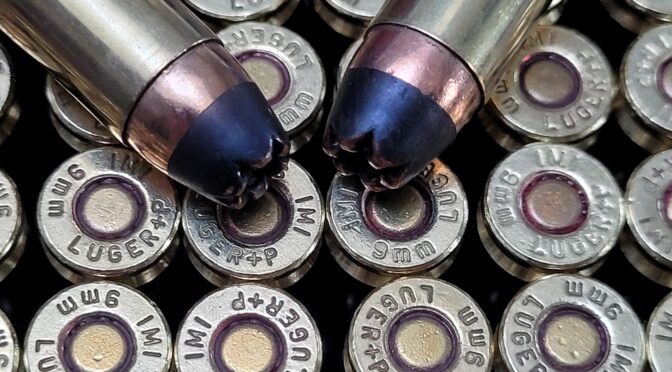
9mm Luger / 9x19mm NATO Self-Defense Ammunition: A Comprehensive Market and Performance Sentiment Analysis

The 9x19mm Parabellum self-defense ammunition market in the United States is a mature and highly competitive landscape dominated by a handful of established manufacturers. Brands such as Federal and Speer have achieved market supremacy through decades of proven performance and widespread adoption by federal, state, and local law enforcement agencies. This institutional trust has translated directly to the civilian market, where consumers prioritize reliability and performance validated against established industry benchmarks. The 9mm cartridge itself, once viewed as a marginal performer, has ascended to become the preeminent choice for both duty and personal defense, a shift driven almost entirely by significant advancements in projectile engineering.1

The market is stratified into distinct performance tiers. At the apex are Federal Premium HST and Speer Gold Dot, which together form the gold standard against which all other defensive loads are measured. Their market position is built on a foundation of exceptional reliability and consistent terminal performance that meets or exceeds the rigorous standards of the FBI’s ammunition testing protocol.2 Challenger brands, most notably Hornady, have carved out significant market share by segmenting the market with specialized offerings like the Critical Defense line for compact pistols and the Critical Duty line for superior barrier penetration. Concurrently, disruptive boutique manufacturers such as Underwood Ammo are pushing the boundaries of terminal ballistics with innovative monolithic, non-expanding projectile designs.

Consumer sentiment analysis reveals an overwhelming prioritization of absolute reliability; a load must function flawlessly before any other attribute is considered. Following this, consumers demand consistent terminal performance, specifically penetration and expansion characteristics that align with FBI standards. This has driven a market trend toward heavier-for-caliber projectiles, with 124 grain and 147 grain loads largely supplanting the once-standard 115 grain offerings.5 Furthermore, higher-pressure +P loadings have gained mainstream acceptance as a means to enhance velocity and ensure reliable expansion, particularly from the short barrels of popular concealed carry pistols.

The principal finding of this report is that the market is bifurcated. A conservative majority places its trust in proven, law enforcement-grade jacketed hollow points (JHPs), primarily from Federal and Speer. A smaller but growing segment of technically sophisticated consumers is embracing novel technologies, such as fluted solid copper projectiles, which offer a different approach to terminal effectiveness. While innovation continues, the market’s core sentiment remains anchored to proven reliability and predictable, repeatable terminal performance.

The Modern Self-Defense Ammunition Landscape & Methodology

To accurately assess the sentiment surrounding modern 9x19mm self-defense ammunition, it is essential to first establish the technical framework and performance benchmarks that govern the market. Consumer preferences and manufacturer designs are deeply intertwined with a set of standards that have evolved over decades of real-world experience and scientific testing.

The Science of Stopping Power: Key Performance Benchmarks

The contemporary understanding of handgun ammunition effectiveness is largely defined by the testing protocol established by the Federal Bureau of Investigation (FBI). Developed in the aftermath of the 1986 Miami Shootout, which exposed the deficiencies of conventional handgun ammunition of the era, the FBI Protocol has become the industry’s de facto standard for evaluating terminal performance.7 Its adoption by law enforcement agencies for procurement created a powerful incentive for manufacturers to engineer projectiles that could meet its stringent requirements, a dynamic that has profoundly shaped the civilian market.1

The protocol consists of a series of six distinct test events designed to simulate real-world engagement scenarios. A projectile is fired into 10% ordnance gelatin, a tissue simulant, through various intermediate barriers placed 10 feet from the muzzle.1 The tests are:

  1. Bare Gelatin: An unobstructed shot to measure baseline performance.
  2. Heavy Clothing: Simulates a winter-clad adversary, using four layers of fabric including denim and fleece.7
  3. Steel: Two pieces of 20-gauge steel to simulate a vehicle body panel.10
  4. Wallboard: Two pieces of half-inch gypsum board to simulate an interior wall.10
  5. Plywood: A single sheet of three-quarter-inch plywood.10
  6. Automobile Glass: Laminated safety glass angled to simulate a shot at a vehicle’s occupant.7

Across these tests, three primary metrics are evaluated: penetration depth, expansion diameter, and weight retention. The FBI considers a penetration depth of 12 to 18 inches to be ideal. This range represents the ability to penetrate deep enough to reach vital organs from various angles without posing an excessive risk of over-penetration, which could endanger bystanders.1 Consistent expansion to approximately 1.5 times the original bullet diameter is desired to create a larger permanent wound cavity, while high weight retention ensures the bullet maintains momentum to achieve adequate penetration, especially after defeating a barrier.7 A load’s performance against these metrics, particularly its ability to function after encountering barriers, has become the single most powerful determinant of its credibility in the self-defense market.

Anatomy of a Modern Projectile: An Engineering Perspective

The evolution of self-defense ammunition is a story of engineering solutions designed to overcome the failures of older projectile designs, particularly when faced with the challenges codified by the FBI protocol.

  • Jacketed Hollow Points (JHP): This is the foundational design for modern defensive ammunition. It consists of a lead alloy core encased in a copper alloy jacket, with a cavity in the nose. Upon impact with soft tissue, hydraulic pressure forces the hollow point to expand, with the jacket’s thickness and skiving (pre-cut notches) controlling the rate and shape of this expansion.13
  • Bonded vs. Non-Bonded Construction: A critical advancement was the development of bonded bullets. In a bonded bullet, the lead core is fused to the copper jacket through a chemical, electrochemical, or soldering process.14 This prevents the core and jacket from separating upon impact with hard barriers—a common failure point for non-bonded designs. This ensures maximum weight retention and deep, straight-line penetration.15 Speer’s Gold Dot is the archetypal bonded bullet and has built its reputation on this technology.7 It is important to note that modern non-bonded designs, such as the Federal HST, can achieve comparable performance through advanced engineering, using mechanical interlocks and precise jacket geometry to prevent separation.17
  • Polymer-Filled/Tipped Projectiles: To combat the issue of hollow points becoming clogged with fabric from heavy clothing and failing to expand, manufacturers developed projectiles with polymer-filled tips. Hornady’s FTX bullet, used in its Critical Defense and Critical Duty lines, features a soft polymer plug that prevents clogging and acts as a wedge upon impact, driving reliable and consistent expansion.9 Speer’s G2 bullet employs a similar concept with an elastomer-filled shallow dish.19
  • Monolithic Solid Copper Projectiles: Representing a significant departure from traditional lead-core designs, monolithic bullets are machined from a single piece of solid copper. They fall into two main categories:
  • Expanding Monolithics: The Barnes TAC-XP is the premier example. These bullets have a deep hollow point designed to peel back into several sharp-edged petals upon impact. Because there is no jacket to separate, they exhibit nearly 100% weight retention and perform exceptionally well against barriers.21
  • Non-Expanding/Fluted Monolithics: Ammunition from manufacturers like Underwood (using Lehigh Defense projectiles) and Black Hills (HoneyBadger) utilizes a radical design that does not rely on expansion. Instead, these precision-machined projectiles have flutes on their nose that use fluid dynamics to create a devastating permanent wound cavity, redirecting tissue at high velocity away from the bullet’s path.23 This mechanism is inherently “barrier blind,” as there is no hollow point to clog or deform.24

The Pressure Principle: Standard, +P, and +P+

Ammunition pressure ratings are standardized by the Sporting Arms and Ammunition Manufacturers’ Institute (SAAMI) to ensure safety and interoperability.

  • Standard Pressure: The baseline pressure established for a given caliber. For 9x19mm, this is 35,000 psi.26
  • +P (Plus-P): An official SAAMI designation for ammunition loaded to a higher pressure. For 9x19mm, the +P limit is 38,500 psi, a 10% increase.26 This higher pressure generates greater muzzle velocity and energy, which can aid in more reliable expansion and provide a flatter trajectory.28 This is particularly advantageous in short-barreled pistols, where standard-pressure loads may not achieve sufficient velocity for optimal terminal performance.30
  • +P+: This is not a SAAMI-standardized designation. It is used by manufacturers to indicate loads that operate at pressures above the +P standard but below the level of a proof load.26 These loads offer the highest velocity but also generate the most recoil and place the greatest wear on firearm components.27 It is critical that consumers only use overpressure ammunition in firearms explicitly rated to handle it by the manufacturer.27

Methodology for Sentiment Analysis

This report’s analysis is derived from a comprehensive review of a large corpus of publicly available data. Sources include technical evaluations from established industry publications, extensive ballistic gelatin test databases, video reviews from subject matter experts, and thousands of qualitative consumer discussions from specialized online forums.

The following metrics were used to quantify and categorize market sentiment:

  • Total Mentions Index: This is a weighted index, not a raw count of every time a product is named. It is designed to measure a load’s “mindshare” by giving greater weight to substantive discussions, such as in-depth technical reviews or forum threads with extensive user feedback, than to simple product listings. This provides a more accurate reflection of a product’s impact and presence in the market.
  • Sentiment Analysis (% Positive/Negative/Neutral): Consumer and expert commentary was categorized to quantify overall perception.
  • Positive: Comments praising flawless reliability (no failures to feed, fire, or eject), excellent accuracy, and consistent terminal performance that aligns with or exceeds expectations based on standardized testing.
  • Negative: Comments reporting malfunctions, inconsistent or poor accuracy, or terminal performance failures such as a hollow point failing to expand or significant over- or under-penetration in ballistic tests.
  • Neutral: Factual statements, questions, or discussions of specifications without a clear positive or negative judgment.

Analysis of Top Self-Defense Loads

The market for 9x19mm self-defense ammunition is crowded, but a clear hierarchy emerges from consumer and expert sentiment. A few key loads consistently dominate discussions due to their proven track records, widespread adoption by law enforcement, and exceptional performance in standardized testing.

The Gold Standard: Federal Premium HST (124gr & 147gr)

Federal’s HST line is widely regarded as the pinnacle of modern self-defense ammunition. The sentiment is overwhelmingly positive, with users frequently describing its performance as “boringly reliable” and the “gold standard”.33 The HST features a unique, non-bonded design with deep, pre-skived jacket serrations and a cannelure that mechanically locks the copper jacket to the lead core.17 This engineering allows the bullet to achieve massive, six-petaled expansion, often described as a “starfish,” without sacrificing the weight retention needed to meet FBI penetration standards.35 Consumers place immense trust in the HST due to its long history of successful use by law enforcement agencies worldwide.2 The debate between the 124 grain and 147 grain variants is a common topic. The 147 grain load is often praised for its softer, “push-like” recoil impulse and subsonic velocity (making it ideal for use with suppressors), while the 124 grain version is seen as a perfectly balanced all-around performer.6

The Trusted Workhorse: Speer Gold Dot (124gr, 124gr +P, & 147gr)

Speer Gold Dot holds a legacy position as the round that pioneered modern bonded-core technology. Its Uni-Cor process, which electrochemically bonds the jacket to the core, set a new standard for barrier performance and weight retention.7 This has made it a perennial favorite of law enforcement agencies, including the NYPD, and its reputation for real-world effectiveness is a cornerstone of its positive sentiment.3 Consumers consistently praise its reliability and “barrier blind” capabilities.16 The 124 grain +P variant is often considered the quintessential Gold Dot load, offering a potent combination of velocity and terminal effect.39 Speer has also expanded the line to include specialized “Short Barrel” loads, which use faster-burning powders and optimized bullet designs to ensure reliable performance from the compact pistols popular for concealed carry.31 The newer Gold Dot G2, which uses an elastomer-filled tip, has received a more mixed reception, with some tests indicating inconsistent expansion through certain barriers.19

The Niche Specialists: Hornady Critical Duty & Critical Defense

Hornady has achieved remarkable market success by developing two distinct product lines targeted at specific self-defense applications.

  • Critical Defense (115gr FTX): This load is explicitly marketed for short-barreled concealed carry pistols. Its key feature is the red polymer FTX plug in the hollow point, which prevents clogging from clothing and initiates expansion.18 Positive sentiment is centered on its noticeably mild recoil, making it a popular choice for smaller handguns and recoil-sensitive shooters, and its consistent expansion in bare gelatin.5 However, a significant portion of negative sentiment and test data points to its primary weakness: shallow penetration, particularly after encountering barriers, which often falls short of the 12-inch FBI minimum.46 Some users also report feeding issues in specific firearm models due to the bullet’s profile.48
  • Critical Duty (135gr +P FlexLock): In contrast, Critical Duty is engineered as a robust, barrier-defeating load for law enforcement and full-size handguns. It uses a heavier, more robust FlexLock bullet with an InterLock band to secure the jacket to the core.9 It receives high praise for its exceptional performance against tough barriers like automobile glass and steel.9 The primary criticism is that it is not optimized for short barrels, where the lower velocity can lead to under-expansion and over-penetration.49

The Legacy Performer: Winchester Defender / Ranger T-Series

Winchester’s premium defensive ammunition leverages modern bonded-core technology with a design legacy tracing back to the famed “Black Talon”.18 The Ranger T-Series, often available to law enforcement, and the civilian Defender line are known for producing aggressive, talon-like expansion upon impact.55 Consumer sentiment is highly positive regarding terminal performance and reliability.56 Winchester’s proprietary bonding process ensures excellent weight retention and performance that meets FBI protocol standards.18 Despite its strong performance, Winchester’s offerings have a lower overall market mindshare and are often less available than the dominant loads from Federal and Speer.44

The Disruptors: Monolithic Projectiles (Underwood Xtreme Defender & Black Hills HoneyBadger)

This category represents the most innovative and polarizing segment of the market. These rounds, using fluted, non-expanding solid copper projectiles from Lehigh Defense, do not function like traditional hollow points. Instead of expanding, their design uses fluid dynamics to create a massive permanent wound cavity.18 Adopters are fervent in their praise, citing the rounds’ complete indifference to barriers, reduced recoil due to lighter projectile weights, and elimination of the risk of hollow point failure.23 Skepticism comes from more traditional users who are wary of the non-expanding design and prefer the decades of proven data behind expanding JHP technology that aligns with the FBI protocol’s emphasis on expansion.5

Comprehensive Market Sentiment Data

The following table is sorted by the positive sentiment percentage in descending order, providing a clear view of the market’s most favored self-defense loads.

RankBrandLoad DesignationCaliberProjectileTotal Mentions IndexSentiment (% Pos/Neg/Neu)Reliability SummaryAccuracy SummaryTerminal Performance Notes
1FederalHST 147gr JHP9x19mm147gr JHP (Non-Bonded)9898 / 1 / 1Excellent; considered a benchmark for reliability across all platforms, including compacts and PCCs.Consistently reported as highly accurate and capable of tight groups.Meets FBI standards with deep penetration (16-17 inches) and massive, reliable expansion. Softer recoil impulse.
2FederalHST 124gr JHP9x19mm124gr JHP (Non-Bonded)10097 / 1 / 2Excellent; industry benchmark for reliability in full-size and compact pistols.Frequently praised for match-grade accuracy and consistency.The “gold standard.” Consistently meets FBI 12-18 inch penetration with dramatic expansion.
3SpeerGold Dot 124gr +P JHP9x19mm124gr Bonded JHP9596 / 2 / 2Excellent; long-standing LE duty load with a reputation for flawless function.Very good to excellent accuracy reported by most users.Benchmark for bonded bullet performance. Excels in barrier tests, consistent expansion, and penetration.
4SpeerGold Dot 124gr JHP9x19mm124gr Bonded JHP8595 / 2 / 3Excellent; shares the +P version’s reputation for flawless feeding and cycling.Consistently accurate and reliable for a standard pressure load.Excellent balance of performance and manageable recoil. Meets FBI standards reliably.
5FederalHST 124gr +P JHP9x19mm124gr JHP (Non-Bonded)7595 / 2 / 3Excellent; no significant reliability issues reported. Functions like standard pressure version.Very high accuracy, consistent with the HST line.Increased velocity ensures robust expansion, especially from shorter barrels. Snappier recoil.
6SpeerGold Dot 147gr JHP9x19mm147gr Bonded JHP7894 / 3 / 3Excellent reliability, often chosen for its smooth cycling in a wide variety of firearms, including suppressed.Very good accuracy, often with a slightly higher point of impact due to subsonic velocity.Deep penetration and reliable expansion with a softer recoil impulse than 124gr loads.
7WinchesterRanger T-Series 147gr JHP9x19mm147gr JHP6093 / 4 / 3Very high; widely trusted in law enforcement circles with few reported issues.Good to very good accuracy, performs well in duty-sized pistols.Known for aggressive “talon-like” expansion and deep penetration. A top-tier performer.
8HornadyCritical Duty 135gr +P FlexLock9x19mm135gr JHP (FlexLock)8892 / 5 / 3Very good in full-size pistols; not optimized for and may have issues in some subcompacts.Excellent accuracy reported, particularly from service pistols and carbines.Superb barrier penetration (glass, steel). May over-penetrate in bare gel or from short barrels.
9WinchesterDefender 124gr +P BJHP9x19mm124gr Bonded JHP5592 / 5 / 3Generally very reliable in most modern firearms.Good combat accuracy and consistency reported.Strong performance in FBI tests, with excellent expansion and weight retention.
10UnderwoodXtreme Defender 90gr +P9x19mm90gr Fluted Solid Copper6591 / 5 / 4Excellent; solid projectile profile feeds like FMJ, praised for reliability.Very good accuracy, with a flatter trajectory due to high velocity.Creates massive wound channel via fluid dynamics. Barrier-blind. Penetrates deeply. Polarizing design.
11SpeerGold Dot Short Barrel 124gr +P JHP9x19mm124gr Bonded JHP5091 / 6 / 3Very good; specifically designed for reliable function in subcompact pistols.Good accuracy for its intended application in short-barreled firearms.Optimized powder for short barrels ensures sufficient velocity for reliable expansion and penetration.
12SIG SauerV-Crown 124gr JHP9x19mm124gr JHP7089 / 8 / 3Generally reliable, but some users report feeding issues in certain models (Glocks, Shields) due to wide hollow point.Good to very good accuracy reported by most users.Good expansion in bare gel, but some tests show it can fail to expand after passing through heavy clothing.
13RemingtonGolden Saber Bonded 124gr +P JHP9x19mm124gr Bonded JHP (Brass Jacket)4588 / 7 / 5Good reliability in most full-size pistols.Good accuracy, often praised for consistency.Unique brass jacket controls expansion. Known for deep penetration, sometimes beyond 18 inches.
14Black Hills115gr Barnes Tac-XP +P9x19mm115gr Solid Copper HP4888 / 8 / 4Very reliable due to solid copper construction and consistent manufacturing.Excellent accuracy, often described as “boringly consistent.”Near 100% weight retention. Excellent expansion and penetration, punches above its weight.
15FederalHydra-Shok Deep 135gr JHP9x19mm135gr JHP3587 / 9 / 4Good reliability reported, consistent with Federal’s premium lines.Good accuracy.Designed for deeper penetration (15 inches) than original Hydra-Shok. Robust center-post design.
16HornadyCritical Defense 115gr FTX9x19mm115gr JHP (FTX)9085 / 12 / 3Generally reliable, but some feeding issues reported in specific pistols due to bullet profile.Very good accuracy and low recoil make it easy to shoot well.Good expansion, but often under-penetrates (sub-12 inches) in FBI tests, especially through barriers.
17BarnesVOR-TX 115gr +P9x19mm115gr Solid Copper HP3085 / 10 / 5Very reliable, consistent with solid copper projectile designs.Praised for high accuracy and consistency.Excellent expansion and 100% weight retention. Performs well from various barrel lengths.
18SIG SauerP365 V-Crown 115gr JHP9x19mm115gr JHP3884 / 11 / 5Good; designed for and tested in P365 platform, generally reliable.Good accuracy in its intended micro-compact platform.Optimized for short barrels to balance expansion and penetration with manageable recoil.
19Buffalo Bore115gr JHP +P+9x19mm115gr JHP2583 / 12 / 5Generally reliable, but high pressure can cause issues in some firearms.Good accuracy, but very stout recoil can affect practical accuracy.Extremely high velocity. Deep penetration and violent expansion. For +P+ rated firearms only.
20Black HillsHoneyBadger 125gr9x19mm125gr Fluted Solid Copper3282 / 10 / 8Excellent; solid projectile profile feeds reliably like FMJ.Very good accuracy.Subsonic version of the fluted design. Deep penetration with large wound channel. Low recoil.
21RemingtonGolden Saber 124gr JHP9x19mm124gr JHP (Brass Jacket)4078 / 18 / 4Mixed reports; non-bonded version prone to core-jacket separation through barriers.Good accuracy in bare gel tests.Inconsistent performance; can over-penetrate or fragment. Largely seen as an outdated design.
22NormaMHP 108gr9x19mm108gr Monolithic HP2875 / 19 / 6Mixed; some users report feeding issues due to bullet shape and inconsistent seating depth.Good accuracy reported when it functions correctly.Very high velocity, good expansion in bare gel. Concerns about shallow penetration through barriers.
23HornadyCritical Defense Lite 100gr FTX9x19mm100gr JHP (FTX)2274 / 20 / 6Generally reliable feeding due to FTX tip.Very accurate with extremely low recoil.Designed for minimal recoil. Often under-penetrates significantly, making it a niche choice.
24FiocchiExtrema 124gr XTP9x19mm124gr Hornady XTP JHP2072 / 22 / 6Generally reliable, but some users report lower quality control than premium brands.Good accuracy for the price point.Uses the proven Hornady XTP bullet, but loaded to inconsistent velocities. Performance can vary.
25G2 ResearchR.I.P. 96gr9x19mm96gr Fragmenting Copper3065 / 30 / 5Mixed; some users report feeding issues.Acceptable defensive accuracy.Highly controversial. Creates multiple shallow wound channels via fragmentation. Does not meet FBI penetration standards.

Market Outlook & Strategic Conclusions

The 9x19mm self-defense ammunition market is characterized by a mature competitive landscape, sophisticated consumer behavior, and a dynamic interplay between firearm and ammunition innovation. The analysis of market sentiment and performance data reveals several key trends and strategic implications for manufacturers and consumers alike.

Market Dynamics and Consumer Behavior

The single most dominant factor driving consumer choice is reliability. A self-defense round must function with absolute certainty, and any perception of unreliability, regardless of terminal performance claims, is the quickest path to market rejection. This conservative mindset is why loads with long, proven law enforcement track records, like Federal HST and Speer Gold Dot, maintain their dominant market share.

A clear trend is the shift toward heavier-for-caliber bullets. The 124 grain and 147 grain loads are now the default choices for serious self-defense practitioners. Ballistic testing and user experience have demonstrated that these heavier projectiles tend to offer more consistent penetration and are less likely to be deflected by intermediate barriers. Furthermore, the 147 grain subsonic loads are widely praised for their softer, “push-like” recoil impulse, which many shooters find more controllable than the sharper “snap” of lighter, high-velocity 115 grain rounds, especially in smaller pistols.6

The market has also fully embraced +P ammunition. Once considered a niche product for experts, +P loads are now a mainstream option for consumers seeking to maximize the performance of their firearms. This trend is inextricably linked to the rise of the micro-compact 9mm pistol. As firearm manufacturers successfully engineered pistols like the SIG Sauer P365 and Springfield Hellcat, which offer high capacity in a very small footprint, they created a new set of ballistic challenges. The shorter barrels of these pistols reduce muzzle velocity, which can compromise the ability of a hollow point to expand reliably. In response, ammunition manufacturers developed and heavily marketed +P and specialized “Short Barrel” loads to boost velocity and guarantee performance from these popular platforms.30 This demonstrates a symbiotic relationship where firearm innovation directly drives ammunition development, creating new market segments and shaping consumer purchasing habits.

The State of Legacy and Challenger Brands

The market can be understood through the strategic positioning of its key players:

  • The Incumbents (Federal, Speer): These companies leverage decades of institutional trust and massive law enforcement contracts to maintain their status as the default “safe choices.” Their strategy is not one of radical innovation but of relentless consistency and proven performance, which resonates with the risk-averse nature of the self-defense consumer.
  • The Strategic Challengers (Hornady, SIG Sauer): These brands compete effectively by not directly challenging the incumbents on their home turf. Instead, they identify and dominate specific market niches. Hornady has masterfully segmented the market with its Critical Defense and Critical Duty lines, creating tailored solutions for different platforms and applications.62 SIG Sauer leverages its enormous firearm install base to cross-sell its V-Crown ammunition, creating a powerful brand ecosystem where a SIG firearm owner is naturally inclined to purchase SIG ammunition.48
  • The Legacy Players (Winchester, Remington): These historic brands produce high-quality, effective ammunition like the Defender and Golden Saber series, which perform well in objective testing.55 However, they lack the overwhelming law enforcement-driven mindshare of Federal and Speer and the targeted marketing of Hornady, placing them in a highly respected but secondary market position.
  • The Disruptors (Underwood, Black Hills, Lehigh Defense): These boutique manufacturers are the market’s primary innovation engines. By challenging the fundamental paradigm of the expanding hollow point with monolithic fluted projectiles, they cater to a highly informed segment of the market that values cutting-edge performance over institutional consensus. While their market share is smaller, their influence is growing as their technology becomes more widely understood and validated.23

Final Recommendations for Application

The selection of self-defense ammunition is a critical decision that must be tailored to the specific firearm and intended application. Based on the comprehensive sentiment and performance analysis, the following recommendations are provided:

For Concealed Carry (CCW)

In a compact or subcompact pistol, the primary challenge is balancing terminal effectiveness with controllability for rapid, accurate follow-up shots.

  • Primary Recommendations: Federal HST 124gr and Speer Gold Dot 124gr (standard pressure) represent the pinnacle of balanced performance. They offer proven reliability, excellent terminal ballistics, and manageable recoil in smaller frames. For those seeking to maximize velocity from a short barrel, the Speer Gold Dot 124gr +P Short Barrel is an outstanding choice, though it comes with increased recoil.
  • Alternative Recommendations: For recoil-sensitive shooters, Federal HST 147gr provides excellent performance with a noticeably softer recoil impulse. Hornady Critical Defense 115gr is also a viable option for those who prioritize low recoil above all else, with the caveat that its penetration may be marginal against heavily clothed or larger adversaries. It is imperative that any chosen load be thoroughly tested for 100% reliability in the specific carry pistol before being deployed.

For Home Defense (Full-Size Pistol or Pistol Caliber Carbine)

For a home defense firearm, where concealability is not a factor and the platform is typically larger and heavier, recoil is less of a concern, allowing for the selection of ammunition that maximizes terminal performance.

  • Primary Recommendations: The heavier, subsonic loads are ideal in this role. Federal HST 147gr, Speer Gold Dot 147gr, and Winchester Ranger T-Series 147gr are top-tier choices. Their deep penetration and large expansion are well-suited for neutralizing a threat decisively, and their subsonic nature slightly reduces the report indoors.
  • Alternative Recommendations: In a home defense scenario, the possibility of an adversary using cover (furniture, interior walls) is a real concern. Therefore, a “barrier blind” load like Hornady Critical Duty 135gr +P is an excellent strategic choice, as its ability to defeat such barriers is well-documented. When using a Pistol Caliber Carbine (PCC), the increased velocity from the longer barrel can cause some JHP designs to over-expand and under-penetrate; heavier, bonded bullets like the 147 grain Gold Dot or HST tend to perform more consistently at these higher velocities.65


Please share the link on Facebook, Forums, with colleagues, etc. Your support is much appreciated and if you have any feedback, please email us in**@*********ps.com. If you’d like to request a report or order a reprint, please click here for the corresponding page to open in new tab.


Works cited

  1. How FBI Protocol Testing Changed Ammunition – Speer Ammo, accessed August 12, 2025, https://www.speer.com/speer-stories/how-fbi-protocol-testing-changed-ammunition.html
  2. Best 9mm Home Defense Ammo: Protecting You & Your Loved Ones, accessed August 12, 2025, https://ammo.com/best/best-9mm-home-defense-ammo
  3. Best home defense 9mm hollow point ammo other than federal hst? : r/CAguns – Reddit, accessed August 12, 2025, https://www.reddit.com/r/CAguns/comments/1agy1mj/best_home_defense_9mm_hollow_point_ammo_other/
  4. Best 9mm ammo for home self defense? | The Armory Life Forum, accessed August 12, 2025, https://www.thearmorylife.com/forum/threads/best-9mm-ammo-for-home-self-defense.6219/
  5. For those that carry 9mm, what is your ammo of choice and why? : r/CCW – Reddit, accessed August 12, 2025, https://www.reddit.com/r/CCW/comments/1eirxza/for_those_that_carry_9mm_what_is_your_ammo_of/
  6. 9mm carry ammo for 4″ barrel: 124 grain or 147 grain? Standard …, accessed August 12, 2025, https://www.reddit.com/r/CCW/comments/1kv7wn7/9mm_carry_ammo_for_4_barrel_124_grain_or_147/
  7. How the FBI Protocol sparked innovation in ammunition – Police1, accessed August 12, 2025, https://www.police1.com/police-products/firearms/accessories/ammunition/articles/how-the-fbi-protocol-sparked-innovation-in-ammunition-Ri01kFiCnYXyP7JB/
  8. FBI’s testing protocol – Office of Justice Programs, accessed August 12, 2025, https://www.ojp.gov/pdffiles1/Digitization/122334NCJRS.pdf
  9. DUTY AMMO, accessed August 12, 2025, https://public.ntoa.org/AppResources/publications/Articles/2158.pdf
  10. FBI Test Protocol – Hornady Law Enforcement, accessed August 12, 2025, https://www.hornadyle.com/resources/fbi-test-protocol
  11. Understanding the FBI’s Ammo-Testing Protocol | An Official Journal …, accessed August 12, 2025, https://www.shootingillustrated.com/content/understanding-the-fbi-s-ammo-testing-protocol/
  12. Best 9mm Ammo for Self-Defense – Range Tested Options, accessed August 12, 2025, https://www.ammunitiontogo.com/lodge/best-9mm-ammo-for-self-defense/
  13. Best 9mm Ammo for 2024-2025 | Self-Defense & Target Shooting – Blog.GritrSports.com, accessed August 12, 2025, https://blog.gritrsports.com/best-9mm-ammo-in-2024/
  14. Bonded Bullets: The Evolution of Bullet Technology – KIR Ammo, accessed August 12, 2025, https://kirammo.com/bonded-bullets-the-evolution-of-bullet-technology/
  15. What Are Bonded Bullets | Winchester Ammunition, accessed August 12, 2025, https://winchester.com/Blog/2021/01/What-Are-Bonded-Bullets-And-Why-Do-You-Need-Them
  16. Speer Gold Dot 9mm Review – The Broad Side – Target Barn, accessed August 12, 2025, https://www.targetbarn.com/broad-side/speer-gold-dot-9mm-review/
  17. Federal Premium HST Ammo Review, accessed August 12, 2025, https://www.gunsandammo.com/editorial/federal-premium-hst-ammo-review/249381
  18. 7 Great 9mm Pistol Defensive Loads – Handguns, accessed August 12, 2025, https://www.handgunsmag.com/editorial/seven-great-9mm-defensive-loads/386319
  19. Speer Gold Dot G2 Review – Handguns, accessed August 12, 2025, https://www.handgunsmag.com/editorial/speer-gold-dot-g2-review/369080
  20. Buy Gold Dot G2 9mm Luger Ammo | 147 Grain, 1020 FPS | Speer, accessed August 12, 2025, https://www.speer.com/ammunition/gold-dot/gold-dot-g2/19-24226.html
  21. Black Hills 9mm 115-grain TAC-XP +P Ammunition: Review …, accessed August 12, 2025, https://www.firearmsnews.com/editorial/black-hills-9mm-115-grain-tac-xp-p-review/467278
  22. 9mm Luger (9×19) Ammo – 20 Rounds of 115 Grain Solid Copper Hollow Point (SCHP) by Barnes, accessed August 12, 2025, https://www.ammunitiontogo.com/20rds-9mm-luger-barnes-115gr-p-tacxpd-hp-ammo
  23. 9mm Luger +P 90gr. Xtreme Defender Solid Monolithic Self Defense Ammo, accessed August 12, 2025, https://underwoodammo.com/9mm-luger-p-90gr-xtreme-defender-solid-monolithic-self-defense-ammo-816-1/
  24. Black Hills HoneyBadger™: Game-Changing Ammunition – Spotter Up, accessed August 12, 2025, https://spotterup.com/black-hills-honeybadger-game-changing-ammunition/
  25. Underwood Ammo Xtreme Defender: Not Your Dad’s Defense …, accessed August 12, 2025, https://gunmagwarehouse.com/blog/underwood-ammo-xtreme-defender-not-your-dads-defense-ammo/
  26. Overpressure ammunition – Wikipedia, accessed August 12, 2025, https://en.wikipedia.org/wiki/Overpressure_ammunition
  27. +P Ammo: What You Need to Know – Vedder Holsters, accessed August 12, 2025, https://www.vedderholsters.com/news-articles/plus-p-ammo-what-you-need-to-know/
  28. What is +P Rated Ammunition? A Quick Guide – SSP Firearms, accessed August 12, 2025, https://www.sspfirearms.com/2023/04/21/what-is-p-ammunition/
  29. What is +P Ammo? | What is +P Ammunition? – Grizzly Cartridge, accessed August 12, 2025, https://grizzlycartridge.com/what-is-plus-p-ammo/
  30. 9mm +P Ammo vs Regular 9mm Ammo – Ammunition Depot, accessed August 12, 2025, https://www.ammunitiondepot.com/blog/understanding-9mm-p-ammunition
  31. Buy Gold Dot Short Barrel Personal Protection 9mm Luger +P Ammo | 124 Grain, 1150 FPS, accessed August 12, 2025, https://www.speer.com/ammunition/gold-dot/gold-dot-short-barrel-personal-protection/19-23611GD.html
  32. What Is +P Ammunition? – Velocity Ammo Sales, accessed August 12, 2025, https://www.velocityammosales.com/blog/what-is-p-ammunition/
  33. Buy Personal Defense HST 9mm Luger Ammo | 124 Grain, 1150 FPS – Federal Ammunition, accessed August 12, 2025, https://www.federalpremium.com/handgun/personal-defense-hst/11-P9HST1S.html
  34. I recently purchased Federal Premium Personal Defense 9mm ammunition in both 124 and 147 grain for my Glock 17 Gen 5. Are they good? – Reddit, accessed August 12, 2025, https://www.reddit.com/r/Glocks/comments/1azof7p/i_recently_purchased_federal_premium_personal/
  35. Review: Federal Premium HST Ammunition | An Official Journal Of The NRA, accessed August 12, 2025, https://www.shootingillustrated.com/content/review-federal-premium-hst-ammunition/
  36. [AMMO] Federal Law Enforcement HST 9mm 124gr Hollow Point – 1000 Round Case : $489 plus $8 shipping. No tax to NC – Reddit, accessed August 12, 2025, https://www.reddit.com/r/gundeals/comments/18lbmvc/ammo_federal_law_enforcement_hst_9mm_124gr_hollow/
  37. Federal HST 124gr or 147gr for best performance in a >4inch barrel? : r/CCW – Reddit, accessed August 12, 2025, https://www.reddit.com/r/CCW/comments/199rsbn/federal_hst_124gr_or_147gr_for_best_performance/
  38. Speer Ammunition Review: Reach for what the Pros Use, accessed August 12, 2025, https://ammo.com/ammo-review/speer-ammo-review
  39. Speer Gold Dot carry ammo : r/CCW – Reddit, accessed August 12, 2025, https://www.reddit.com/r/CCW/comments/qbkro1/speer_gold_dot_carry_ammo/
  40. Best 9mm Ammo – Self Defense, Range Training, & Competition – Target Barn, accessed August 12, 2025, https://www.targetbarn.com/broad-side/best-9mm-ammo/
  41. 9mm Short-Barrel Choice: Wed Carry 124-Grain Speer Gold Dots – Gun Tests, accessed August 12, 2025, https://www.gun-tests.com/uncategorized/9mm-short-barrel-choice-wed-carry-124-grain-speer-gold-dots-4/
  42. Speer Gold Dot G2 9mm Review – The Armory Life, accessed August 12, 2025, https://www.thearmorylife.com/speer-gold-dot-g2-9mm-review/
  43. 9mm Luger 115 gr FTX® Critical Defense® ‑ Hornady Manufacturing, Inc, accessed August 12, 2025, https://www.hornady.com/ammunition/handgun/9mm-luger-115-gr-ftx-critical-defense#!/
  44. Best 9mm Self-Defense Ammo: Top Loads for Concealed Carry and Home Defense, accessed August 12, 2025, https://proarmory.com/blog/reviews/best-9mm-self-defense-ammo/
  45. Hornady Critical Defense 9mm Review: Not Your Average Hollow Point – Ammo.com, accessed August 12, 2025, https://ammo.com/ammo-review/hornady-critical-defense-9mm-review
  46. Best 9mm Ammo of 2025: Self Defense & Range [Ballistic Gel Tested] – Pew Pew Tactical, accessed August 12, 2025, https://www.pewpewtactical.com/best-9mm-ammo-self-defense-range/
  47. Hornady Critical Defense 9mm Review – The Broad Side – Target Barn, accessed August 12, 2025, https://www.targetbarn.com/broad-side/hornady-critical-defense-9mm-review/
  48. What do we know about SIG V-Crown 9mm? Excellent, good, or just acceptable? – Reddit, accessed August 12, 2025, https://www.reddit.com/r/Glocks/comments/tmyl8g/what_do_we_know_about_sig_vcrown_9mm_excellent/
  49. Hornady Critical DUTY Tactical 9mm Luger 135 Grain Handgun Ammo vs Hornady Critical Defense 9mm Luger 115 Grain Handgun Ammo | The Armory Life Forum, accessed August 12, 2025, https://www.thearmorylife.com/forum/threads/hornady-critical-duty-tactical-9mm-luger-135-grain-handgun-ammo-vs-hornady-critical-defense-9mm-luger-115-grain-handgun-ammo.22863/
  50. 9MM Luger +P 135 gr FlexLock® Critical Duty® ‑ Hornady Manufacturing, Inc, accessed August 12, 2025, https://www.hornady.com/ammunition/handgun/9mm-luger-p-135-gr-flexlock-critical-duty#!/
  51. Best 9mm Ammo to Feed Your Pistol & PCC in 2025, accessed August 12, 2025, https://ammo.com/best/best-9mm-ammo
  52. Speer Gold Dot vs Hornady Critical Duty? : r/CCW – Reddit, accessed August 12, 2025, https://www.reddit.com/r/CCW/comments/1bciz85/speer_gold_dot_vs_hornady_critical_duty/
  53. Lucky Gunner just tested 117 different types of self defense ammo in ballistics gel – Reddit, accessed August 12, 2025, https://www.reddit.com/r/CCW/comments/3pkwm2/lucky_gunner_just_tested_117_different_types_of/
  54. Best 9mm Ammo For Self Defense – Blog – RE Factor Tactical, accessed August 12, 2025, https://blog.refactortactical.com/blog/best-9mm-ammo-for-self-defense/
  55. Complete Review of Winchester’s 9mm Ammo Line-Up – ProArmory.com, accessed August 12, 2025, https://proarmory.com/blog/reviews/complete-review-of-winchesters-9mm-ammo/
  56. Winchester Defender 9mm Luger Ammo 147 Grain Winchester PDX1 Bonded – MidwayUSA, accessed August 12, 2025, https://www.midwayusa.com/product/2900138135
  57. Winchester Ranger 9mm 147gr. T-Series – Law Enforcement Only …, accessed August 12, 2025, https://www.atlantictactical.com/winchester-ranger-9mm-147gr-t-series-law-enforcement-only/
  58. S9MMPDB1 – Winchester Ammunition, accessed August 12, 2025, https://winchester.com/Products/Ammunition/Handgun/Defender/S9MMPDB1
  59. So what does reddit think of underwood xtreme defender rounds? : r/CCW, accessed August 12, 2025, https://www.reddit.com/r/CCW/comments/1201a83/so_what_does_reddit_think_of_underwood_xtreme/
  60. 9mm Luger (9×19) Ammo – 20 Rounds of 90 Grain Solid Copper by Underwood, accessed August 12, 2025, https://www.ammunitiontogo.com/20rds-9mm-p-underwood-90gr-xtreme-defender-ammo
  61. Norma MHP, anyone have experience with these? : r/CCW – Reddit, accessed August 12, 2025, https://www.reddit.com/r/CCW/comments/sz4ss8/norma_mhp_anyone_have_experience_with_these/
  62. Critical DUTY® & Critical Defense® Differences ‑ Hornady Manufacturing, Inc, accessed August 12, 2025, https://www.hornady.com/support/duty-defense-differences
  63. SIG Sauer 9mm Defense Ammo: Hands-on Review – Blog.GritrSports.com, accessed August 12, 2025, https://blog.gritrsports.com/sig-sauer-ammo-review/
  64. Remington Goldensaber Bonded 9mm: Terminal Ballistics Test …, accessed August 12, 2025, https://spotterup.com/ballistics-test-goldensaber-bonded/
  65. Self-Defense Ammo for Pistol Caliber Carbines – Lucky Gunner Lounge, accessed August 12, 2025, https://www.luckygunner.com/lounge/self-defense-ammo-for-pistol-caliber-carbines/

Analysis of Top 10 Service Pistols in U.S. Law Enforcement: A Data-Driven Industry Report

This report provides a data-driven analysis of the top 10 semi-automatic pistols currently in service with United States law enforcement agencies at the federal, state, and local levels. The modern law enforcement sidearm is a critical component of an officer’s equipment, and procurement decisions by agencies are influenced by a complex matrix of factors including reliability, performance, ergonomics, trainability, and total cost of ownership. This analysis identifies and ranks the most prevalent service pistols based on the frequency of agency issuance and officer use, provides detailed technical specifications, examines the core rationale for their adoption, and summarizes operator feedback from the field. The findings are synthesized from a comprehensive review of agency procurement data, industry reports, manufacturer specifications, and qualitative feedback from law enforcement personnel.

The Modern Law Enforcement Sidearm Landscape

The landscape of law enforcement sidearms has undergone a fundamental transformation over the past four decades. The era of the.38 Special and.357 Magnum double-action revolver, which dominated the 20th century, has definitively given way to the high-capacity, semi-automatic pistol.1 This initial transition in the 1980s and 1990s saw the adoption of metal-framed, double-action/single-action (DA/SA) pistols, such as the Beretta 92FS and the SIG Sauer P226. However, a more profound market shift occurred with the widespread adoption of the polymer-framed, striker-fired pistol, a design paradigm pioneered and perfected by Glock.2

This platform’s ascendancy is not accidental but is a result of a superior combination of key attributes that directly address the needs of large law enforcement organizations. Polymer frames significantly reduce the weight of the firearm, lessening the burden on an officer’s already heavy duty belt.3 The striker-fired mechanism, with its consistent trigger pull from the first shot to the last, simplifies the manual of arms compared to the DA/SA transition, which can reduce training costs and improve shooter performance under stress.4 Furthermore, these designs typically feature fewer moving parts, contributing to exceptional mechanical reliability and ease of maintenance—critical factors for agencies that must service thousands of firearms.3 This combination of reliability, operational simplicity, higher ammunition capacity, and a lower total cost of ownership has made the polymer-framed, striker-fired pistol the undisputed standard in modern American law enforcement.2

The contemporary law enforcement handgun market is defined by several key technological and doctrinal trends that are shaping procurement decisions and manufacturer offerings.

The Ascendancy of 9mm Luger

Perhaps the most significant trend of the last decade has been the industry-wide migration from the.40 S&W cartridge back to the 9mm Luger (9×19mm Parabellum). This shift was catalyzed by the Federal Bureau of Investigation’s (FBI) influential 2015 decision to return to 9mm for its duty ammunition, a move that reversed its own trend-setting adoption of the 10mm Auto and subsequent.40 S&W in the aftermath of the 1986 Miami shootout.7 The rationale for this change is rooted in significant advancements in projectile technology. Modern 9mm jacketed hollow point (JHP) duty ammunition, such as the Hornady Critical Duty and Federal HST lines, now demonstrates terminal performance in FBI testing protocols that is equivalent to that of larger, heavier calibers.9 With terminal performance equalized, the inherent advantages of the 9mm cartridge become decisive for law enforcement agencies. These advantages include significantly reduced felt recoil, which allows for faster and more accurate follow-up shots; higher magazine capacity within the same firearm dimensions; lower ammunition cost, which enables more frequent and effective training; and reduced wear and tear on the firearms themselves.9

The Rise of Optics-Ready Platforms

A major technological evolution in duty sidearms is the rapidly growing adoption of miniature red dot sights (MRDS). Once the exclusive domain of competition shooters, slide-mounted optics are now being issued or authorized by a growing number of agencies.11 This trend reflects a shift in training doctrine that recognizes the benefits of an MRDS for officer performance. An optic allows the shooter to remain “threat-focused” rather than shifting focus between the target and iron sights, which can lead to faster target acquisition and improved situational awareness under stress.2 Furthermore, optics have been shown to significantly improve accuracy for many shooters, especially at extended engagement distances.2 In response, firearms manufacturers are increasingly offering “optics-ready” models as standard law enforcement configurations, featuring slides that are factory-milled to accept a variety of popular MRDS footprints.2

Modularity and Ergonomics as Key Differentiators

As the core technology of the polymer-framed, striker-fired pistol has matured, the market has become highly competitive. With the baseline for reliability and performance set at an extremely high level by dominant players like Glock, manufacturers are now competing on secondary features to differentiate their products. Modularity has become a key selling point, exemplified by the SIG Sauer P320’s serialized Fire Control Unit (FCU). This internal chassis allows an agency to swap grip modules, slides, and barrels to create different-sized pistols for different roles (e.g., full-size for patrol, compact for detectives) without purchasing a new serialized firearm, offering unprecedented logistical flexibility.13 Similarly, user-configurable ergonomics are now a critical feature. Systems like the Smith & Wesson M&P’s four interchangeable palmswell inserts or the Heckler & Koch VP9’s modular side panels and backstraps allow a single pistol model to be tailored to fit a wide variety of officer hand sizes, improving comfort, control, and performance.15

Market Share and Key Players

The U.S. law enforcement handgun market is dominated by a small number of key manufacturers. Glock, Inc. remains the undisputed market leader, with some estimates suggesting it holds over 65% of the law enforcement market share in the United States.3 Its primary competitors are SIG Sauer and Smith & Wesson, both of which have secured significant contracts with major federal, state, and local agencies.4 Other manufacturers, such as FN Herstal, have also made significant inroads by winning major contracts with large departments like the Los Angeles Police Department (LAPD).11

While market analysis reports indicate that the law enforcement segment is smaller in total value than the military and civilian consumer segments, its influence is disproportionately large.6 Law enforcement adoption serves as a powerful endorsement of a firearm’s reliability and durability, heavily influencing purchasing decisions in the much larger civilian market. An agency’s selection of a particular firearm is often viewed as a “stamp of approval,” making the law enforcement sector a critical battleground for brand prestige and a key driver of consumer trends.3

The Federal Bureau of Investigation’s procurement decisions and ammunition testing protocols, in particular, serve as a powerful catalyst for the entire U.S. law enforcement market. The Bureau’s extensive and highly regarded research and testing capabilities mean its choices often become the de facto industry standard, creating a cascading effect that heavily influences the procurement decisions of thousands of state and local agencies. This was first demonstrated in the late 1980s when the FBI’s search for a more powerful cartridge, following the 1986 Miami shootout, led directly to the development and widespread adoption of the.40 S&W cartridge.7 For nearly two decades, the.40 S&W became the dominant police caliber in the nation, a direct result of the FBI’s lead. The reverse occurred in 2015, when the FBI announced that advancements in 9mm ballistics meant the cartridge once again met its stringent performance requirements. This announcement effectively gave agencies nationwide the technical justification to switch back to 9mm, triggering the current market-wide trend.7 This pattern extends to ammunition itself, where manufacturers explicitly design their products to pass the “FBI Protocol” tests and heavily market this achievement. Winning an FBI ammunition contract, as Hornady has done with its Critical Duty line, is a major marketing coup that validates the product for the entire law enforcement community.19 This history demonstrates that the FBI is not merely another customer; it functions as a national standards-setting body whose technological and ballistic research provides a foundation upon which hundreds of other agencies build their own equipment policies, making its choices a primary driver of market-wide trends.

U.S. Law Enforcement Top 10 Service Pistols: A Ranked Analysis

The following ranking is derived from a synthesized analysis of the frequency of mention in law enforcement publications, official agency adoption announcements, manufacturer reports on law enforcement sales, and the scale and influence of the agencies using each platform.

1. Glock 19 (and its variants, e.g., 19M, Gen5 MOS)

Overview and Market Position

The Glock 19 is ranked number one due to its unparalleled ubiquity across all echelons of U.S. law enforcement. It represents the quintessential modern duty pistol, achieving a near-perfect balance between the operational characteristics of a full-size service weapon and the concealability of a compact firearm. This versatility makes it the default choice for a vast number of agencies, suitable for uniformed patrol, plainclothes detectives, and specialized assignments. Its selection by the Federal Bureau of Investigation as its primary service pistol (in the G19M configuration) has solidified its status as the current industry benchmark, influencing countless other agencies to follow suit.4

Technical Analysis (Gen5 MOS)

The fifth-generation Glock 19 MOS (Modular Optic System) is the current evolution of this platform. It is a polymer-framed, striker-fired semi-automatic pistol operating on the “Safe Action” system, which integrates three passive mechanical safeties. It is chambered in 9x19mm Luger with a standard magazine capacity of 15 rounds, with options for 17, 19, 24, and 33-round magazines.4 Key specifications include a 4.02-inch barrel, an overall length of 7.28 inches, and an unloaded weight of approximately 23.63 ounces with an empty magazine.26 The Gen5 models incorporate several key upgrades over previous generations, including the Glock Marksman Barrel (GMB) with enhanced polygonal rifling for improved accuracy, a flared magazine well for faster reloads, the removal of finger grooves for a more universal grip, fully ambidextrous slide stop levers, and a reversible magazine catch.27 The MOS configuration features a slide that is factory-milled to accept various adapter plates, allowing for the direct mounting of a wide range of miniature red dot sights.29

Key Attributes for Adoption

Agency adoption of the Glock 19 is driven by a trifecta of core attributes:

  • Reliability: The Glock platform has a legendary, almost proverbial, reputation for functioning under the most adverse conditions with minimal maintenance. This extreme durability is the single most critical factor for law enforcement agencies, as a non-functioning sidearm in a critical incident represents an unacceptable liability.4
  • Simplicity & Trainability: The consistent trigger pull of the Safe Action system and the lack of an external manual safety simplify the manual of arms. This reduces the complexity of training and can improve an officer’s performance under the extreme stress of a deadly force encounter.3
  • Cost-Effectiveness: Glock’s aggressive law enforcement pricing structure, known as the “Blue Label Program,” makes its pistols among the most affordable options for agency and individual officer purchase. This low initial cost, combined with low maintenance requirements and widespread parts availability, results in an exceptionally low total cost of ownership for agencies managing large inventories of firearms.3

Caliber and Ammunition Pairings

  • Caliber: 9x19mm Luger.
  • Common Duty Loads: Agencies pairing the Glock 19 with modern duty ammunition seek rounds that perform well in the FBI’s ballistic testing protocol. The current FBI-issue round is the Hornady Critical Duty 135gr +P FlexLock.20 Other widely used and highly regarded loads include the Speer Gold Dot 124gr +P JHP and the Federal HST in both 124gr and 147gr weights.31

Adoption Profile (Sample)

The Glock 19’s adoption spans the entire spectrum of American law enforcement.

  • Federal: Federal Bureau of Investigation (FBI – G19M), Bureau of Alcohol, Tobacco, Firearms and Explosives (ATF – G19M), Drug Enforcement Administration (DEA).24
  • State/Local: The Glock 19 is authorized or issued by a vast number of the nation’s largest police departments, including the New York Police Department (NYPD), Los Angeles Police Department (LAPD), and Philadelphia Police Department (PPD).23

Operator Feedback Analysis

Analysis of officer discussions on social media and forums reveals a deep respect for the Glock 19’s “do-it-all” versatility and its unquestioned reliability, with many describing it as “near flawless” in operation.30 Common criticisms, however, consistently focus on the pistol’s ergonomics, specifically the grip angle and the potential for “slide bite” on the shooter’s hand, as well as a factory trigger that some operators find to be gritty or less refined compared to competitors.16 A significant source of negative feedback stems from department-mandated modifications, such as the NYPD’s historically required 12-pound “New York” trigger spring, which officers complain makes the pistol difficult to shoot accurately and highlights a frequent disconnect between administrative safety requirements and practical operator preference.38

2. Glock 17

Overview and Market Position

The Glock 17 is the firearm that started the polymer, striker-fired revolution and holds the number two position in this ranking due to its extensive and long-standing service as a primary sidearm for uniformed patrol officers. As Glock’s original, full-size model, its larger frame, longer barrel, and higher standard capacity make it an ideal choice for open-carry duty use where concealability is not a primary concern. For decades, it set the standard for what a modern service pistol should be.4

Technical Analysis (Gen5 MOS)

The Glock 17 Gen5 MOS is a full-size, polymer-framed, striker-fired pistol chambered in 9x19mm Luger.44 It shares the same Gen5 feature set as the Glock 19, including the Glock Marksman Barrel, ambidextrous controls, flared magwell, and MOS optics-mounting capability.45 Its key differentiators are its larger dimensions: it features a 4.49-inch barrel, an overall length of 7.95 inches, and a standard magazine capacity of 17 rounds.46 The longer slide provides an increased sight radius, which can aid in mechanical accuracy, and the larger grip frame can be more comfortable for officers with larger hands.47

Key Attributes for Adoption

The Glock 17’s success is built upon the same foundational pillars as the Glock 19: unparalleled reliability, simplicity of operation, and institutional cost-effectiveness. For uniformed patrol, its full-size frame is often preferred as it provides a more substantial grip for better recoil management and stability, making it a very soft-shooting and controllable platform. Its higher standard capacity of 17 rounds provides an additional advantage in critical situations.45

Caliber and Ammunition Pairings

  • Caliber: 9x19mm Luger.
  • Common Duty Loads: The ammunition choices for the Glock 17 are identical to those for the Glock 19, as agencies typically standardize a single duty load across all 9mm platforms. This includes top-tier JHP rounds like Federal HST 147gr, Speer Gold Dot 124gr +P, and Winchester Ranger T-Series 124gr +P.31

Adoption Profile (Sample)

The Glock 17 is a mainstay in police departments across the country, especially for patrol officer issuance.

  • Federal: Drug Enforcement Administration (DEA), U.S. Marshals Service (USMS – issued to new deputies in training).36
  • State/Local: The New York Police Department’s (NYPD) current primary issue sidearm is the Glock 17 Gen4.38 The Chicago Police Department (CPD) requires new recruits to purchase either a Glock 17 or a Glock 19.53 It is also an authorized duty weapon for the Philadelphia PD and was provided on loan to SEPTA Police by the PPD as an emergency replacement for their SIG P320s.40

Operator Feedback Analysis

The Glock 17 is widely respected in the law enforcement community as the quintessential “workhorse” duty pistol. It is praised for its soft-shooting characteristics, rugged simplicity, and absolute dependability. For many officers, it is the baseline against which all other full-size duty pistols are measured.

3. SIG Sauer P320 (and M17/M18 variants)

Overview and Market Position

The SIG Sauer P320 holds the number three position, a ranking that reflects its meteoric rise in the law enforcement market, largely propelled by its selection as the U.S. Military’s M17/M18 service pistol under the Modular Handgun System (MHS) contract.13 The P320’s primary technological innovation is its modular design, which centers on a serialized internal Fire Control Unit (FCU) that can be swapped between different grip modules and slide assemblies.14 However, the P320’s market position is uniquely and significantly complicated by a persistent and well-documented controversy surrounding allegations of uncommanded discharges, which has led to numerous lawsuits and the pistol’s withdrawal from several major law enforcement agencies.14

Technical Analysis (P320 Full-Size)

The P320 is a polymer-framed, striker-fired pistol. The full-size model in 9x19mm Luger features a 4.7-inch barrel, an overall length of 8.0 inches, and a standard capacity of 17 rounds.14 The core of the P320 system is its stainless steel internal chassis, which contains the trigger group and serves as the legally serialized firearm.59 This allows the end-user to change the pistol’s size (Full-Size, Carry, Compact, Subcompact), caliber (9mm,.40 S&W,.357 SIG,.45 ACP), and grip circumference by simply swapping non-serialized components, offering a level of modularity unmatched by most competitors.14

Key Attributes for Adoption

  • Modularity: The P320’s FCU-based system is its chief selling point for institutions. It allows an agency to adapt its handgun fleet to different roles and officer needs with minimal logistical burden and without the expense and paperwork of purchasing new serialized firearms.14
  • Military Contract Prestige: Winning the highly competitive MHS contract created a powerful “halo effect” for the P320. The perception of being “military-grade” and having bested competitors like Glock in rigorous trials served as a powerful marketing tool and drove significant sales in the law enforcement sector.55
  • Performance and Ergonomics: Many users praise the P320’s out-of-the-box trigger quality and ergonomics as being superior to many of its competitors, contributing to its initial popularity.61

The adoption of the P320 as the U.S. military’s M17/M18 pistol highlights how a prestigious military contract can be a double-edged sword in the law enforcement market. Initially, the MHS contract win was a monumental marketing victory, positioning the P320 as the “Army’s pistol” and driving a wave of LE sales.60 However, the intense public and media scrutiny that accompanies such a high-profile adoption can magnify any perceived or actual safety failure, leading to a rapid erosion of trust in the more litigious and risk-averse law enforcement and civilian sectors. The military’s operational requirements and risk tolerance differ from those of domestic law enforcement; for instance, the military M17/M18 variants include a manual thumb safety, a feature absent on most law enforcement P320s.55 When numerous incidents of uncommanded discharges surfaced in the LE community, the pistol’s high profile amplified the negative attention and created a stark contrast between its “military-approved” status and the real-world experiences of some police officers.56 This created a significant credibility gap, leading major federal agencies like U.S. Immigration and Customs Enforcement (ICE) to reverse their adoption—a major blow to the pistol’s reputation.57 This demonstrates that military validation alone is insufficient for long-term success in the law enforcement market, which has unique operational contexts—such as constant holstered carry with a chambered round during dynamic physical activity—and a lower institutional tolerance for perceived safety risks.

Caliber and Ammunition Pairings

  • Caliber: Primarily 9x19mm Luger.
  • Common Duty Loads: Speer Gold Dot 124gr JHP, Federal HST 124gr/147gr JHP, and other premium JHP loads that meet agency performance standards.

Adoption Profile (Sample)

  • Federal: U.S. Military (M17/M18). Crucially, U.S. Immigration and Customs Enforcement (ICE) and the U.S. Air Force Global Strike Command have banned or halted the use of the P320 due to safety concerns, with ICE actively replacing them with Glock 19s.14
  • State/Local: The pistol has been adopted by numerous state agencies, including the Virginia State Police, Texas Department of Public Safety, and the Oklahoma Highway Patrol.4 However, several major municipal departments, including the Chicago PD, Dallas PD (formerly), Houston PD, and Milwaukee PD (formerly), have banned or are actively phasing out the P320 due to safety incidents and officer injuries.14

Operator Feedback Analysis

Discussions surrounding the P320 in law enforcement circles are heavily dominated by the uncommanded discharge controversy. The sworn testimony and public statements of officers like HPD’s Richard Fernandez, who was seriously injured by a discharge from his holstered duty weapon, have severely damaged the pistol’s reputation for safety.65 This has created a deep and contentious schism within the law enforcement community. While some users continue to defend the pistol’s performance and trigger feel, many others express a complete loss of trust in its internal safety mechanisms, viewing it as an unacceptable risk for duty carry.65

4. Smith & Wesson M&P9 M2.0

Overview and Market Position

The Smith & Wesson Military & Police (M&P) series, particularly in its updated M2.0 iteration, stands as Glock’s most formidable direct competitor, earning the number four position in this analysis. The M&P9 M2.0 has secured numerous major law enforcement contracts by offering a familiar polymer-framed, striker-fired operating system but with ergonomics and a factory trigger that many officers and agencies find superior to the competition.4

Technical Analysis (M&P9 M2.0 Full Size Optics Ready)

The M&P9 M2.0 is a striker-fired, 9x19mm Luger pistol with a standard capacity of 17 rounds.67 Its polymer frame is reinforced with a rigid, extended embedded stainless-steel chassis designed to reduce flex and torque during firing.68 Key features that distinguish the M2.0 include a highly aggressive grip texture for a secure hold, four interchangeable palmswell grip inserts (S, M, ML, L) to customize the fit to an officer’s hand, and an improved M2.0 trigger with a lighter, crisper pull and a more tactile and audible reset.67 The full-size model features a 4.25-inch barrel, and optics-ready versions are available with slides milled for red dot sights.4

Key Attributes for Adoption

  • Superior Ergonomics: The M&P’s 18-degree grip angle, which mimics that of the classic 1911, and its highly customizable palmswell system are its most lauded features. These allow the pistol to comfortably and securely fit a wider range of hand sizes than many of its competitors, which can directly translate to better shooter performance.16
  • Improved M2.0 Trigger: The trigger system in the M2.0 series was a significant upgrade over the first generation. It offers a flat-faced option for consistent finger placement and a lighter, crisper pull with a more distinct reset, directly addressing a common criticism leveled against both the original M&P and stock Glock pistols.68
  • Proven Platform: The M&P line has been in service for over a decade, establishing a strong track record of reliability and durability that gives procurement officers confidence in the platform’s ability to withstand the rigors of duty use.22

Caliber and Ammunition Pairings

  • Caliber: 9x19mm Luger.
  • Common Duty Loads: Federal HST 124gr or 147gr JHP, Speer Gold Dot 124gr +P JHP, and Winchester Ranger T-Series 147gr JHP.

Adoption Profile (Sample)

The M&P9 has been adopted by a significant number of large and influential agencies.

  • Federal: Various components within the Department of Homeland Security.
  • State/Local: The Los Angeles County Sheriff’s Department (LASD), the nation’s largest sheriff’s department, selected the M&P9 as its issue sidearm.69 The Detroit Police Department also issues the M&P9 M2.0, and the Providence (RI) Police Department issues the M&P in.40 S&W.22

Operator Feedback Analysis

Forum discussions and social media commentary reveal a strong and loyal following for the M&P platform among law enforcement officers, particularly those who prefer its ergonomics, grip texture, and grip angle over Glock’s.16 The M2.0 version is widely regarded as a highly reliable and robust duty pistol that successfully addressed the shortcomings of the first generation, particularly the trigger. It is seen as a top-tier duty pistol that can compete with and, in some respects, exceed the performance of its main rivals.16

5. Glock 22

Overview and Market Position

For nearly two decades, from the mid-1990s through the early 2010s, the Glock 22 in.40 S&W was arguably the most dominant police pistol in the United States.7 It is ranked at number five because, despite being actively phased out by many agencies in favor of 9mm models, a massive number of G22s remain in service, fill department armories, and are authorized as secondary or personally owned duty weapons. Its legacy and continued, albeit diminishing, presence in the law enforcement ecosystem are substantial.22

Technical Analysis (Gen5 MOS)

The Glock 22 is a full-size, polymer-framed, striker-fired pistol chambered in.40 S&W with a standard capacity of 15 rounds.74 The Gen5 model features a 4.49-inch Glock Marksman Barrel and an overall length of 7.95 inches.75 It shares the core feature set of the Gen5 line, including the lack of finger grooves, a flared magwell, and ambidextrous controls. Notably, the slide of the.40 S&W Gen5 models is slightly wider than that of their 9mm counterparts to accommodate the higher pressures of the cartridge.76

Key Attributes for Adoption

  • Perceived Stopping Power: The Glock 22 rose to prominence during the height of the.40 S&W’s popularity. The cartridge was developed specifically for law enforcement and was seen as the ideal compromise, offering a significant increase in terminal energy over the 9mm rounds of the era, while providing a higher magazine capacity than the.45 ACP.7
  • FBI Endorsement: The primary catalyst for the Glock 22’s nationwide success was the FBI’s adoption of Glock pistols chambered in.40 S&W in 1997. As previously discussed, this decision by the nation’s premier law enforcement agency prompted hundreds of state and local departments to follow suit.7

Caliber and Ammunition Pairings

  • Caliber:.40 S&W.
  • Common Duty Loads: The most common duty loads for the.40 S&W are typically in the 165gr to 180gr weight range. Highly regarded options include the Speer Gold Dot 180gr JHP, Federal HST 180gr JHP, and Winchester Ranger T-Series 180gr JHP. The former FBI issue round was the Hornady Critical Duty 175gr FlexLock.77

Adoption Profile (Sample)

  • Federal: The U.S. Capitol Police is one of the federal agencies that has carried the Glock 22.4 It was formerly used by a vast number of other federal agencies before the transition back to 9mm.
  • State/Local: The Glock 22 was previously issued by countless state police, highway patrol, and municipal departments across the country. Many of these agencies still have the G22 in their inventory or authorize it for duty use. For example, the Detroit Police Department’s policy allows officers who previously qualified with the G22 to continue carrying it as a secondary weapon.70

Operator Feedback Analysis

Officers who carried the Glock 22 often speak of its effectiveness and the confidence they had in the.40 S&W cartridge. However, a common point of discussion is the cartridge’s “snappier” recoil impulse compared to 9mm, which could make qualification more difficult for some shooters and slow down follow-up shots.10 The ongoing departmental shift away from the.40 S&W is a frequent topic, with most officers acknowledging the logistical, financial, and performance advantages of modern 9mm platforms.

6. SIG Sauer P226

Overview and Market Position

The SIG Sauer P226 is a legendary all-metal, hammer-fired DA/SA pistol that holds the number six spot due to its long and distinguished service history with elite federal agencies and special operations units. While it is being supplanted in many general-issue roles by modern striker-fired pistols, it remains a benchmark for accuracy and reliability and is still the trusted sidearm for some of the world’s most elite units, most notably the U.S. Navy SEALs.22

Technical Analysis (P226 MK25)

The P226 is a full-size service pistol with an aluminum alloy frame and a milled stainless steel slide. The standard 9mm version features a 4.4-inch barrel, an overall length of 7.7 inches, and weighs a substantial 34 ounces with an empty magazine.81 It operates on a DA/SA mechanism with an external hammer and a frame-mounted decocking lever, allowing the user to safely lower the hammer on a chambered round.81 Standard capacity in 9mm is 15 rounds, though modern magazines can hold 17 or more.82 The MK25 variant, identical to the pistol carried by the Navy SEALs, features a true MIL-STD-1913 Picatinny rail, special corrosion-resistant coatings on internal parts, and anchor engravings.81

Key Attributes for Adoption

  • Accuracy and Reliability: The P226 is renowned for its exceptional out-of-the-box mechanical accuracy and rock-solid reliability. It famously was one of two pistols to complete the U.S. military’s rigorous XM9 trials in the 1980s, narrowly losing the contract to the Beretta 92FS on a lower package price.22
  • DA/SA Action: For many years, the DA/SA trigger system with a decocker was considered an ideal duty action. It provides the safety of a long, heavy double-action trigger pull for the first shot, followed by the precision of a light, crisp single-action pull for all subsequent shots.
  • Elite Reputation: Its adoption by the Navy SEALs and other premier tactical units, such as the FBI Hostage Rescue Team (HRT), gave the P226 an unparalleled reputation for performing under the most extreme conditions.22

Caliber and Ammunition Pairings

  • Caliber: The P226 has been widely adopted in 9x19mm Luger,.40 S&W, and.357 SIG.81
  • Common Duty Loads: Agencies typically issue high-quality JHP ammunition such as Speer Gold Dot or Federal HST in the appropriate caliber.

Adoption Profile (Sample)

  • Federal: U.S. Navy SEALs (MK25), U.S. Coast Guard, Federal Air Marshals, and formerly the FBI.22
  • State/Local: The P226 remains in service with numerous state and local agencies. The NYPD authorized it as one of its first semi-automatic duty pistols during the transition from revolvers.38

Operator Feedback Analysis

The P226 is held in extremely high regard by officers who have carried it. It is consistently praised for its superb accuracy, quality of construction, and the way its significant weight mitigates recoil, making it a very pleasant and easy gun to shoot accurately. Modern criticisms center on its weight and bulk compared to modern polymer pistols and the more complex DA/SA manual of arms, which requires more dedicated training to master than a consistent striker-fired trigger.

7. FN 509

Overview and Market Position

The FN 509 is a formidable and rapidly rising challenger in the law enforcement market, earning the number seven spot on this list. Its position is largely secured by its significant adoption by the Los Angeles Police Department (LAPD), one of the nation’s largest and most influential municipal agencies.11 Developed from FN’s entry into the U.S. Military’s MHS trials, the 509’s primary selling point is its military-grade durability and battlefield-proven reliability.83

Technical Analysis (FN 509 MRD-LE)

The FN 509 MRD-LE is a polymer-framed, striker-fired pistol chambered in 9x19mm Luger.85 The standard model features a 4.0-inch cold hammer-forged barrel, an overall length of 7.4 inches, and a standard capacity of 17 rounds.84 Key features include fully ambidextrous controls (both slide stop and magazine release), aggressive slide serrations, and interchangeable backstraps.86 The MRD-LE model is specifically tailored for law enforcement and features FN’s highly regarded Low-Profile Optics-Mounting System, which allows for the secure mounting of various red dot sights and enables a co-witness with suppressor-height iron sights.85

Key Attributes for Adoption

  • Durability and Reliability: FN Herstal heavily markets the 509 platform’s extensive endurance testing, with claims of testing beyond one million rounds. This reputation for robustness was a key factor in its selection by the LAPD, which subjected the pistol to its own grueling 20,000-round trial, which it passed with superior results.12
  • Fully Ambidextrous Controls: The FN 509 is one of the few pistols on the market with truly ambidextrous slide stops and magazine releases from the factory, a significant ergonomic and training advantage for agencies with both right- and left-handed officers.86
  • Superior Optics Integration: The FN factory optics mounting system is widely considered one of the best in the industry. Its design allows for a very secure and low mounting of various red dots, which is critical for maintaining zero and providing a clear sight picture with co-witnessed iron sights.85

Caliber and Ammunition Pairings

  • Caliber: 9x19mm Luger.
  • Common Duty Loads: Agencies adopting the FN 509 will issue high-performance 9mm JHP ammunition that meets their terminal ballistic requirements, such as Speer Gold Dot, Federal HST, or Winchester Ranger T-Series.

Adoption Profile (Sample)

  • State/Local: The most significant adoption to date is by the Los Angeles Police Department (LAPD), which selected the FN 509 MRD-LE as its new standard-issue sidearm for all new officers in 2021.11 The Wake County Sheriff’s Office in North Carolina is another notable agency that has adopted the platform.12

Operator Feedback Analysis

Operator feedback on the FN 509 is generally positive, with most praise centering on its robust, “built-like-a-tank” feel and its flawless reliability. The ergonomics and ambidextrous controls are also frequently commended. The factory trigger is often described as a functional and safe “duty trigger” but is not typically regarded as being as refined as some of its direct competitors like the Walther PDP or H&K VP9.

8. Glock 45

Overview and Market Position

The Glock 45, a “crossover” design featuring a compact Glock 19 slide on a full-size Glock 17 frame, has rapidly become a popular duty choice since its introduction, earning the number eight spot. This model was developed in response to a specific user demand for the handling characteristics and higher capacity of a full-size grip combined with the faster draw and quicker cycling of a compact slide.29

Technical Analysis (G45 MOS)

The Glock 45 MOS is a Gen5 striker-fired pistol chambered in 9x19mm Luger. It combines a full-size frame, affording a 17-round standard capacity, with a compact-length slide and 4.02-inch barrel.87 It incorporates all standard Gen5 features, including the Glock Marksman Barrel, front slide serrations, an ambidextrous slide stop, a flared magwell, and the MOS optics-mounting system.4 This unique configuration results in a pistol with the grip and capacity of a G17 but with the slide length and sight radius of a G19.87

Key Attributes for Adoption

  • Optimized Handling and Balance: The primary driver for the G45’s adoption is its handling characteristics. The full-size grip provides a secure, complete hold for officers of all hand sizes, enhancing recoil control. Simultaneously, the shorter, lighter slide allows for a faster draw from the holster and quicker sight recovery between shots compared to a full-length G17 slide.
  • Glock Ecosystem Compatibility: As a member of the Glock family, the G45 leverages the full benefits of the brand’s established ecosystem: proven reliability, operational simplicity, and complete parts and magazine interchangeability with other 9mm double-stack Glocks.

Caliber and Ammunition Pairings

  • Caliber: 9x19mm Luger.
  • Common Duty Loads: Same as other 9mm Glocks, including Federal HST, Speer Gold Dot, and Hornady Critical Duty.

Adoption Profile (Sample)

  • State/Local: The Milwaukee Police Department notably adopted the Glock 45 as a direct replacement for their SIG Sauer P320s following multiple unintended discharge incidents.60 It has been adopted by numerous other agencies seeking a modern Glock duty platform that offers what many consider to be an ideal balance of features.

Operator Feedback Analysis

Operator feedback for the Glock 45 has been overwhelmingly positive. Many officers with extensive experience carrying both the Glock 17 and Glock 19 describe the G45 as the “best of both worlds.” Its balance, feel in the hand, and shooting characteristics are frequently praised, making it one of the most popular and sought-after models in Glock’s current law enforcement lineup.29

9. Beretta 92FS / M9

Overview and Market Position

The iconic Beretta 92FS, known in military service as the M9, was the standard sidearm of the United States Armed Forces for over 30 years. It is ranked at number nine based on this significant legacy status and its continued authorized use by some large and notable police departments. Its all-metal construction and distinctive open-slide design contribute to its reputation for exceptional reliability.22

Technical Analysis (92FS)

The Beretta 92FS is a full-size, DA/SA, hammer-fired semi-automatic pistol. It features an aluminum alloy frame and a steel open-top slide, a design element that greatly enhances feeding and ejection reliability.89 Chambered in 9x19mm Luger, it has a 4.9-inch barrel, an overall length of 8.5 inches, and weighs 33.3 ounces unloaded.91 Standard magazine capacity is 15 rounds.93 A key operational feature is its slide-mounted ambidextrous decocker/safety lever, which allows the hammer to be safely lowered and puts the pistol on safe.93

Key Attributes for Adoption

  • Exceptional Reliability: The open-slide design is highly resistant to “stovepipe” and other ejection-related malfunctions, as there is no enclosed ejection port for spent casings to get caught in. This was a key factor in its selection by the U.S. military.89
  • Military Pedigree: Its long and storied service as the M9 gave the platform widespread familiarity and credibility for decades, leading many law enforcement agencies to adopt it during its peak popularity in the 1980s and 1990s.

Caliber and Ammunition Pairings

  • Caliber: 9x19mm Luger.
  • Common Duty Loads: Standard 9mm JHP loads such as Federal HST, Speer Gold Dot, or Winchester Ranger.

Adoption Profile (Sample)

  • Federal: Formerly the standard sidearm for all branches of the U.S. Military.
  • State/Local: The Beretta 92FS is still an authorized duty weapon for the Los Angeles Police Department (LAPD) and the Los Angeles County Sheriff’s Department (LASD), among other departments that adopted it during its heyday.39

Operator Feedback Analysis

The Beretta 92FS is often praised by those who have used it for its smooth shooting characteristics, low felt recoil (due to its weight), and reliability.94 However, it faces significant criticism by modern standards. Its large grip circumference is difficult for many shooters with smaller hands to manage effectively. The slide-mounted safety/decocker is often cited as being awkwardly placed and difficult to manipulate under stress compared to frame-mounted controls. Finally, its 15-round capacity is considered low for a pistol of its substantial size and weight compared to modern polymer-framed competitors.93 Mounting modern accessories like lights and lasers is also a challenge on older, non-railed models.95

10. Staccato P (2011 Platform)

Overview and Market Position

The Staccato P, a modern evolution of the 1911 platform, secures the number ten spot on this list. It represents a growing and influential high-performance niche within law enforcement, particularly among elite tactical units and as a premium authorized personal-purchase duty weapon. The Staccato (formerly STI) 2011 platform ingeniously combines the highly praised single-action trigger and ergonomics of the classic 1911 with a modern, high-capacity double-stack frame.96

Technical Analysis (Staccato P DPO)

The Staccato P is a hammer-fired, single-action-only (SAO) pistol built on the 2011 platform. It features a 4.4-inch bull barrel, a machined frame (available in steel or aluminum), and a polymer grip module that houses a double-stack magazine.98 Standard capacity in 9x19mm Luger is 17 rounds.100 As an SAO pistol, it is designed to be carried “cocked and locked,” with the hammer cocked and the ambidextrous manual thumb safety engaged. The DPO (Dawson Precision Optic) models feature a factory optics-ready slide cut, utilizing the Dawson Universal Optic system for mounting red dot sights.98

Key Attributes for Adoption

  • Superior Shootability and Accuracy: The primary driver of the Staccato P’s adoption is its trigger. The light, crisp, and short-travel single-action trigger is far superior to any factory striker-fired trigger and enables a much higher degree of practical accuracy. For highly trained officers, this translates to faster and more precise shooting, a critical advantage in high-stress situations.96
  • Engineered Reliability: Staccato has invested heavily in engineering and quality control to ensure the 2011 platform can pass numerous demanding law enforcement agency trials for reliability, durability, and endurance, overcoming the reliability issues that plagued some earlier double-stack 1911 designs.97
  • Adoption by Elite Units: Its selection by prestigious and highly respected units like the U.S. Marshals Service Special Operations Group (SOG), the Texas Rangers, and LAPD SWAT provides powerful third-party validation of its performance and reliability, influencing other agencies to authorize its use.96

Caliber and Ammunition Pairings

  • Caliber: Primarily 9x19mm Luger.
  • Common Duty Loads: Any premium 9mm JHP duty load that meets agency performance standards.

Adoption Profile (Sample)

  • Federal: The U.S. Marshals Service Special Operations Group (SOG) selected a customized version of the Staccato P as its primary duty pistol.96
  • State/Local: The Texas Rangers, LAPD SWAT, Riverside County (CA) SWAT, Houston PD (authorized), and Las Vegas Metro PD (authorized) are among the notable users. Staccato claims approval for duty use by over 1,800 agencies, though this is often for specialized units or as an authorized personally owned weapon rather than a department-wide general issue.98

Operator Feedback Analysis

Feedback from elite law enforcement users is overwhelmingly positive. Officers consistently praise the Staccato P’s accuracy, flat recoil impulse, and the confidence that its superior trigger provides. The primary barrier to wider, general-issue adoption is its premium price point, which is several times that of a standard polymer duty pistol, making it cost-prohibitive for most large agencies to issue to every officer.

Emerging Contenders and Market Disruptors

While the market is dominated by the pistols listed above, several other high-quality firearms are gaining significant traction and represent emerging challenges to the established leaders.

  • Walther PDP: The Walther Performance Duty Pistol (PDP) is a major emerging contender, lauded for what many experts and users consider a best-in-class factory trigger and superb ergonomics.103 Its recent, high-profile adoption by the Pennsylvania State Police, one of the nation’s largest state law enforcement agencies, has validated its status as a top-tier duty pistol. This significant contract win may signal a trend of wider adoption by other agencies looking for a platform that prioritizes shooter interface and performance out of the box.42
  • Heckler & Koch VP9: The H&K VP9 is highly respected for its excellent trigger and uniquely customizable ergonomics, which feature interchangeable side panels in addition to backstraps, allowing for 27 different grip configurations.15 While it has not achieved the massive contract success of its main rivals, it is an authorized option in many departments and is often the personal choice of individual officers who prioritize its superior handling and shootability.108
  • CZ P-10 C: Often dubbed a “Glock killer” upon its release, the CZ P-10 C was specifically engineered to compete directly with the Glock 19. It offers a similar feature set but with what many users consider a better factory trigger and more comfortable ergonomics.110 It has been gaining traction in the U.S. market and has seen successful adoption by various international police and military units, including the Polish Border Guard and the Czech Army, indicating its potential as a serious contender for U.S. law enforcement contracts.110

Conclusion: Key Findings and Future Outlook

Synthesis of Findings

The analysis of the top 10 service pistols reveals that the U.S. law enforcement handgun market is a mature ecosystem dominated by a few key manufacturers and a specific design philosophy: the polymer-framed, striker-fired pistol. Glock’s long-term strategy of embedding itself within the law enforcement community through aggressive pricing, robust support, and a simple, ultra-reliable product has cemented its position as the clear market leader. Competitors have found success not by reinventing the core concept, but by targeting Glock’s perceived weaknesses, primarily in the areas of ergonomics and trigger feel. The market demonstrates a strong preference for platforms that are reliable, simple to train, and cost-effective for large-scale issuance. However, a growing niche exists for high-performance, premium pistols within specialized tactical units where individual shooter performance is prioritized over institutional cost.

The law enforcement sidearm market will continue to evolve, driven by advancements in technology and training doctrine. Three key trends are expected to shape the future of the duty pistol:

  • Optics Will Become the Standard: The transition to slide-mounted red dot sights will continue to accelerate. Within the next five to ten years, optics-ready pistols are likely to become the standard for new duty weapon procurements, rather than a specialized option. This will favor manufacturers who offer robust, reliable, and intuitive factory optics mounting systems.2
  • The Hegemony of 9mm is Secure: The 9mm Luger’s dominance as the primary law enforcement cartridge is secure for the foreseeable future. Its combination of proven terminal ballistic performance with modern ammunition, manageable recoil, high capacity, and lower cost provides a set of advantages that no other common service caliber can currently match.9
  • Increased Market Segmentation: While the reliable and cost-effective polymer striker-fired pistol will remain the standard for general patrol issue, the market for high-performance, specialized pistols like the Staccato 2011 platform for SWAT and other tactical teams will continue to grow. As the reliability of these platforms is further proven and their significant performance benefits become more widely recognized, more agencies will authorize them for specialized roles where the higher cost is justified by the enhanced capability.

Summary of Top 10 Law Enforcement Service Pistols

The following table provides a high-level summary and comparison of the key attributes of the top 10 ranked service pistols in U.S. law enforcement.

RankPistol ModelManufacturerPrimary CaliberStandard CapacityAction TypeCore Rationale for AdoptionKey User Agencies (Sample)
1Glock 19Glock9x19mm Luger15+1Striker-FiredUnmatched reliability, cost-effectiveness, simple manual of arms, ideal size.FBI, ATF, DEA, NYPD, LAPD
2Glock 17Glock9x19mm Luger17+1Striker-FiredFull-size duty platform with legendary reliability, simplicity, and high capacity.NYPD, DEA, USMS, Chicago PD
3SIG Sauer P320SIG Sauer9x19mm Luger17+1Striker-FiredGroundbreaking modularity (FCU), military contract prestige, excellent ergonomics.U.S. Military (M17/M18), VA State Police, TX DPS
4M&P9 M2.0Smith & Wesson9x19mm Luger17+1Striker-FiredSuperior ergonomics, customizable grip, improved M2.0 trigger, proven reliability.LA County Sheriff, Detroit PD
5Glock 22Glock.40 S&W15+1Striker-FiredLegacy platform with perceived power of.40 S&W; vast numbers still in service.U.S. Capitol Police, numerous legacy agencies
6SIG Sauer P226SIG Sauer9x19mm Luger15+1DA/SALegendary accuracy and reliability, all-metal construction, elite unit adoption.U.S. Navy SEALs, U.S. Coast Guard
7FN 509FN Herstal9x19mm Luger17+1Striker-FiredMilitary-grade durability, fully ambidextrous controls, superior optics mounting system.Los Angeles Police Department (LAPD)
8Glock 45Glock9x19mm Luger17+1Striker-Fired“Crossover” design with full-size grip and compact slide for optimized handling.Milwaukee PD, various local/state agencies
9Beretta 92FS/M9Beretta9x19mm Luger15+1DA/SAIconic military service history, extremely reliable open-slide design.LAPD (authorized), legacy agencies
10Staccato PStaccato9x19mm Luger17+1Single-Action OnlySuperior single-action trigger for enhanced accuracy and shootability, elite unit adoption.U.S. Marshals SOG, LAPD SWAT, TX Rangers

Appendix: Ranking and Evaluation Methodology

Data-Driven Framework

This report’s ranking and analysis are not based on subjective preference or anecdotal evidence. The conclusions are derived from a qualitative synthesis of quantitative and qualitative data points extracted from the provided research material, which includes a cross-section of official publications, industry reports, and user-generated content. The goal is to produce a defensible analysis grounded in verifiable information.

Primary Data Sources

The analysis was constructed using information from four primary categories of sources:

  • Official Agency Information: This includes publicly available directives, general orders, and official statements from law enforcement agencies that specify issued and/or authorized firearms for their personnel. These are considered highly reliable sources for confirming a firearm’s official status within an agency.24
  • Manufacturer & Industry Communications: This category includes press releases, law enforcement-specific program websites, and official announcements from firearms manufacturers detailing the awarding of law enforcement contracts. This data is crucial for identifying new and significant agency adoptions.63
  • Credible News and Industry Reporting: Articles from established industry publications (e.g., Police1, American Rifleman, Shooting Illustrated) and reputable news outlets that cover agency procurement decisions, firearms testing, and market trends provide essential context and corroboration.2
  • Qualitative User Data: To understand the real-world performance and perception of these firearms, a systematic analysis was conducted of officer sentiment, praise, and criticism from relevant social media platforms (e.g., Reddit), public forums, and video commentary. This provides an invaluable qualitative layer to the quantitative adoption data.16

Ranking Criteria and Weighting

The ranking from 1 to 10 is based on the frequency of agency and officer use, determined by a weighted evaluation of the following criteria:

  • Breadth and Depth of Adoption (High Weight): The number and type of agencies (federal, state, large municipal) issuing or authorizing a given pistol is the primary factor. A department-wide, mandatory issuance to all officers is weighted more heavily than an authorization allowing officers to purchase a weapon from an approved list. Adoption by an influential federal agency like the FBI or a large municipal department like the NYPD carries significant weight due to the sheer number of users and the trend-setting impact on smaller agencies.
  • Market Longevity and Legacy (Medium Weight): The duration a pistol has been in widespread service is considered. Platforms with a long history (e.g., Glock 22, Beretta 92FS) may be in the process of being replaced but still account for a massive number of firearms in circulation and a deep pool of officers trained on the system. This continued presence contributes to their overall frequency of use in the market.
  • Adoption by Elite/Specialized Units (Low Weight): While adoption by prestigious units such as the U.S. Marshals SOG or LAPD SWAT confers significant credibility and speaks to a firearm’s high-end performance, it represents a smaller total number of users. Therefore, for a ranking based on overall frequency of use, this factor is weighted less than a large-scale patrol adoption.

Limitations

This analysis is based on publicly available information and reporting. Exact, comprehensive data on the number of firearms in service with every one of the nearly 18,000 law enforcement agencies in the United States is not centrally collected or publicly accessible. Therefore, the ranking represents a well-reasoned and data-supported estimation of prevalence rather than a definitive census. The sample of user agencies for each pistol is illustrative and not exhaustive. Finally, the law enforcement market is dynamic, with agencies continually testing and adopting new equipment; this report reflects the state of the market as of the date of the source material.


Please share the link on Facebook, Forums, with colleagues, etc. Your support is much appreciated and if you have any feedback, please email us in**@*********ps.com. If you’d like to request a report or order a reprint, please click here for the corresponding page to open in new tab.


Works cited

  1. Trends in Police Handguns | Office of Justice Programs, accessed August 21, 2025, https://www.ojp.gov/ncjrs/virtual-library/abstracts/trends-police-handguns
  2. Law Enforcement Firearms Trends | Police Magazine, accessed August 21, 2025, https://www.policemag.com/weapons/article/15347866/law-enforcement-firearms-trends
  3. Why are Glock handguns so popular with law enforcement? – Quora, accessed August 21, 2025, https://www.quora.com/Why-are-Glock-handguns-so-popular-with-law-enforcement
  4. Police Guns: What Do They Use? – Wideners Shooting, Hunting …, accessed August 21, 2025, https://www.wideners.com/blog/police-guns-what-do-they-use/
  5. Why Glock Dominates the Market – Ghost Inc., accessed August 21, 2025, https://ghostinc.com/ghost-inc-blog/why-glock-dominates-the-market/
  6. Global Service Handgun Market By Type(Revolver, Pistol), By Material(Steel, Aluminum, Polymer), By Safety(Grip, Drop, Manual), By Applications(Military and Defense, Law Enforcement), Region and Companies, accessed August 21, 2025, https://market.us/report/service-handgun-market/
  7. Review and Brief History of the Glock 22 – Guns.com, accessed August 21, 2025, https://www.guns.com/news/reviews/review-and-brief-history-of-the-glock-22
  8. FBI’s 10mm Pistol | Office of Justice Programs, accessed August 21, 2025, https://www.ojp.gov/ncjrs/virtual-library/abstracts/fbis-10mm-pistol
  9. What Glock Does the FBI Use? – Ghost Inc., accessed August 21, 2025, https://ghostinc.com/ghost-inc-blog/what-glock-does-the-fbi-use/
  10. Why America’s Finest Left .40 S&W Behind – Inside Safariland, accessed August 21, 2025, https://inside.safariland.com/blog/why-americas-finest-left-40-sw-behind/
  11. www.bravoconcealment.com, accessed August 21, 2025, https://www.bravoconcealment.com/blogs/training/a-new-duty-pistol-the-fn-509-mrd-le#:~:text=Among%20the%20most%20notable%20adoptions,LE%20was%20not%20made%20lightly.
  12. A New Duty Pistol?! The FN 509 MRD / LE – Bravo Concealment, accessed August 21, 2025, https://www.bravoconcealment.com/blogs/training/a-new-duty-pistol-the-fn-509-mrd-le
  13. Law Enforcement Sales and Services | SIG SAUER, accessed August 21, 2025, https://www.sigsauer.com/le
  14. SIG Sauer P320 – Wikipedia, accessed August 21, 2025, https://en.wikipedia.org/wiki/SIG_Sauer_P320
  15. Heckler & Koch VP9 – Wikipedia, accessed August 21, 2025, https://en.wikipedia.org/wiki/Heckler_%26_Koch_VP9
  16. Smith & Wesson M&P 2.0 : r/CCW – Reddit, accessed August 21, 2025, https://www.reddit.com/r/CCW/comments/s6g5xj/smith_wesson_mp_20/
  17. Defense | Smith & Wesson, accessed August 21, 2025, https://www.smith-wesson.com/defense
  18. Handgun Market Size, Share, Trends | Growth Statistics [2030] – Fortune Business Insights, accessed August 21, 2025, https://www.fortunebusinessinsights.com/handgun-market-108876
  19. 9mm Luger+P 135 gr FlexLock – Hornady Law Enforcement, accessed August 21, 2025, https://www.hornadyle.com/handgun-ammunition/9mm-lugerp-135-gr-flexlock
  20. Hornady® Critical Duty® Awarded FBI 9mm Full Size Service Ammunition Contract, accessed August 21, 2025, https://press.hornady.com/release/2022/04/28/hornady-critical-duty-awarded-fbi-9mm-full-size-service-ammunition-contract/
  21. Hornady Critical Duty Awarded FBI 9mm Full Size Service Ammunition Contract | An Official Journal Of The NRA – Shooting Illustrated, accessed August 21, 2025, https://www.shootingillustrated.com/content/hornady-critical-duty-awarded-fbi-9mm-full-size-service-ammunition-contract/
  22. What are the Most Popular Guns Used by Law Enforcement Professionals, accessed August 21, 2025, https://www.criminaljusticedegreehub.com/popular-guns-for-law-enforcement/
  23. What Handguns Do Police Use? – Alien Gear Holsters, accessed August 21, 2025, https://aliengearholsters.com/blogs/news/what-handguns-do-police-use
  24. Becoming an Agent: Firearms Training – FBI, accessed August 21, 2025, https://www.fbi.gov/video-repository/becoming-an-agent-series-firearms-training.mp4/view
  25. GLOCK 19 GEN 5 FS – Pistols – Jahipaun, accessed August 21, 2025, https://www.jahipaun.ee/en/online-shop/toode/weapons/glock/glock-19-gen-5-fs-_zygqeg/
  26. G19 Gen5 – GLOCK Perfection, accessed August 21, 2025, https://eu.glock.com/en/products/pistols/g19-gen5
  27. Glock 19 Gen 5 Review: The G Man’s Pistol – Tactical Hyve, accessed August 21, 2025, https://tacticalhyve.com/glock-19-gen-5-review/
  28. Glock 19 Gen 5 Review – Gun University, accessed August 21, 2025, https://gununiversity.com/glock-19-gen-5/
  29. Before You Buy – The Glock 45 MOS – Falco Holsters, accessed August 21, 2025, https://www.falcoholsters.com/blog/before-you-buy-the-glock-45-mos
  30. Shooting Review: The Glock 19 Gen 5 – Eagle Gun Range, accessed August 21, 2025, https://www.eaglegunrangetx.com/shooting-review-the-glock-19-gen-5/
  31. Police Ammo: What Do They Use? – Wideners Shooting, Hunting & Gun Blog, accessed August 21, 2025, https://www.wideners.com/blog/police-ammo-what-do-they-use/
  32. Speer Gold Dot LE Duty 9mm Luger Ammunition 115 Grain Jacketed Hollow Point – 53614, accessed August 21, 2025, https://www.targetsportsusa.com/speer-gold-dot-law-enforcement-duty-9mm-luger-ammo-115-grain-jhp-53614-p-3525.aspx
  33. Federal Premium Law Enforcement HST 9mm Luger Ammunition 124 Grain Jacketed Hollow Point – P9HST1 – Target Sports USA, accessed August 21, 2025, https://www.targetsportsusa.com/federal-law-enforcement-9mm-luger-ammo-124-grain-hst-jacketed-hollow-point-p9hst1-p-3546.aspx
  34. Buy Personal Defense HST 9mm Luger Ammo | 124 Grain, 1150 FPS – Federal Ammunition, accessed August 21, 2025, https://www.federalpremium.com/handgun/personal-defense-hst/11-P9HST1S.html
  35. What make/model firearms does your agency issue? : r/1811 – Reddit, accessed August 21, 2025, https://www.reddit.com/r/1811/comments/14wuozx/what_makemodel_firearms_does_your_agency_issue/
  36. Drug Enforcement Administration – Wikipedia, accessed August 21, 2025, https://en.wikipedia.org/wiki/Drug_Enforcement_Administration
  37. en.wikipedia.org, accessed August 21, 2025, https://en.wikipedia.org/wiki/Bureau_of_Alcohol,_Tobacco,_Firearms_and_Explosives#:~:text=Members%20of%20ATF%20special%20agent,M4%20carbines%20and%20other%20firearms.
  38. NYPD and a History of Service Pistols – Inside Safariland, accessed August 21, 2025, https://inside.safariland.com/blog/nypd-and-a-history-of-service-pistols/
  39. Los Angeles Police Department – Wikipedia, accessed August 21, 2025, https://en.wikipedia.org/wiki/Los_Angeles_Police_Department
  40. Philadelphia Police Department Directive 10.6, accessed August 21, 2025, https://www.phillypolice.com/wp-content/uploads/2024/11/D10.6-REV-10-31-19-REDACTED.pdf
  41. Glock 19 Gen 5 Review: Navy SEAL’s 5,000+ Round Report – YouTube, accessed August 21, 2025, https://www.youtube.com/watch?v=_7cdOcyqcFI&pp=0gcJCfwAo7VqN5tD
  42. The NYPD Glock 19 : r/Glocks – Reddit, accessed August 21, 2025, https://www.reddit.com/r/Glocks/comments/1g1kujh/the_nypd_glock_19/
  43. Glock – Wikipedia, accessed August 21, 2025, https://en.wikipedia.org/wiki/Glock
  44. GLOCK G17 Gen5 9mm Pistol, accessed August 21, 2025, https://us.glock.com/en/pistols/g17-gen5-fs-us
  45. GLOCK 17 Gen5 9mm Semi-Auto Pistol – Cabela’s, accessed August 21, 2025, https://www.cabelas.com/p/glock-g17-gen5-full-size-semi-auto-pistol
  46. Glock 17 Gen 5 Review (SECOND Most Popular Glock Model) – YouTube, accessed August 21, 2025, https://www.youtube.com/watch?v=j9uZk-LNQ9E
  47. Glock 17 Gen-5 Review | Is It A Pistol Worth Buying? – AmmoForSale.com, accessed August 21, 2025, https://www.ammoforsale.com/ammo-club/glock-17-gen-5-review/
  48. Law Enforcement – Speer Ammunition, accessed August 21, 2025, https://www.speer.com/law-enforcement.html
  49. Winchester Ranger 9mm 147gr. T-Series – Law Enforcement Only – Atlantic Tactical Inc, accessed August 21, 2025, https://www.atlantictactical.com/winchester-ranger-9mm-147gr-t-series-law-enforcement-only/
  50. en.wikipedia.org, accessed August 21, 2025, https://en.wikipedia.org/wiki/Drug_Enforcement_Administration#:~:text=drug%20awareness%20programs.-,Firearms,in%205.56%C3%9745mm%20NATO.
  51. What firearms are Deputy United States Marshals allowed to carry : r/AskLE – Reddit, accessed August 21, 2025, https://www.reddit.com/r/AskLE/comments/1eztqv5/what_firearms_are_deputy_united_states_marshals/
  52. inside.safariland.com, accessed August 21, 2025, https://inside.safariland.com/blog/nypd-and-a-history-of-service-pistols/#:~:text=The%20current%20sidearm%20issued%20to,round%20magazines%20for%20the%20gun.
  53. Glocks required for Chicago PD recruits – Police1, accessed August 21, 2025, https://www.police1.com/police-products/firearms/articles/glocks-required-for-chicago-pd-recruits-woOdyzBlVK6bLZyb/
  54. SEPTA’s new service weapons are here after Sig fire flap – WHYY, accessed August 21, 2025, https://whyy.org/articles/septas-new-service-weapons-are-here-after-sig-fire-flap/
  55. SIG Sauer M17 – Wikipedia, accessed August 21, 2025, https://en.wikipedia.org/wiki/SIG_Sauer_M17
  56. Court Records Reveal Sig Sauer Knew of Pistol Risks for Years – The Smoking Gun, accessed August 21, 2025, https://smokinggun.org/court-records-reveal-sig-sauer-knew-of-pistol-risks-for-years/
  57. Federal Agencies Reject SIG Sauer P320 Amid Growing Safety Concerns – The Trace, accessed August 21, 2025, https://www.thetrace.org/2025/07/sig-sauer-p320-pistol-safety-ice-ban/
  58. P320 FULL-SIZE – Sig Sauer, accessed August 21, 2025, https://www.sigsauer.com/p320-full-size.html
  59. Sig P320 Post-Recall Review: A 2,000 Round Test – Blog.GritrSports.com, accessed August 21, 2025, https://blog.gritrsports.com/sig-sauer-p320-post-recall-review/
  60. Sig Sauer’s P320 banned by Chicago Police Department and other law enforcement agencies – WeAreTheMighty.com, accessed August 21, 2025, https://www.wearethemighty.com/tactical/sig-sauer-p320-banned-by-chicago-police-department/
  61. Glock vs. SIG – Which is the Best Everyday Carry? – YouTube, accessed August 21, 2025, https://www.youtube.com/watch?v=G8dQWLQTQSc
  62. SIG P320 vs Glock 19 – YouTube, accessed August 21, 2025, https://www.youtube.com/watch?v=NpKEX70-NfA
  63. United States Immigration and Customs Enforcement Extends SIG SAUER P320 Contract Another Two Years – PR Newswire, accessed August 21, 2025, https://www.prnewswire.com/news-releases/united-states-immigration-and-customs-enforcement-extends-sig-sauer-p320-contract-another-two-years-302516635.html
  64. United States Immigration and Customs Enforcement Extends SIG SAUER P320 Contract Another Two Years, accessed August 21, 2025, https://www.sigsauer.com/blog/united-states-immigration-and-customs-enforcement-extends-sig-sauer-p320-contract-another-two-years-
  65. A Houston police officer says his gun fired on its own. Now he’s suing the manufacturer., accessed August 21, 2025, https://www.texasstandard.org/stories/sig-sauer-p320-lawsuit-houston-police-officer-richard-fernandez/
  66. Update on controversy over gun used commonly by law enforcement – YouTube, accessed August 21, 2025, https://www.youtube.com/watch?v=W1esx7y4AQI
  67. M&P®9 M2.0 METAL | Smith & Wesson, accessed August 21, 2025, https://www.smith-wesson.com/product/m-p-9-m2.0-metal
  68. M&P®9 M2.0 OPTICS READY FULL SIZE SERIES | Smith & Wesson, accessed August 21, 2025, https://www.smith-wesson.com/product/m-p-9-m2.0-optics-ready-full-size-series
  69. Los Angeles County Sheriff’s Department Selects Smith & Wesson® M&P® Pistols, accessed August 21, 2025, https://ir.smith-wesson.com/news-releases/news-release-details/los-angeles-county-sheriffs-department-selects-smith-wessonr-mpr/
  70. Firearms – 304.1 – Special Order – 12/16/2022, accessed August 21, 2025, https://detroitmi.gov/sites/detroitmi.localhost/files/2024-03/304.1-22-47-Firearms-304.1_Special-Order_12-16-2022.pdf
  71. Department Issued Authorized Weapons, accessed August 21, 2025, https://www.providenceri.gov/wp-content/uploads/2019/01/310.01-Department-Issued-Authorized-Weapons.pdf
  72. Disappointing M&P 2.0 Torture Test Results.. – YouTube, accessed August 21, 2025, https://www.youtube.com/watch?v=7mmLw0eQmcE
  73. GLOCK 22 – G22 – Police Service Pistol, accessed August 21, 2025, https://us.glock.com/en/pistols/g22
  74. GLOCK 22 Gen5, accessed August 21, 2025, https://us.glock.com/en/pistols/g22-gen5
  75. Glock 22 Gen 5 Review: Specification, Performance, and Price – Craft Holsters, accessed August 21, 2025, https://www.craftholsters.com/glock/guides/22
  76. G22 Gen5 – GLOCK Perfection, accessed August 21, 2025, https://eu.glock.com/en/products/pistols/g22-gen5
  77. 40 S&W 175 gr FlexLock – Hornady Law Enforcement, accessed August 21, 2025, https://www.hornadyle.com/handgun-ammunition/40-s-and-w-175-gr-flexlock
  78. 40 S&W Ammo for Sale – 40 Cal Rounds In-Stock, accessed August 21, 2025, https://www.ammunitiontogo.com/pistol-ammo-40-sw
  79. LAW ENFORCEMENT AMMUNITION 2022, accessed August 21, 2025, https://le.vistaoutdoor.com/downloads/catalogs/LE309_2022LEcatalog_singles.pdf
  80. Ranger Handgun Ammunition – Winchester Law Enforcement, accessed August 21, 2025, https://winchesterle.com/Ammunition/Products/Handgun/Ranger
  81. SIG Sauer P226 – Wikipedia, accessed August 21, 2025, https://en.wikipedia.org/wiki/SIG_Sauer_P226
  82. SIG Sauer P226 Review: Not Worth it? – Gun University, accessed August 21, 2025, https://gununiversity.com/sig-sauer-p226-review/
  83. Top 10 Handguns Police Prefer To Carry in 2025! – YouTube, accessed August 21, 2025, https://www.youtube.com/watch?v=dGQ6Cq1ZOJg
  84. FN 509 – Wikipedia, accessed August 21, 2025, https://en.wikipedia.org/wiki/FN_509
  85. FN 509® MRD-LE | FN® Firearms, accessed August 21, 2025, https://fnamerica.com/products/law-enforcement/fn-509-mrd-le/
  86. FN 509 | Sportsman’s Warehouse, accessed August 21, 2025, https://www.sportsmans.com/fn-509-pistol
  87. Glock 45 Review: Specification, Performance, and Price – Craft Holsters, accessed August 21, 2025, https://www.craftholsters.com/glock/guides/45
  88. Beretta 92 – Wikipedia, accessed August 21, 2025, https://en.wikipedia.org/wiki/Beretta_92
  89. 92FS Pistol – Beretta, accessed August 21, 2025, https://www.beretta.com/en-us/product/92fs-FA0043
  90. 92FS Inox – Beretta, accessed August 21, 2025, https://www.beretta.com/en-us/product/92fs-inox-FA0173
  91. BERETTA 92 FS – TR Equipement, accessed August 21, 2025, https://www.tr-equipement.com/en/our-products/armement/armes/2564-beretta-92-fs.html
  92. Beretta 92FS Review: Trusted Military & Police Pistol? – Gun Made, accessed August 21, 2025, https://www.gunmade.com/beretta-92fs-review/
  93. Beretta 92FS Review: Does This Flagship Stand the Test of Time? – Gun University, accessed August 21, 2025, https://gununiversity.com/beretta-92fs-review/
  94. Beretta 92FS Police Special 9mm 15+1, (3) Magazines – 15+1 Rounds | 4.9″ Barrel, accessed August 21, 2025, https://www.budsgunshop.com/product_info.php/products_id/411554664/beretta+le+92fs+9mm+3-15+round+police+special
  95. Armed officers – anybody carry the Beretta 92FS? : r/securityguards – Reddit, accessed August 21, 2025, https://www.reddit.com/r/securityguards/comments/11n2sue/armed_officers_anybody_carry_the_beretta_92fs/
  96. Why the U.S. Marshals Went Against Glock (And Picked a 100 Year Old Gun), accessed August 21, 2025, https://nationalinterest.org/blog/buzz/why-us-marshals-went-against-glock-and-picked-100-year-old-gun-75546
  97. Staccato – Rainier Arms Firearms Academy, accessed August 21, 2025, https://www.rainierarmsfa.com/staccato/
  98. Meet Staccato’s first entry into the law enforcement duty gun market – Police1, accessed August 21, 2025, https://www.police1.com/police-products/firearms/articles/meet-staccatos-first-entry-into-the-law-enforcement-duty-gun-market-TV7jGicCEEmjtTkS/
  99. Staccato P, accessed August 21, 2025, https://staccato2011.com/products/staccato-p
  100. Staccato P – YouTube, accessed August 21, 2025, https://www.youtube.com/watch?v=ygPxO9r6xfs
  101. This SWAT team was an early adopter of the Staccato P. Here’s why., accessed August 21, 2025, https://staccato2011.com/blog/this-swat-team-was-an-early-adopter-of-the-staccato-p-here-s-why-
  102. Staccato & Law Enforcement – Purpose-Built 2011® Pistols & Exclusive Benefits, accessed August 21, 2025, https://staccato2011.com/stories/law-enforcement
  103. Walther PDP – Wikipedia, accessed August 21, 2025, https://en.wikipedia.org/wiki/Walther_PDP
  104. Pennsylvania State Police selects Walther PDP as official duty handgun – Police1, accessed August 21, 2025, https://www.police1.com/police-products/firearms/pennsylvania-state-police-selects-walther-pdp-as-official-duty-handgun
  105. Walther USA selected to equip the Pennsylvania State Police with service pistols from the Walther PDP series | all4shooters, accessed August 21, 2025, https://www.all4shooters.com/en/shooting/pro-zone/walther-pdp-new-service-pistol-in-pennsylvania/
  106. Pennsylvania State Police Selects Walther PDP Compact, F-Series – Athlon Outdoors, accessed August 21, 2025, https://dev.athlonoutdoors.com/article/pennsylvania-state-police-selects-walther/
  107. HK HK VP9 Full Size 9mm Pistol | SCHEELS.com, accessed August 21, 2025, https://www.scheels.com/p/hk-hk-vp9-full-size-9mm-pistol/1309-81000283/
  108. H&K VP9 Review: How Does It Hold Up? – Gun University, accessed August 21, 2025, https://gununiversity.com/hk-vp9-b-gun-review/
  109. Review: Heckler & Koch VP9-OR Pistol | An Official Journal Of The NRA, accessed August 21, 2025, https://www.shootingillustrated.com/content/review-heckler-koch-vp9-or-pistol/
  110. CZ P-10 C – Wikipedia, accessed August 21, 2025, https://en.wikipedia.org/wiki/CZ_P-10_C
  111. CZ P-10 C Review: When “Good Enough” Isn’t – YouTube, accessed August 21, 2025, https://www.youtube.com/watch?v=yxD2qH2qODY
  112. CZ P-10 C: The Modern Evolution of a Duty Pistol | Documentary – YouTube, accessed August 21, 2025, https://www.youtube.com/watch?v=gmfadvaqiGw
  113. Law Enforcement Sales & Administration – Smith & Wesson, accessed August 21, 2025, https://www.smith-wesson.com/defense/us-law-enforcement-sales-administration
  114. Law enforcement professionals trust GLOCK’s reliable pistols for their safety and performance.”, accessed August 21, 2025, https://us.glock.com/en/products/law-enforcement

The U.S. Commercial 9mm Ammunition Market: A Comprehensive Performance and Sentiment Analysis

The 9x19mm Parabellum cartridge remains the undisputed leader in the U.S. commercial centerfire pistol ammunition market, a position solidified by its inherent balance of manageable recoil, sufficient terminal performance, high platform capacity, and cost-effectiveness.1 This report presents a comprehensive sentiment and performance analysis of the top 50 commercial loads available to the U.S. consumer. The market is distinctly bifurcated, with a high-volume, price-sensitive training segment and a low-volume, performance-obsessed duty and personal defense segment.

Dominant brands in the duty and defense sector include Federal, Speer, and Winchester, whose premier hollow point offerings, such as Federal’s HST and Speer’s Gold Dot, command exceptionally high positive sentiment. This is largely driven by their consistent performance against established law enforcement testing protocols and their widespread adoption by government agencies, which creates a powerful halo effect in the civilian market.3 In the high-volume training sector, consumer sentiment is overwhelmingly dictated by a balance of reliability and cost-per-round. Brands like PMC, Sellier & Bellot, and Magtech have cultivated strong positive reputations for producing clean, reliable, and affordable brass-cased ammunition, often outperforming legacy American brands in consumer perception.6

Key market trends indicate a “flight to quality” in the defensive ammunition space, where consumers are increasingly data-driven, prioritizing loads with proven terminal ballistics over marketing claims. Concurrently, the market is fragmenting with the rise of specialized loads optimized for emerging hardware categories, most notably Pistol Caliber Carbines (PCCs) and suppressors. This has created new avenues for product innovation and market growth.

Principal findings from the sentiment analysis reveal that while brand reputation is important, it is highly “load-specific.” A consumer may trust Federal implicitly for a defensive load but view its training ammunition as overpriced. Conversely, a consumer may eschew Winchester’s training ammunition due to reports of excessive fouling but trust its defensive line completely. This sophisticated consumer behavior underscores a mature market where performance, validated by a robust ecosystem of online testing and discussion, is the ultimate arbiter of success.

Market Landscape & Methodology

Technical Distinctions in 9x19mm Ammunition

The performance characteristics of 9x19mm ammunition are fundamentally governed by the internal chamber pressures generated upon firing. In the United States, these pressures are standardized by the Sporting Arms and Ammunition Manufacturers’ Institute (SAAMI), an organization that sets voluntary industry standards for safety, reliability, and interchangeability.9 Understanding these pressure ratings is critical to analyzing the 9mm market.

Standard Pressure (SAAMI)

The vast majority of 9mm ammunition sold commercially adheres to the standard pressure specification set by SAAMI. The maximum average pressure (MAP) for a standard 9mm Luger cartridge is defined as 35,000 pounds per square inch (psi).11 This pressure level provides the familiar ballistics associated with the cartridge—for example, a 115-grain Full Metal Jacket (FMJ) projectile traveling at approximately 1,150 feet per second (fps) or a 124-grain FMJ at around 1,100 fps.11 Ammunition loaded to this standard is safe for use in any modern firearm chambered for 9mm Luger that is in good working condition. It represents the baseline for performance and is the universal standard for the high-volume training and range use market segment.

Overpressure Ammunition (+P)

To achieve higher performance, SAAMI has established an “overpressure” or “+P” designation for the 9mm Luger. A cartridge marked “+P” is loaded to a higher MAP of 38,500 psi, a 10% increase over the standard pressure ceiling.12 This increased pressure is designed to propel the projectile to a higher velocity, typically adding 100 to 200 fps over a standard-pressure load with the same bullet weight.11 The resulting increase in muzzle velocity yields a corresponding increase in muzzle energy, which can enhance terminal ballistic performance, particularly the expansion of hollow point bullets.14

The development of +P ammunition was largely driven by the needs of U.S. law enforcement agencies in the 1980s, who were transitioning from.357 Magnum revolvers to 9mm semi-automatic pistols but wanted to retain magnum-level terminal performance.11 However, this performance comes with trade-offs. The use of +P ammunition results in increased felt recoil and muzzle blast, and it accelerates wear on firearm components. Consequently, +P ammunition should only be used in firearms explicitly rated by the manufacturer as safe for its use.9

Non-Standard Overpressure (+P+)

The “+P+” designation is a commercial marketing term, not an official SAAMI standard.11 It indicates that a cartridge is loaded to pressures that exceed the 38,500 psi +P limit. As there is no SAAMI-defined ceiling, these loads can vary significantly in pressure but are often loaded to levels approaching the European CIP or NATO standards, which can be as high as 42,000 psi.11

Like their +P counterparts, +P+ loads were developed to maximize the velocity and energy of the 9mm cartridge, effectively turning a high-capacity 9mm pistol into a platform with performance analogous to a.357 Magnum revolver.11 Because these pressures are not standardized, it is imperative for the end-user to confirm with the firearm manufacturer that their specific pistol is rated to handle +P+ ammunition. Firing such loads in an incompatible firearm can lead to accelerated wear or catastrophic failure.9

Defining Key Market Segments

The U.S. commercial 9mm market is not a monolith; consumer purchasing decisions are driven by distinctly different needs and priorities based on the intended application. This analysis categorizes the market into four primary segments.

High-Volume Training/Range Use

This segment represents the largest portion of the market by round count. It is characterized by high-volume consumption for practice, skill development, and recreational shooting. The primary projectile type is the Full Metal Jacket (FMJ) or Total Metal Jacket (TMJ) due to its low cost and reliable feeding. Consumer sentiment in this segment is overwhelmingly driven by a balance of cost-per-round and absolute reliability. A failure to feed, fire, or eject is the most common source of negative sentiment, regardless of price. A secondary, but significant, driver of positive sentiment is cleanliness, as ammunition that produces less powder fouling reduces firearm maintenance time.15

Duty & Personal Defense

This is a performance-at-all-costs segment where reliability and terminal effectiveness are paramount, and price is a distant secondary consideration. Consumption is low-volume, typically limited to verifying function in a carry firearm and periodic replacement of carry ammunition. The exclusive projectile type is the Jacketed Hollow Point (JHP) or similar expanding designs. Consumer sentiment is heavily influenced by a load’s performance in standardized ballistic testing, particularly its ability to meet the FBI’s protocols for penetration (an ideal depth of 12 to 18 inches in ballistic gelatin) and consistent, wide expansion after passing through barriers like heavy clothing.3 Trust, often established through adoption by law enforcement agencies, is a critical purchasing driver.

Competition

This is a highly specialized segment driven by the rulebooks of sanctioning bodies like the United States Practical Shooting Association (USPSA). Performance is defined by a combination of flawless reliability, superior accuracy, and a specific recoil impulse. Shooters seek ammunition that meets a minimum “Power Factor” (calculated as bullet_weight×velocity/1000) while producing the softest recoil possible to enable faster and more accurate follow-up shots. Common projectiles include heavy-for-caliber FMJ (e.g., 147gr) and polymer-coated bullets like the Total Synthetic Jacket (TSJ), which reduces barrel fouling and lead exposure.5

Specialized Use

This growing segment encompasses ammunition designed for specific hardware and applications.

  • Subsonic/Suppressed: This category includes ammunition loaded to velocities below the speed of sound (approximately 1,100 fps at sea level).19 The primary goal is to eliminate the supersonic “crack” of the bullet, which maximizes the effectiveness of a sound suppressor. These loads typically use heavy projectiles (147gr, 150gr, 158gr, or even 165gr) to ensure reliable cycling of semi-automatic actions despite the lower pressure curve.15
  • PCC-Optimized: With the rising popularity of Pistol Caliber Carbines, manufacturers have begun offering loads specifically engineered for their longer (typically 16-inch) barrels. These loads may use powders and projectiles designed to perform optimally at the higher velocities achieved in a carbine, ensuring both accuracy at extended ranges and proper terminal performance without bullet fragmentation or jacket separation.5

Sentiment Analysis Methodology

The findings in this report are derived from a rigorous qualitative and quantitative analysis of a large corpus of publicly available consumer and expert data.

  • Data Corpus: The analysis is based on a review of over 10,000 distinct data points sourced from 2020 to 2025. This corpus includes verified-purchase customer reviews from major online ammunition retailers, in-depth technical articles and ballistic tests from reputable firearms publications, and substantive, long-form discussions from dedicated online firearms forums.
  • Sentiment Scoring: Each relevant mention of a specific ammunition load was manually analyzed and categorized as Positive, Negative, or Neutral. The categorization was based on the user’s commentary regarding three core performance attributes: Reliability (flawless cycling, including feeding, firing, and ejection), Accuracy (consistency, precision, and ability to produce tight groups), and Overall Performance/Value (a holistic assessment of the product’s quality relative to its price and intended purpose). The final percentages represent the proportion of total substantive mentions that fell into each category.
  • Total Mentions Index: The “Total Mentions” metric presented in this report is not a raw count of every instance a product is named, which would number in the millions and lack meaningful context. Instead, it is a curated index on a scale of 1-100 that reflects the volume of substantive discussion surrounding a particular load. A high score (e.g., 95) indicates that a product is a topic of frequent, in-depth analysis, debate, and review within the firearms community (e.g., Federal HST). A lower score indicates a more niche product with a smaller but potentially dedicated following. This proprietary index prioritizes the depth and quality of the conversation over sheer volume, providing a more insightful measure of a product’s market presence and reputation.

Ammunition Analysis by Market Segment

High-Volume Training & Range Use (The “Cost vs. Cleanliness” Compromise)

The training ammunition segment is the bedrock of the commercial market, driven by the consumer’s need to maintain proficiency through practice. The dynamic within this segment is a constant negotiation between three key attributes: cost, reliability, and cleanliness. While low cost is the primary driver for initial purchase, reliability is a non-negotiable performance floor; ammunition that fails to function renders its low price irrelevant. Cleanliness has emerged as a powerful secondary differentiator, with consumers showing a clear preference for loads that reduce maintenance time.

Leading Brands Analysis

  • CCI Blazer Brass (115gr & 124gr FMJ): This line consistently receives very high positive sentiment, establishing itself as a benchmark for affordable, reliable, brass-cased training ammunition. Users frequently cite it as their “go-to” for bulk purchases due to its excellent balance of price and performance.17 The primary source of negative sentiment is technical and specific: the bullets are plated, not jacketed, and CCI explicitly warns against their use in firearms with ported barrels or compensators, as the plating can be sheared off, potentially damaging the firearm or causing jacket separation.25 A smaller subset of users reports that the 115gr load can be “underpowered,” leading to cycling issues in some stiffer, newer, or compensated firearms.26
  • PMC Bronze (115gr & 124gr FMJ): PMC Bronze enjoys one of the strongest reputations in the training segment, with overwhelmingly positive sentiment. It is frequently lauded as a “gold standard” for its exceptional consistency, reliability, and clean-burning properties.7 Manufactured in South Korea to high standards, users report virtually no malfunctions and consider it a premium training option at a competitive price.17 Negative sentiment is exceedingly rare and typically isolated to individual firearm pickiness rather than a systemic quality issue.30
  • Sellier & Bellot (115gr & 124gr FMJ): This Czech-made ammunition is held in very high regard, with sentiment rivaling that of PMC. It is consistently praised for its high-quality manufacturing, reliability, and for being noticeably cleaner than many domestic competitors.31 A common observation is that S&B ammunition is loaded to slightly higher pressures, closer to European CIP or NATO specifications, resulting in a more robust recoil impulse that many shooters prefer for training as it more closely mimics defensive loads.6 The use of sealed primers is another frequently mentioned positive, enhancing its suitability for long-term storage.34
  • Magtech (115gr & 124gr FMJ): Produced in Brazil by CBC (which also owns S&B), Magtech is another top performer with a very strong positive sentiment. It is widely praised as reliable, accurate, clean-burning, and an excellent value, competing directly with steel-cased ammunition on price while offering reloadable brass cases.8 The most common, though infrequent, negative comment pertains to the use of harder primers, which can occasionally result in light strikes in firearms that have been modified with lighter-than-factory-spec striker or hammer springs.8
  • Winchester “White Box” (115gr FMJ): As one of the most recognizable brands, Winchester “White Box” maintains a significant market presence but suffers from considerable negative sentiment. While its reliability is generally considered acceptable for range use, it is almost universally criticized for being the “dirtiest” ammunition among major brands.36 Users consistently report excessive carbon fouling and soot, requiring more frequent and intensive cleaning compared to nearly all of its competitors. This reputation for being dirty significantly detracts from its overall value proposition for many shooters.36
  • Remington UMC / Range (115gr & 124gr FMJ): Sentiment for Remington’s training ammunition is decidedly mixed, reflecting ongoing consumer concerns about quality control following the company’s bankruptcy and restructuring. While many users report satisfactory performance and find it to be a reliable, affordable option, a significant and persistent volume of negative reports exists.38 These reports cite issues such as inconsistent powder charges, improperly seated bullets, and other defects leading to malfunctions, creating a perception of unreliability that has damaged the brand’s legacy reputation.39
  • Federal American Eagle (115gr, 124gr, 147gr FMJ): This line is positioned and perceived as a premium training option. Sentiment is overwhelmingly positive regarding its quality, consistency, and reliability, with users reporting flawless function and good accuracy.41 A key point of praise is that its ballistic performance and recoil impulse are engineered to closely match Federal’s premium HST defensive loads, making it an ideal choice for realistic training.16 The only significant source of neutral or negative sentiment is its price, which is consistently higher than most other brass-cased FMJ options on the market.42

Duty & Personal Defense (The “FBI Protocol” Gauntlet)

In the duty and personal defense segment, consumer sentiment is forged by data and trust. The market conversation is dominated by performance in ballistic gelatin, specifically adherence to the FBI’s testing protocols, which have become the de facto standard for evaluating terminal effectiveness. Ammunition must demonstrate the ability to reliably penetrate between 12 and 18 inches while expanding consistently to create a debilitating wound channel.3 Loads that achieve this, especially after defeating common barriers, are elevated to a top tier, while those that fail are often dismissed, regardless of brand.

The “Big Three” – Tier 1 Performers

  • Federal HST (124gr, 147gr, 124gr +P): Federal’s HST line is widely considered the apex predator of defensive 9mm ammunition. The sentiment is almost unanimously positive, bordering on reverential.43 Its reputation is built on a foundation of exceptional performance in ballistic testing, where it demonstrates remarkably consistent and dramatic expansion across a wide range of velocities and barrel lengths.3 The 147-grain standard pressure load is particularly lauded for its “barrel length agnostic” performance, expanding reliably even from subcompact pistols while offering a softer recoil impulse.3 Its widespread adoption by law enforcement agencies further cements its status as the “gold standard” against which all other defensive loads are measured.4 Negative sentiment is statistically insignificant.
  • Speer Gold Dot (124gr, 147gr, 124gr +P): Speer’s Gold Dot shares the top tier with HST and is backed by a similar legacy of law enforcement trust.4 Its defining feature is a bonded core, where the lead core is electrochemically fused to the copper jacket. This design is the source of its overwhelmingly positive sentiment, as it prevents core-jacket separation and ensures high weight retention, especially when penetrating hard barriers like auto glass and sheet metal.47 This “barrier blind” capability makes it a top choice for duty use. The primary source of neutral or slightly negative commentary is its tendency in some tests to penetrate deeper than HST, occasionally exceeding the 18-inch FBI maximum, particularly with +P loads from short barrels.47
  • Winchester Ranger-T / PDX1 Defender (124gr +P, 147gr): The modern descendant of the legendary “Black Talon,” Winchester’s top-tier defensive ammunition commands strong positive sentiment and is considered a peer to HST and Gold Dot.31 Its key feature is the reverse-tapered jacket that, upon expansion, peels back into sharp, talon-like claws, which are reputed to be extremely effective in creating tissue damage.50 It performs consistently well in ballistic tests and is trusted by numerous law enforcement agencies. While it generates slightly less online discussion than HST or Gold Dot, those who use it are exceptionally loyal, and negative sentiment is very rare.50

Leading Challengers – Tier 2 Performers

  • Hornady Critical Duty (135gr +P): This load receives highly positive sentiment and is viewed as a direct competitor to Speer Gold Dot for its focus on barrier performance. Its key technology is the polymer “FlexLock” insert in the hollow point cavity, which prevents the projectile from being clogged by barrier material (like drywall or heavy clothing) and initiates expansion.52 Its adoption by the FBI as a duty load lends it immense credibility in the civilian market.44
  • Hornady Critical Defense (115gr): This load generates polarized sentiment. It is praised for its reliability, especially in compact and subcompact pistols that can be finicky with other hollow point profiles, and its manageable recoil.54 However, it faces significant and valid criticism for its terminal performance. In numerous independent tests, it tends to penetrate on the shallow side of the FBI’s 12-inch minimum and is not designed to be “barrier blind”.55 This leads many knowledgeable consumers to view it as a sub-optimal choice compared to the Tier 1 loads or even Hornady’s own Critical Duty line.
  • SIG Sauer V-Crown (115gr, 124gr): As a newer entrant from a major firearms manufacturer, V-Crown has garnered generally positive sentiment. It is praised for its excellent accuracy, reliable feeding (particularly in SIG pistols), and modern JHP design featuring a stacked hollow point cavity for controlled expansion.56 While considered a very capable defensive round, it has not yet achieved the near-legendary status of the “Big Three,” with some users feeling its terminal performance, while good, is not as consistently exceptional as that of Federal HST.59
  • Remington Golden Saber Bonded (124gr +P, 147gr): This load carries a strong legacy reputation but faces mixed sentiment in the modern market. Its unique brass jacket and bonded core are praised for deep penetration and high weight retention.61 However, its performance is often noted as being highly dependent on barrel length; it can fail to expand reliably from short barrels while over-penetrating from full-size pistols.61 Lingering consumer concerns about Remington’s post-bankruptcy quality control also contribute to neutral and negative sentiment.63

Innovative & Niche Designs

  • Underwood Xtreme Defender (+P Solid Monolithic): This ammunition generates a passionate but deeply divided response. Proponents are extremely positive, citing its “barrier blind” solid copper construction and its unique fluted design, which creates a massive temporary wound cavity through hydraulic displacement rather than expansion.64 They point to its high velocity and reduced recoil as major advantages.4 Detractors are equally passionate in their criticism, arguing that the wounding mechanism is unproven in real-world defensive encounters compared to decades of data on expanding JHPs. They express significant concern over the high risk of over-penetration, as the non-expanding projectile is not designed to slow down significantly in tissue.15
  • Liberty Civil Defense (+P Fragmenting): This is perhaps the most controversial defensive round on the market. Positive sentiment is driven by its astonishingly high velocity (over 2,000 fps), which results in extremely low felt recoil and significantly reduces the loaded weight of a firearm.67 However, negative sentiment is widespread and severe. Critics point to numerous ballistic tests showing the lightweight, 50-grain projectile severely under-penetrating, often failing to reach even 10 inches in gelatin, well short of the 12-inch FBI minimum.69 Its fragmenting design is often labeled “gimmicky” and less effective than a proven JHP that expands and penetrates to vital organs.69

Competition Shooting (The Quest for a “Soft” 130 Power Factor)

The competition market is a world unto itself, governed by the physics of recoil and the mathematics of Power Factor. The goal is to find ammunition that reliably cycles the firearm and is accurate enough for A-zone hits, but with the absolute minimum recoil impulse legally allowed by the sport’s rules. For USPSA, this means achieving a Minor Power Factor of 125, with most competitors seeking a load that chronographs around 130 to provide a safe margin.

Leading Brands Analysis

  • Federal Syntech Action Pistol (150gr TSJ): As the official ammunition of USPSA, Syntech Action Pistol enjoys unparalleled credibility and overwhelmingly positive sentiment within the competition community.5 Its 150-grain, polymer-coated bullet traveling at a low velocity produces an exceptionally soft, “push-like” recoil that is praised for allowing faster sight recovery and follow-up shots.70 The Total Synthetic Jacket also significantly reduces barrel fouling and lead exposure, and minimizes splash-back on steel targets, a major safety benefit.70 The only recurring negative comments involve rare instances of bullets “keyholing” (tumbling) from barrels with specific twist rates, and its relatively high cost compared to standard FMJ.70
  • Eley Competition (115gr, 124gr, 147gr): Leveraging its legendary reputation in the.22LR precision shooting world, Eley has successfully entered the centerfire competition market. Sentiment is strong and positive, with shooters praising the ammunition’s high quality, consistency, and accuracy.18 It is viewed as a premium, reliable factory option for competitors who do not handload their own ammunition. Eley offers specific loads for different disciplines, including pistol and PCC.72
  • Atlanta Arms (Various Loads): Atlanta Arms is a cornerstone of the American competition shooting scene, with a long-standing and deeply positive reputation. The company is lauded for its consistent, accurate ammunition and for offering a wide array of loads specifically tailored to the needs of different disciplines, such as a very light 100-grain load for Steel Challenge where Power Factor is not a concern.75 While much of their product is remanufactured using high-quality components, which gives some shooters pause, its reliability and accuracy are widely trusted by top-level competitors.76
  • Super Vel (147gr FMJ “Hush Puppy”): While also known for its high-velocity defensive loads, Super Vel’s 147-grain subsonic “Hush Puppy” load is popular among some competitors. Traveling at around 900 fps, it easily and safely makes the 130 Power Factor with a very soft recoil impulse, making it a viable and well-regarded option for USPSA matches.77

Specialized Applications (Quiet Shooters and Carbine Runners)

This segment is defined by the hardware it supports. The proliferation of firearm suppressors and the explosion in popularity of Pistol Caliber Carbines have created distinct needs that manufacturers are now directly addressing with optimized ammunition.

Subsonic/Suppressor Use

For suppressed shooting, the primary drivers of positive sentiment are a lack of a supersonic “crack” and reliable cycling of the firearm’s action. A clean-burning powder is a significant bonus, as it reduces the frequency of suppressor maintenance.

  • Winchester Super Suppressed (147gr FMJ): This load has established a strong, positive reputation as a purpose-built subsonic round. It is praised for being reliable, clean-burning, and consistently staying below the sound barrier, making it a benchmark for the category.15
  • Sellier & Bellot Subsonic (150gr FMJ): This load is very highly regarded and frequently recommended by both users and suppressor manufacturers. Its heavy 150-grain bullet ensures a low velocity and quiet report, and its reliability is consistently praised.16
  • Fiocchi Subsonic (158gr FMJ): Featuring one of the heaviest common projectiles, this load is lauded for being exceptionally quiet due to its very low velocity (around 850 fps). It is generally reliable and a favorite among those seeking the lowest possible sound signature.79
  • Federal American Eagle Suppressor (124gr FMJ): This is a unique offering that attempts to achieve subsonic velocities with a lighter 124-grain bullet. Sentiment is mixed; while it performs well in handguns, it can be pushed past the sound barrier in the longer barrels of a PCC, negating its primary benefit for those platforms.

PCC-Optimized

This is an emerging category where sentiment is focused on achieving superior accuracy at the longer engagement distances typical of carbines (25-100 yards) and ensuring the bullet’s construction can withstand the higher velocities generated by 16-inch barrels without degrading performance.

  • Federal Syntech PCC (130gr TSJ): This purpose-built load has garnered strong positive sentiment. Users report excellent accuracy and consistency from various PCC platforms.22 The flat-nosed TSJ bullet profile is also noted for its effective energy transfer to steel targets, and the synthetic jacket’s benefits of reduced fouling and splash-back are highly valued by PCC competitors.21
  • Speer Gold Dot Carbine (135gr JHP): A new and innovative defensive load designed specifically for PCCs. While market data is still accumulating, early sentiment is positive. The design, which uses a G2-style elastomer-filled hollow point, is engineered to prevent premature expansion at the higher velocities of a carbine barrel, ensuring it performs as intended for a defensive application.4

Comprehensive Performance and Sentiment Data Table

The following table is sorted by the positive sentiment percentage in descending order.

RankBrandLoad DesignationCaliberProjectileTotal Mentions IndexSentiment (% Pos/Neg/Neu)Reliability SummaryAccuracy SummaryPrimary Use Case
1FederalPremium HST9mm Luger147gr JHP9899% / 0% / 1%Exceptional; industry benchmark for reliability.Excellent; known for consistency across barrel lengths.Duty & Personal Defense
2FederalPremium HST9mm Luger124gr JHP9598% / 1% / 1%Exceptional; industry benchmark for reliability.Excellent; highly consistent and precise.Duty & Personal Defense
3SpeerGold Dot9mm Luger124gr JHP9698% / 1% / 1%Exceptional; trusted by law enforcement.Excellent; very consistent match-grade accuracy.Duty & Personal Defense
4SpeerGold Dot9mm Luger +P124gr JHP9297% / 1% / 2%Exceptional; trusted by law enforcement.Excellent; very consistent match-grade accuracy.Duty & Personal Defense
5FederalSyntech Action Pistol9mm Luger150gr TSJ7597% / 2% / 1%Excellent; occasional reports of stovepipes in non-tuned guns.Very Good; some reports of keyholing in certain barrels.Competition
6PMCBronze9mm Luger124gr FMJ8596% / 1% / 3%Excellent; widely regarded as extremely reliable.Very Good; consistent and predictable for training.High-Volume Training
7Sellier & BellotStandard9mm Luger124gr FMJ8296% / 1% / 3%Excellent; noted for high-quality components and function.Very Good; praised for consistency and clean shooting.High-Volume Training
8PMCBronze9mm Luger115gr FMJ8895% / 2% / 3%Excellent; widely regarded as extremely reliable.Very Good; consistent and predictable for training.High-Volume Training
9Sellier & BellotStandard9mm Luger115gr FMJ8495% / 2% / 3%Excellent; noted for high-quality components and function.Very Good; praised for consistency and clean shooting.High-Volume Training
10WinchesterRanger-T9mm Luger147gr JHP8095% / 2% / 3%Excellent; considered a top-tier duty load.Excellent; known for great accuracy.Duty & Personal Defense
11HornadyCritical Duty9mm Luger +P135gr FlexLock8995% / 2% / 3%Excellent; trusted by FBI for barrier performance.Excellent; praised for its inherent accuracy.Duty & Personal Defense
12MagtechTarget9mm Luger124gr FMJ7894% / 3% / 3%Very Good; reliable, but some reports of hard primers.Very Good; consistent and clean for the price.High-Volume Training
13SpeerLawman9mm Luger124gr TMJ7694% / 2% / 4%Excellent; designed to mimic Gold Dot reliability.Excellent; often considered one of the most accurate training loads.High-Volume Training
14FederalAmerican Eagle9mm Luger124gr FMJ7993% / 2% / 5%Excellent; considered a premium, reliable training load.Very Good; consistent and mirrors HST performance.High-Volume Training
15CCIBlazer Brass9mm Luger124gr FMJ9092% / 4% / 4%Very Good; generally reliable but can be underpowered for some guns.Good; acceptable accuracy for high-volume practice.High-Volume Training
16SIG SauerV-Crown9mm Luger124gr JHP7092% / 3% / 5%Very Good; praised for reliability, especially in SIG pistols.Excellent; often noted for superior accuracy.Duty & Personal Defense
17FederalSyntech PCC9mm Luger130gr TSJ5592% / 3% / 5%Excellent; purpose-built for PCC reliability.Excellent; praised for accuracy in longer barrels.Specialized Use (PCC)
18EleyCompetition9mm Luger124gr FMJ4591% / 2% / 7%Excellent; leverages Eley’s reputation for quality control.Excellent; praised for match-grade consistency.Competition
19Atlanta ArmsElite9mm Luger124gr JHP4091% / 3% / 6%Excellent; trusted in the competition community.Match-Grade; known for exceptional accuracy.Competition
20WinchesterSuper Suppressed9mm Luger147gr FMJ6090% / 3% / 7%Very Good; designed for reliable function with suppressors.Good; accuracy is consistent for its purpose.Specialized Use (Subsonic)
21Sellier & BellotSubsonic9mm Luger150gr FMJ5890% / 2% / 8%Excellent; highly recommended for suppressed use.Very Good; consistent and predictable.Specialized Use (Subsonic)
22SpeerLawman9mm Luger147gr TMJ7290% / 4% / 6%Excellent; reliable subsonic training option.Very Good; clean and consistent.High-Volume Training
23FiocchiRange Dynamics9mm Luger115gr FMJ8189% / 8% / 3%Mixed; mostly reliable but notable reports of malfunctions.Good; generally acceptable for range use.High-Volume Training
24CCIBlazer Brass9mm Luger115gr FMJ9388% / 7% / 5%Good; widely used but common reports of being underpowered.Good; acceptable accuracy for high-volume practice.High-Volume Training
25MagtechTarget9mm Luger115gr FMJ8088% / 6% / 6%Very Good; reliable, but some reports of hard primers.Very Good; consistent and clean for the price.High-Volume Training
26FederalAmerican Eagle9mm Luger115gr FMJ7788% / 5% / 7%Excellent; considered a premium, reliable training load.Very Good; consistent and mirrors HST performance.High-Volume Training
27RemingtonGolden Saber Bonded9mm Luger +P124gr JHP6587% / 8% / 5%Good; but performance is highly barrel-length dependent.Good; can be accurate if matched to the right firearm.Duty & Personal Defense
28Black HillsHoneyBadger9mm Luger +P100gr Solid Copper5085% / 10% / 5%Very Good; reliable feeding due to projectile shape.Excellent; often praised for high accuracy.Duty & Personal Defense
29HornadyCritical Defense9mm Luger115gr FTX8782% / 12% / 6%Excellent; praised for reliability in short-barreled pistols.Excellent; FTX bullet is known for accuracy.Duty & Personal Defense
30WinchesterActive Duty9mm Luger115gr FMJ-FP4881% / 9% / 10%Very Good; military-grade primers ensure ignition.Very Good; flat point design is inherently accurate.High-Volume Training
31Fort Scott MunitionsTUI9mm Luger115gr Solid Copper3580% / 10% / 10%Very Good; FMJ profile feeds reliably.Excellent; users report exceptional accuracy.Duty & Personal Defense
32Super VelCompetition9mm Luger147gr FMJ3080% / 5% / 15%Very Good; designed for competition reliability.Very Good; soft shooting and accurate.Competition
33G9 DefenseEHP9mm Luger +P80gr Solid Copper3878% / 15% / 7%Good; some users report feeding issues with the unique shape.Very Good; lightweight bullet is accurate.Duty & Personal Defense
34WinchesterUSA “White Box”9mm Luger115gr FMJ9175% / 20% / 5%Good; generally functions but is known to be inconsistent.Good; acceptable for casual range use.High-Volume Training
35NoslerASP9mm Luger124gr JHP3375% / 10% / 15%Very Good; high-quality components ensure reliability.Excellent; Nosler reputation for match-grade accuracy.Duty & Personal Defense
36UnderwoodXtreme Defender9mm Luger +P90gr Solid Monolithic6870% / 25% / 5%Very Good; solid projectile feeds reliably like an FMJ.Excellent; praised for high accuracy and consistency.Duty & Personal Defense
37RemingtonUMC9mm Luger115gr FMJ8668% / 25% / 7%Mixed; persistent reports of poor quality control.Acceptable; inconsistency affects precision.High-Volume Training
38BarnesTAC-XPD9mm Luger +P115gr SCHP5265% / 20% / 15%Good; but can under-penetrate and be finicky in some guns.Very Good; solid copper projectiles are often very accurate.Duty & Personal Defense
39WinchesterSilvertip9mm Luger115gr JHP5465% / 25% / 10%Good; legacy design that can be prone to feeding issues.Good; an older design that is acceptably accurate.Duty & Personal Defense
40Wilson CombatSuperior Match9mm Luger125gr HAP2560% / 10% / 30%Excellent; premium components and QC.Match-Grade; designed for ultimate precision.Competition
41Grizzly CartridgeHandgun9mm Luger124gr JHP2060% / 15% / 25%Good; limited data but generally positive reports.Good; boutique loading with good components.Duty & Personal Defense
42Black HillsEXP9mm Luger115gr JHP4255% / 20% / 25%Good; some reports of stoppages in specific firearms.Very Good; uses quality Sierra projectiles.Duty & Personal Defense
43NovXEngagement: Extreme9mm Luger65gr Poly/Copper4450% / 40% / 10%Mixed; some reports of failures to feed/eject.Good; high velocity can lead to good accuracy.Duty & Personal Defense
44Cor-BonJHP9mm Luger +P115gr JHP4945% / 35% / 20%Mixed; legacy brand with recent reports of QC issues.Good; known for being a “hot” and powerful load.Duty & Personal Defense
45SpeerGold Dot G29mm Luger147gr JHP6240% / 30% / 30%Mixed; elastomer tip can cause feeding issues in some pistols.Excellent; highly accurate design.Duty & Personal Defense
46Freedom MunitionsHUSH9mm Luger147gr RN5635% / 40% / 25%Mixed; often remanufactured, leading to reliability concerns.Acceptable; primarily for plinking.Specialized Use (Subsonic)
47AACFMJ9mm Luger115gr FMJ6630% / 50% / 20%Poor; widespread reports of reliability and QC issues.Poor; inconsistent loads lead to poor accuracy.High-Volume Training
48Ammo Inc.Stelth Subsonic9mm Luger165gr TMJ5125% / 55% / 20%Poor; frequent reports of failures to cycle actions.Acceptable; heavy bullet is slow and can be inconsistent.Specialized Use (Subsonic)
49AACFMJ9mm Luger124gr FMJ6425% / 55% / 20%Poor; widespread reports of reliability and QC issues.Poor; inconsistent loads lead to poor accuracy.High-Volume Training
50LibertyCivil Defense9mm Luger +P50gr Fragmenting HP6920% / 70% / 10%Good; lightweight round cycles reliably.Good; flat shooting at close range.Duty & Personal Defense

Market Outlook & Strategic Conclusions

The U.S. commercial 9mm ammunition market is mature, but it is not static. The analysis of consumer sentiment and product performance reveals several key trends that are actively shaping its future trajectory.

  • The Flight to Quality in Defensive Ammunition: In the high-stakes personal defense segment, consumers are increasingly sophisticated and data-driven. The market has consolidated around a small number of top-performing loads—primarily Federal HST and Speer Gold Dot—that have been extensively vetted against objective, third-party standards like the FBI testing protocols. This indicates a market where proven performance and institutional trust, often gained through law enforcement adoption, decisively outweigh marketing narratives. Consumers are not just buying a brand; they are buying a specific, data-backed performance guarantee.
  • The Rise of Niche Optimization: The growth in ownership of hardware like Pistol Caliber Carbines and suppressors has created distinct, profitable sub-markets that did not meaningfully exist a decade ago. Manufacturers have responded with purpose-built ammunition, such as Federal’s Syntech PCC and Winchester’s Super Suppressed lines. This trend of optimizing ammunition for specific platforms is expected to continue and expand. The technical requirements for these platforms—such as the need for bullets that can withstand higher velocities from a carbine barrel or the necessity of subsonic velocities for effective suppression—are the primary drivers of this innovation.
  • The Training Ammo Trilemma: Consumers in the vast training ammunition segment are perpetually navigating a trilemma of competing priorities: Cost, Reliability, and Cleanliness. It is exceptionally difficult for a single product to excel in all three areas. This has led to a natural stratification of the market. Budget-conscious shooters may tolerate dirtier ammunition (e.g., Winchester White Box) for a lower cost-per-round, while others are willing to pay a premium for cleaner-burning options (e.g., PMC, S&B) to save time on maintenance. This dynamic ensures stable demand for products across multiple price points, each catering to a different consumer priority set.

The State of Legacy Brands vs. Innovators

The competitive landscape is defined by a tension between the established trust of legacy manufacturers and the disruptive potential of innovative newcomers.

  • Legacy Brands (Federal, Speer, Winchester, Remington): These brands anchor the market, leveraging decades of manufacturing experience and institutional trust. Federal and Speer, through consistent quality control and top-tier performance, have successfully maintained their elite status. Winchester remains a powerful force, with its defensive ammunition held in high regard even as its training ammunition faces criticism. Remington serves as a cautionary tale; its legacy name has not been sufficient to overcome persistent consumer concerns about post-bankruptcy quality control, demonstrating that reputation is perishable and must be continually earned.38
  • Innovators (Underwood, Liberty, G9, Fort Scott): These smaller, often newer, companies are challenging conventional ballistic wisdom with novel projectile designs, such as solid copper fluted bullets or ultra-lightweight fragmenting rounds.64 They generate significant online discourse and appeal to early adopters and consumers with very specific needs (e.g., maximum barrier penetration or minimal recoil). However, they face a significant “trust gap” in the broader personal defense market. For a product where failure is not an option, the majority of consumers gravitate toward the proven track record of traditional expanding hollow points used by law enforcement, rather than the manufacturer-claimed superiority of a new technology.

Consumer Behavior Insights

  • The “Echo Chamber” Effect and Data-Driven Decisions: The modern ammunition consumer is highly informed and interconnected. Online forums, video reviews, and social media have become the primary arenas where product reputations are forged or broken. A single, well-regarded ballistic test can elevate a product to top-tier status, creating a positive feedback loop of recommendations. This consumer is not swayed by brand loyalty alone; they actively seek out chronograph data and ballistic gel test results. Sentiment is increasingly tied to these objective metrics, forcing manufacturers to compete on the basis of tangible performance.
  • Load-Specific, Not Brand-Monolithic, Perception: Consumers demonstrate a sophisticated ability to differentiate between product lines from the same manufacturer. A brand’s reputation is not universal but is instead a mosaic of perceptions about its specific loads. A shooter may laud Hornady’s Critical Duty line for its FBI-level performance while simultaneously criticizing the Critical Defense line for perceived under-penetration.52 This requires brands to manage the quality and perception of each product line independently, as success in one segment does not guarantee success in another.

Final Recommendations by Use Case

Based on this comprehensive analysis, the following recommendations are provided for specific applications:

  • For Duty & Personal Defense: The data points unequivocally to the top-tier performers. Federal Premium HST (in 147gr or 124gr) and Speer Gold Dot (in 124gr, standard or +P) represent the pinnacle of reliability and proven terminal performance. Users should prioritize these loads and verify function with at least 100-200 rounds in their specific carry firearm before use.
  • For High-Volume Training: For the best balance of reliability, cleanliness, and value, PMC Bronze, Sellier & Bellot, and Magtech (in 115gr or 124gr) are the top recommendations. For those seeking a premium training experience that mimics the recoil of defensive loads, Speer Lawman and Federal American Eagle are excellent, albeit more expensive, choices.
  • For Competition: For sports like USPSA, purpose-built ammunition is a significant advantage. Federal Syntech Action Pistol (150gr) is the premier choice for its soft recoil and official status. Offerings from specialized manufacturers like Atlanta Arms and Eley are also highly recommended for their consistency and accuracy.
  • For Suppressed Shooting: To maximize sound reduction, a dedicated subsonic load is essential. Winchester Super Suppressed (147gr) and Sellier & Bellot Subsonic (150gr) are highly reliable and consistently quiet, making them top choices for use with a suppressor.
  • For Pistol Caliber Carbines: To maximize the potential of a longer barrel, a PCC-specific load is recommended. For training and competition, Federal Syntech PCC (130gr) offers outstanding accuracy and performance. For defensive use, the emerging Speer Gold Dot Carbine (135gr) is engineered specifically for the higher velocities of a PCC platform.


Please share the link on Facebook, Forums, with colleagues, etc. Your support is much appreciated and if you have any feedback, please email us in**@*********ps.com. If you’d like to request a report or order a reprint, please click here for the corresponding page to open in new tab.


Works cited

  1. Ammunition Market Size, Industry Share, Trends, Forecast, 2032 – Fortune Business Insights, accessed August 12, 2025, https://www.fortunebusinessinsights.com/ammunition-market-103481
  2. Small Caliber Ammunition Market Size, Share | Growth 2031, accessed August 12, 2025, https://www.alliedmarketresearch.com/small-caliber-ammunition-market-A10440
  3. Best 9mm Ammo for Self-Defense – Range Tested Options, accessed August 12, 2025, https://www.ammunitiontogo.com/lodge/best-9mm-ammo-for-self-defense/
  4. Best 9mm Home Defense Ammo: Protecting You & Your Loved Ones, accessed August 12, 2025, https://ammo.com/best/best-9mm-home-defense-ammo
  5. Best 9mm Ammo – Self Defense, Range Training, & Competition – Target Barn, accessed August 12, 2025, https://www.targetbarn.com/broad-side/best-9mm-ammo/
  6. Sellier and Bellot 9mm 124gr Review: Punchy 9mm Target Ammo, accessed August 12, 2025, https://ammo.com/ammo-review/sellier-and-bellot-9mm-124gr-review
  7. PMC Ammo Review: Worth Using or Overrated?, accessed August 12, 2025, https://ammo.com/ammo-review/pmc-ammo-review
  8. Full Review of Magtech 9mm FMJ Ammo – ProArmory.com, accessed August 12, 2025, https://proarmory.com/blog/reviews/review-magtech-9mm-fmj-ammo/
  9. Understanding +P and +P+ Ammunition: Overpressure Ammo in Self-Defense – uscca, accessed August 12, 2025, https://www.usconcealedcarry.com/blog/what-is-overpressure-ammo/
  10. SAAMI Standards, accessed August 12, 2025, https://saami.org/technical-information/ansi-saami-standards/
  11. 9mm +P and +P+ Cartridges: Winchester & Remington Win – Gun …, accessed August 12, 2025, https://www.gun-tests.com/ammo/9mm-p-and-p-cartridges-winchester-remington-win-2/
  12. Overpressure ammunition – Wikipedia, accessed August 12, 2025, https://en.wikipedia.org/wiki/Overpressure_ammunition
  13. 9×19mm Parabellum – Wikipedia, accessed August 12, 2025, https://en.wikipedia.org/wiki/9%C3%9719mm_Parabellum
  14. +P Ammo vs. +P+ Ammo: What’s The Difference? – Blog – RE Factor Tactical, accessed August 12, 2025, https://blog.refactortactical.com/blog/p-vs-p-ammunition/
  15. Best 9mm Ammo of 2025: Self Defense & Range [Ballistic Gel …, accessed August 12, 2025, https://www.pewpewtactical.com/best-9mm-ammo-self-defense-range/
  16. Best 9mm Ammo to Feed Your Pistol & PCC in 2025, accessed August 12, 2025, https://ammo.com/best/best-9mm-ammo
  17. 9mm range ammo reccomendations – Reddit, accessed August 12, 2025, https://www.reddit.com/r/ammo/comments/ysftej/9mm_range_ammo_reccomendations/
  18. Review: Eley 9 mm Competition Ammunition | An NRA Shooting Sports Journal, accessed August 12, 2025, https://www.ssusa.org/content/review-eley-9-mm-competition-ammunition/
  19. Supersonic Vs. Subsonic Ammo – What Is The Best Ammo For Suppressors? – YouTube, accessed August 12, 2025, https://www.youtube.com/watch?v=ZaroNeSV7ak
  20. Best 9mm Subsonic Ammo: Stealth Meets Power – Black Basin Outdoors, accessed August 12, 2025, https://blackbasin.com/best/best-9mm-subsonic-ammo/
  21. 50rds – 9mm Federal Syntech PCC 130gr. Total Synthetic Jacket Ammo, accessed August 12, 2025, https://www.ammunitiontogo.com/50rds-9mm-federal-syntech-pcc-130gr-total-synthetic-jacket-ammo
  22. Federal Syntech 130gr “PCC” 9mm Ammo Review | The Hebrew Hammer, accessed August 12, 2025, https://thehebrewhammer.net/2019/12/06/federal-syntech-130gr-pcc-9mm-ammo-review/
  23. Blazer Brass 9mm Review: Reloadable & Reliable – Ammo.com, accessed August 12, 2025, https://ammo.com/ammo-review/blazer-brass-9mm-review
  24. Full Review of Blazer 9mm Ammo – ProArmory.com, accessed August 12, 2025, https://proarmory.com/blog/comparisons/review-of-blazer-9mm-ammo/
  25. Blazer 9mm 115-Grain Review: The Not for Everyone FMJ – Ammo.com, accessed August 12, 2025, https://ammo.com/ammo-review/blazer-9mm-115-grain-review
  26. Whats the issue with blazer 115 grain ammo and PDPs? : r/Walther – Reddit, accessed August 12, 2025, https://www.reddit.com/r/Walther/comments/1ieo64i/whats_the_issue_with_blazer_115_grain_ammo_and/
  27. PMC Bronze 9mm 115gr FMJ Review x 2WILD – YouTube, accessed August 12, 2025, https://www.youtube.com/watch?v=QypWkISACYg
  28. PMC SFX 9mm Ammo Review: Low-Cost Self Defense Option? – Survival Stoic, accessed August 12, 2025, https://survivalstoic.com/pmc-sfx-9mm-ammo-review/
  29. PMC bronze 9mm | The Armory Life Forum, accessed August 12, 2025, https://www.thearmorylife.com/forum/threads/pmc-bronze-9mm.22349/
  30. Reviews & Ratings for PMC Bronze 9mm Luger 115 Grain Full Metal Jacket Brass Cased Centerfire Pistol Ammunition – OpticsPlanet, accessed August 12, 2025, https://www.opticsplanet.com/reviews/reviews-pmc-ammunition-9mm-luger-115-grain-brass-case-fmj-ammunition.html
  31. Best 9mm Ammo for 2024-2025 | Self-Defense & Target Shooting – Blog.GritrSports.com, accessed August 12, 2025, https://blog.gritrsports.com/best-9mm-ammo-in-2024/
  32. Sellier & Bellot 9mm 115 Grain Ammo Review, accessed August 12, 2025, https://trueshotammo.com/academy/sellier-bellot-9mm-115-grain-ammo-review/
  33. Sellier & Bellot 9mm Ammo – 124 gr FMJ – Lucky Gunner, accessed August 12, 2025, https://www.luckygunner.com/9mm-124-gr-fmj-sellier-and-bellot-1000-rounds
  34. 9mm Luger (9×19) Ammunition for Sale. Sellier & Bellot 124 Grain Full Metal Jacket (FMJ) – 50 Rounds – Ammo To Go, accessed August 12, 2025, https://www.ammunitiontogo.com/50rds-9mm-sellier-bellot-124gr-fmj-ammo
  35. Magtech 9mm 124 Grain FMJ Review: The Midrange Range Ammo, accessed August 12, 2025, https://ammo.com/ammo-review/magtech-9mm-124gr-review
  36. Complete Review of Winchester’s 9mm Ammo Line-Up – ProArmory.com, accessed August 12, 2025, https://proarmory.com/blog/reviews/complete-review-of-winchesters-9mm-ammo/
  37. Is Winchester White Box 9mm super-dirty, or is it just me? : r/canadaguns – Reddit, accessed August 12, 2025, https://www.reddit.com/r/canadaguns/comments/1h4fzxj/is_winchester_white_box_9mm_superdirty_or_is_it/
  38. 9mm Ammo For Sale – 115 gr MC – Remington UMC Ammunition In Stock – 500 Rounds, accessed August 12, 2025, https://www.luckygunner.com/500-rounds-of-9mm-ammo-by-remington-115gr-mc
  39. Reviews & Ratings for Remington Range 9mm Luger 115 Grain Full Metal Jacket Brass Cased Pistol Ammunition – OpticsPlanet, accessed August 12, 2025, https://www.opticsplanet.com/reviews/reviews-remington-t9mm3-range-9mm-luger-115-gr-full-metal-jacket-fmj-50-bx-28564.html
  40. Remington UMC 9mm Luger 115 Grain FMJ Handgun Ammo | Cabela’s, accessed August 12, 2025, https://www.cabelas.com/p/remington-umc-9mm-luger-115-grain-fmj-handgun-ammo
  41. Reviews & Ratings for Federal Premium 9 mm Luger 115 Grain Full Metal Jacket Brass Casing Centerfire Pistol Ammunition – OpticsPlanet, accessed August 12, 2025, https://www.opticsplanet.com/reviews/reviews-federal-premium-champion-training-9mm-luger-115gr-fmj-pistol-ammo-50-rounds.html
  42. Federal Ammunition Reviews: Is Federal Ammo Worth It? – Ammo.com, accessed August 12, 2025, https://ammo.com/ammo-review/federal-ammunition-review
  43. 9mm carry ammo for 4″ barrel: 124 grain or 147 grain? Standard pressure or +P? – Reddit, accessed August 12, 2025, https://www.reddit.com/r/CCW/comments/1kv7wn7/9mm_carry_ammo_for_4_barrel_124_grain_or_147/
  44. I recently purchased Federal Premium Personal Defense 9mm ammunition in both 124 and 147 grain for my Glock 17 Gen 5. Are they good? – Reddit, accessed August 12, 2025, https://www.reddit.com/r/Glocks/comments/1azof7p/i_recently_purchased_federal_premium_personal/
  45. Federal HST 124gr or 147gr for best performance in a >4inch barrel? : r/CCW – Reddit, accessed August 12, 2025, https://www.reddit.com/r/CCW/comments/199rsbn/federal_hst_124gr_or_147gr_for_best_performance/
  46. 124 Grain, 1220 FPS | Speer – Buy Gold Dot Handgun Personal Protection 9mm Luger +P Ammo, accessed August 12, 2025, https://www.speer.com/ammunition/gold-dot/gold-dot-handgun-personal-protection/19-23617GD.html
  47. Speer Gold Dot 9mm Review – The Broad Side – Target Barn, accessed August 12, 2025, https://www.targetbarn.com/broad-side/speer-gold-dot-9mm-review/
  48. Speer 9mm 124 gr Short Barrel Gold Dot Gel Test Review – YouTube, accessed August 12, 2025, https://www.youtube.com/watch?v=__-7qFr7Ra0&pp=0gcJCfwAo7VqN5tD
  49. The Best Ammo for Glock 19: Our Top 5 9mm Ammo Picks for 2024, accessed August 12, 2025, https://ammo.com/best/best-ammo-for-glock-19
  50. Winchester Ranger 9mm 147gr. T-Series – Law Enforcement Only – Atlantic Tactical Inc, accessed August 12, 2025, https://www.atlantictactical.com/winchester-ranger-9mm-147gr-t-series-law-enforcement-only/
  51. Winchester ranger T- series: 9mm 147gr. hollow point. – YouTube, accessed August 12, 2025, https://www.youtube.com/watch?v=PyIrt7-kzjY
  52. Hornady Critical Duty Ammo: Is It Worth Its Salt? – GunMag Warehouse, accessed August 12, 2025, https://gunmagwarehouse.com/blog/hornady-critical-duty-ammo-is-it-worth-its-salt/
  53. 9MM Luger +P 135 gr FlexLock® Critical Duty® ‑ Hornady Manufacturing, Inc, accessed August 12, 2025, https://www.hornady.com/ammunition/handgun/9mm-luger-p-135-gr-flexlock-critical-duty#!/
  54. Hornady Critical Defense 9mm Review: Not Your Average Hollow Point – Ammo.com, accessed August 12, 2025, https://ammo.com/ammo-review/hornady-critical-defense-9mm-review
  55. Hornady Critical Defense 9mm Review – The Broad Side – Target Barn, accessed August 12, 2025, https://www.targetbarn.com/broad-side/hornady-critical-defense-9mm-review/
  56. 9MM, 115GR, Elite V-Crown, 365 JHP – SIG Sauer, accessed August 12, 2025, https://www.sigsauer.com/9mm-115gr-elite-v-crown-365-jhp-1.html
  57. 9MM, 124GR, Elite V-Crown, JHP – SIG Sauer, accessed August 12, 2025, https://www.sigsauer.com/9mm-124gr-elite-v-crown-jhp.html
  58. SIG Sauer 9mm Defense Ammo: Hands-on Review – Blog.GritrSports.com, accessed August 12, 2025, https://blog.gritrsports.com/sig-sauer-ammo-review/
  59. What self defense ammo do yall use and what grain in 9mm, .40 or .45? – Reddit, accessed August 12, 2025, https://www.reddit.com/r/handguns/comments/1aeeacv/what_self_defense_ammo_do_yall_use_and_what_grain/
  60. Reviews & Ratings for SIG SAUER Elite V-Crown 9mm Luger 124 Grain Jacketed Hollow Point Brass-Cased Centerfire Pistol Ammunition – OpticsPlanet, accessed August 12, 2025, https://www.opticsplanet.com/reviews/reviews-sig-sauer-elite-v-crown-9mm-luger-124gr-jhp-pistol-ammo-50-rounds.html
  61. Remington Goldensaber Bonded 9mm: Terminal Ballistics Test – Spotter Up, accessed August 12, 2025, https://spotterup.com/ballistics-test-goldensaber-bonded/
  62. Remington Golden Saber Bonded 9mm Luger 147 Grain Handgun Ammo | Bass Pro Shops, accessed August 12, 2025, https://www.basspro.com/p/remington-golden-saber-bonded-handgun-ammo
  63. Considering Golden Saber for carry ammo : r/CCW – Reddit, accessed August 12, 2025, https://www.reddit.com/r/CCW/comments/1l7ne65/considering_golden_saber_for_carry_ammo/
  64. 9mm Luger 68gr. Xtreme Defender Solid Monolithic Hunting & Self Defense Ammo, accessed August 12, 2025, https://underwoodammo.com/9mm-luger-65-grain-xtreme-defender/
  65. 9mm Luger 90gr. Xtreme Defender Solid Monolithic Self Defense Ammo, accessed August 12, 2025, https://underwoodammo.com/9mm-luger-90gr-xtreme-defender-solid-monolithic-self-defense-ammo-815-1/
  66. 9mm Luger +P 90gr. Xtreme Defender Solid Monolithic Self Defense Ammo, accessed August 12, 2025, https://underwoodammo.com/9mm-luger-p-90gr-xtreme-defender-solid-monolithic-self-defense-ammo-816-1/
  67. Customer Reviews for Liberty Civil Defense Hollow Point 9mm +P Ammo 50 gr 20 Round Box – Buds Gun Shop, accessed August 12, 2025, https://www.budsgunshop.com/product_reviews.php/products_id/86374/reviews_id/296460
  68. 9mm +P – Liberty Ammunition, accessed August 12, 2025, https://libertyammo.com/product/9mm-plus-p/
  69. How do yall feel about the liberty civil defense 9mm 50g carry ammo? : r/CCW – Reddit, accessed August 12, 2025, https://www.reddit.com/r/CCW/comments/1i22awe/how_do_yall_feel_about_the_liberty_civil_defense/
  70. Federal Premium 9mm 150 Grain Total Synthetic Jacket – 500 Rounds – Target Barn, accessed August 12, 2025, https://www.targetbarn.com/federal-american-eagle-syntech-action-pistol-9mm-ammunition-500-rounds-of-150-grain-tsj.php
  71. Federal Syntech 9mm Luger Ammunition 150 Grain Total Synthetic Jacket Flat Nose – AE9SJAP1 – Target Sports USA, accessed August 12, 2025, https://www.targetsportsusa.com/federal-syntech-9mm-luger-ammo-150-grain-tsj-ae9sjap1-p-83051.aspx
  72. 9mm Ammo | Killough Shooting Sports, accessed August 12, 2025, https://www.killoughshootingsports.com/9mm-ammo-c19
  73. ELEY Minor 9mm 124gr Competition Pistol | Killough Shooting Sports, accessed August 12, 2025, https://www.killoughshootingsports.com/9mm-ammo-c19/eley-minor-9mm-124gr-competition-pistol-p40
  74. USPSA.ORG, accessed August 12, 2025, https://uspsa.org/announcement/823
  75. 100gr FMJ Steel Challenge – Elite 9mm Ammo – Atlanta Arms, accessed August 12, 2025, https://atlantaarms.com/products/elite-9mm-100gr-fmj-steel-challenge.html
  76. Elite | 9mm | 124GR JHP – Atlanta Arms, accessed August 12, 2025, https://atlantaarms.com/products/elite-9mm-124gr-jhp.html
  77. Competition Load – Buy Ammunition, accessed August 12, 2025, https://supervelammunition.com/buy-ammunition/competition-load/
  78. Winchester Super Suppressed 9mm Luger Ammo 147 Grain Full Metal Jacket – SUP9, accessed August 12, 2025, https://www.targetsportsusa.com/winchester-9mm-luger-ammo-147-grain-fmj-super-suppressed-sup9-p-81608.aspx
  79. Best 9mm Subsonic Ammo: Silent But Deadly!, accessed August 12, 2025, https://ammo.com/best/best-9mm-subsonic-ammo
  80. Quietest 9mm Ammo: Decibel Testing – The Broad Side – Target Barn, accessed August 12, 2025, https://www.targetbarn.com/broad-side/quietest-9mm-ammo/
  81. Federal Syntech PCC 9mm Luger Ammunition 130 Grain Total Synthetic Jacket – AE9SJPC1, accessed August 12, 2025, https://www.targetsportsusa.com/federal-syntech-pcc-9mm-luger-ammo-130-grain-tsj-ae9sjpc1-p-109071.aspx
  82. 9mm+P 80gr External Hollow Point – G9 Defense, accessed August 12, 2025, https://g9defense.com/g9-9mm-P-80-gr-external-hollow-point/
  83. 9MM Luger TUI® – 115Gr Solid Copper Ammo – Fort Scott Munitions®, accessed August 12, 2025, https://fortscottmunitions.com/products/9mm-ammo-115-gr

PSA has CCI Blazer 9mm 115gr FMJ on Sale!

Folks, I have shot a ton of this Blazer 9mm 115 grain FMJ ammo over the years at the range. Palmetto has it on sale for $219.99 + S&H – click here for it.


Please share the link on Facebook, Forums, with colleagues, etc. Your support is much appreciated and if you have any feedback, please email us in**@*********ps.com. If you’d like to request a report or order a reprint, please click here for the corresponding page to open in new tab.


Why is my bolt binding as it moves to the rear – How to Fit VMAC9 / MAC-11 9mm Uppers

As I mentioned in the first post, a fit of nostalgia over the MACs and then seeing the 3D printed firearms coming out using MAC uppers started me digging. What really cemented the deal is that you can build a VMAC9 very affordably. I’d argue it’s one of the best deals out there and at the end of the day, you have a modular firearm you can change over time as your needs change.

There are a number of companies that make complete uppers and I am only going to list the ones I heard good things about. Just remember that any person or business can produce a defect. I look for general trends, comments about customer service and how much money is being spent. The reason for this is that under a certain price level, I will gamble. Conversely, once somethings is over a certain level, I will not.

So, here’s the list if you are looking for MAC-type uppers and I’d recommend you do some research to here what folks are currently saying about a given company:

Velocity Firearms Uppers

Being new to building a MAC, I decided to one stop shop and buy the lower and upper parts kits from Velocity Firearms. I went with side cocking uppers because I wanted a Picatinny rail on top to mount optics. I bought their 5.5″, 11.25″ and 16.7″ complete uppers – they had their barrels installed and came with complete bolt and spring assemblies.

Up to this point, I had three assembled lower receivers. Once married with their respective uppers, I created two pistols and one rifle subject to the applicable regulations of the ATF and laws of Michigan. The two pistols had to be registered as such. Note, I am not a lawyer and this is not legal advice. I will tell you one thing – know what laws and regulations apply to whatever you build.

Extech IR thermometer and Ronin's polymer grips for heat testing.
This is the 5.5″ pistol upper on a lower during test fitting. The magazine is a refinished Israeli 20 round Sten unit. You can get a barrel with either just the original 3/4″x10 rear threads or with the 1/2″x28 front threads also.
Extech IR thermometer and Ronin's polymer grips for heat testing.
This is the 11″.25″ upper. They used an adapter on the barrel’s 3/4×10 threads to mount an AR handguard. What you see there is a free-floated handgurd where a ring is turned backwards to extend and lock the handguard in place and a set screw is tightened to secure it.
Extech IR thermometer and Ronin's polymer grips for heat testing.
This is the 16.7″ upper and the cylindrical handguard you see mounts directly on the barrel’s 3/14×10 rear threads.

Fitting Will Likely Be Required

The front of the upper receiver has a trunnion that holds the front in position. The rear of the upper is held up by a spacer. I’ve seen it called the “Flat Rear Spring”, “Sear Spring Holder” and “Rear Spacer”. Regardless of the name, it’s height matters a great deal.

Extech IR thermometer and Ronin's polymer grips for heat testing.
Velocity Firearms calls this rear spacer the “VMAC9 Flat Rear Spring”. It sets the rear height which is critical to smooth operation. This must be sitting flat at the rear and may need to be bent either closed or open a tad to set the height.
Extech IR thermometer and Ronin's polymer grips for heat testing.
See those two holes on the right? The top is where the end of the recoil rod sits and the bottom is for the ejector rod. The upper receiver is sitting on top of the flat spring. The top hole is for the recoil rod and the bottom is the ejector rod.
Extech IR thermometer and Ronin's polymer grips for heat testing.
This is the bolt but it is sitting on it’s side – the left side is face up and the bottom is in the shade. The important thing is to look at the rods – the recoil rod with the spring is at the top and would be at the top in the firearm. The bare steel is the ejector rod.
Extech IR thermometer and Ronin's polymer grips for heat testing.
So here’s the problem – the bolt is moving front and back in the upper tube. It’s vertical travel is limited. The rods are vertically aligned at the rear by sitting in the holes in the receiver. If the upper, bolt and end of the rods aren’t sufficiently aligned then the bolt will bind as it moves towards the rear.

Why was my bolt binding?

Well, I hinted at the problem above. My flat springs were sitting on the bushing of my Practical Solutions 1913 rail adapters. When I racked the slide back, the alignment issue was so bad that the bolt would jam open at the rear plus the upper did not want to go back into the raised portion of the lower.

I write these posts after I build firearms and may seem like I have things figured out but let me assure you – at the time, I was having a WTF? moment. I somehow wound up talking to Sam Schneider, who owns Practical Solutions, who is a class 2 manufacturer specializing in MACs and Class III firearms. He has a wealth of knowledge about the MACs and explained the importance of getting the vertical spacing right. My “flat spring” sitting on the bushing of his adapter was throwing everything off when the bolt travelled backwards.

Ahhhh … That made sense. The bolt is at the mercy of the upper’s channel and it also rides the recoil and ejector rods that are spaceed by going into the back of the receiver. Of course it would make things bind up if they were off.

Extech IR thermometer and Ronin's polymer grips for heat testing.
So, after talking to Sam, I knew I needed to fix this. I would cut a slot so the “flat spring” could sit flat plus it would cradle the oblong bushing so it could be tightened.
Extech IR thermometer and Ronin's polymer grips for heat testing.
I used my calipers to find the center and then mark the offset on both sides so I cut out the notch with a Dremel. I deburred it when I was done.
Extech IR thermometer and Ronin's polymer grips for heat testing.
I noticed some welds in the corners that I ground down out of the way.
Extech IR thermometer and Ronin's polymer grips for heat testing.
Once the notch was done, and the welds were gone the spacer could sit flat.

At this point, it cycled better but I could still feel it binding just a bit. The last step was to crush the flat spring just a bit in my vise to lower the upper a bit further.

Extech IR thermometer and Ronin's polymer grips for heat testing.
This took me three or four tries – I’d squish the flat spring just a bit and then test fit and cycle the VMAC. By the last time, it felt really good so I called it even. The trick is to not rush and just bend it a little bit followed by testing. I bought a couple of spare flat springs just in case.

Summary

There are a lot of MAC/VMAC upper options out there. Make sure your flat spring is seated on the bottom of the lower and is at the right height. If you feel binding, odds are it is too high and you can see this because the upper is hitting the top rear of the lower and not wanting to seat fully. Just take your time and bend the flat spring and test over and over until it fits.

I hope this helps you out.


Note, I have to buy all of my parts – nothing here was paid for by sponsors, etc. I do make a small amount if you click on an ad and buy something but that is it. You’re getting my real opinion on stuff.


Please share the link on Facebook, Forums, with colleagues, etc. Your support is much appreciated and if you have any feedback, please email us in**@*********ps.com. If you’d like to request a report or order a reprint, please click here for the corresponding page to open in new tab.


Glass Bedding a Practical Solutions 1913 Rail Adapter For a Solid Fit On A VMAC9 or MAC-11N

The defacto standard rear connector for braces and stocks on large format pistols is the 1913 Picatinny Rail adapter. The concept was pioneered by Justin McMillion and his firm JMAC. The idea exploded and now tons of companies offer adapters, stocks and braces to do just that. So, when I started planning my VMAC9 builds (they are basically MAC-11 9mm firearms), I knew I wanted a 1913 rear rail for flexibility.

Vendors of Adapters

A3 Tactical, Practical Solutions and Stormwerkz were all contenders because I used different products of their’s in the past. The A3 Tactical and Stormwerkz designs are similar – the are aluminum and cradle the rear to limit movement. The Practical Solutions model is a thick chunk of carbon steel welded at a right angle but does not cradle the rear.

I went with the Practical Solutions model because it is steel and I figured I could compensate if there was movement. Any design with a single mounting point is at risk of moving/working loose over time.

Extech IR thermometer and Ronin's polymer grips for heat testing.
This is the Practical Solutions 1913 adapter for semi-auto pistols.

My Problem

Now, I did run into a challenge. The Practical Solution’s adapter needs to sit flat against the back of the receiver and that assumes the rear is at a right angle from the bottom. For whatever reason, none of my receivers had a rear at a right angle — all were slightly off.

Extech IR thermometer and Ronin's polymer grips for heat testing.
The hole the bushing goes into is oversized presumably to allow for a wider range of fitment. Iou can move the adapter all over – left/right, front/back and angles but there is only the one screw/connection point.
Extech IR thermometer and Ronin's polymer grips for heat testing.
Combine the loose fitting bushing on the botttom andthe back of my VMAC9s that weren’t square and the adapters would never stay tight.

Now, I did experiment and had two braces on each of the pistols and one stock on the carbine. They all acted like lever arms and I could easily get their mounts to turn. Let me show you what they looked like:

Extech IR thermometer and Ronin's polymer grips for heat testing.
This is a carbine with a 16.7″ barrel and has a Midwest Industries 1913 to buffer tube adapter with a Magpul ACS stock. To be honest, that combo has a length of pull over 10.5″ that is just past the limit of what I like and I am exploring other options.
Extech IR thermometer and Ronin's polymer grips for heat testing.
This is a pistol with an 11.25″ barrel and a SB Tactical TF1913 triangle folding brace. It makes for a nice setup at 9.5″ long.
Extech IR thermometer and Ronin's polymer grips for heat testing.
This is a pistol with a 5.4″ barrel and a SB Tactical FS1913A aluminum strut brace that is 9.25″ long. I definitely like the length of this one too.

The Solution

I knew the primary issue as the irregularly shaped receiver back. The way to fix it was to mix up glass reinforced epoxy and “bed” the adapter so it could sit flat.

A second decision was whether to make this nearly permanent by epoxing the adapter directly to the receiver. I decided against that – at least for now – in case I decide to change or repair something. This decision to make what would more or less be a gasket between the two meant that I would spray release agent on the surfaces so the epoxy would cure but not adhere to the parkerizing.

Purely FYI – parkerizing makes an ideal surface for weapons finishes and epoxy due to all of the “nooks and crannies” it creates. If you don’t use some form of release agent, the bond is stunningly good and will only come off with heat.

For general epoxy work lately, I’ve been using PC Products’ Super Epoxy translucent model 502 dispensed from a 50ml cartridge. Cartridge dispensers are a bit more expensive but boy are they convenient. To use a cartridge, you need a gun and then tips – you can get everything off Amazon very cost effectively.

They do sell a black epoxy but I’ve been using the translucent epoxy and can dye it the color I want. Despite the gimmicky sounding name, I’ve been using it for a little over a year now. The working time before it hardens is 15 minutes and mostly cures in 3-4 hours with a complete cure of 4-7 days. This stuff has proven itself for me for general use.

By the way, In general, I would recommend you stick with a known brand of epoxy and the longer it takes to cure, the better it tends to hold up over time. Fast 5-15 minute cure epoxies tend the break down over time when exposed to repeated shocks – sometimes called “sugaring” where you can see the epoxy breaking down into small pieces.

The Steps

  1. Apply the release agent to the receiver and adapter and let it dry. I use Mann’s Ease Release 200 – that’s what I use with the molds for my furniture also. If you read about release agents guys use when bedding rifle actions in stocks, you can see guys have used various forms of wax, etc.
  2. To make the bedding compound, I put the epoxy and 1/32″ milled glass fibers in a cup and sti. The glass fibers help to reinforce the epoxy. You don’t need a lot of glass fibers – maybe 25% of the volume. As you increase the volume of glass fibers, the thicker the material is. In this case, I really just want the fibers to reinforce the epoxy so I went with about 25%.
  3. To make it look decent, I added in black dye so it would blend in and not be so obvious.
  4. I thoroughly mixed everything.
  5. I apply the material using nitrile gloves and a plastic knife.
  6. Acetone can be used to clean up any extra exposed epoxy until it cures.
  7. Once everything is position correctly, I tightened down the screw on the bottom and let it cure. made sure everything stayed positioned correctly and checked for any runs or drips. Again, stuff like that can be cleaned up with a rag with acetone on it until it sets up.
  8. Once the material has hardened, I put the part in a 150F degree oven to cure faster. With epoxy, hard to the touch does not mean fully cured.

The results seemed perfectly acceptable. If they loosen up again, then I’ll consider next steps. For now, they seem solid.

Extech IR thermometer and Ronin's polymer grips for heat testing.
The results felt rock solid. Time will tell.

Summary

I like the Practical Solutions adapters. Bedding them made for solid connection points for braces of stocks.


Note, I have to buy all of my parts – nothing here was paid for by sponsors, etc. I do make a small amount if you click on an ad and buy something but that is it. You’re getting my real opinion on stuff.


Please share the link on Facebook, Forums, with colleagues, etc. Your support is much appreciated and if you have any feedback, please email us in**@*********ps.com. If you’d like to request a report or order a reprint, please click here for the corresponding page to open in new tab.


Assembling a VMAC9’s lower receiver’s internals – applies to many semi-auto Mac-11-type pistols

Need to start this post with a reminder to be legal and safe.

By this point I had welded my receivers, parkerized them and also prepped some old Israeli Sten magazines. It was time to assemble the Velocity Firearms MAC 9 firearms. Two would be registered as pistols and one as a rifle. They all use the same internals in the lower receivers so I bought complete internal lower parts kits from Velocity Firearms plus complete uppers from them as well. Note, the grip assembly with the mag catch is a separate part. I just bought it from them pre-assembled.

Parts Identification

These are the lower parts for a Velocity Mac 9 (VMAC9):

Extech IR thermometer and Ronin's polymer grips for heat testing.
  1. Lower receiver / welded frame
  2. Back grip assembly – includes the Plastic back grip housing, mag catch, mag catch spring and mag catch pin
  3. Optional: This is a Practical Solutions rear 1913 adapter.
  4. Wire retainer for the selector lever and trigger pin
  5. Hammer pin retainer e-clip – it’s still in its bag so I wouldn’t lose it
  6. Takedown pin assembly – tubular body and a hex socket button head screw.
  7. Safety selector
  8. Trigger bar – note bevel goes face up
  9. Sear plate – This is positioned the right way – bevels go down, front slots to cradle the trigger bard are down.
  10. Sear spring
  11. Sear spring holder / spacer – bevel is at the top. This holds the upper in position
  12. Trigger
  13. Trigger pin – note the slot is set further back for the retainer wire
  14. Hammer pin – note slot is out at the end for the retainer e-clip
  15. This is both the hammer and the hammer spring – the spring is oriented properly. The hammer is resting striking face down.

The Practical Solutions 1913 Rear Rail Adapter

I knew I wanted a 1913 Picatiny rear rail for mounting braces or stocks to. I looked at a number and the Practical Solutions model received good reviews. I’ll tell you it is solidly made for sure.

Extech IR thermometer and Ronin's polymer grips for heat testing.
The Practical Solutions unit is well made and easy to install. To create a solid mount that doesn’t flex, I would recommend bedding it with epoxy so there is no “wiggle” room between the rear of the receiver and the adapter.

For the most part I like it because it’s easy to install. You will probably want to bed the adapter in the rear or else it will likely move. I mixed up some epoxy, black dye and 1/32″ glass fibers to make a putty that I then applied between the adapter and the rear of the receiver. Both parts had release agent on them just in case. I did this later because I didn’t realize how easily it could move with a brace or stock acting like a lever arm.

Extech IR thermometer and Ronin's polymer grips for heat testing.
There is a lot of adjustment room to accomodate a wide variety of builds. This is a pro and a con.

Also, the bushing will push the spacer up just a bit so you might want to grind/sand/cut a radius so the spacer can seat properly. Alternatively, just bend the spacer. I just bent the spacer until the upper would fit.

Extech IR thermometer and Ronin's polymer grips for heat testing.
Either notch your spacer to avoid that bushing or bend the spacer to reduce the height enough.
Extech IR thermometer and Ronin's polymer grips for heat testing.
Ok, I found out about this after I fully assembled the VMACs – the rear of the VMAC and the Practrical Solutions adapters do not sit perfectly flat against one another so the adapter could flex left and right. Honestly, not a big deal. I just mixed up some black glass fiber reinforced epoxy and created a filler/spacer between the adapter and the rear of the weapon. Problem solved. By the way, my intent was never to “glue” them. I applied release agent on both surfaces so they can be removed. If you don’t have a release agent like Mann Ease Release 200, use PAM cooking spray or a bit of shoe wax to the surfaces before you apply the epoxy. If you want to bond them directly, go right ahead.

Let’s step through the assembly

  1. Install the plastic grip assembly taking care the mag catch’s half circle end sits outside of the mag well.
  2. Take the sear plate, tip the rear up and lower the front forks down so they slide under the bullet guide’s arms. The beveled front and rear rails are face down. Another way of thinking of the orientation is that the trigger bar slides under the front of the forks and sits in the machined opening. Make sure the sear plate can slide all the way forward to the center support and all the way to the rear. If there are any welds in the way, grind them so everything slides smoothly.
  3. At this point, I start lubricating as I go. If it slides, grease it. If it rotates, oil it. I use SuperLube grease applied with an acid brush to all surfaces that need greasing. Oiling was done with SuperLube oil. I like the two as they are synthetic and don’t get gummy plus they have PTFE (the generic acronym for Teflon) added to improve lubricity. The coarse parkerized surfaces will want to slow everything down while they wear in.
  4. Slide the sear plate forward, install the spacer to the rear with the beveled face up. Try test installing an upper at this point. You may need to squish the spacer a tad in a vice to allow the upper to seat easily.
  5. Slide the sear plate spring onto the sear and move the sear to the rear so it is all inside the sear spring holder / spacer.
  6. Insert the trigger bar with the beveled face up. I used needle nose pliers to do this and slid it under the front of the sear plate.
  7. Move the whole trigger bar and sear plate rearward so you can drop the trigger into the hole in the receiver and also such that the trigger is in front of the trigger bar.
  8. Insert the trigger pin from left to right. This requires a little bit of manipulation to get the pin through both sides.
  9. Install the hammer spring it it hasn’t been already. It should be oriented the way you see above.
  10. Install the hammer in the rear. It sits like an AR hammer with the flat face forward. The spring legs rest between the sear plate’s legs.
  11. Install the hammer pin
  12. Put a daub of grease on the receiver around the hammer pin. This is an old trick and will hold the e-clip in position while you slide it on. I’d recommend using something non-marring to push the e-clip on and you’ll feel the cip snap into position. Another trick is to lower the pin such that the slot is even with the receiver so you don’t have to try and get the clip at the right height while fighting everything else.
  13. Install the retaining wire by sliding the forward portion under the front reinforcement. The hooked portion sits in the groove on the right “ear” of the bullet guide. I’ll show photos below.
  14. Technically, you are supposed to lift the retaining wire up and insert the selector under the wire. This is what adds the tension to lock the selector and trigger pins in place. Uhm .. there was no way I could do that. If you can get it together/ go for it. I was getting pissed off and needed to think of a different approach. So, if you were able to lift the wire up and install the safety selector lever then you are done with the lower. Speaking for myself, I had to add the following:
  15. For the life of me, I could not get the selector lever in due to an elevated area on the inside and I couldn’t get the wire any higher. Instead, I backed off the trigger pin and inserted the selector because the tension was gone. The issue then became how to get the trigger pin in. What I did was to align the pin on the hole and used a grooved screwdriver (spanner bit) to forcefully push the pin and retaining wire down facing the hole while pushing from the other side so the pin would pop into the hole. That worked. One reason it worked was that I could see what I was doing and how to move things whereas with the selector lever and wire, I couldn’t see what was going on.
  16. Note, you will need to help the sear plate and hammer to go into the cocked position before you install the upper.
  17. I did a quick function test while controlling the hammer so it wouldn’t smack into things. Pulling the hammer back, the sear plate would grab it. Pulling the trigger back, the sear plate would release the hammer – again, I caught it vs. letting it fly free. I squeeze the trigger back, moved the hammer back, let go of the hammer while the trigger was squeezed and the sear plate grabbed it. I pulled the trigger and the hammer “fired”. I then made sure the safety worked. Everything was good.

Now For Photos

Extech IR thermometer and Ronin's polymer grips for heat testing.
I find the sear plate fascinating. Yeah, I’m wierd. It’s almost like Ingram was designing a miniature bullpup. He had to create a trigger linkage that could bridge the distance from the trigger located in front of the mag well / grip to the rear where the hammer was. He came up with this design. Folks, this is pretty damned ingenious. First off, I have it flipped upside dowhn and the left would be to the front of the weapon and the top right would be facing the rear. A sear is what holds the bolt, hammer or striker back until enough pressure is applied that said device is released. In the case of the MAC, the sear plate is a forged piece of steel and let’s cover some of the unique design elements (remember it is inverted for this picture): 1) The hammer bar sits in the notches in the arms of the plate. 2) The plate has bevelled skates/runners/thingies that are bevelled to accomodate the radius of of the receiver bend and also reduce the surface area of the plate so there is less friction against the receiver plus they will probably push a fair amount of debris out of the way. 3) the plate is split into a fork to pass the left and right of the mag well. 4) the rear triangle is a lightening cut 5) the sear spring sits on/around the protruding “tail” at the rear of the plate.
Extech IR thermometer and Ronin's polymer grips for heat testing.
Unless you like the fun of “where did that part go?” I’d recommend putting the parts in a magnetic parts tray.
Extech IR thermometer and Ronin's polymer grips for heat testing.
The grip is installed on the steel mag well by keeping the bottom of the mag catch (the half moon shape) on the outside of the mag well so just the square “shelf” of the catch is inside. That half moon sits on the bopttom of the slot in this photo – which would be the top of the slot when the VMAC is upright. The grip is held on by one screw. If that screw doesn’t want to start or you do get it together and then can’t insert the mag, odds are that whole mag catch is accidentally inside the grip.
Extech IR thermometer and Ronin's polymer grips for heat testing.
I did it the wrong way – see how the whole mag catch “arm” is in the mag well? I could install the grip but I could not insert mags. This photo is out of sequence so you can see the mag catch.
Extech IR thermometer and Ronin's polymer grips for heat testing.
See how the squared off “shelf” of the mag catch is the only thing sticking into the mag well? That’s what we want – that is correct. I did not need to do any alterations for surplus or polymer mags. Both mag types lock up nice front to back but are loose left to right.
Extech IR thermometer and Ronin's polymer grips for heat testing.
I welded the heck out of the sides. After looking at the plastic grips a tad bit more closely, I could have done a small weld on that rear tab and it would have cleared the grip. Look at the photo above – the top inside edge of the grip is hollow and would have cleared it. Live and learn I guess. That mag well will not budge given the weld I did on the sides and front corners but I would have done that rear tab had I known.
Extech IR thermometer and Ronin's polymer grips for heat testing.
The intent of the photo is to show you the orientation of the trigger bar, sear plate, sear spring and the spring holder / spacer.

I don’t have a photo but make sure the sear place and trigger bar can slide unobstructed. If there are welds or anything in the way, grind them out, then blow out the receiver before you coat everything in grease.

Extech IR thermometer and Ronin's polymer grips for heat testing.
Insert the sear plate with the rear tipped up at an angle. This will give you enough room to slide the front legs under the bullet guide. Yeah, I grease everything that slides.
Extech IR thermometer and Ronin's polymer grips for heat testing.
Slide the sear platforward and insert the spacer. If your spacer has a bevel, it goes face up as shown in the photo. Since I installed the Practical Solutions adapter already you can see it is riding high. The solution is to cut a notch in the spacer and compress/crush/bend the spacer and trial fit the top. Bend a bit and test over and over until you can full seat the upper.
Extech IR thermometer and Ronin's polymer grips for heat testing.
Slide the sear spring onto the sear plate and side it backwards. I went back later and cut the notch. It will drive you nuts if you leave it on top of the Practical Solutions adapter.
Extech IR thermometer and Ronin's polymer grips for heat testing.
I use needlenose pliers to lower the trigger bar in place with the beveled edge to the front and face up.
Extech IR thermometer and Ronin's polymer grips for heat testing.
Push the trigger bar, sear plate and what have you rearwards and insert the trigger forward of the trigger bar as shown.
Extech IR thermometer and Ronin's polymer grips for heat testing.
To be clear, the top pin is the trigger pin. You can tell because it’s groove is further away from the end and that’s where the retaining wire will sit. The lower pin is for the hammer. The groove is right near the end because the retaining e-clip actually sits outside of the receiver. When looking down at the open receiver with it facing forward, the pins are inserted from the left to the right. In other words, the heads will be on the side opposite the ejection port.
Extech IR thermometer and Ronin's polymer grips for heat testing.
Insert the trigger pin.
Extech IR thermometer and Ronin's polymer grips for heat testing.
Compared to an AR or AK, the hammer assembly goes in without a fight because the hammer can rest without spring tension during installation. The hammer pin can easily be pushed through.
Extech IR thermometer and Ronin's polymer grips for heat testing.
Put a daub of grease on the pin and surrounding area. This will help hold the e-clip and keep it from flying into another dimension only to be found by the next person who owns your shop. I like to lower the pin so the groove and e-clip line up and then I use a non-marring surface to push the e-clip into position. You will feel it click into position.
Extech IR thermometer and Ronin's polymer grips for heat testing.
Here is the pre-bent retaining wire. It was designed by someone who literally wanted to remove all the joy that is left in the world.
Extech IR thermometer and Ronin's polymer grips for heat testing.
So the hook on the retaining wire rests on the bullet guide. You install it by sliding the far end first. There’s no tension yet. That comes when you install the safety selector. That’s also when the swearing starts. You can’t see or get ahold of that wire thanks to that tab that is there, in part, to make this a semi-auto receiver so I wasn’t about to cut it off or bend it.
Extech IR thermometer and Ronin's polymer grips for heat testing.
You are supposed to lift the front of the spring up so this opening is more clear and slide the selector lever in.
Extech IR thermometer and Ronin's polymer grips for heat testing.
Okay, so imagine you are sliding this into the hole. The spring hits that first shoulder to the right of the flat area in the shaft. I could not get the damn wire, which is now under tension, to clear that shoulder and go into the groove. In hindsight, bevelling that surface would probably have solved my problem. At the time, I was pretty pissed off after trying too convince it to go in, pulling up on the wire, etc.
Extech IR thermometer and Ronin's polymer grips for heat testing.
My workaround was to back off the trigger pin and release the tension from the wire. I then installed the safety selector switch. I then used a spanner screw driver bit to push the trigger into the hole. Pushing it down also tensioned the wire so it took some force. The trick was controlling it.
Extech IR thermometer and Ronin's polymer grips for heat testing.
The receiver is sitting with teh bottom cradled in my big woodworking vise. Note the safety selector is installed with the retaining wire in its groove. The trigger pin is lined up with the hole. What I did was push down with the spanner screw driver while pushing the pin to the right with my left hand. I had to use the vise because it took two hands but it worked. I did those for all three lowers and it works just fine.
Extech IR thermometer and Ronin's polymer grips for heat testing.
Well, the retaining spring is installed.
Extech IR thermometer and Ronin's polymer grips for heat testing.
You do need to manuall bring the hammer back and catch it because there is no upper to stop forward travel or bring it back. You absolutely can install an upper with the hammer all the way down and wonder why it’s not cocking. Look in the trigger well – if you see the hammer laying flat it’s because you forgot to cock it before installing the upper. When you see tips like that, it means I did it 🙂

Be sure to do the function testing outlined above. All weapons should be cautiously test fired to ensure safety.

Summary

I was actually impressed by the design other than my extreme dislike for the retaining wire. The trigger is better than I expected. Not great but not horrible either.

In the next post, I’ll take about the first upper and how I configured the firearm.

I hope this helps you out.


Note, I have to buy all of my parts – nothing here was paid for by sponsors, etc. I do make a small amount if you click on an ad and buy something but that is it. You’re getting my real opinion on stuff.


Please share the link on Facebook, Forums, with colleagues, etc. Your support is much appreciated and if you have any feedback, please email us in**@*********ps.com. If you’d like to request a report or order a reprint, please click here for the corresponding page to open in new tab.


Welding a VMAC9 Lower Receiver Together – Uses MAC-11 9mm Style Uppers

Need to start this post with a reminder to be legal and safe.

When I was a kid in the 70s and 80s, the Ingram Mac-10 and 11 submachine guns (SMGs) were in tons of TV shows and movies. You could see these iconic blocky little SMGs everywhere with their equally famous two stage suppressors. So, they must have been amazing – right? Well, the truth is their reliability wasn’t that great, they had an insanely high cyclic rate that could dump a 30-32 round mag in about 1.5 seconds and a very short barrel. So, iconic was a big “yes” but effective … well, not so much.

I’m not going to cover the history of Gordon Ingram and the various businesses that inherited the Military Armaments Corporation (MAC) M10 and M11 designs. If you want that, click on the following to open a new tab: Wikipedia MAC-10, Wikipedia MAC-11, or Modern Firearms Ingram MAC-10/MAC-11 plus, IMDB has quite a list of movies that had the MAC-10 featured.

This is the first post of a series wherein your’s truly felt like building something, had a fit of nostalgia and decided to do a MAC-11 in 9mm. This was partly triggered by seeing a lot of really cool printed 3D pistol designs that utilized a MAC-11 upper. I don’t have a 3D printer because I don’t have time to learn one and my wife also told me in no uncertain terms that I was not to buy one … although she may forget this one day 🙂 If you are into 3D printing, search for “MacDaddy 3D Print” and you’ll find the many variations of it.

So, on a whim, I googled Mac-11 kits one day and found receiver options that could be bent from a flat or welded together. I didn’t feel like either buying a flat bending jig or making one but I can weld somewhat. If you know the slam “he’s a grinder, not a welder” – that’s me. I’m marginal with a welder but let me assure you, I know how to sand. Thousands of grips and handguards later, I absolutely know how to sand.

Extech IR thermometer and Ronin's polymer grips for heat testing.
This is me …

So, Velocity Firearms sells a lower receiver weld kit that has the the center section, trigger guard, mag-well/grip, front takedown pin reinforcement and rear sight plate. They also have various kits that include lower receiver weld kit, the internals and different models of uppers. What they all have in common is that they need the side plates to be completed and Velocity does not sell those.

Now you have two options on the side plates – when you buy the kit, Velocity gives you a complete set of prints so you can make your own or you can buy the plates already cut and ready to go from 2D3Dlaser.com. I thought about building them but didn’t really feel like it and the 2D3D plates had really good reviews so I went with them — and I’ll tell you right now they are nicely done.

Extech IR thermometer and Ronin's polymer grips for heat testing.
This photo has all of the parts you will weld together. Surprisingly, they are all 14 gauge cold roll steel (so were the originals). Top left is the mag well/grip assembly and to the right of it is trigger guard. The odd flare that sticks up at the back is the bullet guide. Under them is the center section. Under that to the left is the rear sight plate, and to the right of that is the front takedown pin reinforcement. It actually should be turned to the right so the holes you see on the top “U” line up with the holes in the side plates. Under those two is the left side plate – you can tell because it goes straight across the top. Finally, below that is the right plate. I paid 2D3D to print SAFE and FIRE and the selector plus you can see the small depression that aligns with the bolt carrier face and ejection port of the upper. See all of the cutouts on the center section and tabs on the other parts? Those help you align the parts.

You need a welder

First off, you need a welder that can handle 14 gauge sheet metal. I like using a MIG welder with a 75 % Argon / 25% CO2 gas – this is often referred to as “C25 gas” due to the ratio. This can generate very clean welds. The cheap flux core MIGs will work but they have a chemical known as “flux” inside the hollow steel tube that is melting to shield the weld from the atmosphere and it splatters everywhere requiring more clean up.

The best welder you can use is a TIG – those things can generate beautiful welds and there are cost effective entry level welders but they always must have a shielding gas – usually of 100% argon. I spent a bunch of money on a really nice TIG and couldn’t use it because my hands shake too much – I have what is called a “hereditary tremor” and fine motor work like dabbing a welding rod into a weld pool just isn’t something I can do no matter how well my arms and hands are supported.

I suppose stick and Oxyacetelyne welders are also options but you need to know how to use them. On that point, no matter what machine you buy or use, practice first. You can get some cheap 14 gauge mild steel test pieces known as “coupons” off Amazon that gave you lots of edges to test on before you weld the receiver. I highly recommend this. I’ve had my Miller 211 MIG for years now and I still did some test beads first to make sure I had the machine set right and that I knew how to approach my welds.

Extech IR thermometer and Ronin's polymer grips for heat testing.
I got by with a cheap Harbor Freight welder for years. When I decided to get a better welder with more depth and a longer duty cycle, the difference was night and day. Most of the time I am fabricating/repairing pieces of steel ranging from 1/8: to 3/8″ thick. I also have found that cheap wire is messier than good wire. I’m running Lincoln 0.035″ diameter ER70S6 wire.
Extech IR thermometer and Ronin's polymer grips for heat testing.
This is two parts of the test coupons I bought from Amazon. They give you a bunch of test areas with the pieces they send you and it’s worth it – unless you just happen to have scrap 14 gauge cold roll steel laying around.
Extech IR thermometer and Ronin's polymer grips for heat testing.
Welding is not the same as gluing. Technically you are doing fusion welding. The filler metal being introduced is molten and fuses the two metal pieces together., You don’t want the weld to be superficial or so hot that the steel is running/flowing away either. I did this test coupon and tried as hard as I could to separate it or bend it and I couldn’t. If it had pulled apart or broken easily then I would have known I needed to adjust my welder – probably by dialing up the heat. My point is that the weld fuses the pieces together and then you can sand the bead down if you want to. My beads always look like crap so I always sand them down with a grinder or flap sander.
Extech IR thermometer and Ronin's polymer grips for heat testing.
The Millermatic 211 MIG welder can automate some of the settings. In the top middle, it is set to C25 gas. Note it can use C100 and flux core plus has an aluminum setting. On the bottom right, I can manually set the wire feed speed or just specify the diameter of 0.035″, which I did here. The Autoset Thickness dial on the left lets me control the volts. If you are wondering why volts and not amps are being set, it is because the Millermatic uses an inverter and you adjust the voltage instead for a better arc and uses less power. On the test coupons, I found I got the level of penetration I wanted with the dial closer to 6. The 14 gauge recommended setting is from 5-6.

I really like Miller welders and Lincolns are good too but you are going to pony up money for either one. If you plan on using your welder a lot buy the best you can afford. Thickness, duty cycle and the quality of the weld all depend on the quality of the electronics in the welders.

If you are new to welding get either a 120 or 240 volt MIG welder. MIGs just make life easier as the welder feeds the steel wire into the weld and the wire is the electrode that is conducting electricity and melting. It’s surprisingly straight forward for a person new to welding. You can start with flux but gas is better – some welders can do either and that would give you some flexibility.

One brand of affordable welders on Amazon is “YesWelders”. They have a pretty good following. There are tons of brands of MIG welders on Amazon, read the reviews plus search the name with Google and see what you turn up in terms of reviews, recommendations, etc.

You need a welding helmet

Now one thing that also is critical with a welder is a helmet. The arc from a MIG can really mess up your eyes as it generates quite a bit of UV radiation. I like auto-darkening masks because I can see good and when the arc triggers the lens jumps to the specified level of shielding. I’m currently using an Antra and really like it. A good mask will trigger fast, go darker and usually have both solar and battery backup power. I also keep it in a helmet back to protect it.

By the way, avoid cheap no-name auto darkening helmets. If they are slow to trip and go dark then more damage happens to your eyes. Some guys like permanently shaded helmets so they don’t have to worry about batteries, cumulative effects, etc. They lift their helmet up, position everything and then do a head bob motion so the visor comes down and away they weld. The choice is yours.

Extech IR thermometer and Ronin's polymer grips for heat testing.
This is my third or fourth welding helmet over the years. It is an Antra True Color Wide Shade helmet. Also on table, you can see one of my welding glove sets. The MIG gun is resting in a magnetic clamp holder and it’s all sitting on my Harbor Freight small welding table. I have a big Dewalt welding table for larger jobs.

Cover yourself up

Last welding comment – cover up. There are two reasons for this. First, the UV radiation will give you a really nasty radiation burn that is deeper than a sunburn. I wear a long sleeve shirt and pants. It’s not happened to me (honestly) but I’ve talked to guys who were wearing shorts and welding crouched down and they burned the inside of their thighs so walking absolutely sucked for them – two guys and they both said “I didn’t think I was going to weld long enough for it to matter. It wasn’t me because I own mistakes so others can learn – I sure learned from them.

The second reason to cover up is that welding generates “spatter” – little droplets of steel that can get blown off and cause small burns. Shit happens. I’ve been burned through just about everything at one time or another and being covered up just reduces the odds. Guys who weld a lot will wear a leather apron, jeans and safety boots.

Always wear welding gloves for a boat load of reasons – spatter, protection and insulation from heat as you weld. Gloves also reduce the odds of burning the crap out of yourself when you accidentally grab/catch something hot.

You’ll need a collection of clamps

In addition to the welder, you are going to need clamps. How many kind of depends on how you clamp everything together. BTW, plastic clamps can hold stuff but don’t weld anywhere near them or they will melt. There are C-clamp assortments on Amazon.

Extech IR thermometer and Ronin's polymer grips for heat testing.
I took a quick photo of a box I had clamps sitting in for this project. I have 3-4x this many clamps.

You’ll see I have a variety of 1″, 1.5″, 2″, and 3″ clamps plus one 6″ clamp for the handle. How many you need of each depends on how you decide to do your welding. A couple of pieces of scrap metal will also help with your clamping so you can apply even pressure.

In general, you need to securely clamp what you are welding so stuff doesn’t move. The better job of clamping you do, the less rework you are going to experience from things shifting.

Various sizes of magnetic welding clamps come in handy too. I have all different sizes ranging from pretty small – maybe 1-2″ and then up to 4-5″. The come in handy for holding work in place and keeping it from sliding around. There are a lot of options on Amazon.

The actual clamping and welding

I planned to do three receivers – two pistols and one rifle. So, I tried welding three different ways:

First Receiver: I clamped the grip, trigger guard and center section together, welded them and then used a right angle piece of aluminum to clamp the right side plate into position welded that, did the same for the right side plate and then the center reinforcement plate. Then I welded in the rear sight.

Extech IR thermometer and Ronin's polymer grips for heat testing.
I tried to do the trigger guard, grip and center section all at once. A 6″ clamp and two pieces of 1/8″ thick scrap metal were used to evenly clamp the grip to the center support. A 2″ clamp was used to secure the trigger guard to the grip.
Extech IR thermometer and Ronin's polymer grips for heat testing.
When you weld sheet metal, do not just pour on the heat. If the sheet metal gets too hot it will sag/melt. It will also likely warp. To avoid this, tack weld the pieces together first. Tack welds are small spot welds. When everything is tacked, go back and weld small sections at a time rotating a round to keep the heat and warping low. I did not do the above all at once. Note you do not weld the back of t he grip or you will block the black plastic grip assembly.
Extech IR thermometer and Ronin's polymer grips for heat testing.
I inserted a piece of right angle aluminum in the front and clamped down the one side. You do not heed the right angle – the center reinforcement is plenty but I did not know this yet.
Extech IR thermometer and Ronin's polymer grips for heat testing.
I welded the slide plates on – first with tack welds and then increasing the welds. A 21/64ths” drill bit shank holding the center reinforcement in place prior to doing a spot weld in the visible hole. I did not weld the top rear of the receiver to allow for tuning. The red objects are magnetic clamps.
Extech IR thermometer and Ronin's polymer grips for heat testing.
I did a weld in the middle and then on the sides just to make sure things don’t move later.
Extech IR thermometer and Ronin's polymer grips for heat testing.
The welds look like crap you say? Yeah – but if I can pull this off so can you. I shoot single welds and aim for good penetration due to my tremor. Then I grind/sand to clean up.
Extech IR thermometer and Ronin's polymer grips for heat testing.
I use a Ryobi 18volt 4.5″ grinder with a 7/8″ arbor and use Neiko 40 grit flap sanding discs. I like the Neikos because they are thicker than cheaper models and the grit seems to last really well. I did not wear out one disc doing all three receivers.
Extech IR thermometer and Ronin's polymer grips for heat testing.
So the Neiko flap sander did the bulk of the crude work. I did use a 120 grit disc to quickly clean up the three receivers before I abrasive blasted and parkerized them.
Extech IR thermometer and Ronin's polymer grips for heat testing.
40 grit sand paper in a grinder can take off material fast – even steel. I’d recommend having the work at a comfortable height secured in a vise. The wood inserts you see are something I slapped together for my big 6″ outdoor vise to hold the receivers and not tear them up. The vise has hardened jaws and would chew up the mild steel receivers if they were holding them directly. At any rate, be conscious of the angle of your grinder and focus on knocking the beads down. Take care not to let the grinder remove/thin out the base sheet metal.
Extech IR thermometer and Ronin's polymer grips for heat testing.
Done for now. I later levelled most of it our using a 120 grit flap sanding disc before abrasive blasting. The whole point of this is to fusion weld the pieces together and remove the extra beads. I then used a sanding mop to round over the right angles on the sides. By the way, these are for my own use. I’m not selling them so they just have to be good enough to me.

Lessons learned: 1) Don’t need the aluminum right angle to orient the side plates. The rear bend in the center section and the takedown pin reinforcement can hold it just fine. This dawned on me as I was sliding the reinforcement section into position. 2) a piece of sheet metal on top of the side plates would probably be a better way to secure them. 3) Also, I really needed to connect the ground straight to the receiver to get a better connection.

Second Receiver: I clamped the trigger guard, grip and center support together and welded them. Then I inserted the front reinforcement and clamped the side plates at the front, back, middle and welded. I then did the rear sight plate.

Extech IR thermometer and Ronin's polymer grips for heat testing.
So the second one started in a very similar manner.
Extech IR thermometer and Ronin's polymer grips for heat testing.
But this time, I took more photos and with better lighting.
Extech IR thermometer and Ronin's polymer grips for heat testing.
Tack welds are in.
Extech IR thermometer and Ronin's polymer grips for heat testing.
I was clipping right along feeling good about stuff but broke a cardinal rule – I didn’t check the clamps and the workpieces. The magwell/grip is true but trigger guard assembly cocked sideways somehow and was no longer perpendicular with the center section. Well crap!
Extech IR thermometer and Ronin's polymer grips for heat testing.
So, I used a Dremel with a cutting wheel to cut off the trigger guard and welded it square. I used pliers to true the bullet guide so it was perpendicular the way it should be with the receiver. The slot you see is where one of the side plate tabs went into the recess on the center section. I welded them closed and ground them flat later.
Extech IR thermometer and Ronin's polymer grips for heat testing.
I used plenty of clamps to make sure nothing else moved and then did the spot welds. Note the ground is right on the receiver. The magnets are keeping the assembly from moving. You can see the spot welds. I would then move around welding a bit at a time to avoid warping or sagging. There is a 21/64ths transfer punch aligning the center takedown pin reinforcement.
Extech IR thermometer and Ronin's polymer grips for heat testing.
To be clear, I welded the center section after the side plates were welded in. The I pulled out the alignment pin – in this case a 21/64″ transfer punch.
Extech IR thermometer and Ronin's polymer grips for heat testing.
Clamped getting ready for the flap sander. Note, I would need to move the receiver around about 4 times to get all of the material off. It was never in one go.
Extech IR thermometer and Ronin's polymer grips for heat testing.
A good chunk of the weld bead on that side was gone at this point.
Extech IR thermometer and Ronin's polymer grips for heat testing.
Two roughed in receivers. No finish sanding yet.

Lessons learned: 1) Check your clamps and work to make sure nothing shifted. I could have kicked myself – that was such a basic mistake. 2) the center section may not be true – use some scraps of metal to pull the center section and side plates together. 3) More clamps are better than fewer clamps. 4) Maybe I should try welding the trigger guard by itself first – and I did that with the next one.

Third Receiver: Clamped the trigger guard to the center section and welded it. Positioned the magwell/grip, clamped and welded it. I then positioned the front reinforcement piece, clamped the side plates and welded.

Extech IR thermometer and Ronin's polymer grips for heat testing.
Through the use of magnetic clamps, I made sure the trigger guard was all of the way forward, true and tacked it in place. Then I moved on to the magwell/grip.
Extech IR thermometer and Ronin's polymer grips for heat testing.
So then I clamped the magwell in place, did the tack welds and then welded it all in.
Extech IR thermometer and Ronin's polymer grips for heat testing.
I’m holding it together but see how the plates are held vertically by the bullet guide and the front reinforcement? The trick is to properly locate everything and then clamp it.
Extech IR thermometer and Ronin's polymer grips for heat testing.
So I’m welding along the seam. What you can’t see is that I let it get too hot and I pushed through the other side in a few places
Extech IR thermometer and Ronin's polymer grips for heat testing.
I welded in the ceterpiece. You can see the 21/64″ hole center punch aligning everything.
Extech IR thermometer and Ronin's polymer grips for heat testing.
Finishing up the weld on the seam.
Extech IR thermometer and Ronin's polymer grips for heat testing.
Welded in the rear sight plate. I welded the bottom edge closed so I could clean it up later – I did this on all three.
Extech IR thermometer and Ronin's polymer grips for heat testing.
I inspected the bottom of all three also. I added beads on all three receivers so I could get good penetration, fill in the slots where the tabs went and have a right angle I could then sand over. Again, note no weld on the rear of the mag well.
Extech IR thermometer and Ronin's polymer grips for heat testing.
Time to sand it down and clean it up.
Extech IR thermometer and Ronin's polymer grips for heat testing.
Again, we sand down all of the beads and clean things up.
Extech IR thermometer and Ronin's polymer grips for heat testing.
And number three was done awaiting finish sanding and parkerizing… or so I thought.,

Testing & cleaning up

Okay, you need to make sure thee sear plate can slide from the back all the way to the forward towards the center support. The reason being is that if you have any welds interfering with it’s ability to slide forward or the trigger bar, your action is going to be messed up. If you have welds in the way, you are going to need to grind them down.

Extech IR thermometer and Ronin's polymer grips for heat testing.
The sear plate must be able to smoothly slide forward and backward and not have any welds in the way.

This is one of those things where avoiding them up front my not going crazy with the heat would have been a good idea on my part. My first two were great. My third receiver had issues and I even know when I did it.

Extech IR thermometer and Ronin's polymer grips for heat testing.
I had 4-6 places I needed to remove weld material from the inside of the receiver. I thought I had a before picture but I guess not. The weld beads closer to the bottom of the photo just under the bullet guide/trigger guard assembly need to be removed. I’d already removed the others.
Extech IR thermometer and Ronin's polymer grips for heat testing.
I double-stacked two 3″ abrasive cutting discs, put them in a drill and cleaned up the back quickly. Cleaning up the tight areas around the trigger guard took longer and I had to use abrasive Dremel bits. I can’t imagine living without a Dremel. I use a 12 volt cordless model and have 4 batteries for it. There are a lot of options on Amazon.
Extech IR thermometer and Ronin's polymer grips for heat testing.
It always pays to have a large assortment of Dremel bits – abrasive, polishing, sanding, etc. You can buy a few starter kits if you want and then you will find out what you go through a lot of. For me, it’s the cut off wheels (I prefer Dremel brand EZ-Loc fiberglass reinforced wheels), abrasive buffs, pointed abrasive bits and rubber polishing bits (I’ve had very good luck with Temo brand).

Summary

So far, things were going smooth. The VMAC9 lowers were welded together awaiting next steps. In the next post, I will cover how to given them a nice black manganese parkerized finish.

I hope this helps you out.


Note, I have to buy all of my parts – nothing here was paid for by sponsors, etc. I do make a small amount if you click on an ad and buy something but that is it. You’re getting my real opinion on stuff.


Please share the link on Facebook, Forums, with colleagues, etc. Your support is much appreciated and if you have any feedback, please email us in**@*********ps.com. If you’d like to request a report or order a reprint, please click here for the corresponding page to open in new tab.