Category Archives: Drone Analytics

Modifying Commercial Drones for Tactical Warfare

1.0 Executive Summary

The rapid adaptation of commercial off-the-shelf unmanned aerial systems for tactical deployment represents a profound shift in modern military operations and asymmetrical engagements. The period between 2022 and 2026 has provided empirical evidence that the integration of relatively inexpensive platforms, such as First Person View quadcopters and modified consumer drones, has fundamentally compressed the decision cycle of small tactical units.1 This report investigates the complete lifecycle of these modifications, focusing on the sophisticated firmware reverse engineering required to bypass manufacturer restrictions and the physical engineering required to integrate secondary optical payloads and kinetic release mechanisms.

The first phase of this lifecycle involves defeating digital restrictions imposed by manufacturers, specifically geo-fencing algorithms and Remote Identification broadcast protocols. Analysis of open-source intelligence reveals a mature ecosystem of software tools capable of decrypting proprietary firmware containers, modifying flight controller parameters, and spoofing identification beacons.2 These software modifications are an absolute prerequisite for operating commercial hardware in contested airspace, where factory-coded safety limits and tracking beacons would otherwise compromise the platform and its operator.

The second phase of the lifecycle involves hardware augmentation. Commercial platforms are frequently upgraded with secondary thermal optics, such as the FLIR Boson 640 and FLIR Lepton 3.5, utilizing independent analog video transmission links operating on the 5.8GHz frequency band.4 This allows operators to maintain operational security and bypass encrypted digital downlinks. Furthermore, operators have developed robust, servo-actuated payload release mechanisms that interface directly with open-source flight controllers or rely on external optical sensors to trigger kinetic deployments without altering the host drone’s internal wiring.6

This document details the technical mechanics, software methodologies, and hardware configurations that enable these tactical modifications. A final validation section provides current market availability and verified sourcing links for the commercial components utilized in these integrations, confirming the accessibility of this technology in the current market landscape.

2.0 The Strategic and Economic Paradigm Shift in Unmanned Aerial Warfare

The strategic landscape of localized and theater-level conflicts has been permanently altered by the proliferation of heavily modified consumer drones. These systems have transitioned from passive intelligence gathering tools utilized primarily by hobbyists and videographers into active, precision-strike assets.

2.1 Tactical Network-Centric Warfare and Asymmetrical Economics

The widespread deployment of commercial drones during the Ukraine conflict has been identified by researchers as a catalyst for a new Revolution in Military Affairs.1 This evolution is characterized by the implementation of Tactical Network-Centric Warfare. In this operational model, small infantry units leverage decentralized networks of low-cost drones to achieve real-time information dominance and immediate strike capabilities.1 This architecture compresses the traditional Intelligence, Surveillance, and Reconnaissance to strike loop, allowing operators to detect and engage targets in a matter of minutes rather than hours or days. The sheer mass deployment of these modified platforms has rendered traditional ground-based defense systems increasingly vulnerable.1

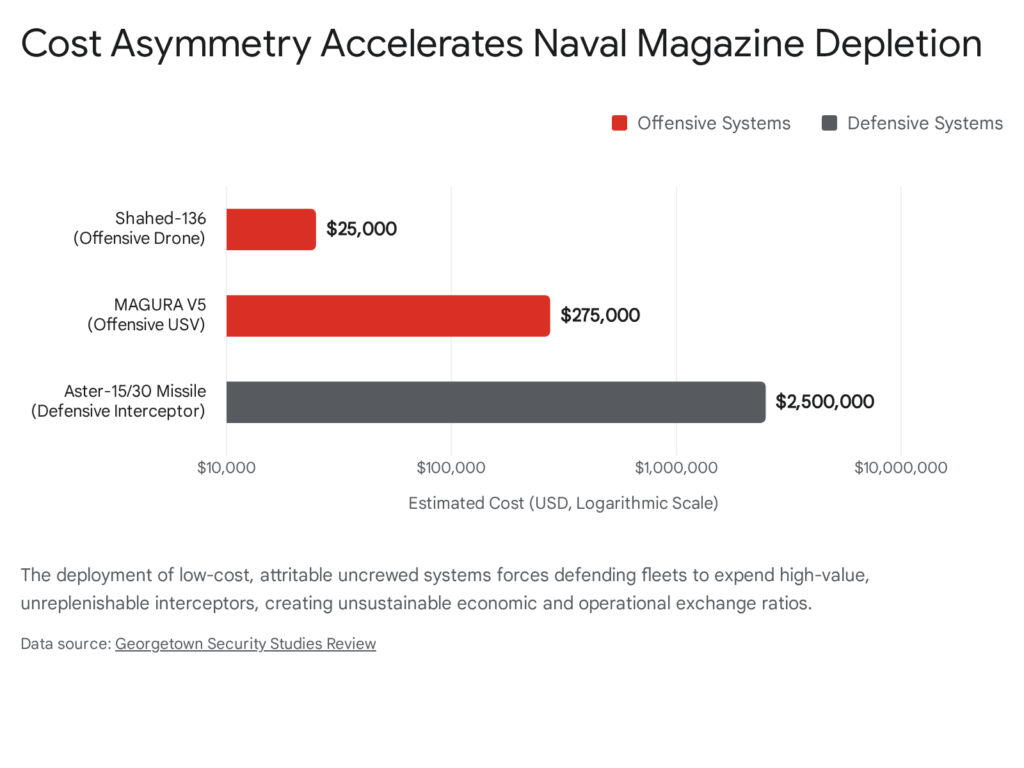
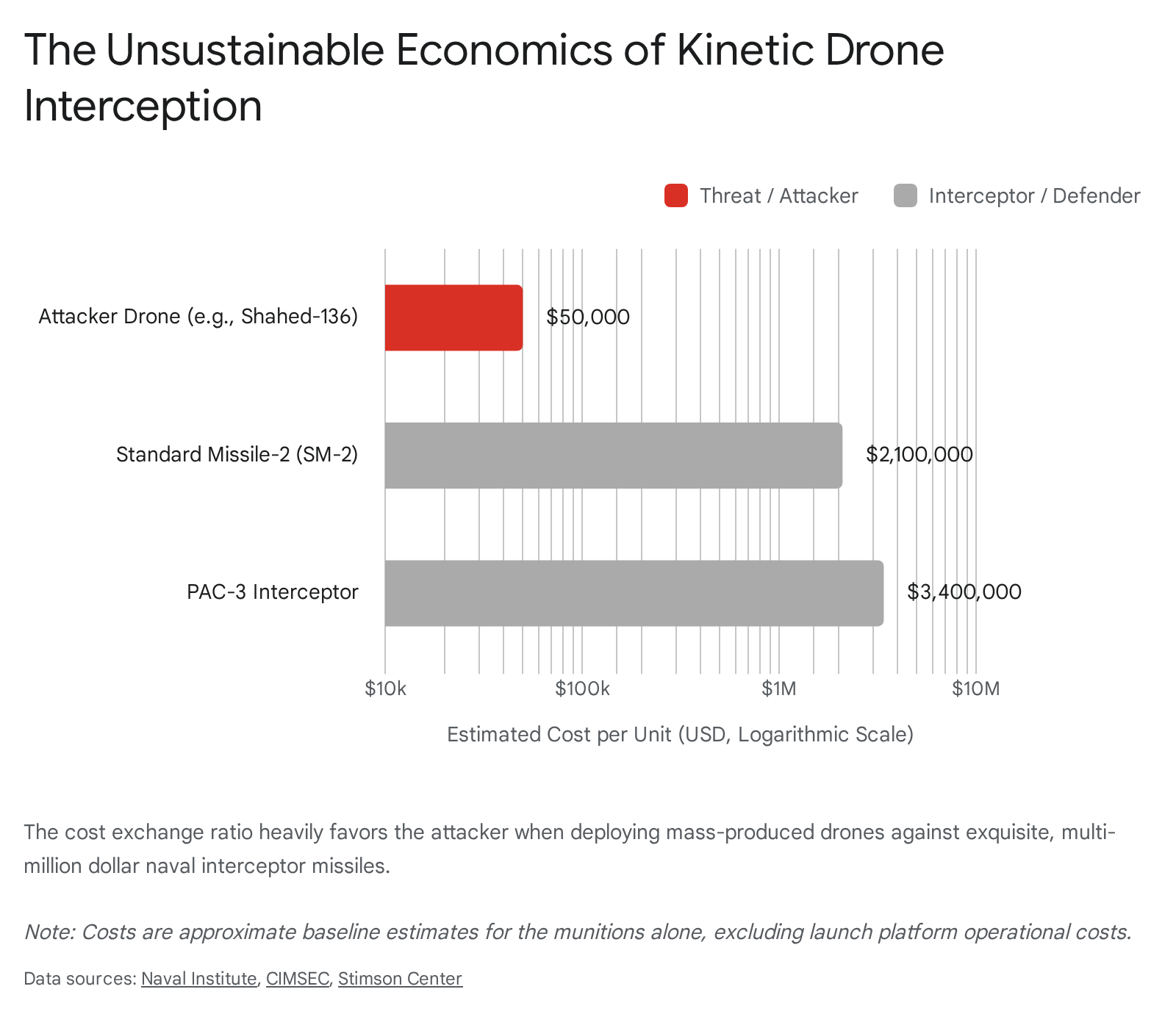
The economic asymmetry of this warfare model is highly pronounced and heavily favors the deploying force over the defending force. Traditional air defense economics are actively collapsing under the strain of low-cost unmanned systems.8 For example, a defensive posture may require the launch of a four million dollar Patriot missile interceptor to defeat a drone manufactured for merely twenty thousand dollars, such as the Shahed series.8 This unsustainable cost disparity forces military organizations to rethink their detection, tracking, and interception paradigms. The economic advantage is even more dramatic when analyzing Do-It-Yourself modifications, where a consumer platform costing less than two thousand dollars can deliver ordnance capable of destroying multi-million dollar armored vehicles.

2.2 The Migration Toward RF-Silent and Custom Platforms

Recent intelligence data highlights a significant shift in the types of drones utilized in tactical scenarios. While proprietary platforms manufactured by industry leaders like DJI historically dominated the airspace, accounting for 95 percent of all detections globally in 2024, this figure experienced a meaningful drop to 83 percent by early 2025.8 Concurrently, airspace security networks recorded a 4.3x increase in the detection of custom, Do-It-Yourself drone platforms.8

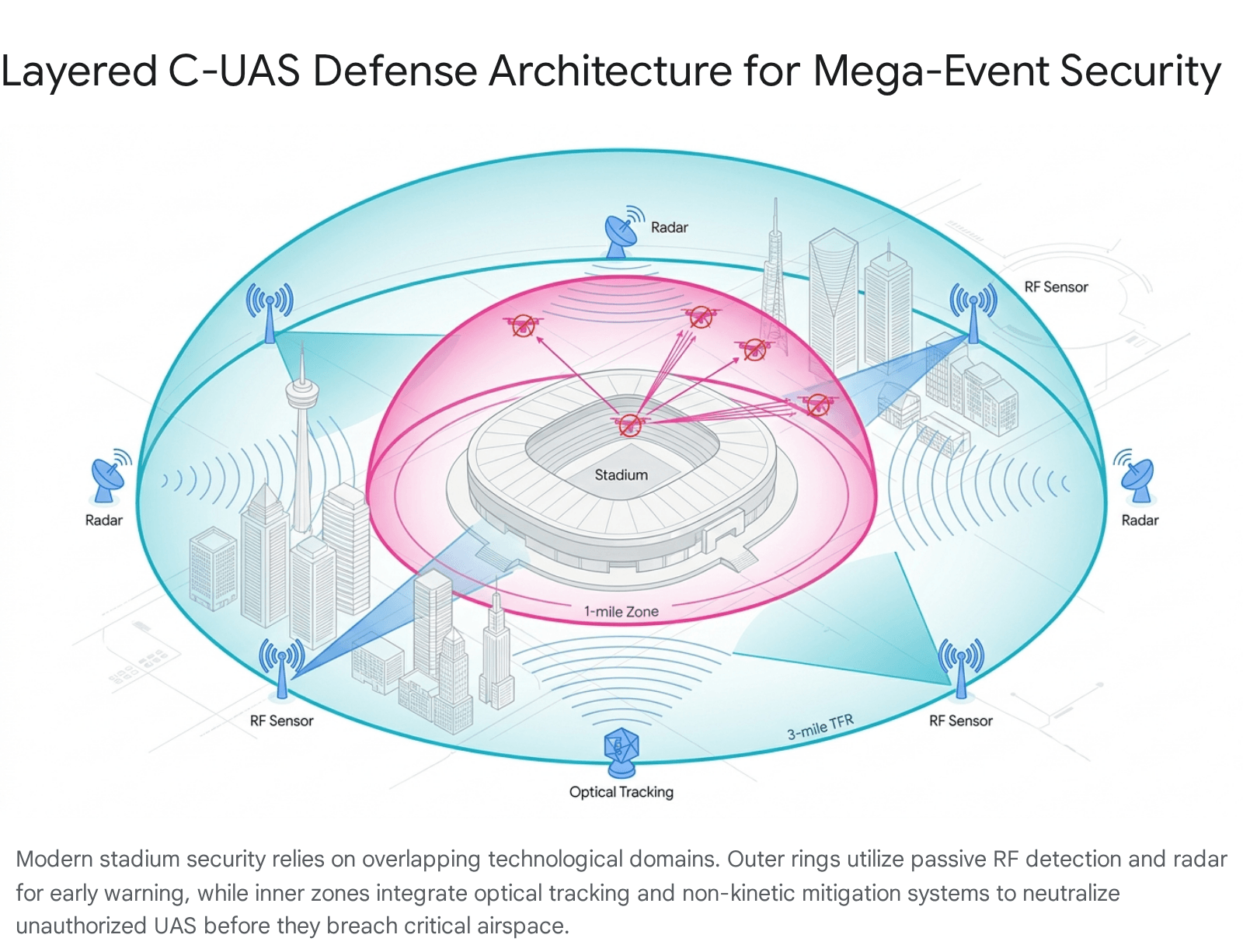
This statistical trend indicates a calculated tactical pivot toward systems that are intentionally designed to be radio-frequency silent or to operate on non-standard frequencies, thereby blinding existing commercial sensor networks.8 Operators are actively moving away from closed-ecosystem platforms that enforce compliance and toward open-source flight controllers that offer unrestricted control over radio emissions. Furthermore, tactical operations are increasingly conducted in adverse environmental conditions, with 37.5 percent of drone detections in early 2025 occurring in low-visibility environments.8 This underscores the critical operational requirement for secondary thermal optics, which allow tactical modified drones to function effectively at night or through atmospheric obscurants.

Tap Magic cutting fluid can on a metalworking machine

2.3 Broader Strategic Adaptations and State-Sponsored Systems

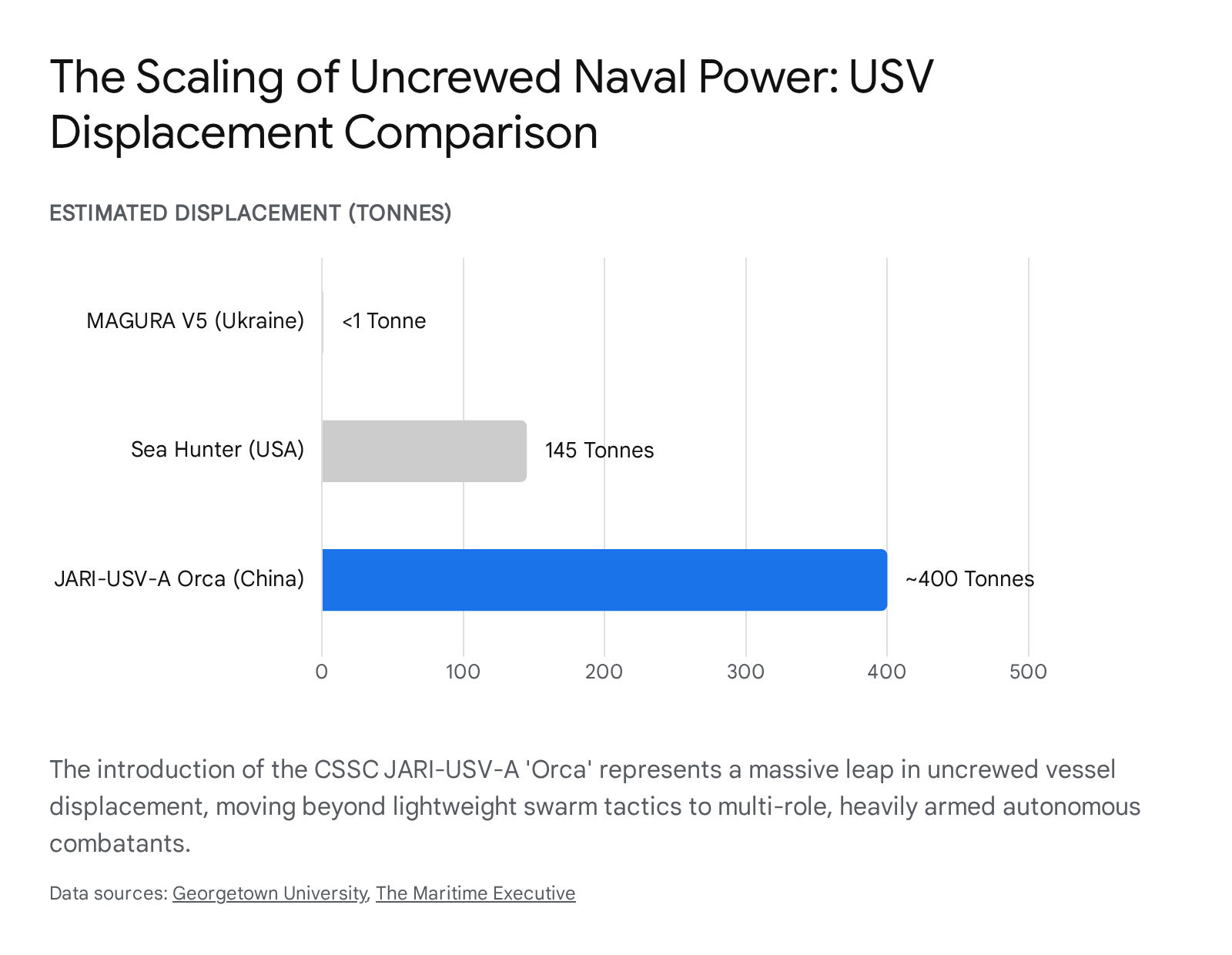
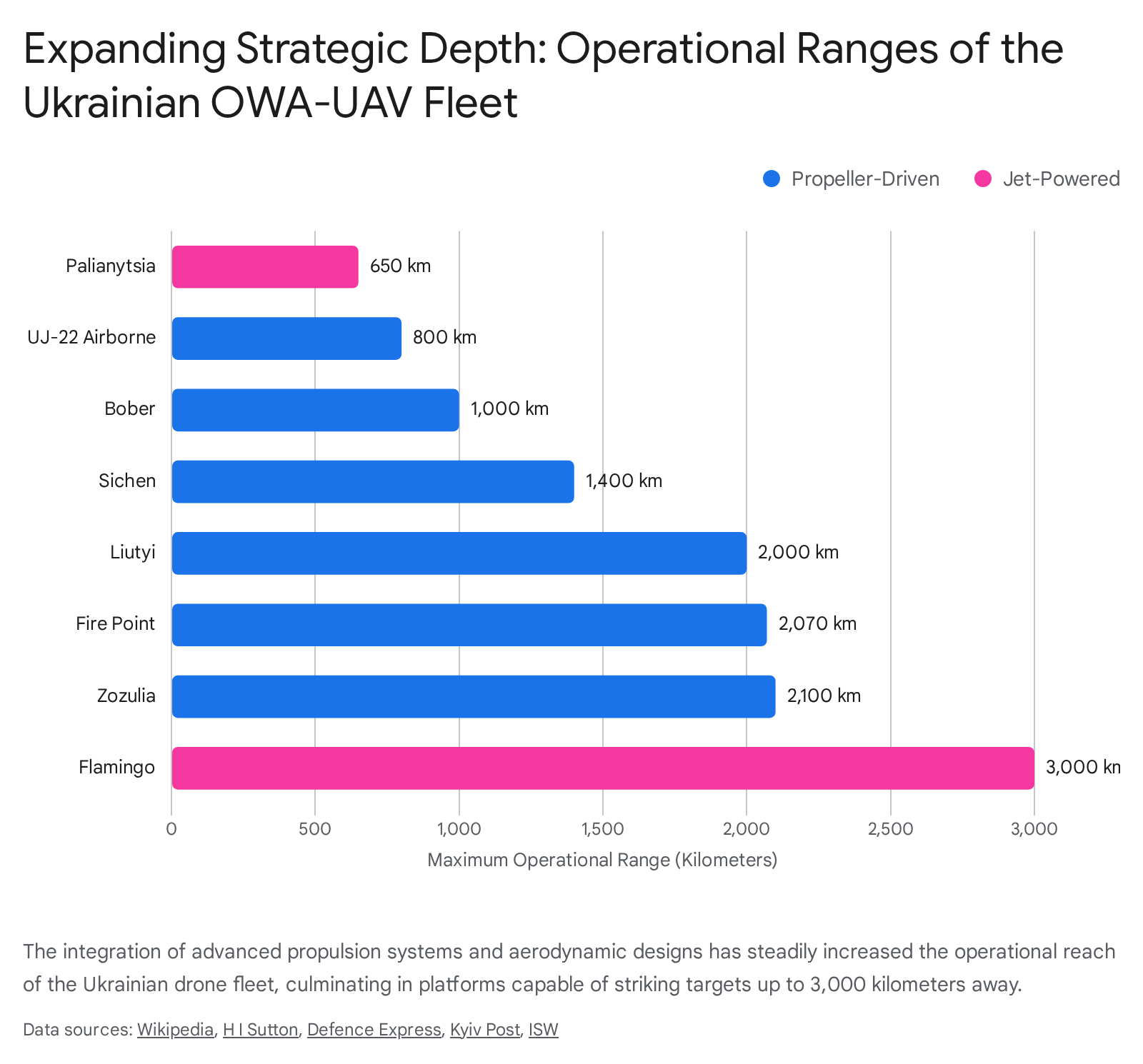
The principles driving the modification of commercial off-the-shelf drones have also influenced the development of larger, state-sponsored unmanned systems designed for strategic depth. The engineering philosophy of utilizing widely available commercial components to build inexpensive, long-range platforms is evident in systems like the Ukrainian AN-196 Liutyi drone, frequently referred to as the “Ukrainian Shahed”.9 Similar strategic platforms, including the UJ-26 Bober and the AQ 400 Scythe, demonstrate how the cost-efficiency of commercial drone technology has scaled upward to deliver precision munitions over strategic ranges.9

These larger platforms operate on the same fundamental principles as their smaller tactical counterparts, utilizing commercial global positioning systems, standard flight controllers, and commercially available internal combustion engines to achieve ranges that challenge traditional air defense networks. This structural overlap means that breakthroughs in firmware reverse engineering and hardware integration for small quadcopters directly inform the development of larger, more lethal systems.

3.0 Embedded Systems and Firmware Architecture Analysis

A critical requirement for the tactical deployment of consumer drones is the removal of software-level restrictions imposed by the manufacturer. Companies implement geo-fencing to prevent flights in restricted airspace and enforce altitude limits to comply with civilian aviation authorities.10 Tactical operators must bypass these limitations to ensure uninterrupted functionality in contested environments. To achieve this, operators must first understand and deconstruct the drone’s underlying firmware architecture.

3.1 Hardware Modules and Serial Communication Protocols

Modern commercial drones operate as complex embedded systems, relying on an architecture of interconnected programmable modules.2 These modules include central processing microcontrollers, Field Programmable Gate Arrays, and dedicated media processors for video encoding.2 The physical architecture features specialized printed circuit boards for distinct functions. For example, the main flight controller board handles core navigation and stabilization algorithms, while separate encoder boards manage live video streams, and individual electronic speed controllers route modulated power to the brushless motors.2

These internal modules primarily communicate using a binary packet protocol transmitted over serial interfaces like Universal Asynchronous Receiver-Transmitter connections.2 In the DJI ecosystem, this proprietary communication standard is known as the DUML protocol.2 In some instances, a Controller Area Network bus or a Serial Peripheral Interface is utilized for high-speed data transfer between sensors and the central processor.2 Researchers mapping this architecture have found that while the physical design of the printed circuit boards changes between drone generations, the fundamental module identifiers and communication protocols remain highly consistent across product lines.2

3.2 The MAVLink Protocol and Control Vulnerabilities

For open-source platforms, communication between the Ground Control Station and the Unmanned Aerial Vehicle is typically facilitated by the Micro Air Vehicle Link protocol, widely known as MAVLink.11 The MAVLink protocol operates over a telemetry transmitter and receiver, sending structured messages to the drone’s flight controller hardware, which is frequently a Pixhawk unit running ArduPilot firmware.11

The flight controller uses data from internal sensors, including accelerometers, gyroscopes, and barometers, combined with external Global Positioning System data, to maintain stable flight.11 During the system boot process, the ArduPilot firmware loads configuration parameters and performs critical arming checks to ensure all sensors are functioning correctly before allowing the motors to spin.11

However, the MAVLink protocol has been identified as a significant entry point for exploiting unmanned aerial systems.11 Because MAVLink messages are frequently transmitted without robust cryptographic authentication, malicious actors or tactical operators can inject fabricated commands into the telemetry stream. By understanding the controller models implemented in ArduPilot and manipulating the exception-handling mechanisms, operators can override factory safety parameters, force the drone to execute unauthorized maneuvers, or bypass pre-flight arming checks entirely.11

3.3 Dynamic Analysis of Drone Firmware

Because these platforms function as standard embedded systems, reverse engineering their firmware does not require novel computer science techniques. Instead, standard dynamic and static analysis tools utilized for auditing Internet of Things devices are highly effective for analyzing drone code.12

Security researchers and tactical operators routinely utilize the Ghidra software reverse engineering framework to perform disassembly, decompilation, and script-based analysis of the compiled drone binaries.13 Ghidra, originally created and maintained by the National Security Agency Research Directorate, includes a suite of high-end software analysis tools that enable users to analyze compiled code on a variety of architectures, particularly the ARM instruction sets commonly found in drone microcontrollers.13

Additionally, tools like binwalk are heavily utilized to analyze binary files, identify embedded file systems, and extract executable code from compressed firmware images.15 However, researchers have noted that because drones utilize intricate firmware architectures that do not operate on a singular monolithic binary system, full system emulation is challenging, and the absence of publicly available source code renders many automated fuzzing tools ineffective.12 Therefore, manual static analysis and targeted dynamic analysis remain the primary methods for discovering firmware vulnerabilities.12

4.0 The Firmware Decryption and Parameter Modification Pipeline

To permanently modify flight parameters and disable restrictions, operators must unpack, decrypt, and alter the manufacturer’s firmware updates before flashing them onto the drone. The open-source community has developed specialized Python toolchains, such as the dji-firmware-tools repository, to execute this highly technical process.2

4.1 Multi-Layer Decryption Mechanics

The decryption pipeline follows a structured, multi-layer approach designed to strip away the manufacturer’s cryptographic protections layer by layer.

The first step is container extraction. Firmware packages often utilize proprietary container formats to bundle multiple module updates into a single file. Scripts such as dji_xv4_fwcon.py are executed from the command line to extract individual hardware modules from package files wrapped in specific headers, such as the xV4 container format.2

The second step is signature removal and decryption. Many critical modules are protected by asymmetric cryptography and digitally signed to prevent tampering. Tools like dji_imah_fwsig.py are designed to decrypt and un-sign modules utilizing known public encryption keys extracted from the drone’s file system, such as PRAK-2017-01 or PUEK-2017-07.2 It is important to note that re-signing these modules is generally impossible without possessing the manufacturer’s private key. Consequently, operators must root the host drone to bypass the operating system’s internal signature verification checks before flashing the modified, unsigned code back to the hardware.2

The third step involves defeating second-layer encryption. On advanced platforms like the Mavic Pro, Spark, and Inspire 2, the flight controller firmware features an additional layer of obfuscation. This secondary encryption is systematically stripped using the dji_mvfc_fwpak.py utility, yielding the raw binary executable.2 For older drones utilizing Ambarella chipsets, such as the Phantom 3 Professional, operators utilize specific scripts like amba_fwpak.py to extract partitions and amba_romfs.py to manipulate the read-only file system, while amba_ubifs.sh is used to mount Unsorted Block Image File System partitions for direct file modification.2

Decryption Tool NameTarget ApplicationPrimary Function
dji_xv4_fwcon.pyFirmware PackagesExtracts modules from standard xV4 container files.
dji_imah_fwsig.pySigned ModulesDecrypts and un-signs firmware using known public keys.
dji_mvfc_fwpak.pyAdvanced Flight ControllersRemoves second-layer encryption on specific DJI models.
amba_fwpak.pyAmbarella ChipsetsExtracts partitions from older drone architectures.
arm_bin2elf.pyRaw ARM BinariesWraps raw binaries in ELF headers for Ghidra analysis.

4.2 Binary Preparation and Memory Mapping

Once the raw ARM binary images are extracted and decrypted, they must be formatted for analysis. Raw binaries lack the structural metadata required by standard disassemblers to distinguish between executable code and static data. To solve this, operators utilize the arm_bin2elf.py tool, which wraps the raw ARM binary with an Executable and Linkable Format header.2

This tool performs a critical optimization process. It algorithmically analyzes the binary file to detect the boundary between the code section, known as .text, and the data section, known as .data. It frequently utilizes the .ARM.exidx index table as a separator if it exists within the file.2 Users must define specific base memory addresses, often found in the microcontroller’s technical programming guides, and establish .bss sections. This optimization is absolutely vital to avoid massive memory consumption and prevent disassemblers like Ghidra from crashing during the analysis of large firmware files.2

Tap Magic cutting fluid can on a metalworking machine

4.3 Direct Parameter Manipulation

With the architecture mapped and the firmware decrypted, operators can modify the drone’s behavioral parameters. This is primarily achieved through command-line interfaces. Scripts like comm_og_service_tool.py act as a powerful alternative to official manufacturer software, allowing users to interface directly with the drone via serial or Inter-Integrated Circuit connections.2

Using this tool, operators can send specific commands to the flight controller to modify hundreds of parameters that dictate flight behavior. For example, an operator can command the script to query the g_config.flying_limit.max_height_0 parameter and overwrite it with a new integer, effectively lifting the hard-coded altitude ceiling permanently.2

If the required modifications exceed the acceptable ranges hard-coded into the standard flight controller logic, operators must utilize dji_flyc_param_ed.py to edit the parameter definitions directly within the extracted binary modules, repackage the firmware, and flash it back to the rooted drone.2 This invasive level of modification allows operators to completely disable hardware pairing restrictions, enabling the integration of unauthorized third-party batteries or aftermarket camera gimbals.

5.0 Defeating Geographic Restrictions and Remote Identification

The ability to manipulate firmware parameters is most frequently applied to defeat two specific safety mechanisms: geo-fencing and Remote Identification. In a tactical context, these civilian safety features are severe liabilities that can ground a drone during a critical mission or broadcast the operator’s precise physical location to enemy forces.

5.1 Geo-Fencing Bypass Tactics and Signal Amplification

Geo-fencing is a software feature that forces a drone to land or prevents its motors from arming if the onboard Global Positioning System registers a location within a restricted zone, such as an airport or military installation.10 Historically, users could disable this restriction simply by rolling back the drone’s firmware to an earlier version released before the geo-fencing algorithms were implemented.10 Applications like No Limit Dronez provide simple, user-friendly interfaces to execute these downgrades via a Universal Serial Bus connection.10 Other manufacturers, such as Yuneec and Parrot, historically allowed users to disable geo-fencing directly within their native mobile applications without requiring third-party software hacks.10

In addition to removing geographic limits, operators frequently modify parameters to boost radio frequency power output, artificially extending the drone’s operational range. Drones and their controllers are restricted by Federal Communications Commission regulations, which limit the transmission power to prevent interference.10 Tactical operators bypass these limits by hacking the controller firmware to force the hardware into high-power modes, upgrading the standard 2-decibel stock antennas to 4-decibel directional antennas, and adding inline power boosters to the radio controller.10 The Drone-Tweaks application is commonly used to force DJI drones from the restricted European CE mode into the higher-powered FCC mode without modifying the drone’s internal firmware, relying instead on a modified mobile application to send the configuration commands.16

5.2 The Remote ID Protocol and AeroScope Encryption

Remote Identification is a regulatory protocol designed to act as an electronic license plate for drones.17 Dictated by international standards such as ASTM F3411-19/22, this protocol mandates that drones broadcast their identity, precise geographic location, altitude, and the pilot’s control station position to ground receivers using Wi-Fi or Bluetooth signals.17

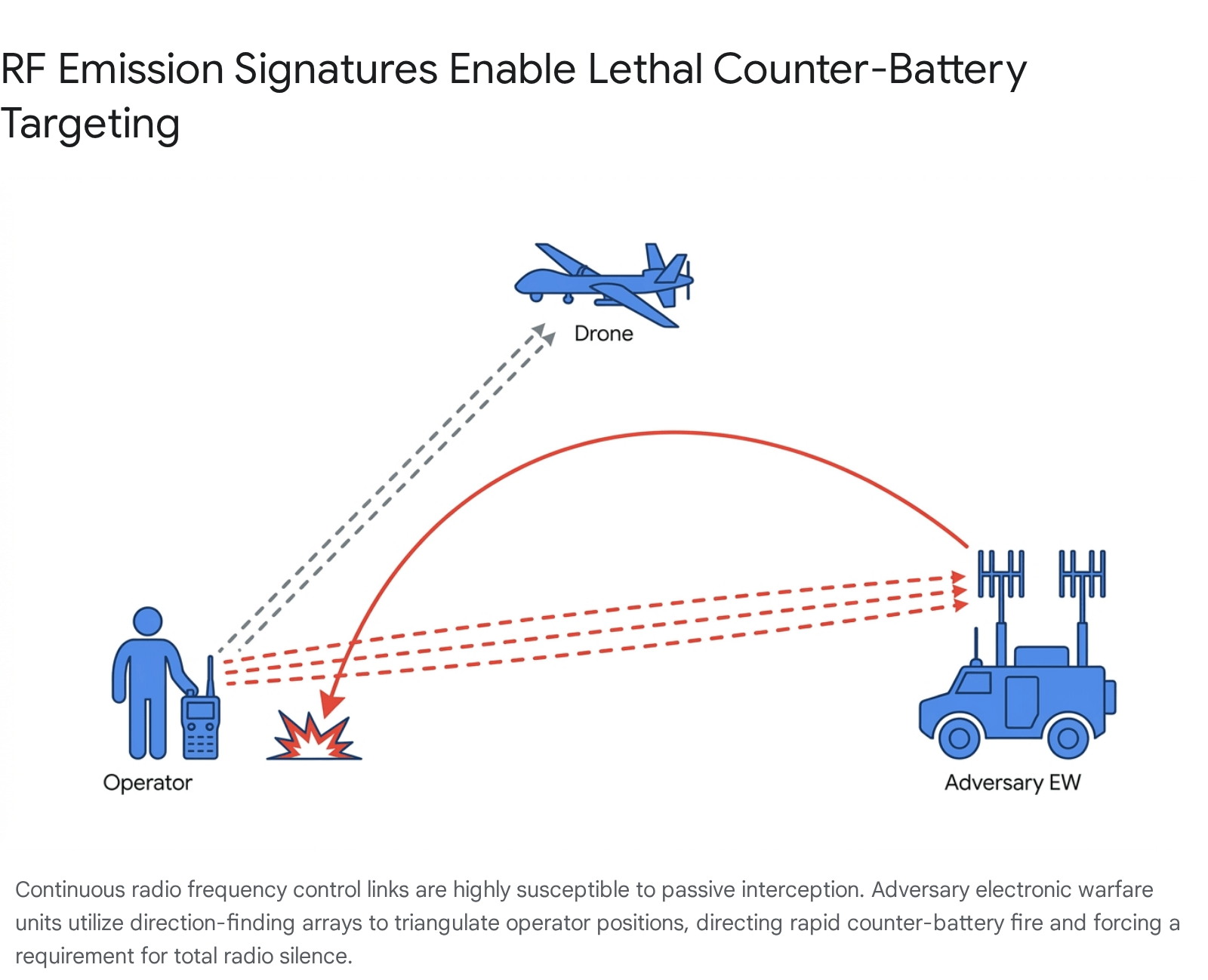
In tactical environments, broadcasting this telemetry is highly dangerous. Opposing electronic warfare teams utilize sophisticated counter-unmanned aerial systems, such as the DJI AeroScope platform, to intercept these broadcasts and triangulate operator positions for immediate artillery targeting.3 Security firms reverse-engineering the AeroScope platform have discovered that it utilizes a specific protocol structure.20 Recent hardware upgrades to the AeroScope system implemented a layer of encryption over the existing Drone ID protocol, utilizing CRYP packets to encode the aircraft serial number and GPS position.20 This ensures that only authorized AeroScope receivers connected to the manufacturer’s servers can successfully decrypt and process the telemetry packages.20

5.3 Privacy Flag Manipulation via CIAJeepDoors

Disabling Remote ID on modern platforms is intentionally difficult, as manufacturers design the system to be mandatory for flight initiation.17 For example, the FAA Remote ID function is automatically enabled on platforms like the DJI Mini 4 Pro when flown with specific high-capacity batteries and cannot be disabled through standard user interfaces.17

However, operators utilize specific vulnerabilities to halt the transmission of usable data. One prominent method involves a Python utility known as CIAJeepDoors, an anagram for DJI AeroScope.3 This software leverages the proprietary DUML packet protocol to manipulate specific privacy flags residing within the drone’s memory structure.3 By executing a complex command string via a serial connection, such as ./comm_serialtalk.py /dev/ttyACM0 -a 2 -t 1000 -r 0300 -s 3 -i 218 -x 0500000000, the operator alters an internal eight-bit privacy mask.3

Within this specific bitmask, individual bits control distinct telemetry fields.3 Bit 1 controls the broadcasting of the hardware serial number. Bit 2 dictates the transmission of the state matrix, which includes spatial position, roll angle, yaw angle, and raw inertial measurement unit data. Bit 3 hides the Return-to-Home coordinate, while Bit 4 controls the core DroneID broadcast beacon itself. Bit 7 is particularly critical, as it controls the transmission of the pilot’s physical location.3

Setting the entire bitmask string to 00000000 commands the hardware to cease populating these fields.3 It is critical to understand the technical nuance of this exploit: this method does not completely silence the radio frequency emissions. Instead, it forces the drone to transmit validly formatted location packets that contain null data or a fabricated serial number.3 Because the drone’s radio is still emitting an active RF signal to communicate with the controller, electronic warfare specialists can still locate the drone via traditional radio direction-finding techniques, commonly referred to as foxhunting.3 Furthermore, if an operator connects the drone to the manufacturer’s mobile application on an iOS device, the software is known to automatically detect the discrepancy, overwrite the privacy bits, and re-enable the tracking beacons, rendering the modification useless.3

Drone ModelRemote ID SupportDisablement Capability
DJI Avata 2Supported NativelyMandatory; cannot be disabled natively.
DJI Mini 4 ProSupported NativelyMandatory when using high-capacity battery.
DJI Mini 3 ProFirmware V01.00.04.00+Automatically enabled regardless of battery type.
DJI Mavic 2 EnterpriseFirmware V01.00.06.21+Supported via firmware update.
DJI Mini 2 SE / 4KNot SupportedRequires third-party external broadcast module.

5.4 Remote ID Spoofing and Signal Flooding

To actively counter tracking mechanisms rather than just hiding from them, tactical operators deploy Remote ID spoofers. Because the ASTM F3411 protocol standard lacks cryptographic authentication or data integrity verification, it is inherently vulnerable to message injection and impersonation attacks in uncontrolled environments.18

Security researchers have developed open-source tools, such as the RemoteIDSpoofer repository by developer jjshoots, that run on inexpensive ESP32 microcontrollers to broadcast fabricated Remote ID packets.18 The process requires downloading the Arduino Integrated Development Environment, installing the specific ESP32 board manager packages, and uploading the compiled C-code library at a baud rate of 460800.24

These software tools utilize libraries like scapy to generate raw 802.11 Wi-Fi beacon frames and Bluetooth Low Energy advertisements containing perfectly formatted ASTM F3411 message payloads.18 The opendroneid-core-c library provides the critical functions for encoding and packing these messages accurately.25 By hiding a small ESP32 board in an operational area and flooding the airspace with dozens of simulated drones, each transmitting unique serial numbers and randomized flight paths, operators can completely overwhelm detection networks.18 This tactic effectively blinds the enemy’s AeroScope receivers, burying the true physical location of the actual drone and its pilot beneath a massive volume of phantom radar signatures.

6.0 Hardware Augmentation: Secondary Thermal Optics

While firmware modifications enable a drone to fly in contested airspace without broadcasting its location, physical hardware modifications dictate its actual tactical utility. The integration of secondary thermal imaging payloads is one of the most critical and prevalent modifications, allowing commercial platforms to conduct surveillance, targeting, and battle damage assessment in total darkness, heavy fog, or through dense vegetation.26

6.1 Thermal Sensor Specifications and Trade-offs

Commercial thermal camera cores have evolved significantly over the past decade, transitioning from bulky military hardware into highly miniaturized Original Equipment Manufacturer components offering high-resolution imaging with minimal power consumption.5 When selecting a thermal core for integration onto a tactical drone, operators must carefully balance Size, Weight, and Power against the required optical performance.

The FLIR Boson series is a widely utilized professional-grade module in the tactical community. The Boson 640 model utilizes a 12-micrometer pitch Vanadium Oxide uncooled microbolometer detector to deliver a crisp 640×512 pixel thermal resolution.5 The module achieves this impressive performance with a core body weight as low as 7.5 grams and a compact physical footprint measuring just 21 by 21 by 11 millimeters.5 Depending on the specific mission profile, operators configure these cores with varying lenses. For wide-area surveillance, a 4.9-millimeter lens provides a 95-degree field of view. For high-altitude reconnaissance or targeting, a heavier 55-millimeter lens provides a narrow 8-degree field of view, though this lens increases the total weight of the module significantly.5

For lighter payload requirements, or on drone platforms with strict weight limitations like the DJI Mini series, the FLIR Lepton 3.5 provides a viable alternative. While its resolution is substantially lower at 160×120 pixels, it includes radiometric capabilities, allowing it to measure exact temperatures rather than just displaying relative thermal gradients.29 The Lepton interfaces easily with breakout boards via a standard Serial Peripheral Interface, making it highly adaptable for custom Arduino or Raspberry Pi-based payload integration.29

Thermal Core ModelResolutionDetector PitchFOV OptionsBase WeightInterface
FLIR Boson 640640 x 51212 µm VOx8° to 95°~7.5gCMOS / USB
FLIR Boson 320320 x 25612 µm VOxVarious~7.5gCMOS / USB
FLIR Lepton 3.5160 x 120N/A57°< 1.0gSPI

6.2 Mechanical Integration and Vibration Isolation

Integrating a secondary thermal camera onto a sophisticated commercial platform like the DJI Mavic 3 requires precise mechanical engineering to avoid interfering with the drone’s aerodynamics, primary optical gimbal, and sensitive vision positioning sensors.

Commercial adaptation kits, such as those manufactured by Copterlab, utilize lightweight Carbon ABS components to create precision snap-on mounts that secure to the drone chassis without requiring drilling, permanent adhesives, or screws.4 These comprehensive mounting kits weigh approximately 100 grams and include an independent, video-stabilized two-axis gimbal.4

Vibration isolation is critical for thermal optics, as micro-vibrations from the drone’s high-RPM brushless motors cause a visual distortion known as the jello effect. The Copterlab mounts mitigate this by suspending the thermal core on four specially tuned silicone damper balls.4 This approach mirrors the advanced passive vibration isolation technologies, such as floating wire-rope isolators and Kevlar mounts, utilized in higher-end aerospace applications.31 The mounts can be positioned either below the frame, which is standard, or on top of the drone fuselage to avoid the need for extended landing gear, depending on the operator’s clearance requirements.4

6.3 Power Distribution Architecture

Power management presents a significant engineering challenge during hardware integration. Drawing excessive current from the drone’s internal flight controller or primary power rail to run secondary optics and gimbals can cause severe voltage drops, leading to in-flight processor resets and subsequent catastrophic crashes. Furthermore, splicing into internal wiring instantly voids manufacturer warranties and risks damaging delicate circuitry.

To safely power the thermal payload, operators utilize two primary distribution architectures. The first method involves installing an external 18650 lithium-ion battery holder mounted directly to the carbon fiber payload rig.4 This approach completely isolates the thermal system’s power draw from the host drone, ensuring absolute flight stability at the cost of adding the significant weight of an additional battery cell. The second method involves installing an ultra-lightweight 5-Volt Battery Eliminator Circuit voltage regulator.4 This component safely taps into the drone’s primary high-voltage lithium-polymer battery, stepping the voltage down and providing a clean, stable 3-Amp current directly to the thermal core and video transmitter, adding only about 5 grams of total payload weight.4

6.4 Analog Video Transmission for Latency Reduction

Modern commercial drones utilize highly encrypted, proprietary digital video transmission protocols, such as Orthogonal Frequency-Division Multiplexing, to relay high-definition footage back to the operator’s controller.32 Injecting a secondary video feed from a thermal camera into this closed digital system is exceptionally difficult, requires heavy processing hardware, and introduces unacceptable latency for tactical operations.

Therefore, operators bypass the digital system entirely by integrating independent, analog video transmitters operating on the 5.8GHz Industrial, Scientific, and Medical frequency band.33 By wiring the analog phase alternating line composite video output of the FLIR core directly to a 5.8GHz video transmitter, the drone broadcasts a secondary, unencrypted video signal.34 This signal can be intercepted and viewed by any standard analog First-Person View goggle or ground station monitor.32

This analog approach offers critical tactical advantages over digital systems. First, analog signals degrade gracefully with static as the drone reaches the edge of its transmission range, giving the pilot clear visual feedback of the signal limit. In contrast, digital signals tend to freeze abruptly or drop out entirely, often resulting in a lost aircraft. Second, analog transmission features ultra-low latency, effectively transmitting frames at the speed of light without processing delays, which is an absolute necessity for real-time targeting and high-speed maneuvers.32 An operator might configure the drone with a standard 5.8GHz transmitter, which adds roughly 7 grams of weight, or deploy a higher-powered Full High-Definition 5.8GHz link to achieve a robust transmission range exceeding one mile.4

7.0 Kinetic Payload Release Mechanisms and Tactical Deployment

The final stage of tactical drone modification involves the integration of kinetic payload release mechanisms. These mechanical systems transform a passive surveillance platform into an active delivery vehicle capable of precisely dropping medical supplies, covert communication nodes, or explosive ordnance over a target area.

7.1 Structural Design of DIY Payload Delivery Systems

Operators frequently construct Do-It-Yourself payload release systems utilizing basic, inexpensive hobbyist electronic components.6 While complex electromagnet releases and 3D-printed mechanical grippers exist, the most reliable and widely implemented design in tactical scenarios is the servo-based latch release.6 In this configuration, a standard rotary servo motor actuates a steel pin or a latch arm that secures a payload cradle.6

The mechanical construction begins with the fabrication of a U-shaped or hook-shaped bracket. This cradle is typically manufactured from 3D-printed Polyethylene Terephthalate Glycol, bent 2-millimeter aluminum, or rigid carbon fiber sheet.6 This cradle is meticulously mounted on the underside of the drone’s center plate to align perfectly with the aircraft’s center of gravity.6 Proper placement is critical; suspending heavy loads off-center induces severe aerodynamic instability, causing the flight controller’s PID loops to overcompensate and potentially flip the drone during flight.

A servo motor is mounted adjacent to the cradle. For light payloads, operators utilize small micro-servos such as the SG90 or MG90S.6 For heavier payloads approaching 500 grams, high-torque metal-gear servos like the MG996R are strictly required to prevent the mechanical gears from stripping under load.6 A short length of rigid 0.8-millimeter stainless steel wire connects the servo horn directly to the latch pin.6 In the default, unpowered position, the pin secures a metal ring or carabiner attached to the payload. When the servo receives a signal to rotate ninety degrees, the pin physically retracts, and gravity instantly releases the payload from the cradle.6

Tap Magic cutting fluid can on a metalworking machine

7.2 Flight Controller Integration and Automation

For custom drones built on open-source architectures like ArduPilot or PX4, the payload release mechanism is integrated directly into the flight controller’s logic board.6 The servo’s standard three-wire extension cable, comprising power, ground, and signal wires, connects to a spare auxiliary port on the flight controller, such as AUX1.6

Software configuration requires assigning the specific pin a passthrough function to read the pilot’s radio inputs. In the Mission Planner software interface, an operator navigates to the full parameter list and sets the relevant function, such as SERVO9_FUNCTION, to zero.6 The pulse-width modulation limits are then established to define the servo’s physical travel range. Typically, setting the SERVO9_MIN value to 1000 microseconds represents the locked, closed position, while setting the SERVO9_MAX value to 2000 microseconds represents the fully open, released position.6

Once configured, the release can be triggered manually via a physical switch on the operator’s radio transmitter. More importantly, this deep integration allows for fully automated, network-centric deployments. Operators can program autonomous flight paths utilizing DO_SET_SERVO commands at specific global coordinates within the mission plan, ensuring the payload drops precisely on target without requiring manual pilot input or radio line-of-sight.6

7.3 Commercial Drop Systems and Optical Sensor Triggers

For proprietary consumer drones where internal flight controller wiring is closed, encrypted, and physically inaccessible, operators utilize external, commercially manufactured drop systems. Devices such as the Drone Sky Hook are designed as non-invasive, connect-and-fly attachments that strap onto the exterior fuselage of platforms like the DJI Mavic 3 or Mavic Air series.35

Because these external systems cannot receive electronic signals from the drone’s closed internal network, they employ an ingenious engineering workaround utilizing optical sensors.7 The drop device features a small external light sensor connected to its main processing unit via a dedicated input port.7 During installation, this sensor is physically positioned directly over one of the drone’s auxiliary LED lights, typically located on the bottom of the aircraft’s landing gear.7

During flight, the operator uses the manufacturer’s standard remote controller to remotely toggle the drone’s landing lights or auxiliary LEDs. The external sensor detects this rapid change in illumination and interprets it as a trigger signal, instantly activating the servo and releasing the payload.7 If the mechanism fails to trigger, operators must troubleshoot the physical connection, ensuring the sensor plug is seated securely in the SENS port and verifying that dirt or debris is not blocking the optical sensing hole.7

This optical bridging technique is highly effective, as it allows operators to control third-party mechanical hardware from miles away using the drone’s native, highly encrypted communication link without modifying any code. Advanced versions of these drop kits, such as the Drone Sky Hook PLUS, also include auxiliary power channels and high-intensity LED searchlights capable of projecting 12,000 Lux up to 100 meters away.36 This allows the searchlight to act as a dual-purpose tool, providing visibility while simultaneously controlling payload release sequences in dark environments.37

8.0 Vendor Validation and Equipment Availability

A critical component of this technical research involves verifying the current commercial availability, pricing structures, and active sourcing URLs for the specific hardware modifications discussed in this report. A validation pass conducted on the provided open-source intelligence confirms the following market data for the year 2026.

Thermal Imaging Cores The FLIR Lepton 3.5 thermal camera module is actively stocked and readily available through major international electronic component distributors. Validation confirms that DigiKey currently holds 6,360 units of the Lepton 3.5, identifiable by Part Number 500-0771-01, in bulk stock. The module is priced at 164.00 USD per unit.29 URL:(https://www.digikey.com/en/products/detail/flir-lepton/500-0771-01/7606616)

The higher-resolution FLIR Boson 640 core is available through specialized optics vendors such as GroupGets and Infrared Cameras. However, due to its specialized nature and complex manufacturing process, standard lead times of four to twenty-four weeks apply depending on the specific lens configuration and field of view requested.5 URL:(https://groupgets.com/products/flir-boson-640)

Thermal Gimbal Mounting Kits The custom thermal integration mount kit for the DJI Mavic 3 Pro, which includes the necessary Carbon ABS brackets and a 2-axis stabilized gimbal, is actively produced by Copterlab. Validation confirms the product, tracked under SKU SLLTRIC31319, is available for purchase starting at a base price of 1,034.82 USD.39 The vendor does not maintain off-the-shelf inventory for this complex assembly; the kit is manufactured per order request with a standard dispatch lead time of two weeks from the factory in France.39 URL:(https://copterlab.com/2-axis-thermal-gimbal-kit-for-dji-mavic-3-pro)

Commercial Payload Release Systems The optical-sensor-triggered payload release mechanisms manufactured by Drone Sky Hook remain fully available and actively supported. Validation confirms that the advanced Drone-Sky-Hook Release & Drop PLUS model engineered specifically for the DJI Mavic 3, tracked under SKU DSH-SRDP1-M3, is currently in stock. It is presently offered at a promotional price of 319.00 USD, discounted from its regular retail price of 420.00 USD, and includes free international shipping.36 URL:(https://www.droneskyhook.com/product-page/drone-sky-hook-release-drop-plus-for-dji-mavic-3)

9.0 Conclusion

The lifecycle of Do-It-Yourself commercial drone modifications demonstrates a rapid, highly sophisticated adaptation to modern tactical requirements, fundamentally altering the economics of modern conflict. Operators at the tactical edge are no longer constrained by the safety limitations, geographic restrictions, and proprietary software architectures engineered by original equipment manufacturers. By leveraging advanced open-source decryption tools, manipulating binary packet protocols, and executing precise memory address edits, users can successfully strip geographic restrictions, elevate hard-coded altitude limits, and mask identifying telemetry data.

Concurrently, the physical engineering of these platforms has matured into a standardized science. The mechanical integration of compact, professional-grade thermal optics via 5.8GHz analog transmission links allows consumer drones to operate effectively in low-visibility combat environments without compromising their primary control signals or suffering from digital latency. Furthermore, the development of both hardwired flight controller integrations and optically-triggered kinetic drop systems proves that standard commercial chassis can be reliably and cheaply converted into precise delivery or strike mechanisms.

The widespread commercial availability of the underlying physical components, from high-torque servos and microcontrollers to advanced Vanadium Oxide thermal microbolometers, ensures that the barrier to entry for modifying these systems remains exceptionally low. As commercial drone technology continues to advance, the open-source techniques utilized to reverse engineer, secure, and weaponize these platforms will undoubtedly scale in parallel, permanently establishing modified commercial drones as a foundational element of tactical warfare.


Please share the link on Facebook, Forums, with colleagues, etc. Your support is much appreciated and if you have any feedback, please email us in**@*********ps.com. If you’d like to request a report or order a reprint, please click here for the corresponding page to open in new tab.


Sources Used

  1. (PDF) Tactical Network-Centric Warfare in Practice: FPV Drones and the Architecture of a New RMA – ResearchGate, accessed April 19, 2026, https://www.researchgate.net/publication/393440325_Tactical_Network-Centric_Warfare_in_Practice_FPV_Drones_and_the_Architecture_of_a_New_RMA
  2. o-gs/dji-firmware-tools: Tools for handling firmwares of DJI … – GitHub, accessed April 19, 2026, https://github.com/o-gs/dji-firmware-tools
  3. How to disable DroneID on DJI drones (for free) inc. Mini 2, Mini 3 …, accessed April 19, 2026, https://greyarro.ws/t/how-to-disable-droneid-on-dji-drones-for-free-inc-mini-2-mini-3-mavic-air-2s-etc-using-cia-jeep-doors/52073
  4. Flir Boson+ Mount Kit For Dji Mavic 3 Classic – Ndaa Compliant, accessed April 19, 2026, https://copterlab.com/flir-boson-integration-mount-kit-for-dji-mavic-3
  5. FLIR Boson 640 | GroupGets, accessed April 19, 2026, https://groupgets.com/products/flir-boson-640
  6. DIY Drone Payload Release Mechanism: Step-by-Step Build – Zbotic, accessed April 19, 2026, https://zbotic.in/diy-drone-payload-release-mechanism-step-by-step-build/
  7. How to Fix Common Payload Release Issue? – Drone Sky Hook, accessed April 19, 2026, https://www.droneskyhook.com/post/how-to-fix-common-payload-release-issue
  8. Dedrone’s intelligence report shows evolving drone tactics based on 2025 detection data across their Europe, Middle East, and Asia networks, accessed April 19, 2026, https://www.dedrone.com/blog/intelligence-report-2025
  9. Moving Targets: Implications of the Russo-Ukrainian War for Drone Terrorism, accessed April 19, 2026, https://ctc.westpoint.edu/moving-targets-implications-of-the-russo-ukrainian-war-for-drone-terrorism/
  10. How to unlock your drone and why we should not rely on UAS manufacturers for safety, accessed April 19, 2026, https://www.airsight.com/blog/how-to-unlock-your-drone-and-why-we-should-not-rely-on-uas-manufacturers-for-safety
  11. Reverse Engineering and Control-Aware Security Analysis of the ArduPilot UAV Framework, accessed April 19, 2026, https://arxiv.org/html/2512.01164v1
  12. Challenges in Drone Firmware Analyses of Drone Firmware and Its Solutions – arXiv, accessed April 19, 2026, https://arxiv.org/html/2312.16818v4
  13. Ghidra is a software reverse engineering (SRE) framework · GitHub, accessed April 19, 2026, https://github.com/nationalsecurityagency/ghidra
  14. ghidra_scripts/binwalk.py at master – GitHub, accessed April 19, 2026, https://github.com/ghidraninja/ghidra_scripts/blob/master/binwalk.py
  15. ReFirmLabs/binwalk: Firmware Analysis Tool – GitHub, accessed April 19, 2026, https://github.com/refirmlabs/binwalk
  16. How to Unlock FCC Mode on ALL DJI Drones & FIX Bad Signal on DJI RC / RC2 / RC Pro Controllers too! – YouTube, accessed April 19, 2026, https://www.youtube.com/watch?v=RlEdi8eKkvg
  17. FAQs about FAA Remote ID Compliance – Support, accessed April 19, 2026, https://support.dji.com/help/content?customId=en-us03400007747&spaceId=34&re=US&lang=en
  18. cyber-defence-campus/droneRemoteIDSpoofer: Bluetooth and Wi-Fi based Drone Remote ID spoofer (ASD-STAN) demonstrating protocol security limitations. Tests unauthenticated broadcast vulnerability. – GitHub, accessed April 19, 2026, https://github.com/cyber-defence-campus/droneRemoteIDSpoofer
  19. How to disable DroneID on DJI drones (for free) inc. Mini 2, Mini 3, Mavic, Air, 2S, etc – using CIA Jeep Doors, accessed April 19, 2026, https://greyarro.ws/t/how-to-disable-droneid-on-dji-drones-for-free-inc-mini-2-mini-3-mavic-air-2s-etc-using-cia-jeep-doors/52073?page=7
  20. Reverse Engineering the Security Risks of the AeroScope Drone Detection Module, accessed April 19, 2026, https://www.mobilityengineeringtech.com/component/content/article/52998-reverse-engineering-the-security-risks-of-the-aeroscope-drone-detection-module
  21. accessed April 19, 2026, https://support.dji.com/help/content?customId=en-us03400007747&spaceId=34&re=US&lang=en#:~:text=No.,ID%20system%20cannot%20be%20disabled.
  22. jjshoots/RemoteIDSpoofer: NodeMCU RemoteID Spoofer – GitHub, accessed April 19, 2026, https://github.com/jjshoots/RemoteIDSpoofer
  23. RemoteID Cloaking Device How-To! Spoofer generates fake RemoteID signatures! – YouTube, accessed April 19, 2026, https://www.youtube.com/watch?v=Q8jn_6EmYxE
  24. GitHub – adamhrv/skylift: Wi-Fi Geolocation Spoofing with ESP8266 / ESP32, accessed April 19, 2026, https://github.com/adamhrv/skylift
  25. opendroneid/opendroneid-core-c: Open Drone ID Core C Library – GitHub, accessed April 19, 2026, https://github.com/opendroneid/opendroneid-core-c
  26. Thermal & Optical Scopes: Master Dual Systems for Precision Shooting, accessed April 19, 2026, https://www.rixoptics.com/thermal-optical-scope-dual-system-guide/
  27. Commercial Thermal Camera Systems: OEM Integration Guide – LightPath Technologies, accessed April 19, 2026, https://www.lightpath.com/blog/commercial-thermal-camera-systems-oem-integration-guide
  28. TELEDYNE FLIR Boson with Shutter 640 Thermal Resolution, Wide Lens, 95° FOV, 4.9mm Fast Frame Rate Industrial Grade – Infrared Cameras, Inc., accessed April 19, 2026, https://buy.infraredcameras.com/products/flir-boson-with-shutter-640-thermal-resolution-wide-lens-95-fov-4-9mm-fast-frame-rate-industrial-grade-1
  29. 500-0771-01 FLIR Lepton | Camera Modules – DigiKey, accessed April 19, 2026, https://www.digikey.com/en/products/detail/flir-lepton/500-0771-01/7606616
  30. Teledyne FLIR Distributor | DigiKey, accessed April 19, 2026, https://www.digikey.com/en/supplier-centers/flir-lepton
  31. 7.0 Thermal Control – NASA, accessed April 19, 2026, https://www.nasa.gov/smallsat-institute/sst-soa/thermal-control/
  32. Choose the Best FPV Camera For FPV Drones: Comprehensive Guide and Product Recommendations – Oscar Liang, accessed April 19, 2026, https://oscarliang.com/fpv-camera/
  33. Drone Parts List for Building a Drone – Complete Guide – Robocraze, accessed April 19, 2026, https://robocraze.com/blogs/post/drone-part-list
  34. Design and Implementation of a 5.8 GHz superheterodyne FM Video Receiver – DiVA portal, accessed April 19, 2026, https://www.diva-portal.org/smash/get/diva2:1375795/FULLTEXT01.pdf
  35. accessed January 1, 1970, https://www.droneskyhook.com/mavic-3-release-drop-plus
  36. Drone-Sky-Hook Release & Drop PLUS for DJI Mavic 3, accessed April 19, 2026, https://www.droneskyhook.com/product-page/drone-sky-hook-release-drop-plus-for-dji-mavic-3
  37. Integrating DJI Drone Searchlight Systems & Payload Devices, accessed April 19, 2026, https://www.droneskyhook.com/post/integrating-dji-drone-searchlight-systems-payload-devices
  38. Drone-Sky-Hook Bundle Release & Drop PLUS with Searchlight for DJI Mavic 3, accessed April 19, 2026, https://www.droneskyhook.com/product-page/drone-sky-hook-bundle-release-drop-plus-with-searchlight-for-dji-mavic-3
  39. Dji Mavic 3 Pro Thermal Camera Kit (noN-Ndaa) – copterlab.com, accessed April 19, 2026, https://copterlab.com/2-axis-thermal-gimbal-kit-for-dji-mavic-3-pro

Addressing the Drone Munitions Supply Chain Crisis

1. Executive Summary

The United States Department of Defense (DoD) is undertaking a structural pivot in its force posture, moving toward the integration of autonomous and uncrewed systems (UxS) at a transformative scale. Fiscal planning reflects this transition, with extensive capital allocated toward reshaping the battlefield. Recent budget requests demonstrate a prioritization of drone warfare and counter-drone technologies, projecting tens of billions of dollars toward autonomy, platform acquisition, contested logistics, and munitions over the coming fiscal years.1 Central to this transition is the Replicator initiative, a framework designed to overcome traditional bureaucratic inertia and field multiple thousands of all-domain, attritable autonomous (ADA2) systems within an aggressive timeframe to counter peer adversary mass.3

However, a critical strategic vulnerability exists within this paradigm shift: the procurement and manufacturing of uncrewed airframes are vastly outpacing the industrial capacity to arm them. The defense apparatus exhibits a tendency to focus heavily on the aerial platforms themselves—prioritizing software, autonomy, and flight characteristics—while systematically underestimating the industrial base required to mass-produce miniaturized precision micro-munitions, modular warheads, and the highly specialized precursor materials they require.7 A drone without a reliably sourced, mass-producible munition is relegated to an intelligence, surveillance, and reconnaissance (ISR) role. While ISR remains vital, the strategic intent of modern initiatives is to deliver long-range, distributed kinetic effects.3

This report provides DoD leadership with an objective strategic analysis of the drone-specific munitions and payload supply chain. It moves beyond the visible tier-one prime contractors to detail the fragile, sub-tier dependencies in critical materials, energetics, and propulsion systems.8 Furthermore, it examines the imperative of modular open systems architectures to break vendor lock and scale payload production alongside commercial platform scaling.10 Finally, it addresses the severe logistical complexities of rearming these autonomous fleets within the context of Distributed Maritime Operations (DMO) and Expeditionary Advanced Base Operations (EABO).12 In these operational models, the traditional concentration of explosive material in hub-and-spoke supply depots is both tactically hazardous and logistically unfeasible.15 To successfully enable warfighters with necessary kinetic effects, leadership must recognize that scaling the drone fleet is strategically ineffective without simultaneously scaling the specialized industrial base and logistical networks that manufacture and deliver their lethal payloads.

2. The Platform-Munition Acquisition Imbalance

The modern operational environment demonstrates that mass and attrition have returned as defining characteristics of conventional conflict. Observation of recent high-intensity conflicts reveals staggering consumption rates of both loitering munitions and precision-guided weapons.17 In these environments, the daily expenditure of precision assets routinely exceeds the monthly or even annual production capacities of Western industrial bases.17

The DoD has recognized this reality, initiating programs designed to inject mass into the Joint Force. The Replicator initiative aims to field thousands of autonomous systems to offset adversary advantages in mass and geographic positioning.3 Tranche 1 and Tranche 1.2 of the Replicator initiative specifically target the accelerated fielding of loitering munitions, such as the Switchblade-600 and the Altius-600, alongside company-level small uncrewed aerial systems (sUAS) like the Anduril Industries Ghost-X and Performance Drone Works C-100, which are capable of carrying modular payloads.3

Yet, a fundamental imbalance persists in the acquisition ecosystem. The industrial barriers to producing a basic autonomous airframe or quadcopter are relatively low, often leveraging commercial off-the-shelf (COTS) components and civilian manufacturing processes. Conversely, the barriers to producing the kinetic payloads—the warheads, the precision seekers, and the fusing mechanisms—are exceptionally high. The U.S. defense industrial base (DIB) for uncrewed systems is currently categorized as highly fragile, suffering from limited competition, demand uncertainty, and a critical reliance on foreign sources for core components.9

2.1. Budgetary Allocations and Priorities

An analysis of the DoD’s Fiscal Year (FY) 2025 budget request highlights the scale of investment in systems and munitions. The request totals $310.7 billion for procurement and research, development, test, and evaluation (RDT&E).1 While munitions and missiles receive substantial funding, the underlying industrial capacity to absorb these funds and output physical units remains constrained.

FY 2025 Investment CategoryRequested Funding ($ Billions)Percentage of Total Investment
Aviation & Related Systems$61.219.7%
Shipbuilding & Maritime Systems$48.115.5%
Missiles & Munitions$29.89.6%
Space Based Systems$25.28.1%
C4I Systems$21.16.8%
Science & Technology$17.25.5%
Missile Defense Programs$13.54.3%
Ground Systems$13.04.2%
Mission Support Activities$81.526.2%
Total$310.7100%

Data Source: DoD Comptroller, FY2025 Weapons Investment Report.1

Furthermore, defense officials have indicated that proposed future budgets, extending into FY 2027, will allocate over $70 billion specifically for military drones and counter-drone weapon systems, representing the largest investment in drone warfare in U.S. history.2 Within this long-term planning, approximately $53.6 billion is slated for autonomy, platforms, and contested logistics, while $21 billion is earmarked for munitions and counter-drone technologies.2 This financial commitment requires a commensurate expansion of the physical industrial base to produce the required hardware.

Close-up of a drilled hole in the receiver of a CNC Warrior M92 folding arm brace

2.2. The Fragility of the Uncrewed Systems DIB

A systematic evaluation by the RAND Corporation indicates that the U.S. uncrewed systems industrial base is fundamentally “more fragile than it is critical”.9 This terminology suggests that the primary risk lies in the potential loss of existing capabilities rather than the difficulty of replacing them once lost. Factors contributing to this fragility include demand uncertainty, which discourages long-term capital investment by private firms; market concentration, wherein a very limited number of firms are capable of building systems at scale; and significant reliance on foreign sources for selected critical components.9

While large prime contractors manage visible risks efficiently, fragility accumulates invisibly at the lower tiers. Small, capital-constrained firms responsible for specific components face single-source dependencies and limited surge capacity.8 When demand signals are chaotic and unpredictable, these sub-tier suppliers cannot afford to retain the latent production capacity required to scale up in an emergency.17

2.3. Historical Context: The Arsenal of Democracy vs. The Knowledge Economy

To contextualize the current industrial shortfall, it is necessary to examine historical defense mobilization. During World War II, the “Arsenal of Democracy” successfully produced nearly 300,000 aircraft and 86,000 tanks.20 This feat was achievable because the U.S. economy was heavily rooted in manufacturing, and latent production capacity existed across civilian sectors that could be rapidly retooled for defense.20 The War Production Board provided a unified, coherent demand signal that eliminated market risk for private companies, guaranteeing material allocations and contracts.17

By contrast, the contemporary U.S. economy is primarily knowledge-based.20 Decades of policy choices prioritizing peacetime efficiency and just-in-time logistics have eroded the domestic manufacturing base.17 The defense industrial base is deeply entangled with global supply chains, often relying on adversary-controlled markets for raw materials.7 To field the payloads required for modern drone fleets, the DoD cannot rely on latent civilian capacity; it must deliberately construct and secure a dedicated, modernized supply chain.

3. Structural Vulnerabilities in Sub-Tier Material Supply Chains

A modern military drone and its associated kinetic payload rely fundamentally on complex metallurgy and advanced chemistry. The global supply chain for these raw materials is heavily entangled with markets managed by peer competitors, translating supply chain competition into a geopolitical battle for the raw inputs required to employ drones at mass scale.7

3.1. Sensors and Seekers: The Precision Bottleneck

The efficacy of a precision micro-munition relies entirely on its ability to autonomously or semi-autonomously locate, fix, and track targets. This requires advanced sensors and seekers, which are bound by distinct material chokepoints.7

  • Infrared Detectors: High-fidelity thermal seekers are critical for terminal guidance and targeting in contested environments where GPS or visual spectrums are degraded. These seekers rely heavily on highly specialized materials, namely indium antimonide and mercury cadmium telluride.7
  • Datalinks and Amplifiers: The communication architectures that allow drone swarms to coordinate, or human operators to authorize strikes via “human-in-the-loop” systems, require immense bandwidth and power efficiency. Gallium-Nitride (GaN) power amplifiers are foundational to these datalinks, enabling remote operation and sensor feedback.7
  • Semiconductor Fabrication: The flight controllers, mission computers, and navigation systems depend on specialized semiconductors. The fabrication facilities for these specific defense-grade chips are complex and limited in number. They require years of capital investment to expand, meaning they cannot organically surge production to meet sudden wartime demands or absorb the shock of global export controls.7

3.2. Propulsion Dependencies

Whether for the carrier platform or a specific loitering munition, propulsion relies on materials that are acutely vulnerable to geopolitical weaponization.

  • Rare-Earth Magnets: The electric motors providing lift and torque for most sUAS and loitering munitions rely on neodymium-iron-boron (NdFeB) magnets.7 Currently, approximately 90% of the global output for these magnets is concentrated in China. Even when the raw materials are mined in allied nations, the complex magnetization and finishing processes remain largely under foreign control, exposing the U.S. to severe disruption.7
  • Mini-Jet Engines: For longer-range, deep-strike drones and high-speed loitering munitions, electric motors are insufficient, necessitating miniaturized turbojet engines. Currently, there is a massive production bottleneck in Europe and North America for these mini-jet engines.22 These are technically demanding systems built with lightweight alloys and advanced manufacturing methods, including 3D-printed components. Because they were not produced at scale prior to recent global conflicts, European and allied manufacturers—such as Czech-based PBS Group—are stretched to their limits trying to fulfill demand.23 This creates a structural supply-chain deficit that strictly limits the total number of missile drones that can be fielded.22

3.3. Structural Materials for Payloads

To maximize the lethality of a micro-munition, the weight of the delivery vehicle must be absolutely minimized. This requires aerospace-grade carbon fiber for the skeletal foundation and specialized alloys, such as aluminum-lithium, to ensure structural integrity while preserving weight margins for the explosive payload.7 The global production capacity for these specific alloys and composites is limited and cannot be rapidly scaled in a crisis.

Critical Material / SubsystemPrimary Function in Drone PayloadsIdentified Supply Chain Vulnerability
Indium Antimonide / Mercury Cadmium TellurideInfrared detection and terminal guidance for seekers.Highly specialized material sourcing; difficult to surge domestic production.7
Gallium-Nitride (GaN)Power amplification for resilient datalinks and C2.Sub-tier foreign dependency; critical node in swarm architecture communications.7
Neodymium-Iron-Boron (NdFeB)High-torque, lightweight motor magnets for propulsion.~90% of global output and finishing controlled by single peer adversary.7
Mini-Turbojet EnginesHigh-speed transit for deep-strike loitering munitions.Severe European and US manufacturing bottleneck; lack of established producers.22
Carbon Fiber & Aluminum-LithiumWeight reduction to maximize explosive payload capacity.Constrained global fabrication capacity; reliant on complex metallurgy.7

4. The Energetics and Advanced Manufacturing Crisis

While sensors guide the weapon and airframes carry it, energetics provide the actual kinetic effect. The capacity to produce the explosive compounds and propellants required for micro-munitions is arguably the most severe constraint facing the U.S. defense industrial base. The production of drone-specific munitions introduces unique vulnerabilities related to precursor chemicals and weight-optimization requirements.7 To maximize lethality on a small platform, energetics must yield high energy output from minimal mass, necessitating advanced chemical formulations.

4.1. The Antiquated Energetics Infrastructure

The U.S. military heavily relies on Government-Owned, Contractor-Operated (GOCO) Army Ammunition Plants (AAPs) to produce energetics, small-caliber ammunition, and high-explosive artillery.25 These facilities have served as the backbone of the arsenal since World War II. Consequently, much of the foundational technology and process infrastructure remains antiquated. For example, the domestic production of RDX and HMX—two of the primary energetic chemicals relied upon by the U.S. military since the 1940s—still utilizes the WWII-era Bachmann process at facilities like the Holston Army Ammunition Plant.26

Relying on 80-year-old manufacturing processes severely limits production throughput and creates single points of failure. The loss of access to even a single precursor chemical could halt the production of an entire class of drones and their payloads. Furthermore, the Department of Defense currently lacks comprehensive visibility below the tier-one contractor level to identify these specific precursor risks.7

The National Energetics Plan details the actions required to maintain technical superiority, highlighting systemic challenges.27 Among these are insufficient coordination between science and technology (S&T) and acquisition communities, which stifles the transition of advanced energetics to operational use. Additionally, antiquated Test and Evaluation (T&E) standards fail to accurately characterize the effects of advanced energetic materials designed for extended range and lethality.27

4.2. Modernization Initiatives and the Munitions Campus Model

Recognizing this critical shortfall, the Army has initiated a 15-year Organic Industrial Base (OIB) Modernization Plan, representing an investment of approximately $18 billion to modernize facilities, infrastructure, and retool processes across its 23 arsenals, depots, and ammunition plants.28 As part of this effort, the Joint Program Executive Office for Armaments and Ammunition (JPEO A&A) is leveraging digital engineering and Model-Based Systems Engineering (SysML) to identify process bottlenecks and optimize throughput at these legacy facilities.25

Furthermore, the DoD is exploring public-private partnerships to bypass the limitations of legacy infrastructure. A prime example is the recent groundbreaking of the Munitions Campus in Bloomfield, Indiana.31 Supported by a $75 million award from Defense Production Act Title III funding, this campus introduces a shared-infrastructure model that collocates manufacturers of major components, subcomponents, and energetics—such as solid rocket motors (SRMs)—to streamline the supply chain. Prometheus Energetics LLC serves as the anchor tenant for this 1,100-acre development. By clustering industrial capacity in close proximity to the Crane Army Ammunition Activity and Naval Surface Warfare Center Crane, the DoD aims to enable faster, more cost-effective scaling of munitions output across various weapon systems.31

4.3. The Workforce Deficit in Advanced Manufacturing

Capital investment in infrastructure cannot yield results without a highly skilled workforce. The production of uncrewed systems and their payloads suffers from critical labor shortages in specialized trades. Assessments of the defense-oriented advanced manufacturing landscape reveal profound deficits in skills related to welding, forging, metal casting, and advanced electronics soldering.9

Initiatives such as the Advanced Manufacturing Training Program in Massachusetts and DoD Manufacturing Technology (ManTech) engagements with the Advanced Robotics for Manufacturing (ARM) Institute are attempting to close these gaps through targeted workforce development grants and gap analyses.32 However, training a workforce capable of executing modern, tight-tolerance manufacturing for micro-munitions operates on a multi-year horizon, compounding the immediate challenge of scaling production for rapid fielding initiatives.

5. Overcoming Vendor Lock: Payload Modularity and Open Architecture

To scale payload availability rapidly, the DoD must decouple the development of the drone airframe from the development of the munition. Historically, uncrewed systems and their payloads have been highly proprietary and mission-specific. While some systems offer swappable payloads, these are rarely interchangeable across different manufacturers, leading to “vendor lock.” If a unit requires a different kinetic effect, it is often forced to procure an entirely new drone system from the original manufacturer.11

5.1. The Modular Open Systems Approach (MOSA)

The strategic solution to this bottleneck is the enforcement of a Modular Open Systems Approach (MOSA). MOSA is a technical and business strategy that adopts open standards to create highly cohesive, loosely coupled system structures.10 By standardizing the interfaces between the vehicle and the payload, the DoD can stimulate intense competition among sub-tier suppliers. Small, specialized tech firms can design innovative micro-munitions or sensors without needing to engineer a flight-capable drone, while airframe manufacturers can focus on range, endurance, and cost-efficiency.37

MOSA adoption is a key focus driven by the National Defense Authorization Act, establishing legal requirements under Title 10 U.S. Code 2446a.(b).10 Existing standards under the MOSA umbrella include Open Mission Systems (OMS) for aviation weapons, Future Airborne Capability Environment (FACE) for software, and Weapon Open Systems Architecture (WOSA) for munitions development.38

5.2. Standardization Interfaces: Picatinny CLIK and Mod Payload

Translating MOSA from concept to physical reality requires exacting engineering standards specifically tailored for uncrewed platforms. Two prominent developments are shaping the weaponization of uncrewed fleets:

  • Picatinny Common Lethality Integration Kit (CLIK): Developed by the DEVCOM Armaments Center, the Picatinny CLIK specification establishes a universal standard for weaponizing sUAS. In the same way the Picatinny Rail standardized rifle accessories, CLIK explicitly defines the physical mechanical attachment, the electrical power and network interfaces, and the safety-critical architecture required between the ground control station, the drone, and the lethal payload.11 By adhering to this standard, warfighters can swap payloads on the battlefield using common connections, adapting COTS drones into strike assets. The goal is to eliminate unique integration methods and costly acquisition conditions created by proprietary designs.11
  • Mod Payload Standard: Managed by a government and industry team led by the Johns Hopkins Applied Physics Laboratory (JHU APL), this standard focuses on true plug-and-play interoperability for electronic warfare, signals intelligence, and communications payloads.42 The latest update, revision 6.1, expands Mod Payload to unmanned surface vehicles (USVs) and dismounted personnel, streamlining access for industry and allied partners.42

The operational impact of these standards is already visible. For example, systems like the AeroVironment VAPOR CLE helicopter UAS utilize the CLiK interface to integrate modular lethal payloads, including 60mm/81mm mortar conversion kits and 40mm munitions.43 Saab and other defense contractors are developing adaptable warheads designed to insert into loitering munitions to optimize effects against specific targets.44 This paradigm shift ensures that as new, highly effective energetics or warhead designs are developed, they can be immediately fielded across the existing fleet of diverse drones without requiring platform redesigns.41

Modularity StandardDeveloping Agency / AuthorityPrimary ApplicationStrategic Benefit
MOSADoD / Congressional MandateBroad defense acquisition framework.Promotes competition, reduces lifecycle costs, ensures interoperability.10
Picatinny CLIKDEVCOM Armaments CenterPhysical, electrical, and safety integration of lethal payloads on sUAS.Eliminates vendor lock; enables field-swappable kinetic effects using COTS platforms.11
Mod PayloadJHU APL / USSOCOMElectronic warfare, SIGINT, and comms payloads across UxS.Drives down development costs and slashes integration timelines for non-kinetic systems.42
WOSADoD WideMunitions development architecture.Standardizes internal architecture of precision weapons.38

6. Expeditionary Logistics and Distributed Rearming

The procurement of munitions is only the preliminary challenge; delivering, storing, and loading those munitions onto drone platforms in contested, distributed environments presents an equally daunting systemic hurdle. Current U.S. operational concepts for peer conflict, specifically Distributed Maritime Operations (DMO), Expeditionary Advanced Base Operations (EABO), and Littoral Operations in a Contested Environment (LOCE), mandate that forces disperse across vast geographic areas—such as the archipelagos of the Indo-Pacific—to complicate adversary targeting.12

6.1. The Tyranny of Distance and Austere Storage

DMO and EABO fundamentally disrupt traditional logistical models. Large, centralized supply depots and established field trains present unacceptably massive targets for adversary long-range precision fires and loitering munitions.15 Historically, logistical responses relied on a “hub-and-spoke” framework, where large aircraft or ships delivered supplies to a central node, and smaller assets distributed them outward.47 In a contested environment saturated with intelligence, surveillance, and reconnaissance (ISR) drones, this massing of sustainment assets close to the forward line of troops guarantees rapid attrition.15

Consequently, forces must operate from temporary, austere locations. This dispersion creates severe challenges for the storage and handling of explosive munitions. Ammunition storage is governed by stringent safety regulations, such as the Defense Explosives Safety Regulation (DESR 6055.09) and DDESB standards.48 These regulations mandate specific asset preservation distances and minimum separation distances to prevent catastrophic chain reactions in the event of an incident or attack.50 On small, non-contiguous terrain features or littoral islands, adhering to these explosive safety footprints while maintaining a concealed, low-signature posture is exceptionally difficult.51 The time-space challenge of separated units requires additional distribution capacity to ensure constant, concealed deliveries without creating targetable supply dumps.52

6.2. Rearming at Sea: The TRAM Initiative

For maritime operations, a fleet dispersed for DMO expends its vertical launch system (VLS) munitions rapidly. By dispersing combat power beyond carriers to destroyers and frigates, the Navy forces adversaries to search wider areas, but this also distributes the demand for munitions.13 Historically, once a surface combatant depleted its VLS cells, the warship had to withdraw from the theater and travel long distances to a secure port to reload, removing critical combat power from the fight and exposing the vessel during transit.54

To counter this, the Navy has prioritized the Transferable Reload At-sea Method (TRAM). Recently demonstrated off the coast of California, TRAM enables cruisers and destroyers to rearm their MK 41 VLS canisters while underway, connecting to Military Sealift Command dry cargo ships in the open ocean.54 During the demonstration, the USS Chosin teamed up with the USNS Washington Chambers to transport and load a missile canister using the TRAM device along rails connected to the VLS modules.54 By fielding TRAM within the next two to three years, the Navy will maintain persistent forward-strike capacity, effectively keeping distributed assets in the fight without severing their logistical tethers.54

In contested environments, traditional ‘hub-and-spoke’ logistics are replaced by dynamic resupply networks. TRAM allows underway reloading of warships, while uncrewed logistics systems (ULS-A) distribute precision payloads to decentralized island outposts, circumventing centralized depots entirely.

6.3. Uncrewed Logistics and the “Zero Line”

Resupplying the “zero line” or Forward Line of Troops (FLOT) has become exceptionally lethal due to ubiquitous adversary ISR and drone saturation.16 To mitigate the risks of moving heavy logistical convoys, the DoD is developing Unmanned Logistics Systems-Air (ULS-A) and Unmanned Ground Vehicles (UGVs) to execute tactical resupply.59

These autonomous logistical platforms can move ammunition, batteries, and drone payloads to distributed units across non-contiguous terrain without risking human crews.46 The Marine Corps Aviation Plan highlights the necessity of vertical and connected replenishment from Combat Logistic Fleet vessels to support distributed aviation operations.62 Furthermore, research is advancing toward automated rearming systems, where a large UGV can carry fuel and munitions to automatically launch, recover, and rearm smaller vertical take-off and landing (VTOL) drones at forward locations.63 This extends the operational reach of the drone fleet while keeping human operators safely distanced from the launch signature, a concept critical to controlling the “atmospheric littoral”—the low-altitude airspace that enhances ground maneuverability.63

However, the realization of large-scale autonomous ground vehicle operations remains challenging. While programs like DARPA’s RACER (Robotic Autonomy in Complex Environments with Resiliency) have demonstrated successful autonomous breaching exercises using modified Textron Ripsaw M5 vehicles, widespread operational deployment is estimated to be years away, hindered by undefined requirements and the complexities of off-road autonomy.61

7. Scaling Production: From Artisanal Assembly to Mass Output

The ultimate test of the defense industrial base is the transition from low-rate initial production—often characterized by artisanal, highly manual assembly—to rapid, automated mass output. Current Western munitions stockpiles, optimized for low-intensity conflicts over the last two decades, are widely considered insufficient for a sustained peer conflict.65

7.1. The Cost and Rate Paradigm

Traditional precision-guided munitions (PGMs) are exquisite, highly effective, and exceedingly expensive to produce. For instance, a single Patriot PAC-3 MSE interceptor costs approximately $3.9 million, while a THAAD interceptor costs $15.5 million.65 These systems require years of lead time from contract award to delivery, meaning depleted stockpiles cannot be quickly replenished.65 In contrast, the operational environment demands high-volume, low-cost offensive capabilities that can overwhelm defensive systems through sheer numbers—a concept referred to as the “Uberization of warfare”.18

Loitering munitions bridge this gap by compressing the kill chain into a single, expendable platform that combines the airframe, the sensor, and the warhead.21 They provide a cost-effective alternative to multi-million-dollar PGMs, freeing up exquisite systems for high-value targets while utilizing affordable mass to strike dispersed armor and personnel.24 As noted in recent analyses, the ability to strike with precision from a distance is no longer reserved for superpowers; low-cost long-range precision weapons like the Shahed 136 have revolutionized strike dynamics, initiating an arms race for the least expensive precision systems.68

7.2. Industrial Surge Examples

Achieving mass requires unprecedented scaling efforts by industry partners. AeroVironment, a primary producer of loitering munitions such as the Switchblade series, provides a current case study in industrial surging. Recognizing the anticipated demand driven by global conflicts and DoD initiatives like the Low Altitude Stalking and Strike Ordnance (LASSO) program, the manufacturer accelerated production of the Switchblade 600 from 40 systems per month to 240 systems per month.69

To prepare for future demands, the company is investing in a next-generation manufacturing facility in Salt Lake City, Utah, intended to boost capacity to over 1,200 units per month, or roughly 14,400 drones annually.70 This expansion comes alongside significant DoD contracts, including a $186 million delivery order for Switchblade 600 Block 2 and 300 Block 20 systems equipped with explosively formed penetrator (EFP) payloads.71

Simultaneously, munitions like the GBU-69/B Small Glide Munition, engineered for precision strikes with a substantial blast-fragmentation warhead, are being integrated across uncrewed platforms like the MQ-1C Gray Eagle and MQ-9A Reaper.72 Developed by Dynetics and USSOCOM, the SGM represents a tailored approach to equipping platforms with standoff precision capabilities, though procurement scaling must continuously align with future conflict priorities.73

Close-up of a drilled hole in the receiver of a CNC Warrior M92 folding arm brace

7.3. Strategic Frameworks for Resilience

To support these industrial surges and mitigate vulnerabilities, the DoD is implementing the National Defense Industrial Strategy (NDIS). This strategy, and its associated Implementation Plan, details actions to build resilience, reshore critical supply chains, and foster advanced manufacturing techniques to ensure that the capacity to build munitions matches the strategic imperative to employ them.74 This includes specific funding through the Defense Production Act Title III, Industrial Base Analysis and Sustainment, and investments in munitions production to secure supply chains.74

8. Strategic Recommendations for DoD Leadership

The Department of Defense’s investments in uncrewed technologies risk profound operational underperformance if the platforms arrive at the tactical edge without the necessary kinetic payloads. To ensure warfighters possess the required kinetic effects in a peer conflict, DoD leadership must address the systemic requirements of the munition supply chain with the same urgency applied to drone acquisition.

The analysis yields the following strategic imperatives:

  1. Map and Secure Sub-Tier Dependencies: The DoD must gain comprehensive visibility into the tier-three and tier-four suppliers of critical materials. Action is required to secure the supply of Gallium-Nitride for datalinks, specialized semiconductors, and the precursor chemicals required for advanced energetics. Furthermore, investments must be directed to reshore or “friend-shore” the processing of Neodymium-Iron-Boron magnets and the manufacturing of mini-turbojet engines, which currently present severe bottlenecks in the production of high-speed loitering munitions.
  2. Mandate Open Architecture for Payloads: Initiatives like Replicator must strictly enforce Modular Open Systems Approaches (MOSA) across all procured platforms. By mandating adherence to interface standards such as the Picatinny CLIK and Mod Payload, the DoD can ensure that any procured sUAS can natively accept a wide variety of modular warheads and sensors. This effectively eliminates vendor lock, allowing the munitions industrial base to innovate and scale independently of the airframe manufacturing base.
  3. Accelerate Energetics Modernization: The 15-year Organic Industrial Base Modernization Plan is a necessary endeavor, but its timeline is misaligned with the immediate threat environment. The DoD must accelerate the transition away from antiquated chemical processes by stimulating private capital and expanding public-private partnerships, such as the Munitions Campus model. Clustering the production of specialized propellants, solid rocket motors, and explosive compounds will reduce supply chain friction and scale output. Additionally, concerted efforts must continue through ManTech to address the critical workforce deficits in advanced manufacturing.
  4. Integrate Rearming Logistics into Platform Procurement: A drone fleet is only as effective as its reload capacity. As the Joint Force embraces Distributed Maritime Operations and Expeditionary Advanced Base Operations, the logistics of rearming must be treated as a primary warfighting function. Continued investment in at-sea reloading mechanisms like TRAM is essential to sustain naval strike power. Simultaneously, the development and fielding of uncrewed logistics systems (ULS-A and UGVs) must be accelerated to safely distribute containerized payloads and rearm platforms at the austere, dispersed locations mandated by modern operational concepts.

The tendency to fixate on the technology of the drone itself obscures the reality that an uncrewed system is merely a delivery mechanism. The true center of gravity in autonomous warfare is the industrial capacity to mass-produce, securely transport, and reliably integrate the miniaturized precision munitions that deliver the decisive tactical effect. Scaling the fleet without concurrently scaling the specialized munitions supply chain will yield a force that is technologically advanced, but kinetically hollow.


Please share the link on Facebook, Forums, with colleagues, etc. Your support is much appreciated and if you have any feedback, please email us in**@*********ps.com. If you’d like to request a report or order a reprint, please click here for the corresponding page to open in new tab.


Sources Used

  1. Office of the Under Secretary of Defense (Comptroller)/Chief …, accessed April 24, 2026, https://comptroller.war.gov/portals/45/Documents/defbudget/FY2025/FY2025_Weapons.pdf
  2. DOD moves to make its largest-ever investment in drones and anti-drone weapons, accessed April 24, 2026, https://defensescoop.com/2026/04/21/dod-plans-largest-ever-investment-drones-anti-drone-weapons/
  3. Deputy Secretary of Defense Kathleen Hicks Announces Additional …, accessed April 24, 2026, https://www.war.gov/News/Releases/Release/Article/3963289/deputy-secretary-of-defense-kathleen-hicks-announces-additional-replicator-all/
  4. Replicator: A Bold New Path for DoD | Center for Security and Emerging Technology %, accessed April 24, 2026, https://cset.georgetown.edu/article/replicator-a-bold-new-path-for-dod/
  5. Replicator Initiative Looks to Swarm Through ‘Valley of Death’ – National Defense Magazine, accessed April 24, 2026, https://www.nationaldefensemagazine.org/articles/2024/1/4/replicator-initiative-looks-to-swarm-through-valley-of-death
  6. Replicator: An inside look at the Pentagon’s ambitious drone program – Defense News, accessed April 24, 2026, https://www.defensenews.com/pentagon/2023/12/19/replicator-an-inside-look-at-the-pentagons-ambitious-drone-program/
  7. The Drone Supply Chain War: Identifying the Chokepoints to Making …, accessed April 24, 2026, https://www.csis.org/analysis/drone-supply-chain-war-identifying-chokepoints-making-drone
  8. At a Glance: the U.S. Defense Industrial Base – War on the Rocks, accessed April 24, 2026, https://warontherocks.com/cogs-of-war/at-a-glance-the-u-s-defense-industrial-base/
  9. Characterizing the Uncrewed Systems Industrial Base | RAND, accessed April 24, 2026, https://www.rand.org/pubs/research_reports/RRA1474-1.html
  10. MOSA | NAVAIR, accessed April 24, 2026, https://www.navair.navy.mil/MOSA
  11. Modular Payloads for UAS – Army SBIR|STTR Program, accessed April 24, 2026, https://armysbir.army.mil/topics/modular-payloads-for-uas/
  12. NOT FOR PUBLICATION UNTIL RELEASED BY THE HOUSE ARMED SERVICES COMMITTEE STATEMENT OF VICE ADMIRAL RICK L. WILLIAMSON, DEPUTY C, accessed April 24, 2026, https://docs.house.gov/meetings/AS/AS03/20211202/114276/HHRG-117-AS03-Wstate-WilliamsonR-20211202.pdf
  13. Distributed Maritime Operations, Logistics, Industry, and American Strategy in Asia, accessed April 24, 2026, https://www.militarystrategymagazine.com/article/distributed-maritime-operations-logistics-industry-and-american-strategy-in-asia/
  14. Expeditionary Advanced Base Operations (EABO) Handbook Considerations for Force Development and Employment 1 June 2018 Version 1.1 – Marine Corps Association, accessed April 24, 2026, https://www.mca-marines.org/wp-content/uploads/Expeditionary-Advanced-Base-Operations-EABO-handbook-1.1.pdf
  15. Utilization of Unmanned Systems to Increase the Survivability of the Field Artillery, accessed April 24, 2026, https://www.lineofdeparture.army.mil/Journals/Field-Artillery/Field-Artillery-Archive/Field-Artillery-2025-E-Edition/Utilization-of-Unmanned-System-Field-Artillery/
  16. Contested Logistical Resupply to the Zero Line: How Drones and Signals Require a Change in Standard Operating Procedures – Small Wars Journal, accessed April 24, 2026, https://smallwarsjournal.com/2025/11/24/contested-logistical-resupply-to-the-zero-line-how-drones-and-signals-require-a-change-in-standard-operating-procedures/
  17. Forging America’s 21st Century Defense Industrial Base: Applying Lessons from the Arsenal of Democracy to Modern Great-Power Competition – U.S. Army, accessed April 24, 2026, https://www.army.mil/article/288967/forging_americas_21st_century_defense_industrial_base_applying_lessons_from_the_arsenal_of_democracy_to_modern_great_power_competition
  18. The Impact of Drones on the Battlefield: Lessons of the Russia-Ukraine War from a French Perspective | Hudson Institute, accessed April 24, 2026, https://www.hudson.org/missile-defense/impact-drones-battlefield-lessons-russian-ukraine-war-french-perspective-tsiporah-fried
  19. The Missile and Drone Dilemma: When Defensive Measures Outstrip the Cost of Attack, accessed April 24, 2026, https://www.habtoorresearch.com/programmes/the-missile-and-drone-dilemma-when-defensive-measures-outstrip-the-cost-of-attack/
  20. The U.S. Defense Industrial Base: Past Strength, Current Challenges, and Needed Change, accessed April 24, 2026, https://www.heritage.org/military-strength/topical-essays/the-us-defense-industrial-base-past-strength
  21. Loitering munitions explained | Unmanned Aerial Weapons – Maris Tech, accessed April 24, 2026, https://www.maris-tech.com/blog/loitering-munitions-a-complete-guide-to-unmanned-aerial-weapons-explosive-uavs/
  22. Ukraine’s drone attack fleet is facing a shortage of mini jet engines – Marine Link, accessed April 24, 2026, https://www.marinelink.com/blogs/blog/ukraines-drone-attack-fleet-is-facing-a-shortage-of-mini-jet-104486
  23. Ukraine’s attack drone fleet faces a mini jet engine supply crunch – KFGO, accessed April 24, 2026, https://kfgo.com/2026/04/07/ukraines-attack-drone-fleet-faces-a-mini-jet-engine-supply-crunch/
  24. Europe’s mini-jet engine bottleneck is constraining Ukraine’s deep-strike drone programme, accessed April 24, 2026, https://defencematters.eu/europes-mini-jet-engine-bottleneck/
  25. Leveraging Digital Engineering to Modernize Munition Production | Article – U.S. Army, accessed April 24, 2026, https://www.army.mil/article/290073/leveraging_digital_engineering_to_modernize_munition_production
  26. Energetics Production Modernization Faces Cultural, Technical Hurdles, accessed April 24, 2026, https://www.nationaldefensemagazine.org/articles/2025/12/9/energetics-production-modernization-faces-cultural-technical-hurdles
  27. NATIONAL ENERGETICS PLAN, accessed April 24, 2026, https://www.nacconsortium.org/wp-content/uploads/2023/08/National_Energetics-Plan_DRAFT_DISTRO_A.pdf
  28. Wittman: Modern Conflicts Demand Modern Munitions—Not Yesterday’s Defense Acquisition Processes | House Armed Services Committee, accessed April 24, 2026, https://armedservices.house.gov/news/documentsingle.aspx?DocumentID=5198
  29. Army advances 15-year OIB modernization plan | Article | The United States Army, accessed April 24, 2026, https://www.army.mil/article/288829/army_advances_15_year_oib_modernization_plan
  30. Army completes first year of modernization plan | Article | The United States Army, accessed April 24, 2026, https://www.army.mil/article/280158/army_completes_first_year_of_modernization_plan
  31. Department of War Announces Groundbreaking of New Munitions Campus in Indiana, accessed April 24, 2026, https://www.war.gov/News/Releases/Release/Article/4411124/department-of-war-announces-groundbreaking-of-new-munitions-campus-in-indiana/
  32. Advanced Manufacturing Training Grant Program | CAM, accessed April 24, 2026, https://cam.masstech.org/advanced-manufacturing-training-grant
  33. DoW ManTech – Home, accessed April 24, 2026, https://www.dodmantech.mil/
  34. ARM Institute Publishes New Workforce Training Gap Analysis Report | Manufacturing USA, accessed April 24, 2026, https://www.manufacturingusa.com/news/arm-institute-publishes-new-workforce-training-gap-analysis-report
  35. ARM Institute Releases Workforce Training Gap Analysis, accessed April 24, 2026, https://arminstitute.org/news/fow-training-gap/
  36. Grant Solicitation for the Advanced Manufacturing Training Program | NEMC, accessed April 24, 2026, https://nemicroelectronics.org/grant-solicitation-advanced-manufacturing-training-program
  37. Modular Open Systems Approach – DoW Research & Engineering, OUSW(R&E), accessed April 24, 2026, https://www.cto.mil/sea/mosa/
  38. What is MOSA? – BAE Systems, accessed April 24, 2026, https://www.baesystems.com/en-us/definition/what-is-mosa
  39. Uncrewed Aerial System (UAS) Munition Payload Interface Solution – Sources Sought, accessed April 24, 2026, https://sam.gov/workspace/contract/opp/93c9e4e6074e4013896dc23ebc0df492/view
  40. DESIGN STANDARD FOR Picatinny Common Lethality Integration …, accessed April 24, 2026, https://aal.mil/assets/files/pdf/picatinny-clik-design-standard.pdf
  41. Lethal unmanned aerial systems: Safe, reliable, lethal armaments capability at every echelon | Article | The United States Army, accessed April 24, 2026, https://www.army.mil/article/286795/lethal_unmanned_aerial_systems_safe_reliable_lethal_armaments_capability_at_every_echelon
  42. Design Standard Update Improves Modular Architecture for Unmanned Platforms, accessed April 24, 2026, https://www.jhuapl.edu/news/news-releases/250805-mod-payload
  43. The VAPOR® CLE sets a new standard for Group 2 unmanned …, accessed April 24, 2026, https://www.avinc.com/images/uploads/product_docs/Vapor_CLE_Datasheet.pdf
  44. Warheads and Mortar Ammunition | Saab, accessed April 24, 2026, https://www.saab.com/products/warheads
  45. Warheads for UAVs and loitering munitions – YouTube, accessed April 24, 2026, https://www.youtube.com/watch?v=lS-1KVWcnpQ
  46. Distributed Operations Require Small Platforms to Distribute Logistics – National Defense Transportation Association, accessed April 24, 2026, https://www.ndtahq.com/distributed-operations-require-small-platforms-to-distribute-logistics/
  47. The Last Mile Problem: Re-Thinking Modern Aerial Logistics – ParaZero Technologies, accessed April 24, 2026, https://parazero.com/2025/11/11/the-last-mile-problem-re-thinking-modern-aerial-logistics/
  48. UFC 4-420-01 Ammunition and Explosive Storage Magazines – Whole Building Design Guide, accessed April 24, 2026, https://www.wbdg.org/FFC/DOD/UFC/ufc_4_420_01_2025.pdf
  49. BY ORDER OF THE SECRETARY DESR 6055.09_DAFMAN91-201 OF THE AIR FORCE 18 JUNE 2025 Safety EXPLOSIVES SAFETY STANDARDS COMPLIANCE, accessed April 24, 2026, https://static.e-publishing.af.mil/production/1/af_se/publication/desr6055.09_dafman91-201/desr6055.09_dafman91-201.pdf
  50. Wartime Storage | Munitions Safe Storage, Operation Essential in War, Peace – U.S. Army, accessed April 24, 2026, https://www.army.mil/article/265889/wartime_storage_munitions_safe_storage_operation_essential_in_war_peace
  51. Tentative Manual For Expeditionary Advanced Base Operations 2nd Edition – Marines.mil, accessed April 24, 2026, https://www.marines.mil/Portals/1/Docs/230509-Tentative-Manual-For-Expeditionary-Advanced-Base-Operations-2nd-Edition.pdf
  52. Evaluating the Logistical Supportability of Expeditionary Advanced Base Operations – DTIC, accessed April 24, 2026, https://apps.dtic.mil/sti/trecms/pdf/AD1144374.pdf
  53. TENTATIVE MANUAL FOR EXPEDITIONARY ADVANCED BASE OPERATIONS – Marine Corps Association, accessed April 24, 2026, https://www.mca-marines.org/wp-content/uploads/TM-EABO-First-Edition-1.pdf
  54. ‘Game changing’: Navy reloads cruiser’s missiles at sea for first time – Navy Times, accessed April 24, 2026, https://www.navytimes.com/news/your-navy/2024/10/16/game-changing-navy-reloads-cruisers-missiles-at-sea-for-first-time/
  55. Navy Demonstrates First At-sea Reloading of Vertical Launching System, accessed April 24, 2026, https://www.navy.mil/Press-Office/News-Stories/Article/3935108/navy-demonstrates-first-at-sea-reloading-of-vertical-launching-system/
  56. Navies and reloads: no silver bullet? – The International Institute for Strategic Studies, accessed April 24, 2026, https://www.iiss.org/online-analysis/military-balance/2024/10/navies-and-reloads-no-silver-bullet/
  57. Navy Demonstrates ‘Game-Changing’ System to Rearm Warships at Sea – DLA, accessed April 24, 2026, https://www.dla.mil/About-DLA/News/News-Article-View/Article/3861597/navy-demonstrates-game-changing-system-to-rearm-warships-at-sea/
  58. Is drone-based resupply viable? – European Security & Defence, accessed April 24, 2026, https://euro-sd.com/2025/10/articles/armament/47250/is-drone-based-resupply-viable/
  59. How unmanned systems are reshaping logistics in contested environments, accessed April 24, 2026, https://breakingdefense.com/2026/01/how-unmanned-systems-are-reshaping-logistics-in-contested-environments/
  60. Unmanned Logistics Systems – Air – NAVAIR, accessed April 24, 2026, https://www.navair.navy.mil/product/Unmanned-Logistics-Systems-Air
  61. Army Still Years Away From Large-Scale Autonomous Ground Vehicle Ops (UPDATED), accessed April 24, 2026, https://www.nationaldefensemagazine.org/articles/2026/2/12/army-still-years-away-from-large-scale–autonomous-ground-vehicle-ops
  62. 2025 Marine Aviation Plan, accessed April 24, 2026, https://media.defense.gov/2025/mar/12/2003665702/-1/-1/1/2025-marine-corps-aviation-plan.pdf
  63. Automated Launch, Recovery, and Refueling for Small Unmanned Aerial Vehicles – DTIC, accessed April 24, 2026, https://apps.dtic.mil/sti/tr/pdf/ADA477747.pdf
  64. Recoverable Loitering Munitions Are More Cost – and Mission-Effective Than One-Way Attack Drones, Says New Teledyne FLIR Defense Whitepaper, accessed April 24, 2026, https://defense.flir.com/about/news/recoverable-loitering-munitions/
  65. Last Rounds? Status of Key Munitions at the Iran War Ceasefire – CSIS, accessed April 24, 2026, https://www.csis.org/analysis/last-rounds-status-key-munitions-iran-war-ceasefire
  66. BEYOND PRECISION – Center for Strategic and Budgetary Assessments | CSBA, accessed April 24, 2026, https://csbaonline.org/uploads/documents/Beyond_Precision_Report_CSBA8355_FINAL_web.pdf
  67. Loitering munition – Wikipedia, accessed April 24, 2026, https://en.wikipedia.org/wiki/Loitering_munition
  68. Cheaper Precision Weapons: An Exploratory Study about the HESA Shahed 136, accessed April 24, 2026, https://www.scirp.org/journal/paperinformation?paperid=131823
  69. AV Unveils Next Generation of Switchblade® Loitering Munitions – AeroVironment, accessed April 24, 2026, https://www.avinc.com/2025/10/13/av-unveils-next-generation-of-switchblade-loitering-munitions/
  70. Switchblade Production Rates, Lag AeroVironment Moves to Fix it – Defense Express, accessed April 24, 2026, https://en.defence-ua.com/industries/switchblade_production_rates_lag_aerovironment_moves_to_fix_it-16146.html
  71. AV Receives $186 Million U.S. Army Delivery Order for Next-Generation Switchblade Systems – AeroVironment, Inc., accessed April 24, 2026, https://www.avinc.com/resources/press-releases/view/av-receives-186-million-u.s-army-delivery-order-for-next-generation-switchblade-systems
  72. Dynetics GBU-69/B SGM – Designation-Systems.Net, accessed April 24, 2026, https://www.designation-systems.net/dusrm/app5/sgm.html
  73. WEAPONS & PLATFORMS – Air & Space Forces Magazine, accessed April 24, 2026, https://www.airandspaceforces.com/app/uploads/2023/06/Weapons_Platforms_0623.pdf
  74. NDIS Implementation Plan ii – GovInfo, accessed April 24, 2026, https://www.govinfo.gov/content/pkg/GOVPUB-D-PURL-gpo234260/pdf/GOVPUB-D-PURL-gpo234260.pdf
  75. DOD Lays Out Plan to Implement National Defense Industrial Strategy – Department of War, accessed April 24, 2026, https://www.war.gov/News/News-Stories/Article/Article/3949630/dod-lays-out-plan-to-implement-national-defense-industrial-strategy/
  76. Implementing the National Defense Industrial Strategy: Issues for Congress – EveryCRSReport.com, accessed April 24, 2026, https://www.everycrsreport.com/reports/IN12459.html
  77. DOD Official: Defense Industrial Strategy Already Making Headway in Maritime Space, accessed April 24, 2026, https://www.war.gov/News/News-Stories/Article/article/3739030/dod-official-defense-industrial-strategy-already-making-headway-in-maritime-spa/

Transforming Drone Operations: The Role of Human-Machine Interface

1. Executive Summary

The Department of Defense (DoD) is entering a critical, transformative juncture in its acquisition, deployment, and tactical integration of unmanned aerial systems (UAS). Driven by executive mandates and rapid acquisition initiatives such as Swarm Forge and the strategic push to field upwards of 300,000 low-cost, attritable drones, the United States military is proposing unprecedented financial and structural investments in autonomous platforms.1 The fiscal year 2027 budget request alone allocates an estimated $70 billion for drone and counter-drone technologies, signaling a profound shift in modern warfighting.3 However, the strategic discourse surrounding this massive expansion has overwhelmingly, and perilously, centered on platform procurement, hardware specifications, and raw artificial intelligence capabilities. This inherently hardware-centric focus severely overlooks the most critical, vulnerable, and systemic requirement within the unmanned operational ecosystem: the human operator.

As the tactical paradigm shifts aggressively from single-platform manual control to the deployment of massive, semi-autonomous swarms, the human nervous system remains the ultimate operational bottleneck. Operators are increasingly subjected to task saturation, cognitive lockup, and decision paralysis, which effectively negate the tactical advantages of advanced, high-speed platforms.4 The psychological and neurological load of managing multiple autonomous agents simultaneously extends far beyond traditional physical fatigue. It manifests in degraded situational awareness, delayed decision-making, severe attentional blinding, and historically high rates of emotional burnout and moral injury.6

To successfully enable warfighters in this new era of distributed lethality, DoD leadership must pivot decisively from treating unmanned operations as a mere extension of traditional crewed aviation. This requires a systemic overhaul in two primary areas of development. First, there must be a fundamental redesign of Human-Machine Interfaces (HMI) to accommodate multi-vehicle supervisory control, shifting away from raw data feeds toward ecological interface designs and adaptive neurotechnology.8 Second, there must be a foundational doctrinal shift in operator training and career management, transitioning personnel from a traditional “pilot” mindset—focused on kinesthetic control and single-platform stability—to a “fleet manager” mindset focused on networked orchestration and macro-cognitive resource management.8 This strategic report details the physiological limitations of human operators, the engineering requirements for next-generation HMIs, the sustainment realities of massive drone fleets, and the systemic ecosystem adjustments necessary to realize the full potential of human-machine integrated formations.

2. The Strategic Context: Drone Dominance and the Transformation Gap

The DoD’s push toward total drone dominance is rooted in the recognition that future conflicts will be characterized by distributed, resilient, and highly data-driven networks. This operational concept, often referred to as the “kill web,” replaces the traditional, linear “kill chain” (find, fix, track, target, engage, assess) with a dynamic environment where any sensor can inform any shooter.11 The transition demands that platforms function as flying information systems rather than isolated strike vehicles. However, realizing this vision requires more than just purchasing advanced airframes.

2.1 The Hardware Bias and Ecosystem Immaturity

Current military acquisition models consistently prioritize the rapid procurement of platforms, often neglecting the underlying sustainment, training, and cognitive infrastructure required to field them effectively. Historical aviation data demonstrates a standard five-to-ten-year “transformation gap” between the initial introduction of a new platform and the actual maturation of its supporting operational ecosystem.12 For example, advanced platforms like the V-22 Osprey and the F-35 Lightning II only achieved their true transformational potential roughly eight years after entering service. This occurred only when military branches adapted their ground-level tactics and conceptually reframed the aircraft as integrated network nodes rather than straightforward replacements for legacy rotary or fighter systems.12

Similarly, the U.S. Navy fielded the T-6B trainer with a modern glass cockpit, yet did not routinely exploit its heads-up display (HUD) for approximately 15 years because the “mental furniture” and syllabus design of the training community had not yet caught up to the hardware.12 The DoD is currently attempting to compress this historical timeline drastically. The Swarm Forge initiative, managed by the Chief Digital and Artificial Intelligence Office (CDAO), aims to deliver validated swarm packages in 90 days or less, featuring heterogeneous autonomy from multiple vendors to avoid single-vendor lock-in.1

While this rapid iteration is necessary to combat evolving geopolitical threats and maintain technological parity, deploying thousands of systems without a concurrent evolution in human interface design and ecosystem support creates a severe operational vulnerability.

Close-up of a drilled hole in the receiver of a CNC Warrior M92 folding arm brace

The hardware is advancing at a digital-age pace, but the cognitive frameworks and institutional mechanisms required to supervise these systems remain entrenched in industrial-age methodologies. The absence of integrated doctrine, training, and operational concepts for large-scale robotic employment leaves the joint force at risk of strategic and tactical disadvantage, regardless of the sheer volume of drones procured.1

2.2 Operational Requirements for Drone Swarms

The Pentagon’s vision for drone swarms, as articulated in upcoming Crucible events, mandates highly specific operational requirements that place immense pressure on human operators if not properly abstracted. These swarms must include a minimum of four unmanned aerial systems operating simultaneously, demonstrating end-to-end autonomous completion of complex mission sets such as intelligence, surveillance, and reconnaissance (ISR), or active targeting under the “Find, Fix, Finish” concept.1

These swarms are required to utilize AI agents capable of autonomously coordinating efforts and assigning roles among the robotic systems. The architecture must feature decentralized control to prevent single points of failure, ensuring the swarm remains highly functional even if individual systems are lost in combat or disrupted by electronic warfare.1 The platforms must be equipped with automatic target recognition (ATR) and machine learning capabilities that allow for dynamic, in-field learning and adaptive behavior based on real-time environmental feedback.1

Crucially, the systemic requirements specify that there should be minimal operator intervention required for swarm control, yet the systems must rigorously remain under “meaningful human command”.1 This paradox—requiring the human to be simultaneously hands-off yet firmly in command—is the central challenge of multi-UAS operations. It requires the operator to maintain perfect situational awareness of a highly complex, decentralized, and autonomous process, ready to intervene at a moment’s notice, without being overwhelmed by the data stream.

3. The Sustainment Paradox: Infrastructure vs. Attritable Hardware

Before addressing the cognitive load on the operator, it is imperative to understand the physical and logistical load placed on the operational ecosystem. The operational reality of large-scale combat operations (LSCO) introduces a severe paradox: battlefield capability without the resilient means to sustain it becomes a strategic liability, not an advantage.13

3.1 The Logistics Tail of Autonomous Fleets

Modern mobile brigade combat teams (MBCTs) rely heavily on commercial off-the-shelf (COTS) systems to fill critical operational gaps. These include first-person view (FPV) drones, modular power sources, and light vehicles.13 While these systems reflect a push toward agility, they introduce deep logistical fragmentation. Many of these systems lack full Class IX (repair parts) integration within standard military supply chains and require proprietary civilian vendor support to repair or replace components.13

A buildup of tens or hundreds of thousands of attritable drones will create an unprecedented sustainment burden across the force.14 Drones are not inert munitions; batteries expire, sensitive electro-optical sensors require calibration and replacement, supply chains for microchips fluctuate, and drones stored in uncontrolled or austere environments deteriorate quickly.14 Even if the platforms themselves are designed to be attritable, the sustainment system behind them will demand significant manpower, specialized diagnostic tools, controlled warehouse space, and rigorous processes for tracking and end-of-service disposal.14

3.2 Operating and Support Cost Escalation

The financial reality of this sustainment burden is already becoming apparent in legacy systems. The Department of Defense identified 14 distinct weapon systems with critical operating and support (O&S) cost growth during sustainment reviews conducted for fiscal years 2023 and 2024.15 Critical O&S cost growth represents at least a 25 percent increase in the cost estimate for the remainder of a system’s life cycle compared to baseline independent estimates.15

This cost growth is frequently driven by extensions to operational life and the failure to implement iterative, fleet-wide software and hardware updates. For example, a Government Accountability Office (GAO) report noted that failing to complete a software update for all units of a combat vehicle weapon system resulted in massive inefficiencies; completing that single software update across the fleet could save over $130 million and ensure effective operation over a 30-year span.15 If the DoD applies its current, fragmented sustainment approach to a fleet of 300,000 drones, the resulting O&S costs will rapidly eclipse the initial procurement budget, draining resources away from combat effectiveness and operator training.

Sustainment ChallengeOperational RealityConsequence for Multi-UAS Fleets
Class IX Parts IntegrationHigh reliance on commercial off-the-shelf (COTS) systems with proprietary components.13Inability to repair attritable drones in austere environments; reliance on fragile civilian supply chains.
Lifecycle DegradationBattery expiration, sensor misalignment, and rapid deterioration in uncontrolled storage.14Low actual fleet readiness rates despite high procurement numbers; inventory rot.
Operating & Support (O&S) CostsCritical cost growth (25%+) identified in legacy systems due to fragmented sustainment.15Financial drain on operational budgets; funds diverted from operator training to emergency maintenance.
Software Version ControlIncomplete software updates across distributed fleets leading to operational inconsistency.15Swarm desynchronization; failure of heterogeneous autonomy agents to communicate effectively.

4. Neurological Architecture and the Limits of the Human Operator

In modern drone operations—particularly in contested environments heavily saturated with electronic warfare and dynamic threats—the human mind remains the primary arbiter of mission success.4 Human operators face unique biological and cognitive challenges when managing robotic machines. A failure to design systems and operational tempos around these hard biological limits leads directly to mission degradation, asset loss, and fratricide.

4.1 Task Saturation and the Limits of Working Memory

When a single operator is tasked with controlling multiple unmanned vehicles, they are subjected to a continuous, unrelenting stream of visual, auditory, and telemetry data. Every minute of flight requires the operator to interpret telemetry, monitor environmental factors, manage active payloads, and communicate with ground elements.4 This environment demands extreme cognitive flexibility and continuous task switching.6

Cognitive research consistently demonstrates that human responses become substantially slower and significantly more error-prone after switching between two or more individual tasks.6 While an operator managing multiple vehicles may observe a greater total number of missions completed overall, this often comes at the severe expense of individual mission efficiency due to the disparate attention that must be allocated among the various assigned assets.6

As the number of vehicles increases, the cognitive load rapidly exceeds the operator’s working memory capacity. Working memory, governed largely by the prefrontal cortex, is responsible for keeping multiple variables actively in mind while executing complex tasks such as reasoning and learning.16 When working memory is saturated by excessive intrinsic load (the inherent complexity of multi-UAS maneuvering) and extraneous load (poorly designed interfaces, irrelevant alarms, or excessive radio chatter), the operator’s ability to process new information degrades precipitously.4

4.2 The Attentional Blink and Temporal Binding

This cognitive saturation often manifests neurologically as the “attentional blink.” Under conditions of rapid serial visual presentation (RSVP)—which perfectly describes a multi-display drone control station—human subjects display a severely reduced ability to report or react to a second target or critical event if it appears within 200 to 500 milliseconds of the first event.18

The attentional blink arises from the heavy demands placed on working memory encoding and response selection. When the brain processes the first piece of critical information (e.g., a surface-to-air missile lock on Drone A), it temporarily prevents high-level central resources from being applied to subsequent information (e.g., a critical battery failure on Drone B).18 In a multi-display environment where a fleet manager is monitoring high-speed drone telemetry across a swarm, this biological limitation means that cascading system failures or simultaneous threat detections will inevitably be missed by the conscious mind.

Furthermore, high-stress, high-workload environments alter the human sense of agency and temporal binding. Research involving military personnel conducting moral decision-making under high cognitive load reveals that the subjective feeling of being the author of one’s actions—a critical component for decisive action—is distorted.20 When operators are overwhelmed by automation inputs or strict external orders, their sense of agency is reduced, leading to hesitation and a reliance on automated systems even when those systems are providing erroneous data.20

4.3 The OODA Loop, Startle Reflex, and Decision Paralysis

Effective tactical operation relies on the continuous, rapid execution of the OODA loop: Observe, Orient, Decide, Act. High cognitive load effectively stalls this loop. When the “Orient” or “Decide” phases are delayed by massive data saturation, operators are forced to shift from proactive mission management to reactive correction, drastically increasing operational risk and lowering mission success rates.4

Under high-stress, unpredictable combat scenarios, this data saturation can trigger a physiological “startle reflex.” Aviation psychology identifies “cognitive lockup” as a common response to sudden, intense stressors.5 This occurs when an operator over-fixates on a single problem, screen, or failing drone, completely losing peripheral situational awareness and failing to see the broader tactical picture.5

This reaction is deeply rooted in human neurobiology. Acute stress triggers the amygdala, the brain’s threat-response center, which can effectively hijack and overpower the prefrontal cortex’s higher-order executive functions.5 This leads directly to tunnel vision and an absolute paralysis in analytical thinking and problem-solving capability. Research conducted by NASA psychologists indicates that physical and psychological startle responses can impair a pilot’s cognitive processing and reaction times for up to 30 seconds.5 In the context of drone swarm combat, where engagements are measured in milliseconds, a 30-second cognitive paralysis represents an unrecoverable operational failure.

5. Psychological Wear and Force Degradation

Beyond the immediate tactical limitations of working memory and decision paralysis, the sustained operation of remote systems inflicts significant, cumulative psychological wear on military personnel. The DoD’s transition to a massive drone fleet will fail if the workforce operating it is fundamentally compromised by fatigue and trauma.

5.1 Burnout, PTSD, and Moral Injury

Remotely piloted aircraft (RPA) operators, despite being physically removed from the kinetic dangers of the battlefield, experience high rates of psychological distress. Comprehensive reviews indicate that drone operators, intelligence coordinators, and support staff suffer from elevated rates of emotional disengagement, emotional exhaustion, burnout, and Post-Traumatic Stress Disorder (PTSD).7

Historically, it has been reported that RPA pilots face psychiatric risks that sometimes exceed those of crewed aircraft pilots.21 This is driven by the unique nature of drone warfare: the extreme intimacy of modern high-definition surveillance optics, the prolonged duration of monitoring targets, and the jarring psychological whiplash of transitioning daily between domestic family life and remote combat execution.7 The psychological toll is exacerbated by the sheer volume of hours spent intensely monitoring video feeds, which drains cognitive reserves and leads to severe emotional exhaustion.7

5.2 The “Always On” Culture and Arousal Management

The modern military operates within an “always on” culture of continuous multitasking and constant digital connectivity, which neurological science shows is highly degradative to baseline cognitive performance.22 Leaders and operators attempt to filter dozens of streams of information while operating on inadequate sleep, leading to a permanent state of cognitive fatigue.22

Levels of emotional arousal and stress directly impact cognitive performance, following the Yerkes-Dodson Law, which identifies a “sweet spot” of stress associated with peak performance.22 The right amount of stress releases neurochemicals that generate alertness. However, chronic stress pushes operators past this optimal peak into cognitive decline. The military must evolve its culture by implementing strict cognitive fatigue management, recognizing that proper sleep and structured breaks are not luxuries, but critical variables for maintaining the processing speed and spatial awareness required for multi-UAS operations.4

6. Redesigning the Human-Machine Interface (HMI) for Swarm Formations

To mitigate the profound biological limitations of cognitive overload and leverage the true potential of multi-drone formations, the Human-Machine Interface must be fundamentally re-engineered. Simply porting the interface of a legacy single-drone control station (like an MQ-9 Reaper console) to a multi-monitor setup is a guaranteed path to task saturation. The interface must evolve from a manual flight control mechanism to an intelligent, adaptive supervisory system.

6.1 From Direct Control to Ecological Interface Design

The traditional 1:1 (one operator to one vehicle) or 1:N (one operator to multiple vehicles) control paradigms are proving mathematically and cognitively insufficient due to the heavy burden of maintaining adequate situational awareness across separate entities.6 Research indicates that an experienced operator can supervise the health and status of up to 15 UASs efficiently using moderate automation. However, when actual mission and payload management is required, a single operator’s cognitive limit is reached at approximately three systems.8 Beyond three systems, mission efficiency drops sharply due to task-switching costs and working memory saturation.

The solution lies in the M:N control paradigm, establishing a “Multiple Operators with Multiple UASs” (MOMU) environment where a networked team of operators shares a pool of automated assets.6 This architecture allows for dynamic workload distribution; if one operator becomes saturated by a complex targeting task, control of routine perimeter assets can be seamlessly handed off to another operator.6

To effectively support this, HMIs must employ Ecological Interface Design (EID) principles. Instead of presenting operators with overwhelming arrays of raw data feeds, altitudes, and discrete telemetry values, the HMI must abstract this information into generalized functional states.23 By visualizing comprehensive health data, graphic trend presentations, and simplified safety-critical system states, operators can perform parallel visual searches more effectively. For instance, shifting from manual numerical checklists to digital forms with intuitive, color-coded fault indicators (e.g., orange for warning, red for critical) significantly reduces reliance on the operator’s short-term working memory and facilitates faster OODA loop processing.8

Close-up of a drilled hole in the receiver of a CNC Warrior M92 folding arm brace

6.2 Automation Transparency and the Trust-Workload Tradeoff

As underlying swarm algorithms increasingly handle localized collision avoidance, route planning, and sensor fusion, the human operator transitions to a “management-by-consent” or “supervised autonomous” role. In this mode, the system analyzes data, proposes a tactical plan, and the human either approves it or intervenes by exception.8 However, this highly automated environment introduces deeply complex human-automation trust dynamics.

If an autonomous system is highly reliable, human operators quickly develop over-trust, exhibiting a pronounced complacency that severely diminishes their vigilance and ability to detect machine errors when they inevitably occur.25 Conversely, if the system acts erratically or opaquely, operators lose trust and attempt to manually micromanage the swarm, immediately inducing task saturation and defeating the purpose of the automation.

Research into partially observable Markov decision process (POMDP) models highlights a critical transparency-workload tradeoff. Increasing the transparency of an intelligent system’s decision-making process—such as the HMI visually explaining why the drone chose a specific route or selected a specific target—increases human trust in the system. However, it simultaneously increases the human’s cognitive workload because they must read, process, and evaluate that explanation.26 HMIs must dynamically balance how much “reasoning” the automation displays based on the operator’s current saturation level, providing deep transparency during low-tempo operations and abstracting it during high-intensity combat.

6.3 Neurotechnology and Adaptive Interfaces

The future of advanced HMI design relies on active physiological monitoring to create truly adaptive systems. Eye-tracking technology is proving critical in assessing mental workload in real time, far surpassing the utility of traditional self-assessment questionnaires. By analyzing gaze patterns, pupil dilation, and blink rates, systems can objectively pinpoint moments of high cognitive load or distraction.9 For example, decreased blink rates and erratic saccades are strong indicators of impending task saturation.9

When the HMI detects that an operator is approaching a cognitive breaking point, an adaptive interface can autonomously simplify data presentation, temporarily silence non-critical alarms, or alert a secondary team member in the M:N network to take over specific assets.9 Furthermore, integrating neurotechnology such as electroencephalography (EEG) monitoring can track frontal and parietal cortex activation. Machine learning models, such as Support Vector Machines (SVMs), can analyze alpha and beta wave ratios to assess spatial working memory load and classify attention states, allowing the control station to adapt its layout before the operator ever reaches the point of cognitive lockup.28

7. Doctrinal Evolution: Transitioning from “Pilot” to “Fleet Manager”

Re-engineering the interface and the software is only half the solution; the human operator must also be re-engineered through profound doctrinal and training shifts. The traditional paradigm of military aviation places immense cultural and operational value on the “pilot”—an individual inherently focused on the kinesthetic control, aerodynamics, and stability of a single platform. Multi-UAS operations render this mindset obsolete. Operators must transition to a “fleet manager” mindset.

7.1 Redefining Operational Doctrine

The fundamental difference between managing a drone and managing a fleet is the transition from individual asset accountability to organizational, systems-level accountability.30 Every drone, mission, and compliance record becomes part of a unified workflow. As flight controls become fully automated, the operator’s role shifts entirely away from flying the aircraft toward supervising networks, interpreting complex data fusion, and executing strategic oversight.8

This mirrors the broader tactical shift from the kill chain to the kill web. Fleet managers are no longer functioning as sequential links in a linear strike process; they are nodes of command orchestrating integrated effects across distributed domains.11 A fleet manager must prioritize high-level, macro-cognitive tasks: strategic mission planning, navigating complex airspace regulations, managing proprietary supply chains, maintaining strict cyber-security over payload streams, and dynamically allocating resources under deep uncertainty.8

7.2 Transitioning the Workforce and Career Tracks

The Department of Defense currently possesses a vast reservoir of highly skilled remote pilots, particularly within communities operating legacy platforms like the MQ-9 Reaper. As these platforms face eventual retirement over the next decade, the U.S. Air Force and other branches risk losing this invaluable combat aviation experience if they do not provide clear transition pathways.32

Currently, strict categorization systems across the services force remote pilots to start from scratch through traditional undergraduate pilot training if they wish to transition to manned flight, while simultaneously failing to provide dedicated career tracks for managing advanced autonomous swarms.32 This siloed approach wastes human capital. Leadership must construct transition programs that re-purpose legacy remote pilots into Multi-Domain Warfare Officers or fleet managers for Collaborative Combat Aircraft (CCA) and autonomous swarms.32 These personnel already possess the required tactical acumen, target analysis skills, and intrinsic understanding of networked decision-making; they simply need their technical focus realigned.

7.3 Competency Frameworks for the Fleet Manager

Civilian industry and forward-leaning military schools are already identifying the core competencies required for this new fleet management role. Future training doctrines must heavily deprioritize manual stick-and-rudder skills and elevate the following areas 8:

  1. Systems Safety and Airspace Management: Operators must understand complex, layered safety management systems (SMS) and dynamic airspace integration, especially crucial during beyond visual line of sight (BVLOS) operations where manual deconfliction is impossible.31
  2. Cybersecurity and Data Integrity: Recognizing that autonomous swarms are highly vulnerable to electronic warfare, spoofing, and cyber-hijacking. Fleet managers must be trained to secure data streaming from payloads, monitor the integrity of tactical data links, and recognize the signatures of algorithmic manipulation.31
  3. Macro-Cognitive Adaptability: Operators must be trained in problem-solving and rapid re-allocation of assets when initial plans fail, shifting from focusing on how a drone flies to what the fleet achieves.4
Close-up of a drilled hole in the receiver of a CNC Warrior M92 folding arm brace

8. Re-engineering the Training Ecosystem

To successfully build these new competencies, the military training environment must precisely mirror the intended operational ecosystem. The current model of training, which focuses heavily on sequential checklists and isolated platform operation, is dangerously inadequate for preparing warfighters to manage autonomous swarms.

8.1 Live-Virtual-Constructive (LVC) Environments

The paradigm shift toward fleet management relies heavily on the aggressive expansion of Live-Virtual-Constructive (LVC) training environments.12 Modern simulators must not just replicate basic flight mechanics or rudimentary targeting; they must simulate high-stress, data-saturated environments where operators practice coordinating logic, allocating roles among diverse AI agents, and maintaining situational awareness under severe electronic warfare and GPS-denied conditions.1

Furthermore, syllabus iteration must be near-real-time. In mature training ecosystems, instructors work directly with manufacturers to update software and LVC simulations immediately when discrepancies are found in missile behavior or when adversary tactics evolve.12 The DoD cannot afford training curricula that remain locked into legacy patterns while the software operating the drones is updated weekly.

8.2 Stress Inoculation and Cognitive Fitness

Military training must systematically adopt “stress inoculation training” (SIT). By safely exposing operators to overwhelming data streams, simulated emergencies, and impossible multitasking demands within the simulator, operators build robust neurological pathways.4 This deliberate practice teaches operators to regulate their physiological and emotional responses, allowing the prefrontal cortex to maintain executive control during sudden crises, thereby bypassing the amygdala’s freeze response and preventing cognitive tunnel vision.4

Additionally, the DoD must invest in cognitive “software” upgrades for the operators themselves. This includes integrating cognitive science-based learning methods to improve long-term memory retention and teaching systematic task simplification and memory cues to boost the effectiveness of short-term working memory.22

8.3 Fostering Air-Mindedness and Bottom-Up Innovation

As demonstrated in recent conflicts and pilot programs, such as the Marine Corps’ integration of first-person-view (FPV) attack drones, technical and tactical innovations frequently emerge from the bottom up.36 Integrating drone training broadly across Air Force and Marine Corps culture teaches warfighters critical supplementary skills: navigating the complexities of electronic warfare, programming, field maintenance, and even fabricating spare parts using 3D printing.36 By cultivating such broad, cross-disciplinary expertise and fostering adaptive action, the DoD can position its operators to generate transformative effects that enhance strategic impact within the Joint Force, far beyond merely pressing a launch button.

9. Software-Defined Warfare and Acquisition Reform

The transformation of human factors in drone operations is ultimately bounded by the software that connects the human to the machine. The DoD’s primary acquisition challenge is that its current strategies were meticulously designed for an industrial age of hardware procurement, not the digital age of software-defined warfare.38

9.1 Overcoming the Authorization Bottleneck

The rapid, iterative development cycles of AI and autonomous swarm logic are often too fast for rigid defense procurement processes to accommodate. For example, mandatory security vetting processes for cloud technologies, such as FedRAMP, typically impose authorization timelines lasting between 6 and 18 months.38 This serves as a massive bottleneck, preventing the timely deployment of cutting-edge AI tools, adaptive HMIs, and updated machine learning models, creating a substantial, dangerous lag between commercial innovation and military implementation.38

This lag directly degrades operator effectiveness. If operators identify a severe flaw in how an HMI displays swarm telemetry during a deployment, they cannot wait 18 months for a software patch. Current frameworks put the joint force at risk by lacking the agility to address specific AI-related threats, such as adversarial AI designed to deceive U.S. systems, or the rapid proliferation of low-cost, AI-enabled counter-drones.38

9.2 The Transition to Microservices and Continuous Delivery

To enable the fleet manager, the DoD must transition fully to a software-centric, hardware-enabled approach to warfighting.39 This involves abandoning monolithic software applications in favor of microservices architectures. A microservices approach breaks down massive software suites into loosely coupled, independent services that can be altered, updated, patched, or taken offline without affecting the rest of the application or grounding the drone fleet.40

The DoD must rapidly implement initiatives like the Collaborative Autonomy Mission Planning and Debrief (CAMP) project, which advances mission planning capabilities, AI model management, and trusted AI governance.35 By leveraging government simulation environments like the Joint Simulation Environment (JSE) and the Joint Digital Autonomy Range (JDAR), the DoD can enable rapid testing, validation, and continuous delivery of autonomy-enabled mission profiles directly to the warfighter’s interface.35 Software requirements must be dynamically managed, and in many cases, exempted from the plodding Joint Capabilities Integration and Development System (JCIDS) process to enable rapid, iterative development that responds directly to operator feedback.39

10. Strategic Recommendations for DoD Leadership

The transition to multi-UAS fleet operations is not simply an upgrade in platform technology; it is a fundamental re-architecting of human-machine symbiosis. To successfully deploy the massive proposed investments in drone swarms and autonomous systems, DoD leadership must aggressively address the systemic human factors currently being overlooked. The following strategic actions are imperative across the DOTMLPF-P (Doctrine, Organization, Training, Materiel, Leadership and Education, Personnel, Facilities, and Policy) spectrum:

  1. Mandate Ecological Interface Design (EID) in Procurement: Immediately update all acquisition requirements to ensure future ground control stations and HMIs are built upon EID principles. Interfaces must be inherently capable of supporting M:N (Multiple Operator, Multiple UAS) network architectures. They must abstract raw telemetry into functional health and status data to prevent operator working memory saturation and accommodate the strict neurological limits of visual attention.6
  2. Integrate and Fund Real-Time Cognitive Monitoring: Fund the integration of real-time physiological monitoring systems—specifically eye-tracking and non-invasive EEG—into operational control stations. Next-generation interfaces must dynamically adjust their visual complexity, alarm frequency, and automation transparency based on the operator’s immediate, measured cognitive load, preventing the onset of the attentional blink and cognitive lockup.9
  3. Establish a Dedicated “Fleet Manager” Career Track: Formally decouple the operation of highly automated UAS systems from traditional, legacy pilot career tracks. Create a “Multi-Domain Fleet Manager” or equivalent designation, providing rapid transition pathways for experienced MQ-9 and RPA operators. This must allow them to orchestrate autonomous swarms without the redundant requirement of attending traditional undergraduate manned pilot training.32
  4. Implement Rigorous Stress Inoculation Training (SIT): Completely overhaul UAS training pipelines to focus on macro-cognitive adaptability rather than physical flight mechanics. Implement high-fidelity LVC simulations that deliberately induce severe task saturation, communications degradation, and catastrophic system failures to actively train operators out of the startle reflex, building neurological resilience.4
  5. Accelerate Software-Defined Acquisition Pathways: Exempt critical HMI and swarm logic software development from the rigid, hardware-centric JCIDS processes. Establish dynamic, streamlined requirements that mandate microservices architectures, allowing for continuous, iterative software updates based directly on operator performance data and cognitive feedback gathered from active deployments.38
  6. Invest Proportionally in Scalable Sustainment: Formally acknowledge that fielding 300,000 attritable drones requires an immediate, massive, and proportional investment in modular logistics, condition-based maintenance, and highly secure, non-proprietary supply chains. Without a resilient sustainment infrastructure, mass hardware procurement will inevitably collapse under its own logistical weight, neutralizing any tactical advantage.13

By designing systems that respect the unyielding neurological limits of the human operator, and by actively cultivating a workforce trained for network oversight rather than manual control, the Department of Defense can move beyond the illusion of hardware superiority and achieve true cognitive dominance in the next generation of warfare.


Please share the link on Facebook, Forums, with colleagues, etc. Your support is much appreciated and if you have any feedback, please email us in**@*********ps.com. If you’d like to request a report or order a reprint, please click here for the corresponding page to open in new tab.


Sources Used

  1. Pentagon preparing for drone swarm ‘crucible’ | DefenseScoop, accessed April 24, 2026, https://defensescoop.com/2026/03/31/pentagon-preparing-drone-swarm-crucible/
  2. War Department Asks Industry to Make More Than 300K Drones, Quickly, Cheaply, accessed April 24, 2026, https://www.war.gov/News/News-Stories/Article/Article/4346822/war-department-asks-industry-to-make-more-than-300k-drones-quickly-cheaply/
  3. DOD moves to make its largest-ever investment in drones and anti-drone weapons, accessed April 24, 2026, https://defensescoop.com/2026/04/21/dod-plans-largest-ever-investment-drones-anti-drone-weapons/
  4. Cognitive Performance and Decision-Making in Drone Operations – HSToday, accessed April 24, 2026, https://www.hstoday.us/subject-matter-areas/unmanned-vehicles/cognitive-performance-and-decision-making-in-drone-operations/
  5. Overloaded Under Stress: Managing Task Saturation and Startle in the Flight Deck, accessed April 24, 2026, https://www.denizkilicgedik.com/post/task-saturation-and-startle-reflex
  6. A Cognitive Walkthrough of Multiple Drone Delivery Operations, accessed April 24, 2026, https://ntrs.nasa.gov/api/citations/20210018022/downloads/Cognitive%20Walkthrough%20of%20Multi-Drone%20Delivery%20Ops.Smith%20et%20al.AIAA.2021.pdf
  7. Cry in the sky: Psychological impact on drone operators – PMC, accessed April 24, 2026, https://pmc.ncbi.nlm.nih.gov/articles/PMC8611566/
  8. Supervising and Controlling Unmanned Systems: A Multi … – Frontiers, accessed April 24, 2026, https://www.frontiersin.org/journals/psychology/articles/10.3389/fpsyg.2016.00568/full
  9. Understanding Mental Workload in UAV Operators: The Role of Eye-Tracking Technology, accessed April 24, 2026, https://www.cambridge.org/core/blog/2025/04/25/understanding-mental-workload-in-uav-operators-the-role-of-eye-tracking-technology/
  10. Navigating the Future of the Drone Industry: Autonomy, AI, and Workforce Transformation – Dronelife, accessed April 24, 2026, https://dronelife.com/2025/09/05/navigating-the-future-of-the-drone-industry-autonomy-ai-and-workforce-transformation/
  11. Training for the High-End Fight: The Paradigm Shift for Combat Pilot Training | Defense.info, accessed April 24, 2026, https://defense.info/book/training-for-the-high-end-fight-the-paradigm-shift-for-combat-pilot-training/
  12. From Platform to Ecosystem: Training Transformation and the Time …, accessed April 24, 2026, https://defense.info/re-shaping-defense-security/2026/03/from-platform-to-ecosystem-training-transformation-and-the-time-factor/
  13. A House of Cards: TiC and the Fragile Foundations of LSCO Sustainment – U.S. Army, accessed April 24, 2026, https://www.army.mil/article/288966/a_house_of_cards_tic_and_the_fragile_foundations_of_lsco_sustainment
  14. 300000 Drones: What Hegseth’s Drone Build-Up Means, and What We Still Need to Know, accessed April 24, 2026, https://www.military.com/feature/2025/12/05/300000-drones-what-hegseths-drone-build-means-and-what-we-still-need-know.html
  15. Weapon System Sustainment: DOD Identified Critical Cost Growth, and the Army Should Take Action to Yield Cost Savings – GAO, accessed April 24, 2026, https://www.gao.gov/products/gao-26-108140
  16. Prefrontal cortex oxygenation during a mentally fatiguing task in normoxia and hypoxia – PMC, accessed April 24, 2026, https://pmc.ncbi.nlm.nih.gov/articles/PMC11208267/
  17. Neural Correlates of Workload Transition in Multitasking: An ACT-R Model of Hysteresis Effect – PMC, accessed April 24, 2026, https://pmc.ncbi.nlm.nih.gov/articles/PMC6378922/
  18. How humans search for targets through time: A review of data and theory from the attentional blink – PMC, accessed April 24, 2026, https://pmc.ncbi.nlm.nih.gov/articles/PMC2915904/
  19. Dynamics of the attentional blink in preverbal infants – PNAS, accessed April 24, 2026, https://www.pnas.org/doi/10.1073/pnas.2526752123
  20. Neural correlates of the sense of agency in free and coerced moral decision-making among civilians and military personnel, accessed April 24, 2026, https://dipot.ulb.ac.be/dspace/bitstream/2013/390909/3/bhaf049.pdf
  21. Remote Warfare with Intimate Consequences: Psychological Stress in Service Member and Veteran Remotely-Piloted Aircraft (RPA) Personnel, accessed April 24, 2026, https://www.mentalhealthjournal.org/articles/remote-warfare-with-intimate-consequences-psychological-stress-in-service-member-and-veteran-remotely-piloted-aircraft-rpa-personnel.html
  22. Cognitive Performance Enhancement for Multi-domain Operations, accessed April 24, 2026, https://press.armywarcollege.edu/cgi/viewcontent.cgi?article=3188&context=parameters
  23. Human–Machine Interface Design for Monitoring Safety Risks Associated with Operating Small Unmanned Aircraft Systems in Urban Areas – MDPI, accessed April 24, 2026, https://www.mdpi.com/2226-4310/8/3/71
  24. Unmanned System Safety Engineering Precepts Guide for DoD Acquisition – USD(R&E), accessed April 24, 2026, https://www.cto.mil/wp-content/uploads/2023/06/UxS-Precepts-2021.pdf
  25. Performance, Trust, and Transparency for Effective Human-Swarm Interaction, accessed April 24, 2026, https://www.researchgate.net/publication/352717120_Performance_Trust_and_Transparency_for_Effective_Human-Swarm_Interaction
  26. Improving Human-Machine Collaboration Through Transparency-based Feedback – Part I: Human Trust and Workload Model – Purdue e-Pubs, accessed April 24, 2026, https://docs.lib.purdue.edu/cgi/viewcontent.cgi?article=1035&context=mepubs
  27. Summary Final Report for Unmanned Aircraft Systems in Air Carrier Operations: UAS Operator Fatigue – Federal Aviation Administration, accessed April 24, 2026, https://www.faa.gov/sites/faa.gov/files/data_research/research/med_humanfacs/oamtechreports/202116.pdf
  28. Neuroadaptive changes in brain structural–functional coupling …, accessed April 24, 2026, https://pmc.ncbi.nlm.nih.gov/articles/PMC12329225/
  29. EEG-Powered UAV Control via Attention Mechanisms – MDPI, accessed April 24, 2026, https://www.mdpi.com/2076-3417/15/19/10714
  30. Drone Fleet Management: Software, Compliance & Scaling Operations, accessed April 24, 2026, https://www.thedroneu.com/blog/drone-fleet-management/
  31. Four Must-Have Competencies for Success in Drones | Commercial UAV News, accessed April 24, 2026, https://www.commercialuavnews.com/four-must-have-competencies-for-success-in-drones
  32. Keep MQ-9 Pilots Flying – War on the Rocks, accessed April 24, 2026, https://warontherocks.com/keep-mq-9-pilots-flying/
  33. Human Factors, Competencies, and System Interaction in Remotely Piloted Aircraft Systems, accessed April 24, 2026, https://www.mdpi.com/2226-4310/13/1/85
  34. Beyond Visual Line of Sight (BVLOS) – Federal Aviation Administration, accessed April 24, 2026, https://www.faa.gov/newsroom/beyond-visual-line-sight-bvlos
  35. GA-ASI Selected for U.S. Navy Collaborative Autonomy Project | UST, accessed April 24, 2026, https://www.unmannedsystemstechnology.com/2026/04/ga-asi-selected-for-u-s-navy-collaborative-autonomy-project/
  36. View of Unifying Air-Mindedness: Every Airman a Drone Pilot, accessed April 24, 2026, https://jcldusafa.org/index.php/jcld/article/view/330/585
  37. Marine Corps Launches New Drone Training Program – Department of War, accessed April 24, 2026, https://www.war.gov/News/News-Stories/Article/Article/4369456/marine-corps-launches-new-drone-training-program/
  38. The Algorithmic Battlefield: Forging The U.S. Army’s Future Dominance With A New Breed Of Acquisition Leader – USAASC, accessed April 24, 2026, https://asc.army.mil/web/the-algorithmic-battlefield/
  39. Commission on Software-Defined Warfare | Atlantic Council, accessed April 24, 2026, https://www.atlanticcouncil.org/wp-content/uploads/2025/03/Commission-on-Software-Defined-Warfare-Final-Report.pdf
  40. Software Engineering for Continuous Delivery of Warfighter Capability, accessed April 24, 2026, https://www.cto.mil/wp-content/uploads/2025/08/SWE-Guide-July2025-secured-1.pdf

SITREP Military Drones – April 24 to May 1, 2026

1. Executive Summary

During the reporting period of April 24 to May 1, 2026, the global operational environment witnessed a profound acceleration in the integration, deployment, and kinetic application of unmanned systems across the air, land, sea, and space domains. Open-source intelligence from this trailing seven-day period indicates a definitive transition from the conceptual testing of autonomous platforms to their massed, algorithmic employment in active combat theaters and highly contested strategic zones. The rapid fusion of artificial intelligence with decentralized hardware platforms is fundamentally compressing operational depth, expanding the lethality of contested rear areas, and invalidating traditional cost-exchange ratios associated with legacy air and missile defense systems.

In the kinetic domain, the Russo-Ukrainian War and the expanding Middle Eastern conflicts continue to serve as the primary crucibles for unmanned warfare innovation. Ukrainian Unmanned Systems Forces executed a highly coordinated, asymmetric deep-strike campaign targeting Russian energy infrastructure and rear-echelon aviation assets. This sustained operational pressure resulted in severe degradation of Russia’s oil processing capacity, dropping it to levels not observed since 2009.1 Concurrently, the Middle East witnessed relentless deployments of unmanned aerial vehicles (UAVs) and unmanned surface vessels (USVs) by Hezbollah, Houthi rebels, and Iranian-aligned forces, demonstrating the strategic leverage that low-cost, expendable systems exert over global maritime chokepoints and sophisticated air defense networks.2

On the developmental front, the global defense industrial base revealed a new generation of heavily armed, highly autonomous platforms. The debut of heavy-payload Unmanned Ground Vehicles (UGVs) such as the Textron RIPSAW M1 and the Hypercraft Razorback signifies a critical pivot toward autonomous “last tactical mile” logistics, mobile electronic warfare relays, and unmanned casualty evacuation.4 Simultaneously, the People’s Republic of China unveiled the “Atlas” drone swarm system and deployed the Type 076 drone carrier to the South China Sea, highlighting the People’s Liberation Army’s rapid advancement toward “intelligentized” warfare relying on mesh networking and edge-computing to execute autonomous kill chains.6

Strategically, the events of this week have forced a global reassessment of the human-in-the-loop paradigm. As combat attrition rates for human drone operators escalate, and the velocity of swarm attacks exceeds human cognitive processing speeds, modern militaries are delegating lethal decision-making to algorithmic architectures.9 Furthermore, the prohibitive cost of neutralizing mass-produced drones with exquisite interceptors has catalyzed immediate investments in space-based interceptor layers, such as the United States Space Force’s Golden Dome initiative, alongside highly mobile, low-cost counter-UAS (C-UAS) systems.10 The following report details these events, product reveals, and strategic lessons learned, organized chronologically and by the primary nations involved.

2. Global Situation Log

April 24, 2026

China

The People’s Republic of China significantly advanced its territorial consolidation efforts in the South China Sea through the mass deployment of autonomous dredging vessels. Satellite imagery analysis revealed that a fleet of at least 22 giant cutter-suction dredgers arrived at Antelope Reef within the Crescent Group of the Paracel Islands, rapidly expanding the artificial landmass over the coral ecosystem.12 The operation demonstrates an extraction and reclamation capacity of approximately 50 acres per day.12 Operating without standard commercial Automatic Identification System (AIS) transponders, this fleet is autonomously carving out naval harbors, quay walls, and entrance channels.12 This activity provides the infrastructure necessary to support radar stations, missile batteries, and forward staging areas for naval and coast guard assets.13

Philippines

During the 41st iteration of the multinational Exercise Balikatan, United States and Philippine forces conducted a complex long-range maritime air assault on the northernmost Philippine islands. The operation featured a High Mobility Artillery Rocket System (HIMARS) Rapid Infiltration (HIRAIN) mission delivered via C-130J Super Hercules aircraft, designed to rapidly project precision fires into austere environments.15 Concurrently, U.S. Marines from the Marine Rotational Force – Darwin (MRF-D) simulated the defense of a beachhead against an invading amphibious force. The culminating phase of this defensive exercise prominently featured the deployment of an explosive-laden, first-person-view (FPV) drone, which delivered a precision kinetic strike to neutralize the repulsed simulated enemy forces.16

United States

The United States Navy publicly detailed plans to field thousands of unmanned surface vessels in the Indo-Pacific by 2030. Articulated during the Navy League’s Sea-Air-Space Symposium, the strategy aligns directly with the U.S. Indo-Pacific Command’s “Hellscape” concept.17 The initiative seeks to deploy swarms of autonomous systems—including over 30 medium unmanned surface vessels (MUSVs) and thousands of smaller, networked USVs alongside unmanned aerial systems—to overwhelm and deter Chinese military maneuvers across the Taiwan Strait and surrounding contested waters.17 Simultaneously, the ongoing Operation Epic Fury against Iran saw the heavy employment of autonomous platforms, including the deployment of LUCAS one-way attack drones to strike elements of the Iranian security apparatus, ballistic missile sites, and integrated air defense networks.18

April 25, 2026

Russia

Overnight on April 25 to 26, Ukrainian Unmanned Systems Forces launched a coordinated deep-penetration drone strike against the Slavneft-YANOS oil refinery in Yaroslavl, located hundreds of kilometers from the Ukrainian border. The facility, recognized as one of the Russian Federation’s five largest refineries with an annual processing capacity of 15 million tons, suffered a direct hit.20 Open-source intelligence, supported by NASA FIRMS data, confirmed significant heat anomalies distinct from the facility’s standard flare towers, indicating a successful kinetic impact on a critical vacuum distillation unit.20

April 26, 2026

Philippines

In a direct response to the proliferation of hostile drone swarms, the U.S. Army executed the first operational deployment of the VAMPIRE (Vehicle-Agnostic Modular Palletized Intelligence, Surveillance, and Reconnaissance Rocket Equipment) counter-drone system in the Philippines.11 Mounted on Humvees and operated by Bravo Battery, 1st Battalion, 51st Air Defense Artillery Regiment, the VAMPIRE system provides a lightweight, rapidly deployable kinetic interceptor shield for forward-deployed forces.11 Simultaneously, Soldiers from Alpha Battery demonstrated the Integrated Fires Protection Capability (IFPC) system.21 Designed to serve as a vital middle-tier defense layer between short-range systems and high-end interceptors like Patriot and THAAD, the IFPC is intended to protect dispersed command posts and logistics hubs from cruise missiles and saturation drone attacks.21

April 27, 2026

Russia

Overnight on April 27 to 28, Ukrainian long-range drones struck the Rosneft-owned Tuapse Oil Refinery in Krasnodar Krai for the third time in the month of April. Geolocated satellite footage confirmed multiple active fires and smoke plumes, with battle damage assessments indicating the destruction or severe damage of at least four oil storage tanks in the northern sector of the facility.22 The strike exacerbated an ongoing environmental crisis stemming from earlier attacks on April 16 and 20, which had previously destroyed 24 storage tanks and caused substantial quantities of oil to leak into the Black Sea, creating a pollution slick stretching over 77 kilometers along the coastline.20

April 28, 2026

Philippines

At Naval Station Leovigildo Gantioqui, joint Filipino and American forces executed a comprehensive Integrated Air and Missile Defense (IAMD) exercise specifically focused on countering modern drone warfare tactics.24 The live-fire drills successfully demonstrated coordinated “sensor-to-shooter” operations, integrating the Philippine Air Force’s SPYDER Air Defense System with U.S. platforms such as the Avenger and the Marine Air Defense Integrated System (MADIS).24 The exercise directly simulated the interception of multiple unmanned aerial targets, reinforcing the critical necessity of layered, interoperable defense networks.

Russia

The Ukrainian General Staff reported successful mid-to-short-range precision strikes against key Russian drone infrastructure. Ukrainian forces eliminated a Russian drone control point near Tetkino in the Kursk Oblast, located near the international border.25 Concurrently, a deeper strike targeted a drone control point and a dedicated unmanned aerial vehicle workshop near occupied Bondarevske in the Donetsk Oblast, located approximately 85 kilometers behind the forward line of own troops.25

April 29, 2026

Israel

The northern Israeli border experienced severe ceasefire violations as Hezbollah deployed multiple explosive-laden drones.2 One Hezbollah drone successfully evaded interception and struck an Israel Defense Forces (IDF) artillery position in northern Israel, wounding 12 soldiers.2 In response, the Israeli Air Force and ground-based interceptors downed multiple subsequent Hezbollah aerial targets over southern Lebanon and the town of Misgav Am, triggering widespread air-raid sirens.2

Russia

In a highly sophisticated operation, elements of the Ukrainian 429th Separate Unmanned Systems Brigade “Achilles,” the 43rd Separate Artillery Brigade, and Special Operations Center “A” struck a Russian field airstrip in the Voronezh Oblast, located over 150 kilometers inside Russian territory.20 The drones explicitly targeted the engine compartments of a Mi-28 attack helicopter and a Mi-17 transport helicopter undergoing rapid refueling. The precision targeting bypassed the main rotor blades to ensure maximum kinetic transfer to the mechanical powerplants, destroying both airframes and eliminating at least one highly specialized Russian aviation technician.20

April 30, 2026

Israel

Hezbollah continued to violate the standing ceasefire, conducting at least 10 discrete attacks using unmanned systems targeting IDF troops in both southern Lebanon and northern Israel.2 The IDF executed multiple successful interceptions of hostile explosive drones across four separate incidents throughout the day.2 Concurrently, Hezbollah forces claimed to have successfully shot down an advanced IDF Hermes 900 surveillance drone using a surface-to-air missile, marking a significant escalation in the anti-access/area denial capabilities of the militant group.2

Russia

Operators of the Ukrainian 413th “Raid” Regiment struck the highly secretive BARS-Sarmat Special Purpose Center located on the coast of the Sea of Azov in occupied Zaporizhzhia.27 Established in early 2024, the BARS-Sarmat facility served as a premier structural node for the research, development, and manufacture of Russian ground-based robotic platforms, combat drones, and electronic warfare communication suites.27 The strike resulted in severe structural damage to multiple manufacturing workshops and the destruction of significant stockpiles of uncrewed ground vehicles and aerial systems.27

May 1, 2026

Israel

The IDF confirmed the interception of at least four drones launched by Hezbollah early in the morning. One unmanned aerial vehicle managed to cross into the Western Galilee, triggering alarms in the coastal kibbutz of Rosh Hanikra before being neutralized.26 Despite the interceptions, an explosive drone attack in southern Lebanon lightly wounded two IDF soldiers, highlighting the persistent lethality of low-altitude, radar-evading tactical drones even against heavily fortified positions.30

Russia

In a relentless continuation of its energy infrastructure degradation campaign, Ukraine launched a fourth drone strike against the marine terminal and oil refinery in Tuapse.23 The strike ignited at least two massive storage tanks, requiring 128 personnel and 41 pieces of heavy equipment to contain the blaze.31 Crucially, the precision strike de-energized the terminal’s main power grid, triggering a complete electrical blackout and internet disruption across the city center.23 The cumulative effect of these precision strikes has reduced Russia’s total oil processing volumes to 4.69 million barrels per day, the lowest level since 2009.1

Overnight, the Russian Federation launched a massive retaliatory swarm of 210 strike drones, including approximately 140 Iranian-designed Shahed loitering munitions, targeting critical infrastructure across Ukraine.32 The swarm severely damaged port infrastructure in the southern Odesa region, striking multiple high-rise residential buildings and sparking massive fires on the 11th and 12th floors of a tower block.32 In the Kharkiv region, the drone strikes systematically targeted traction substations and railway infrastructure, leaving thousands of civilians without electricity.32

Graph of Ukrainian deep-strike campaign against Russian infrastructure

3. Product Developments

April 24, 2026

United States

In a monumental step toward the militarization of space-based missile defense, the U.S. Space Force’s Space Systems Command finalized Other Transaction Authority (OTA) agreements with 12 defense and aerospace contractors.10 The contracts, valued at a combined $3.2 billion, mandate the development and orbital demonstration of space-based kinetic interceptors by 2028. Participating firms include Anduril, Lockheed Martin, SpaceX, Northrop Grumman, and True Anomaly.10 The interceptors form the foundational architecture for the $185 billion “Golden Dome” initiative, designed as a proliferated Low Earth Orbit (pLEO) constellation capable of autonomously tracking and destroying hypersonic glide vehicles, ballistic targets, and advanced cruise missiles during their boost, midcourse, and glide phases of flight.10

April 28, 2026

United States

At the Modern Day Marine exposition, Textron Systems officially unveiled the RIPSAW M1, a highly agile, wheeled unmanned ground vehicle engineered to operate seamlessly alongside the Marine Corps’ Advanced Reconnaissance Vehicle.4 Weighing 4,300 pounds with a 2,000-pound flat-deck payload capacity, the all-electric platform boasts a top speed of 53 mph and a 30-mile silent movement range to minimize acoustic signatures.4 The vehicle operates on a strictly Modular Open Systems Approach (MOSA), allowing front-line units to rapidly swap payloads—ranging from counter-UAS hard-kill interceptors to loitering munition launchers—without depot-level maintenance.4

AeroVironment introduced the Halo_Shield, a distributed, tile-based counter-unmanned aircraft system designed to neutralize coordinated drone swarms and subsonic cruise missiles.34 The platform utilizes an open, domain-specific architecture that seamlessly integrates multi-spectral detection, targeting algorithms, and layered defeat mechanisms, aiming to provide area-wide protection for critical civilian infrastructure and deployed forward operating bases facing massed aerial threats.34

Oshkosh Defense exhibited the Remotely Operated Ground Unit for Expeditionary Fires (ROGUE-Fires).35 Built upon the chassis of the Joint Light Tactical Vehicle and stripped of its armored cab to reduce weight, the fully autonomous platform is integrated with the Navy/Marine Expeditionary Ship Interdiction System (NMESIS). The system allows the Marine Corps to autonomously deploy and fire anti-ship missiles from austere, temporary island bases in highly contested maritime chokepoints, enhancing survivability by removing human crews from the immediate launch site.35

April 29, 2026

South Korea / United Kingdom

London-based maritime AI firm Orca AI signed a sweeping Memorandum of Understanding with South Korean shipbuilding giant Samsung Heavy Industries.36 The partnership will integrate Orca’s AI-powered operations platform with Samsung’s Autonomous Ship technology. The collaboration is designed to scale fully autonomous, AI-assisted navigation, automated berthing, and speed optimization algorithms across a global fleet, directly transferring military-grade autonomous navigation techniques to the heavy commercial maritime sector.36

United States

Defense technology startup Overland AI successfully demonstrated the integration of its “OverDrive” autonomy stack into the Marine Corps’ ROGUE Fires platform.37 During the field test, the heavily armed autonomous vehicle navigated complex, mixed off-road terrain for several hours entirely without human intervention. The software allows the vehicle to operate independently in environments where GPS is spoofed and satellite communications are actively jammed, ensuring that autonomous missile launchers can maneuver to firing positions even in electronically degraded theaters.37

April 30, 2026

United Kingdom

Online Oceans, a defense technology company focused on autonomous maritime security, raised $5.4 million to scale production of its “Scout” autonomous surface vessel.38 The solar-powered USV is engineered for extreme persistence, capable of loitering in strategic maritime chokepoints for months at a time. Paired with a cloud-based command platform, the low-cost drones allow navies to transition from expensive, intermittent manned patrols to persistent, fleet-scale autonomous subsea and surface surveillance.38

United States

Utah-based Hypercraft launched the Razorback, a revolutionary autonomous UGV designed to replace vulnerable human logistics convoys in high-threat environments.5 The vehicle utilizes a diesel hybrid-electric drivetrain featuring a 300-horsepower, four-motor torque-vectoring system, granting it a 280-mile operational range and a 2,400-pound payload capacity.5 Crucially, the Razorback functions as a mobile tactical microgrid, capable of exporting 38 kilowatts of power to sustain forward command posts, charge smaller aerial drones, or directly power directed-energy weapons.5

Comparison of Textron RIPSAM M1 and Hypercraft Razorback UGV capabilities.

May 1, 2026

China

The Chinese People’s Liberation Army (PLA) formally detailed the operational capabilities of its groundbreaking “Atlas” drone swarm system, developed by the state-owned China Electronic Technology Group Corporation.6 The system represents a leap in autonomous lethality: a single operator utilizing the “Swarm-2” ground launcher can deploy 96 fixed-wing drones in precisely three seconds.6 Operating via a decentralized mesh network, the drones independently share data, adjust flight paths, and algorithmically differentiate between real targets and visually identical decoys without any human-in-the-loop targeting authorization.7 Traveling at speeds of up to 400 km/h with 30 kg kinetic payloads, the swarm is designed to overwhelm high-end radar systems and drain the limited interceptor magazines of U.S. and allied naval vessels.6

Simultaneously, the PLA Navy commenced sea trials in the contested South China Sea for its newest warship, the Type 076 amphibious assault ship, Sichuan.8 Widely classified by Western intelligence as a dedicated drone carrier, the massive vessel is engineered specifically to launch, recover, and coordinate large-scale unmanned aerial swarms in support of amphibious landing operations. Its deployment alongside the Liaoning carrier strike group coincides directly with the U.S.-led Balikatan exercises, signaling Beijing’s intent to project unmanned air dominance over contested island chains and the Taiwan Strait.8

Russia

The Russian military-industrial complex unveiled the Kh-UAV guided missile, specifically designed for integration with the “Orion” medium-altitude long-endurance drone.40 The munition is engineered to expand the kinetic capabilities of Russia’s heavy unmanned fleet, addressing a critical gap in precision, stand-off strike options for autonomous platforms that had previously relied on gravity bombs or unguided rockets.40

Ukraine

Ukrainian defense tech firm Skyfall announced the operational deployment of the “P1-Sun” interceptor drone.41 The system represents a paradigm shift in counter-swarm economics; the P1-Sun interceptors are launched directly from aircraft and can be remotely controlled from thousands of kilometers away to physically ram or shoot down Russian Shahed drones.41 Over 3,000 Shahed-type drones have already been destroyed by these interceptors in 2026, preserving highly expensive and scarce Patriot and NASAMS interceptor missiles.41 Furthermore, Ukraine’s Defense Ministry codified the Bizon-L, a 300-kilogram-payload logistics robot with a 50-kilometer range, under NATO cataloging standards.42 This codification supports the Ministry’s initiative to contract 25,000 UGVs in the first half of 2026, aiming to shift 100% of frontline logistics off human soldiers and onto robotic platforms.42

4. Strategic Lessons Learned

April 24, 2026

China

Autonomous Platforms as Tools of Strategic Anti-Access/Area Denial The deployment of vast fleets of unmanned, cutter-suction dredgers by China at Antelope Reef demonstrates that autonomous maritime technology is not solely for kinetic combat.12 By utilizing autonomous industrial systems to rapidly dredge and create massive artificial landmasses, China is weaponizing geography. This non-kinetic application of autonomous fleets allows Beijing to rapidly construct radar stations, missile batteries, and drone launchpads in the middle of crucial maritime trade corridors. This activity physically expands its anti-access/area denial (A2/AD) umbrella while U.S. naval assets are heavily concentrated in the ongoing conflict in the Middle East.13

April 28, 2026

United States

The Imperative of Open Architecture in Ground Robotics The unveiling of the RIPSAW M1 UGV highlights a profound shift in military procurement philosophy: the abandonment of closed, bespoke hardware ecosystems in favor of the Modular Open Systems Approach.4 By treating the UGV as a blank, flat-deck physical API, the military can integrate third-party sensors, electronic warfare jammers, or kinetic launchers at the unit level. This flexibility proves that future battlefield dominance relies not on the vehicle’s armor, but on the software-defined ability to hot-swap payloads in hours rather than shipping units back to domestic depots for retrofitting.4

April 30, 2026

Global

The Erosion of the “Human-in-the-Loop” Doctrine Extensive data emerging from the Ukrainian frontline has forced a global reckoning regarding the ethics and biology of drone warfare. The theoretical debate over requiring a “human-in-the-loop” to authorize lethal force is collapsing under the weight of battlefield realities.9 Analysis reveals that human operators simply cannot process the sheer volume of targets generated by persistent surveillance, nor can human reaction times match the engagement tempo of incoming algorithm-driven swarms like China’s Atlas system.7 Furthermore, with Russian electronic warfare units inflicting up to 70% casualty rates on human drone pilot brigades in single weeks, the biological vulnerability of operators is driving the unavoidable transition to fully autonomous, “human-out-of-the-loop” kill chains.9

Atlas Swarm autonomous kill chain: drones attack target tank, decoy shown

United States

Elimination of Service-Level Stovepipes During the Modern Day Marine conference, Marine Corps Commandant Gen. Eric Smith and Chief of Naval Operations Adm. Daryl Caudle delivered a stark warning regarding the fragmented nature of the Pentagon’s drone procurement strategy.44 The historical tendency for each military branch to independently develop and silo its own unmanned systems and counter-drone technologies is fiscally and operationally unsustainable. The strategic lesson articulated is the absolute necessity of joint integration; converging requirements, aligning data standards, and establishing shared autonomous architecture to ensure that naval, marine, and ground units can seamlessly pass control of autonomous assets across domains in real-time.17

Space as Critical Infrastructure and Collision Mitigation The rapid proliferation of commercial and military satellite constellations in Low Earth Orbit (LEO) has fundamentally transformed space into critical infrastructure, underpinning autonomous navigation, GPS targeting, and mesh communications globally.45 However, this density presents unprecedented operational risks. The continuous autonomous collision avoidance maneuvers executed by massive constellations, such as SpaceX’s Starlink, to evade space debris significantly degrade orbital trajectory forecasting.46 This creates a volatile environment where the autonomous safety mechanisms of commercial satellites inadvertently complicate the collision predictions for critical military and early-warning space assets, necessitating a unified space domain awareness strategy.46

May 1, 2026

Ukraine / Russia

Cost-Imposition Dynamics and the Redefinition of Air Defense Economics The success of the Russian Shahed drone barrages and the reciprocal Ukrainian strikes on Russian oil infrastructure solidify the economic asymmetry of modern unmanned warfare. The calculus of utilizing $400,000 advanced interceptor missiles to shoot down $35,000 loitering munitions heavily favors the aggressor, rapidly draining the defender’s national treasury and finite missile magazines.7 Ukraine’s strategic pivot to deploying cheap, fixed-wing P1-Sun interceptor drones to physically ram inbound Shaheds represents a vital lesson in restoring economic parity to air defense.41 Furthermore, Ukraine’s strategic targeting of specific, hard-to-replace vacuum distillation towers within Russian refineries proves that low-cost drones, when intelligently targeted, can inflict massively disproportionate economic damage.1

Reform in Autonomous Systems Accounting and Tracking Ukraine’s Deputy Commander Pavlo Yelizarov publicly detailed a critical administrative lesson regarding the tracking of hostile drone swarms. Previously, regional defense commanders only accounted for drones that detonated within their specific sectors; if a Shahed drone transited through an airspace without striking, it was ignored.49 This bureaucratic siloing created perverse incentives that degraded national defense. The new strategic imperative mandates holistic, transit-based accounting: every drone entering a sector must be tracked until it is destroyed or exits the airspace. This ensures that algorithmic flight paths are mapped end-to-end, enabling deep-learning systems to predict routing behaviors and optimize the placement of mobile air defense units globally.49


Please share the link on Facebook, Forums, with colleagues, etc. Your support is much appreciated and if you have any feedback, please email us in**@*********ps.com. If you’d like to request a report or order a reprint, please click here for the corresponding page to open in new tab.


Sources Used

  1. Bloomberg: Ukrainian Drone Strikes Cut Russian Oil Processing to 7-Year Low, accessed May 1, 2026, https://www.kyivpost.com/post/75186
  2. Operations Epic Fury and Roaring Lion: 4/30/26 Update – JINSA, accessed May 1, 2026, https://jinsa.org/wp-content/uploads/2026/04/Operations-Epic-Fury-and-Roaring-Lion-04.30.26.pdf
  3. Houthi Maritime Drone and UAV Strike Hits US-linked Oil Tanker in Red Sea, accessed May 1, 2026, https://www.garoweonline.com/en/news/world/houthi-maritime-drone-and-uav-strike-hits-us-linked-oil-tanker-in-red-sea
  4. Textron debuts RIPSAW M1 combat robot at Marine Expo, accessed May 1, 2026, https://defence-blog.com/textron-debuts-ripsaw-m1-combat-robot-at-marine-expo/
  5. Utah-based firm develops Razorback autonomous combat vehicle, accessed May 1, 2026, https://defence-blog.com/utah-based-firm-develops-razorback-autonomous-combat-vehicle/
  6. Analysis – Decoding China’s Atlas Drone Swarm: Strategic Implications for India and Need for Accelerated Indigenous Autonomous Programs, accessed May 1, 2026, https://defence.in/threads/decoding-chinas-atlas-drone-swarm-strategic-implications-for-india-and-need-for-accelerated-indigenous-autonomous-programs.17578/
  7. China’s New Drone Swarm Attack System Is A Direct Threat To U.S. Defense – YouTube, accessed May 1, 2026, https://www.youtube.com/watch?v=QkUsKEgPdog
  8. China Deploys World’s FIRST DRONE CARRIER; FLEXES Power| Trump In PANIC, accessed May 1, 2026, https://www.youtube.com/watch?v=x6Mvs4BWDRc
  9. Human vs. Machine: Operational Realities from Ukraine’s Frontline – The Cipher Brief, accessed May 1, 2026, https://www.thecipherbrief.com/human-vs-machine-operational-realities-from-ukraines-frontline
  10. Space Force names 12 companies to develop Golden Dome’s …, accessed May 1, 2026, https://defensescoop.com/2026/04/24/golden-dome-space-based-interceptor-missile-defense-contractors/
  11. U.S. Army Deploys VAMPIRE Counter Drone System First Time at Balikatan 2026 Philippines, accessed May 1, 2026, https://www.armyrecognition.com/news/army-news/2026/u-s-army-deploys-vampire-counter-drone-system-first-time-at-balikatan-2026-philippines
  12. China is Dredging Out Another Island Outpost in the South China Sea – The Maritime Executive, accessed May 1, 2026, https://maritime-executive.com/article/china-is-dredging-out-another-island-outpost-in-the-south-china-sea
  13. China appears set on militarizing another reef in the South China Sea – Defense News, accessed May 1, 2026, https://www.defensenews.com/global/asia-pacific/2026/01/27/china-appears-set-on-militarizing-another-reef-in-the-south-china-sea/
  14. China cranks South China Sea buildup while Iran consumes US – Asia Times, accessed May 1, 2026, https://asiatimes.com/2026/04/china-cranks-south-china-sea-buildup-while-iran-consumes-us/
  15. US, Philippine, Australian armies conduct long-range maritime air assault, accessed May 1, 2026, https://www.army.mil/article/292109/us_philippine_australian_armies_conduct_long_range_maritime_air_assault
  16. US Marines help gun down beach invaders in simulated Philippines defense, accessed May 1, 2026, https://www.defensenews.com/global/asia-pacific/2026/04/29/us-marines-help-gun-down-beach-invaders-in-simulated-philippines-defense/
  17. US Navy’s audacious drone swarm bet against China – Asia Times, accessed May 1, 2026, https://asiatimes.com/2026/04/us-navys-audacious-drone-swarm-bet-against-china/
  18. Operation Epic Fury Fact Sheet: April 6, 2026, accessed May 1, 2026, https://media.defense.gov/2026/Apr/06/2003907108/-1/-1/1/OPERATION-EPIC-FURY-FACT-SHEET-APRIL-6-2026.PDF
  19. DARPA seeks deep-sea drones for autonomous warfare push – The Register, accessed May 1, 2026, https://www.theregister.com/2026/04/24/pentagons_deep_sea_drones/
  20. Air Force Special Warfare Tests Kinetic Drone Interceptor in Counter …, accessed May 1, 2026, https://www.sofx.com/air-force-special-warfare-tests-kinetic-drone-interceptor-in-counter-uas-exercise/
  21. U.S. Army IFPC Air Defense System Demonstration in the Philippines Highlights New Indo-Pacific Defense Layer, accessed May 1, 2026, https://www.armyrecognition.com/news/army-news/2026/u-s-army-ifpc-air-defense-system-demonstration-in-the-philippines-highlights-new-indo-pacific-defense-layer
  22. Russian Offensive Campaign Assessment, April 28, 2026, accessed May 1, 2026, https://understandingwar.org/research/russia-ukraine/russian-offensive-campaign-assessment-april-28-2026/
  23. Ukrainian Drone Strike Again Hits Tuapse Oil Terminal, accessed May 1, 2026, https://odessa-journal.com/ukraine-strikes-tuapse-refinery-for-the-fourth-time-in-two-weeks
  24. Balikatan air defense drills highlight drone threat as China expands island in South China Sea – Manila Bulletin, accessed May 1, 2026, https://mb.com.ph/2026/04/29/balikatan-air-defense-drills-highlight-drone-threat-as-china-expands-island-in-south-china-sea
  25. Russian Offensive Campaign Assessment, April 29, 2026 | ISW, accessed May 1, 2026, https://understandingwar.org/research/russia-ukraine/russian-offensive-campaign-assessment-april-29-2026/
  26. IDF downs Hezbollah drones, strikes dozens of terror targets in Lebanon, accessed May 1, 2026, https://www.jns.org/news/israel-news/idf-downs-hezbollah-drones-strikes-dozens-of-terror-targets-in-lebanon
  27. Military releases video of Ukrainian drones striking key Russian drone development complex, accessed May 1, 2026, https://kyivindependent.com/military-releases-video-of-ukrainian-drones-striking-key-russian-drone-development-facility/
  28. Russian Offensive Campaign Assessment, April 30, 2026, accessed May 1, 2026, https://understandingwar.org/research/russia-ukraine/russian-offensive-campaign-assessment-april-30-2026/
  29. Ukraine hits Russian drone center in Zaporizhzhia – VIDEO, accessed May 1, 2026, https://news.az/news/ukraine-hits-russian-drone-center-in-zaporizhzhia-video
  30. IDF says 2 soldiers lightly hurt in Hezbollah drone attack, accessed May 1, 2026, https://www.timesofisrael.com/liveblog_entry/idf-says-2-soldiers-lightly-hurt-in-hezbollah-drone-attack/
  31. Fourth Drone Strike On Tuapse Oil Refinery Sparks Massive Fire …, accessed May 1, 2026, https://united24media.com/war-in-ukraine/fourth-ukrainian-drone-strike-on-tuapse-oil-refinery-sparks-massive-fire-and-city-blackout-18392
  32. Russia hammers targets across Ukraine overnight, accessed May 1, 2026, https://www.aljazeera.com/news/2026/5/1/russia-hammers-targets-across-ukraine-overnight
  33. Russia Hits Odesa High-Rises, Kharkiv Fuel Stations in Mass Drone Attack – Kyiv Post, accessed May 1, 2026, https://www.kyivpost.com/post/75137
  34. AV Announces Halo_Shield™, Comprehensive Tile-Based C-UAS Solution, accessed May 1, 2026, https://lasvegassun.com/news/2026/apr/28/av-announces-halo_shield-comprehensive-tile-based-/
  35. Oshkosh Defense Shows Expeditionary Power and Modernized Mobility at Modern Day Marine 2026, accessed May 1, 2026, https://oshkoshdefense.com/oshkosh-defense-shows-expeditionary-power-and-modernized-mobility-at-modern-day-marine-2026/
  36. Orca AI and SHI team up on next-gen autonomous vessel tech – Marine Log, accessed May 1, 2026, https://www.marinelog.com/news/orca-ai-and-shi-team-up-on-next-gen-autonomous-vessel-tech/
  37. Overland AI Demonstrates Autonomous Ground Capability for USMC ROGUE Fires, accessed May 1, 2026, https://www.eejournal.com/industry_news/overland-ai-demonstrates-autonomous-ground-capability-for-usmc-rogue-fires-2/
  38. Online Oceans Raises $5m for Maritime Defense Autonomous Surface Fleets, accessed May 1, 2026, https://www.marinelink.com/news/online-oceans-raises-m-maritime-defense-538656
  39. China Deploys New Drone Carrier to South China Sea Amid Regional Drills – UNITED24 Media, accessed May 1, 2026, https://united24media.com/latest-news/china-deploys-new-drone-carrier-to-south-china-sea-amid-regional-drills-18148
  40. Army-2024 – Kh-UAV guided missile for UAVs unveiled in Moscow – EDR Magazine, accessed May 1, 2026, https://www.edrmagazine.eu/kh-uav-guided-missile-for-uavs-unveiled-in-moscow
  41. Ukraine’s “small” air defence downs over 2,100 Russian assets in one month | Ukrainska Pravda, accessed May 1, 2026, https://www.pravda.com.ua/eng/news/2026/04/29/8032403/
  42. Ukraine to field 25,000 ground robots in push to replace soldiers for frontline logistics, accessed May 1, 2026, https://www.defensenews.com/unmanned/2026/04/24/ukraine-to-field-25000-ground-robots-in-push-to-replace-soldiers-for-frontline-logistics/
  43. The United States Quietly Kick-Starts the Autonomous Weapons Era, accessed May 1, 2026, https://www.cigionline.org/articles/the-united-states-quietly-kick-starts-the-autonomous-weapons-era/
  44. Military leaders want a more integrated, joint approach to drone dominance, accessed May 1, 2026, https://defensescoop.com/2026/04/30/drone-dominance-military-leaders-integrated-approach/
  45. It’s Unanimous: Space Already Functions as Critical Infrastructure | April/May 2026, accessed May 1, 2026, https://interactive.satellitetoday.com/via/april-may-2026/its-unanimous-space-already-functions-as-critical-infrastructure
  46. SpaceX Starlink satellites made 50,000 collision-avoidance maneuvers in the past 6 months | Space, accessed May 1, 2026, https://www.space.com/spacex-starlink-50000-collision-avoidance-maneuvers-space-safety
  47. SpaceX Starlink satellites responsible for over half of close encounters in orbit, scientist says, accessed May 1, 2026, https://www.space.com/spacex-starlink-satellite-collision-alerts-on-the-rise
  48. Monthly Drone Report – April 2026 | SOF News, accessed May 1, 2026, https://sof.news/drones/20260430/
  49. Ukraine improves Shahed drone tracking to boost air defence effectiveness, accessed May 1, 2026, https://aerospaceglobalnews.com/news/ukraine-shahed-drone-tracking-reform/

Modernizing UAS Training for Future Warfare

1. Executive Summary

The United States Department of Defense (DoD) is currently executing a historic recapitalization of its tactical and strategic forces, pivoting heavily toward unmanned aircraft systems (UAS), attritable autonomous platforms, and multi-domain drone swarms. Initiatives such as the Replicator program aim to field autonomous systems at a scale of multiple thousands across various domains to counter the massed capabilities of near-peer adversaries.1 However, a critical vulnerability threatens the operational efficacy of this technological leap: the systemic misalignment of the human capital pipeline required to design, operate, maintain, and evolve these software-defined assets.

While the defense apparatus, the industrial base, and the public continually fixate on the physical technology of drones—airframes, payloads, and propulsion mechanisms—the strategic capability of UAS is entirely dependent on the digital fluency of the personnel operating them. The legacy aviation training pipelines, built over decades to produce stick-and-rudder pilots, do not align with the modern requirement for software-fluent systems managers, data scientists, and network engineers.4 The role of the UAS operator is shifting rapidly from manual flight control to the supervision of automated, data-rich intelligence nodes.5

Furthermore, the rigid, hierarchical personnel management and compensation models of the industrial-age military are failing to attract, retain, and promote the digital talent necessary to maintain these systems. Top-tier software engineers and artificial intelligence (AI) specialists are being heavily recruited by private-sector defense technology firms, which offer compensation packages and career autonomy that the military currently cannot match.7 Even when the DoD successfully recruits high-tier digital talent, legacy promotion boards inherently disadvantage technical specialists who forgo traditional command leadership roles to focus on technical mastery, resulting in severe retention bottlenecks.9

To employ drones effectively against sophisticated adversaries, DoD leadership must aggressively modernize personnel management. This requires establishing protected technical career tracks devoid of up-or-out command requirements, implementing flexible and competitive compensation models, and transitioning training pipelines to treat computer science and data analytics as core warfighting competencies. The following report provides an overview understanding of the systemic personnel requirements necessary to modernize the DoD’s approach to the digital workforce required for advanced unmanned operations.

2. The Strategic Evolution of Unmanned Aerial Systems in Modern Warfare

The conceptual framework of military aviation is undergoing a profound paradigm shift. Historically, aircraft were platforms that required human occupants to physically manipulate controls while simultaneously managing onboard sensor data and situational awareness. Early unmanned systems replicated this model remotely; operators manually flew the aircraft via direct radio-frequency links, effectively functioning as traditional pilots displaced to a ground control station. This paradigm is becoming obsolete.

2.1 The Transition to Attritable Autonomy

Modern drone integration relies heavily on autonomous data service providers, advanced algorithms, and artificial intelligence. With increasing levels of automation incorporated into UAS, the traditional, manual role of the pilot continues to decrease in favor of technological reliance.5 The DoD is moving away from the exquisite, human-intensive platforms of the past toward massed, AI-driven swarms.11

The Replicator initiative epitomizes this shift. Launched to overcome the quantitative advantages of adversaries, Replicator aims to deploy all-domain, attritable autonomous (ADA2) systems within highly compressed timeframes of 18 to 24 months.3 Operating these swarms requires personnel who understand network topology, algorithmic logic, and automated deconfliction, rather than manual flight mechanics. The operational environment has evolved to include beyond visual line of sight (BVLOS) operations, fiber-optic command links designed to bypass radio frequency jamming, and highly autonomous target acquisition sequences.5 The required skill set for operations has decisively transitioned from legacy stick-and-rudder aviation skills—reliant on manual flight control and direct radio links—to a modern competency profile dominated by software troubleshooting, network management, and data analysis.

The challenges to a successful landpower-focused Replicator initiative are numerous. A broad failure of imagination and conceptual rigidity prevents the continual adaptation of doctrine as the character of war changes.1 The prolonged DoD procurement processes, a restrictive development culture, and bureaucratic acquisition business practices limit rapid production at scale.1 Furthermore, as advanced capabilities transition to appropriate end-state users in the services, the military operations community must possess the technical acumen to deploy, update, and manage these systems securely.3

2.2 Intelligence, Surveillance, and Reconnaissance Data Integration

From the perspective of the Intelligence Community (IC) and the Office of the Director of National Intelligence (ODNI), drones are fundamentally dual-use assets: they serve simultaneously as kinetic platforms and high-fidelity intelligence sensors.14 Modern UAS and their accompanying ground ecosystems collect massive amounts of high-resolution imagery, mapping data, flight logs, radio telemetry, and acoustics.15 The modern drone operator must focus on the integrity, security, and dissemination of the data the airframe generates.

The IC Data Strategy explicitly demands that all collected and acquired data be interoperable and discoverable at speed to ensure decision advantage.6 To stay ahead of diverse, complex threats, the IC must embrace digital transformation and plan end-to-end data management from the point of collection to exploitation.6 Consequently, the human capital pipeline must produce data scientists and analysts capable of processing massive intakes of sensor data in real-time. Operators must possess the technical acumen to troubleshoot software interfaces on the fly, manage data egress architectures, and ensure that algorithms are functioning correctly under combat conditions.15

2.3 The Dual-Use Sensor Paradigm and Edge Computing

The integration of commercial off-the-shelf (COTS) technology and open-source data requires a cultural shift within the military intelligence apparatus.16 Training programs must become dynamic to address this. As observed in modern conflict zones, the most successful UAS operations occur when there is a continuous, rapid feedback loop between frontline operators and software developers, allowing for iterative updates to counter evolving electronic warfare threats.17

Adversaries are actively evolving their tactics. For example, while initial first-person view (FPV) drones were guided by trackable radio frequency signals, adversaries are now flying “dark drones” over fiber optics that cannot be detected or jammed using traditional methods.13 Countering such threats requires operators to utilize a litany of different sensors to triangulate and disable the drone, demanding an entirely different cognitive profile than scanning the sky visually.13 The DoD’s human capital pipeline must train personnel not just to operate fixed systems, but to actively participate in this rapid acquisition, development, and algorithmic adjustment cycle at the tactical edge.

3. The Paradigm Shift in Operator Skill Requirements

The assumption that a UAS operator is merely a pilot sitting in a different location is a fundamental misunderstanding of modern unmanned operations. The transition to software-defined warfare necessitates a thorough reevaluation of what constitutes operational competence in the unmanned domain.

3.1 Obsolescence of Manual Flight Mechanics

In the commercial sector, the Federal Aviation Administration (FAA) has recognized that centralized airman certification processes based on manned flight are impracticable for highly automated drones.5 Standard Part 107 certifications primarily address regulatory knowledge, airspace classifications, and basic visual flight rules, but they fail to cover software troubleshooting, automated safety management systems, and complex mission planning at scale.4 The proposed Part 108 regulations acknowledge that the UAS industry relies on technology rather than human interaction to ensure safe operation, driving the pilot’s role further away from manual control.5

Similarly, military training often shoehorns UAS operators into traditional pilot molds. When traditional pilots are placed in UAS roles, their extensive training in physiological flight responses, manual aerodynamics, and spatial disorientation is largely unutilized, while their potential lack of deep software fluency becomes a liability. The operator is no longer maneuvering an aircraft; they are managing a system of systems.

3.2 The Operator as Systems Manager and Network Engineer

The modern UAS operator acts as a systems manager. Their primary tasks include monitoring automated flight paths, managing payload data streams, deconflicting airspace digitally, and ensuring cryptographic security over command links. As operations scale across public safety, infrastructure, and enterprise sectors, the gap between hobby-level flying and professional aviation continues to widen.4 Standardized UAS training is essential for safety, regulatory readiness, and workforce development.4

Military operators require similar shifts. The Army’s 150U Tactical Unmanned Aerial Systems Operations Technician is tasked with integrating UAS into collection strategies, assisting all-source analysts, and leveraging network engineering, data analytics, and artificial intelligence to enhance effectiveness in multi-domain operations.18 However, identifying personnel capable of executing these high-level data functions within a pool of candidates originally recruited for basic mechanical or infantry tasks presents a profound human capital challenge.

3.3 Electronic Warfare and Edge Troubleshooting

The operational environment for drones is highly contested. Operators must be capable of understanding and mitigating electronic warfare (EW) and cyber threats in real-time. If a drone swarm fails to execute a coordinated search pattern, or if a single autonomous vehicle loses its GPS connection, the operator must possess the technical literacy to diagnose whether the failure is a mechanical defect, a software glitch, or a targeted EW jamming attack.

A gap analysis of UAS maintenance procedures revealed a stark deficiency in modern training: while large UAS have traditional technical manuals, small and mid-sized UAS suffer from a severe lack of maintenance guidance.20 More critically, the “maintenance” of a modern UAS is often a software engineering task rather than a mechanical one. Legacy aviation mechanics are trained to turn wrenches, replace physical actuators, and monitor hydraulic pressure. Modern UAS require technicians who can debug code, analyze failure modes in digital flight controllers, execute firmware flashes, and secure networks against cyber intrusion. The military requires a workforce that treats computer science as a core competency.21

4. Deficiencies in Legacy Aviation Training Pipelines

Despite the technological realities of modern UAS, the DoD’s training pipelines remain heavily anchored in legacy aviation models. This creates a profound gap between the skills taught in military schoolhouses and the skills required on the modern battlefield.

4.1 The Mismatch of Aeronautical Instruction

The Department of Defense has historically struggled to align its training minimums with operational realities. A Government Accountability Office (GAO) report highlighted that the Army experienced significant training shortfalls, with 61 of 73 UAS units flying fewer than half of the 340-flight-hour per unit annual minimum training goal.22 This shortfall points to a systemic inability to generate adequate training scenarios that match the operational tempo required.

Furthermore, the Air Force relies heavily on temporary assignments of manned-aircraft pilots to fill UAS positions. At one point, 37 percent of the personnel filling UAS pilot positions were temporarily assigned manned-aircraft pilots.22 This stopgap measure is highly inefficient; it risks losing accumulated specialized experience when those pilots return to manned airframes, and it fundamentally misunderstands the nature of the UAS role by assuming any trained pilot can effectively manage an uncrewed system’s digital architecture.22

4.2 Case Analysis: Air Force and Army Pilot Shortages

The Air Force has consistently lacked enough pilots and sensor operators to meet staffing targets for its remotely piloted aircraft (RPA).23 The branch has struggled to track its overall progress in accessing and retaining enough personnel to implement combat-to-dwell policies, which are intended to balance time spent in combat with non-combat activities.23 Because RPA pilots operate from bases in the United States and live at home, they experience combat alongside their personal lives, leading to unique psychological and working conditions that the Air Force has historically failed to manage effectively.24

The Army’s approach also reveals legacy constraints. The Army introduced the Unmanned Advanced Lethality Course to rapidly train soldiers on the lethal employment of small UAS, including FPV drone operations.25 While this represents a rapid adaptation, the broader career pathways for dedicated Army drone operators, such as the 15W (UAS Operator) or 150U (Warrant Officer), still require candidates to navigate rigid prerequisites that do not inherently select for software engineering or data analysis capabilities.18

4.3 Alternative Models: The Navy’s Warrant Officer Approach

The Navy has taken a notably progressive approach with the introduction of the MQ-25 Stingray and the MQ-4C Triton. To operate the MQ-25, the Navy established the 737X Air Vehicle Pilot (AVP) Warrant Officer designator.26 Unlike traditional Navy Chief Warrant Officers who convert from the enlisted ranks, 737X warrant officers are accessed directly through Navy recruiting, with civilian applications serving as the primary accession source.26

Crucially, these warrant officers do not go through the traditional, lengthy aviation pipeline designed for manned aircraft pilots. Instead, they complete a specialized 15-to-18-month curriculum focused entirely on safety of flight technical proficiency and in-flight automated refueling procedures.26 This model tacitly acknowledges that traditional manned pilot training is an inefficient and unnecessary prerequisite for generating dedicated, technical UAS specialists.

4.4 The Maintenance Gap: Mechanics versus Software Engineering

The structural deficiencies extend beyond the operators to the maintenance personnel. The Air Force has attempted to overhaul aircraft maintenance training by creating “technical tracks” for airmen to become “nose-to-tail cross-functional experts” on specific airframes.27 While beneficial for legacy manned platforms, the maintenance of attritable, autonomous drones requires a fundamentally different approach.

When commercial industries deploy drones, they face a high demand for hardware and software engineers with unique skills to analyze data gathered from a multitude of sensors, recognizing that ensuring airworthiness requires a “new breed of maintenance technicians”.28 The military must similarly pivot its maintenance pipelines. Technicians must be trained in network diagnostics, cybersecurity principles, and rapid algorithmic updates, transitioning from a purely mechanical focus to a hybrid electromechanical and digital engineering paradigm.

Training Pipeline ComponentLegacy Aviation ModelModern UAS RequirementImplication for DoD Human Capital
Primary Skill FocusAerodynamics, manual flight control, physiological response.Systems management, network topology, automated deconfliction.Extensive time and resources are wasted teaching mechanical flight to operators who will manage software.
Maintenance ProfileMechanical repair, hydraulic systems, physical actuators.Firmware flashing, network security, software debugging, sensor calibration.Maintenance personnel must be recruited for IT and engineering capabilities rather than traditional mechanic aptitudes.
Operational TempoDiscrete sorties, physical deployment, high per-unit cost.Continuous edge computing, swarm management, attritable volume.Operators require data science fluency to process continuous intelligence feeds rather than discrete post-flight debriefs.

5. Systemic Retention Bottlenecks and Structural Misalignments

Even when the military successfully trains or recruits digital talent, its archaic talent management structures act as a powerful repellant. The military operates on an industrial-age “up-or-out” promotion system that mandates personnel continuously move into broader leadership and command roles to advance in rank. This system is fatal to the retention of deeply specialized technical experts.

5.1 The “Up-or-Out” Command Structure

The military promotion system generally assumes that the highest value an individual can provide to the organization is leading larger groups of people. Consequently, promotion boards heavily weight traditional command milestones—such as serving as a company commander or staff officer. Personnel who wish to remain “hands-on” technical experts are systematically disadvantaged. If an individual fails to promote on schedule, they are forced out of the service. This model is entirely misaligned with the digital era, where a single, highly skilled software engineer or data scientist can produce a disproportionate strategic impact without ever commanding a squad.

5.2 The “Glass Ceiling” for Dedicated UAS Pilots

The Air Force’s creation of the 18X career field for dedicated Remotely Piloted Aircraft (RPA) pilots was an attempt to professionalize the UAS force and reduce reliance on manned-aircraft pilots.29 This separate training pipeline reduced the cost per pilot by an estimated 95 percent compared to traditional training.29 However, this career field suffers from a systemic “glass ceiling.”

Because 18X officers spend the majority of their time in ground control stations executing continuous combat missions, they frequently miss the traditional career milestones—such as specific staff assignments, varied operational deployments, and traditional leadership roles—that promotion boards look for.9 Consequently, RPA pilots historically face persistently lower promotion rates to field-grade and flag ranks compared to their manned-aircraft peers.9 If a drone operator knows that their technical specialization will inherently limit their career trajectory and prevent them from reaching senior leadership, they are highly likely to exit the service for the private sector, draining the military of its most experienced UAS personnel.

5.3 The Artificial Intelligence and Machine Learning Talent Crisis

The structural misalignment is not limited to pilots; it extends directly to the software and data experts required to build and manage UAS networks and autonomous swarms. The Army recently established the 49B Artificial Intelligence and Machine Learning (AI/ML) Officer area of concentration to build a dedicated cadre of in-house experts capable of accelerating battlefield decision-making and integrating AI into warfighting functions.31

Yet, in its first measurable test, the promotion outcomes for this digital talent pipeline were disastrous. Only four of the seven highly educated Army AI Scholars were selected for on-time promotion to major, representing a sub-60 percent selection rate, which stands in sharp contrast to the broader force where more than 80 percent of captains promote on time.10 Not one of the scholars, nor any of the thirteen in the year group immediately behind them, was selected early.10

The Army invested over $350,000 per officer sending them to top-tier technical institutions such as MIT, Princeton, and Carnegie Mellon.10 However, because these officers were immersed in technical research, graduate school, and software development rather than commanding traditional line units, the legacy promotion boards viewed them as lacking requisite leadership experience and passed them over.10 This exemplifies a profound failure in talent management: the institution verbally demands digital innovation and funds extensive education, but procedurally punishes the officers who provide it by halting their careers.

Close-up of a drilled hole in the receiver of a CNC Warrior M92 folding arm brace

6. The Compensation Challenge: Military vs. Private Sector Tech

The most immediate and quantifiable threat to the DoD’s UAS human capital pipeline is the vast disparity in compensation between the military and the private commercial sector. As UAS technology proliferates in civilian markets—spanning infrastructure inspection, agricultural analysis, public safety, and logistics—the demand for skilled operators, hardware engineers, and software developers has skyrocketed.33 Consequently, the DoD is competing directly with venture-backed defense startups, major tech conglomerates, and commercial drone operators for the exact same talent pool.

6.1 Total Compensation Disparities

While military advocates frequently point to Regular Military Compensation (RMC)—which includes base pay, untaxed housing allowances, and healthcare—as being competitive, this comparison breaks down rapidly when applied to high-end digital talent in the current market.36 The disparity is particularly acute in specialized fields like computer science, information science, and computer engineering.38

Private sector defense technology companies, such as Shield AI, Anduril, and Skydio, offer compensation packages that significantly outpace military salaries. For example, the average base salary for a software engineer at Shield AI in 2026 is reported at $203,711, with new graduates securing starting salaries around $121,000.7 Senior AI engineers and directors across the industry routinely clear $200,000 to $300,000 in total compensation when factoring in equity and performance bonuses.8

By contrast, an active-duty O-3 (Captain/Lieutenant) in the military, the rank where many critical mid-career retention decisions are made, earns a fraction of this amount, even when adjusting for the tax benefits of RMC.41 Enlisted operators and technicians face an even wider financial gap when evaluating private-sector opportunities. Data indicates that federal software engineers make on average $82,300 annually, which is significantly less than similar private sector positions.38 Furthermore, the Congressional Research Service noted that recent computer science graduates were paid thousands less in the federal government compared to private sector offers.38

Close-up of a drilled hole in the receiver of a CNC Warrior M92 folding arm brace
Career LevelMilitary / Federal SectorPrivate Tech Sector (Defense/AI)Disparity Context
Entry Level (New Grad)O-1 / E-4: ~$60k – $94k (RMC) 41

Federal IT Grad: ~$34k – $42k 38
Software Engineer: ~$121,000 39Private sector offers significantly higher starting base pay and signing bonuses.
Mid-LevelO-3 / E-6: ~$90k – $120k (RMC) 41

Federal Software Engineer: ~$82,300 38
Software/AI Engineer: ~$150,000 – $203,000 7Military pay increases via standard step raises; private sector scales rapidly based on technical merit and market demand.
Senior Technical ExpertW-4 / O-5: ~$130k – $160k (RMC)Principal Engineer / Director: $210,000 – $319,000+ 40Military caps pay based on rank constraints; private sector relies heavily on stock options and high-tier base salaries.

Note: Military compensation varies by location and dependent status; private sector figures are based on reported industry averages for defense tech firms and engineering roles.

6.2 The Limitations of Special Incentive Pay

To stem the bleeding of essential talent, the DoD has increasingly utilized special incentive pay. The Government Accountability Office (GAO) reported that the military spent at least $160 million annually on cyber retention bonuses between fiscal years 2017 and 2021 in an attempt to keep highly sought-after experts on the digital front lines.42 The Office of Personnel Management allows agencies to establish group retention incentives of up to 10 percent of basic pay for defined groups of cybersecurity employees to combat private-sector poaching.43

While these bonuses are a necessary stopgap, they are fundamentally insufficient as a long-term strategy for talent retention. A retention bonus spread over several years cannot bridge an annual base salary gap that frequently exceeds $100,000. For instance, the cost to train some cyber professionals is estimated at $220,000 to $500,000 over one to three years, making the loss of these individuals a massive sunk cost for the DoD.44 Furthermore, military bonuses are generally tied to additional multi-year service obligations and rigid contractual terms, compounding the structural frustrations mentioned previously.

6.3 The Private Sector Value Proposition

The private sector offers a comprehensive value proposition that extends beyond raw compensation. Tech companies operate with flat hierarchies, offer at-will employment, provide remote work flexibility, and prioritize rapid vertical mobility based on output rather than time-in-service.

Veterans with UAS experience are highly sought after. Companies value the technical skills, discipline, and operational experience gained in the military, offering roles such as Drone Pilot, UAS Operations Technician, Drone Hardware Engineer, and Program Manager.33 When a military operator considers transitioning, they weigh the prospect of remaining in a rigid system that may cap their promotion potential against an industry desperate for their skills and willing to compensate them at top-of-market rates. Relying solely on financial incentives within a rigid compensation framework is a losing battle; the DoD must fundamentally restructure how it values, manages, and compensates technical expertise.

7. Strategic Imperatives for Modernizing Personnel Management

To fully realize the potential of massive UAS investments, DoD leadership must undertake a comprehensive modernization of its human capital strategy. The focus must shift from simply managing uniform personnel to aggressively cultivating and empowering digital talent across the enterprise.

7.1 Establishing Protected Technical Career Tracks

To operate software-defined UAS capabilities effectively, the DoD must decouple technical advancement from command leadership. The Defense Innovation Board (DIB) explicitly recommended establishing distinct career tracks for computer scientists and programmers to provide incentives for specialization and protect them from pressures to rotate into unrelated roles.21

Private-sector tech companies do not force their best senior software engineers to become human resources managers or administrative executives to receive a pay raise; they offer dual-track systems where individual contributors can achieve the equivalent rank and compensation of senior management based purely on technical value.45 The military must adopt a similar technical track for UAS operators, AI engineers, and cyber specialists, allowing them to promote, receive competitive compensation, and remain in their technical specialties for the duration of their careers.

7.2 Adopting the Space Force “Guardian Spirit” Model

The U.S. Space Force serves as a vital testbed for modern military talent management. Recognizing that it operates in a highly technical and rapidly evolving domain, the Space Force introduced the Core Enlisted Framework and the Guardian Ideal, intentionally stepping away from legacy industrial-age military models.46

The Space Force model emphasizes flexible, permeable career paths, allowing personnel to move between operational leadership and deep technical specialization without career penalties.48 By focusing on continuous feedback rather than rigid annual appraisals, and by not forcing every member into a generic leadership mold, the Space Force aims to maximize the retention of highly technical personnel who have aspirations outside of a traditional linear military career.48 The broader DoD must closely monitor and adopt these practices for its UAS, cyber, and data workforces, tailoring career progression to individual capabilities rather than mandated timelines.

7.3 Lateral Entry and the Expansion of the Digital Corps

To rapidly infuse the DoD with required digital talent, traditional entry-level recruitment is insufficient. The DoD must aggressively expand lateral entry programs, allowing experienced civilian software engineers, data scientists, and UAS program managers to enter the military or federal service at ranks commensurate with their technical expertise, bypassing the junior officer or enlisted phases.

Initiatives like the U.S. Digital Corps, which recruits early-career technologists into the federal government through the Pathways Recent Graduates program, are steps in the right direction but must be scaled dramatically.49 Furthermore, platforms like GigEagle, which matches skilled talent from across the DoD to solve specific technical challenges on-demand, represent the type of agile, project-based talent utilization that the private sector uses to maximize efficiency.50 Expanding these platforms allows the military to tap into hidden reservoirs of talent already residing within the force, ensuring that technical skills are utilized effectively regardless of an individual’s primary occupational specialty.

7.4 Implementing Defense Innovation Board Recommendations

The Defense Business Board (DBB) and the Defense Innovation Board (DIB) have provided comprehensive blueprints for this digital transformation. A central recommendation is the appointment of a DoD Chief Innovation Officer (CINO) to oversee capacity-building efforts, lead the Defense Innovation Network, and promote innovation within the workforce.21

Furthermore, the DBB emphasizes the necessity of aggressive retraining, partnering with academia to provide certifications, and ensuring that digital skill objectives are included in the performance evaluations of leaders at all levels.51 By holding commanders accountable for the digital readiness of their units, the DoD can combat the institutional inertia that currently stifles technological adoption. The DIB also recommends the creation of small, embedded software development teams at each major command—a “human cloud” of programmers—providing an organic resource capable of iterating software solutions directly alongside warfighters, drastically reducing the time required to update UAS capabilities in the field.21

8. Conclusion

The Department of Defense’s massive financial investments in advanced drone technology, autonomous swarms, and attritable systems will fail to yield decisive battlefield advantages if the personnel operating these systems are managed using twentieth-century paradigms. The persistent tendency to fixate on hardware acquisition while overlooking the human capital pipeline is a profound strategic vulnerability.

The integration of unmanned aerial systems is fundamentally a transition from manual mechanical operation to complex software and network management. To deter adversaries and maintain technological supremacy, the DoD must enact fundamental changes. Training pipelines for UAS operators must deprioritize traditional aerodynamic instruction in favor of network architecture, data analytics, software troubleshooting, and electronic warfare management. The military must eliminate the rigid “up-or-out” promotion policies for digital specialists, allowing personnel to achieve senior ranks based on technical mastery. Finally, compensation models must be modernized through lateral entry and flexible incentive structures that reflect the market value of technical skills. In the era of software-defined warfare, the military’s most critical weapon system is not the drone itself, but the digital fluency of the human operating it. Overhauling personnel management is no longer a supplementary administrative task; it is the core operational necessity of the twenty-first century.


Please share the link on Facebook, Forums, with colleagues, etc. Your support is much appreciated and if you have any feedback, please email us in**@*********ps.com. If you’d like to request a report or order a reprint, please click here for the corresponding page to open in new tab.


Sources Used

  1. The Replicator initiative is key to the Army’s modernization | Brookings, accessed April 24, 2026, https://www.brookings.edu/articles/the-replicator-initiative-is-key-to-the-armys-modernization/
  2. DOD’s Replicator Program:, accessed April 24, 2026, https://docs.house.gov/meetings/AS/AS35/20231019/116484/HHRG-118-AS35-Wstate-GreenwaltW-20231019.pdf
  3. DOD touts ‘successful transition’ for Replicator initiative — but questions linger, accessed April 24, 2026, https://defensescoop.com/2025/09/03/dod-replicator-drone-tech-transition-fielding-questions-linger/
  4. Why Standardized UAS Training Is Critical in 2026 – Unmanned Safety Institute, accessed April 24, 2026, https://www.flyusi.org/blog/why-standardized-uas-training-is-critical-in-2026
  5. The 2025 Drone integration Beyond Visual Line of Sight (BVLOS) – Federal Aviation Administration, accessed April 24, 2026, https://www.faa.gov/uas/resources/policy_library/Drone-Integration-Concept-of-Operations-May-2025.pdf
  6. IC Data Strategy 2023-2025, accessed April 24, 2026, https://www.dni.gov/files/ODNI/documents/IC-Data-Strategy-2023-2025.pdf
  7. Shield Ai Software Engineer Salary in USA Apr 2026 – ZipRecruiter, accessed April 24, 2026, https://www.ziprecruiter.com/co/shield-ai/Salaries/Software-Engineer-Salary
  8. AI Engineer Salary Guide 2026 | Pay by Role, City & Skill – KORE1, accessed April 24, 2026, https://www.kore1.com/ai-engineer-salary-guide/
  9. The Glass Ceiling for Remotely Piloted Aircraft – Air University, accessed April 24, 2026, https://www.airuniversity.af.edu/Portals/10/ASPJ/journals/Volume-27_Issue-4/V-Spinetta.pdf
  10. The Army Built an AI Talent Pipeline—But It’s Filled with Career …, accessed April 24, 2026, https://mwi.westpoint.edu/the-army-built-an-ai-talent-pipeline-but-its-filled-with-career-killing-roadblocks/
  11. Deep Dive: Pentagon’s Replicator Initiative Raises Questions | Inkstick, accessed April 24, 2026, https://inkstickmedia.com/deep-dive-pentagons-replicator-initiative-raises-questions/
  12. Is Replicator Replicable? | The Belfer Center for Science and International Affairs, accessed April 24, 2026, https://www.belfercenter.org/research-analysis/replicator-replicable
  13. C-UAS: Anticipating What’s Next, accessed April 24, 2026, https://uasmagazine.com/articles/c-uas-anticipating-whats-next
  14. Foreign-Produced UAS and Critical Components Added to FCC’s Covered List | Insights, accessed April 24, 2026, https://www.mayerbrown.com/en/insights/publications/2026/01/foreign-produced-uas-and-critical-components-added-to-fccs-covered-list
  15. How Federal Cyber Guidance Is Shaping the UAS/C-UAS Market, accessed April 24, 2026, https://insideunmannedsystems.com/how-federal-cyber-guidance-is-shaping-the-uas-c-uas-market/
  16. From Secrets to Sensors: Why Open Source Data Must Drive Modern Intelligence, accessed April 24, 2026, https://www.thecipherbrief.com/from-secrets-to-sensors-why-open-source-data-must-drive-modern-intelligence
  17. Closing the Loop: Enhancing U.S. Drone Capabilities through Real-World Testing – CSIS, accessed April 24, 2026, https://www.csis.org/analysis/closing-loop-enhancing-us-drone-capabilities-through-real-world-testing
  18. Tactical Unmanned Aerial Systems (TUAS) Operations Technician – Army National Guard, accessed April 24, 2026, https://nationalguard.com/150u-tactical-unmanned-aerial-systems-tuas-operations-technician
  19. 150U – Unmanned Aerial Systems (UAS) Operations Technician – U.S. Army Recruiting Command, accessed April 24, 2026, https://recruiting.army.mil/ISO/AWOR/150U/
  20. A.5 UAS Maintenance, Modification, Repair, Inspection, Training, and Certification Considerations – FAA’s ASSURE, accessed April 24, 2026, https://assureuas.org/wp-content/uploads/2021/06/A5-Final-Report.pdf
  21. UNCLASSIFIED 1 DEFENSE INNOVATION … – Department of War, accessed April 24, 2026, https://media.defense.gov/2017/Dec/18/2001857962/-1/-1/0/2017-2566-148525_RECOMMENDATION%2012_(2017-09-19-01-45-51).PDF
  22. UNMANNED AERIAL SYSTEMS Air Force and Army Should Improve Strategic Human Capital Planning for Pilot Workforces – Government Accountability Office (GAO), accessed April 24, 2026, https://www.gao.gov/assets/gao-17-53.pdf
  23. GAO-20-320, UNMANNED AERIAL SYSTEMS: Air Force Should Take Additional Steps to Improve Aircrew Staffing and Support, accessed April 24, 2026, https://www.gao.gov/assets/gao-20-320.pdf
  24. Air Force: Actions Needed to Strengthen Management of Unmanned Aerial System Pilots, accessed April 24, 2026, https://www.gao.gov/products/gao-14-316
  25. U.S. Army Aviation Center of Excellence Launches Unmanned Advanced Lethality Course to Equip Soldiers for Future Warfare – DVIDS, accessed April 24, 2026, https://www.dvidshub.net/news/545870/us-army-aviation-center-excellence-launches-unmanned-advanced-lethality-course-equip-soldiers-future-warfare
  26. Air Vehicle Pilot WOs – MyNavyHR, accessed April 24, 2026, https://www.mynavyhr.navy.mil/Portals/55/Career/OCM/Active/LDOCWO/737X_Fact_Sheet_Final.pdf
  27. Air Force Overhauls Aircraft Maintenance Training – IDGA, accessed April 24, 2026, https://www.idga.org/aviation/articles/air-force-overhauls-aircraft-maintenance-training
  28. The Drone Industry Offers Viable, Lucrative and Exciting Careers | NBAA, accessed April 24, 2026, https://nbaa.org/news/business-aviation-insider/2025-2026-student/the-drone-industry-offers-viable-lucrative-and-exciting-careers/
  29. Rethinking the Role of Remotely Crewed Systems in the Future Force – CSIS, accessed April 24, 2026, https://www.csis.org/analysis/rethinking-role-remotely-crewed-systems-future-force
  30. Incentive Pay for Remotely Piloted Aircraft Career Fields – DTIC, accessed April 24, 2026, https://apps.dtic.mil/sti/tr/pdf/ADA558160.pdf
  31. Army Establishes New AI and Machine Learning Career Path For Officers – HSToday, accessed April 24, 2026, https://www.hstoday.us/subject-matter-areas/ai-and-advanced-tech/army-establishes-new-ai-and-machine-learning-career-path-for-officers/
  32. Army establishes new AI, machine learning career path for officers | Article, accessed April 24, 2026, https://www.army.mil/article/289843/army_establishes_new_ai_machine_learning_career_path_for_officers
  33. From Training to Career: The Workforce Pathway of USI Fast Track Programs – FlyUSI.org, accessed April 24, 2026, https://www.flyusi.org/blog/from-training-to-career-the-workforce-pathway-of-usi-fast-track-programs
  34. 5 Careers With Drones: How to Start a Drone-Related Career | San Juan College, accessed April 24, 2026, https://www.sanjuancollege.edu/blog/careers-involving-drones/
  35. From Military to Civilian: Transitioning to UAV Careers | Drone Jobs, accessed April 24, 2026, https://uavjobs.co.uk/career-advice/from-military-to-civilian-transitioning-to-uav-careers
  36. Military Pay to Civilian Salary Conversion Guide, accessed April 24, 2026, https://bestmilitaryresume.com/blog/career-transition/military-pay-to-civilian-salary-conversion-guide
  37. A Review of the Military Basic Pay Table, accessed April 24, 2026, https://militarypay.defense.gov/Portals/3/Documents/QRMC-14-Vol_2_final_web.pdf?ver=q03w_3txYXqJ2QzyIZvyhw%3D%3D
  38. How salaries for federal software engineers stack up against the private sector, accessed April 24, 2026, https://www.federaltimes.com/management/career/2017/09/22/how-salaries-for-federal-software-engineers-stack-up-against-the-private-sector/
  39. Shield AI Salaries 2026 | $131k-$359k – 6figr.com, accessed April 24, 2026, https://6figr.com/us/salary/shield-ai
  40. Shield AI Careers, Jobs, and Salary Information – Ladders, accessed April 24, 2026, https://www.theladders.com/company/shieldai-jobs
  41. Officer vs Civilian Engineer Pay : r/MilitaryFinance – Reddit, accessed April 24, 2026, https://www.reddit.com/r/MilitaryFinance/comments/1goiqvy/officer_vs_civilian_engineer_pay/
  42. U.S. Military Offers Special Pay to Retain Top Cyber Talent – PSHRA, accessed April 24, 2026, https://pshra.org/u-s-military-offers-special-pay-to-retain-top-cyber-talent/
  43. Compensation Flexibilities to Recruit and Retain Cybersecurity Professionals – OPM, accessed April 24, 2026, https://www.opm.gov/policy-data-oversight/pay-leave/reference-materials/handbooks/compensation-flexibilities-to-recruit-and-retain-cybersecurity-professionals.pdf
  44. GAO: DoD Needs to Track Cyber Personnel in Retention Push – MeriTalk, accessed April 24, 2026, https://www.meritalk.com/articles/gao-dod-needs-to-track-cyber-personnel-in-retention-push/
  45. AF is so heavy on ‘be a leader.’ Not everyone wants to be the star QB making top 10 in highlights . : r/AirForce – Reddit, accessed April 24, 2026, https://www.reddit.com/r/AirForce/comments/1s928it/af_is_so_heavy_on_be_a_leader_not_everyone_wants/
  46. Space Force releases framework to forge future enlisted leaders, accessed April 24, 2026, https://www.spaceforce.mil/News/Article-Display/Article/4456351/space-force-releases-framework-to-forge-future-enlisted-leaders/
  47. Space Force unveils Guardian Spirit handbook, accessed April 24, 2026, https://www.spaceforce.mil/news/article/3351530/space-force-unveils-guardian-spirit-handbook/
  48. The Space Force’s Critical Lesson for the Rest of the Military – War on the Rocks, accessed April 24, 2026, https://warontherocks.com/the-military-should-develop-talent-not-just-manage-it/
  49. Application Process | U.S. Digital Corps – GSA, accessed April 24, 2026, https://digitalcorps.gsa.gov/process/
  50. Chief Digital and Artificial Intelligence Office > About > Resources > Pathway to AI Readiness > Workforce Talent, accessed April 24, 2026, https://www.ai.mil/About/Resources/Pathway-to-AI-Readiness/Workforce-Talent/
  51. Creating A Digital Ecosystem – Defense Business Board, accessed April 24, 2026, https://dbb.defense.gov/Portals/35/Documents/Reports/2024/FY24-03%20Digital%20Ecosystem%20-%20FINAL%20FOR%20PRINT%20with%20DOPSR%20Stamp%204-16-24.pdf

Revolutionizing Military Drones: The Shift to Edge Computing

1. Executive Summary

The United States Department of Defense is currently executing a historical and structural expansion of its unmanned aerial systems capabilities. Driven by strategic initiatives such as Replicator 1, which focuses on fielding thousands of autonomous systems, and Replicator 2, which aims to counter adversary small uncrewed aerial systems, the department is committing substantial capital toward autonomous warfare.1 Alongside a broader investment portfolio dedicated to existing drone and counter-drone technologies, this hardware-centric procurement strategy is designed to achieve tactical overmatch through mass and attrition.5 However, while the acquisition of physical platforms addresses the immediate requirement for tactical versatility in modern conflict, this intense fixation on the platforms themselves masks a severe, systemic vulnerability: the impending intelligence data deluge.

Deploying thousands of Intelligence, Surveillance, and Reconnaissance (ISR) sensors virtually guarantees a systemic bottleneck in Processing, Exploitation, and Dissemination (PED) operations.6 The legacy architecture of military intelligence relies on a reach-back model, streaming raw data—specifically high-definition full-motion video and high-fidelity sensor telemetry—from the tactical edge back to centralized command nodes for human analysis.8 In a paradigm featuring mass sensor deployments, this model is mathematically and physically unsustainable. It paralyzes tactical networks through bandwidth exhaustion, overwhelms human analysts, and ultimately decelerates the Observe-Orient-Decide-Act (OODA) loop rather than accelerating it.7

To successfully enable warfighters and achieve the objectives of(https://www.boozallen.com/insights/jadc2/solving-the-hidden-challenges-of-jadc2.html) (JADC2), leadership must pivot from traditional hardware procurement metrics to a comprehensive evolution of the intelligence infrastructure. This strategic assessment examines the critical, often overlooked systemic requirements for mass drone deployments across the entire lifecycle: design, build, operate, and evolve. It outlines the necessity of transitioning from centralized cloud processing to localized edge computing, the required implementation of automated data triage, the realities of maintaining Machine Learning Operations (MLOps) in Denied, Degraded, Intermittent, and Limited (DDIL) environments, and the foundational data governance required to maintain decision dominance in modern warfare.

2. The Strategic Context: Replicator, Mass Sensors, and the Acquisition Illusion

The defense establishment’s rapid acquisition strategies correctly identify mass as a critical component of deterrence and combat efficacy. The establishment of Joint Interagency Task Force 401 and the advancement of Replicator 2 underscore a clear policy directive: the United States must field innovative capabilities at the speed of relevance.3 Observations from the ongoing conflict in Ukraine demonstrate that high-volume, low-cost drone deployments fundamentally alter the economics of warfare and provide unprecedented situational awareness.12 According to assessments of the theater, the introduction of small, difficult-to-detect drones has disrupted traditional force projection, validating a new perspective on the targetability matrix where low-cost systems produce outsized operational effects.12

However, the physical deployment of an autonomous platform is only the first phase of its operational lifecycle. The “acquisition illusion” occurs when the procurement of physical platforms outpaces the capacity of the underlying command, control, and intelligence networks to support them. Historically, the United States military has collected far more aerial ISR data than it can effectively exploit.15 Even prior to the advent of swarm technology, as the unmanned aerial system fleet grew exponentially from roughly 163 aircraft in 2003 to over 7,400 by 2012, the Department of Defense faced persistent, structural shortages of personnel capable of processing and disseminating the overwhelming amount of collected information.15

A standard military PED workflow involves collecting vast amounts of data from drones, applying human cognitive analysis or early-stage software to extract actionable intelligence, and securely distributing that intelligence to decision-makers.6 When the sensor count multiplies by orders of magnitude through initiatives like Replicator, the linear scaling of human intelligence analysts becomes impossible.16 Therefore, the metric of success for modern defense initiatives cannot simply be the sheer number of attritable systems fielded by a specific deadline.2 Instead, the metric must encompass the ratio of actionable intelligence generated per sensor deployed, measured against the latency of its delivery to the tactical edge. Without a commensurate investment in the infrastructure required to design, build, operate, and evolve these data systems, the acquisition of thousands of drones will yield a logistical burden rather than a strategic advantage.

3. The Mathematics of the Processing, Exploitation, and Dissemination Bottleneck

The Processing, Exploitation, and Dissemination cycle is the fundamental transformation mechanism that turns raw collection data into usable combat information.7 To understand the vulnerability of mass sensor deployments, it is necessary to deconstruct this cycle and examine the mathematical constraints that govern it. The current bottleneck within this cycle manifests across three distinct failure points when subjected to a mass-sensor environment.

3.1 Processing Vulnerabilities and Data Saturation

Processing involves the automated or human-driven conversion of collected raw data into a usable format.7 Modern ISR platforms utilize a complex and overlapping array of sensors, including electro-optical cameras, thermal imaging, acoustic arrays, seismic sensors, and multi-spectral systems.15 In traditional operational architectures, this raw data is transmitted continuously from the platform to a receiving station. The integration of advanced commercial technologies and persistent ISR drones has resulted in a massive, exponential increase in the sheer volume of data generated at the tactical edge.11

A single high-definition video feed generates gigabytes of data per hour. When multiplied by hundreds or thousands of simultaneous flight operations, the volume creates an immediate saturation point. The storage arrays, network switches, and preliminary filtering systems are physically overwhelmed before the exploitation phase can even begin. The National Geospatial-Intelligence Agency has noted that over the next five to ten years, the defense enterprise will experience a potential tripling of geospatial intelligence data, creating a deluge that traditional processing frameworks cannot accommodate.21

3.2 Exploitation and the Human Cognitive Limitation

Exploitation requires the refinement of processed data to provide operational context and actionable targeting information.7 Historically, this phase has relied almost exclusively on human analysts sitting in centralized facilities, reviewing hours of high-resolution video to differentiate between mundane civilian activities and hostile actions.22 For example, analysts must determine whether an individual on the ground is holding a shovel or a weapon, or whether a vehicle trajectory indicates a routine patrol or an impending ambush.23

Even with highly capable legacy platforms like the MQ-9 Reaper, the primary manpower requirement has always been the PED teams.23 The cognitive load on these analysts is immense. With the introduction of swarming tactics, collaborative autonomous systems, and mass drone deployments, the visual and electromagnetic data influx far exceeds human cognitive limits. An analyst cannot effectively monitor twenty simultaneous video feeds, nor can they mentally fuse acoustic data with thermal imaging in real-time. Without the integration of automated object detection, classification, and tracking at the point of collection, critical threat indicators remain buried in the noise, rendering the collected data useless.

3.3 Dissemination Delays and Latency Risks

Dissemination is the distribution of relevant, synthesized information to commanders, staff, and tactical elements on the ground.7 If the processing and exploitation phases are delayed by data saturation and human cognitive overload, the resulting intelligence products suffer from severe latency. In highly dynamic combat scenarios, latent intelligence is often equivalent to no intelligence at all. By the time a human analyst reviews a video feed, identifies a mobile missile launcher, and disseminates the coordinates back to the tactical unit, the target has likely moved. Furthermore, the traditional reach-back model assumes continuous, high-bandwidth connectivity to transmit these intelligence products back to the front lines, an assumption that frequently collapses in contested environments.9

Close-up of a drilled hole in the receiver of a CNC Warrior M92 folding arm brace

4. Operational Realities: The DDIL Environment and Bandwidth Physics

A core systemic requirement for operating a modern autonomous fleet is designing for the realities of the electromagnetic spectrum. The assumption that continuous, high-bandwidth communication infrastructure will be available in a near-peer conflict is a critical vulnerability that endangers the force.9 The modern battlespace is explicitly characterized by Denied, Degraded, Intermittent, and Limited (DDIL) environments.8

Adversaries have invested heavily in electronic warfare capabilities designed specifically to jam radio frequency communications and degrade satellite uplinks.8 When a swarm of tactical drones attempts to stream live video, transmit acoustic signatures, and relay precise spatial coordinates over a contested radio frequency network, the network strains under the sheer physics of bandwidth demands.25 The physics of data transmission dictate that limited spectrum simply cannot support the simultaneous high-definition streams of thousands of sensors.

Consider a forward operating base running a host of internet-of-things edge devices to simulate a smart battlefield.25 During military exercises, the introduction of overhead drones streaming live video, combined with ground vehicles relying on remote commands, quickly saturates available tactical Wi-Fi or radio links. Satellite links, while useful for strategic reach-back, introduce noticeable latency and can be easily disrupted by weather patterns or adversary jamming.25 If an operation relies on this streaming data for situational awareness, intermittent video feeds and lagging updates will result in severe operational failures, potentially costing lives in a combat situation.25

To counter this, the intelligence infrastructure must shift its operational perspective regarding information mobility. Instead of moving massive amounts of data to the computing power, the computing power must be moved to the data.10

Network ConditionCharacteristic ChallengesImpact on Traditional PED OperationsEdge Computing Mitigation Strategy
DeniedComplete loss of external connectivity via active jamming or physical infrastructure destruction.Total operational blindness; drones cannot transmit feeds; centralized human analysts receive zero data.Drones execute pre-programmed autonomous missions; onboard AI logs threats for later transmission or initiates kinetic action if pre-authorized.
DegradedHigh latency, substantial packet loss, and severe bandwidth throttling due to electronic interference.Unusable video feeds; corrupted sensor telemetry; severe OODA loop delays rendering targeting impossible.Transmission is restricted entirely to essential metadata (e.g., target coordinates, classification tags) requiring minimal bandwidth.
IntermittentSporadic connection availability; unpredictable drops and reconnections over variable terrain.Incomplete intelligence pictures; disrupted track maintenance for moving targets; dropped communication handshakes.Edge processors buffer high-priority alerts and burst-transmit metadata only during verified connection windows.
LimitedInsufficient bandwidth to support the total volume of deployed sensor nodes concurrently.Network saturation; critical threat indicators are queued behind routine, low-value surveillance data.Automated data triage prioritizes specific threat signatures (e.g., surface-to-air missile sites) over baseline terrain mapping.

5. Designing the Infrastructure: Edge Computing and Hardware Imperatives

The systemic requirement to design drones for the realities of the DDIL environment necessitates a transition to edge computing. Edge computing is the foundational technological architecture required to manage the intelligence data deluge. It involves deploying miniaturized compute servers and ruggedized processors directly onto the sensor platforms—such as the drones themselves, autonomous ground vehicles, and soldier-borne devices—or at forward operating bases immediately adjacent to the point of collection.10

5.1 Hardware Miniaturization and SWaP Constraints

The operationalization of edge computing on attritable platforms requires specialized hardware that meets stringent Size, Weight, and Power (SWaP) constraints.10 In the past, the computational power required to run complex neural networks and computer vision models was confined to massive, climate-controlled data centers. Today, commercial and defense sector developments have yielded next-generation, miniaturized AI-powered edge processors capable of integration into small, tactical drones.28

For example, commercial systems currently undergoing military testing, such as the(https://safeprogroup.com/safe-pro-launches-next-gen-ai-powered-node-x-miniaturized-edge-processing-for-drone-footage-at-u-s-army-exercise/), utilize real-time AI inference on edge compute servers designed as backpack kits or onboard modules.28 These ruggedized systems can process drone imagery to generate 3D maps, digital surface models, and detect specific threats like unexploded ordnance entirely off-grid, without the need for external connectivity.28 This level of processing power enables forces to achieve “terrain dominance” without relying on continuous human monitoring.18

5.2 Real-Time Decision Making at the Source

The true tactical advantage of edge processing lies in its immediacy. By performing inference directly on the device, the latency introduced by transmitting data to distant servers is entirely eliminated.30 Systems designed for the tactical edge can process multiple sensor streams simultaneously, cross-referencing visual data with radar or acoustic inputs.31 When an operator on a reconnaissance mission utilizes a drone equipped with onboard AI, the system can instantly detect and classify movement—distinguishing between friendly forces, adversary combatants, and local fauna—before passing only the critical alerts up the chain of command.10 This local processing accelerates the Observe-Orient-Decide-Act loop to machine speeds, generating instant intelligence exactly where it is needed most.10

5.3 Bandwidth Optimization through Metadata Extraction

Perhaps the most vital systemic benefit of edge computing is its ability to salvage tactical networks. When edge AI algorithms classify threats before the data ever leaves the node, they transform heavy, unwieldy raw data into lightweight, actionable metadata.32 Instead of attempting to transmit gigabytes of high-definition full-motion video over a degraded RF link, the drone transmits only a few kilobytes of text and coordinate data.31 This metadata might include a vehicle’s trajectory, its speed, a specific behavior pattern, or a definitive object classification.31 This aggressive selective transmission strategy drastically reduces bandwidth requirements, preventing operator overload and ensuring that tactical networks remain functional even when populated by thousands of autonomous systems operating in concert.30

6. Building the Triage Logic: Automated Intelligence and Sensor Fusion

While edge computing provides the necessary physical hardware infrastructure, artificial intelligence and machine learning (AI/ML) algorithms provide the triage logic that makes the hardware useful. The systemic requirement to build intelligent systems involves shifting the operational paradigm from a passive “collect and review” methodology to an active “detect and alert” posture.

6.1 Project Maven and the Evolution of Algorithmic Warfare

The Department of Defense has recognized the necessity of algorithmic triage since the inception of the(https://en.wikipedia.org/wiki/Project_Maven), commonly known as Project Maven, in 2017.33 Initially conceptualized to centralize and automate the analysis of massive amounts of aerial imagery using computer vision, Maven demonstrated the clear capacity of AI to flag potential targets, extract features, and significantly decrease the time required for analysts to sift through raw data.21

The maturation of these machine learning technologies now allows them to be pushed out of centralized nodes and deployed directly down to the tactical edge.16 Predictive analytics, precise object detection, and complex behavior pattern recognition can now operate locally on the sensor platform.31 By establishing mathematical baselines of normal environmental behavior, AI systems can automatically filter out mundane activity, alerting human operators only when anomalies or specific target signatures are detected.35

6.2 The Mechanics of Sensor Fusion Algorithms

A single sensor modality is rarely sufficient in complex, contested environments where adversaries employ advanced camouflage, concealment, and deception tactics. Advanced AI deployed at the edge executes multi-sensor data fusion, combining inputs from electro-optical cameras, infrared sensors, acoustic arrays, and radar to create a comprehensive, multi-dimensional awareness picture.18

Heterogeneous fusion algorithms leverage the complementary strengths of different sensors. For instance, an algorithm may use radar to detect a concealed target through light foliage, cue a thermal imaging sensor to verify the heat signature of an engine, and utilize acoustic data to confirm the specific engine type.19 This process provides a dramatically higher confidence level than any individual sensor could achieve alone. Furthermore, fusion allows for the mathematical filtering of environmental noise and the resolution of conflicting evidence through probabilistic models. Techniques such as Kalman filtering combine noisy measurements with predictive models to estimate target trajectories, while Dempster-Shafer theory manages uncertainty across conflicting sensor inputs.19

6.3 Automated Pathing and Generative Avoidance

Beyond simply identifying targets, the triage logic built into modern drones must include autonomous navigation and survival capabilities. In environments where GPS is jammed and communications are severed, drones must utilize AI-driven terrain mapping and visual odometry to navigate.36 Generative AI and pathing algorithms enable drones to create new mission paths dynamically, analyzing telemetry mid-flight to route around newly detected electronic warfare threats or physical obstacles.37 This ensures that the platform survives long enough to gather intelligence and return to a communication window where it can burst-transmit its findings.

Close-up of a drilled hole in the receiver of a CNC Warrior M92 folding arm brace

7. Operating the Autonomous Fleet: Transforming the Analyst Workflow

The systemic requirement to operate a fleet of thousands of drones demands a fundamental restructuring of the human workforce that supports them. As AI assumes the burden of initial data processing and object detection, the role of the military intelligence analyst must undergo a profound transformation.

7.1 From Video Viewers to Anomaly Managers

The traditional intelligence collection model required human analysts to act as the primary filter for raw data. In an AI-enabled collection environment, this process is inverted. Automation and machine learning models are tasked with establishing baselines of normal behavior and executing routine surveillance tasks.35 When the AI detects a deviation from this baseline—such as the sudden aggregation of vehicles in a typically empty sector—it generates an alert.

The human analyst is therefore elevated from a manual video reviewer to an anomaly manager and strategic decision-maker.35 Instead of searching for targets, the analyst validates high-confidence alerts generated by the system, assessing the broader operational context to determine the appropriate response. This shift requires intelligence professionals to blend enduring tradecraft with entirely new technical skillsets, integrating cross-disciplinary knowledge to manage complex machine outputs rather than raw inputs.35

7.2 Human-Machine Teaming in High-Speed Engagements

Operating mass sensor networks effectively requires the implementation of advanced human-machine teaming concepts. This is particularly critical in counter-UAS (C-UAS) operations, where the timeline between detection and necessary interception is measured in seconds.38 Defense against drone swarms requires computational capacity to rapidly detect, track, and target myriads of threats simultaneously.39

A highly integrated command and control interface must connect sensors to defeat mechanisms, allowing the AI to present the human operator with a prioritized list of threats and recommended weapon pairings.38 The operator remains “in the loop” or “on the loop” to authorize kinetic action, but the machine handles the complex calculus of targeting and tracking.38 By employing algorithms to achieve convergence at machine speeds, the military shifts the traditional “sensor-to-shooter” paradigm into a continuous “sensor-to-shooter-to-sensor” feedback loop.40

7.3 Mitigating the Risks of Automation

While operating these systems, leadership must also remain cognizant of the psychological and operational risks inherent in automated warfare. There is a documented danger that reducing the complexities of human conflict to sterile data points and AI-generated alerts could desensitize operators to the realities of kinetic action.41 Furthermore, analysts must be trained to recognize and counter “automation bias,” the tendency to blindly trust machine outputs even when contextual clues suggest an algorithmic error. Robust training paradigms, potentially utilizing advanced simulation environments and synthetic data, are required to ensure that human operators maintain critical oversight over automated systems.37

8. Evolving the Force: MLOps and Model Adaptation at the Edge

A critical and often entirely overlooked component of designing, building, and operating military technology is the continuous lifecycle of the machine learning models themselves. The operational environment is never static. An algorithm perfectly trained on adversary vehicle signatures from 2024 will likely experience severe “model drift” and become obsolete against an adversary employing novel camouflage, new electronic signatures, or adapted movement tactics in 2026. Therefore, the systemic requirement to evolve dictates that the models operating at the tactical edge must be continuously updated.

8.1 The MLOps Challenge in DDIL Environments

Machine Learning Operations (MLOps) encompasses the complete lifecycle of developing, testing, deploying, and continuously monitoring AI models.42 In commercial enterprise environments, MLOps is relatively straightforward, relying on stable, high-speed fiber-optic internet connections to seamlessly push gigabytes of updates to edge devices. In the military context, updating an AI model on a drone operating in a contested DDIL environment presents profound technical and logistical challenges.9

If a deployed swarm encounters a new type of enemy unexploded ordnance, a novel counter-drone jamming vehicle, or a disguised command post, the local edge AI may fail to classify it accurately. To maintain operational dominance, the intelligence architecture must capture this new data signature, transmit it back to a secure environment, retrain the model to recognize the new threat, and push the updated mathematical parameters back to the deployed edge nodes.28

8.2 Distributed Architectures and Delta Updates

To manage MLOps at the tactical edge, the Department of Defense must implement sophisticated distributed domain-driven architectures.44 This involves utilizing hybrid cloud systems where Small Language Models (SLMs) and highly compressed computer vision models operate locally on the drone hardware, ensuring core functionality is maintained even during periods of total network isolation.29

Crucially, when intermittent communication windows open, the system must not attempt to transmit full datasets or complete model replacements. Such actions would instantly saturate the limited bandwidth. Instead, the architecture must utilize techniques such as federated learning or highly optimized delta updates. In this model, the system transmits only the new mathematical weights or the specific anomalous data signatures back to a secure command node. The central hub then retrains the model and pushes a micro-update back to the swarm.36 Software suites designed for the tactical edge must be capable of slashing AI update times from weeks to minutes, allowing the system to rapidly adapt to adversary behavior while remaining forward-deployed and mission-ready.36

MLOps PhaseCommercial Enterprise BaselineMilitary Tactical Edge Requirement (DDIL)
Data CollectionContinuous streaming of massive datasets to centralized cloud servers.Selective transmission of anomalous signatures only; localized storage of routine data.
Model TrainingCentralized, resource-intensive training on massive GPU clusters.Centralized training combined with federated learning techniques across dispersed nodes.
Model DeploymentPushing massive software containers via high-bandwidth fiber connections.Transmitting highly compressed delta updates (weights only) during brief communication windows.
MonitoringReal-time telemetry and performance dashboards available continuously.Asynchronous performance logging; burst transmission of error rates when connectivity allows.

9. Data Governance and JADC2 Integration: The Systemic Foundation

The technological solutions of edge computing and automated triage cannot exist in a vacuum. They must be underpinned by a rigorous, enterprise-wide framework for data management. The(https://www.boozallen.com/insights/jadc2/solving-the-hidden-challenges-of-jadc2.html) (JADC2) initiative represents the visionary approach to linking sensors and shooters across all armed services into a unified, interoperable network.45 The success of JADC2 is fundamentally dependent on resolving the intelligence data deluge through modernized governance.

9.1 The Shift from Net-Centricity to Data-Centricity

JADC2 requires the military to undergo a paradigm shift from a net-centric mindset to a data-centric methodology.40 This means that the intrinsic value lies in the data itself, which must be accessible, discoverable, and secure regardless of the specific platform or network that originated it.45 If thousands of Replicator drones are successfully deployed, but their sensor data is locked within proprietary, vendor-specific silos that cannot communicate with Army artillery networks or Navy targeting systems, the JADC2 framework will fail catastrophically. To operate at the high speeds required by modern conflict, JADC2 demands extensive machine-to-machine transactions, automatically extracting, consolidating, and processing data directly from the sensing infrastructure without the friction of manual data wrangling.40

9.2 The DoD Data Strategy and the “Data Decrees”

The 2026 Artificial Intelligence Strategy for the Department of War emphasizes the aggressive enforcement of the “DoD Data Decrees”.48 These critical directives, overseen by the Chief Digital and AI Office (CDAO), mandate that all military departments and components establish, maintain, and update federated data catalogs.48 These catalogs must expose system interfaces, data assets, and access mechanisms across all classification levels, allowing algorithms to discover and utilize data enterprise-wide.48

Furthermore, the strategy insists on transforming the cultural approach to data governance. The traditional concept of “data ownership,” which historically isolated valuable intelligence within functional, branch-specific silos, must be entirely reoriented toward a model of “data stewardship”.45 Data is declared a strategic asset, and collective stewardship ensures that datasets—particularly those essential for AI training and algorithmic model refinement—are securely brokered and made available to authorized entities across the enterprise.46

By adopting a decentralized data management paradigm, supported by frameworks such as the DoD Data Mesh Reference Architecture, the DoD can ensure that authoritative data is shared securely at the speed of the mission.44 This requires abandoning rigid structural ownership in favor of an enterprise-level methodology defined by modular, open-systems approaches (MOSA), where program managers acquire AI capabilities that enforce open interfaces, allowing for seamless third-party integration.45 In parallel, initiatives like the(https://www.war.gov/News/Releases/Release/Article/4314411/department-of-war-announces-new-cybersecurity-risk-management-construct/) (CSRMC) ensure that security is dynamically embedded across all five phases of the lifecycle, moving away from static compliance checklists toward automated, continuous monitoring.51

10. Lessons from Contemporary Theaters and Agile Acquisition

The theoretical imperatives of edge computing, data triage, and data centricity are not abstract concepts; they are currently being validated in active combat zones. The ongoing war in Ukraine has served as a profound accelerator for modern warfare concepts, providing critical lessons regarding the drone development lifecycle and the necessity of rapid adaptation.52

10.1 The Velocity of Innovation and Bottom-Up Requirements

Ukraine successfully adapted its drone acquisition and operational lifecycle by aligning it with agile, commercial technology development processes.53 Faced with urgent wartime demands and the clear failure of legacy procurement systems to keep pace, traditional, rigid top-down forecasting was abandoned. Instead, Ukrainian authorities shifted to a bottom-up, problem-driven approach rooted in immediate battlefield realities.53 Technical specifications are no longer issued as massive, static documents; rather, they are articulated as operational problems by the end-users themselves. This fosters a close partnership between government and the commercial sector, utilizing hackathons and direct engagement to encourage rapid prototyping, testing, and iterative refinement.53

The Department of Defense must absorb this critical lesson: the intelligence infrastructure supporting mass sensors cannot be a static, multi-year monolith. The software dictating edge processing and object classification must be as attritable, adaptable, and easily replaceable as the physical drones themselves. Initiatives like the AI Rapid Capabilities Cell (AI RCC), backed by the CDAO and the Defense Innovation Unit, are beginning to infuse the military with this agile mindset, taking the most capable commercial AI systems and rapidly moving them into the hands of operators.54 The Department must continue to foster an ecosystem where algorithms are tested against military-grade data sets and rapidly deployed to the field, aggressively bypassing legacy acquisition delays.41

10.2 The Reality of Mass and Attrition

Furthermore, contemporary conflicts conclusively demonstrate that expensive, medium-altitude long-endurance (MALE) drones—such as the Bayraktar TB2—while highly valuable in permissive environments early in a conflict, are highly vulnerable to sophisticated, integrated air defense systems.14 The strategic shift toward low-cost, one-way attack drones and pre-programmed loitering munitions confirms the fundamental validity of the Replicator initiative’s focus on mass.14 However, because a massive percentage of these attritable systems may be intercepted or jammed, their strength lies entirely in overwhelming volume.14

Managing the intelligence data from a high-attrition swarm requires systems that do not rely on the continuous survival of any single node. Intelligence gathering must be highly distributed. The loss of a drone must instantly trigger the automated offloading of its final, critical intelligence metadata to neighboring nodes within the swarm before its physical destruction, ensuring that the situational awareness picture remains intact even as individual platforms are attrited.

11. Strategic Recommendations for DoD Leadership

The aggressive procurement of physical drone hardware represents only a fraction of the capability required to achieve true military dominance in the modern era. An over-fixation on platform metrics obscures the reality that data is the ammunition of twenty-first-century warfare. To prevent the collapse of tactical networks, manage the impending data deluge, and empower warfighters with immediately actionable intelligence, leadership is advised to implement the following strategic directives:

  1. Mandate Edge Compute as a Baseline Procurement Requirement: Future procurement of ISR drones, autonomous systems, and counter-UAS platforms must specify robust onboard edge processing capabilities as a non-negotiable requirement.28 Platforms must possess the necessary SWaP capacity to host localized AI inference models capable of transforming heavy, raw sensor data into lightweight metadata before transmission.
  2. Prioritize MLOps Infrastructure for DDIL Environments: Financial and structural investment must be redirected toward the software infrastructure required to continuously update and maintain AI models in contested, degraded environments.9 The ability to securely push algorithmic delta updates to a deployed swarm over intermittent, low-bandwidth connections is strategically just as critical as the performance of the physical hardware itself.
  3. Enforce Strict Data Stewardship and Open Standards: Program managers must rigorously enforce the DoD Data Decrees, ensuring that all procured systems utilize open application programming interfaces and adhere to modular open systems architectures.46 Vendor lock-in regarding proprietary intelligence data streams must be actively dismantled to enable true machine-to-machine interoperability essential for JADC2 success.40
  4. Fundamentally Restructure the Intelligence Workforce: The role of the military intelligence analyst must rapidly evolve from manual data processing (e.g., passively viewing full-motion video feeds) to strategic oversight and anomaly resolution.21 Training doctrines must comprehensively integrate human-machine teaming concepts, where human operators define the strategic parameters of the AI, and the AI manages the overwhelming volume of the tactical data.38
  5. Decentralize Capability Development and Adopt Agile Feedback Loops: The Department must adopt agile, iterative development cycles modeled on successful commercial software practices and lessons learned from the Ukrainian theater.42 Allow tactical units to provide direct, rapid feedback regarding algorithm performance, establishing an unbroken and accelerated feedback loop from the warfighter at the tactical edge directly to the data scientist in the development hub.53

The United States Department of Defense possesses the industrial resources, the technological capability, and the strategic vision to design, build, operate, and evolve the most advanced autonomous systems in human history. However, these systems will only yield a decisive military advantage if the underlying intelligence infrastructure is meticulously designed to triage, process, and exploit data at the speed of modern algorithmic warfare. The future of combat dominance relies not on which force can collect the most raw data, but on which force possesses the systemic architecture to understand and act upon that data the fastest.8


Please share the link on Facebook, Forums, with colleagues, etc. Your support is much appreciated and if you have any feedback, please email us in**@*********ps.com. If you’d like to request a report or order a reprint, please click here for the corresponding page to open in new tab.


Sources Used

  1. Pentagon Counter-Drone Priority Meets Defense AI: Video Intelligence Joins the RF Sensing Stack – PR Newswire, accessed April 24, 2026, https://www.prnewswire.com/news-releases/pentagon-counter-drone-priority-meets-defense-ai-video-intelligence-joins-the-rf-sensing-stack-302748471.html
  2. Replicator and beyond: The future of drone warfare | Brookings, accessed April 24, 2026, https://www.brookings.edu/events/replicator-and-beyond-the-future-of-drone-warfare/
  3. Joint Interagency Task Force Announces First Replicator 2 Purchase to Counter Homeland Drone Threats – Department of War, accessed April 24, 2026, https://www.war.gov/News/News-Stories/Article/Article/4377021/joint-interagency-task-force-announces-first-replicator-2-purchase-to-counter-h/
  4. DOD Innovation Official Discusses Progress on Replicator > Department of Defense Manufacturing Technology Program > News Display, accessed April 24, 2026, https://www.dodmantech.mil/News/News-Display/Article/3999474/dod-innovation-official-discusses-progress-on-replicator/
  5. DOD moves to make its largest-ever investment in drones and anti-drone weapons, accessed April 24, 2026, https://defensescoop.com/2026/04/21/dod-plans-largest-ever-investment-drones-anti-drone-weapons/
  6. Defense PED (Processing, Exploitation & Dissemination) Technology Providers, accessed April 24, 2026, https://www.defenseadvancement.com/suppliers/processing-exploitation-and-dissemination/
  7. Modeling Intelligence Ped With FOCUS: A Tactical-Level ISR Simulation – DSIAC, accessed April 24, 2026, https://dsiac.dtic.mil/articles/modeling-intelligence-ped-with-focus-a-tactical-level-isr-simulation/
  8. From Data to Dominance at the Tactical Edge – MinIO, accessed April 24, 2026, https://www.min.io/blog/from-data-to-dominance-at-the-tactical-edge
  9. ‌Operationalizing AI at the Tactical Edge – Line of Departure – U.S. Army, accessed April 24, 2026, https://www.lineofdeparture.army.mil/Journals/Warrant-Officer-Journal/Archive/March-2026/Operationalizing-AI-at-the-Tactical/
  10. Military AI Video Solutions: Real-Time Intelligence at the Tactical Edge – Maris Tech, accessed April 24, 2026, https://www.maris-tech.com/blog/military-ai-video-solutions-real-time-intelligence-at-the-tactical-edge/
  11. Energizing Data-Driven Operations at the Tactical Edge: Challenges and Concerns (2021) – The Center for Climate & Security, accessed April 24, 2026, https://climateandsecurity.org/wp-content/uploads/2025/01/26183.pdf
  12. Lessons from the Ukraine Conflict: Modern Warfare in the Age of Autonomy, Information, and Resilience – CSIS, accessed April 24, 2026, https://www.csis.org/analysis/lessons-ukraine-conflict-modern-warfare-age-autonomy-information-and-resilience
  13. Drones in Modern Warfare: Lessons Learnt from the War in Ukraine – Australian Army Research Centre, accessed April 24, 2026, https://researchcentre.army.gov.au/sites/default/files/241022-Occasional-Paper-29-Lessons-Learnt-from-Ukraine_2.pdf
  14. The Impact of Drones on the Battlefield: Lessons of the Russia-Ukraine War from a French Perspective | Hudson Institute, accessed April 24, 2026, https://www.hudson.org/missile-defense/impact-drones-battlefield-lessons-russian-ukraine-war-french-perspective-tsiporah-fried
  15. Amateurs Talk Collection, Professionals Talk PED – Georgetown Security Studies Review, accessed April 24, 2026, https://georgetownsecuritystudiesreview.org/2015/02/25/amateurs-talk-collection-professionals-talk-ped/
  16. Big Data at War: Special Operations Forces, Project Maven, and Twenty-First-Century Warfare, accessed April 24, 2026, https://mwi.westpoint.edu/big-data-at-war-special-operations-forces-project-maven-and-twenty-first-century-warfare/
  17. Airborne ISR Market – Intelligence Surveillance and Reconnaissance – Revenue, Size & Share, accessed April 24, 2026, https://www.mordorintelligence.com/industry-reports/airborne-isr-market
  18. Terrain Dominance Through AI-Powered Surveillance in Modern Military Operations, accessed April 24, 2026, https://www.maris-tech.com/blog/terrain-dominance-through-ai-powered-surveillance-in-modern-military-operations/
  19. Tactical Edge Sensor Fusion at Scale – Ambush, accessed April 24, 2026, https://www.getambush.com/article/tactical-edge-sensor-fusion-at-scale/
  20. Persistent ISR (Intelligence, Surveillance, Reconnaissance) – Hoverfly Technologies, accessed April 24, 2026, https://hoverflytech.com/applications/defense/persistent-isr-intelligence-surveillance-reconnaissance-drone-systems/
  21. GEOINT Artificial Intelligence, accessed April 24, 2026, https://www.nga.mil/news/GEOINT_Artificial_Intelligence_.html
  22. Operationalizing Intelligence Through Small Unmanned Aircraft Systems – Line of Departure, accessed April 24, 2026, https://www.lineofdeparture.army.mil/Journals/Military-Intelligence/Military-Intelligence-Archive/2025-July-December/Operationalizing-Intelligence/
  23. Significant MQ-9 Reaper drone AI upgrade opens door to full military autonomy, accessed April 24, 2026, https://www.311institute.com/significant-mq-9-reaper-drone-ai-upgrade-opens-door-to-full-military-autonomy/
  24. Military & Humanitarian Response – The world’s first device-based AI triage system – ERTRIAGE, accessed April 24, 2026, https://ertriage.com/military-humanitarian/
  25. Military Networks: Rugged Fiber at the Tactical Edge for Secure, Real-Time Ops – Clearfield, accessed April 24, 2026, https://www.seeclearfield.com/newsroom/military-networks-rugged-fiber-at-tactical-edge-for-secure-ops.html
  26. Analysis and Proposal of Strategies for the Management of Drone Swarms Through Wi-Fi Technologies – MDPI, accessed April 24, 2026, https://www.mdpi.com/2504-446X/9/8/584
  27. 5 Ways Edge Servers Improve UAV Military Programs, Applications – Trenton Systems, accessed April 24, 2026, https://www.trentonsystems.com/en-us/resource-hub/blog/5-ways-edge-servers-improve-military-uavs
  28. Safe Pro Launches Next Gen AI Powered NODE-X Miniaturized …, accessed April 24, 2026, https://safeprogroup.com/safe-pro-launches-next-gen-ai-powered-node-x-miniaturized-edge-processing-for-drone-footage-at-u-s-army-exercise/
  29. Frozen, Blind, and Air-Gapped: Reconciling Frontier Model Capabilities with Defense Infrastructure Realities – Harvard DASH, accessed April 24, 2026, https://dash.harvard.edu/bitstreams/f8dd3f78-3210-4abe-80b2-2dfc0d572afa/download
  30. Edge Computing for Drone Data – Processing at the Source – FlytBase, accessed April 24, 2026, https://www.flytbase.com/blog/edge-computing-for-drone-data-processing
  31. Embedded AI in Military Drones Is Redefining Autonomy and Operations – IDGA, accessed April 24, 2026, https://www.idga.org/government-defense-it-communications/articles/embedded-ai-in-military-drones-is-redefining-autonomy-and-operations
  32. Persistent ISR at the Tactical Edge – You Need More Than AI to Counter Today’s Threats, accessed April 24, 2026, https://clearalign.com/knowledge-center/id/24/persistent-isr-at-the-tactical-edge–you-need-more-than-ai-to-counter-todays-threats
  33. Project Maven – Wikipedia, accessed April 24, 2026, https://en.wikipedia.org/wiki/Project_Maven
  34. Critical Missions in Data & AI – ECS, accessed April 24, 2026, https://ecstech.com/ecs-insight/article/critical-missions-in-data-ai-empowering-federal-agencies-through-innovation/
  35. The Collection Edge: Harnessing Emerging Technologies for … – CSIS, accessed April 24, 2026, https://www.csis.org/analysis/collection-edge-harnessing-emerging-technologies-intelligence-collection
  36. Defense Company – Latent AI, accessed April 24, 2026, https://latentai.com/industry/defense/
  37. Artificial Intelligence (AI) in Drones Market Report 2025-2030 [279 Pages & 340 Tables], accessed April 24, 2026, https://www.marketsandmarkets.com/Market-Reports/artificial-intelligence-drones-market-43722301.html
  38. Countering Swarms: Strategic Considerations and Opportunities in Drone Warfare, accessed April 24, 2026, https://ndupress.ndu.edu/Media/News/News-Article-View/Article/3197193/countering-swarms-strategic-considerations-and-opportunities-in-drone-warfare/
  39. An Urgent Matter of Drones: Lessons for NATO from Ukraine – CEPA, accessed April 24, 2026, https://cepa.org/comprehensive-reports/an-urgent-matter-of-drones/
  40. JADC2 Begins With Intelligence | AFCEA International, accessed April 24, 2026, https://www.afcea.org/signal-media/jadc2-begins-intelligence
  41. The Business of Military AI | Brennan Center for Justice, accessed April 24, 2026, https://www.brennancenter.org/our-work/research-reports/business-military-ai
  42. United States Marine Corps – ARTIFICIAL INTELLIGENCE IMPLEMENTATION PLAN, accessed April 24, 2026, https://www.marines.mil/Portals/1/Publications/NAVMC%203000.1%20(SECURED).pdf
  43. MLOps at the Edge in DDIL Environments for SPIE DCS 2024 – IBM Research, accessed April 24, 2026, https://research.ibm.com/publications/mlops-at-the-edge-in-ddil-environments
  44. MLOps at the edge in DDIL environments – ResearchGate, accessed April 24, 2026, https://www.researchgate.net/publication/381277033_MLOps_at_the_edge_in_DDIL_environments
  45. Solving the Hidden Challenges of JADC2 – Booz Allen, accessed April 24, 2026, https://www.boozallen.com/insights/jadc2/solving-the-hidden-challenges-of-jadc2.html
  46. DOD Data Strategy – Department of War, accessed April 24, 2026, https://media.defense.gov/2020/Oct/08/2002514180/-1/-1/0/DOD-DATA-STRATEGY.PDF
  47. Summary of the Joint All-Domain Command and Control Strategy – Department of War, accessed April 24, 2026, https://media.defense.gov/2022/Mar/17/2002958406/-1/-1/1/SUMMARY-OF-THE-JOINT-ALL-DOMAIN-COMMAND-AND-CONTROL-STRATEGY.PDF
  48. Artificial Intelligence Strategy for the Department of War, accessed April 24, 2026, https://media.defense.gov/2026/Jan/12/2003855671/-1/-1/0/ARTIFICIAL-INTELLIGENCE-STRATEGY-FOR-THE-DEPARTMENT-OF-WAR.PDF
  49. Department of Defense Chief Data Officer DoD Data Stewardship Guidebook – Chief Digital and Artificial Intelligence Office, accessed April 24, 2026, https://www.ai.mil/Portals/137/Documents/Resources%20Page/DoD%20Data%20Stewardship%20Guidebook.pdf
  50. department of the air force data strategy, accessed April 24, 2026, https://www.af.mil/Portals/1/documents/2026SAF/DAF_Data_Strategy.pdf
  51. Department of War Announces New Cybersecurity Risk Management Construct, accessed April 24, 2026, https://www.war.gov/News/Releases/Release/Article/4314411/department-of-war-announces-new-cybersecurity-risk-management-construct/
  52. Mapping the MilTech War: Eight Lessons from Ukraine’s Battlefield – Ifri, accessed April 24, 2026, https://www.ifri.org/en/studies/mapping-miltech-war-eight-lessons-ukraines-battlefield
  53. Unleashing U.S. Military Drone Dominance: What the United States Can Learn from Ukraine, accessed April 24, 2026, https://www.csis.org/analysis/unleashing-us-military-drone-dominance-what-united-states-can-learn-ukraine
  54. Inside the Pentagon’s AI acceleration STRATEGY – Apogee Magazine, accessed April 24, 2026, https://apogee-magazine.com/features/inside-the-pentagons-ai-acceleration-strategy/
  55. Army’s ISR Task Force looking to apply AI to intel data sets – DefenseScoop, accessed April 24, 2026, https://defensescoop.com/2024/10/17/army-isr-task-force-apply-ai-intel-data-sets/
  56. Strategic competition in the age of AI: Emerging risks and opportunities from military use of artificial intelligence – RAND, accessed April 24, 2026, https://www.rand.org/content/dam/rand/pubs/research_reports/RRA3200/RRA3295-1/RAND_RRA3295-1.pdf

Drone Warfare Vulnerabilities: Protecting Operators

1. Executive Summary

As the United States Department of Defense accelerates the procurement and deployment of unmanned aerial systems through massive capital investments such as the Replicator initiatives, a critical vulnerability paradigm has emerged that threatens to undermine these technological advancements. While strategic focus and procurement efforts remain heavily weighted toward the autonomous platforms, payload capabilities, and the attritable mass of the drones themselves, the systemic requirements to design, operate, command, and protect the human element in the kill chain are frequently overlooked. Specifically, the Ground Control Stations (GCS) and the personnel operating them are highly susceptible to advanced adversary detection and subsequent elimination.

The deployment of uncrewed systems is not an isolated airborne event; it relies upon a complex, ground-based ecosystem. The electromagnetic and thermal signatures required to command, control, and sustain drone fleets act as brilliant beacons on the modern battlefield. These emissions expose operators to rapid adversary direction-finding algorithms, signals intelligence collection, and long-range kinetic strikes. Adversaries, notably the armed forces of the Russian Federation and the People’s Liberation Army of China, have spent decades heavily investing in reconnaissance-strike complexes designed specifically to detect radio frequency emissions, trace them to their source, and paralyze opposing command and control nodes. Evidence from contemporary conflicts demonstrates that the survival of drone operators is contingent not upon the sophistication of the aerial vehicle, but upon the operator’s ability to mask emissions, employ physical standoff, and operate within decentralized, mobile networks.

To successfully enable and protect warfighters, defense leadership must shift organizational, procurement, and doctrinal focus toward rigorous signature management, the physical decoupling of transmission antennas from human operators via remote split operations, and the implementation of self-healing mesh communication networks. The objective of this report is to analyze the inherent vulnerabilities of ground control nodes, evaluate adversary capabilities in targeting these systems, extract operational lessons from the Ukrainian theater and regional conflicts, and provide strategic pathways for enhancing operator survivability through mobility, emission control, and decentralized architectural frameworks. This analysis establishes that without immediate structural and doctrinal adaptation, the deployment of massive drone fleets will inadvertently map friendly positions for adversary artillery and loitering munitions, resulting in unacceptable attrition of specialized personnel.

2. Strategic Context: The Illusion of Unmanned Warfare

The contemporary military landscape is undergoing a structural shift driven by the proliferation of uncrewed systems across all domains. This shift is most visibly encapsulated by the Department of Defense’s Replicator initiative, a modernization campaign designed to counter massive military buildups by incentivizing domestic production capacity and the adoption of drones en masse.

The first iteration, Replicator 1, focused on fielding thousands of all-domain attritable autonomous systems within a highly compressed timeframe of 18 to 24 months, allowing commanders to tolerate a higher degree of risk in employing affordable, uncrewed platforms. The subsequent phase, Replicator 2, specifically targets the development and fielding of counter-unmanned aerial systems (C-UAS) to protect military installations and critical infrastructure, demonstrating an evolving understanding of the drone threat environment.1 To achieve these goals, organizations like the Defense Innovation Unit are working closely with regional commands, surveying existing autonomous capabilities, and accelerating technology transitions to the warfighter at unprecedented speeds.5

However, the terminology of “unmanned” or “uncrewed” warfare is inherently deceptive. While the aircraft itself is devoid of human occupants, the broader system remains heavily tethered to human operators, logistical supply chains, and complex ground infrastructure. The assumption that removing the pilot from the cockpit removes the human from danger ignores the reality of how these systems are commanded and controlled. The United States military possesses the most advanced unmanned aerial systems globally, yet the integration of these systems at the tactical level—down to the infantry platoon or squad—introduces new risks to the personnel required to operate them.6

As the military expands its drone inventory, including the Marine Corps’ search for new medium-range tactical drones capable of launching from austere environments and the Army’s continuous transformation of its Future Tactical Unmanned Aircraft System ecosystem, the physical footprint of operators expands correspondingly.7 Each new system fielded requires an operator interface, a data link, and a power source. Consequently, the proliferation of drones inevitably leads to the proliferation of localized C2 nodes. If the strategic focus remains fixated purely on the technological capabilities of the drone—such as sensor fidelity, flight endurance, and autonomous navigation—while ignoring the survivability of the ground control element, the resulting force structure will be inherently fragile. The strategic advantage of massed attritable drones is instantly nullified if the specialized personnel required to launch and orchestrate them are systematically targeted and eliminated by adversaries exploiting the physical and electronic requirements of the operating equipment.

3. The Vulnerability Paradigm: Multi-Spectral Signatures as Beacons

The operational deployment of an unmanned aerial system requires a continuous exchange of data, power consumption, and physical movement. These activities generate distinct signatures that disrupt the ambient baseline of the environment. Modern sensor networks do not rely on a single method of detection; they aggregate data across multiple spectrums to locate anomalies. Ground Control Stations, regardless of their size, emit signatures across three primary domains: radio frequency, thermal radiation, and physical presence.

Radio Frequency Signatures and Data Links

The most critical and vulnerable component of drone operations is the command and control link. To maintain flight control, receive telemetry, and download high-bandwidth full-motion video or sensor data, a GCS must continuously transmit and receive electromagnetic signals.9 In a standard configuration, tactical systems use direct point-to-point connections, while larger systems employ both Line-of-Sight and Beyond-Line-of-Sight communications via satellite.10

The radio frequency emissions generated by data link terminals are highly structured and clearly distinguishable from background electromagnetic radiation. The modulation schemes and bandwidths required to send high-definition video cannot be easily hidden or encrypted to the point of appearing as natural static. Furthermore, the physical properties of antennas create vulnerabilities. Directional antennas used for satellite communications or LOS links must often be aimed at shallow angles depending on the position of the aircraft or the satellite.11 While the main lobe of the antenna is directed toward the receiver, side lobes and back lobes inevitably leak radio frequency energy in unintended directions, providing a detectable signal for ground-based electronic support measures.11

This vulnerability is particularly acute during launch and recovery phases. The LOS antenna is highly susceptible to electronic attack when it must maintain unbroken communication with a low-flying aircraft attempting to land. If an adversary detects the emission, they can choose to jam the receiver, potentially causing the loss of the aircraft, or use direction-finding algorithms to triangulate the exact position of the transmission source to target the operator.11

Thermal and Infrared Heat Generation

While the RF spectrum serves as an immediate beacon for signals intelligence, the thermal signature of a GCS provides a secondary and highly precise targeting vector. Military-grade control elements, computing hardware, cryptographic systems, and the data link terminals require significant electrical power.11 This power is predominantly supplied by fuel-combusting generators or drawn from vehicle alternators.

The conversion of chemical energy to electrical power, and the subsequent operation of high-performance computing equipment, generates substantial heat. Air conditioning units are frequently required to cool the electronic infrastructure within shelters or vehicles, further increasing power consumption and heat exhaust.11 This creates a massive thermal contrast against the ambient environment. In environments where the background temperature is relatively low, thermal imaging and infrared sensors can identify the presence of a GCS from distances spanning several kilometers.11

Even when operations are paused and engines are switched off, the latent heat retained in generator exhaust manifolds, vehicle firewalls, and engine compartments continues to glow brightly on thermal sensors.12 Furthermore, the human operators themselves contribute to the thermal footprint. Modern thermal imaging technology identifies infrared radiation emitted by objects based on their absolute temperature, operating effectively in complete darkness and capable of detecting heat signatures through gaps in foliage or traditional visual camouflage.13

Physical Footprint and Acoustic Indicators

Beyond the invisible electromagnetic and thermal spectrums, the physical deployment of a C2 node creates visual and acoustic anomalies. A larger GCS requires specialized vehicles, telescopic antenna masts, support shelters, fuel storage, and personnel movement. This logistics footprint differentiates the site from civilian or natural surroundings, making it susceptible to identification by high-resolution satellite imagery or long-range optical sensors.11

The acoustic signature generated by portable generators, vehicle engines, and the high-frequency whine of cooling fans provides auditory cues to adversary acoustic detection systems or dismounted reconnaissance units.14 These physical and auditory indicators provide confirmation data once an adversary has localized the general area of a node using radio frequency direction-finding, allowing them to pinpoint the exact coordinates for a kinetic strike.

Close-up of a drilled hole in the receiver of a CNC Warrior M92 folding arm brace

4. Adversary Threat Landscape: The Russian Federation

The vulnerabilities of ground control elements must be evaluated against the sophisticated targeting capabilities developed by peer adversaries. The Russian Federation has spent decades refining a doctrine that treats electronic warfare not as a supporting function, but as a primary combat arm designed to dismantle the enemy’s ability to command and control forces.15

The Reconnaissance-Strike and Reconnaissance-Fire Contours

Russian military doctrine operates on the concepts of the Reconnaissance-Strike Complex (RUK) and the Reconnaissance-Fire Complex (ROK). The reconnaissance-strike complex refers to the coordinated employment of high-precision, long-range weapons linked to real-time intelligence data provided to a fused fire-direction center, typically operating at the operational or strategic depth.16 The reconnaissance-fire contour is its tactical equivalent, relying on artillery, mortar units, and drone assets to crush enemy formations near the forward line of contact.17

These complexes are designed specifically to wage “noncontact warfare,” utilizing deep precision fires to hold enemy nodes at risk.16 Central to this capability is Russia’s extensive inventory of mobile electronic warfare platforms. Systems such as the R-330Zh Zhitel are deployed explicitly to locate and disrupt enemy communications. The Zhitel system, mounted on a cargo chassis for high mobility, is designed for the automated detection, direction-finding, and analysis of radio signals operating between 100 MHz and 2,000 MHz.19 With an estimated operational range of up to 25 kilometers, the Zhitel can detect the specific radio control signals emitted by drone operators, establish a fix on the ground station, and instantaneously transmit those coordinates to artillery batteries or missile units.19

The Proliferation of Loitering Munitions

While traditional artillery serves as the primary kinetic effector, Russian forces are increasingly closing the tactical sensor-to-shooter gap through the mass incorporation of loitering munitions.17 Systems such as the Zala Lancet-3 and the Vostok Scalpel effectively fuse the sensor and the effector into a single platform.17 Once an operator’s general location is identified via direction-finding, a loitering munition is dispatched to the area. Utilizing advanced optical sensors, the munition hunts for the thermal or visual signature of the GCS vehicle, antenna mast, or personnel before initiating a terminal dive.

Recent intelligence indicates that Russian developers are aggressively upgrading these systems to operate beyond the constraints of traditional radio line-of-sight. Debris from Lancet munitions recovered in central Kyiv—over 200 kilometers from the nearest Russian lines—suggests the integration of decentralized mesh modem architectures and artificial intelligence modules based on advanced computing platforms.22 By granting these munitions autonomous targeting capabilities, Russian forces can dispatch them into areas where signal jamming prevents direct control, allowing the AI to independently identify and strike command nodes based on pre-programmed visual or thermal profiles.22 Furthermore, the utilization of Orlan-30 drones equipped with laser designators allows Russian forces to illuminate stationary C2 nodes for precision-guided artillery shells like the 152-mm Krasnopol or air-to-surface missiles, creating a highly responsive and resilient kill chain that is exceedingly difficult to disrupt.17

5. Adversary Threat Landscape: The People’s Republic of China

While the Russian military focuses heavily on kinetic artillery integration, the People’s Liberation Army of China approaches the vulnerability of enemy command networks through a distinct doctrinal framework known as “System of Systems” (SoS) warfare.24

System Destruction Warfare

The PLA conceptualizes modern conflict as a confrontation between opposing operational systems rather than a simple clash of massed forces. System Destruction Warfare aims not to annihilate the enemy physically, but to disrupt, paralyze, or destroy the critical nodes that allow the adversary’s operational system to function cohesively.25 Under this doctrine, the PLA specifically targets the data links, information network sites, and command, control, communications, computers, intelligence, surveillance, and reconnaissance (C4ISR) capabilities of the opposing force.25

If the United States deploys a vast swarm of autonomous drones, the PLA’s primary objective is not to shoot down every drone, but to blind or destroy the ground control stations and orchestration nodes managing the swarm. By severing the communication links, the autonomous platforms lose their synchronized intelligence and become ineffective, rendering the technological advantage moot.

To execute this strategy, the PLA has integrated artificial intelligence into a decentralized kill web designed to overwhelm enemy forces in high-intensity environments. Unlike traditional linear kill chains, the Chinese model allows assets to swap roles dynamically, orchestrated by central nodes such as KJ-500 airborne early warning and control aircraft.27

Spectrum Dominance and Targeting Capabilities

The PLA has produced specific targeting protocols for electronic warfare attacks, explicitly listing the radars, sensors, and communication systems of US formations as high-priority targets.28 To locate these targets, China fields a sophisticated array of signals intelligence and electronic warfare platforms. Unmanned systems such as the FH-95 are deployed to provide near-real-time reconnaissance and EW disruption capabilities deep into contested airspace.30 Larger platforms, such as the Y-9JB special mission aircraft, utilize fields of blade antennas and circular interferometer arrays to measure the angle of arrival of electromagnetic signals, allowing them to passively calculate precise bearings to enemy drone control stations without emitting detectable radar signatures themselves.31

Once a node is located, the PLA can employ traditional precision-guided munitions or utilize heavily equipped J-16 electronic attack aircraft to deliver overwhelming noise and deceptive jamming, neutralizing the GCS’s ability to communicate.27 Furthermore, the PLA is rapidly developing non-nuclear electromagnetic pulse weapons designed to deliver targeted pulses of radiation across specific frequency bands.32 These weapons are intended to induce massive electrical charges in conductive materials, instantly destroying unhardened electronic systems at the speed of light. Because many C2 systems and legacy platforms remain inadequately hardened against EMP effects, a targeted strike could permanently disable the electronic infrastructure required to operate a drone fleet before conventional hostilities even commence.32

Adversary DoctrinePrimary Targeting MethodologyKey Systems & PlatformsImpact on Drone Operations
Russian FederationReconnaissance-Fire Contours; rapid linkage of EW detection to artillery/loitering kinetic strikes.R-330Zh Zhitel, Zala Lancet-3, Orlan-30, Tornado-S MLRS.Forces extreme standoff distances; high attrition rate of stationary operators via kinetic fires.
People’s Republic of ChinaSystem Destruction Warfare; severing C4ISR networks and blinding data links via AI kill webs.KJ-500 AWACS, Y-9JB SIGINT aircraft, FH-95 EW drones, EMP munitions.Paralyzes entire drone swarms by isolating or destroying the central GCS orchestration nodes.

6. Operational Realities: Lessons from the Ukrainian Theater

The ongoing conflict in Ukraine serves as the most comprehensive, data-rich laboratory for modern uncrewed operations. It has systematically dismantled pre-war academic theories which posited that drones would either deliver decisive strategic victories unchallenged, or be entirely neutralized by traditional air defenses without achieving tactical impact.33 Instead, the operational reality has emerged as a grueling domain characterized by mass production, extreme attrition, and a highly lethal, transparent electromagnetic environment where the survival of the operator dictates the success of the mission.33

The Electromagnetic Attrition of the Operator

While public discourse and procurement offices often fixate on the destruction of armored vehicles by cheap quadcopters, the unseen and arguably more critical battle is the continuous electronic contest to locate, isolate, and eliminate the human operator orchestrating the attack. In Ukraine, the sheer density of unmanned systems has created an incredibly cluttered segment of the electromagnetic spectrum. It is reported that the Ukrainian defense industry produces hundreds of thousands of first-person view drones annually, necessitating a massive number of active control frequencies.35

In active sectors of the front line, dozens of drone teams frequently compete for a limited number of radio channels. If operators fail to utilize sophisticated de-confliction procedures, their signals interfere, resulting in immediate drone crashes. This congestion often forces teams to delay launches, reducing operational tempo.36

However, the primary threat to these operators is the pervasive presence of Russian electronic warfare. Frontline data indicates that up to 31 percent of all FPV drone sorties fail due to enemy jamming severing the control link.36 Furthermore, operators are vulnerable to friendly fire jamming, with Ukrainian forces frequently activating portable jammers upon hearing any drone acoustic signature due to the inability to distinguish friend from foe.36

When a drone team powers on its equipment to establish a connection, it instantly alerts adversary direction-finding systems. To mitigate the risk of immediate counter-battery artillery fire or Lancet strikes, operators have been forced to push their operational standoff distances to the absolute limit of their equipment, frequently situating themselves up to 10 kilometers away from the intended target zone.36 This vast physical separation introduces new challenges, as radio-controlled drones require a clear line of sight. Buildings, terrain, and the curvature of the earth degrade signal quality as the drone descends toward its target, forcing operators to execute blind terminal dives and rely on inertia to secure a hit.36

The Mathematics of Shoot-and-Scoot Tactics

To survive in an environment where any radio frequency emission invites rapid kinetic retaliation, ground control personnel have adopted “shoot-and-scoot” tactics traditionally utilized by self-propelled artillery units. Mathematical modeling of these tactics demonstrates a direct correlation between stationary transmission time and the probability of destruction. While remaining in a single location allows operators to launch multiple drones rapidly and adjust to the environment, it exponentially increases the risk of the adversary’s counter-battery radar or EW sensors achieving a precise fix.37

For drone teams, this dictates strict operational timelines. Planners must establish maximum threshold times for remaining “loud” on the spectrum. Once a mission concludes, or the transmission time limit is reached, the node must immediately cease all RF emissions. Post-mission procedures emphasize restoring any physical camouflage disrupted during the launch to avoid detection from loitering surveillance drones cued by the initial RF burst, followed by an immediate physical relocation to a new launch site.39 This constant necessity for movement severely limits the continuous operational up-time of the drone fleet, highlighting the friction between maximizing offensive lethality and preserving operator lives.

Radical Adaptations: Fiber Optics and Extreme Standoff

The intense pressure of the electromagnetic environment has driven radical technological adaptations. One of the most significant shifts is the operational deployment of drones controlled entirely by fiber-optic cables.40 By trailing a physical spool of micro-fiber rather than relying on radio wave propagation, operators completely negate the threat of RF jamming, spoofing, and direction-finding.36 This allows the drone to operate unhindered in dense EW environments while simultaneously eliminating the RF beacon that exposes the operator’s location to the enemy. While fiber optics introduce physical constraints—such as wires limiting maneuverability or snapping on terrain—the adoption of this technology underscores the desperate necessity to sever the RF link between the operator and the aircraft.36

Conversely, when physical tethers are impossible, survival requires expanding the control link to unprecedented distances. This was demonstrated when a Ukrainian pilot successfully intercepted and destroyed two Russian Shahed loitering munitions using a specialized STING interceptor drone controlled from a distance of 500 kilometers.41 This operation, enabled by advanced digital control ecosystems providing low-latency, high-definition video over massive distances, represents a fundamental shift in operator survivability.41 By physically removing the operator hundreds of kilometers from the tactical edge, the human element is completely insulated from tactical counter-battery fire and localized electronic warfare, preserving the highly trained personnel regardless of the attrition rate of the interceptor drones themselves.

7. Modernizing Signature Management and Emission Control

If the Department of Defense is to successfully field the massive quantities of systems envisioned by the Replicator initiatives without incurring catastrophic personnel losses, doctrinal concepts must evolve far beyond basic visual camouflage and rigid, binary concepts of radio silence.3 A holistic approach to Signature Management and Emission Control (EMCON) is required to actively shield command and control nodes across the entire multi-spectral environment.

Expanding the Scope of EMCON

Historically, the application of EMCON has been primarily centered on the simple mitigation of radio frequency emissions from radios and radars, often resulting in complete radio silence which degrades command functionality.14 Modern EMCON must be redefined as the selective, intelligent, and controlled use of electromagnetic, acoustic, and other emitters to optimize C2 capabilities while minimizing the risk of adversary detection.43 This requires units to dynamically adjust their emissions based on real-time threat assessments in the operational environment.

Developing robust EMCON Standing Operating Procedures requires specialized training. Planners must appoint dedicated signature management officers within operations cells to coordinate with intelligence and communications cells, ensuring that all maneuvering elements are synchronized in their spectrum usage.14 Operators must be trained to understand the specific radiation patterns of their internal electronic components. For instance, personnel must practice aiming directional LOS and BLOS antennas at optimal angles that utilize terrain masking, intentionally blocking the signal’s side lobes from reaching adversary sensors positioned near the forward line of contact.11

Furthermore, EMCON SOPs must incorporate the strategic use of civilian communication infrastructure. When the tactical situation permits, utilizing low-earth orbit satellite networks like Starlink or routing data through local civilian telecommunications networks allows military nodes to blend their RF signatures into the ambient civilian background noise, making it significantly harder for adversary signals intelligence to isolate the military transmitter.14

Thermal Shielding and Multispectral Camouflage

Managing the thermal signature is widely recognized as the most difficult aspect of nodal survivability.14 The heat generated by power generators and recently driven vehicles provides a beacon for infrared sensors. Mitigating this requires advanced insulation and strategic displacement. Heat-generating equipment, such as massive power generators, should be placed at a substantial physical distance from the primary command post and the operators themselves. This physical separation diffuses the thermal concentration, forcing adversary sensors to evaluate a wider area and decoupling the primary heat source from the critical personnel.14

Engineered thermal shielding applied directly to equipment has proven highly effective. Complex insulation structures applied to vehicle exhaust manifolds, firewalls, and engine compartments can reduce exterior heat signatures from 600°C down to 110°C, significantly shrinking the thermal footprint and preventing heat ingress into the operator cabin.12

However, structural shielding must be paired with advanced multispectral camouflage. Standard visual camouflage netting is obsolete against modern Persistent Intelligence, Surveillance, Target Acquisition, and Reconnaissance (ISTAR) environments characterized by drones equipped with multi-sensor payloads.44 Units must deploy advanced fabrics, such as those utilizing LUNA Select technology, which are designed to scatter, absorb, and reflect infrared radiation.45 These materials adapt to temperature changes, providing a layered defense against near-infrared, mid-wave infrared, and long-wave infrared detection.45

Crucially, signature management planners must be trained to avoid creating thermal anomalies. If thermal blankets are used aggressively to block heat in a warm environment, the resulting localized “cold spot” relative to the ambient background temperature will stand out to a thermal imager just as clearly as a heat source. This temperature contrast will alert an adversary to the presence of hidden assets, prompting them to apportion additional ISR resources to the anomalous area.14 Effective camouflage requires matching the background temperature precisely, not simply eliminating heat entirely.

Close-up of a drilled hole in the receiver of a CNC Warrior M92 folding arm brace

8. Structural Decoupling: Standoff and Antenna Remoting

Even with the most rigorous EMCON protocols and advanced multispectral camouflage, a ground control station must eventually emit detectable signals to accomplish its mission during active operations. Because completely hiding the signal is often physically impossible, the architecture of the C2 node must be designed to structurally decouple the human operator from the point of emission. This ensures that the warfighter survives the inevitable detection and subsequent targeting of the transmission antenna.

Tactical Remote Split Operations (TRSO)

The concept of remote split operations is deeply embedded in US military doctrine, originally developed to allow operators sitting in the continental United States to fly strategic assets like the MQ-9 Reaper over foreign theaters via massive satellite relays.46 However, this concept must now be aggressively scaled down and applied to the tactical level. Tactical Remote Split Operations involve physically separating the pilot and payload operator workstations from the actual transmission antennas controlling Group 1 through 3 drones.47

This critical separation is primarily achieved through the implementation of Radio Frequency over Fiber (RFoF) technology. RFoF systems intercept the drone’s flight control RF signals generated at the operator’s controller, convert those signals into modulated optical waveforms, and transmit them over expendable single-mode fiber-optic cables to a remote antenna site located far from the operator.49 At the remote site, the optical signal is converted back into an RF signal, amplified, and broadcast to the drone. The return telemetry and video signals follow the reverse path.

This technology allows the transmission antenna—which is the primary target for adversary direction-finding algorithms and anti-radiation missiles—to be placed several kilometers away from the human operators.49 If an adversary successfully detects the emission and executes a kinetic strike, the remote antenna hardware is destroyed, but the highly trained personnel survive unharmed, ready to plug their controllers into a secondary antenna node and immediately resume operations. This transforms the antenna into an attritable asset, mirroring the attritable nature of the drones themselves.

Extended Standoff Capabilities and Mobility

Advancements in remote tracking technologies further enhance this standoff capability, providing unparalleled distance between the operator and the battlespace. Modern Long Range Tracking Antennas (LRTA) provide omnidirectional and directional tracking that can maintain robust command and control over unmanned platforms at ranges extending from 60 kilometers up to 130 miles, even in congested and contested RF environments.50

By utilizing auto-calibrating, multi-band tracking systems mounted on collapsible parabolic dishes, operators can remain deeply hidden within complex urban structures or dense forested terrain, far behind the forward line of own troops, while maintaining uninterrupted command over assets conducting strikes at the zero line.51

This decoupled architecture inherently necessitates a shift toward high mobility. Mobile Ground Control Stations, designed for rapid deployment and straightforward operation in austere environments, allow operators to adhere strictly to shoot-and-scoot survival timelines.52 By utilizing compact, portable structures rather than large, fixed-site installations, operators can launch a system, monitor the mission, pass control to an adjacent node if necessary, and physically relocate their equipment before adversary kill chains have the time to complete their detection-to-strike cycle.52

9. Architectural Resilience: Decentralization and Mesh Networking

The legacy architecture of military command and control relies heavily on centralized hubs. Massive, fixed-site installations or extensive Distributed Common Ground System nodes are traditionally designed to gather, process, exploit, and disseminate intelligence from multiple platforms across a theater.54 While highly efficient in permissive environments, these centralized nodes present glaring high-value targets in a high-intensity conflict against a peer adversary. They represent catastrophic single points of failure; the kinetic destruction or cyber disruption of one centralized DGCS hub could effectively blind an entire sector of airspace and ground operations.

To ensure the survivability of massive drone fleets and their operators, C2 architecture must evolve aggressively toward fully decentralized, self-healing mesh networks.57

The Power of Self-Healing Mesh Topology

A mesh network is a decentralized wireless communication system where every integrated device—referred to as a node—acts simultaneously as both a transmitter and a receiver.57 Instead of relying on a central command tower to route information, mesh communication distributes data routing dynamically across the entire network. In the context of modern drone operations, this means that every single drone in a swarm, every ground vehicle, and every dismounted operator carrying a compatible software-defined radio acts as a relay point within a unified, constantly shifting operational network.59

This architecture provides unparalleled resilience against both electronic warfare interference and physical attrition. If an adversary successfully detects and jams the direct line-of-sight signal between a drone and its primary operator, or kinetically strikes a specific C2 relay node, the network does not collapse. Instead, systems utilizing intelligent edge routing automatically evaluate all available communication paths in real-time, instantly selecting the optimal alternative route for every data packet.59 Telemetry and control data seamlessly reroute through other drones in the swarm or adjacent ground units, maintaining unbroken connectivity.57

Altering the Adversary’s Cost-to-Benefit Ratio

Transitioning to decentralized mesh architectures fundamentally alters the economic and tactical cost-to-benefit ratio for adversary targeting.60 In a centralized system, an adversary can easily justify expending a multi-million dollar precision-guided missile, such as a Russian Iskander, to destroy a single GCS housing critical intelligence personnel and the C2 uplink for a dozen drones.17

In a fully decentralized mesh network, that exact same operational capability is distributed across dozens of small, highly mobile split-teams equipped with man-portable radios.51 This diffusion of capability forces the adversary into a highly unsustainable economic exchange. They must attempt to identify and target individual, low-signature operators with high-end, expensive munitions—a strategy that rapidly depletes their precision-strike inventory without collapsing the US operational system.60

Furthermore, mesh infrastructure enables seamless control handoffs between operators across the battlespace. A drone launched by a heavily concealed operator deep in the rear echelon can be seamlessly handed off to a forward-deployed infantry unit for terminal guidance, and then handed off again to an artillery spotter, ensuring that no single operator maintains a prolonged RF link that can be easily traced by direction-finding equipment.27 When coupled with advanced encryption standards (AES-256) and cyber survivability attributes, warfighters ensure that data moving across these dynamic pathways remains completely secure from interception, even as the physical routing constantly shifts.62

Network ArchitectureRouting MechanismVulnerability ProfileImpact of Node Loss
Centralized (Hub-and-Spoke)All data flows through a primary Ground Control Station or DCGS node.High. Creates a massive, singular RF and thermal beacon.Catastrophic. Loss of hub disables all connected drones in the sector.
Decentralized (Mesh Network)Data routes dynamically through all available drones and operator radios.Low. Signatures are distributed; no single high-value target exists.Minimal. Network automatically self-heals and reroutes data around the destroyed node.

10. Doctrinal Adaptation and Force Design Implications

The successful implementation of autonomous initiatives and the broader integration of uncrewed systems into the joint force requires more than the procurement of advanced hardware. It demands a fundamental transformation in military doctrine, force design, and training methodologies to ensure that the personnel operating these systems can survive the modern, sensor-rich battlefield.

Rethinking Tactical Assembly Areas and Dispersion

Current operational training observations highlight a dangerous lag in doctrinal adaptation. Aviation task forces and drone units consistently establish large, static Tactical Assembly Areas that resemble the exposed, sprawling command posts utilized during previous counter-insurgency conflicts in permissive environments.63 This practice is fatal against peer threats equipped with space-based sensors, advanced electronic warfare, and mass loitering munitions.63

The Russian-Ukraine conflict has definitively demonstrated how vulnerable strategic and tactical assets are when they remain stationary in clustered formations.63 Commanders must deliberately plan for the extreme, permanent dispersion of their assets. Aircraft, drone launch rails, Class III/V resupply points, maintenance teams, and mission command elements must be broken down into highly decentralized, mobile nodes spread across a wide geographical footprint.63 Ground equipment requires constant cover and concealment, while the survivability of the command elements depends on their inherent agility and constant movement.63

Applying Special Operations Methodologies to Conventional Forces

To achieve this necessary dispersion, conventional forces must look to the methodologies honed by Special Operations Forces. Modern battlefields demand agility, deception, and timely action. Special Forces employ these characteristics through split-team operations—deliberately dividing into small, independent elements, sometimes down to singleton operators, to achieve stealth and increased operational coverage behind enemy lines.61

Institutionalizing this approach across conventional units, such as Marine Corps expeditionary forces or Army Brigade Combat Teams, requires codifying these procedures into standard operations.8 Rather than operating a drone fleet from a centralized command tent, forces must be trained to operate in dispersed split-teams, infiltrating, persisting, and rapidly cueing joint effects while maintaining a minuscule physical and electronic footprint.61

Multi-Tiered Manning and Composite Formations

The personnel structure must also adapt to the sheer scale and complexity of managing these dispersed fleets. As the variety of UAS expands—ranging from simple, hand-launched surveillance quadcopters to complex, networked swarms of kinetic effectors—the military can no longer rely on a one-size-fits-all approach to the drone operator.

The implementation of a multi-tiered approach to manning UAS operators is strictly necessary.48 This approach should encompass:

  1. Additional Duty Operators: Infantrymen trained to operate simple, attritable Group 1 systems for immediate, line-of-sight situational awareness.
  2. Designated Position Operators: Personnel embedded within platoons whose primary role is managing slightly more complex systems, requiring specialized training in EMCON and signature management.
  3. MOS-Specific Roles: Highly specialized personnel holding a dedicated Military Occupational Specialty, tasked with operating complex, beyond-line-of-sight systems, managing mesh network C2 architecture, and orchestrating multi-domain swarms.48

Furthermore, these specialized operators cannot fight in isolation. The concept of the Composite Air Defense formation must be applied to drone operations. These are permanent, modular organizations designed to integrate kinetic shooters, electronic warfare teams, multispectral sensors, and signature-management units under a unified command structure.64 By integrating EW and decoys directly alongside the drone operators, commanders can generate multiple defeat chains rapidly while actively shielding their own C2 nodes from adversary targeting.64

11. Strategic Recommendations for Defense Leadership

The push to field thousands of autonomous systems at the speed of relevance is a necessary strategic endeavor to counter peer adversaries. However, leadership must recognize that the autonomous drone is only the tip of the spear; the shaft is the communication network, and the hand wielding it is the human operator. Protecting that hand is an absolute strategic imperative that must shape future procurement and doctrine.

Procurement strategies must shift to holistically fund the entire UAS ecosystem, rather than fixating solely on the airframe. Acquiring thousands of attritable drones without simultaneously procuring the necessary multispectral camouflage, RF-over-Fiber remoting equipment, and mesh network radios will result in catastrophic personnel losses in the opening hours of a high-intensity conflict. The attrition of irreplaceable human operators will instantly neutralize the numerical advantage of the drone swarms they control.

Defense leadership must prioritize immediate investments in mandating remote antenna systems for all future tactical GCS designs, ensuring physical separation between the operator and the RF emitter. Furthermore, all C2 nodes, power generators, and support vehicles must be outfitted with advanced, adaptive thermal shielding and radar-absorbent materials as a baseline requirement, not an optional upgrade. Finally, the modernization of communication infrastructure from legacy point-to-point data links to self-healing mesh architectures must be accelerated to eliminate centralized points of failure. In the modern battlespace, technological overmatch is temporary, and the electromagnetic spectrum is completely transparent. The ultimate metric for the success of future unmanned deployments will not be defined solely by the lethality of the drone, but by the survivability, agility, and spectral discipline of the human operators commanding them.

Works cited

  1. Joint Interagency Task Force Announces First Replicator 2 Purchase to Counter Homeland Drone Threats – Department of War, accessed April 24, 2026, https://www.war.gov/News/News-Stories/Article/Article/4377021/joint-interagency-task-force-announces-first-replicator-2-purchase-to-counter-h/
  2. Replicator and beyond: The future of drone warfare – Brookings Institution, accessed April 24, 2026, https://www.brookings.edu/events/replicator-and-beyond-the-future-of-drone-warfare/
  3. DOD Innovation Official Discusses Progress on Replicator – Department of War, accessed April 24, 2026, https://www.war.gov/News/News-Stories/Article/Article/3999474/dod-innovation-official-discusses-progress-on-replicator/
  4. DOD touts ‘successful transition’ for Replicator initiative — but questions linger, accessed April 24, 2026, https://defensescoop.com/2025/09/03/dod-replicator-drone-tech-transition-fielding-questions-linger/
  5. Implementing DoD Replicator Initiative at Speed and Scale – Defense Innovation Unit, accessed April 24, 2026, https://www.diu.mil/latest/implementing-the-department-of-defense-replicator-initiative-to-accelerate
  6. The Army Needs to Quickly Adapt to Tactical Drone Warfare – Fort Benning, accessed April 24, 2026, https://www.benning.army.mil/infantry/magazine/issues/2024/Summer/pdf/10-Padalino_txt.pdf
  7. Continuous Transformation: Transforming in Contact with Future Unmanned Aircraft Systems | Article – U.S. Army, accessed April 24, 2026, https://www.army.mil/article/280379/continuous_transformation_transforming_in_contact_with_future_unmanned_aircraft_systems
  8. Marine Corps looking into new medium-range tactical drone as it pushes small UAS capabilities | DefenseScoop, accessed April 24, 2026, https://defensescoop.com/2026/02/17/marine-corps-medium-range-tactical-drone-suas/
  9. Towards the Unmanned Aerial Vehicle Traffic Management Systems (UTMs): Security Risks and Challenges – arXiv, accessed April 24, 2026, https://arxiv.org/html/2408.11125v1
  10. Handover Management for Drones in Future Mobile Networks—A Survey – PMC, accessed April 24, 2026, https://pmc.ncbi.nlm.nih.gov/articles/PMC9460841/
  11. The Vulnerabilities of Unmanned Aircraft System Components …, accessed April 24, 2026, https://www.japcc.org/chapters/c-uas-the-vulnerabilities-of-unmanned-aircraft-system-components/
  12. Thermal Insulation for Military & Armored Applications, accessed April 24, 2026, https://qusathermal.com/military-and-armored-applications/
  13. Thermal Imaging Stealth: Tactics for Staying Undetected | UF PRO Blog, accessed April 24, 2026, https://ufpro.com/us/blog/thermal-imaging-stealth-tactics
  14. Expanding the Scope of Emissions Control to Enhance Command …, accessed April 24, 2026, https://cove.army.gov.au/article/expanding-scope-emissions-control-enhance-command-and-control-node-survivability-within-3rd-combat-brigade
  15. Russia’s Electronic Warfare Capabilities to 2025 – International Centre for Defence and Security, accessed April 24, 2026, https://icds.ee/wp-content/uploads/2018/ICDS_Report_Russias_Electronic_Warfare_to_2025.pdf
  16. Operational Fires in the Age of Punishment – CSIS, accessed April 24, 2026, https://www.csis.org/analysis/operational-fires-age-punishment
  17. Adaptation Under Fire: Mass, Speed, and Accuracy Transform Russia’s Kill Chain In Ukraine, accessed April 24, 2026, https://cepa.org/comprehensive-reports/adaptation-under-fire-mass-speed-and-accuracy-transform-russias-kill-chain-in-ukraine/
  18. PR_20-3186_Russian Electronic, Information, Navigation, Reconnaissance-Strike and -Fire Operations – DTIC, accessed April 24, 2026, https://apps.dtic.mil/sti/pdfs/AD1123309.pdf
  19. Key Electronic Warfare Systems Destroyed in Russia Before Reaching Combat Zone – Kyiv Post, accessed April 24, 2026, https://www.kyivpost.com/post/47304
  20. R-330Zh Zhitel Russian Cellular Jamming and Direction Finding System – ODIN, accessed April 24, 2026, https://odin.t2com.army.mil/WEG/Asset/R-330Zh_Zhitel_Russian_Cellular_Jamming_and_Direction_Finding_System
  21. Russian Electronic Warfare Systems – Sprotyv G7, accessed April 24, 2026, https://sprotyvg7.com.ua/wp-content/uploads/2023/11/COGINT_Analytic_Insight_Report_Russian_EW_Systems__231119_114942.pdf
  22. News – Ukraine’s Military Intelligence publishes data on Russian Loitering Munition production – SAE Media Group, accessed April 24, 2026, https://www.smgconferences.com/editors-corner/6660-news–ukraines-military-intelligence-publishes-data-on-russian-loitering-munition-production
  23. Ukraine, the case of the LANCET loitering munition over Kyiv – Future Warfare Magazine, accessed April 24, 2026, https://www.fw-mag.com/shownews/977/ukraine-the-case-of-the-lancet-loitering-munition-over-kyiv
  24. Systems Confrontation and System Destruction Warfare: How the Chinese People’s Liberation Army Seeks to Wage Modern Warfare | RAND, accessed April 24, 2026, https://www.rand.org/pubs/research_reports/RR1708.html
  25. System Destruction Warfare and the PLA – National Defense University, accessed April 24, 2026, https://keystone.ndu.edu/Portals/86/PLA%20Systems%20Attack%20-%20Keystone%2025-1%20Jan%2025.pdf
  26. Winning the Kill Chain Competition – Mitchell Institute for Aerospace Studies, accessed April 24, 2026, https://www.mitchellaerospacepower.org/app/uploads/2023/05/Scale_Scope_Speed_Survivability_-KillChain_-Policy_Paper_40-New.pdf
  27. The New Chinese Kill-Web – by Amir Husain – Medium, accessed April 24, 2026, https://medium.com/@amirhusain_tx/the-new-chinese-kill-web-e3862eeb5119
  28. PLA’s electronic war ‘kill list’, ultra-powerful laser cutter sold: 7 science highlights, accessed April 24, 2026, https://www.scmp.com/news/china/science/article/3291137/plas-electronic-war-kill-list-ultra-powerful-laser-cutter-sold-7-science-highlights
  29. Kill chain clash: China and US battle for all-domain supremacy – Asia Times, accessed April 24, 2026, https://asiatimes.com/2024/12/kill-chain-clash-china-and-us-battle-for-all-domain-supremacy/
  30. China’s UAS Revolution Advances From Prototype To Practical Application – T2COM G2, accessed April 24, 2026, https://oe.t2com.army.mil/product/chinauasrevolution/
  31. Special Mission Aircraft and Unmanned Systems – Johns Hopkins University Applied Physics Laboratory, accessed April 24, 2026, https://www.jhuapl.edu/sites/default/files/2022-12/SpecialMissionAircraftandUnmannedSystems.pdf
  32. EMP Weapons Expose PRC Military Vulnerability – Small Wars Journal, accessed April 24, 2026, https://smallwarsjournal.com/2026/01/25/emp-weapons-expose-prc-military-vulnerability/
  33. Drone Warfare in Ukraine: From Myths to Operational Reality – Part 1, accessed April 24, 2026, https://researchcentre.army.gov.au/library/land-power-forum/drone-warfare-ukraine-myths-operational-reality-part-1
  34. Drones have boots: Learning from Russia’s war in Ukraine – Taylor & Francis, accessed April 24, 2026, https://www.tandfonline.com/doi/full/10.1080/13523260.2023.2262792
  35. Ukranian Loitering Munitions Market – Teal Group, accessed April 24, 2026, https://tealgroup.com/index.php/teal-group-media-news-briefs-2/teal-group-news-media/item/russian-loitering-munitions-market-copy
  36. I Fought in Ukraine and Here’s Why FPV Drones Kind of Suck, accessed April 24, 2026, https://warontherocks.com/i-fought-in-ukraine-and-heres-why-fpv-drones-kind-of-suck/
  37. Optimizing Firing Position in Artillery Shoot-and Scoot Tactics ‹ Carmenta, accessed April 24, 2026, https://carmenta.com/knowledge/optimizing-firing-position-in-artillery-shoot-and-scoot-tactics
  38. An Analysis of Artillery Shoot-and-Scoot Tactics – Calhoun, accessed April 24, 2026, https://calhoun.nps.edu/server/api/core/bitstreams/bf0c6584-f0a6-4f8d-b38d-11d2a62e2e5e/content
  39. Gunline Survival against Loitering Munitions: Lessons from Ukraine | The Cove, accessed April 24, 2026, https://cove.army.gov.au/article/gunline-survival-against-loitering-munitions
  40. Video – Drones – Lessons from Ukraine (master) – DVIDS, accessed April 24, 2026, https://www.dvidshub.net/video/984317/drones-lessons-ukraine-master
  41. Ukrainian Pilot Sets World Record—Two Shaheds Downed From 500 km Using STING Interceptor, Video – UNITED24 Media, accessed April 24, 2026, https://united24media.com/latest-news/ukrainian-pilot-sets-world-record-two-shaheds-downed-from-500-km-using-sting-interceptor-video-17600
  42. COUNTERAIR OPERATIONS – Air Force Doctrine, accessed April 24, 2026, https://www.doctrine.af.mil/Portals/61/documents/AFDP_3-01/3-01-AFDP-COUNTERAIR.pdf
  43. Adapting to Multi-Domain Battlefield: Developing Emissions Control …, accessed April 24, 2026, https://www.army.mil/article/284546/adapting_to_multi_domain_battlefield_developing_emissions_control_sop
  44. Market for Multispectral Camouflage May 2025 – Prnewswire.com, accessed April 24, 2026, https://mma.prnewswire.com/media/2697045/MultispectralCamouflageMarket_May2025_PickwickCapital.pdf?p=pdf
  45. IR and Thermal Signature Reduction and Shielding – Select Fabricators, accessed April 24, 2026, https://www.select-fabricators.com/ir-and-thermal-signature-reduction-and-shielding/
  46. UAV Ground Control Station (GCS) – Intelligence Resource Program, accessed April 24, 2026, https://irp.fas.org/program/collect/uav_gcs.htm
  47. Operational Requirements Document for the Unmanned Aerial Vehicle (UAV) Tactical Control System (TCS) version 3.0 – Intelligence Resource Program, accessed April 24, 2026, https://irp.fas.org/program/collect/uav_tcs_ord.htm
  48. Tactical UAS: Three-Tiered UAS Manning for Increased Lethality and Situational Awareness, accessed April 24, 2026, https://www.lineofdeparture.army.mil/Journals/Infantry/Infantry-Archive/Winter-2024-2025/Three-Tiered-UAS-Manning/
  49. Drone and UAV RFoF Remote Antenna – RFOptic, accessed April 24, 2026, https://rfoptic.com/Downloads/drones-and-UAVs/Drone-and-UAV-RFoF-Remote-Antenna.pdf
  50. Antennas | UAV Ground Control Solutions (GCS) | AV – AeroVironment, Inc., accessed April 24, 2026, https://www.avinc.com/uas/network-connectivity/antennas
  51. UAS Ground Control Station (GCS) Solutions – Persistent Systems, accessed April 24, 2026, https://persistentsystems.com/solutions/uas-gcs/
  52. The Role of Mobile Ground Control Stations in Modern UAV Operations, accessed April 24, 2026, https://www.unmannedsystemstechnology.com/feature/the-role-of-mobile-ground-control-stations-in-modern-uav-operations/
  53. UAV Ground Control Stations (GCS) Market Size, Growth [2034] – Fortune Business Insights, accessed April 24, 2026, https://www.fortunebusinessinsights.com/unmanned-aerial-vehicle-uav-ground-control-stations-gcs-market-108813
  54. Distributed Common Ground System – Wikipedia, accessed April 24, 2026, https://en.wikipedia.org/wiki/Distributed_Common_Ground_System
  55. Air Force Distributed Common Ground System, accessed April 24, 2026, https://www.af.mil/About-Us/Fact-Sheets/Display/Article/104525/air-force-distributed-common-ground-system/
  56. Distributed Common Ground System (DCGS) | Collins Aerospace – RTX, accessed April 24, 2026, https://www.rtx.com/collinsaerospace/what-we-do/industries/military-and-defense/battle-management/dcgs
  57. Mesh Network Topologies and Architectures Explained – Mobilicom, accessed April 24, 2026, https://mobilicom.com/insight/mesh-network-topologies/
  58. Comparative Analysis of Centralized and Distributed Multi-UAV Task Allocation Algorithms: A Unified Evaluation Framework – MDPI, accessed April 24, 2026, https://www.mdpi.com/2504-446X/9/8/530
  59. Military Mesh Networking Technology – Rajant, accessed April 24, 2026, https://rajant.com/defense/military-technology/
  60. An Urgent Matter of Drones: Lessons for NATO from Ukraine – CEPA, accessed April 24, 2026, https://cepa.org/comprehensive-reports/an-urgent-matter-of-drones/
  61. Getting Small: Institutionalizing Split-Team Operations for Large Scale Combat Operations, accessed April 24, 2026, https://www.swcs.mil/Special-Warfare-Journal/Article/4340661/getting-small-institutionalizing-split-team-operations-for-large-scale-combat-o/
  62. On Uncrewed Special Operations C2 – Mission Driven Research, accessed April 24, 2026, https://www.missiondrivenresearch.com/on-uncrewed-special-operations-c2/
  63. Aviation TAA Survivability in the Multi-Domain Fight | Article | The United States Army, accessed April 24, 2026, https://www.army.mil/article/289112/aviation_taa_survivability_in_the_multi_domain_fight
  64. Composite Air Defense Artillery Formations: Converging Non-Kinetic and Kinetic Capabilities – Line of Departure, accessed April 24, 2026, https://www.lineofdeparture.army.mil/Journals/Air-Defense-Artillery/ADA-Archive/2026-E-Edition/Composite-Air-Defense/

Navigating Challenges: UAS Resilience in GPS-Denied Environments

1. Executive Summary

The United States Department of Defense (DoD) is engaged in a profound transformation of its force structure, orchestrating a massive expansion of its unmanned aerial systems (UAS) and autonomous drone fleets. Driven by the stark realities of modern peer-to-peer conflict and shifting global threat paradigms, rapid acquisition initiatives such as the T-REX program have drastically accelerated procurement timelines.1 By utilizing commercial off-the-shelf components and streamlined manufacturing processes, these programs are transitioning autonomous platforms from initial concept to physical production in an average of 18 months, a paradigm shift from traditional six-year defense acquisition cycles.1 However, the urgency to scale the physical arsenal risks creating a dangerous strategic blind spot. There is a persistent tendency to fixate on the airframes and payload capacities of individual drones while overlooking the fragile, systemic infrastructure required to navigate, communicate, and operate them effectively in contested airspace.

A critical failure point in current strategic planning is the institutional reliance on space-based architectures. The assumption that the Global Positioning System (GPS) and Satellite Communications (SATCOM) will remain consistently available during a conflict with a near-peer adversary is operationally fatal. To successfully enable warfighters and autonomous systems in Denied, Degraded, Intermittent, and Limited (DDIL) environments, DoD leadership must pivot from a posture of space-reliance to one of localized space-resilience through the rapid integration of Assured Position, Navigation, and Timing (A-PNT) technologies.3

This strategic report delivers an in-depth analysis of the systemic requirements necessary to transition DoD drone fleets toward operational independence from vulnerable satellite constellations. It examines the integration of alternative PNT modalities—specifically advanced inertial navigation systems, visual odometry, automated celestial navigation, and signals of opportunity—and details how these technologies must be fused to create ruggedized navigation solutions.5 Crucially, the integration of alternative PNT is not merely a platform-level hardware substitution. It represents a fundamental architectural shift that dictates new requirements across the entire defense capability lifecycle. This encompasses the development of collaborative autonomy and mesh networking to replace continuous SATCOM links, the restructuring of fragile defense industrial base supply chains for specialized optical and quantum components, the implementation of complex predictive maintenance logistics, and the iterative overhaul of operational doctrine and operator training pipelines.7 By addressing these systemic dependencies holistically, leadership can ensure that massive financial investments in drone technology yield resilient, lethal, and legally compliant capabilities in the heavily contested electromagnetic spectrum of future warfare.

2. The Strategic Vulnerability of Space-Based Architectures

For decades, the global superiority of United States military operations has been inextricably linked to the unimpeded access to space-based navigation and communication networks. Initially developed by the DoD in the 1970s to support precision-guided weaponry and battlefield logistics, GPS has evolved into the foundational reference grid for precise geolocation, trajectory planning, and time synchronization across the entire Joint Force.11 Simultaneously, SATCOM enables high-bandwidth, beyond-visual-line-of-sight (BVLOS) command and control, allowing operators operating half a world away to pilot drones and analyze surveillance feeds in real-time. However, the asymmetric advantage historically provided by space dominance is rapidly eroding.

2.1. The Threat Landscape: Electronic Warfare and Space Denial

Adversaries have comprehensively mapped the U.S. military’s dependence on space-based PNT and have dedicated vast resources to developing robust countermeasures to exploit it. GPS signals, transmitted from satellites in Medium Earth Orbit (MEO), are inherently weak by the time they reach the Earth’s surface. Consequently, they are highly susceptible to disruption via low-cost, widely available jamming and spoofing technologies.12 Peer competitors recognize the strategic value of counterspace capabilities; for example, the Defense Intelligence Agency has explicitly noted that nations such as Iran have publicly acknowledged their capabilities to jam space-based communications and GPS signals to deny an adversary the use of space during a conflict.14

The vulnerability of space-based architectures was starkly demonstrated during the opening hours of the Russian invasion of Ukraine in February 2022. The initial assault did not begin with kinetic strikes, but with a sophisticated state-sponsored cyberattack targeting a commercial satellite network. Tens of thousands of satellite modems across Ukraine and Central Europe were knocked offline, deliberately disabling military communications and causing widespread disruption.15 While commercial alternatives like Starlink were rapidly deployed—with over 50,000 terminals ultimately sent to Ukraine to restore battlefield connectivity—adversary forces quickly adapted.15 Russian troops sought the benefits of satellite imagery and communications through the illicit acquisition of Starlink terminals, while simultaneously deploying localized electronic warfare (EW) to degrade network cohesion.15

The resulting operational environment is formally characterized as DDIL, representing a spectrum of communications and navigation degradation.4 In a “Denied” state, no GPS or SATCOM signal is available, leading to a total loss of standard navigation and command fallback. In a “Degraded” state, signals are actively jammed or spoofed, introducing false positioning data that can subtly redirect autonomous systems. “Intermittent” conditions result in unstable signal quality and network drops, reducing the cohesion of drone swarms, while “Limited” environments suffer from constrained bandwidth and latency issues that create payload bottlenecks and slow responses to remote commands.4 Modern UAS must be engineered to survive and operate across all four of these restrictive conditions.

2.2. Legal and Strategic Implications of PNT Degradation

The loss of reliable GPS is not solely a tactical inconvenience that slows down military advances; it carries profound strategic and legal ramifications that can directly impact mission viability. Under the Law of Armed Conflict (LOAC), military commanders are strictly bound by the principle of proportionality. This principle dictates that military action must not cause collateral damage to civilian populations or infrastructure that is excessive relative to the anticipated, concrete military advantage.16 Space-based PNT enables the employment of precision-guided munitions and accurate drone strikes, minimizing civilian casualties and ensuring compliance with international law.

When GPS is denied or manipulated, drones relying on traditional navigation methods may drift significantly off course without the operator’s knowledge. Engaging targets with degraded navigation systems exponentially increases the risk of disproportionate collateral damage, potentially forcing commanders to abort missions entirely or risk committing war crimes.16 Furthermore, as geopolitical rivals establish their own resilient, independent navigation networks—such as the People’s Republic of China’s Beidou system—the strategic advantage historically enjoyed by the U.S. is neutralized. Adversaries operating with functional PNT while U.S. forces operate in the dark possess a decisive maneuver advantage.11 To maintain legal and strategic maneuverability in modern warfare, the ability to sustain precise positioning in a denied environment is an absolute operational prerequisite.

Close-up of a drilled hole in the receiver of a CNC Warrior M92 folding arm brace

3. The Technological Landscape of Alternative PNT

To mitigate the catastrophic vulnerabilities of space-based architectures, the DoD must aggressively integrate Assured Positioning, Navigation, and Timing (A-PNT) systems across its unmanned fleets. A-PNT is not a single technology acting as a direct backup for when GPS fails; rather, it is a comprehensive, layered approach ensuring reliable and accurate PNT information for critical systems despite intentional interference or environmental challenges.3 While no single complementary PNT capability currently matches the ubiquitous global availability and pinpoint precision of GPS, the strategic fusion of diverse sensor modalities enables drone fleets to operate effectively when space assets are compromised.5

3.1. Advanced Inertial Navigation Systems (INS)

Inertial Navigation Systems form the foundational, autonomous core of a drone’s independent navigation capability. An INS calculates an aircraft’s position, velocity, and orientation by continuously measuring specific force and angular rates using an Inertial Measurement Unit (IMU) comprised of precision accelerometers and gyroscopes.6 Because an INS is entirely self-contained, requires no external signals to operate, and emits no electromagnetic signature, it is fundamentally immune to external radio frequency jamming, spoofing, or cyber interception.18

However, the primary vulnerability of all classical inertial sensors is accumulated drift over time. Because an INS calculates current position based on past measurements, minute sensor errors compound rapidly, causing the calculated trajectory to diverge from the true physical location unless periodically corrected by an external reference.19 The performance, and thus the strategic utility, of an INS is heavily dependent on its component grade, which dictates its Size, Weight, Power, and Cost (SWaP-C) profile.17

At the highest tier, Marine and Navigation grade inertial systems utilize advanced ring laser or Fiber Optic Gyroscopes (FOG). Systems such as the high-precision FOG GNSS/INS platforms produced by Advanced Navigation or FIBERPRO offer exceptional bias stability, with un-aided navigation solutions drifting less than 1.8 kilometers per day.8 However, these systems are prohibitively large, power-hungry, and can cost upwards of one million dollars, rendering them entirely unsuitable for the majority of tactical, attritable drone platforms.17

Conversely, modern tactical drone systems rely heavily on Micro-Electromechanical Systems (MEMS). While traditionally prone to higher drift rates, significant industrial advancements have militarized MEMS technology. Solutions such as the VectorNav tactical IMU and INS platforms now integrate high-G sensors, including 90G and 250G accelerometers and 4000°/sec gyroscopes, supporting reliable navigation for high-speed interceptors and counter-UAS applications in extreme vibration environments.18 Similarly, SWaP-optimized tactical-grade Attitude and Heading Reference Systems (AHRS) provide critical, resilient baselines for smaller platforms.8 Yet, even the most advanced MEMS systems require supplementary inputs on extended missions to bound positional error.

3.2. Quantum Sensing Horizons

The long-term strategic horizon for un-aided inertial navigation lies in the rapid operationalization of quantum sensing. Leveraging the immutable physical properties of atoms, quantum sensors offer measurement precision and long-term accuracy that far surpass classical mechanical or optical sensors.20 Quantum inertial sensors, utilizing sophisticated atom interferometer technology, track movement with stability rates that are more than ten times longer than classical sensors, exponentially increasing the duration a drone can maintain precise navigation without requiring external GPS updates.19

While highly stable atomic clocks—the most mature quantum technology—already form the backbone of the GPS constellation itself, miniaturized next-generation optical atomic clocks and quantum accelerometers are beginning to transition from laboratory environments into deployable hardware.19 The development of quantum PNT is an urgent, existential national security priority. If near-peer adversaries, such as China, surpass the U.S. in quantum sensing and eliminate their military’s need for GNSS signals in combat, they will gain an insurmountable asymmetrical advantage.19

3.3. Visual Odometry and Vision-Aided Navigation

To counteract the inherent drift of inertial sensors, drones increasingly rely on visual odometry. This technique allows an unmanned system to navigate by continuously analyzing sequential images from onboard optical cameras or LiDAR arrays to estimate its own ego-motion relative to the environment.6 By tracking the displacement of specific visual cues—such as terrain contours, building edges, or man-made infrastructure—algorithms can accurately calculate the aircraft’s relative movement.6

Modern visual odometry relies on highly complex feature extraction and matching methodologies, such as the Scale-Invariant Feature Transform (SIFT) algorithm, which displays scale and rotation independence when tracking environmental landmarks.22 Commercial Visual-Inertial Odometry (VIO) systems have matured rapidly, driven by the augmented reality and autonomous vehicle sectors. Proprietary platforms like Apple ARKit, Google ARCore, Intel RealSense T265, and Stereolabs ZED 2 have proven to be cost-effective, off-the-shelf sensors for estimating six-degree-of-freedom (6-DoF) ego-motion, with systems like ARKit demonstrating drift errors as low as 0.02 meters per second in controlled environments.21

When visual odometry is formally integrated with tactical inertial data, it creates a ruggedized Visual Inertial Navigation System (VINS).24 Companies such as Inertial Labs have demonstrated VINS architectures that combine inertial sensing with visual odometry to significantly improve UAV navigation accuracy and reduce drift in GNSS-denied and contested operational environments.18 Advanced autopilots, such as those developed by Embention, now feature embedded vision capabilities specifically tailored for loitering munitions and precision targeting.18 Furthermore, multi-sensor Extended Kalman Filter (EKF) suites, like those pioneered by Samsung, intelligently fuse visual odometry, downward cameras, and lateral positioning cues to deliver centimeter-level Simultaneous Localization and Mapping (SLAM) accuracy in indoor or subterranean spaces without requiring pre-mission mapping.25

Despite its high accuracy, visual odometry faces distinct operational constraints. It requires adequate ambient illumination and is severely degraded by adverse weather conditions, including heavy rain, cloud cover, fog, or battlefield smoke.26 Furthermore, visual algorithms struggle to maintain locks in environments lacking distinct static features, such as over open ocean expanses or featureless deserts.21 In dynamic operational environments—such as launching a drone from the deck of a moving naval vessel or ground vehicle—the system must employ context-aware logic to mathematically differentiate between the movement of the carrier platform and the drone’s own flight dynamics, adding significant computational overhead.25

3.4. Automated Celestial Navigation

Celestial navigation, one of the oldest methods of wayfinding, has been fully modernized for autonomous UAS integration. Modern digital celestial compasses and star trackers—such as the SkyPASS system developed by Polaris Sensor Technologies—utilize stabilized or strapdown optical telescopes paired with inertial sensors to observe the positions of stars, track the sun and moon, and measure sky polarization.27 By comparing the exact observed angles of these celestial bodies against an internal digital almanac and a highly precise atomic clock, the system can calculate an absolute global position and heading without any reliance on terrestrial or satellite radio frequency signals.27

Historically, autonomous star trackers were heavy and voluminous devices, restricting their deployment to strategic bombers, intercontinental ballistic missiles, or space probes. However, recent advancements have dramatically reduced their SWaP-C profiles. Modern concept designs feature low-noise CMOS focal plane arrays within telescopes measuring just 310 mm in length, occupying less than 1300 cubic centimeters of volume, and weighing under one kilogram.30 The SkyPASS Gen3-N model, for instance, provides static heading accuracy to within 2 mil (0.11º) and dynamic accuracy to 4 mil (0.23º), all while consuming a mere 4.1 Watts of power in a compact 20-ounce package.28 Furthermore, integrated frameworks like Honeywell’s Celestial Aided Navigation (HANA) ensure seamless integration with other modalities, providing GPS-like accuracy with passive, jamming-resistant performance.31

Celestial navigation represents one of the only passive, non-emissive modalities capable of providing absolute global positioning over featureless terrain or oceans, effectively correcting INS drift on long-endurance, high-altitude missions.27 However, its primary operational constraint is meteorological; traditional star trackers require line-of-sight to the sky and are rendered ineffective by heavy cloud cover or atmospheric haze, necessitating tight integration with inertial sensors to ensure continuous operation when the sky is obscured.26

3.5. Low Earth Orbit PNT and Signals of Opportunity

Beyond onboard sensors, military fleets can leverage alternative RF signals to augment navigation. While MEO-based GPS is highly vulnerable, organizations are increasingly turning to independent, authenticated Low Earth Orbit (LEO) satellite networks for PNT data. Systems like Iridium PNT deliver a crucial advantage in degraded environments due to signal strength. Because the Iridium constellation operates roughly 25 times closer to the Earth than traditional GNSS satellites, its downlink can be received at ground level at around 1,000 times (≈30 dB) the strength of standard GPS signals.13 This significantly higher received power inherently raises the bar for adversary interference, supports operation in heavily obstructed environments like urban canyons, and helps sustain trusted timing and position data when standard GPS is jammed.13 Solutions like the RockBLOCK APNT provide rapid retrofit paths to encapsulate Iridium PNT without requiring the multi-year redesign of legacy airframes.13

Additionally, alternative modalities such as magnetic anomaly navigation and terrestrial signals of opportunity provide vital layered redundancy. Magnetic navigation measures anomalies in the Earth’s magnetic field against pre-loaded magnetic maps, providing absolute positioning to within 100 meters.26 However, this method requires highly accurate environmental maps and must filter out electromagnetic noise generated by the drone’s own motors and avionics.26 Terrestrial radio frequency signals, such as Very Low Frequency (VLF) broadcasts, can also provide alternative positioning, though typically with lower accuracy (e.g., 500 meters) and are geographically constrained by the availability of transmitting infrastructure.26

3.6. Multi-Modal Sensor Fusion Architectures

No single Alternative PNT technology serves as a universal panacea for the DDIL environment. The foundation of resilient military drone operations is a robust, multi-modal sensor fusion architecture. Sophisticated algorithmic frameworks, primarily utilizing Extended Kalman Filters (EKF), continuously ingest high-frequency data streams from the IMU, visual odometry cameras, celestial trackers, magnetic sensors, and altimeters.3

The fusion engine dynamically evaluates the confidence level and error profile of each sensor stream based on the immediate operational context. For instance, the system will heavily weight visual odometry data while navigating through an urban environment during daylight, seamlessly transition to relying on celestial navigation upon ascending to high-altitude night flights, and fall back purely on high-grade inertial holdover when navigating through dense cloud cover or maritime fog. This layered, context-aware approach ensures that the localized degradation or failure of any single sensor modality does not compromise the overall mission integrity.3

Alternative PNT ModalityPrimary Operating MechanismKey Operational AdvantagesEnvironmental & Technical LimitationsSWaP-C & Lifecycle Profile
Inertial Navigation (INS)Integrates acceleration and rotation data (IMU) outward from a known starting point.6Fully autonomous; zero RF emissions; immune to jamming/spoofing; operates in all weather.18Accumulates physical drift over time; requires external positional updates for long-duration missions.19Varies widely. Tactical MEMS are low-SWaP; Marine FOGs are extremely heavy and expensive ($1M+).17
Visual Odometry (VINS)Tracks environmental features and landmarks via optical cameras or LiDAR sensors.6Excellent for bounding INS drift; highly effective in complex urban, indoor, or subterranean spaces.24Degraded by poor lighting, smoke, fog, and featureless terrain (e.g., open water, deserts).21High computational load; relies on low-SWaP cameras but requires powerful edge processing for SLAM.21
Celestial NavigationTracks stars, sun, moon, and measures sky polarization vectors.28Provides absolute global position without RF emissions; excellent for long-endurance over-ocean flights.27Requires direct line-of-sight to the sky; severely degraded by heavy cloud cover or dense atmospheric haze.26Rapidly improving. Modern strapdown trackers are under 1kg, require low power (e.g., 4.1W), and are highly cost-effective.27
Quantum SensingUtilizes advanced atom interferometry for ultra-precise measurement of physical forces.20Unprecedented bias stability; extends INS holdover times by orders of magnitude.19Currently a nascent technology; actively transitioning from controlled lab environments to ruggedized field deployment.19Currently high SWaP-C, but rapid commercialization efforts aim to miniaturize components for tactical use.19
LEO PNT (e.g., Iridium)Leverages low Earth orbit satellite networks for timing and positioning.13Signals are 1000x (30dB) stronger than GPS; highly resistant to standard jamming.13Still relies on an external space-based architecture, retaining some vulnerability to advanced ASAT or cyber threats.13Easy to integrate via compact, self-contained modems (e.g., RockBLOCK) without platform redesign.13

4. Systemic Integration: Architecture and Collaborative Autonomy

Transitioning from GPS dependency to Alternative PNT cannot be isolated merely to the hardware layer of individual drones. The operational concept of unmanned aviation must fundamentally change. If a drone fleet loses access to both SATCOM and GPS, traditional command and control methodologies—which demand continuous, high-bandwidth telemetry links and dedicated sensor operators—will instantaneously collapse.7 To survive, the DoD must field systemic software architectures that enable drone fleets to operate decisively with intermittent, degraded, or zero reach-back to human controllers.

4.1. The Shift to Collaborative Autonomy

The Defense Advanced Research Projects Agency (DARPA) Collaborative Operations in Denied Environment (CODE) program exemplifies the necessary shift in operational architecture. The CODE program aims to transform UAS operations from a legacy model requiring multiple human operators per vehicle to a paradigm of “collaborative autonomy,” where a single mission commander exerts high-level supervisory control over an entire swarm of unmanned assets.7

In a DDIL environment, CODE-enabled drones continuously evaluate their own states and their surroundings using A-PNT and onboard sensor fusion.7 They generate a shared situational awareness picture and present coordinated recommendations for tactical actions to the mission supervisor.7 Crucially, if long-haul communications are severed by electronic warfare, the swarm does not return to base or hold position indefinitely. Instead, the drones can autonomously execute pre-approved rules of engagement, finding and engaging targets as appropriate.7 The swarm dynamically adapts to fluid battlefield variables, reallocating resources in response to the sudden emergence of air defenses or the attrition of friendly units.7

This architectural shift from continuous manual control to supervisory intent drastically reduces the bandwidth required for C2. Commanders can mix and match different systems with specific capabilities (e.g., electronic attack, ISR, kinetic strike) to suit individual missions, eliminating the dependence on a single, highly integrated UAS, the loss of which would be mission-catastrophic.7

4.2. Resilient Mesh Networks and MANETs

To support collaborative autonomy without relying on vulnerable satellite links, the fleet must possess the capability to establish its own localized, infrastructure-independent communication network. Mobile Ad Hoc Networks (MANETs) and dynamic mesh networking allow individual drones, ground vehicles, and soldier units to act simultaneously as data endpoints and routing relays.34 In a decentralized mesh network, there is no single point of failure; if a drone is destroyed by kinetic action or heavily jammed, the network automatically and instantaneously reroutes telemetry, targeting data, and C2 instructions through surviving nodes to maintain operational cohesion.34

Militaries are increasingly experimenting with turning drones into flying relay nodes to “extend and thicken” tactical networks over vast distances. During one U.S. Army exercise, a single solar-powered drone operating at 18,000 feet provided mesh network coverage spanning an area roughly the size of Rhode Island.34 For highly contested, GPS-denied zones—such as urban canyons or subterranean environments—tactical mesh networks are paired with millimeter-wave (mmWave) technology to enable resilient, low-latency, and low-signature connectivity.4

Advanced networking solutions, such as the Dynamic Cognitive Multi-modal Mesh developed by Fly4Future, ensure seamless connectivity within extensive heterogeneous teams of multiple robots, including Unmanned Aerial Vehicles (UAVs), Unmanned Ground Vehicles (UGVs), and Unmanned Surface Vehicles (USVs).35 By seamlessly shifting between highly directional mmWave RF, standard RF data links, and secure optical communications, these networks guarantee that the swarm maintains internal cohesion and data-sharing despite intense, localized electronic warfare.35 At the software layer, integration relies on flexible protocols such as MAVLink, where open-source autopilot firmware like ArduPilot is modified to utilize tools like Mavproxy and UDP routing, ensuring that custom, GPS-denied navigation data can override standard flight routines.36

5. Securing the Defense Industrial Base and Supply Chain

The aggressive expansion of DoD drone fleets exposes deep and critical vulnerabilities within the United States defense industrial base. The strategic tendency to fixate on the final assembled airframe and its kinetic payload often obscures the fragile, highly specialized supply chains responsible for the complex sub-components required for Alternative PNT systems. A recent assessment by the Reagan Institute’s National Security Innovation Base report card highlighted that despite the Pentagon’s aspirations to scale technology and work with non-traditional vendors, persistent manufacturing capacity, resourcing, and workforce challenges mean that modernization is “not revealing itself across the force” at the required pace.37

5.1. Production Bottlenecks in Advanced Navigation Sensors

The procurement of high-performance Inertial Navigation Systems, particularly those built around highly accurate Fiber Optic Gyroscope (FOG) technology, is severely constrained by legacy manufacturing processes. Traditional FOG production relies heavily on manual coil-winding techniques that demand highly specialized workforce expertise and frequently suffer from lower yield rates.8 In addition, legacy suppliers often rely on fragmented supply chains, sourcing critical components such as specialized optical glass, photonic chips, and precision housings from multiple third-party vendors.8

Consequently, lead times for these critical sensors can stretch up to 24 months.8 This protracted timeline is fundamentally misaligned with rapid acquisition initiatives like the T-REX program, which mandates moving autonomous prototypes from concept to field-ready production in just 18 months.1 Furthermore, when manufacturing capacity is tightly constrained, legacy suppliers inherently prioritize large, lucrative platforms such as naval vessels or manned fighter aircraft, leaving high-volume, expendable drone programs starved for necessary components.8

To overcome these structural deficits, DoD acquisition strategies must actively incentivize and prioritize vertically integrated manufacturing within the PNT sector. Suppliers that control the entire manufacturing process in-house—from precision component production and optical engineering through to final INS integration—can maintain strict quality control, eliminate dependencies on fragile third-party vendors, and drastically shorten delivery timelines.8 For example, Advanced Navigation’s vertically integrated approach, supported by a recent $110 million Series C funding round to scale PNT technologies, demonstrates how dedicated capital can resolve capacity constraints and deliver sovereign, GPS-independent technologies at scale.8

5.2. Market Making for Quantum and Strict Cybersecurity Standards

The U.S. government must aggressively utilize its monopsony purchasing power to accelerate the commercialization of emerging PNT technologies. The quantum sensing market, which holds the key to long-term inertial resilience, cannot survive on commercial demand alone; the DoD must actively fund and integrate quantum prototypes to mature the technology.19 Innovative programs, such as SpaceWERX’s Alternative PNT initiative—which seeks proposals to improve resilience and awards Small Business Innovation Research contracts to prototype PNT technologies—are vital mechanisms for driving this industrial maturation.11

Simultaneously, the integration of new sensors must adhere to uncompromising cybersecurity and supply chain integrity standards. The Blue UAS framework establishes stringent compliance baselines, requiring zero-trust architecture principles that verify every system interaction, encrypted storage for all mission data, and secure update mechanisms to maintain protection against evolving cyber threats.38 Crucially, Blue UAS certification mandates compliance with National Defense Authorization Act (NDAA) Section 848 supply chain requirements, strictly prohibiting the use of components sourced from restricted nations.38 While the commercial Green UAS standard provides a baseline, Blue UAS requires comprehensive vetting of the entire supply chain to ensure operational performance in defense contexts.38 Securing a domestic or highly trusted allied supply chain for the micro-components within Alt-PNT sensors is a strategic necessity to prevent adversaries from embedding latent hardware vulnerabilities into the U.S. military’s navigation grid.

M92 pistol receiver and brace adapter with impact marks

The magnitude of this transition is already evident in ongoing modernization efforts. Coordinated initiatives between Project Manager PNT, PM Aviation Mission Systems Architecture, and the All-Domain Sensing Cross-Functional Team have dramatically increased the speed of acquisition.39 By combining experimentation events and sharing test data, the Army successfully delivered approximately 27,000 M-code-capable receivers, fielded over 2,500 ground Assured PNT systems, produced 7,000 precision guidance kits, and installed 46 advanced aviation navigation systems in a single fiscal year.40 This scale of deployment underscores that transitioning to resilient PNT requires a massive, sustained mobilization of acquisition resources.

6. Lifecycle Management and Logistical Sustainment

Deploying massive fleets of drones equipped with complex, multi-modal PNT suites exponentially increases the friction of lifecycle management and field logistics. Traditional UAS maintenance schedules focused heavily on propulsion systems, airframe integrity, and basic avionics. The introduction of highly sensitive optical arrays, precise inertial measurement units, and celestial tracking telescopes demands a rigorous, continuous, and data-driven approach to sustainment.10 The drone industry already suffers from failure rates significantly higher than those of manned aircraft; introducing delicate sensors into harsh combat environments exacerbates this operational risk.42

6.1. The Burden of Continuous Calibration

The strategic utility and accuracy of Alternative PNT systems are entirely dependent on meticulous, continuous calibration. For visual odometry and VINS to function, the physical alignment of optical sensors must be perfect. Gimbal mechanisms require regular, quarterly calibration, as well as immediate recalibration following any hard landings or physical impacts; even minor mechanical misalignments, such as a slightly tilted horizon, introduce severe mathematical errors during SLAM processing, rapidly degrading positional accuracy.41 Furthermore, complex vision and obstacle avoidance sensors must be frequently tuned to ensure hovering precision.43

Inertial sensors present an even more persistent logistical burden. The IMU and internal compasses must be deeply recalibrated following any firmware updates, physical jolts, or relocation to new operational theaters characterized by different local magnetic deviations.41

For advanced celestial navigation systems, ensuring accuracy requires highly specialized, hardware-heavy testing environments. The verification and calibration of star trackers cannot be conducted via simple software diagnostic checks on a flightline. It requires the deployment of hardware-in-the-loop optical stimulators capable of accurately emulating the precise geometric and radiometric characteristics of stellar objects and space debris across a high-dynamic range.44 Furthermore, advanced mathematical approaches must be integrated directly into the maintenance software architecture. On-orbit or in-flight calibration utilizes methods such as Singular-Value Decomposition (SVD) and Extended Kalman Filters to continually estimate and correct systematic errors, effectively uncoupling the drift between the star tracker parameters and the gyroscope units without relying solely on the angular distance between stars.32 If forward-deployed ground support equipment and maintenance personnel are not trained or equipped to handle these advanced mathematical and optical calibration requirements, the drone fleet’s navigation accuracy will rapidly degrade to unacceptable levels in the field.

6.2. Proactive Fleet Maintenance Operations

To maintain high mission availability rates across rapidly expanding drone fleets, DoD logistics commanders must pivot from reactive to proactive, predictive maintenance strategies. Waiting to repair sensors only after they fail results in unacceptable mission downtime, compromised objectives, and heightened safety risks.10

Fleet Maintenance Managers must utilize centralized software platforms to monitor the precise health of PNT components across thousands of airframes. This requires a structured approach to tracking performance metrics. For example, battery management systems require per-flight and monthly deep checks, core motor and bearing inspections must occur every 100 flight hours, and propeller balancing must be executed every 50 hours.41 By strictly adhering to these schedules and scheduling preventative downtime for IMU deep-checks and sensor recalibrations before failure occurs, logistical pipelines can cut overall maintenance costs by 18-25% and reduce equipment downtime by up to 50%.10 Furthermore, predictive modeling ensures that highly specialized, long-lead-time replacement parts—such as bespoke optical lenses for celestial trackers or precision MEMS accelerometers—are identified and stocked at forward operating bases well in advance.10

7. Evolving Doctrine, Training, and Human-Machine Teaming

The final, and perhaps most challenging, systemic requirement for integrating Alternative PNT and autonomous drone fleets is the evolution of the human element. For over two decades, the United States military has conducted counter-terrorism and counter-insurgency operations in highly permissive electromagnetic environments, relying heavily on uncontested SATCOM and GPS to target extremist groups.47 A transition to major combat operations against a near-peer adversary requires a fundamental restructuring of operational doctrine, risk acceptance, and operator training pipelines to prepare forces for the realities of the DDIL battlefield.

7.1. Iterative Doctrinal Updates

The DoD has recognized that the rapid pace of drone technological advancement, driven by global conflicts such as the Russo-Ukrainian War, far outstrips traditional, multi-year doctrinal writing cycles.9 Consequently, the military is shifting toward an iterative, “learn-by-doing” approach to force-wide doctrine.9 Achieving “drone dominance” is now a stated War Department priority, and as new Alt-PNT systems and autonomous capabilities are rapidly fielded, operational units validate their effectiveness in the field.9 This real-world experience flows directly into rapid updates of core texts, such as the Army’s capstone operations manual, Field Manual (FM) 3-0.9

New doctrinal imperatives explicitly address the lethal realities of contested environments, introducing core concepts such as the need to “protect against constant observation” and to “make contact with sensors, unmanned systems, or the smallest element possible”.9 Leadership must ensure that the doctrine governing both special operations and conventional forces explicitly outlines the employment of massive fleets of small, resilient drones in major combat operations, moving beyond the legacy focus on large, theater-level, highly vulnerable assets like the MQ-9 Reaper or RQ-4 Global Hawk.47

7.2. Revamping the Training Pipeline

Adversaries understand that the most effective way to neutralize a sophisticated drone capability is often the simplest: target the pilot or disrupt the pilot training pipeline.48 Therefore, the DoD must rigorously train operators to function effectively under severe cognitive load in environments where automation acts unpredictably due to sensor degradation or network isolation.

To achieve this, military training centers, such as the U.S. Army John F. Kennedy Special Warfare Center and School, are urgently expanding electronic warfare training programs.49 Commanders are actively requesting that government regulators expand domestic areas where the military is authorized to actively jam cellular and GPS signals.49 Training must simulate the ubiquitous, high-powered jamming that characterizes modern warfare, forcing operators to execute missions using fiber-optic tethers, autonomous machine-vision targeting, and Alternative PNT modalities.49

New specialized courses, such as those for tactical signal intelligence and electronic warfare, alongside the creation of dedicated robotics detachments and robot technician specialties, are institutionalizing the expertise required to manage these complex systems.49 In these simulated DDIL environments, operators learn the critical nuances of human-machine teaming: when to trust an inertial readout drifting over time, how to manage collaborative autonomy swarms with intermittent mesh-network connectivity, and how to execute commander’s intent when primary C2 links are severed.49

Simultaneously, broader integration of drone operations within domestic airspace, guided by civilian bodies like the FAA through rulemakings such as the Normalizing Unmanned Aircraft Systems Beyond Visual Line of Sight Operations (BVLOS), highlights the growing complexity of airspace management.51 As military operators train to coordinate massive fleets, they require intricate knowledge of how C2 systems transmit commands and account for the variability of airspace restrictions and traffic density, ensuring that both training and operational deployments minimize collision risks and maximize airspace efficiency.51

8. Conclusion

The Department of Defense’s massive investments in drone technology and autonomous systems represent a critical, overdue modernization of the Joint Force. However, fixating solely on the aerodynamic performance, range, or payload capacity of a new airframe ignores the unseen, systemic vulnerabilities that ultimately dictate its effectiveness in combat. In a peer-to-peer conflict, the space-based architectures that have historically enabled United States precision strike and global connectivity will be relentlessly contested, degraded, and denied by sophisticated adversaries.

To guarantee operational success and strictly adhere to the Law of Armed Conflict, DoD leadership must champion the comprehensive integration of Assured PNT technologies—fusing advanced inertial sensors, quantum accelerometers, visual odometry, and celestial navigation to create robust, environmentally independent platforms. Yet, this technological integration is only the vanguard of a much broader institutional transformation.

True resilience requires shifting command and control architectures away from continuous human oversight toward collaborative autonomy and dynamic mesh networking. It demands a rigorous restructuring of the defense industrial base to eliminate production bottlenecks and secure fragile supply chains for critical optical and quantum components. It necessitates data-driven lifecycle management and advanced mathematical calibration to sustain complex sensor arrays in austere environments. Finally, it requires an uncompromising overhaul of operational doctrine and operator training, preparing warfighters to act decisively alongside autonomous systems when the space domain goes dark. By addressing these systemic requirements holistically and immediately, the DoD can ensure its massive investments yield drone fleets that deliver lethal, resilient dominance on the battlefields of tomorrow.


Please share the link on Facebook, Forums, with colleagues, etc. Your support is much appreciated and if you have any feedback, please email us in**@*********ps.com. If you’d like to request a report or order a reprint, please click here for the corresponding page to open in new tab.


Sources Used

  1. DoD Moves Forward in Plans to Grow Drone Fleet – MeriTalk, accessed April 24, 2026, https://www.meritalk.com/articles/dod-moves-forward-in-plans-to-grow-drone-fleet/
  2. Pentagon seeks to surge its multi-domain drone arsenal | DefenseScoop, accessed April 24, 2026, https://defensescoop.com/2025/07/16/pentagon-seeks-to-surge-its-multi-domain-drone-arsenal/
  3. Assured PNT: Military’s Solution to GPS-Denied Navigation – PNI Sensor, accessed April 24, 2026, https://www.pnisensor.com/the-importance-of-assured-pnt-to-the-us-military/
  4. Drone Comms in GPS-Denied Environments: Tactical Mesh Solutions, accessed April 24, 2026, https://www.bluwireless.com/insight/gps-denied-drone-communications/
  5. Quantum vs. Classical Complementary PNT – Mitre, accessed April 24, 2026, https://www.mitre.org/sites/default/files/2024-06/PR-23-0577-Quantum-vs-Classical-Complementary-PNT.pdf
  6. GPS Denied Navigation: Advancing Flight Control Systems, accessed April 24, 2026, https://www.uavnavigation.com/company/blog/gps-denied-navigation-advancing-flight-control-systems
  7. CODE: Collaborative Operations in Denied Environment – DARPA, accessed April 24, 2026, https://www.darpa.mil/research/programs/collaborative-operations-in-denied-environment
  8. Addressing INS Supply Chain Challenges for UAVs – Unmanned Systems Technology, accessed April 24, 2026, https://www.unmannedsystemstechnology.com/feature/addressing-ins-supply-chain-challenges-for-uavs/
  9. Army adapts doctrine force-wide, integrating drone lessons to achieve ‘drone dominance, accessed April 24, 2026, https://www.army.mil/article/291361/army_adapts_doctrine_force_wide_integrating_drone_lessons_to_achieve_drone_dominance
  10. Your fleet maintenance manager – Guide to Drone Fleet Upkeep, accessed April 24, 2026, https://blog.dronedesk.io/fleet-maintenance-manager/
  11. America’s Asymmetric Vulnerability to Navigation Warfare …, accessed April 24, 2026, https://nssaspace.org/wp-content/uploads/2024/07/NAVWAR-FINAL.pdf
  12. The Hidden Vulnerability – America’s GPS Dependency as a National Security and Economic Risk | SandboxAQ, accessed April 24, 2026, https://www.sandboxaq.com/post/the-hidden-vulnerability-americas-gps-dependency-as-a-national-security-and-economic-risk
  13. The True Cost of GPS Denial and the Case for A-PNT Resilience – Ground Control, accessed April 24, 2026, https://www.groundcontrol.com/blog/the-true-cost-of-gps-denial-and-the-case-for-a-pnt-resilience/
  14. NAVAL POSTGRADUATE SCHOOL THESIS – DTIC, accessed April 24, 2026, https://apps.dtic.mil/sti/trecms/pdf/AD1225335.pdf
  15. Extending the Battlespace to Space – CSIS, accessed April 24, 2026, https://www.csis.org/analysis/chapter-8-extending-battlespace-space
  16. Prohibiting Interference with Space-Based Position, Navigation, and Timing – Air University, accessed April 24, 2026, https://www.airuniversity.af.edu/Portals/10/SSQ/documents/Volume-10_Issue-4/Kasku.pdf
  17. How to Choose The Right Inertial Sensor for Your Build, accessed April 24, 2026, https://inertialsense.com/choosing-inertial-sensors-your-build/
  18. GNSS Denied Navigation Technology for Unmanned Platforms, accessed April 24, 2026, https://www.unmannedsystemstechnology.com/expo/gps-gnss-denied-navigation-positioning/
  19. How Quantum Sensing Will Help Solve GPS Denial in Warfare – Center for Global Security Research, accessed April 24, 2026, https://cgsr.llnl.gov/sites/cgsr/files/2025-06/Burkey_QS_final.pdf
  20. Atomic Advantage | CNAS, accessed April 24, 2026, https://www.cnas.org/publications/reports/atomic-advantage
  21. A Benchmark Comparison of Four Off-the-Shelf Proprietary Visual–Inertial Odometry Systems – PMC, accessed April 24, 2026, https://pmc.ncbi.nlm.nih.gov/articles/PMC9785098/
  22. Navigation in GPS Denied Environments: Feature-Aided Inertial Systems – DTIC, accessed April 24, 2026, https://apps.dtic.mil/sti/pdfs/ADA581023.pdf
  23. (PDF) Comparison of Three Off-the-Shelf Visual Odometry Systems – ResearchGate, accessed April 24, 2026, https://www.researchgate.net/publication/343110669_Comparison_of_Three_Off-the-Shelf_Visual_Odometry_Systems
  24. Military Navigation Systems & Positioning Technologies, accessed April 24, 2026, https://www.defenseadvancement.com/suppliers/navigation-positioning/
  25. Inertial Navigation System (INS) for Drones/UAVs – GreyB, accessed April 24, 2026, https://xray.greyb.com/drones/inertial-navigation-system-uav
  26. GAO-21-320SP, Defense Navigation Capabilities: DOD is Developing Positioning, Navigation, and Timing Technologies to Complement, accessed April 24, 2026, https://www.gao.gov/assets/gao-21-320sp.pdf
  27. An Algorithm for Affordable Vision-Based GNSS-Denied Strapdown Celestial Navigation, accessed April 24, 2026, https://www.mdpi.com/2504-446X/8/11/652
  28. SkyPASS – Polaris Sensor Technologies | Polarimetric & Optical …, accessed April 24, 2026, https://www.polarissensor.com/skypass/
  29. US6691033B1 – System and method for calibrating inter-star-tracker misalignments in a stellar inertial attitude determination system – Google Patents, accessed April 24, 2026, https://patents.google.com/patent/US6691033B1/en
  30. Extremely Accurate Star Tracker for Celestial Navigation – AMOS Conference, accessed April 24, 2026, https://amostech.com/TechnicalPapers/2023/Poster/Finney.pdf
  31. Celestial Navigation for GPS-Denied Missions | Honeywell, accessed April 24, 2026, https://aerospace.honeywell.com/us/en/products-and-services/products/navigation-and-sensors/navigation-systems/celestial-aided-navigation
  32. A Comprehensive Calibration Method for a Star Tracker and Gyroscope Units Integrated System – MDPI, accessed April 24, 2026, https://www.mdpi.com/1424-8220/18/9/3106
  33. A Simultaneous Control, Localization, and Mapping System for UAVs in GPS-Denied Environments – MDPI, accessed April 24, 2026, https://www.mdpi.com/2504-446X/9/1/69
  34. Resilient Tactical UAV Communications in Disconnected Environments – Beechat Network Systems, accessed April 24, 2026, https://beechat.network/2025/05/16/resilient-tactical-uav-communications-in-disconnected-environments/
  35. Dynamic Cognitive Mesh For Drone Communication – Fly4Future, accessed April 24, 2026, https://fly4future.com/development-and-prototyping/dynamic-cognitive-mesh-for-drone-communication/
  36. UAS Operation and Navigation in GPS-Denied Environments Using Multilateration of Aviation Transponders – University of Washington, accessed April 24, 2026, https://faculty.washington.edu/lum/publications/GPSDenied2019.pdf
  37. Pentagon Efforts to Boost Industrial Base Not Moving Needle Yet – Air & Space Forces Magazine, accessed April 24, 2026, https://www.airandspaceforces.com/pentagon-industrial-base-reforms-report/
  38. What is Blue UAS? The Ultimate Guide to Secure Drone Compliance – Mobilicom, accessed April 24, 2026, https://mobilicom.com/insight/what-is-blue-uas-the-ultimate-guide-to-secure-drone-compliance/
  39. U.S. Army partnerships bring critical Assured PNT capabilities to American soldiers, accessed April 24, 2026, https://cpeisw.army.mil/2025/05/14/u-s-army-partnerships-bring-critical-assured-pnt-capabilities-to-american-soldiers/
  40. U.S. Army partnerships bring critical Assured PNT capabilities to American soldiers | Article, accessed April 24, 2026, https://www.army.mil/article/285302/u_s_army_partnerships_bring_critical_assured_pnt_capabilities_to_american_soldiers
  41. Drone Fleet Maintenance for Government Aerial Surveys & Mapping 2026, accessed April 24, 2026, https://oxmaint.com/industries/government/drone-fleet-maintenance-government-aerial-surveys
  42. Maintenance of a Drone Fleet – BQR, accessed April 24, 2026, https://www.bqr.com/post/maintenance-of-a-drone-fleet
  43. How to Maintain Your Enterprise Drone for Maximum Performance, accessed April 24, 2026, https://globaldronehq.com/blogs/news/how-to-maintain-your-enterprise-drone-for-maximum-performance
  44. High-Fidelity Verification of Vision-Based Sensors for Inertial and Far-Range Spaceborne Navigation – Space Rendezvous Laboratory, accessed April 24, 2026, https://slab.sites.stanford.edu/sites/g/files/sbiybj25201/files/media/file/issfd2017_beierlesullivandamico.pdf
  45. A Star Sensor On-Orbit Calibration Method Based on Singular Value Decomposition – PMC, accessed April 24, 2026, https://pmc.ncbi.nlm.nih.gov/articles/PMC6696437/
  46. Prepare Your Drone for Spring: Pre-Season Maintenance and Part 107 Rec, accessed April 24, 2026, https://dronetrust.com/blogs/articles/drone-spring-maintenance
  47. In Search of the Future for Special Operations Drone Forces – Digital Commons @ USF – University of South Florida, accessed April 24, 2026, https://digitalcommons.usf.edu/cgi/viewcontent.cgi?article=1032&context=gnsi_decision_briefs
  48. The New Arms Race: Global Drone Dominance and America’s Tactical Wake-Up Call, accessed April 24, 2026, https://smallwarsjournal.com/2025/12/16/the-new-arms-race/
  49. Special operators seek larger ranges for electronic warfare and drone development and training – Defense One, accessed April 24, 2026, https://www.defenseone.com/technology/2025/12/special-operators-seek-expanded-electronic-drone-warfare-test-sites-us/410248/
  50. Joint Force Operations in GPS Denied or Degraded Environment – DTIC, accessed April 24, 2026, https://apps.dtic.mil/sti/citations/AD1061997
  51. Normalizing Unmanned Aircraft Systems Beyond Visual Line of Sight Operations, accessed April 24, 2026, https://www.federalregister.gov/documents/2025/08/07/2025-14992/normalizing-unmanned-aircraft-systems-beyond-visual-line-of-sight-operations
  52. October 6, 2025 Submitted electronically via Regulations.gov United States Department of Transportation Docket Operations 1200 N – Commercial Drone Alliance, accessed April 24, 2026, https://www.commercialdronealliance.org/file/secure/cda-comments-in-response-to-normalizing-unmanned-aircraft-systems-beyond-visual-line-of-sight-operations-docket-faa-2025-1908.pdf